About us

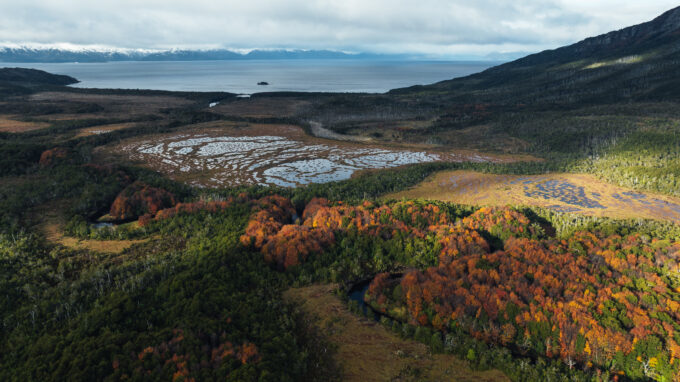
Pumalín Douglas Tompkins National Park | Photo: Antonio Vizcaíno

Rewilding Chile, formerly known as Tompkins Conservation Chile, is a nonprofit foundation that carries on the legacy of Douglas and Kristine Tompkins. In the early 1990s, Doug and Kris decided to dedicate their lives to conserving the beauty and biodiversity of the Chilean Patagonia, with the goal of countering both climate change and the species extinction crisis.

Three decades later, Rewilding Chile continues working toward this vision. We believe that without complex, healthy ecosystems––and all their species, relationships, and intricate processes––there’s little chance that either the human or non-human world can flourish.

To effectively confront the largest loss of biodiversity in history resulting from human actions, we must make a massive shift and return both land and water back to the wildlife that calls these spaces home. We must also acknowledge that all life forms deserve our respect.

Our future, and the future of millions of other species, depends on the actions we take today. It’s time to reconnect with nature, protect and restore wild spaces, and foster harmonic models of development that promote healthy, vibrant, and beautiful environments for all of earth’s living communities.

Mission and Vision

Foto: Antonio Vizcaíno

Vision

A healthy planet with complete ecosystems where all life forms thrive and communities develop in harmony with nature.

Mission

To encourage Rewilding as a holistic conservation strategy in the Route of Parks of Patagonia in order to counter the species extinction crisis and the climate crisis, by creating National Parks and marine parks, restoring ecosystems, and strengthening local communities’ connection with nature.

Values

Eco-centric values are the foundation of all our conservation work.

Beauty is a value

Beauty is an expression of vitality, and it has the power to sustain and enhance our lives. Beauty calls us to protect and restore the natural systems we all depend on. The desire to witness beauty is an intrinsic impulse linked to our desire to foster a quality life for the generations to come.

Every life form has value

The wellbeing and prosperity of human and non-human life on Earth has value in and of itself, independent of any utility for human purposes. Humans aren’t Earth’s rulers––we’re simply one piece of a larger community of life.

Reestablishing peace between the human and non-human worlds is essential

There’s no hope for reversing the eco-social crisis unless we abandon humanism and adopt an eco-centric vision of the world. It’s unethical for humans to cause the extinction of other species. This new peace treaty between human and non-human life means that humans must promote an environment of respect, trust, and collaboration between different life communities.

Humanity’s destiny is linked to the health of the planet

We believe in the delicate connection between the planet and humanity, the intricate web of life, and the concept of one health.

The time to act is NOW

The current human impact in the non-human world is already excessive, and the situation continues to worsen. Our impact in the biosphere must be reduced drastically. Anyone who understands this is morally obligated to participate––directly or indirectly––in the effort to make these much-needed changes.

Milestones

2025

A new Huemul deer subpopulation found in the future Cape Froward National Park

Conducted the first southern cone collaboration to translocate Darwin’s Rhea with Rewilding Argentina to Patagonia National Park

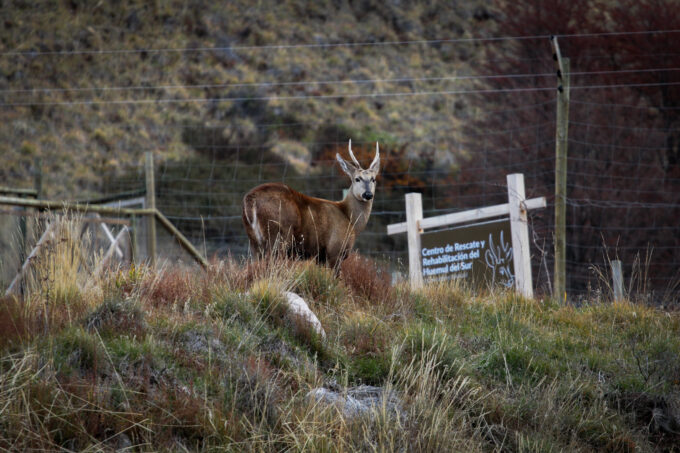
First Rescue Center for the Huemul deer established in Chilean Patagonia

New public-private project begins to help the guanaco roam again in Chile’s Central Andes

Launched a Volunteer Program in Cerro Castillo and Patagonia national parks

2024

Four Andean condors were released into the wild in Patagonia National Park

Innovative Visitor Center in Pumalín Douglas Tompkins National Park inaugurated with Tompkins Conservation and Chilean Forestry Service (Conaf)

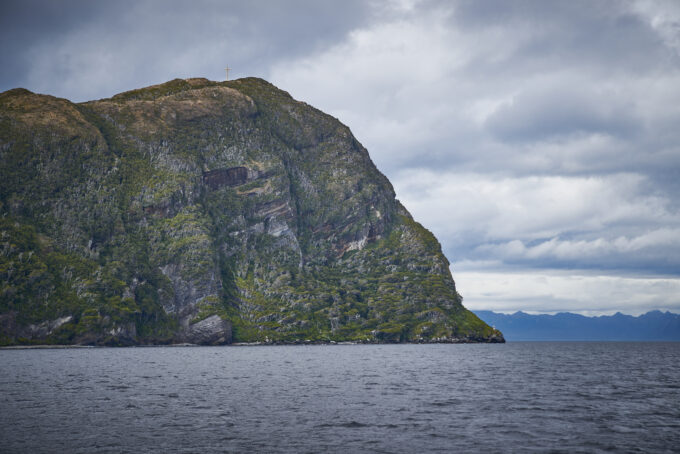
Protocol signed to create the future Cape Froward National Park with the Chilean Government at the tip of the Americas

Puerto Gallant, a new property, is offered for donation for the future Cape Froward National Park

2023

In a meeting with President Gabriel Boric, the offer to donate 93,000 hectares of land on the Brunswick Peninsula to the State of Chile to trigger the creation of a future National Park at Cape Froward was made official.

Launch of the Huemul National Corridor with the Ministry of Agriculture, which includes the first rescue center in the Aysén region.

Wildlife film premiere in Chile directed by Oscar winners Chai Vasarhelyi and Jimmy Chin, “Wild Life” depicts the epic love story of American conservationists who made the world’s largest private donation to conserve Chilean Patagonia.

we conducted a new marine expedition to Bahía Inútil, led by Ingrid Espinoza, Director of Conservation at Rewilding Chile, and a team of underwater biologists and photographers.

2022

Launch of the Passport of the Route of Parks of Patagonia.

Transfer of 26 charitos from Reserva Quimán to Patagonia National Park.

We released Pumalín and Liquiñe, two rehabilitated condors, in Patagonia National Park, thanks to the collaborative work with Fundación Meri and the Manku project and the support of SAG and CONAF.

‘Our Great National Parks’ premieres on Netflix, highlighting Patagonia National Park.

Fourteen young rheas were released from the Patagonia National Park breeding center into the wild in the Aysén region.

2021

Tompkins Conservation Chile changes its name to Rewilding Chile

Twenty-six ñandúes (14 in April and 12 in May) are released into the wild from Patagonia National Park’s rhea breeding center.

The digital book El Amarillo: Rebirth of a Town, which tells the story of this area’s beautification project, is published.

2020

The book Pumalín Douglas Tompkins National Park is published.

Fourteen ñandúes are released into the wild from the rhea breeding center in Patagonia National Park.

Alliance with the National Cultural Heritage Service is formalized, allowing for the donation of more than one thousand books to Chile’s network of public libraries.

2019

Tompkins Conservation Chile acquires three farms in the Las Horquetas sector near Cerro Castillo National Park, converting them into areas for protecting the huemul and for public use.

The Lucas Bridges Museum House opens in Patagonia National Park, honoring the contributions of the area’s first settlers.

The renewable energy system (hydraulic and solar) is inaugurated in Patagonia National Park, becoming the most advanced system of its kind in a national park in Chile.

The Route of Parks of Patagonia Committee is created and includes the Tourism Service of the Los Lagos, Aysén, and Magallanes regions, along with Tompkins Conservation Chile.

Founders

Photo: © Nicolás Piwonka Z.


Kristine and
Douglas Tompkins

The US conservationists Kristine Tompkins and Douglas Tompkins (1943–2015) achieved an unprecedented philanthropic triumph. After just over a quarter century of working toward the creation of National Parks and the recuperation of wildlife and natural habitats, Kristine and Douglas helped protect more than 14 million acres of land in Chile and Argentina, in collaboration with both country’s governments and with other philanthropists.

Team

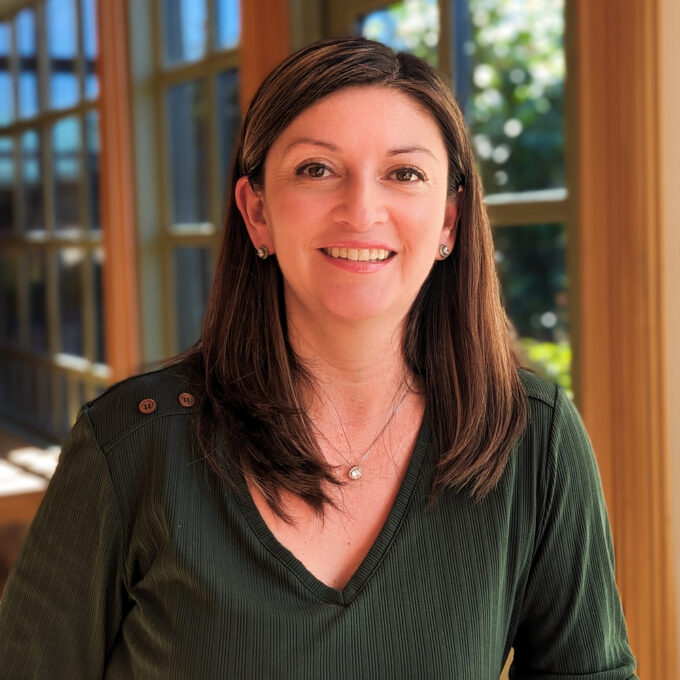
Carolina Morgado

Carolina Morgado

Executive Director

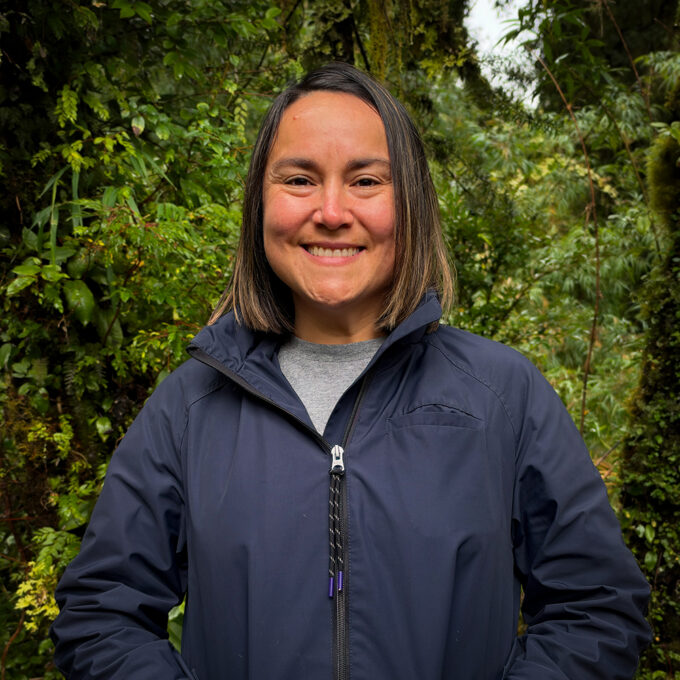
Ingrid Espinoza

Conservation Director

Cristián Saucedo

Cristián Saucedo

Wildlife Director

Mathias Hüne

Marine Program Director

Mabel Almonacid

Director of Finance and Human Resources

Carolina Cerda

Carolina Cerda

Community Outreach Director

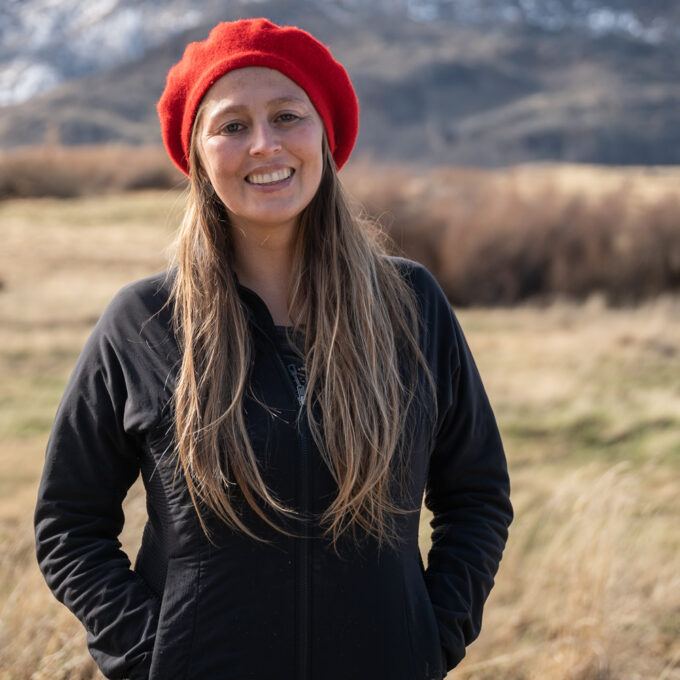
Pía Moya

Communications Director

Marcela Quiroz

Director of Strategic Partnerships

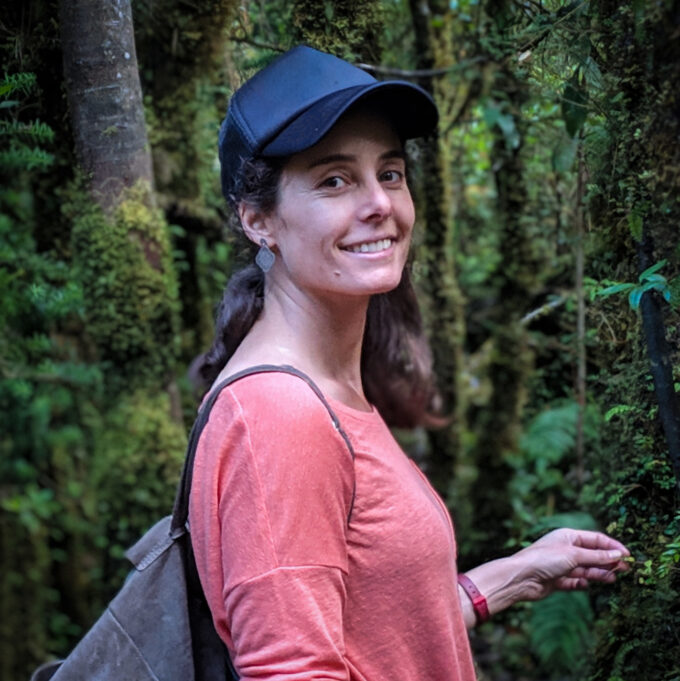
María José Sáez

María José Sáez

Philanthropy Coordinator

Board

Kristine Tompkins

President

Alex Perry

Vice President

Macarena Soler

Treasurer

Alex Muñoz Wilson

Secretary

Marcelo Mena

Director

Partnerships

Recognizing the magnitude and complexity of the climate challenges we face today, we promote rewilding to counteract the extinction crisis in collaboration with different partners from around the world.

Government Partnerships

We work in collaboration with local, regional, and national governments to ensure our long-term strategy of protecting and restoring the ecosystems of Chilean Patagonia at a large scale.
VER MÁS

Non-Governmental Partnerships

We partner with non-governmental organizations around the globe to drive change collectively, build scientific knowledge, and implement our rewilding programs effectively.
VER MÁS

Philanthropic Partnerships

The engagement and support of private Foundations and individuals with Rewilding Chile’s mission are vital to enhancing our programs’ impact and long-term sustainability.
VER MÁS

Corporate Partnerships

We choose to work with companies with visions aligned with our efforts to protect Chilean Patagonia’s biodiversity..
VER MÁS