Photo: Diego Nahuel for Rewilding Chile
A pioneering study by Rewilding Chile and the University of Chile measures the volume of carbon stored in this remote forest ecosystem at the southernmost tip of the Americas, where ancient peatlands are the strongest ally in mitigating climate change.
Photo: Diego Nahuel for Rewilding Chile
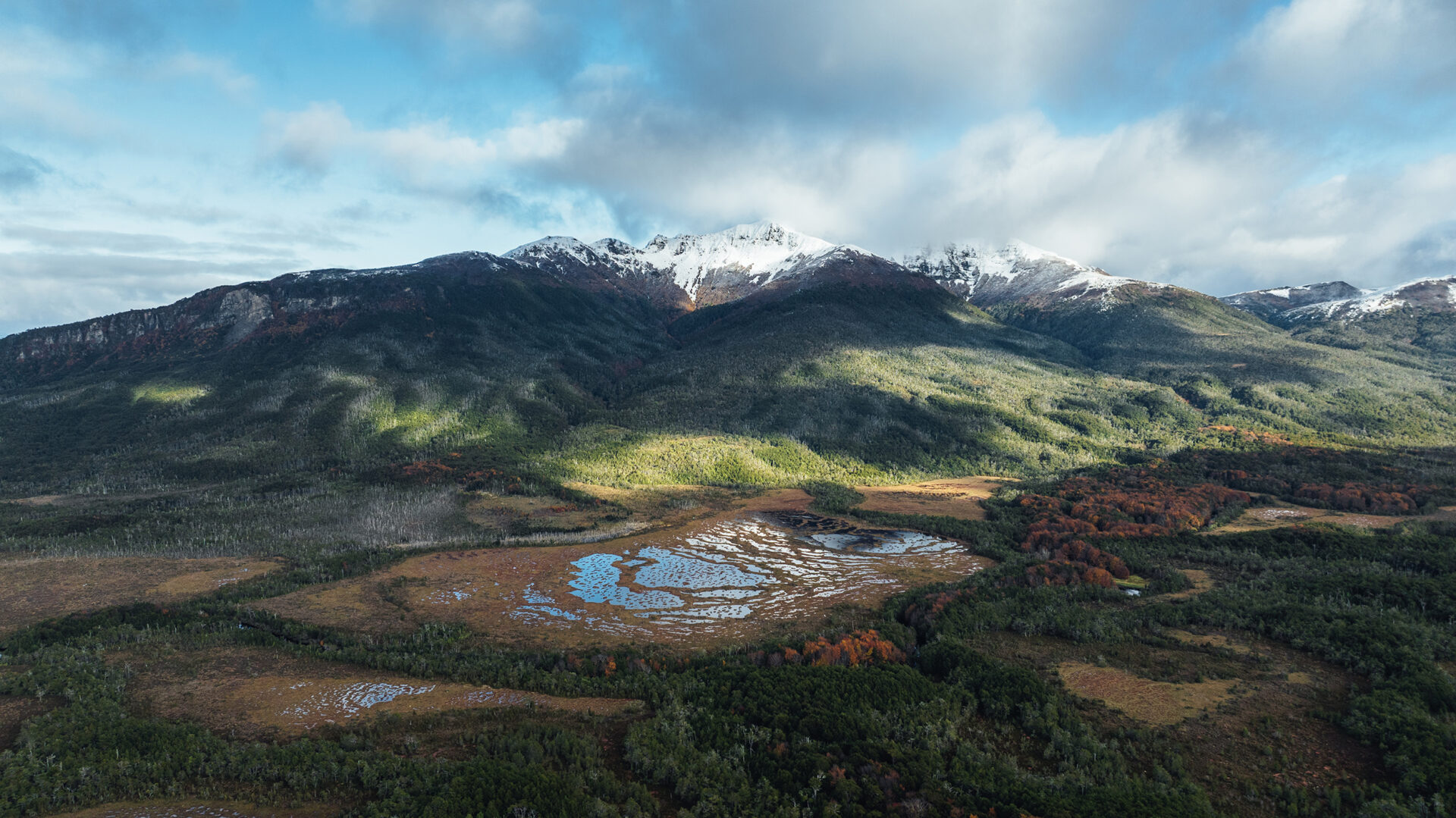
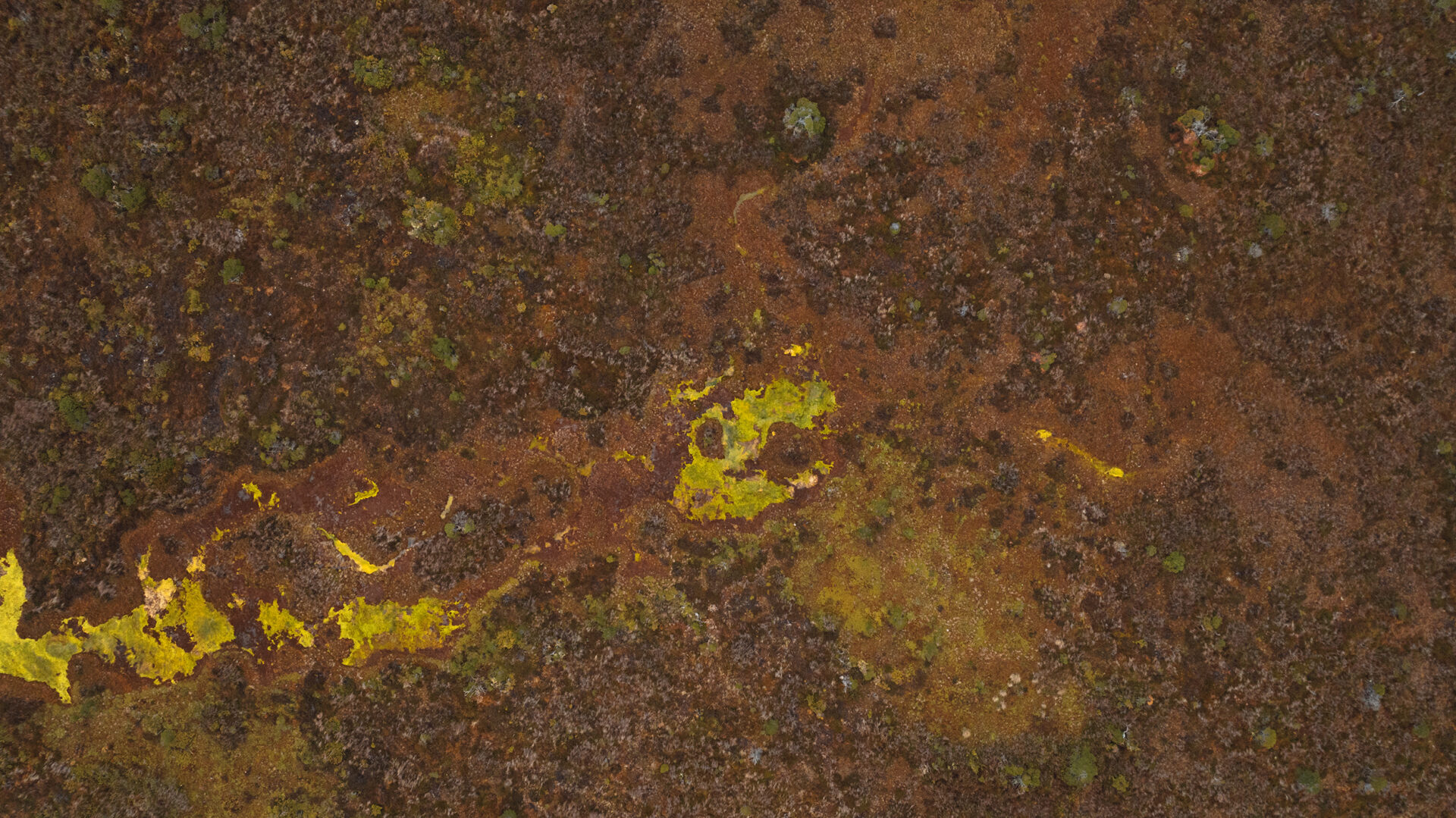
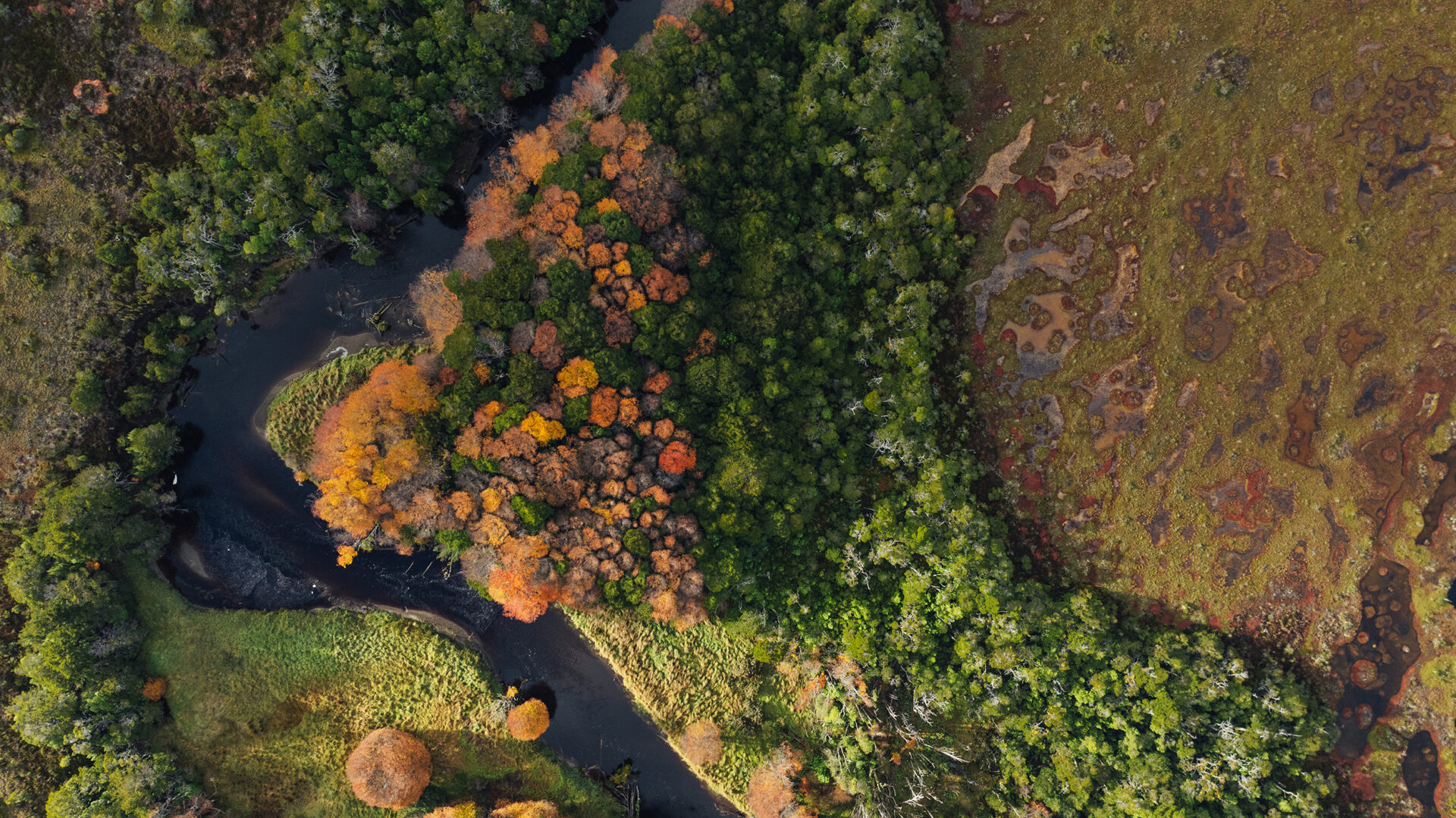
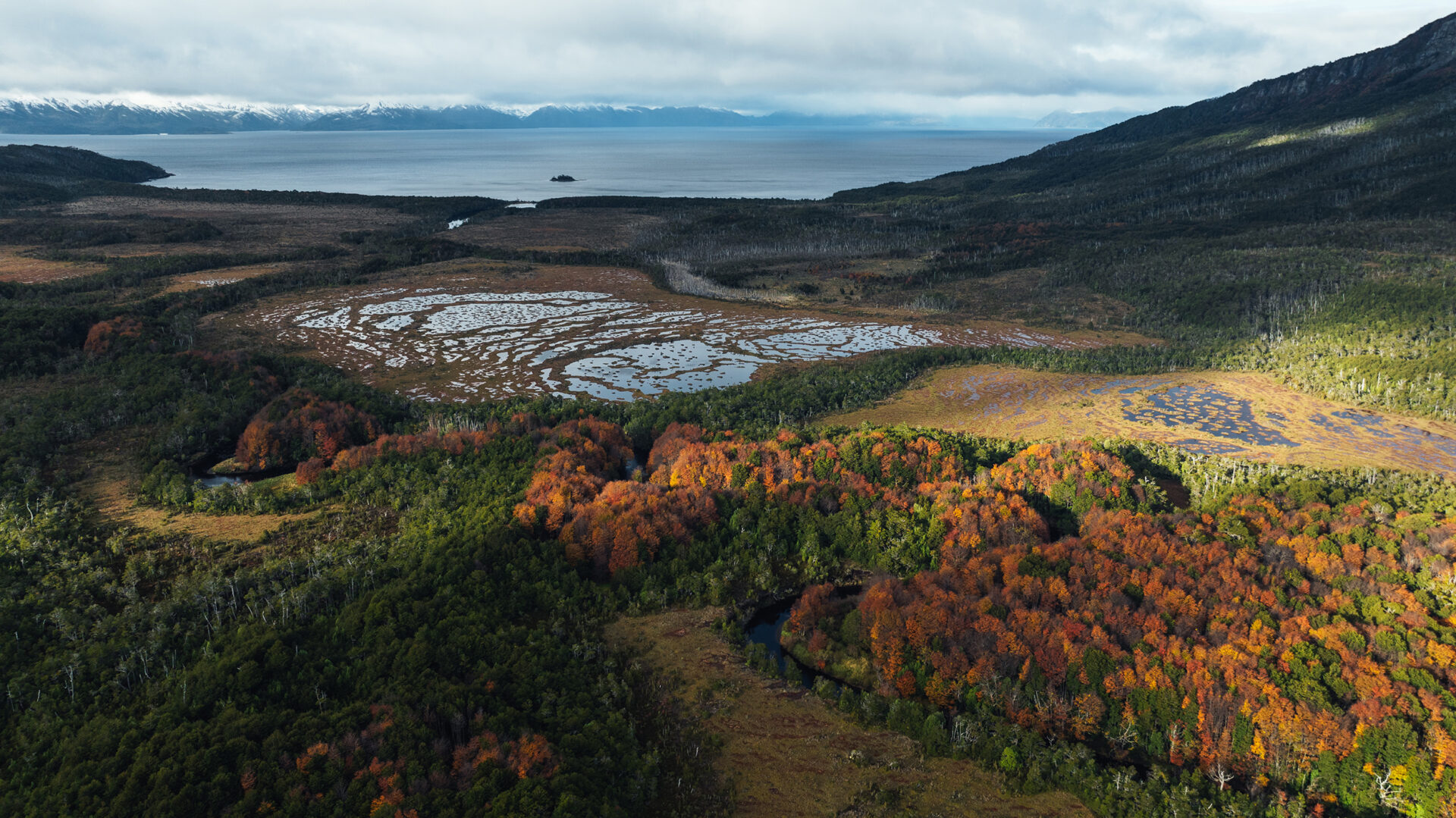
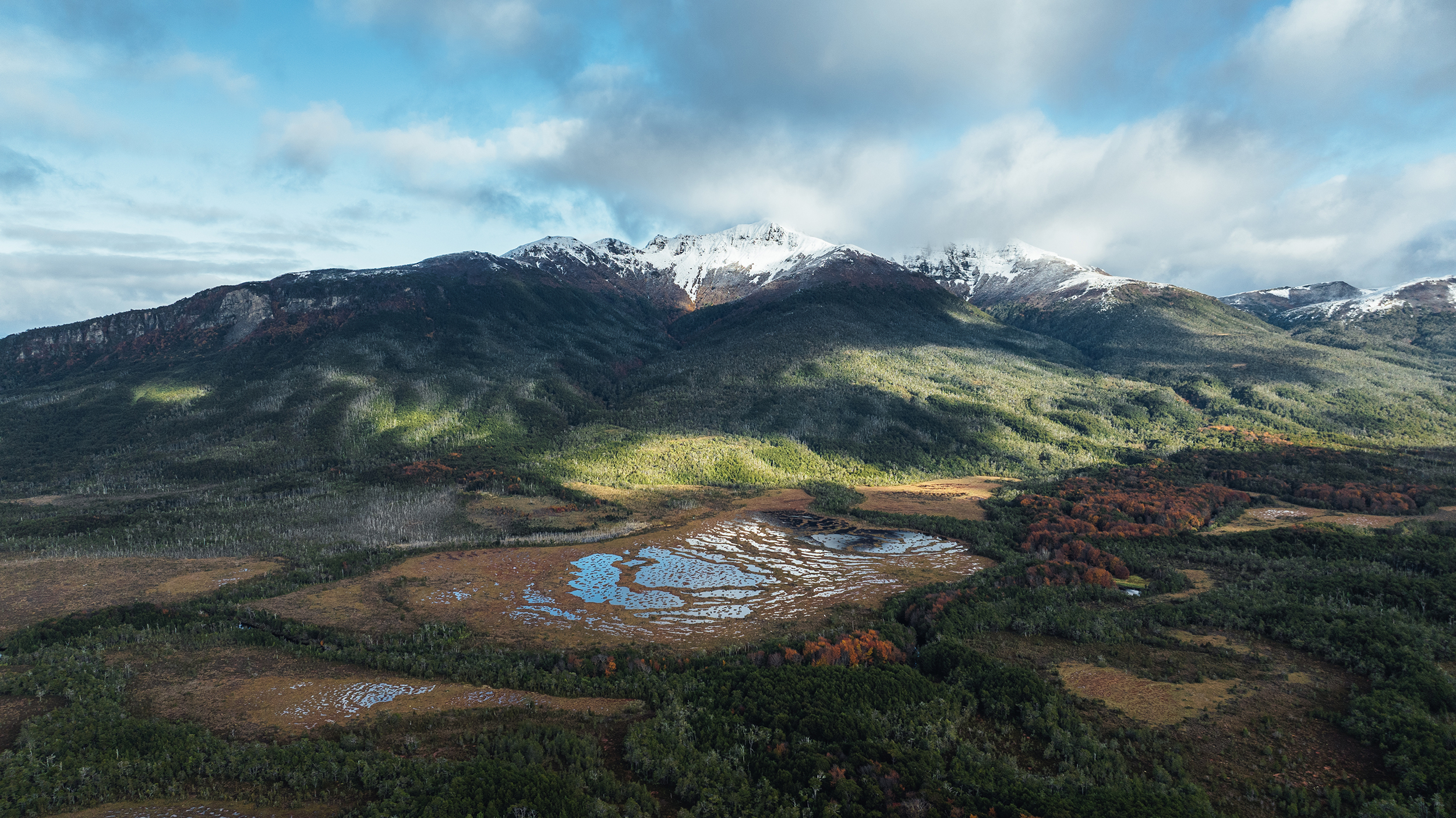
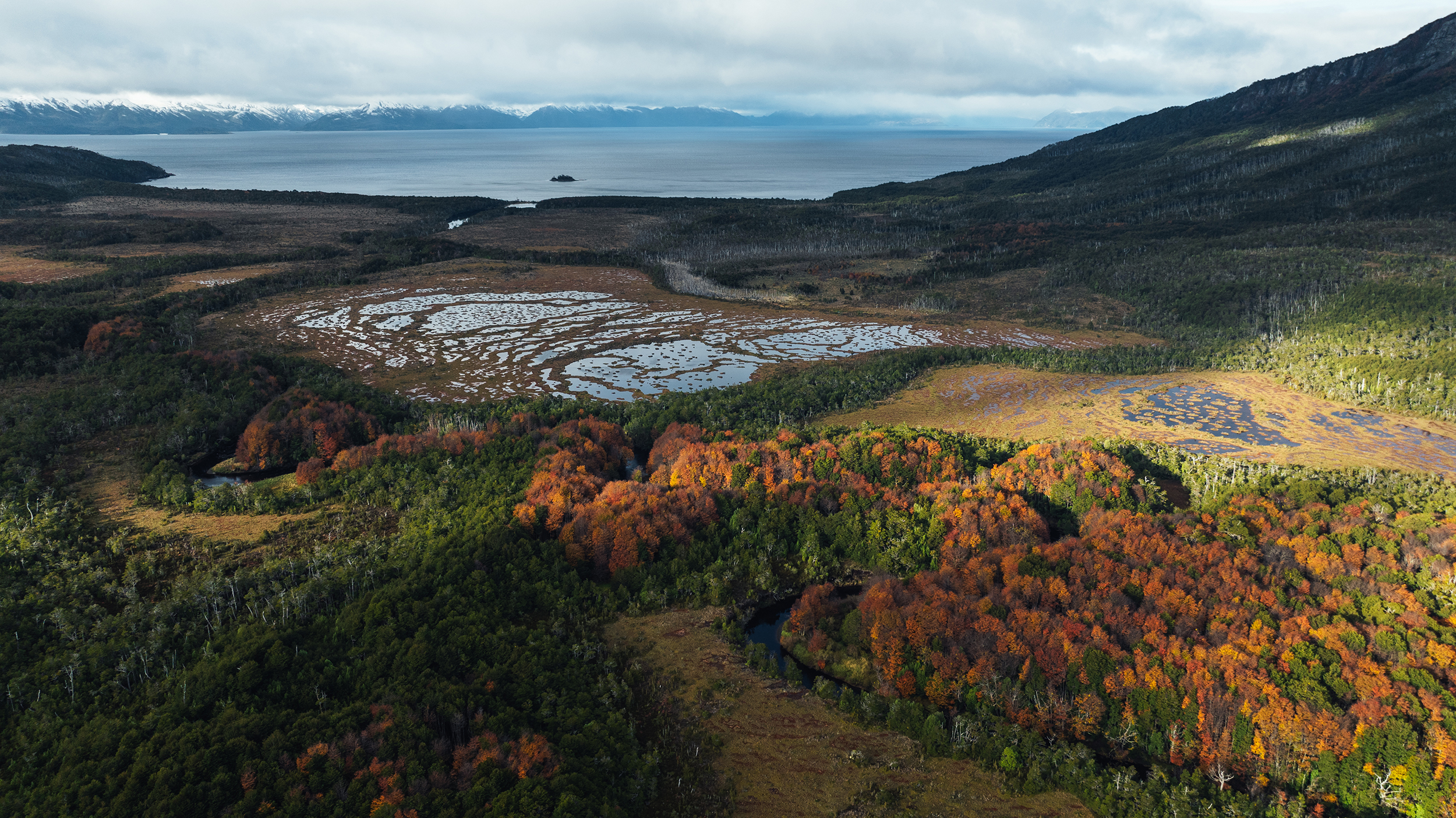
Peatlands are known to be powerful carbon stores, built up over centuries from layer upon layer of dead organic matter compressed under cold, wet, oxygen-poor conditions. But until now, little was known about exactly how much carbon they hold at the continent’s farthest corner: Cape Froward, on the Brunswick Peninsula in the Magallanes region.
A groundbreaking investigation by Rewilding Chile’s Subantarctic Ecosystem Restoration Program, carried out together with specialists from the University of Chile, measured carbon storage in the Cape Froward peatlands for the first time. The findings exceeded expectations: laboratory analysis of field samples showed that peatlands hold an average of 1,647 tons of carbon per hectare—three times more than forests in the same area, which store an average of 536.2 tons per hectare.
“There’s no question that peatlands rank first among all the world’s carbon reservoirs. What we didn’t know was that, within that group, Patagonian peatlands actually outperform the temperate peatlands of northern Chile, and even come closer to tropical ecosystems, which store around 1,600 tons of carbon per hectare,” explains Jaime Hernández, director of the Laboratory of Geomatics and Landscape Ecology at the University of Chile’s Faculty of Forest Sciences and Nature Conservation.
Hernández had previously studied carbon reservoirs across the country, but never those at Cape Froward—and what he found surprised him. “These are intact ecosystems, still quite wild. They’re protected by water accumulation and the site’s own microtopography, with very little human disturbance, unlike other parts of the country where commercial peat moss extraction has been permitted for agriculture,” he notes.
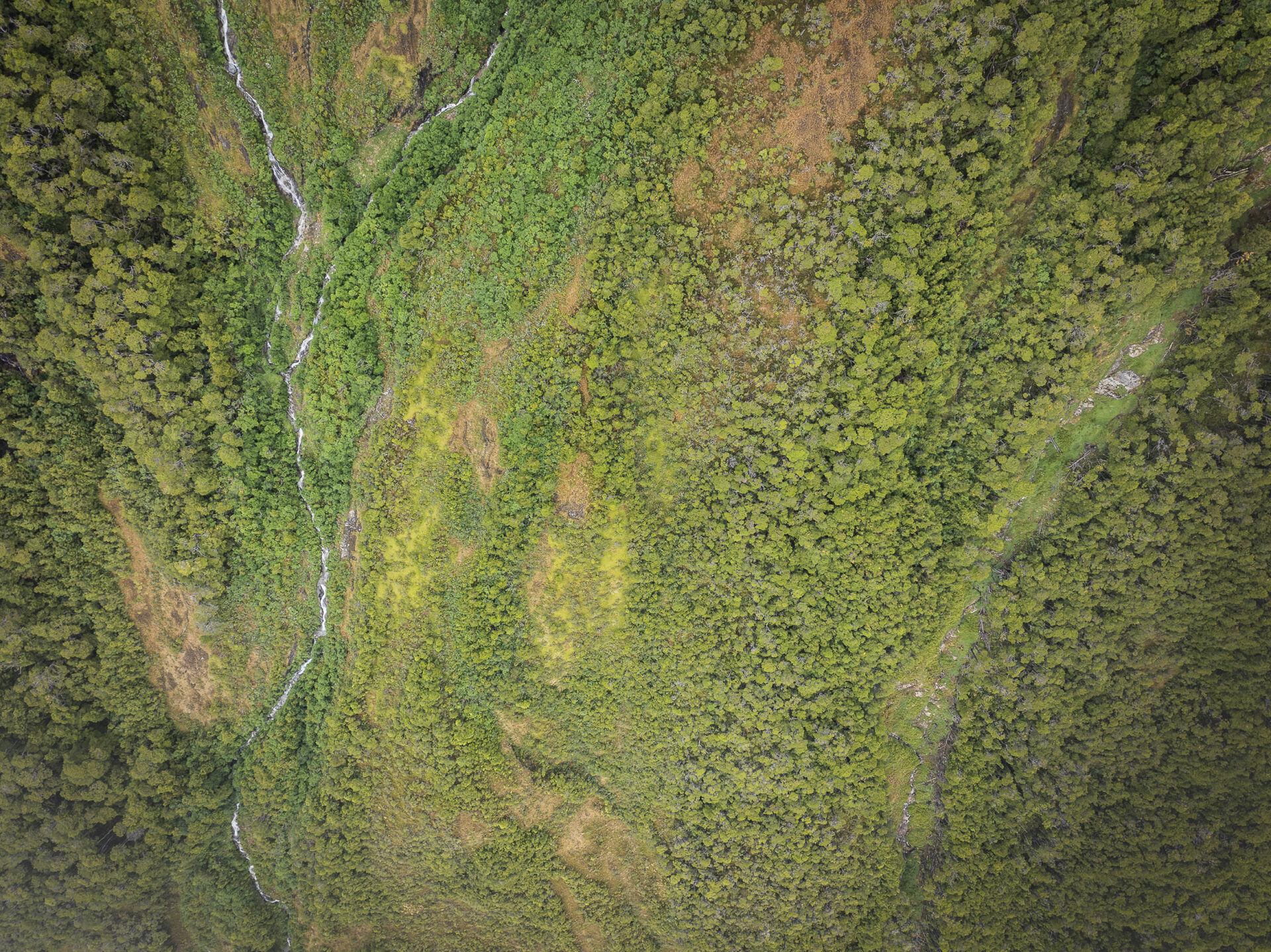
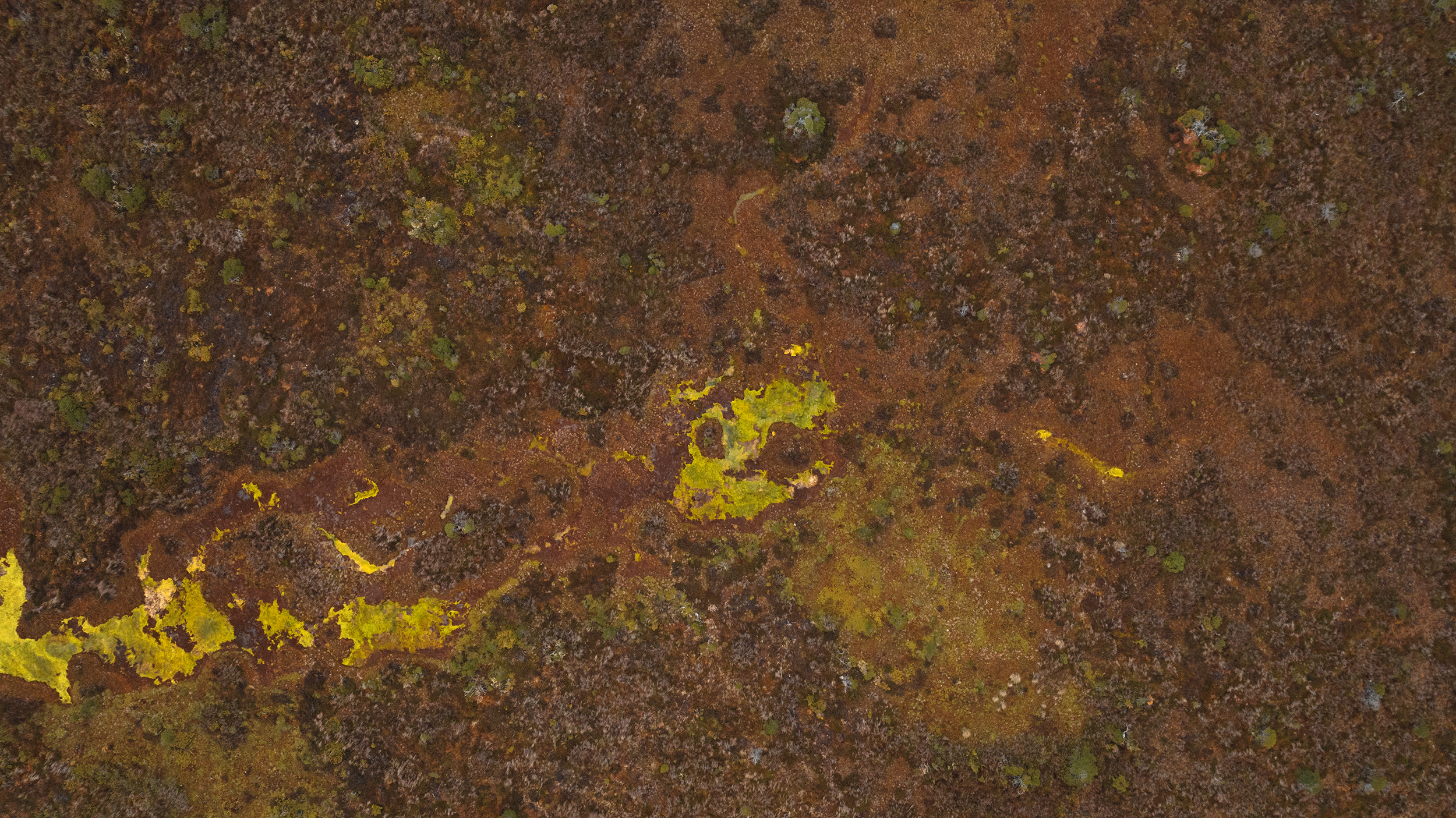
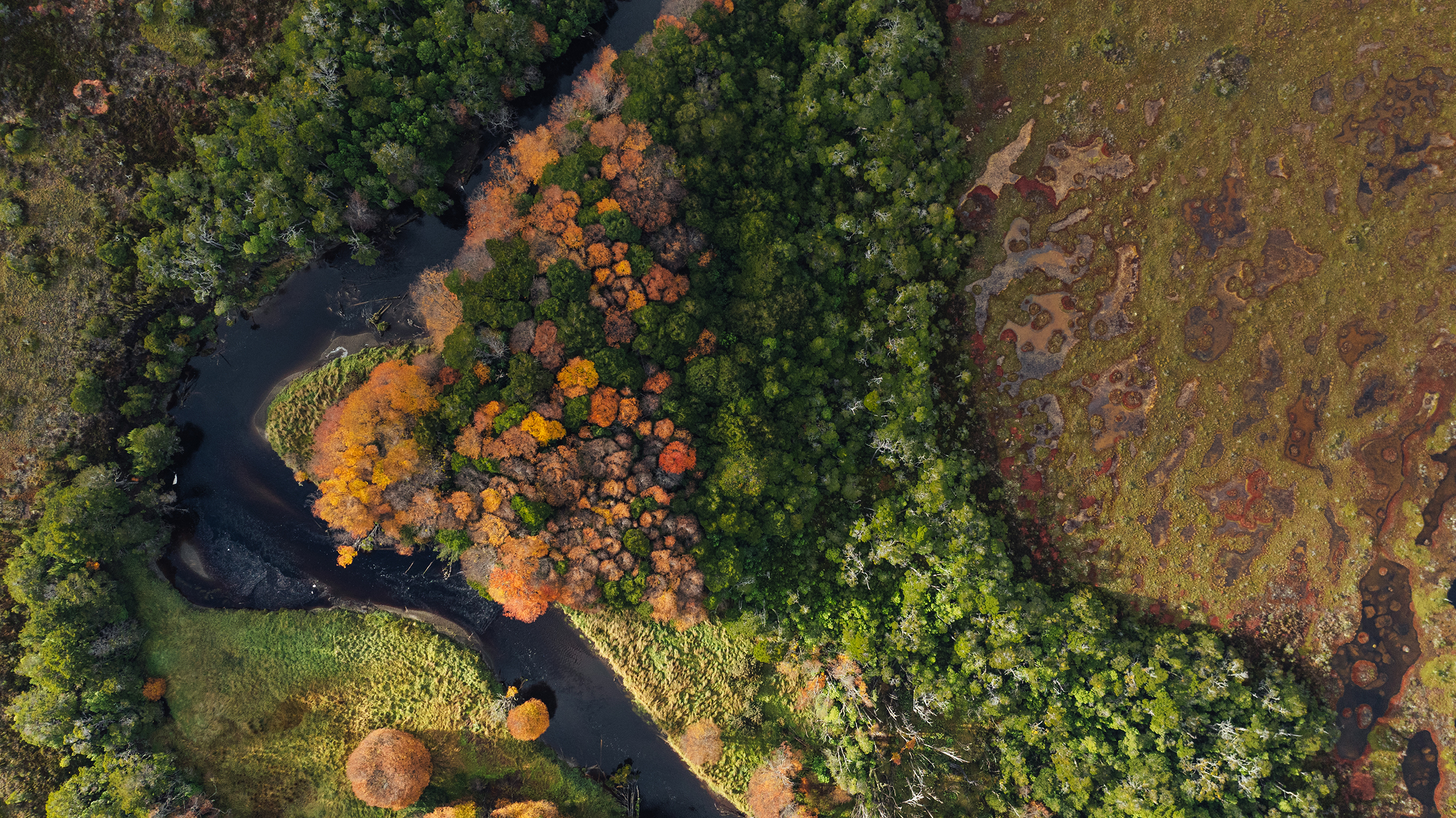
Alongside the carbon analysis, the study mapped the vegetation cover of the area between San Nicolás and Bahía Cordés for the first time—covering the entire continuous land mass of the Brunswick Peninsula where Cape Froward sits. The surface comprises just over 52,000 hectares of forest and roughly 53,000 hectares of peatland, together capable of storing an estimated 115 million tons of carbon.
“These findings confirm that subantarctic forest ecosystems are highly efficient natural carbon reservoirs—true treasures in the fight against the climate crisis. And that’s not all: they shelter biodiversity, hold records of what the environment looked like thousands of years ago, and are essential to maintaining ecological balance,” says Ingrid Espinoza, Conservation Director at Rewilding Chile.
"These findings confirm that subantarctic forest ecosystems are highly efficient natural carbon reservoirs—true treasures in the fight against the climate crisis. And that's not all: they shelter biodiversity, hold records of what the environment looked like thousands of years ago, and are essential to maintaining ecological balance"
The research combined high-resolution mapping with extensive fieldwork, allowing the team to determine—with a precision not previously available—exactly how much carbon exists per unit of volume at a given point.
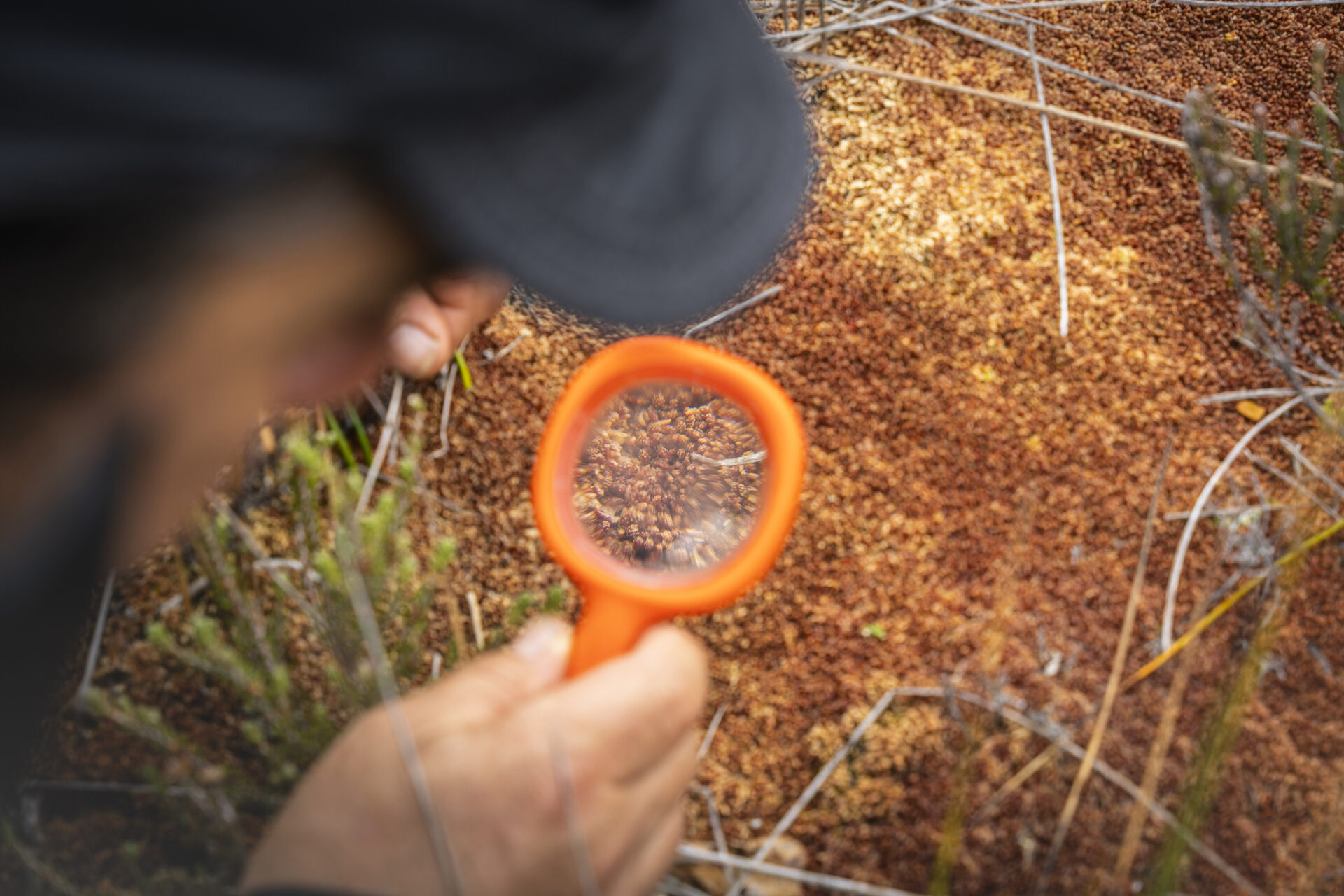
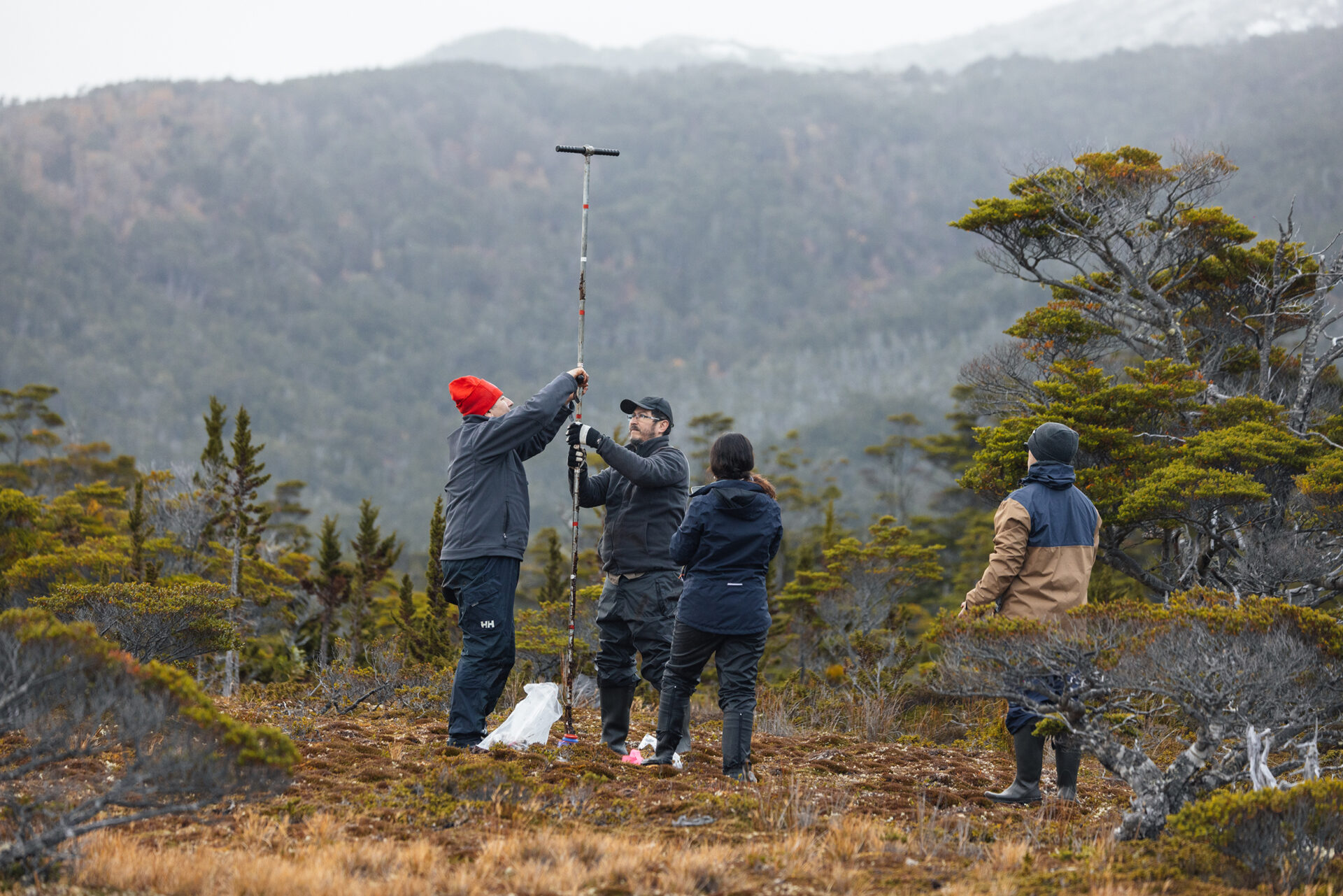
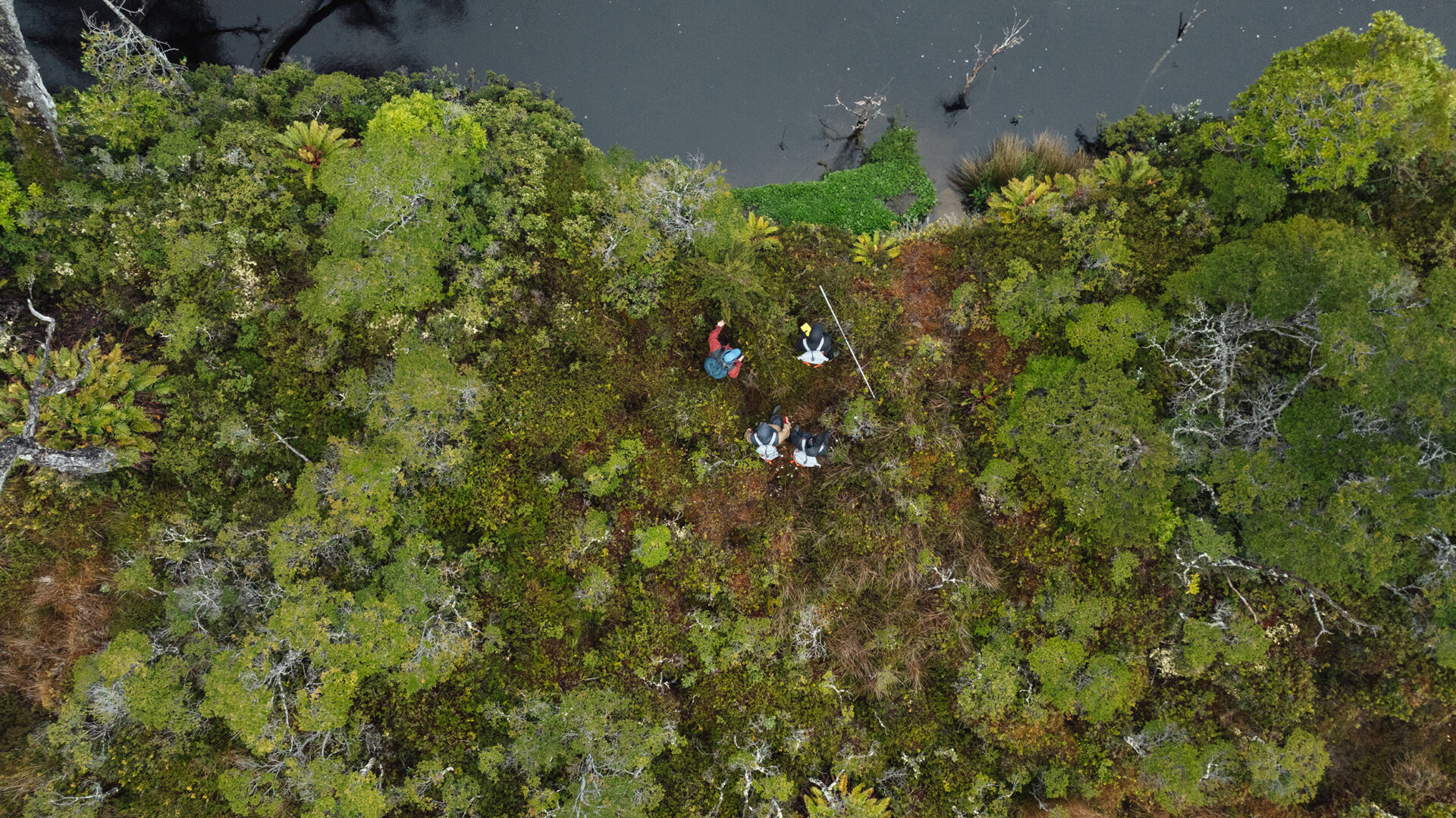
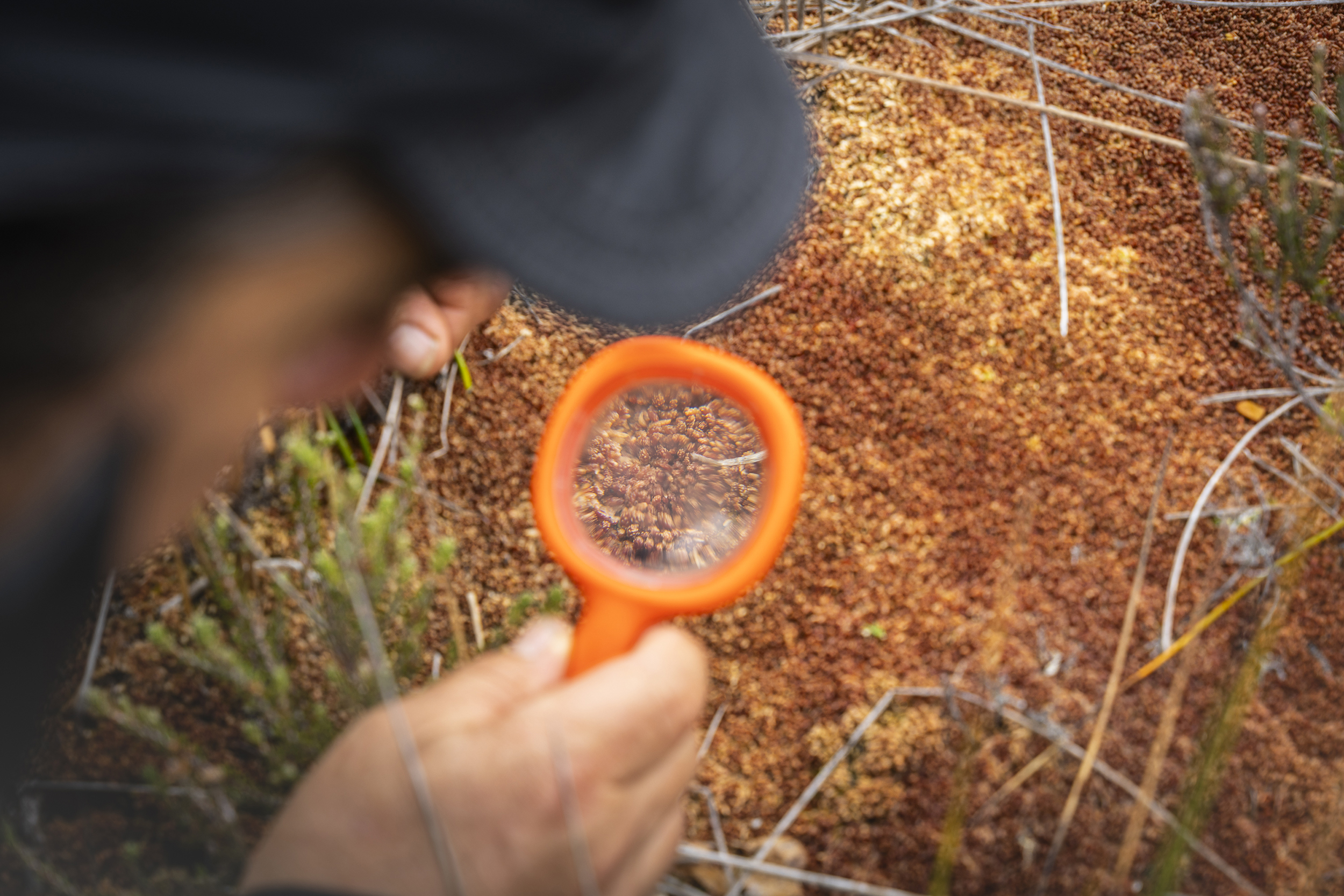
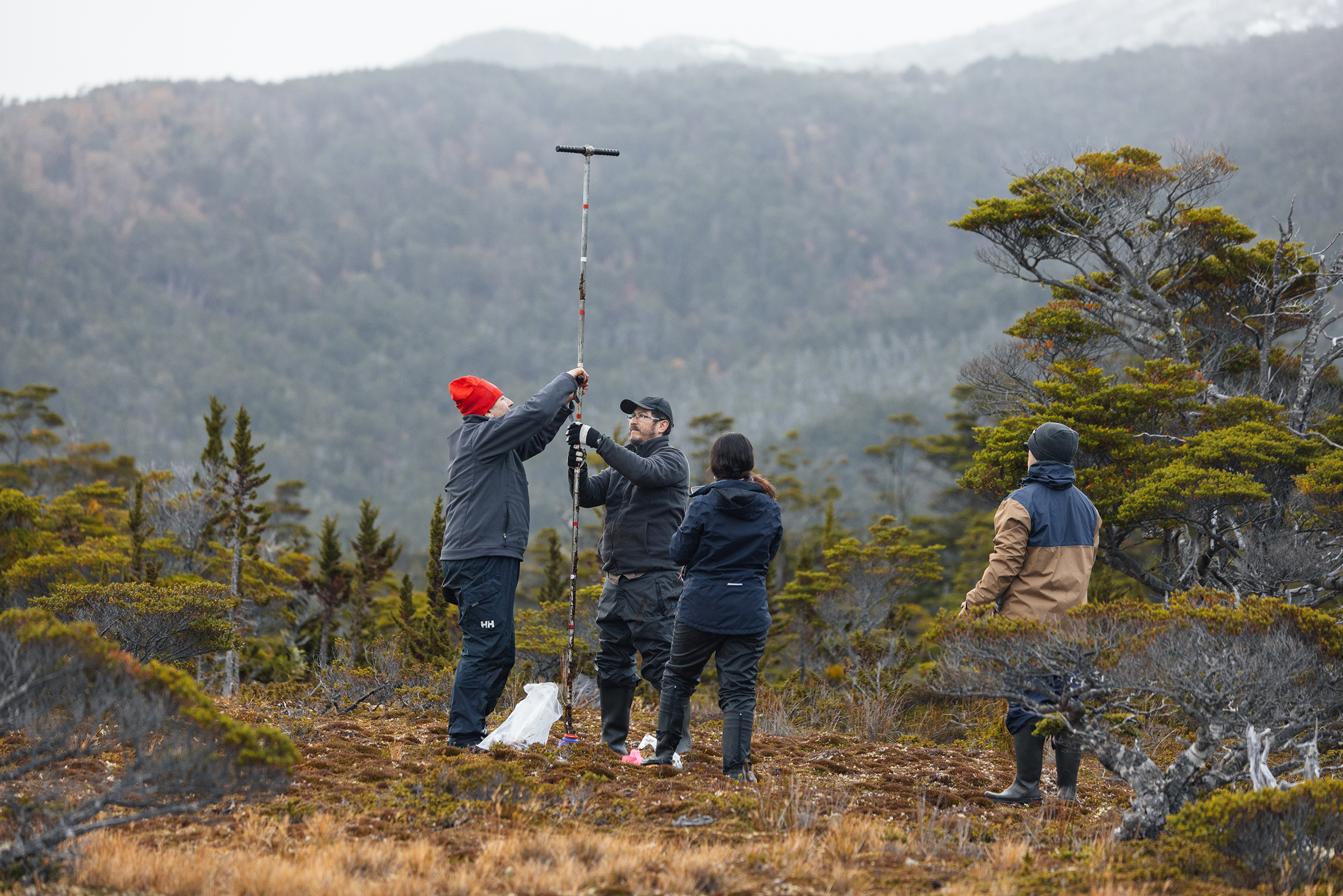
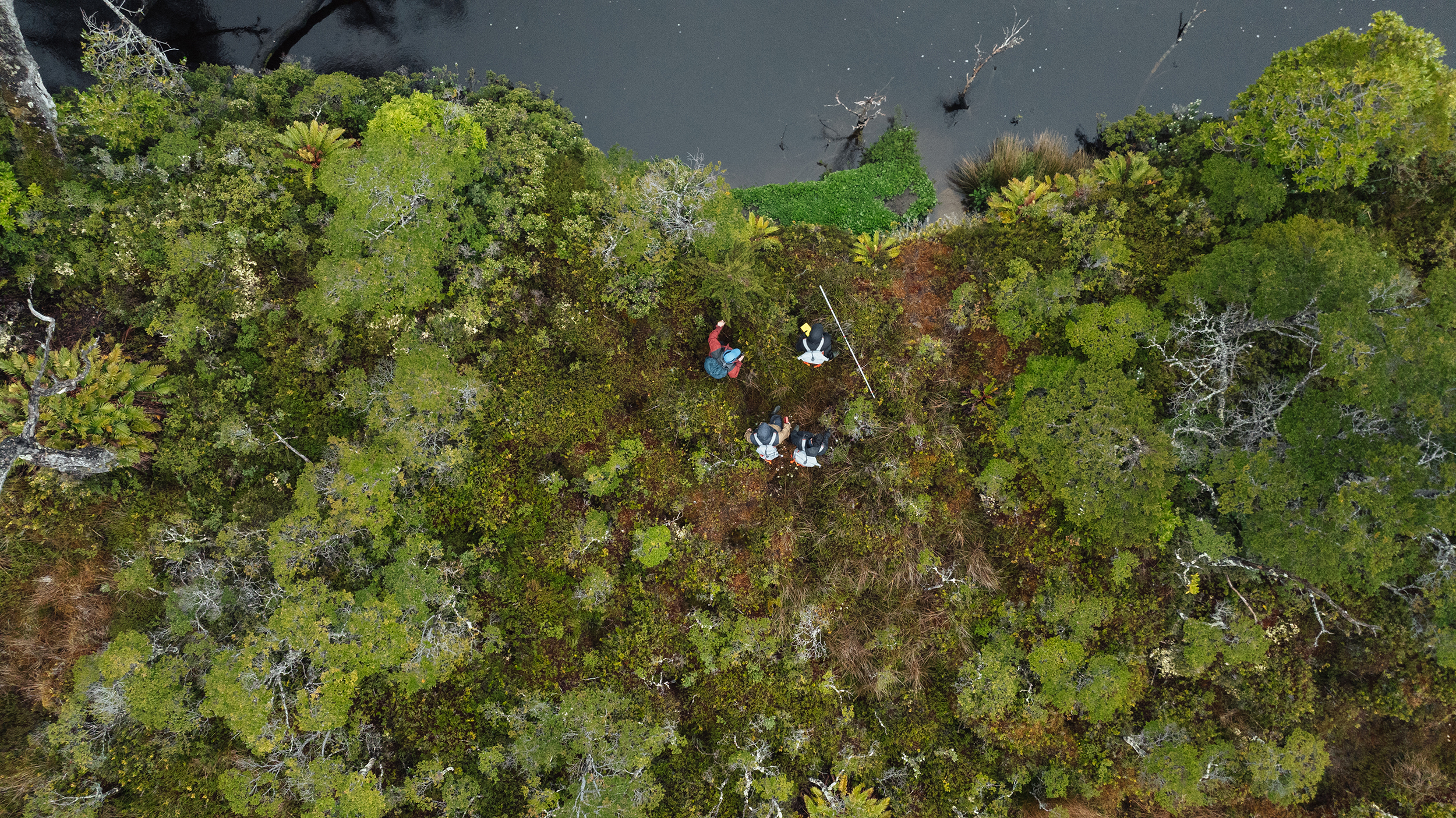
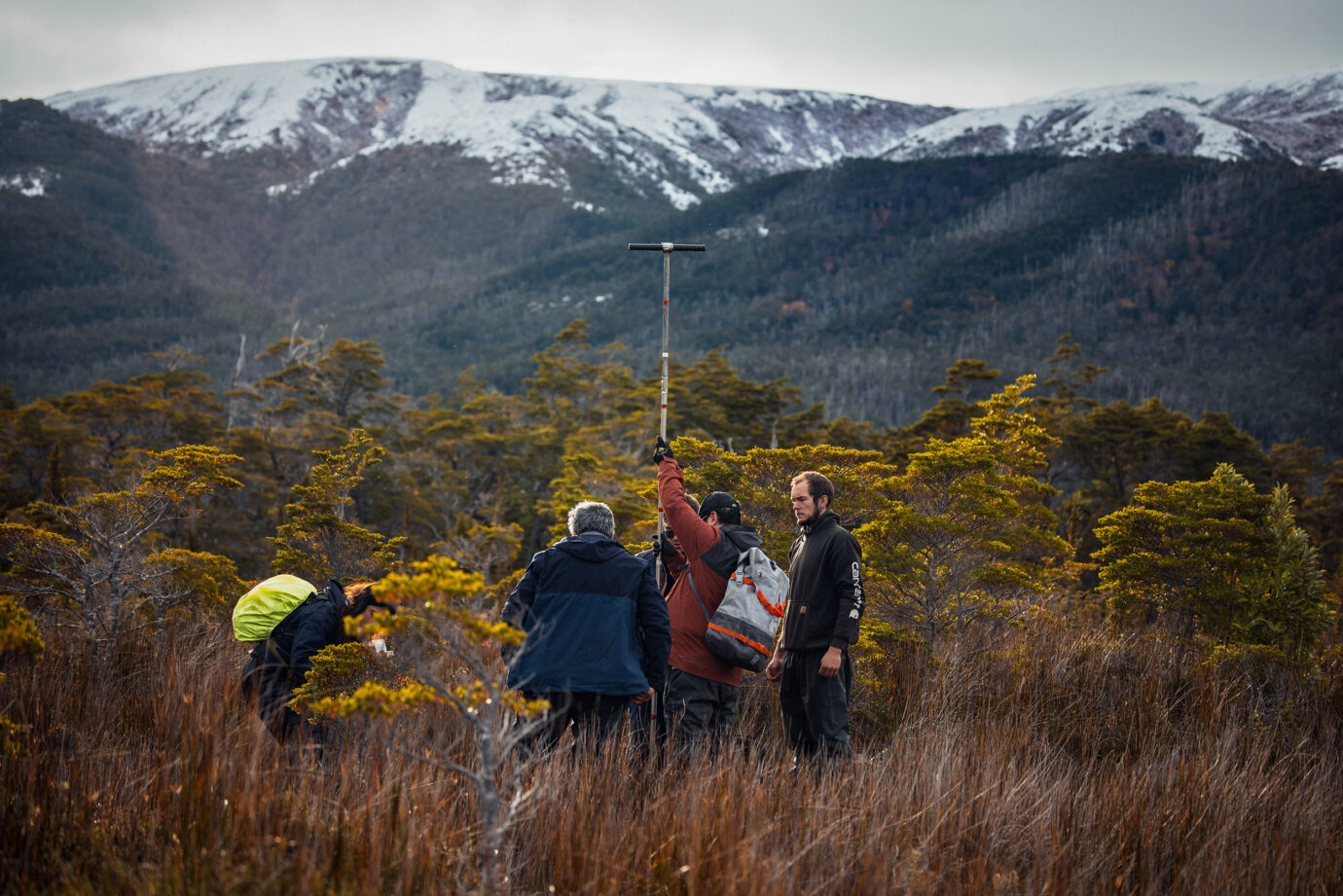
Researchers first identified and classified vegetation across the area using satellite imagery. Two field expeditions followed, during which the team measured living organic matter above ground and collected soil and peat samples at varying depths across more than 200 designated sites. The samples were then sent to the University of Chile’s Ventura Matte Laboratory to determine carbon content. The research team is now finalizing a scientific publication detailing the results and methodology.
To safeguard this unique territory, Rewilding Chile is working with the Chilean State to establish a national park at Cape Froward. “While other regions are fighting to restore degraded ecosystems, here we have an intact system that could play a crucial role in mitigating climate change—and that urgently needs protecting,” Espinoza adds.
This isn’t the first time the foundation has studied carbon storage in Patagonia. In 2019, in partnership with the National Geographic Society, it calculated carbon storage across the 17 national parks along the Route of Parks of Patagonia, establishing the region as one of South America’s richest carbon sinks.