Foto: Kurt Ruiz para Rewilding Chile
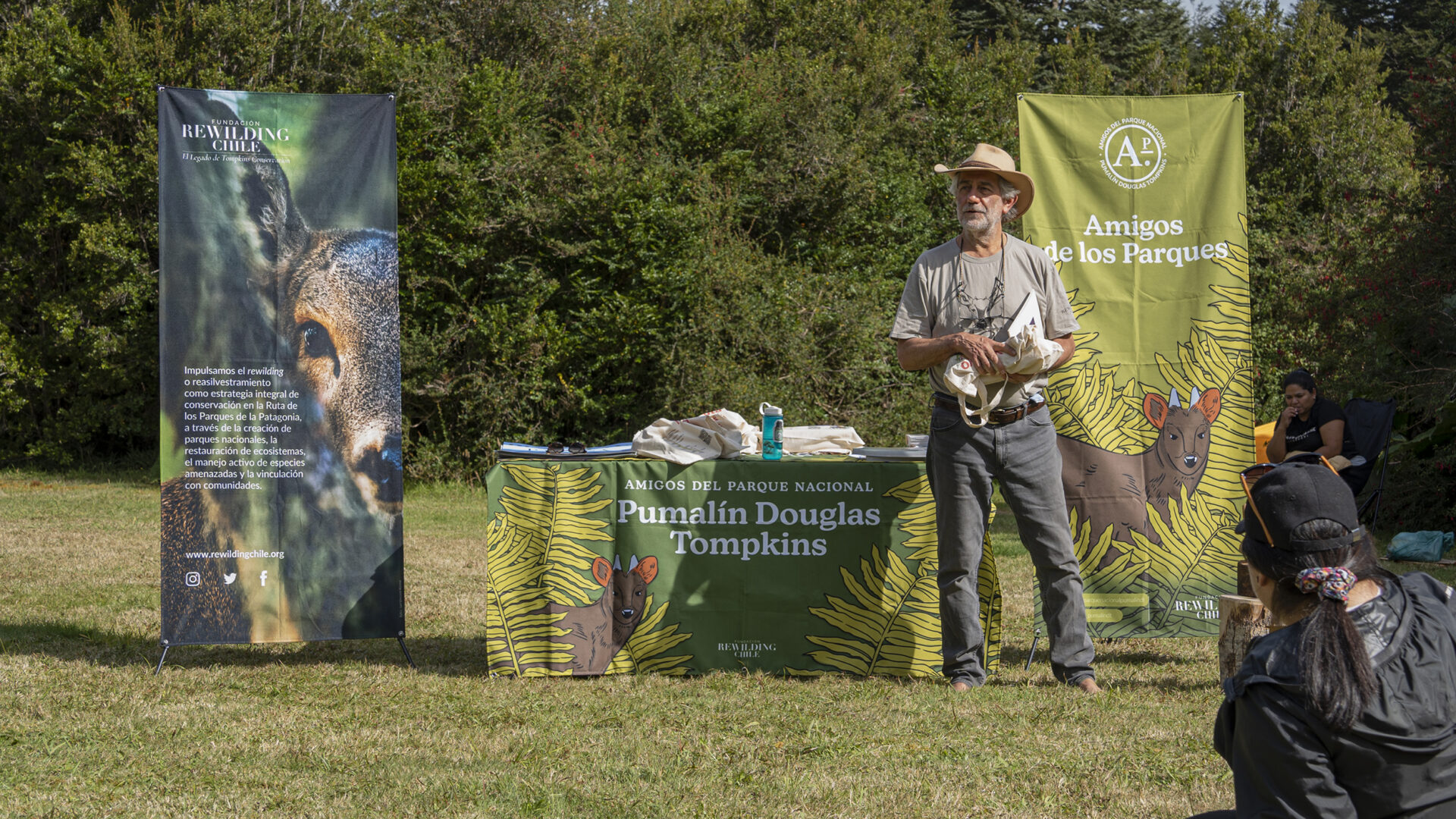
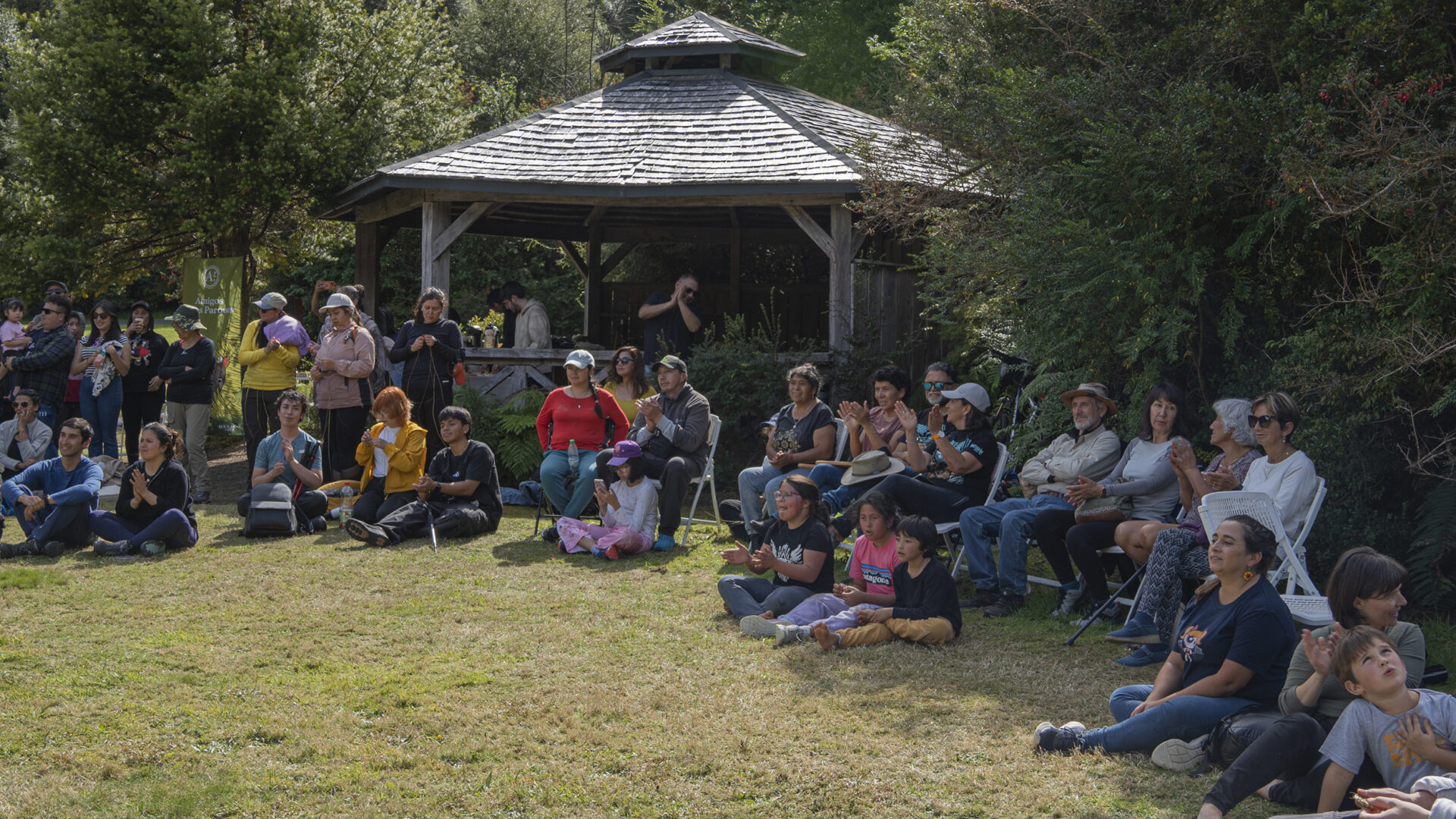
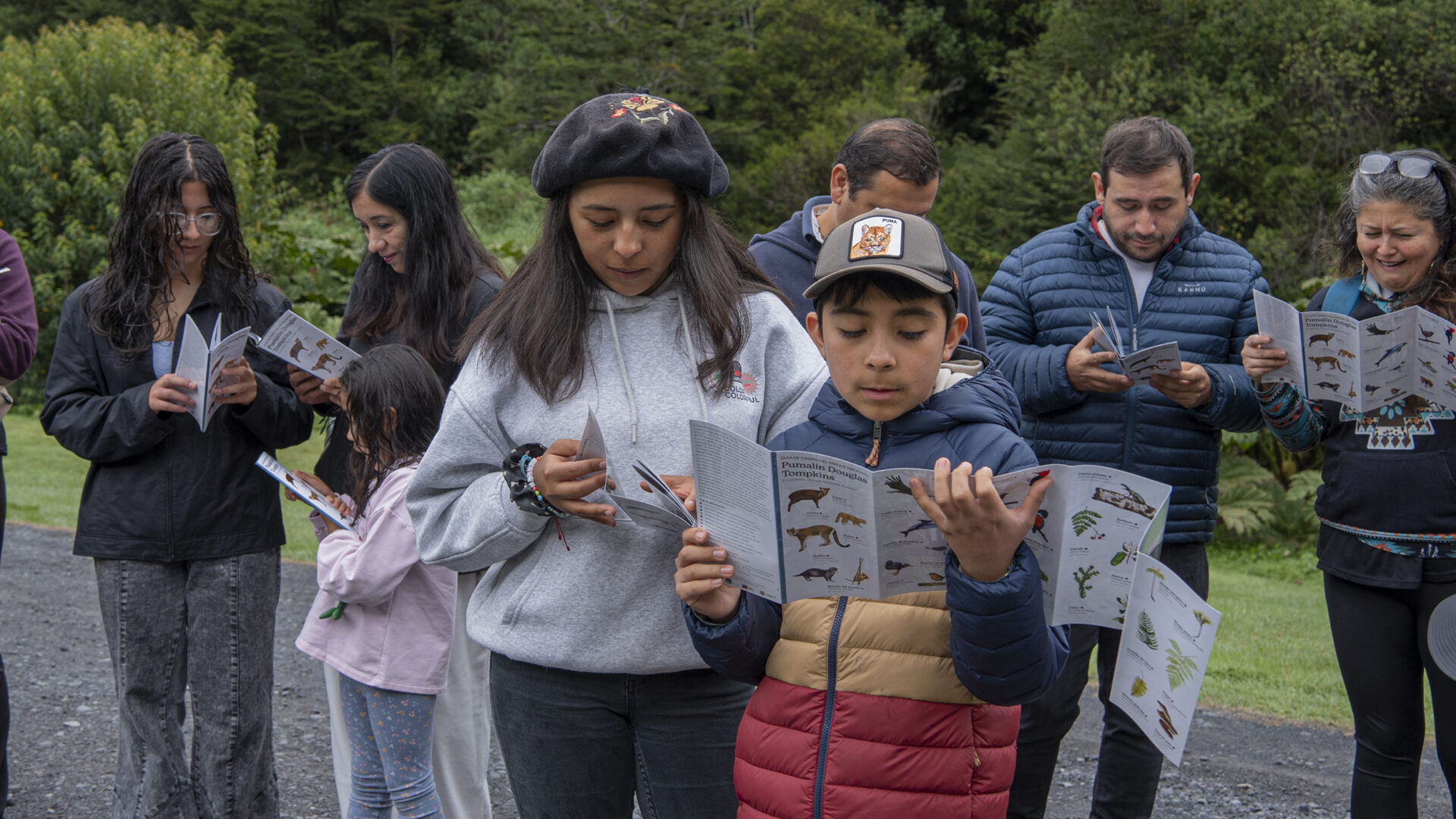
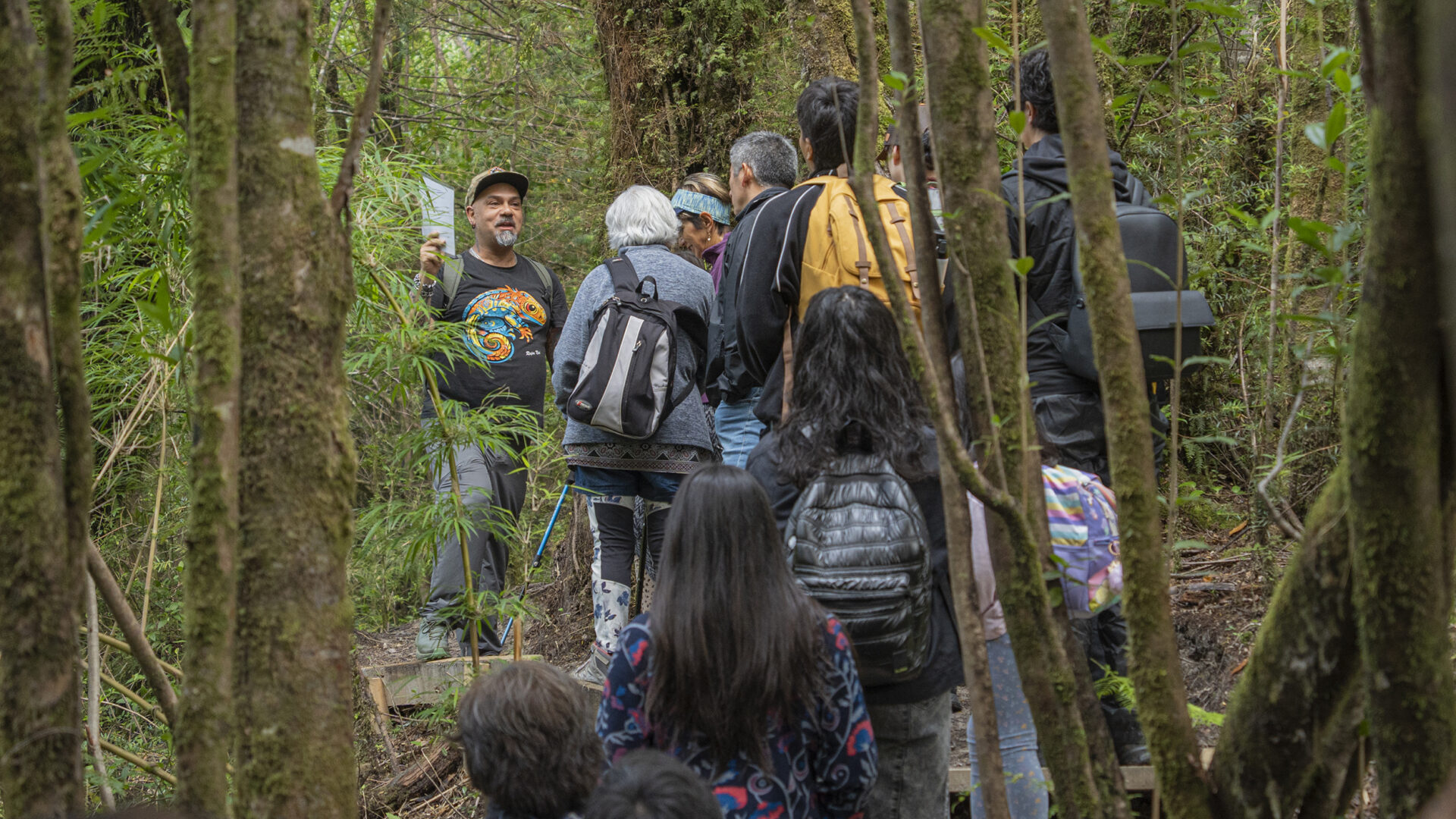
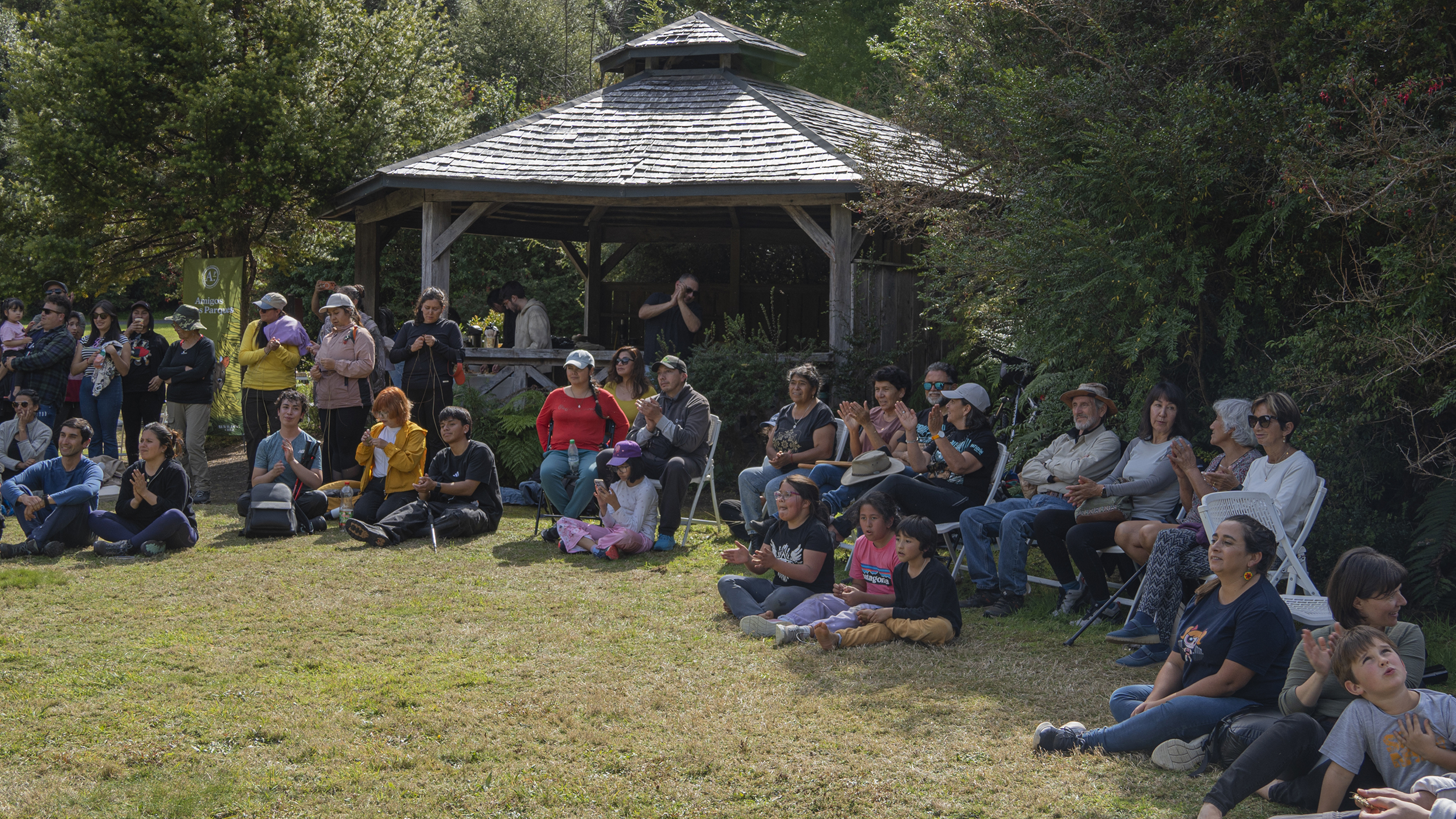
Residents from across the region gathered to take part in guided hikes, workshops inspired by natural and cultural heritage, and a range of activities that fostered a deeper connection with nature in this protected area.
Foto: Kurt Ruiz para Rewilding Chile
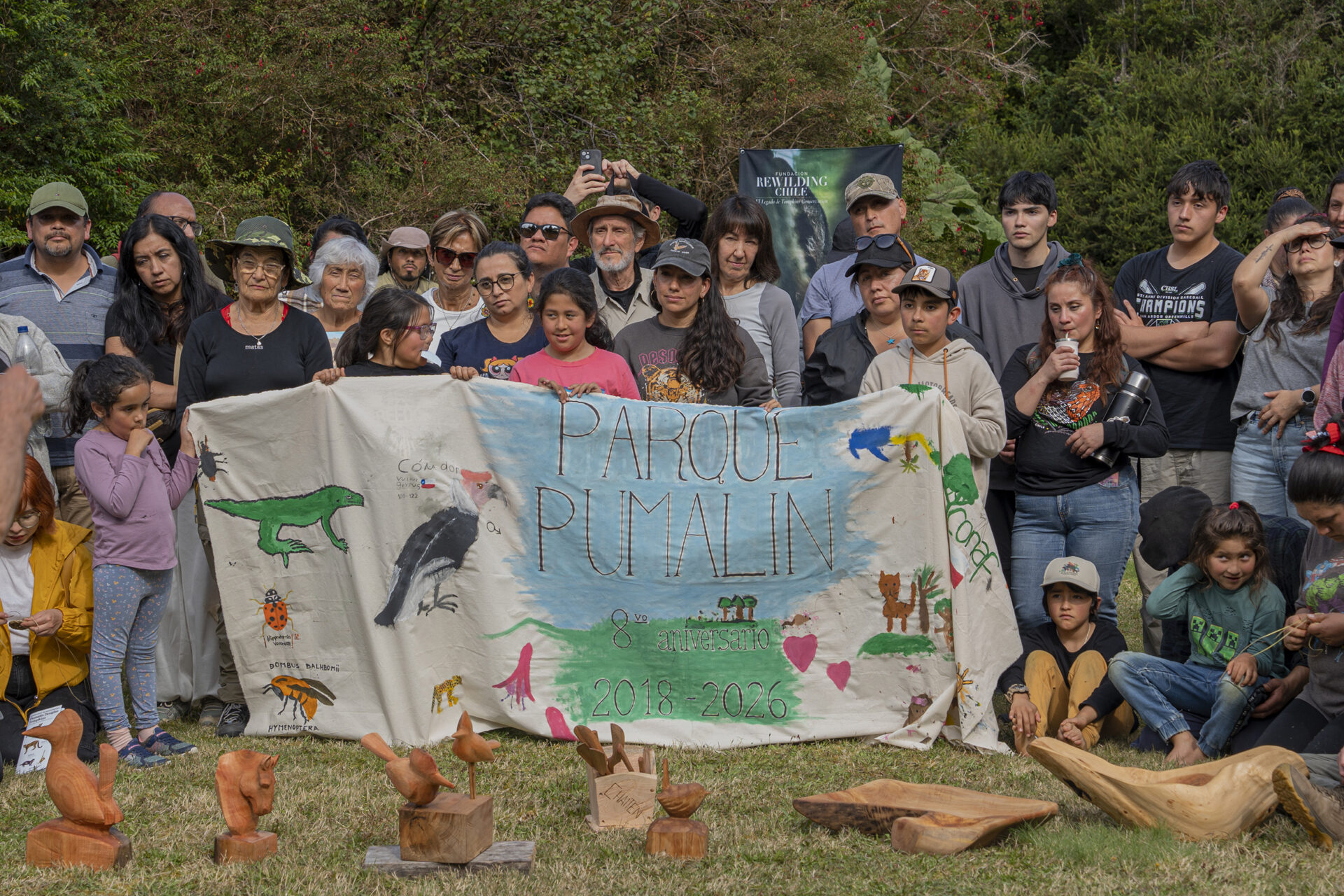
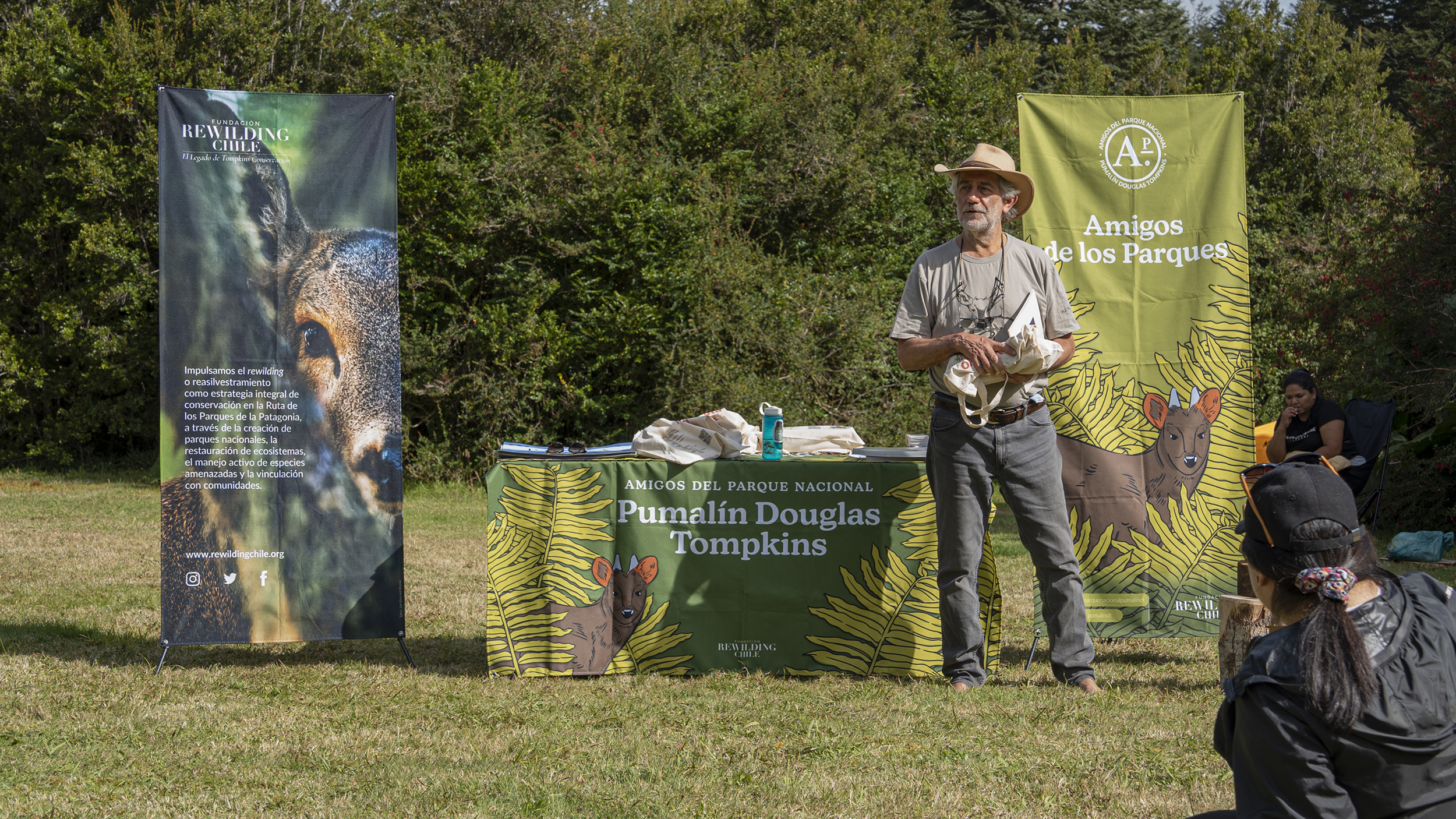
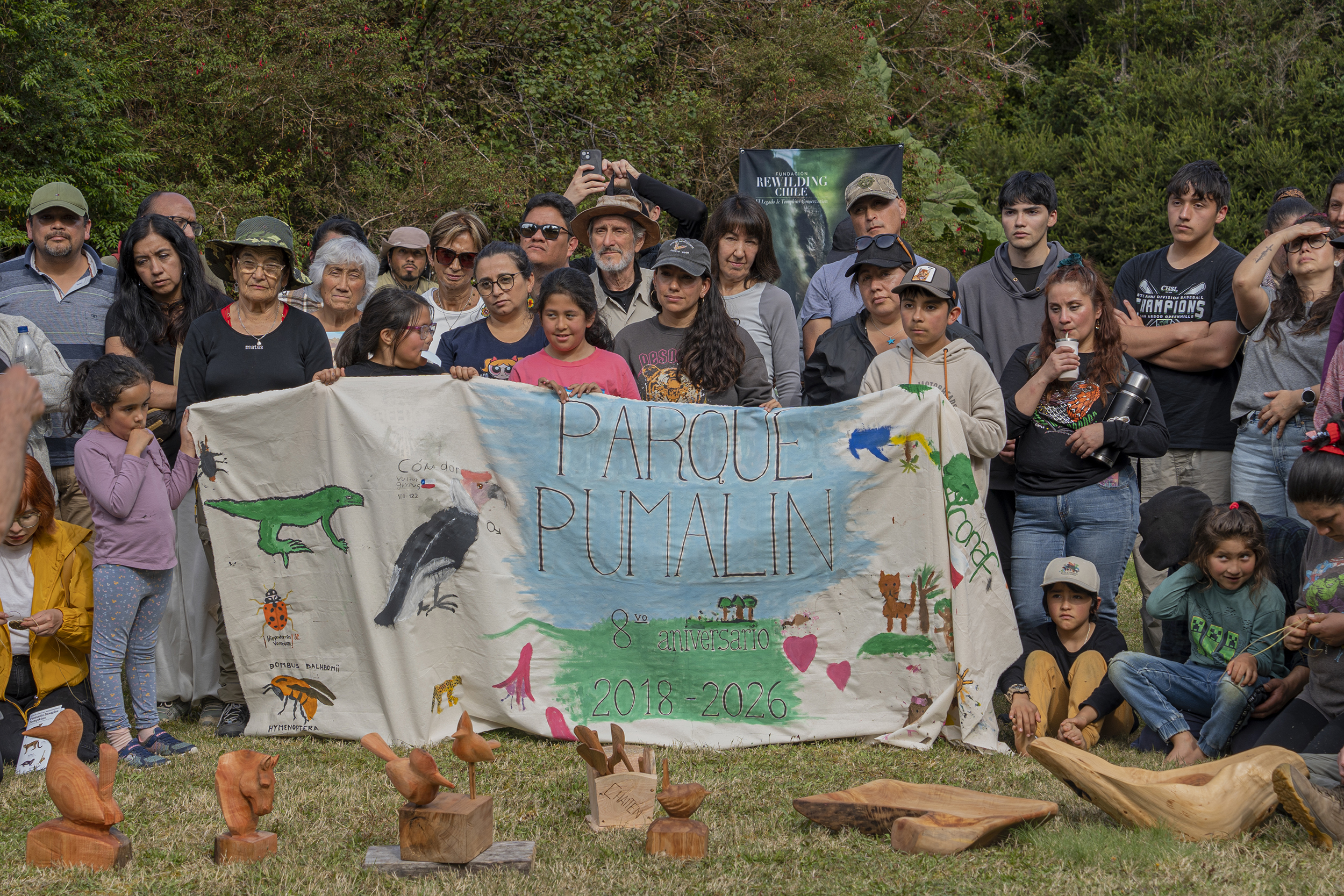
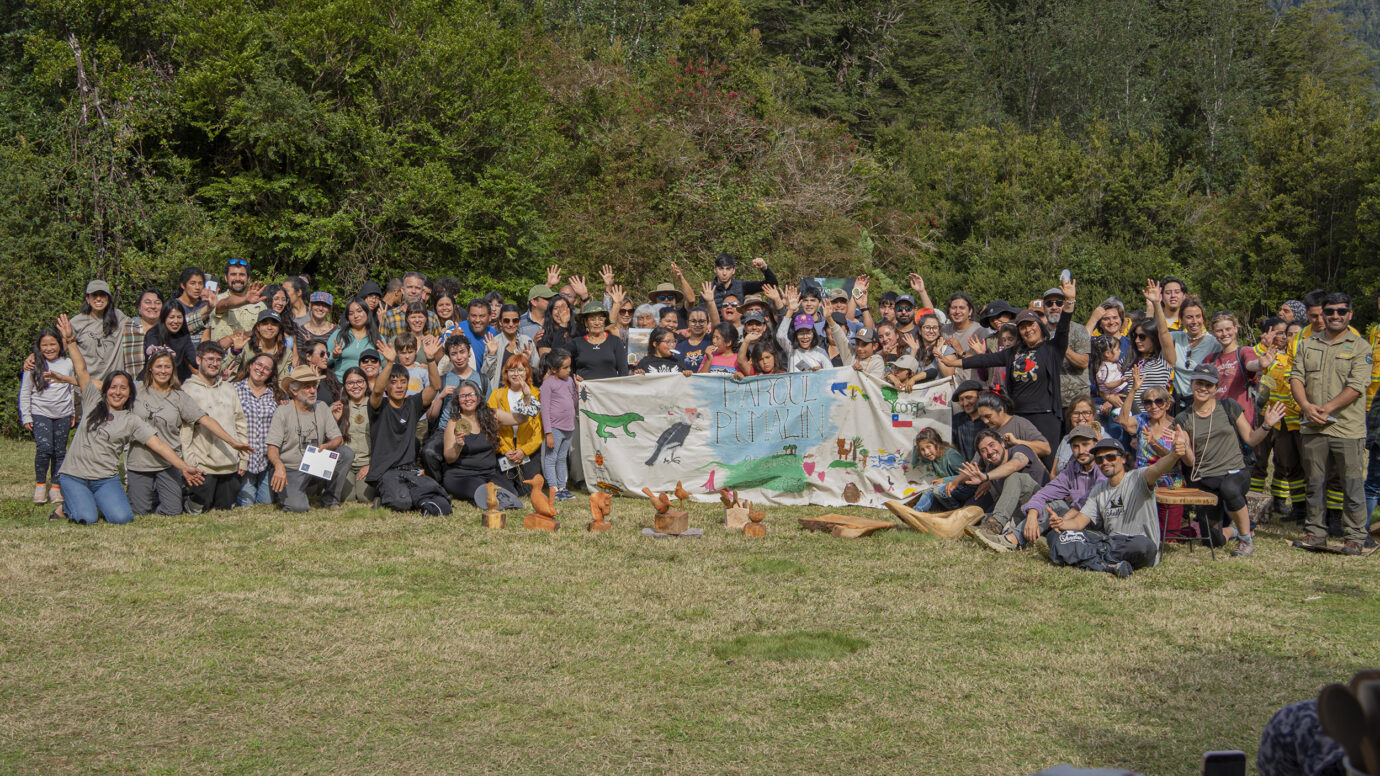
Marked by community gathering, outdoor activities, and opportunities for learning, Pumalín Douglas Tompkins National Park celebrated the 8th anniversary of its creation in the El Amarillo sector, in the municipality of Chaitén. Eight years after being designated a national park, Pumalín continues to stand as a symbol of Chile’s commitment to conservation, responsible tourism, and environmental stewardship for future generations.
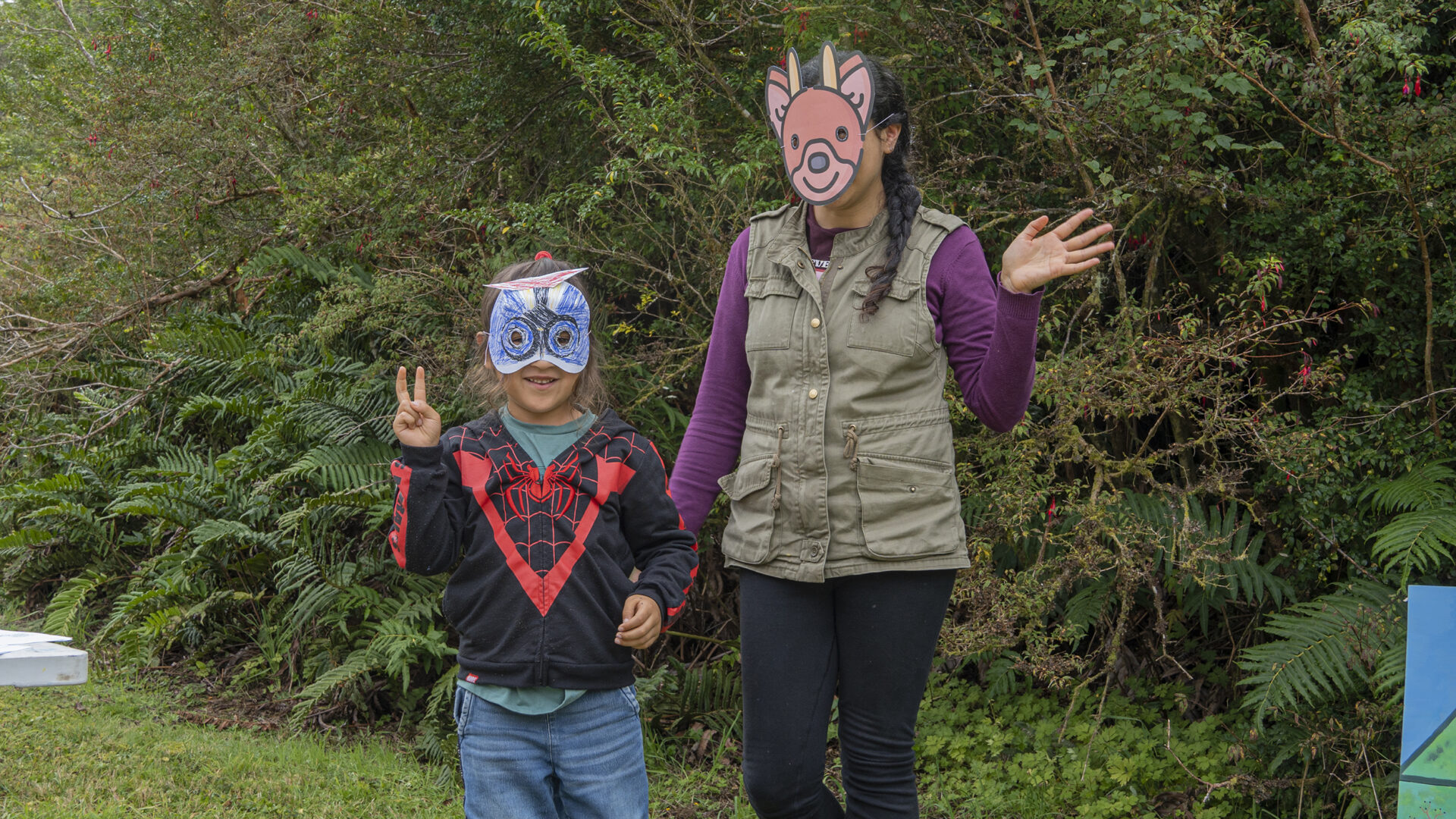
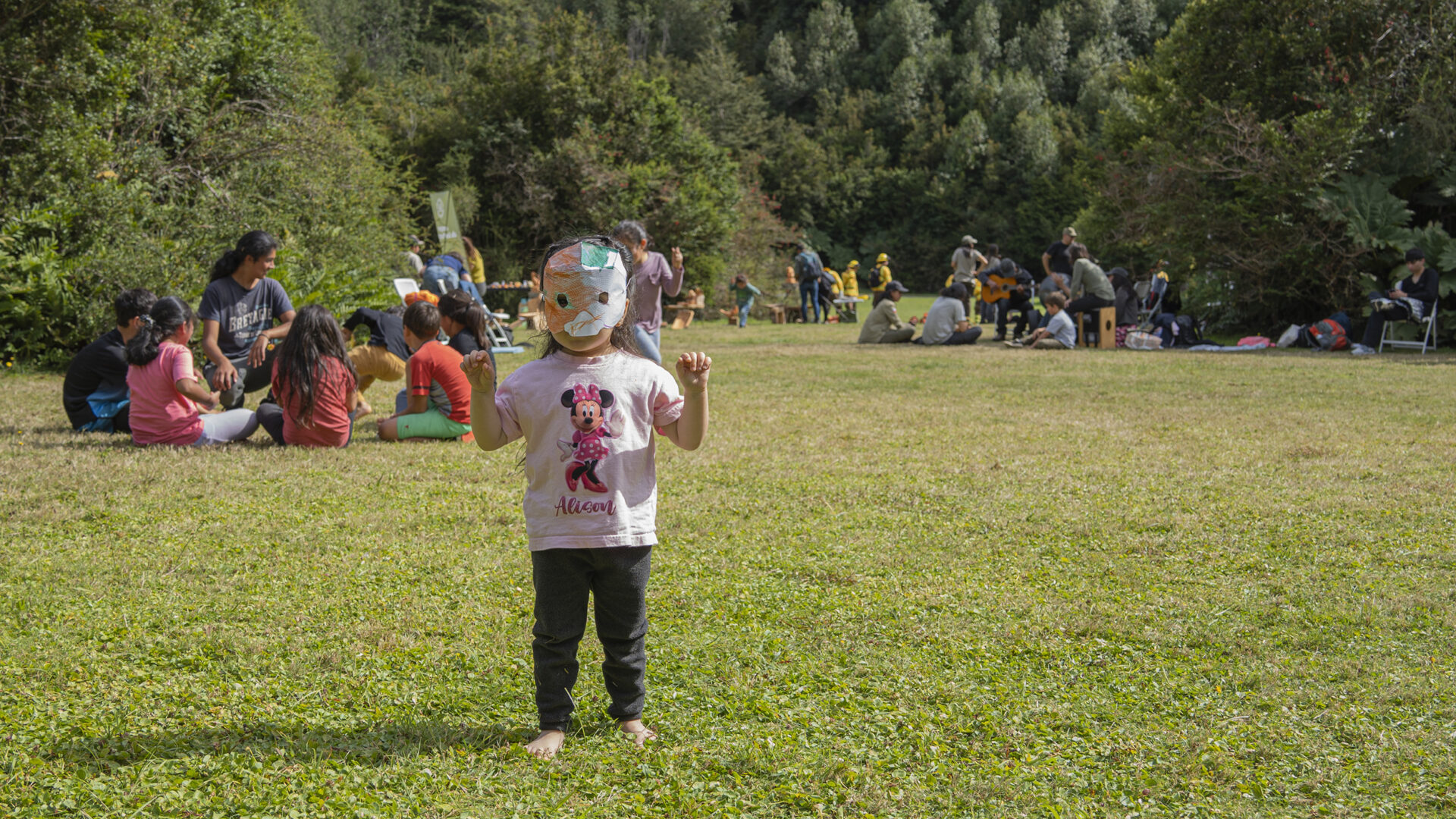
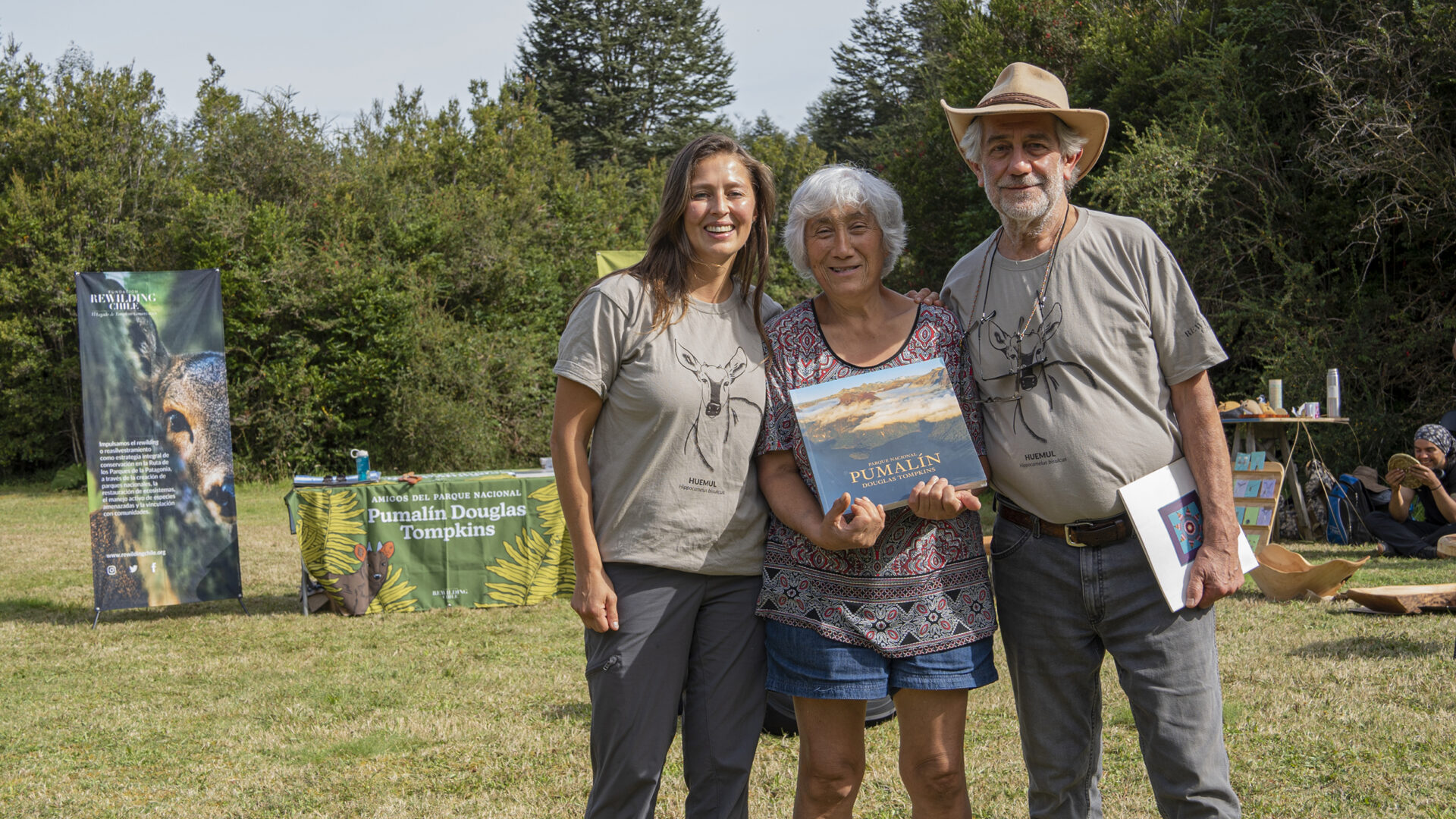
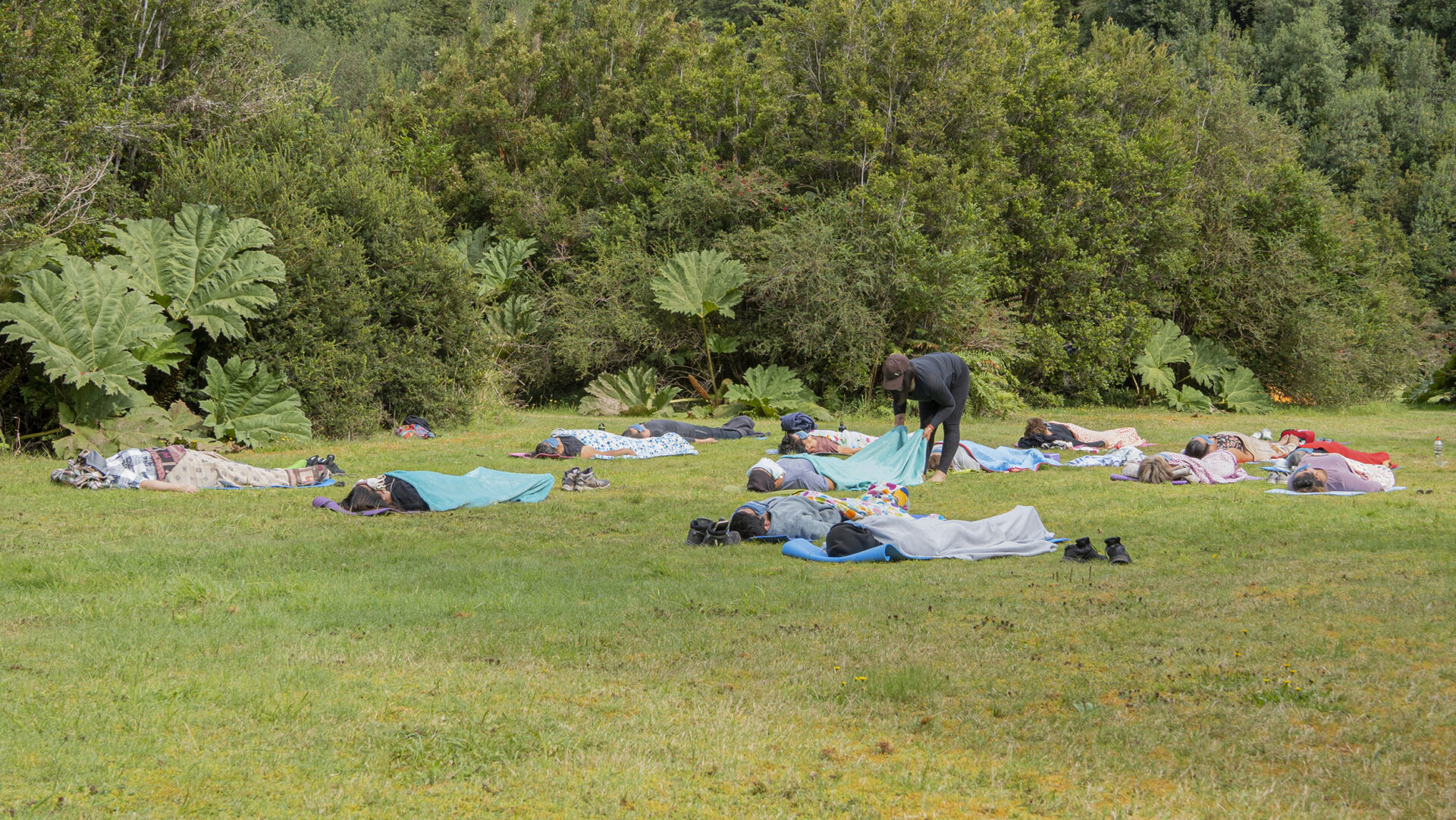
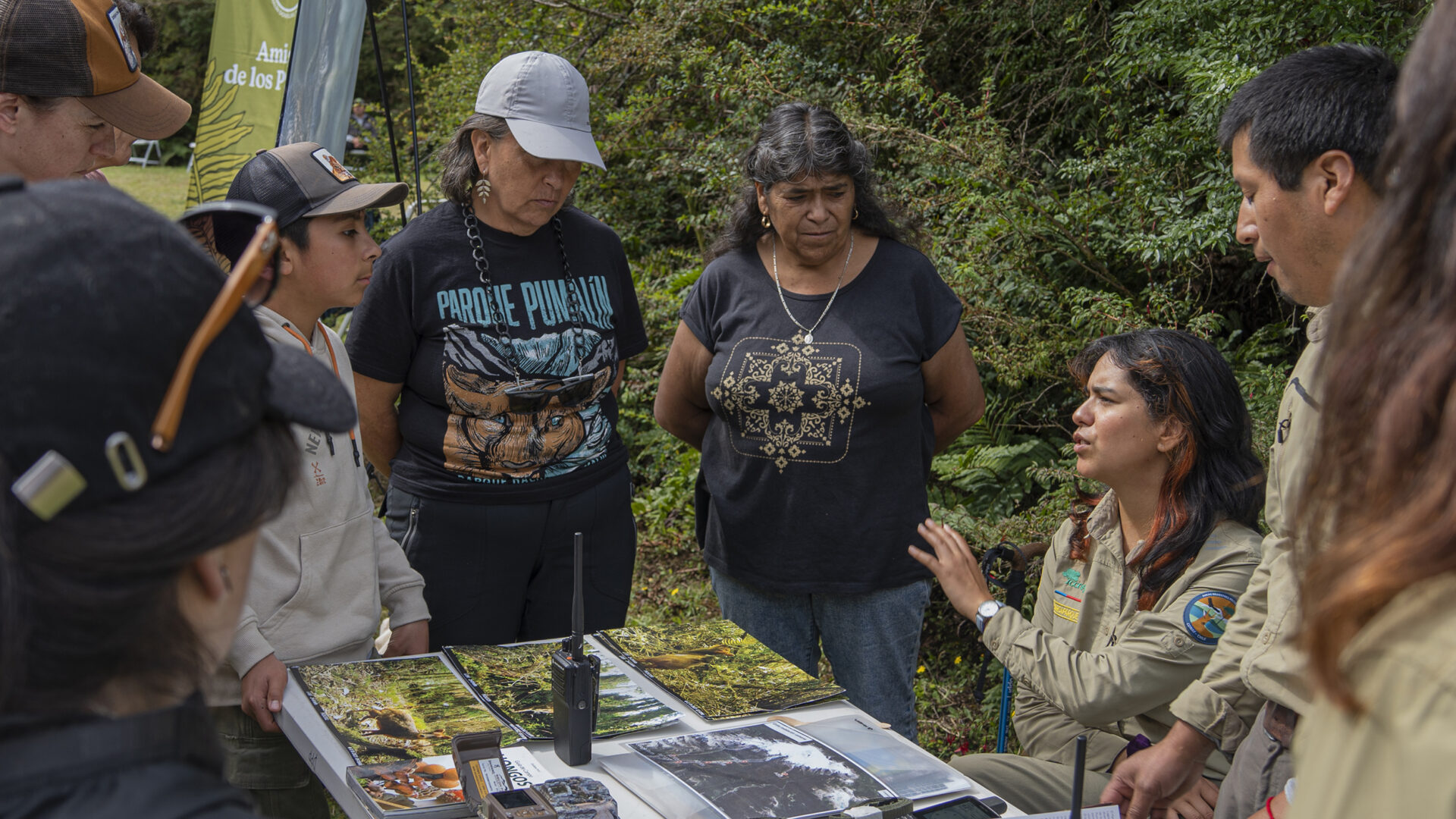
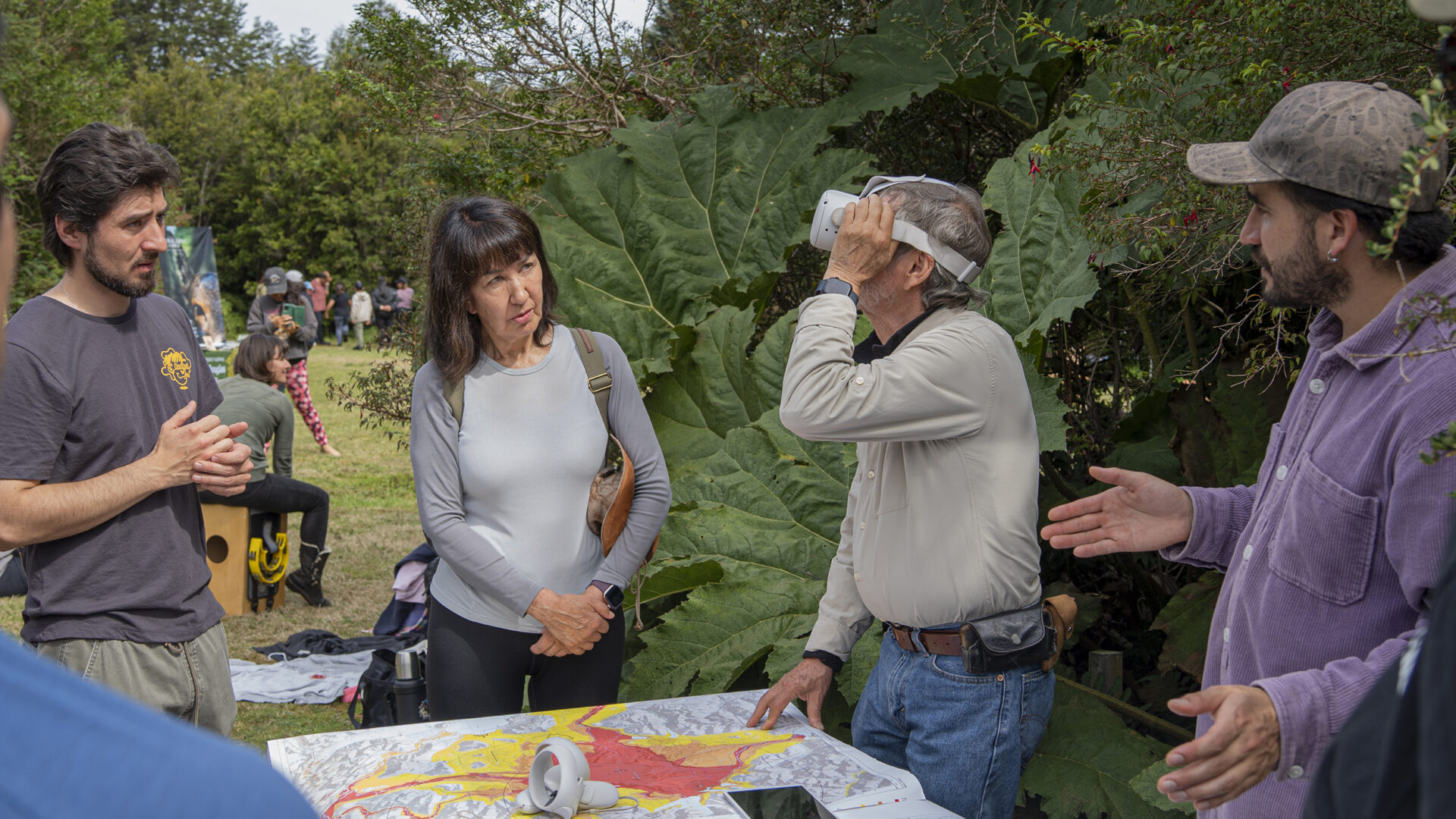
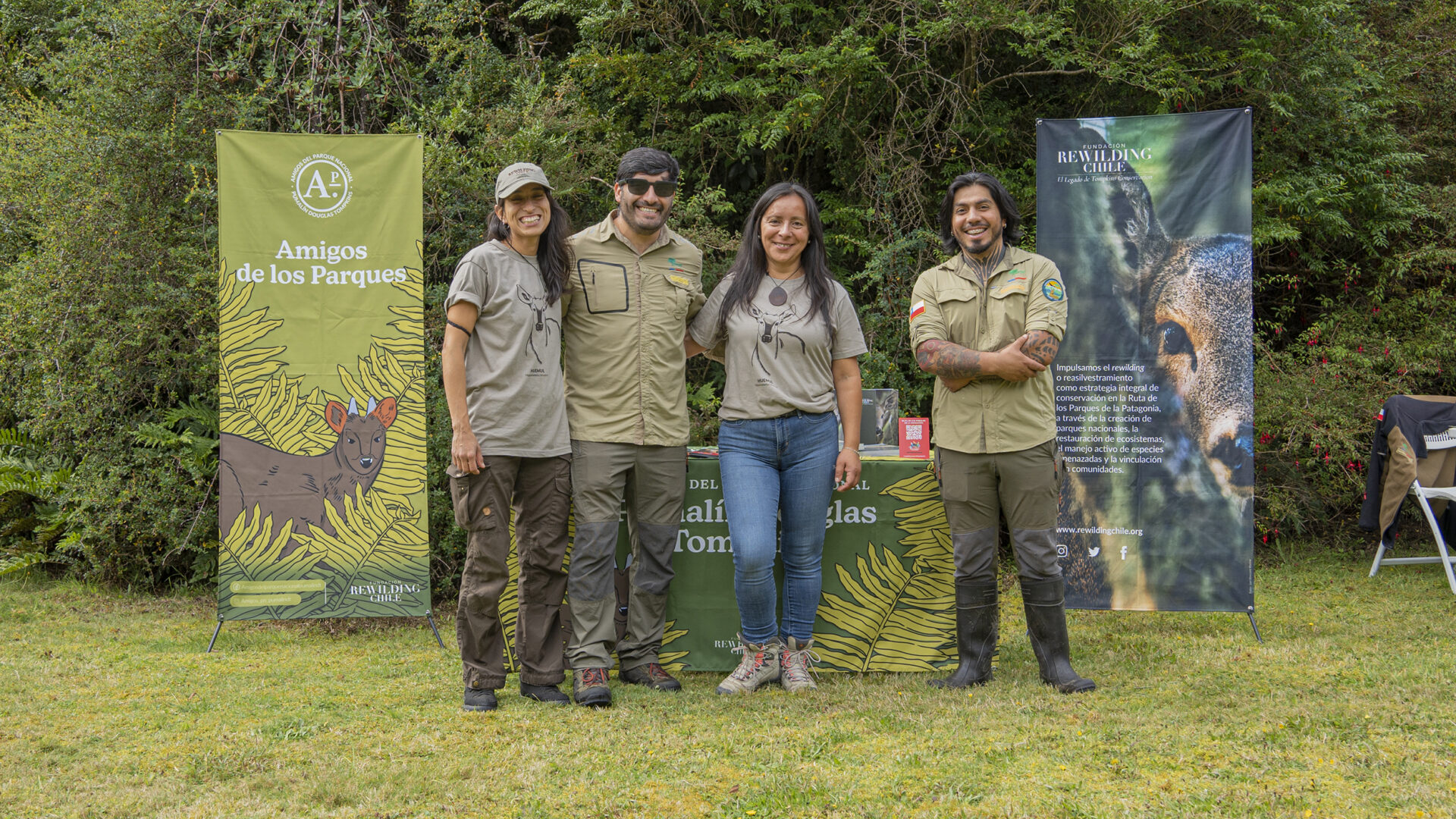
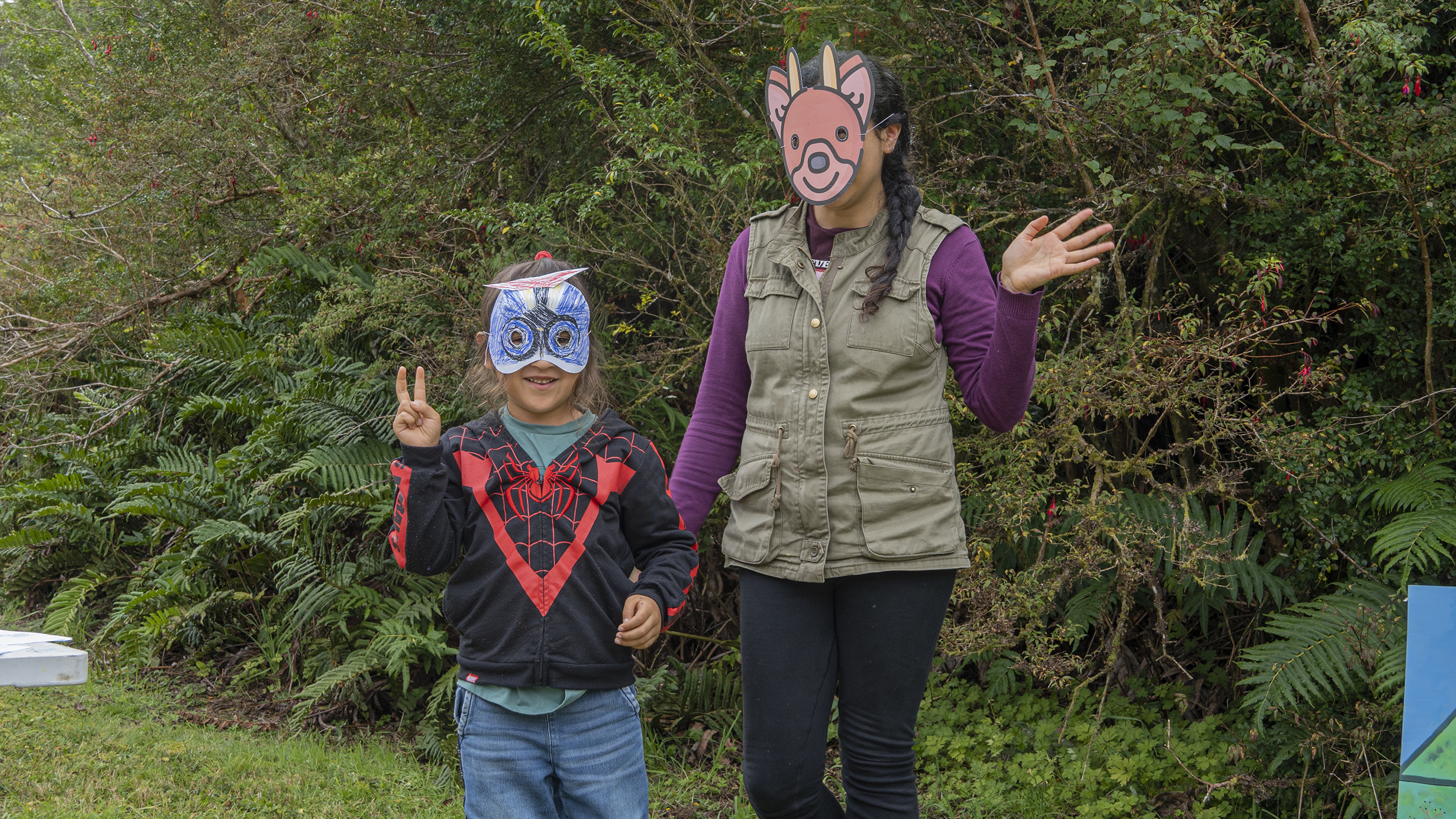
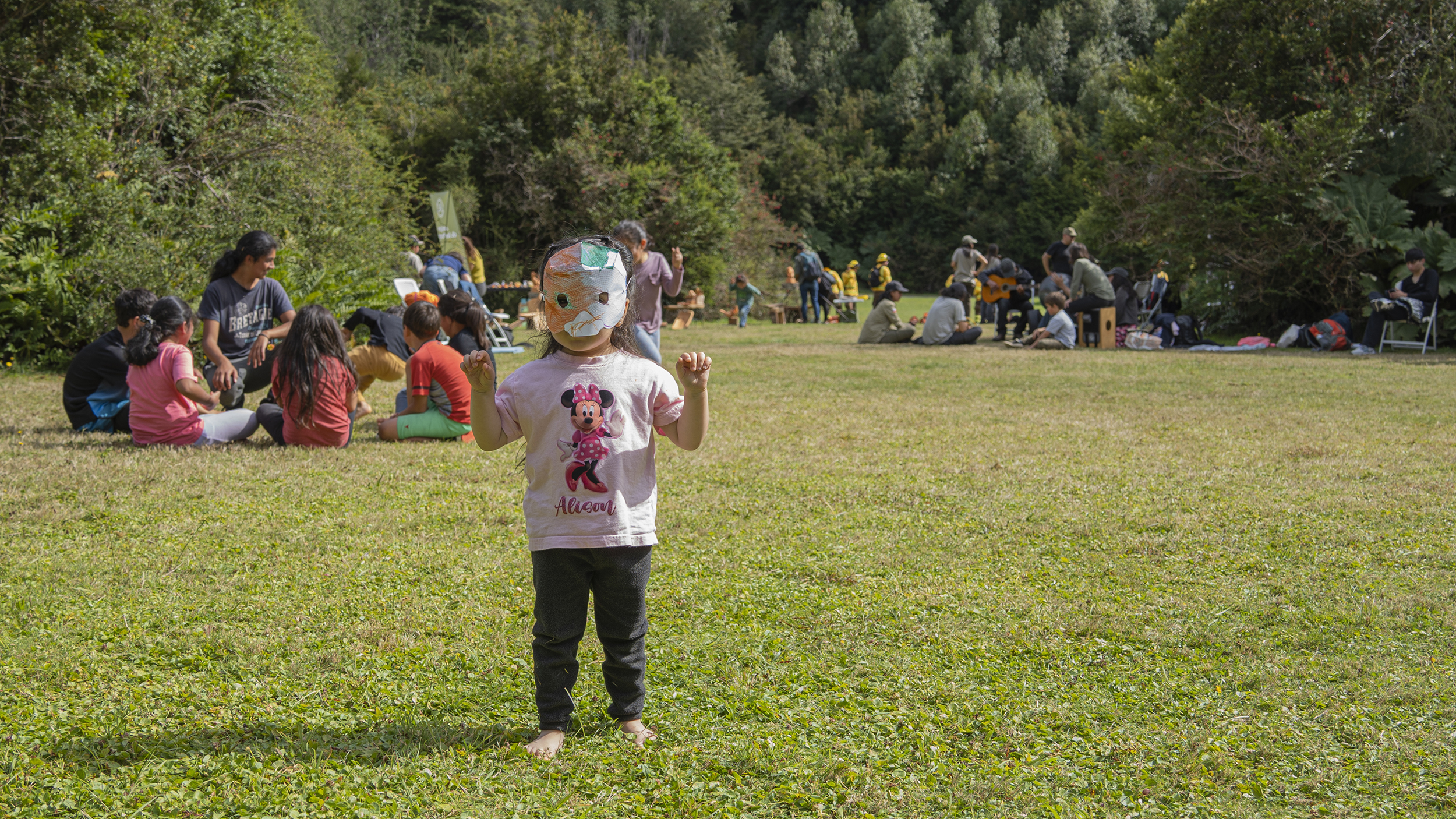
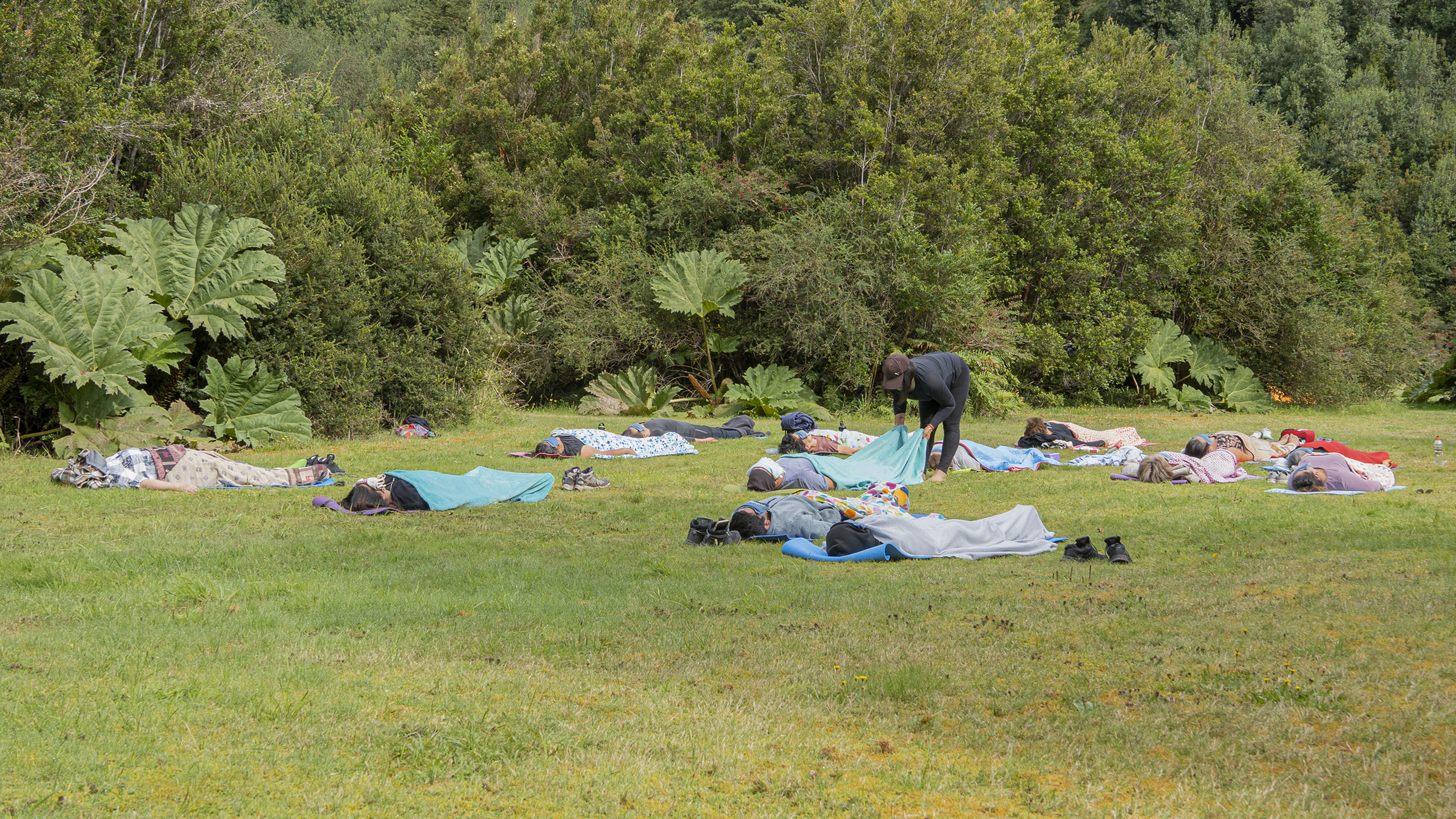
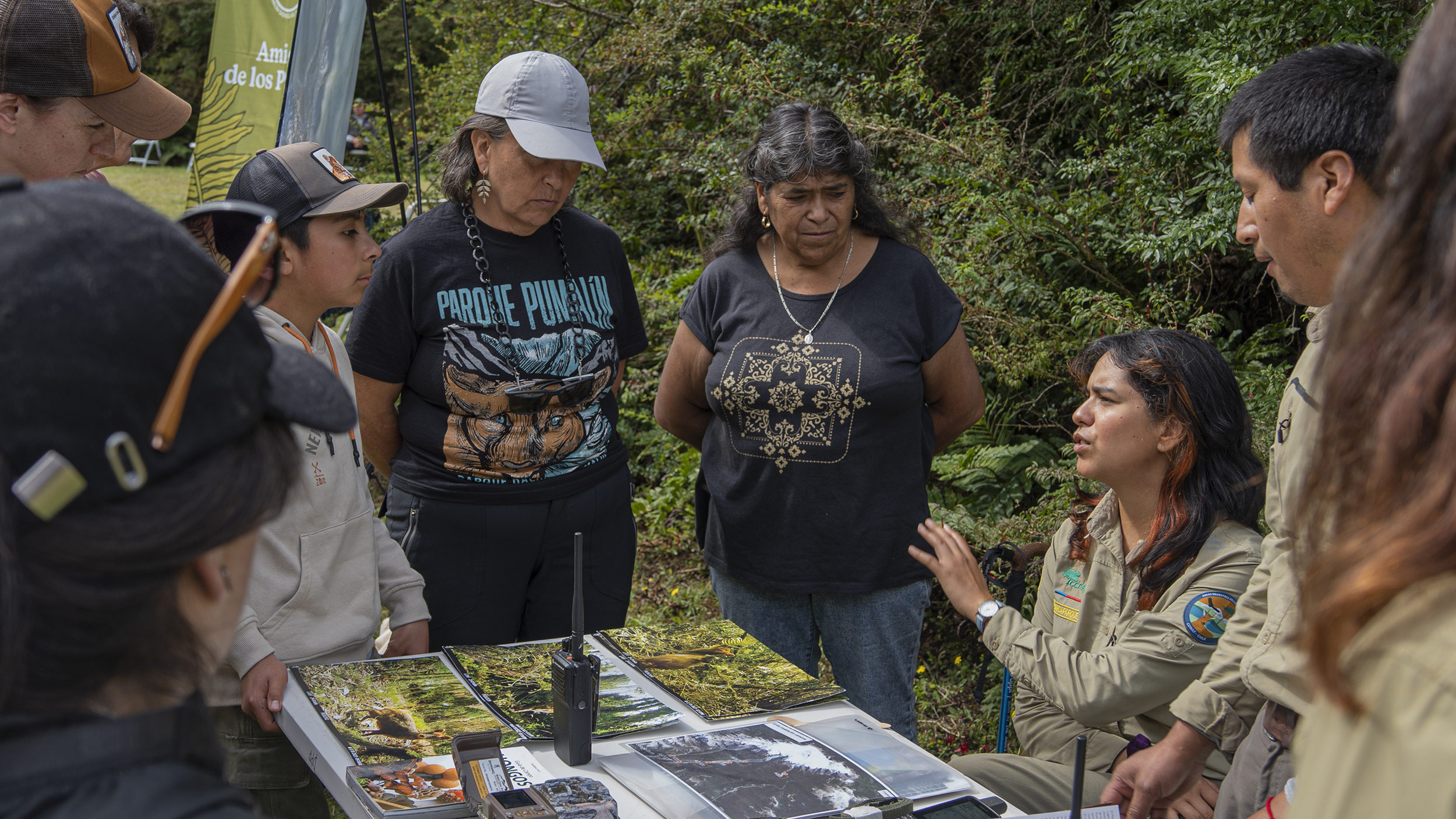
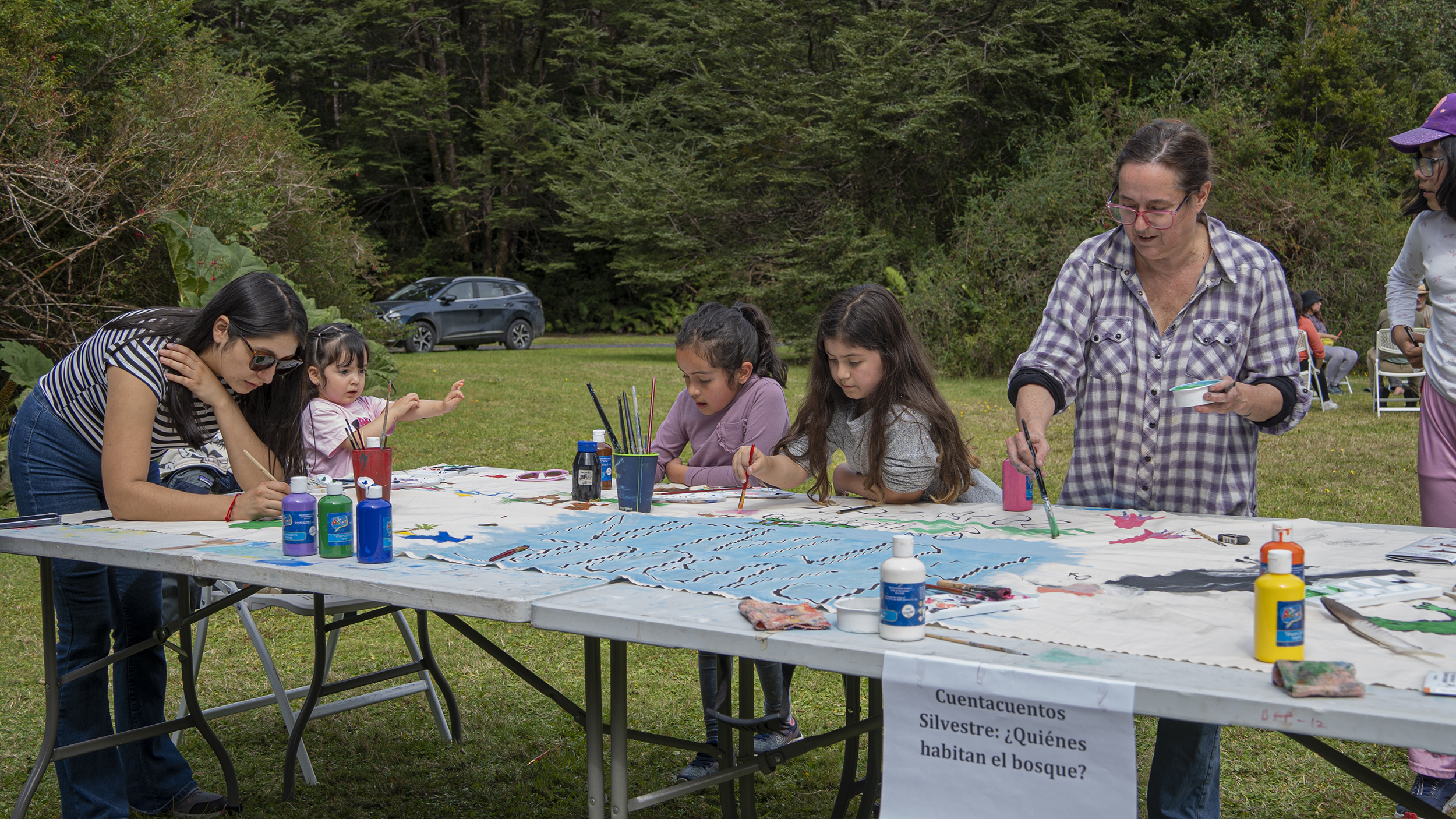
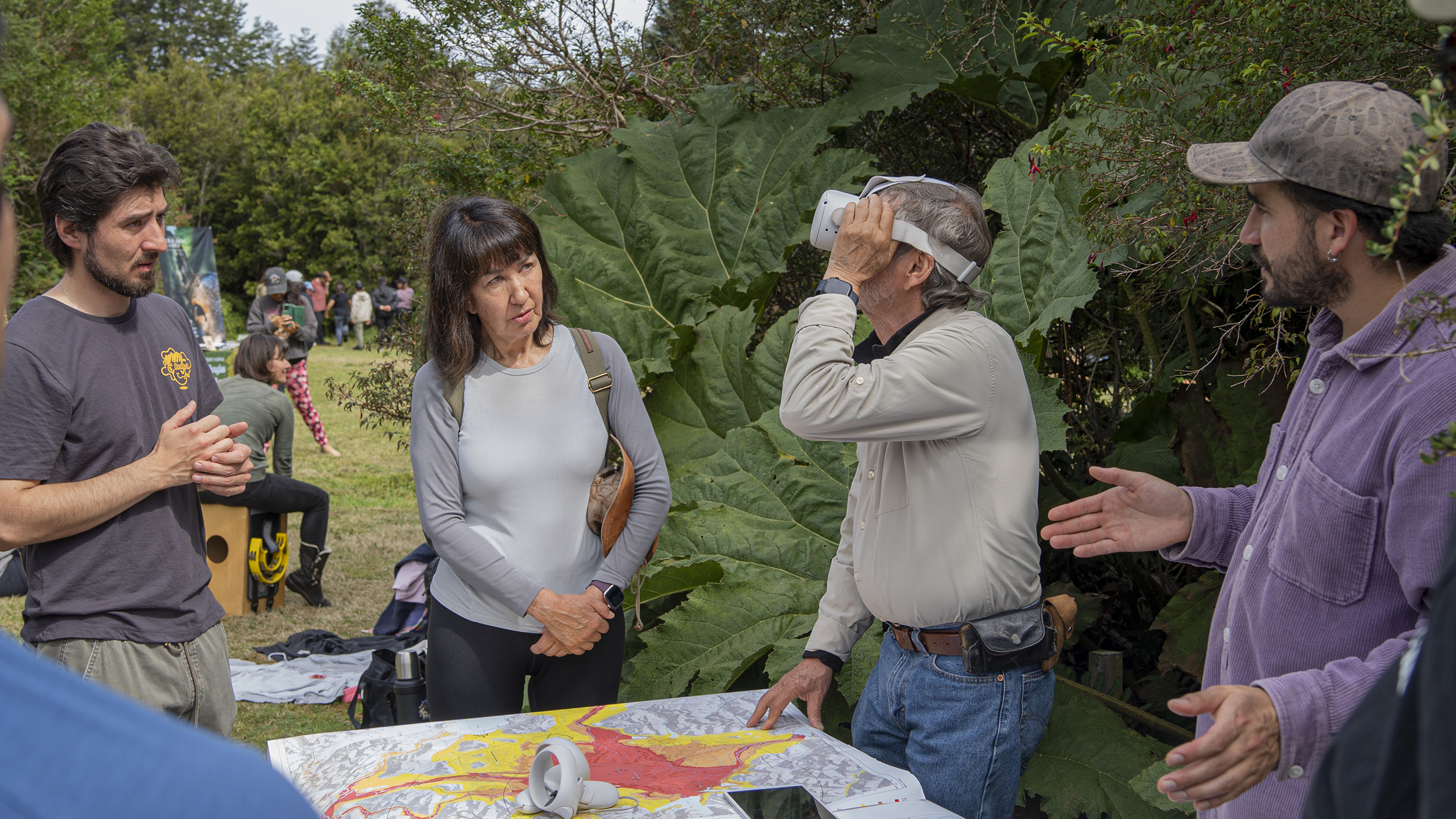
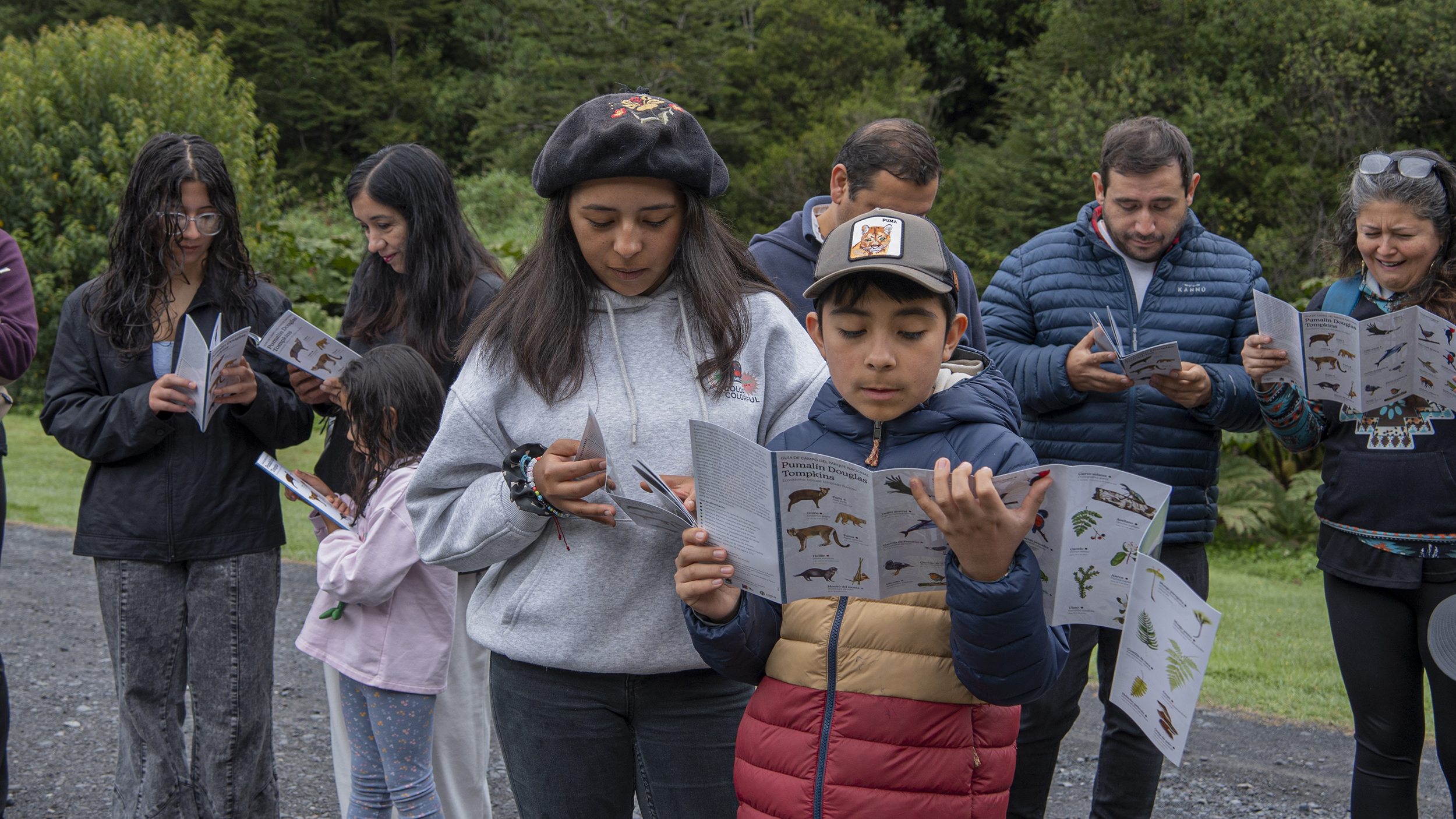
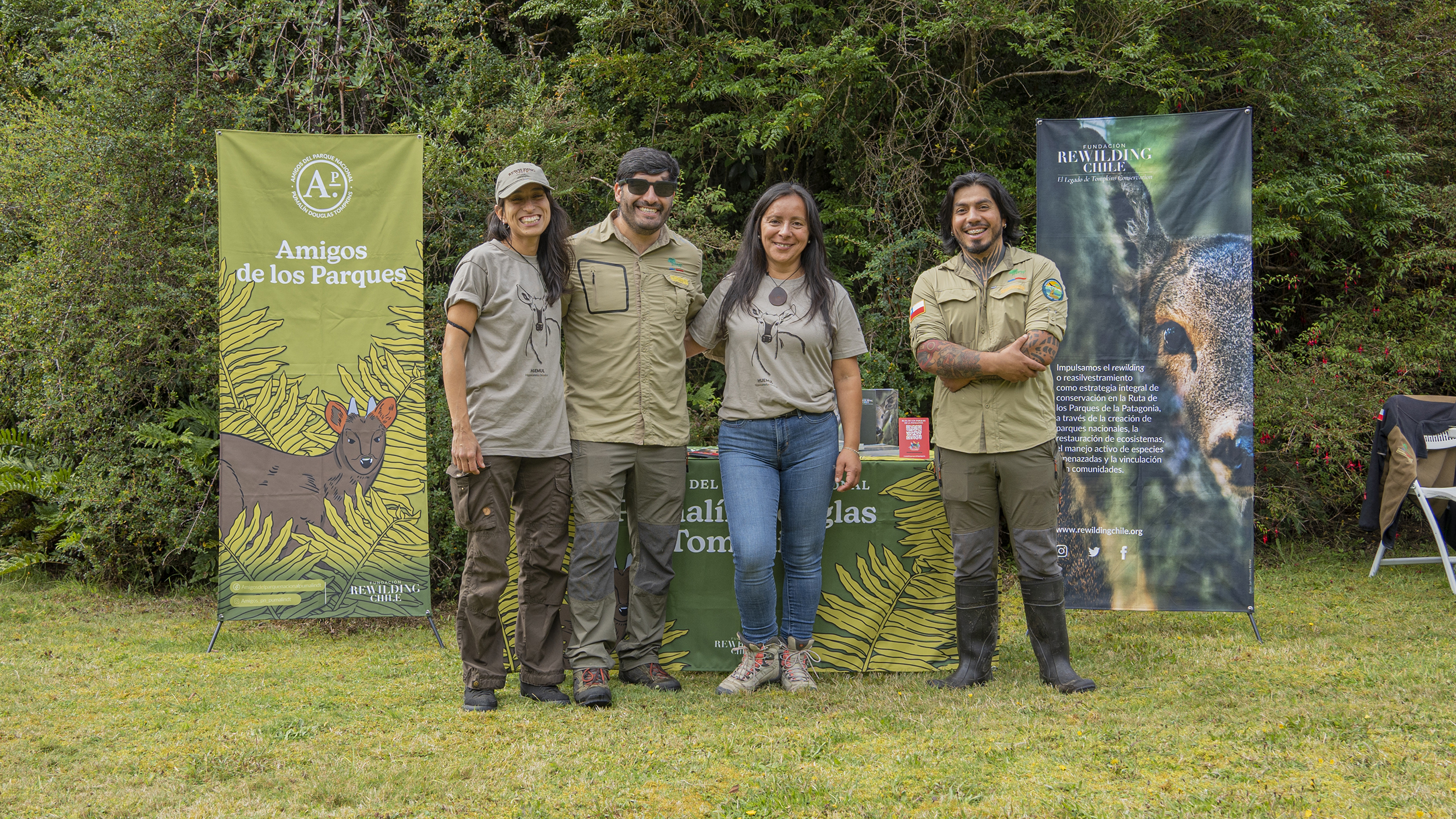
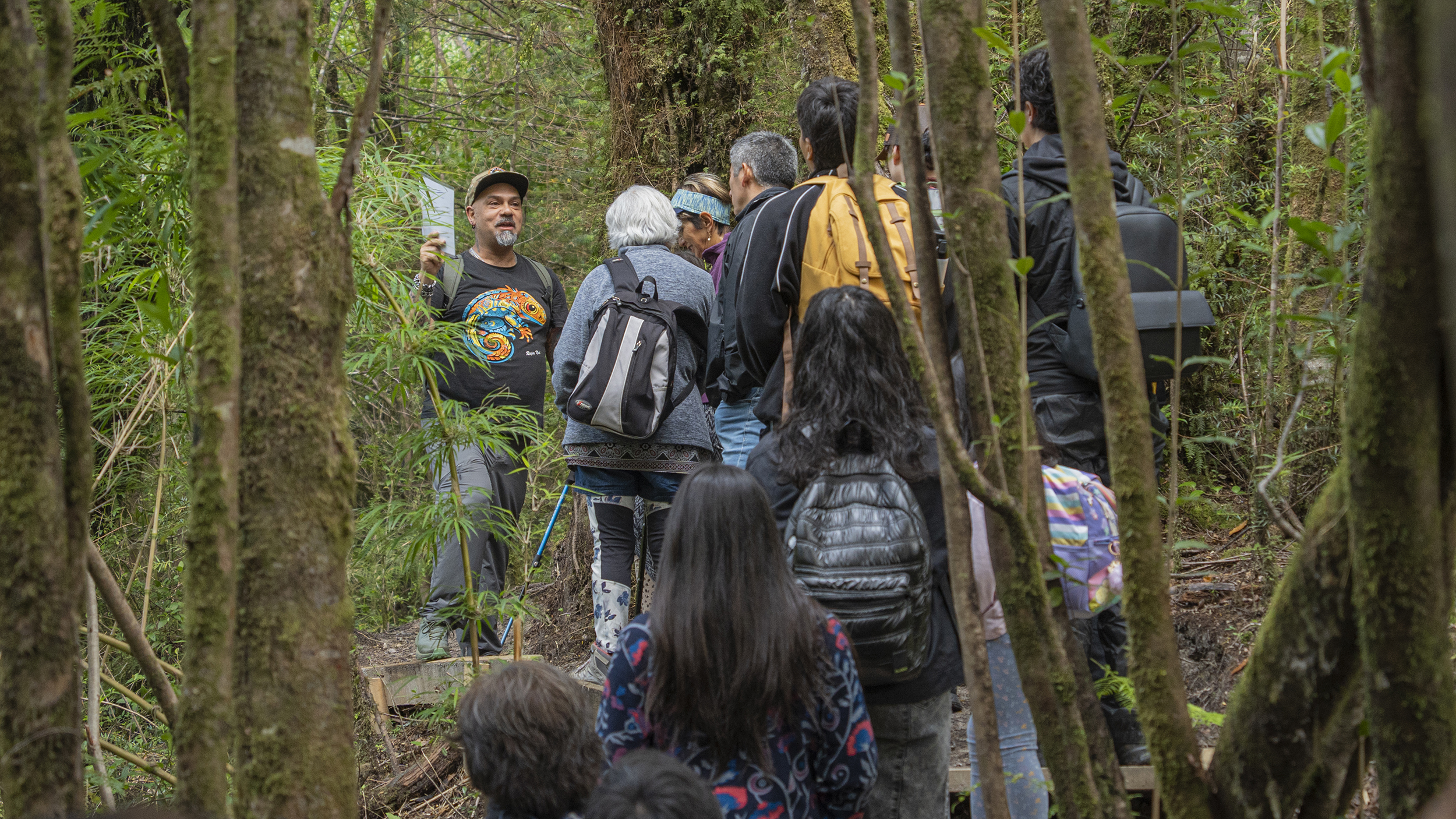
The event, organized by Rewilding Chile through its “Friends of the Parks” program in collaboration with CONAF (Chile’s National Forest Corporation), brought together residents from Palena Province. Participants enjoyed a diverse program that included guided hikes, workshops inspired by the territory’s natural and cultural heritage—such as traditional basket weaving, geology, and amphibian life—as well as forest yoga and meditation sessions, and storytelling activities for children.
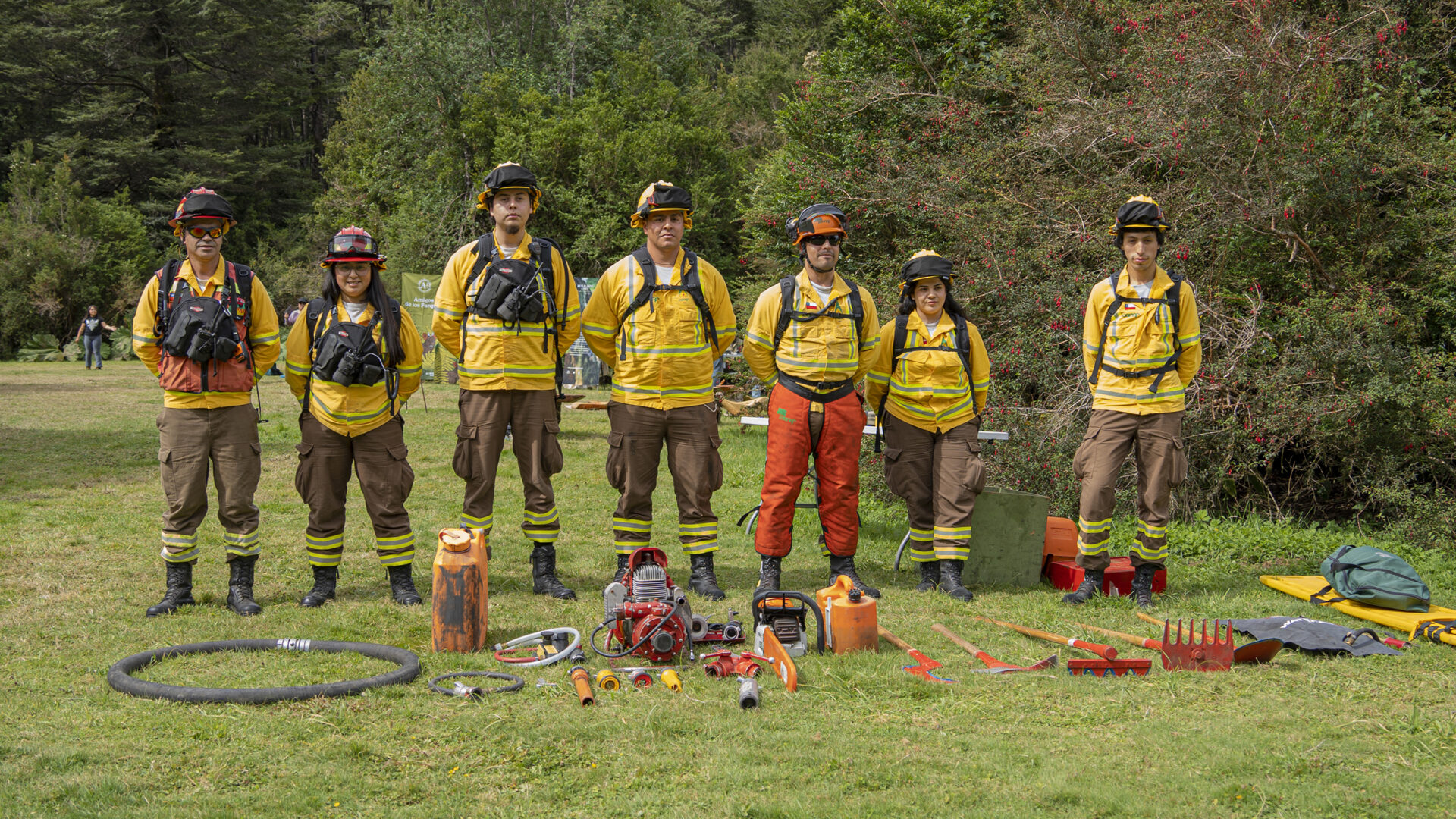
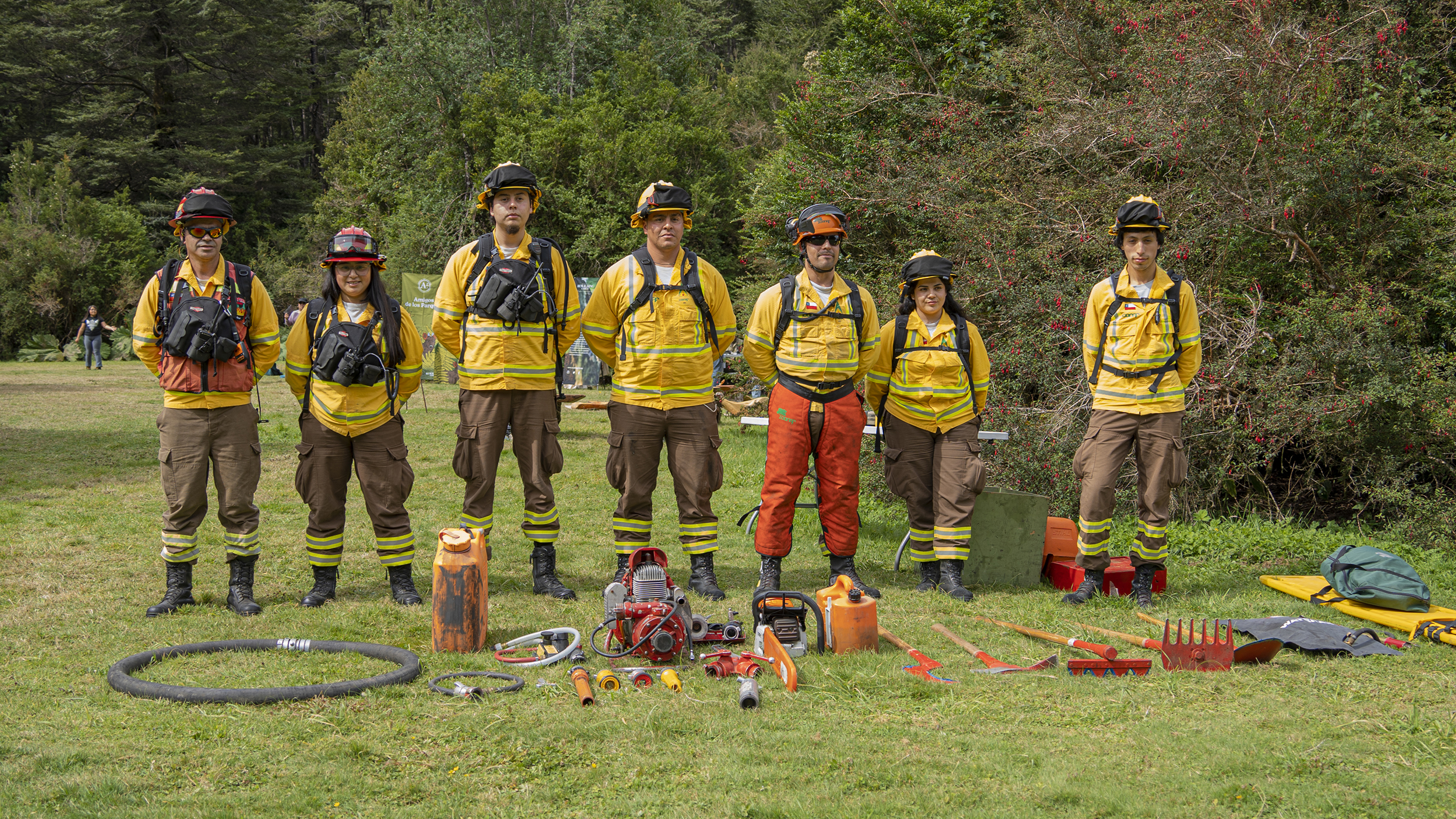
CONAF wildfire brigades also took part, sharing their knowledge about the importance of preventing and combating forest fires. The day featured a camera trap workshop led by CONAF, offering insights into wildlife monitoring, and included the participation of renowned ecologist and activist Juan Pablo Orrego, who facilitated discussions and learning sessions focused on biodiversity and conservation.
Carolina Cerda, Director of Community Outreach at Rewilding Chile, highlighted the broader significance of the event: “Today we celebrate the meeting point of nature, culture, art, and local knowledge, recognizing the importance of our protected areas. In a context of climate crisis and biodiversity loss, we understand that conservation is not only an ecological challenge, but also a social and cultural one. Strengthening the connection between communities and nature is essential to safeguard these spaces and ensure their protection over time.”
Aaron Ovando, administrator of Pumalín Douglas Tompkins National Park, emphasized the importance of public-private collaboration: “For the park to function effectively, it is essential that nearby communities engage with it—alongside foundations and institutions—so that we can work together in its conservation and protection.”
Fourteen-year-old attendee Octavio Carrasco shared his perspective on why national parks matter for young people: “First, to discover—to help young people understand what they have around them. Instead of always being on social media or focused on games, they can appreciate the importance of national parks, the species that live here, and enjoy the park’s incredible views and trails that not everyone has access to.”
Jaime Urra, from the Local Office for Children in Chaitén and a workshop facilitator at the event, added: “I believe raising awareness among younger generations about care and conservation—especially here, where we have so many beautiful and important places—is an investment in the future.”
“Today we celebrate the meeting point of nature, culture, art, and local knowledge, recognizing the importance of our protected areas. In a context of climate crisis and biodiversity loss, we understand that conservation is not only an ecological challenge, but also a social and cultural one. Strengthening the connection between communities and nature is essential to safeguard these spaces and ensure their protection over time.”
The celebration concluded with a shared community lunch and the traditional “happy birthday” song, honoring the deep significance this park holds for the people of Chaitén and surrounding communities.
The creation of Pumalín Douglas Tompkins National Park represents one of the most significant milestones in conservation in Chile. Spanning over 400,000 hectares of temperate rainforest, volcanoes, rivers, and fjords, this protected area safeguards unique southern ecosystems and extraordinary biodiversity.
The park is also part of the Route of Parks of Patagonia, a scenic 2,800-kilometer route stretching from Puerto Montt to Cape Horn. It connects 17 national parks and highlights the more than 60 communities that are the true stewards of this extraordinary landscape at the end of the world.
Today, Pumalín Douglas Tompkins National Park continues to create opportunities to strengthen the relationship between nature and local communities, promoting connection, environmental education, and appreciation for the natural and cultural heritage of Palena Province.
For more information about activities related to the park, follow: @amigos_pn_pumalindt