Foto: Mariano Rodríguez para Rewilding Chile
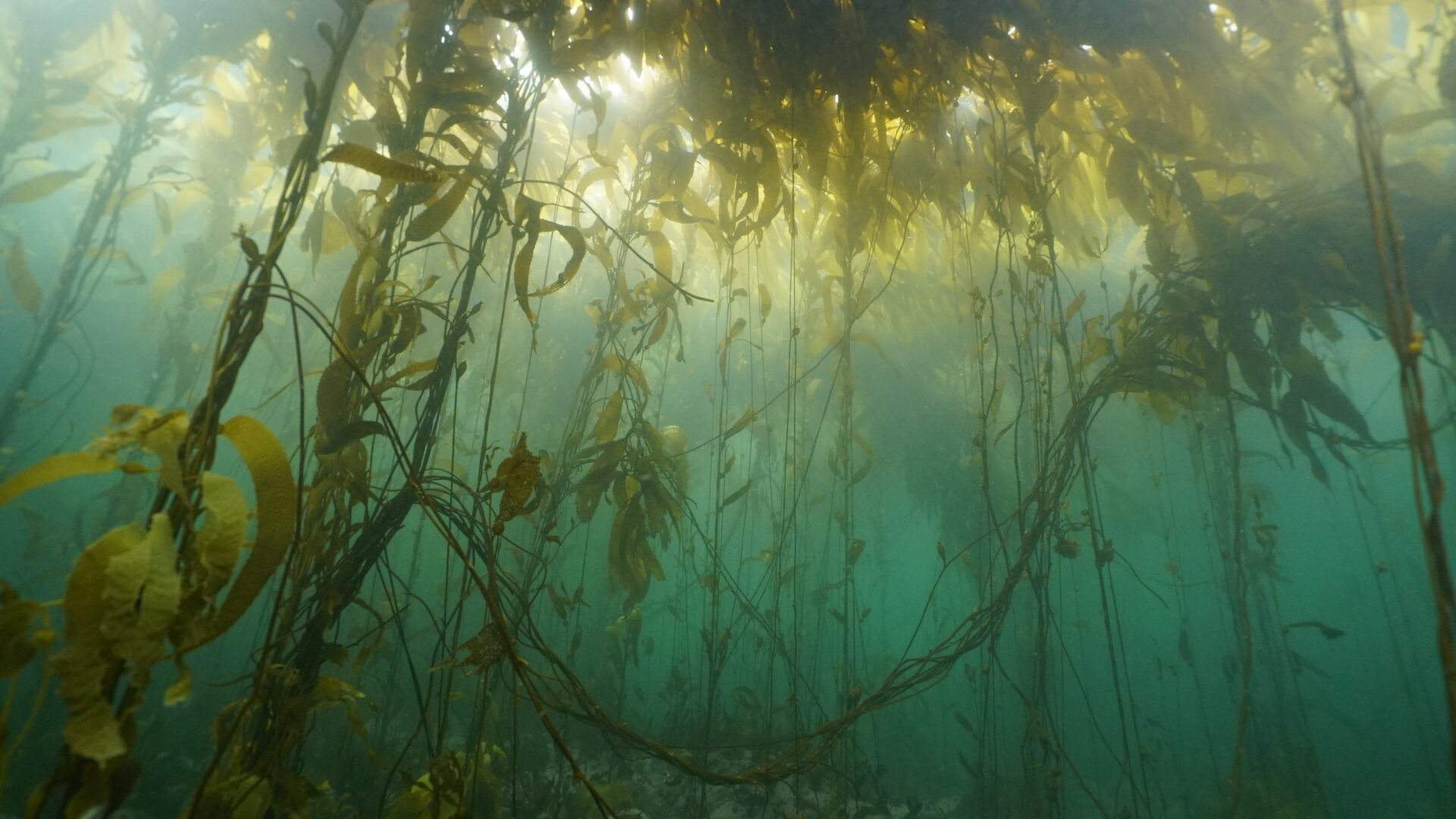
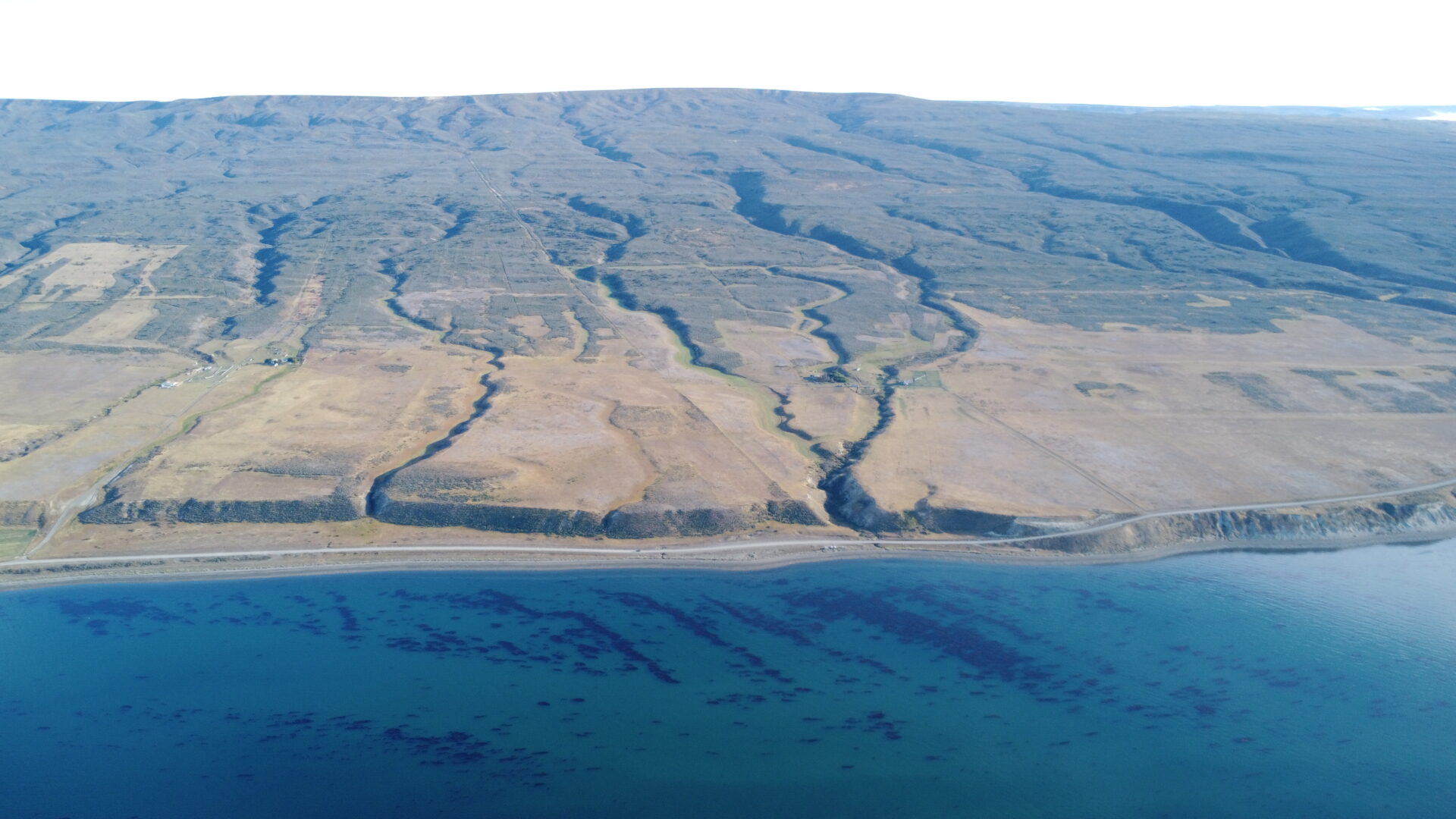
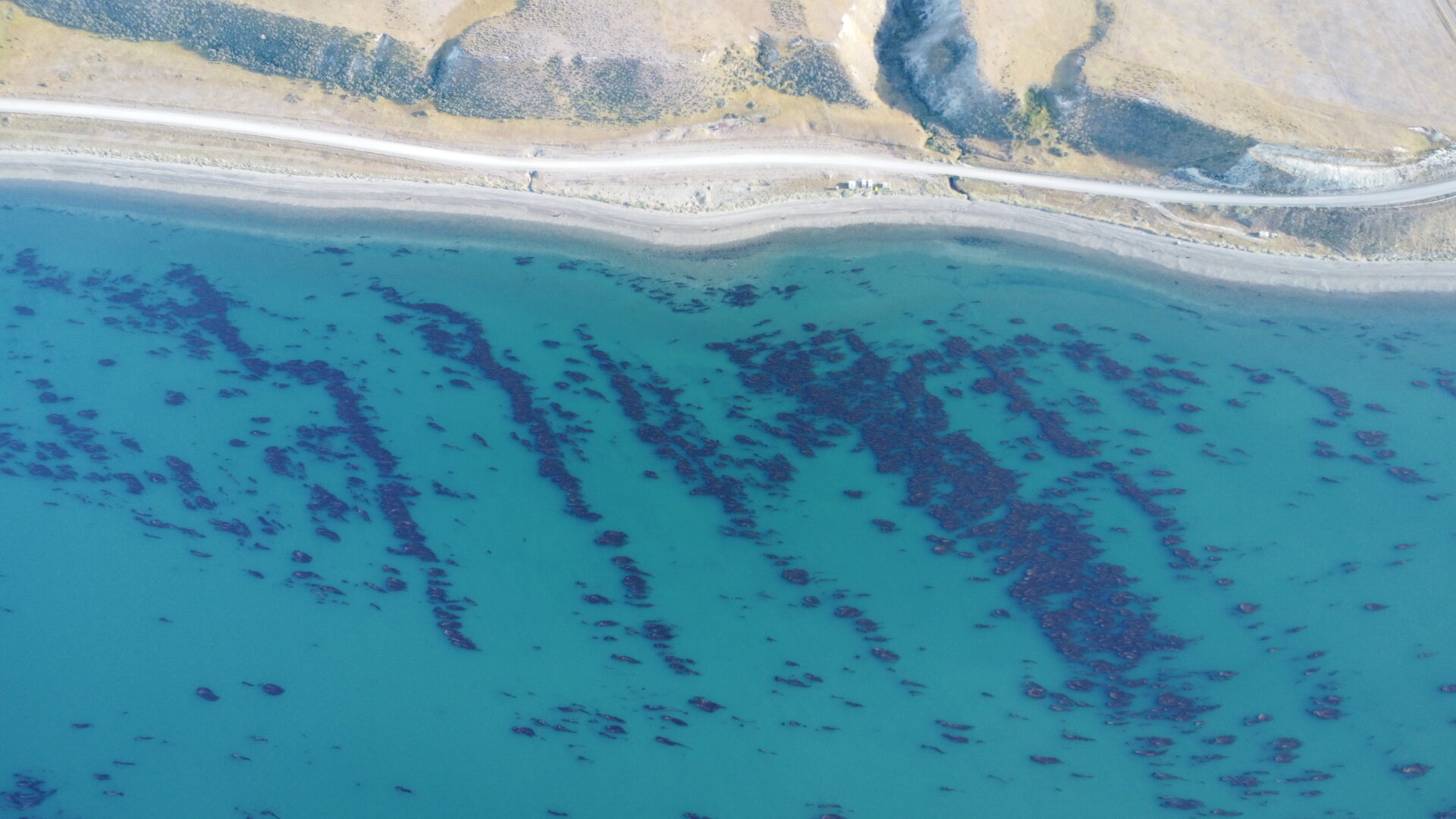
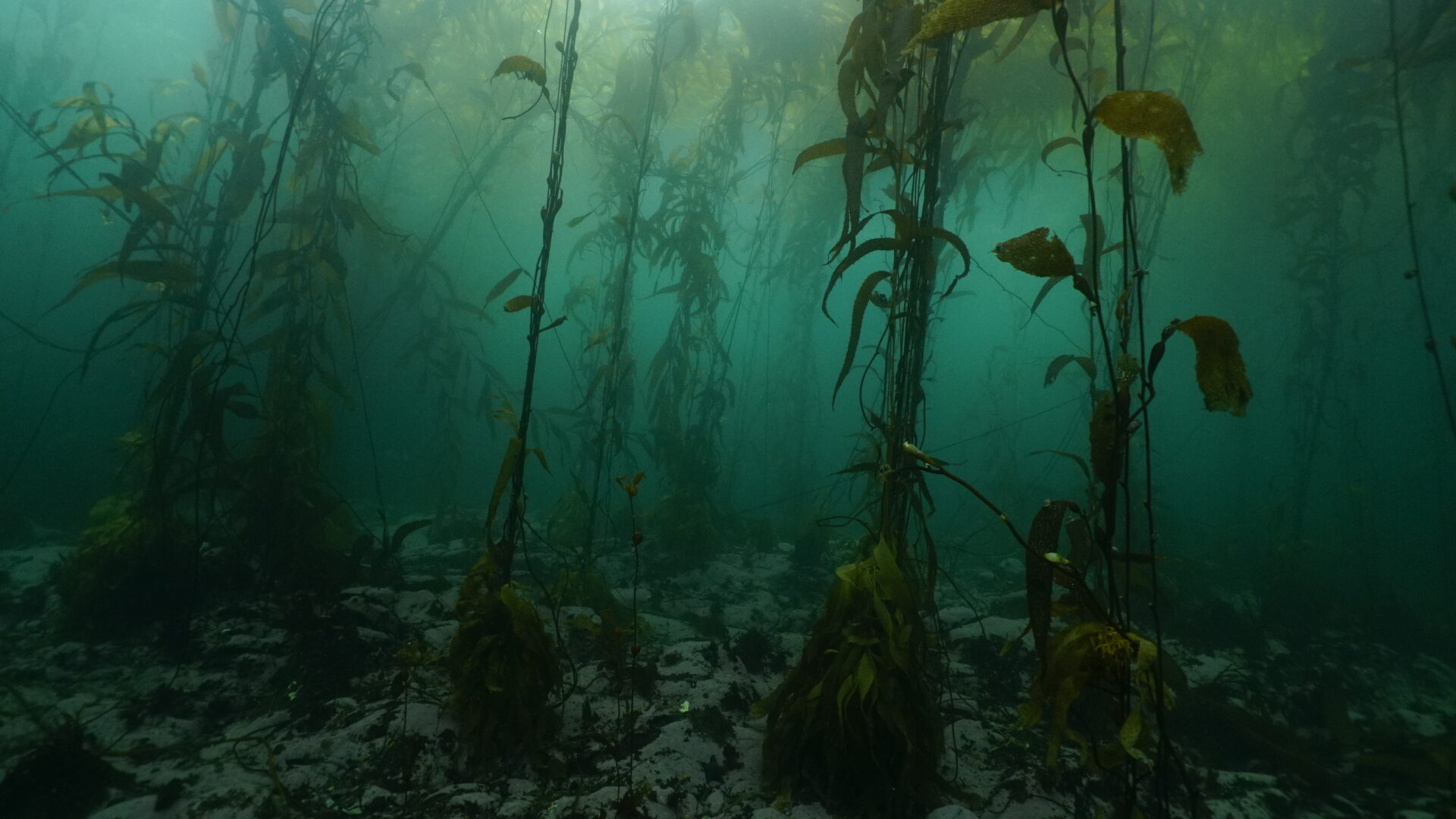
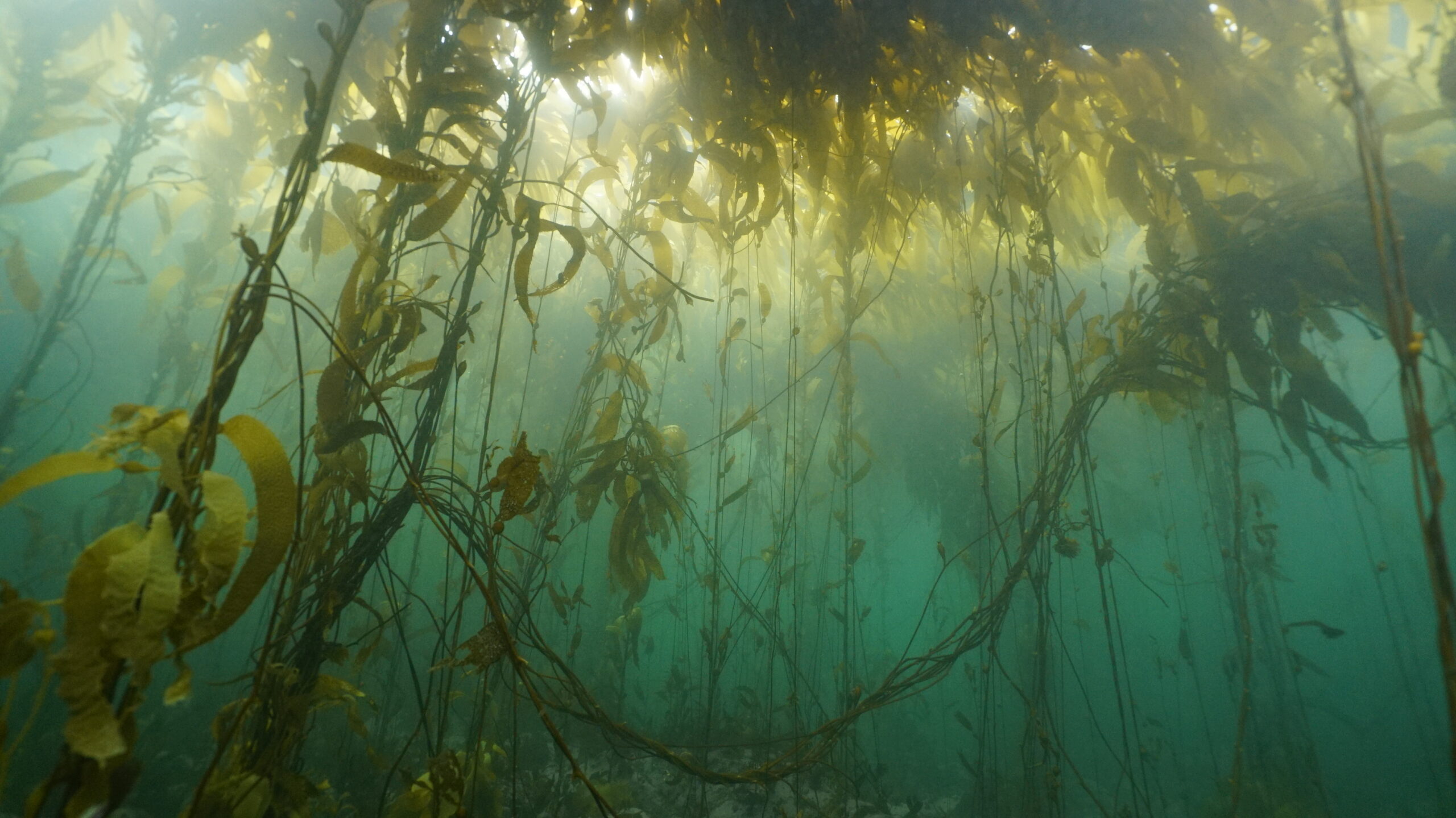
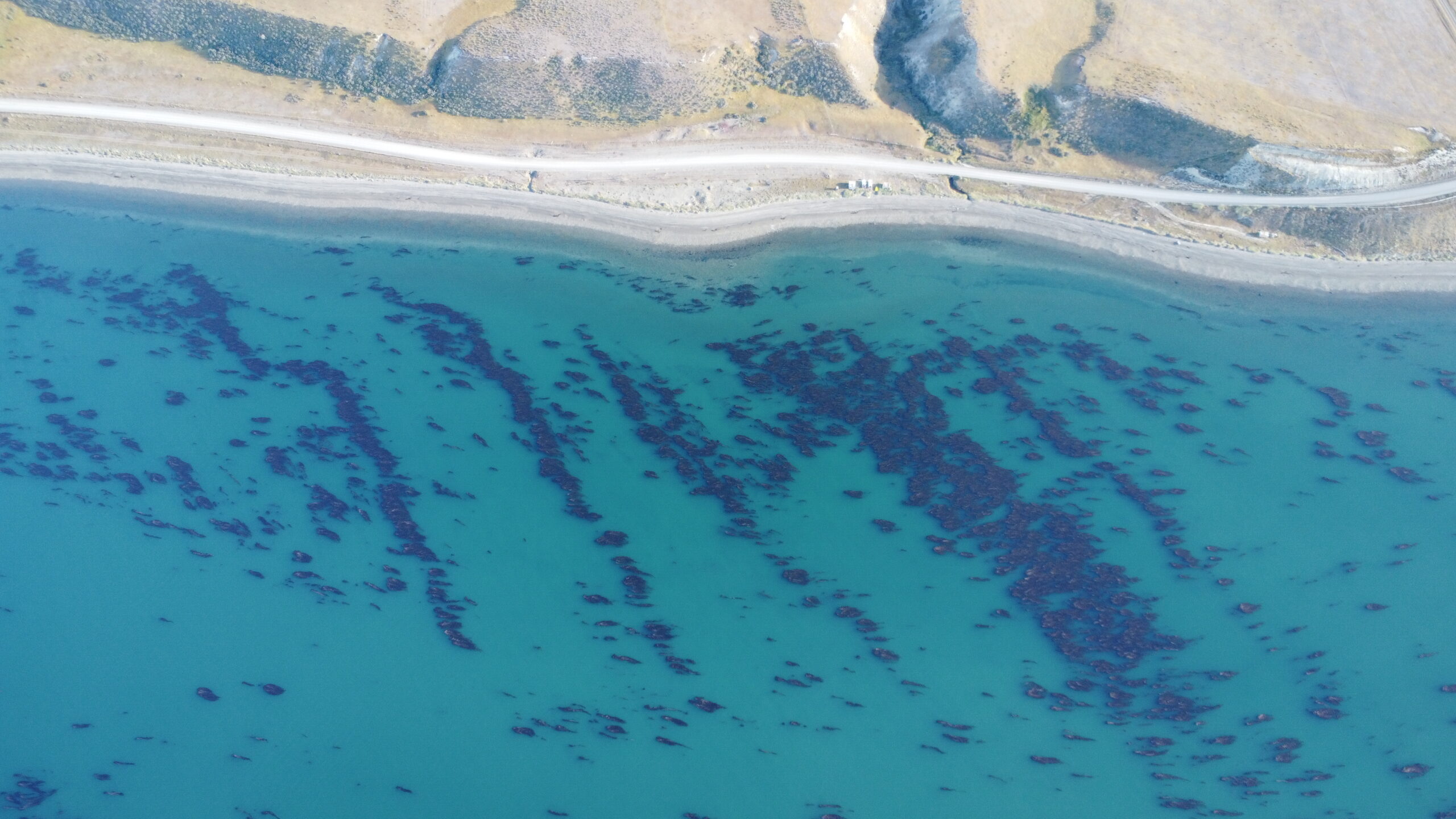
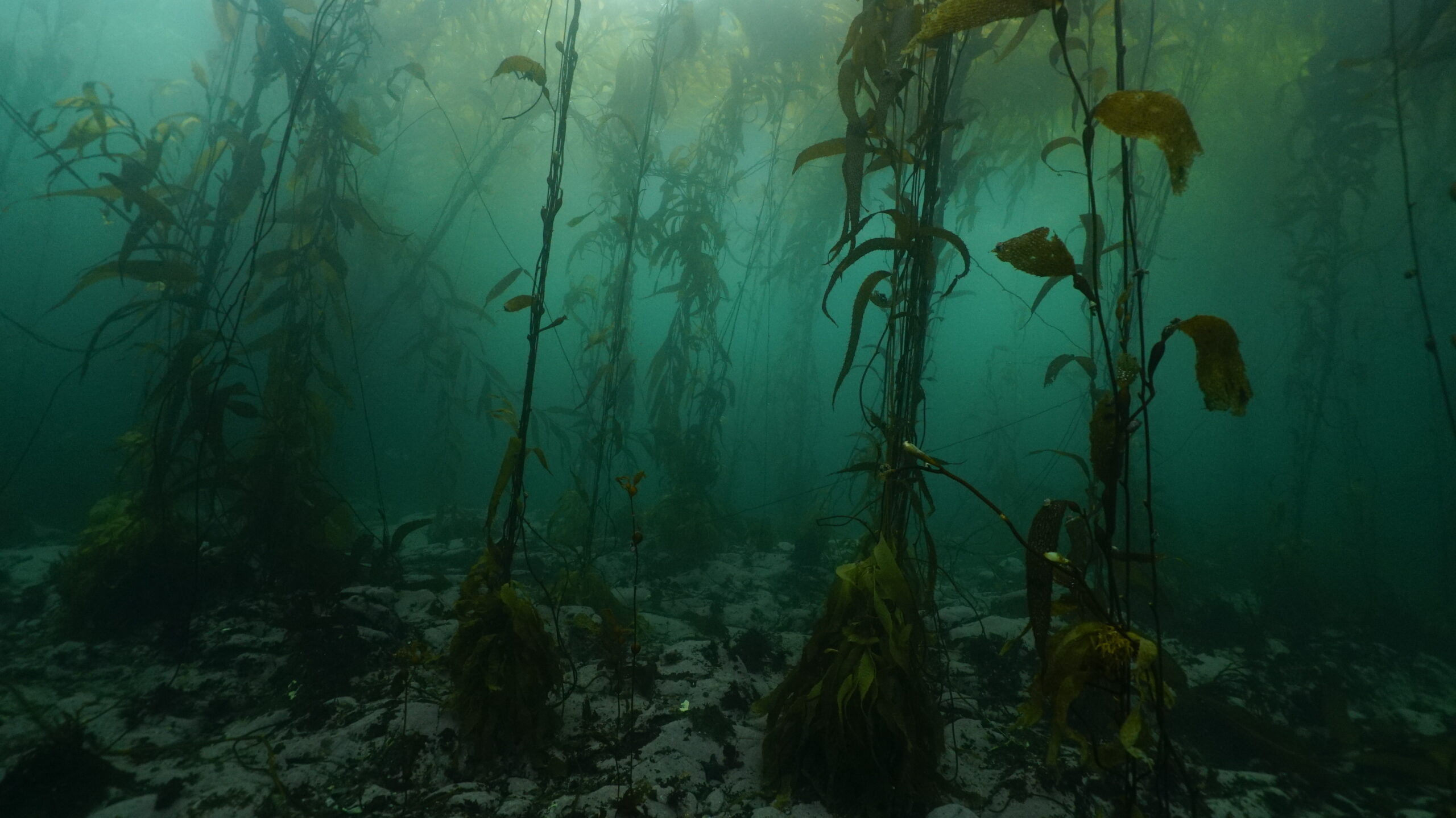
A recent scientific publication has documented, for the first time in Chile, the presence of the brown macroalga Microzonia velutina in the underwater environment of the Isla Grande of Tierra del Fuego. The discovery was made during a joint expedition to Bahía Inútil by researchers from the Marine Program of Rewilding Chile and CADIC-CONICET in Ushuaia, aimed at characterizing the biodiversity associated with forests of the giant kelp Macrocystis pyrifera.
Foto: Mariano Rodríguez para Rewilding Chile
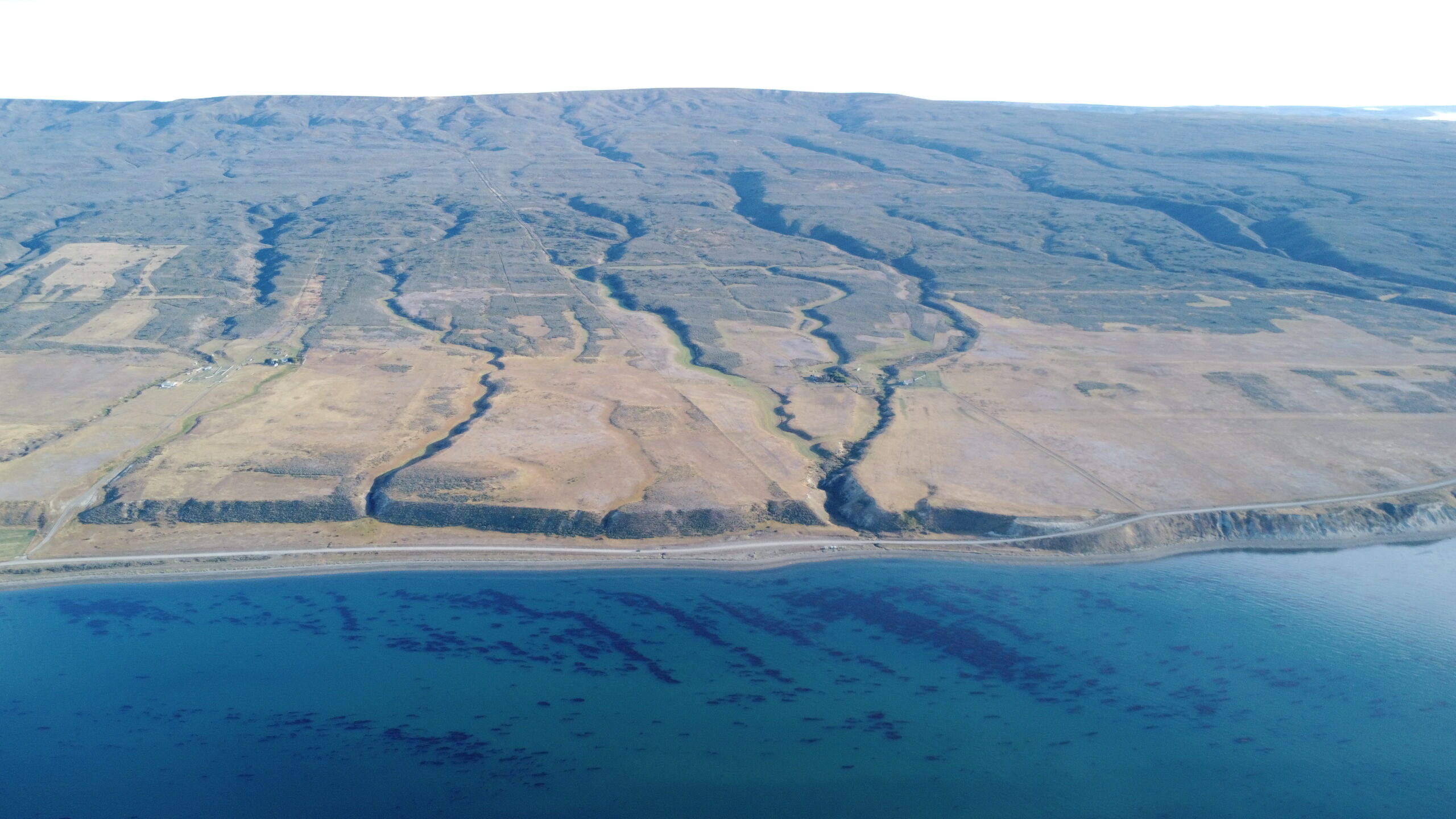
The Bahía Inútil area, located in the Magallanes Region, continues to reveal its remarkable marine biodiversity. This new finding adds another species to Chile’s diverse algal flora while also expanding the known distribution range of Microzonia velutina along Argentina’s Atlantic coast.
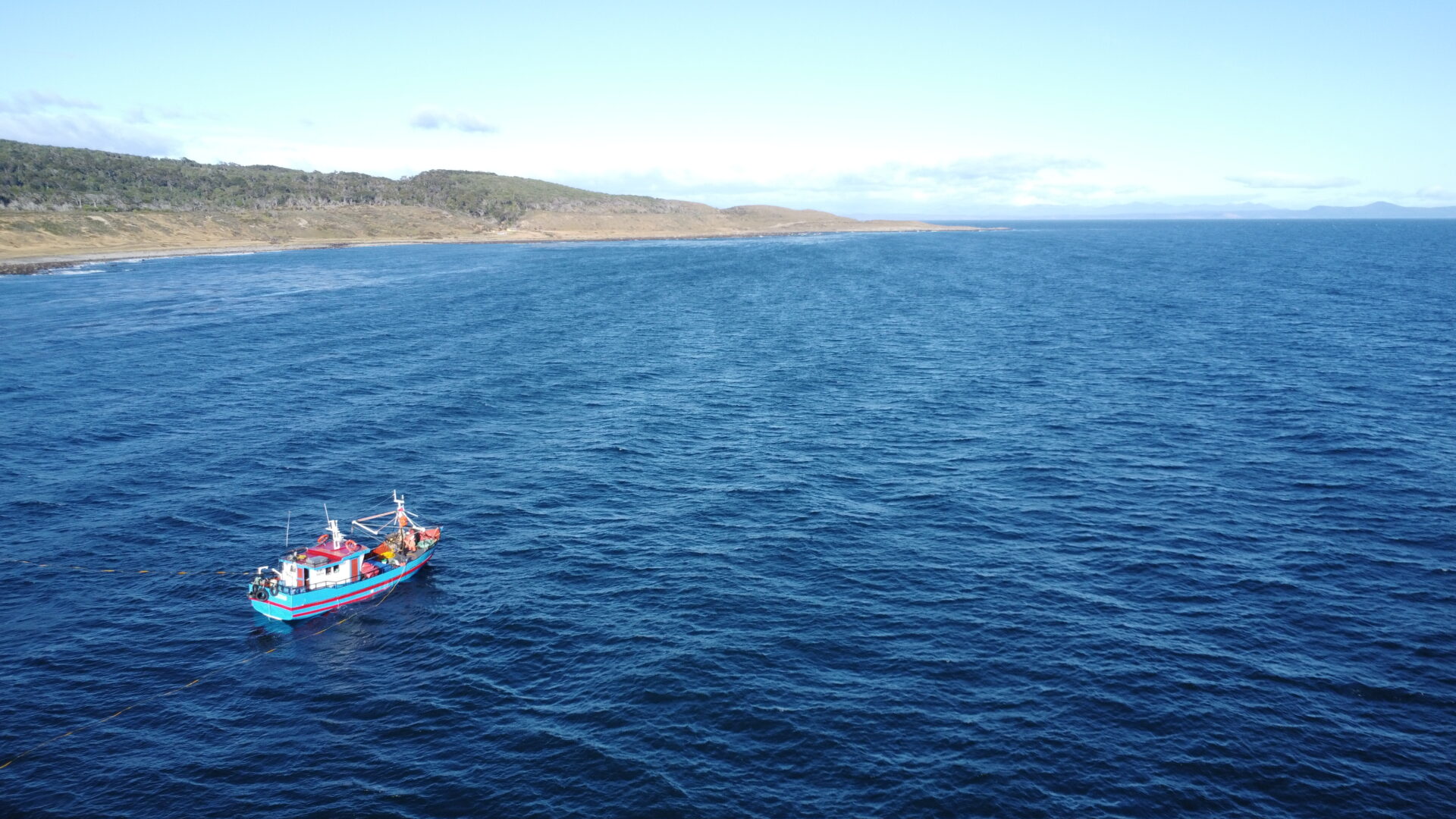
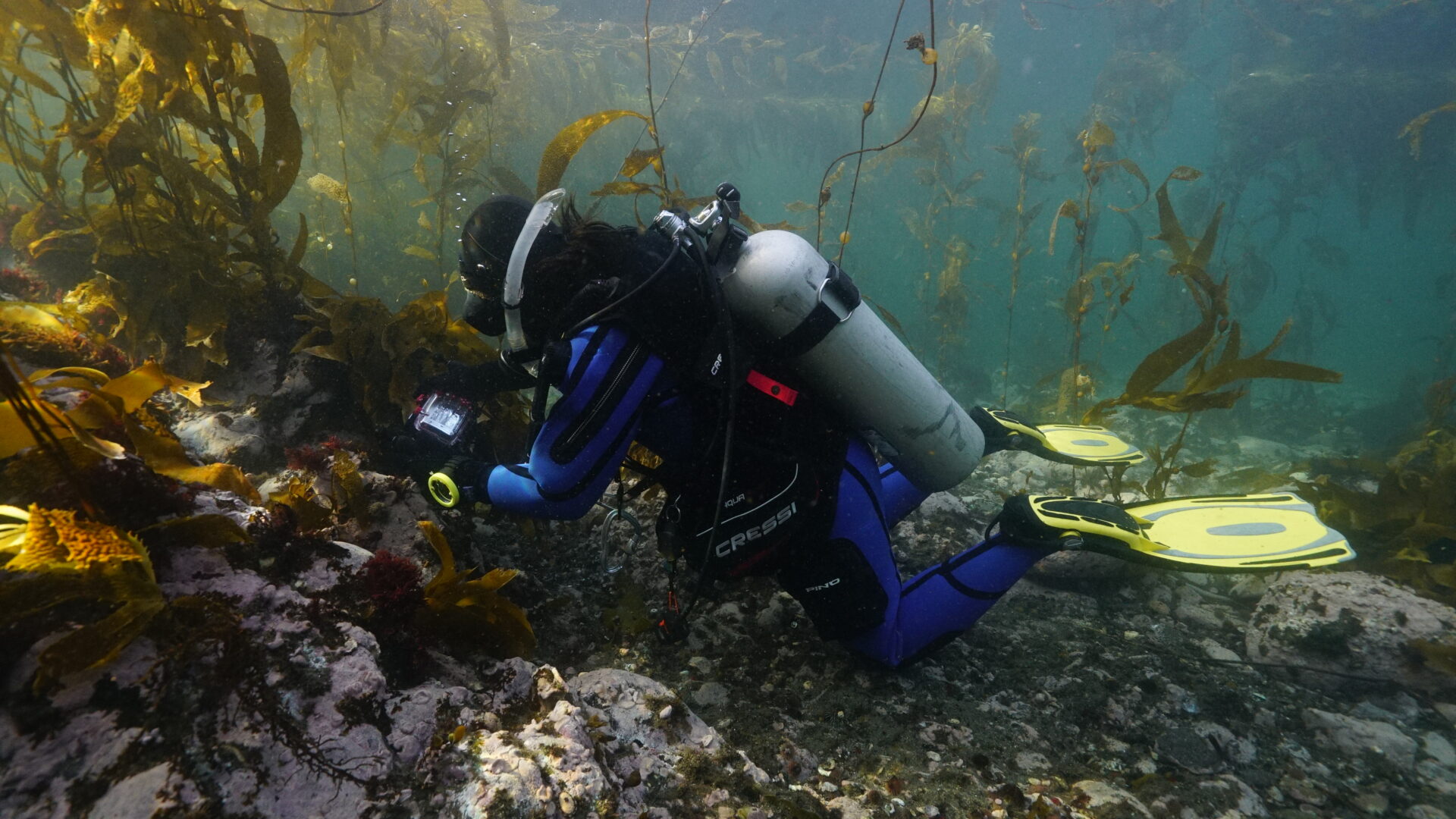
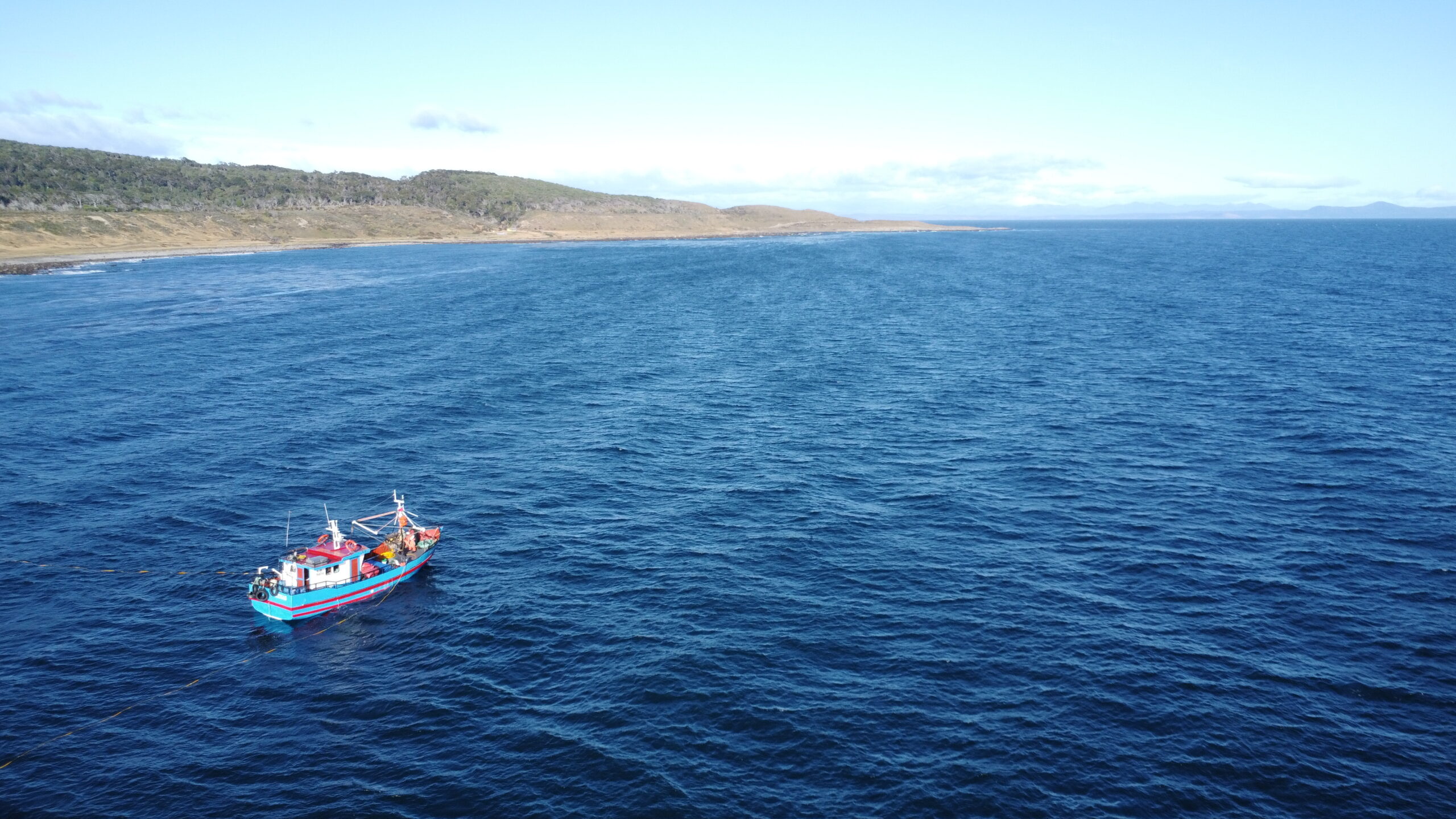
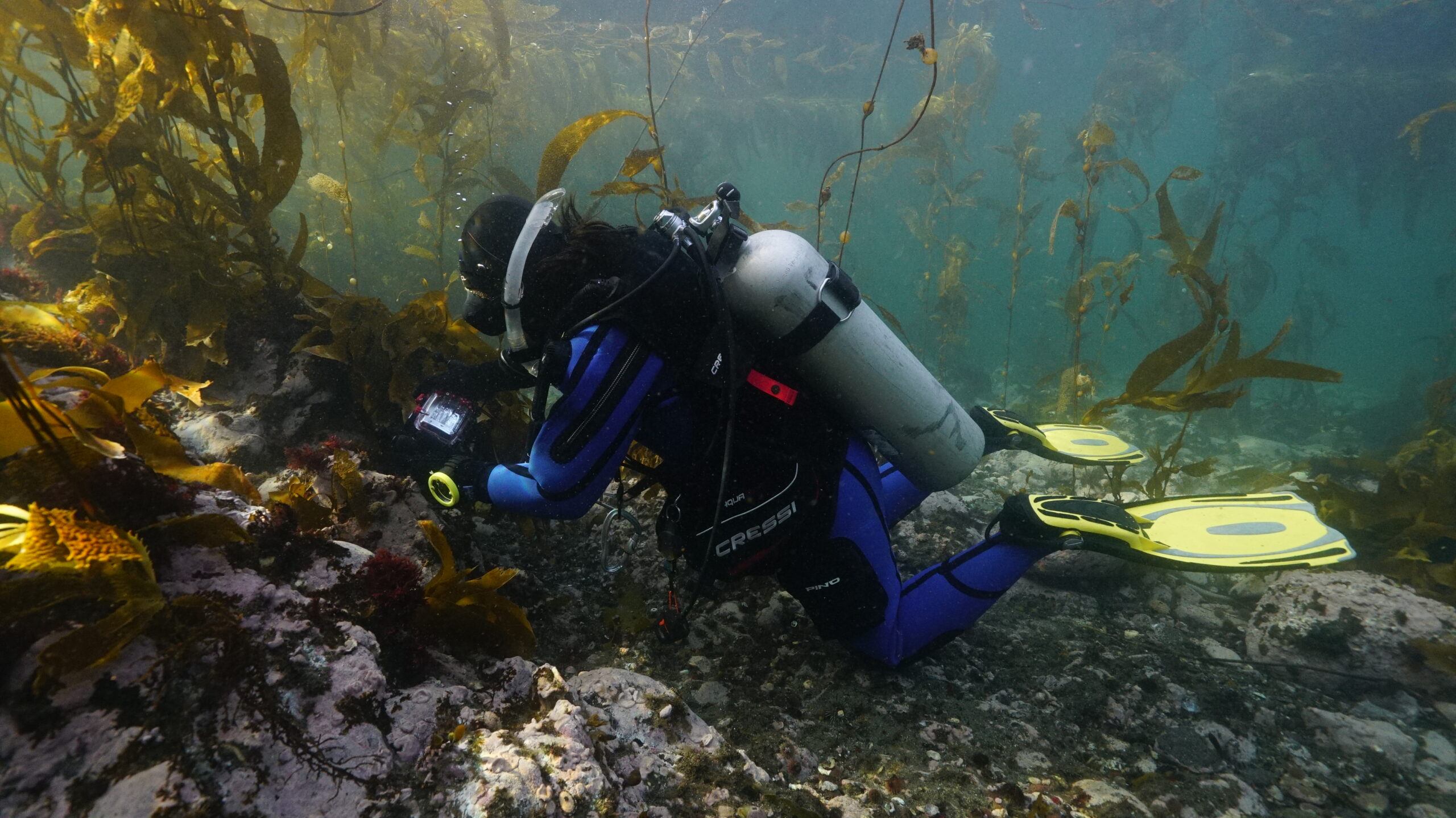
The discovery took place during a March 2025 expedition involving scientists from Rewilding Chile and CADIC-CONICET, along with professionals specializing in underwater and terrestrial filming. The team conducted exploratory dives at depths between 3 and 6 meters across three sampling sites: two in Bahía Inútil on the Chilean side of Tierra del Fuego, and one in Bahía Aguirre on the Argentine side, in the Mitre Peninsula.
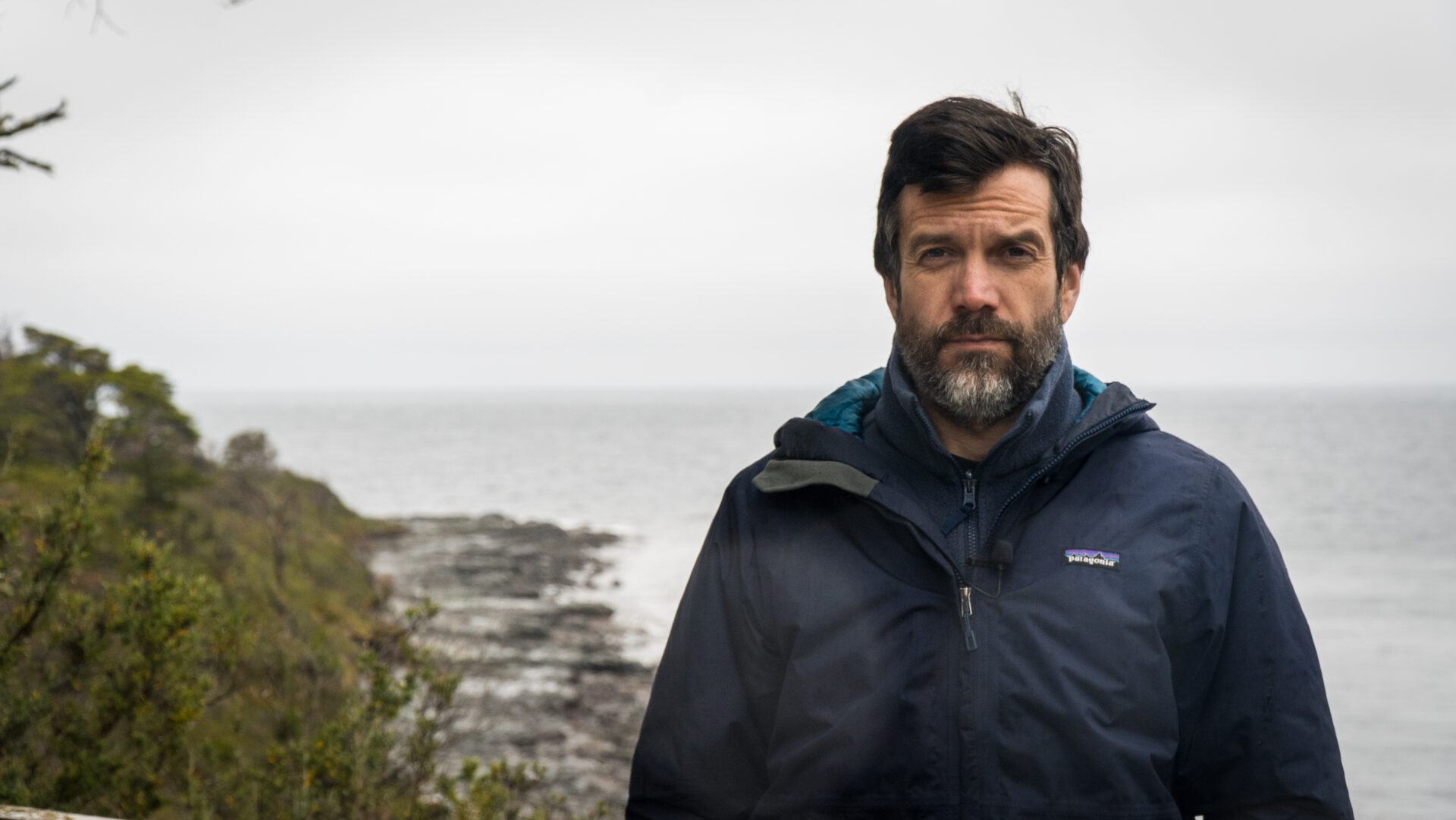
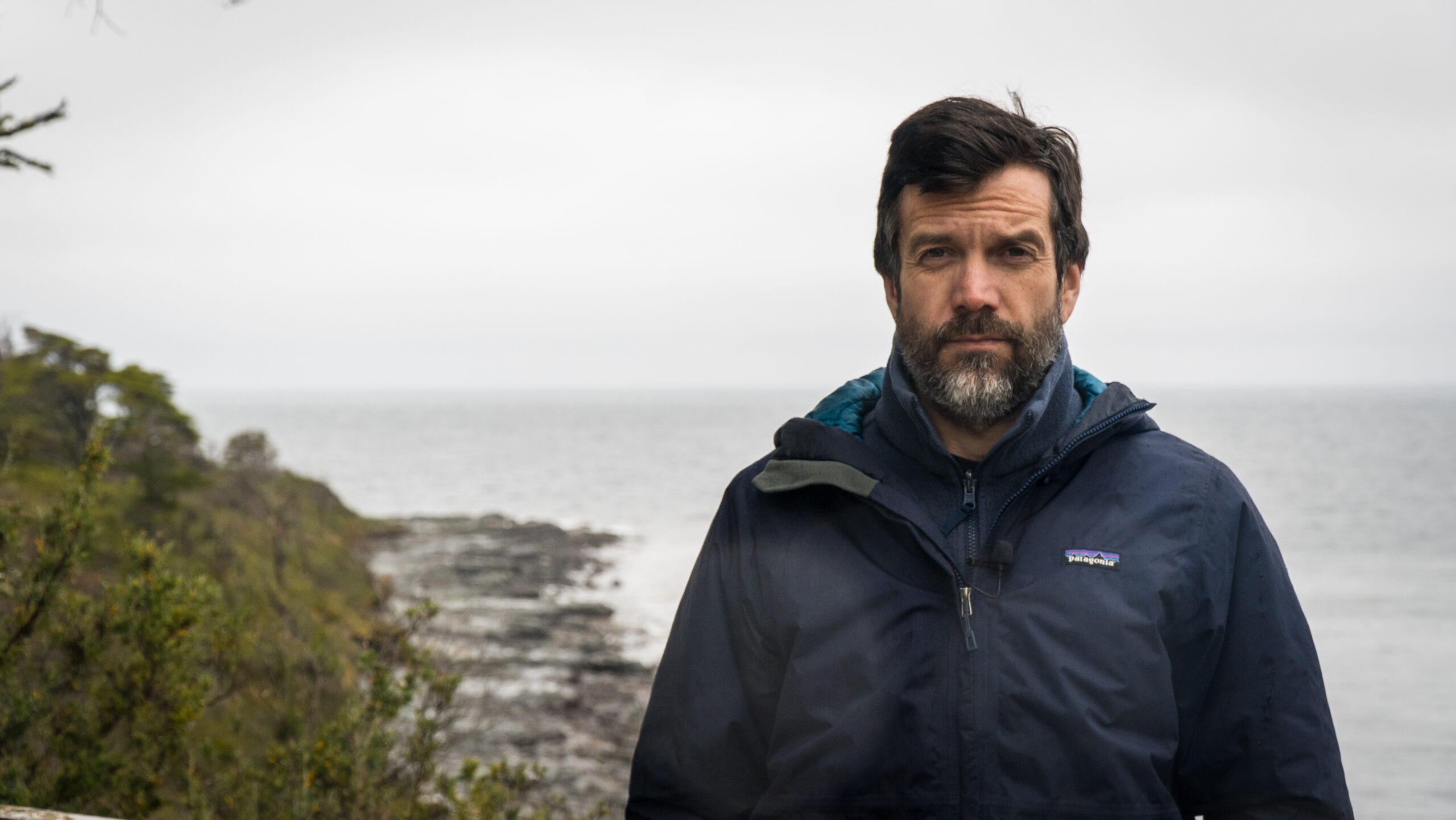
Regarding the significance of the record, Mathias Hüne, Director of Rewilding Chile’s Marine Program, emphasized: “In the context of the climate crisis, expanding our knowledge of marine biodiversity at high latitudes is essential to support conservation strategies. It also reinforces the biogeographic value of Tierra del Fuego—particularly Bahía Inútil—as a key area for sub-Antarctic diversity.”
The expedition’s findings were published in the prestigious German journal Botanica Marina under the title: “New records of Microzonia velutina (Syringodermatales, Ochrophyta) in Isla Grande de Tierra del Fuego in the sub-Antarctic region.” The study was authored by Mauricio Palacios (Rewilding Chile), Julieta Kaminsky (CADIC-CONICET), Mathias Hüne (Rewilding Chile), ecologists and taxonomists Erasmo Macaya (University of Concepción) and Alicia Boraso (National University of Patagonia), and underwater photographer Mariano Rodríguez (National University of Tierra del Fuego).
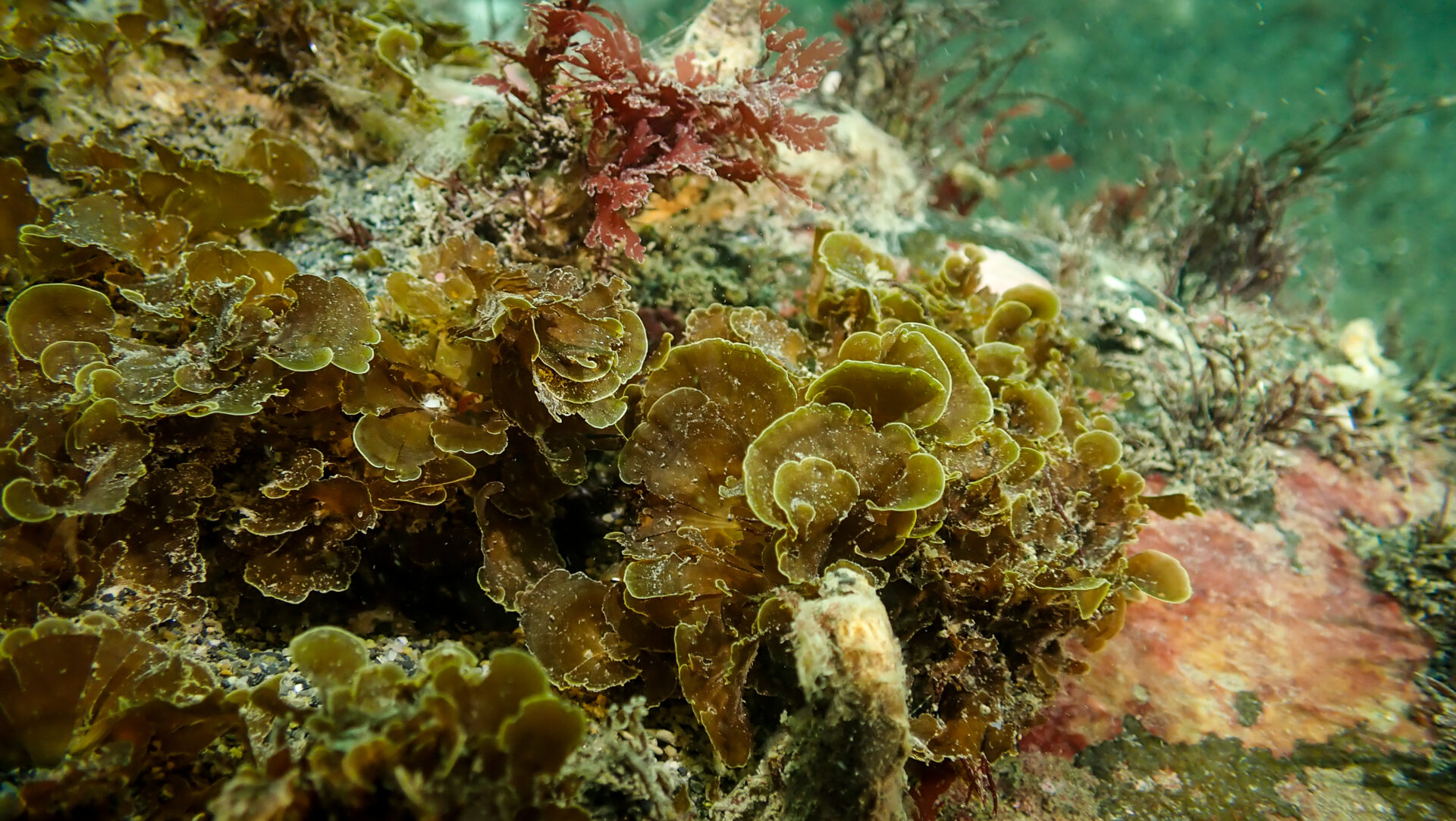
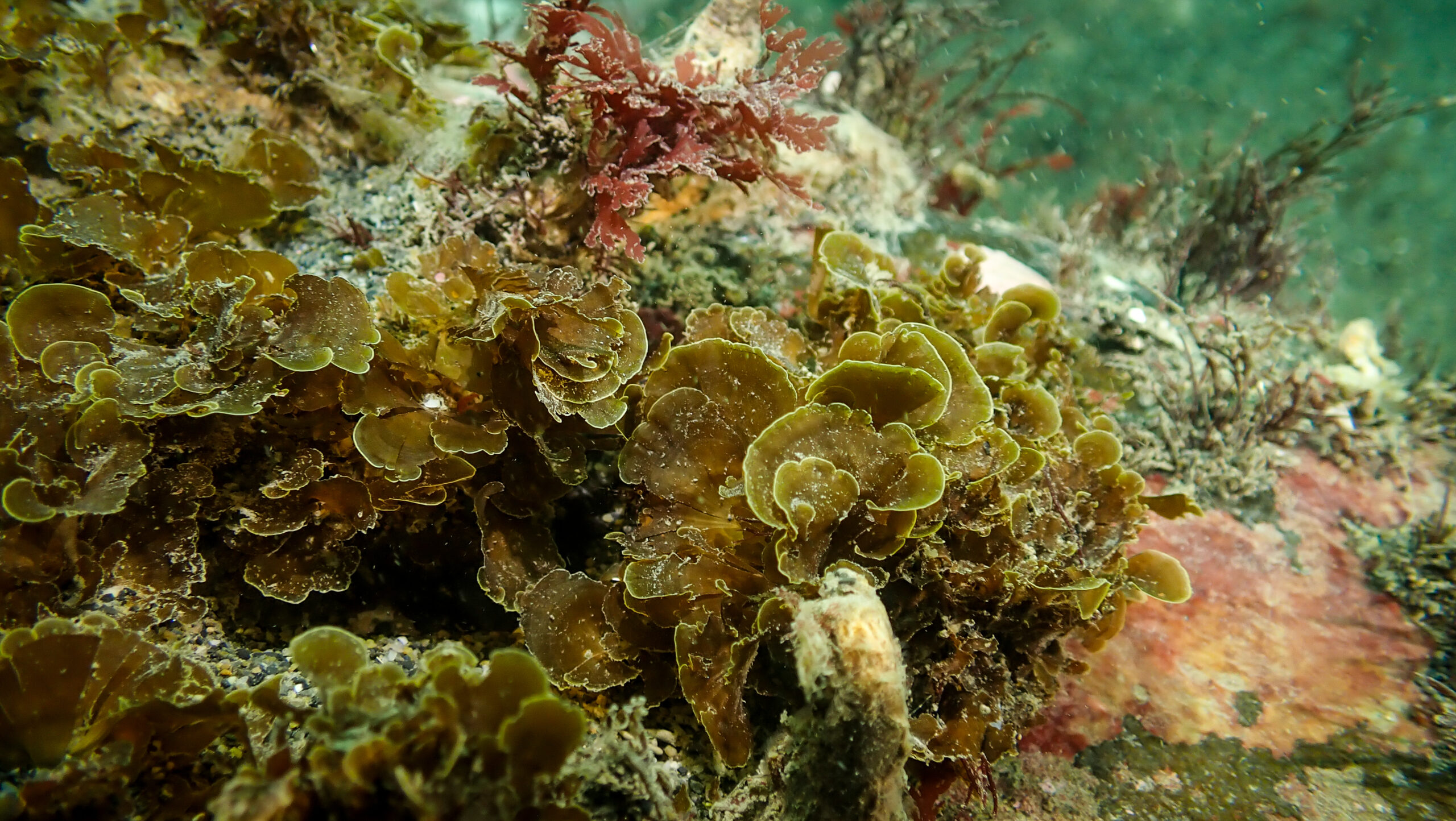
At all sampling sites, Microzonia velutina was observed as part of the understory flora on rocky substrates beneath kelp forests. Unlike the long giant kelp, which can form underwater forests up to 80 meters tall, this small, fan-shaped macroalga does not exceed 3 centimeters in height. It is distinguished by its olive-brown coloration with iridescent pigmentation along the edges.
“It’s not easy to spot,” explained Julieta Kaminsky. “Because it’s so small, one might mistake it for a fungus like those found in terrestrial forests. But it is a macroalga. You have to look for it intentionally—it’s not obvious—but once you find it, its fan-like shape with fine lines is very distinctive, and it grows very close to the rock substrate.”
“In the context of the climate crisis, expanding knowledge of marine biodiversity in high-latitude ecosystems is essential for conservation planning and highlights the unique biogeographic importance of Tierra del Fuego—especially Bahía Inútil—as a hotspot of sub-Antarctic diversity.”
Mauricio Palacios added: “In general terms, it is a relatively uncommon and little-known species, more typical of New Zealand, though not abundant there either. There are only two previous records in the Southern Hemisphere, particularly along Argentina’s Atlantic coast. We still know very little about its external morphology, life cycle, and ecological habits—why it occurs here and not elsewhere.”
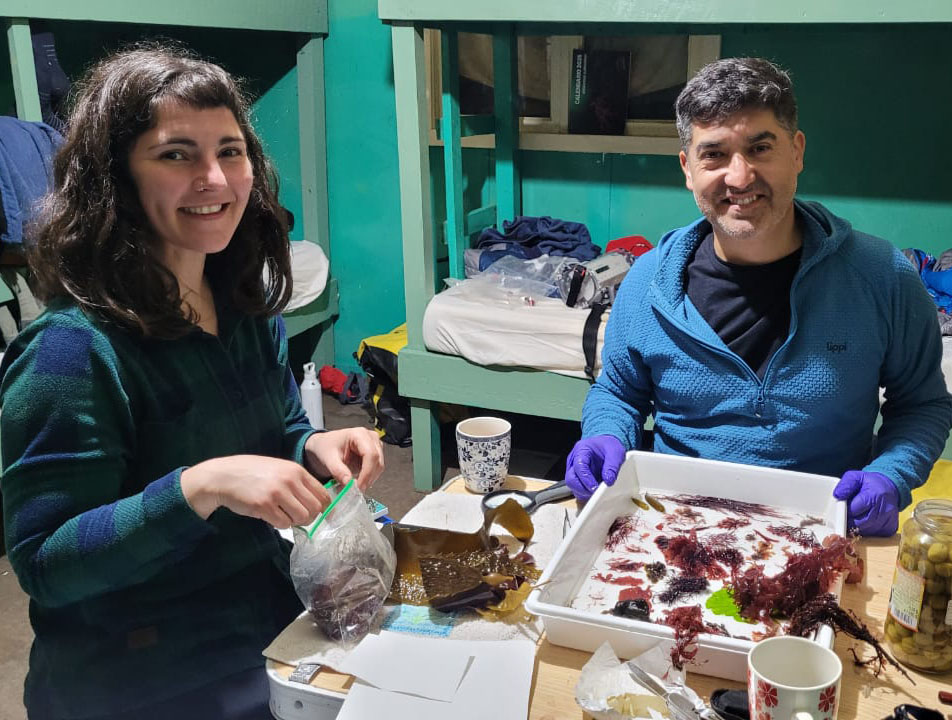
During the expedition, researchers collected complete specimens (thalli) of the macroalga and identified them based on both external and internal morphology. As Kaminsky explained, the process began with naked-eye observation, followed by microscopic analysis of thin sections. By comparing specific structural features with specimens from Argentina and other parts of the world, the team confirmed the species identification. Three specimens were later preserved in the herbarium maintained by Rewilding Chile.