Foto: Antonino Elzo para Rewilding Chile
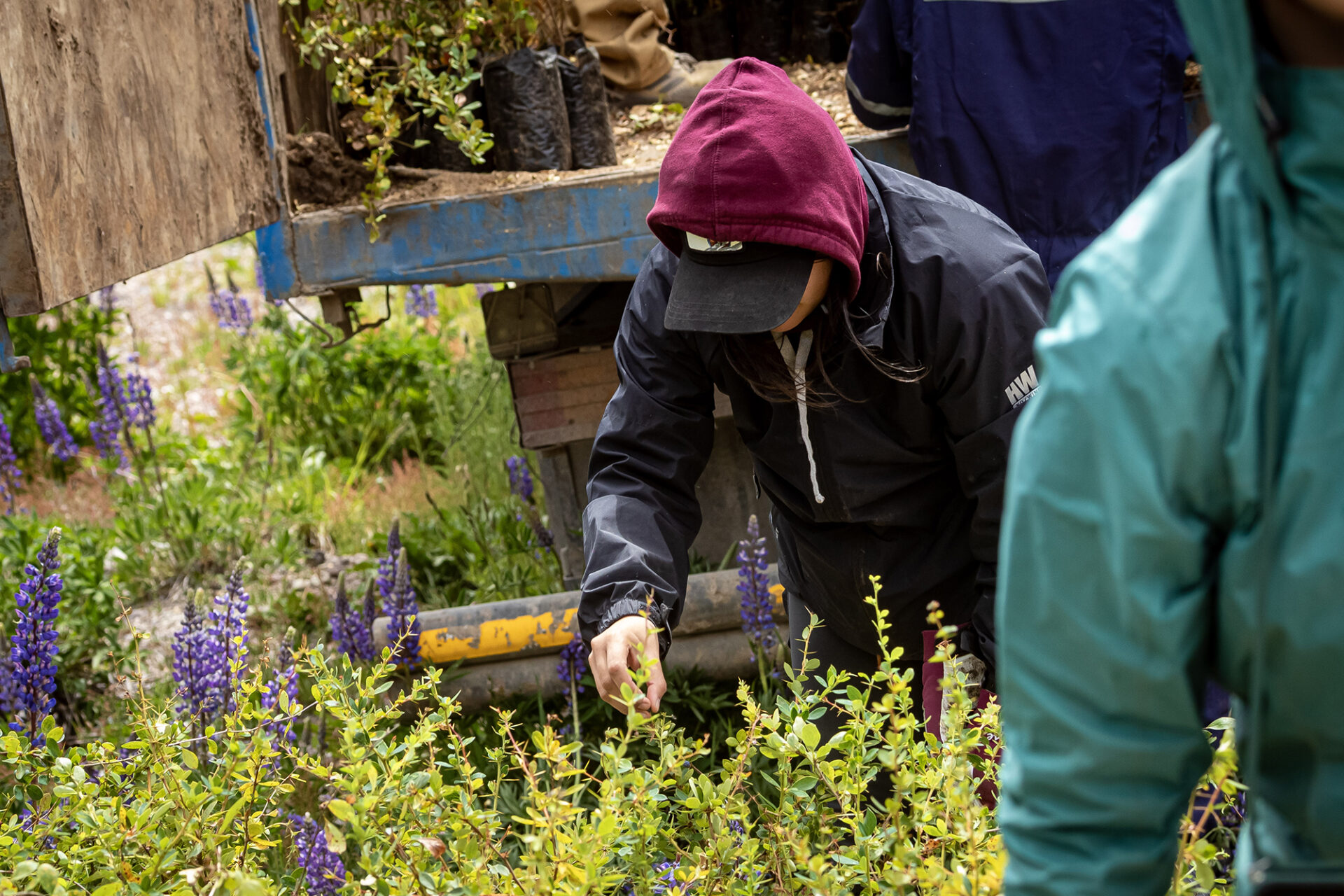
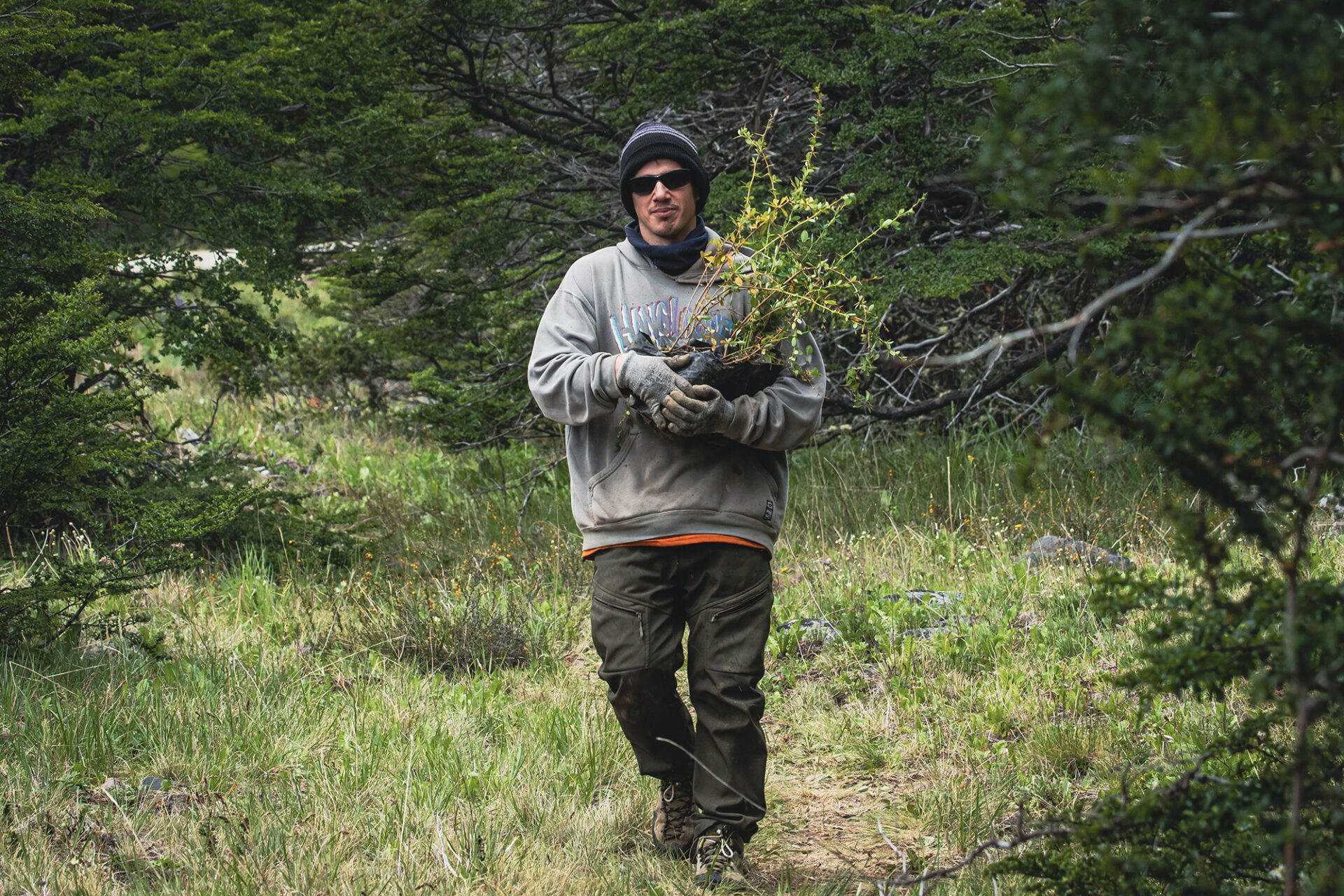
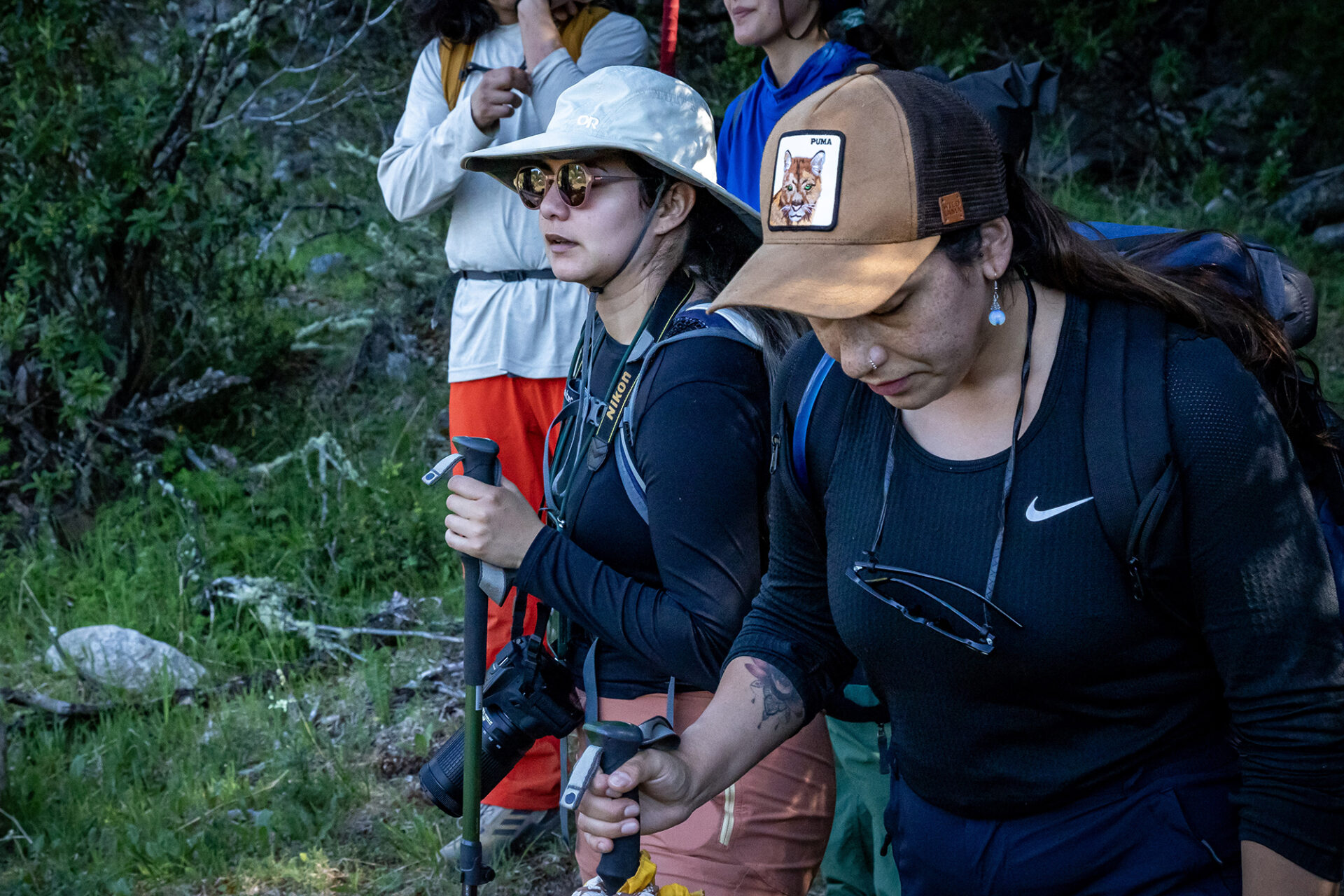
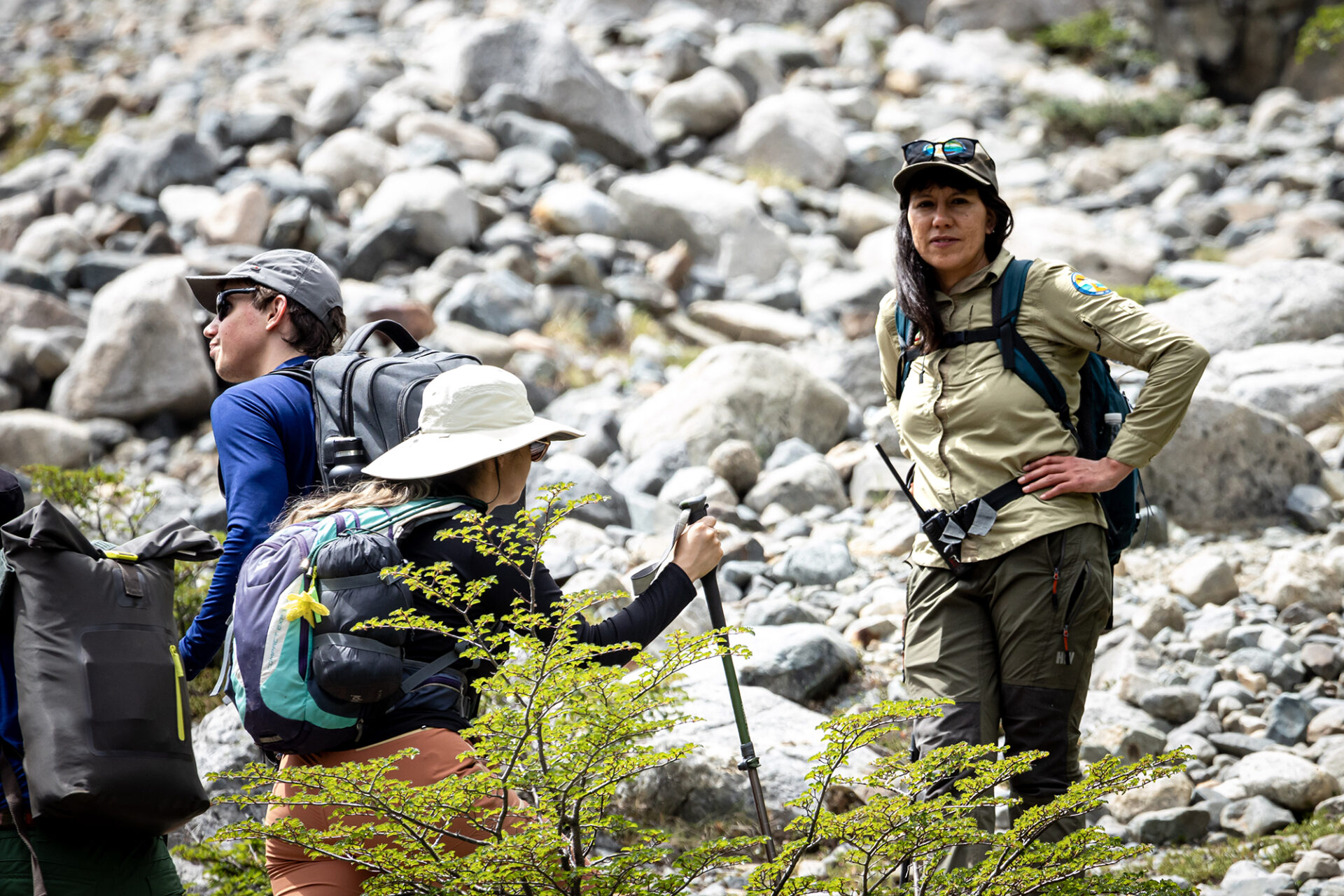
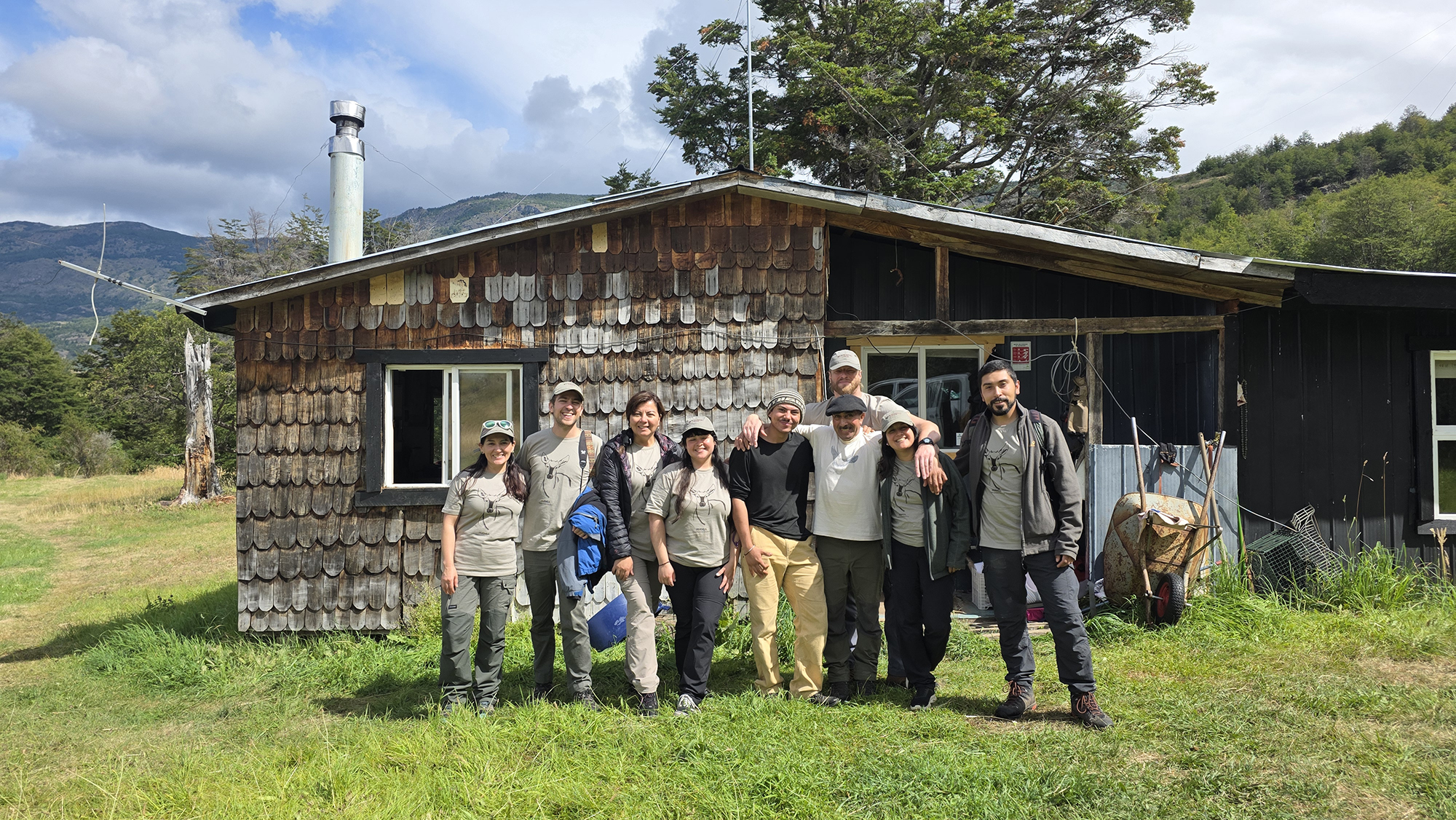
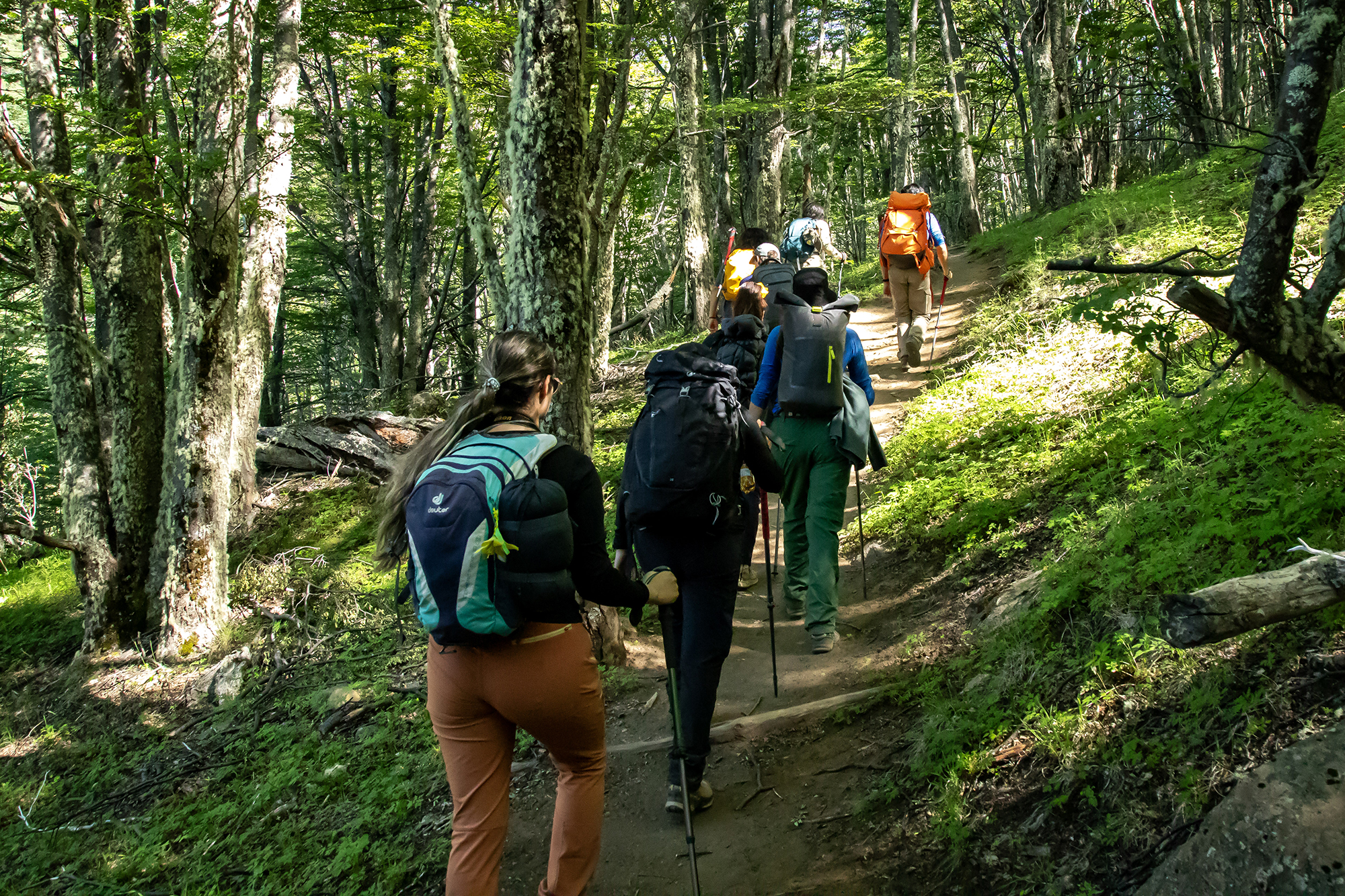
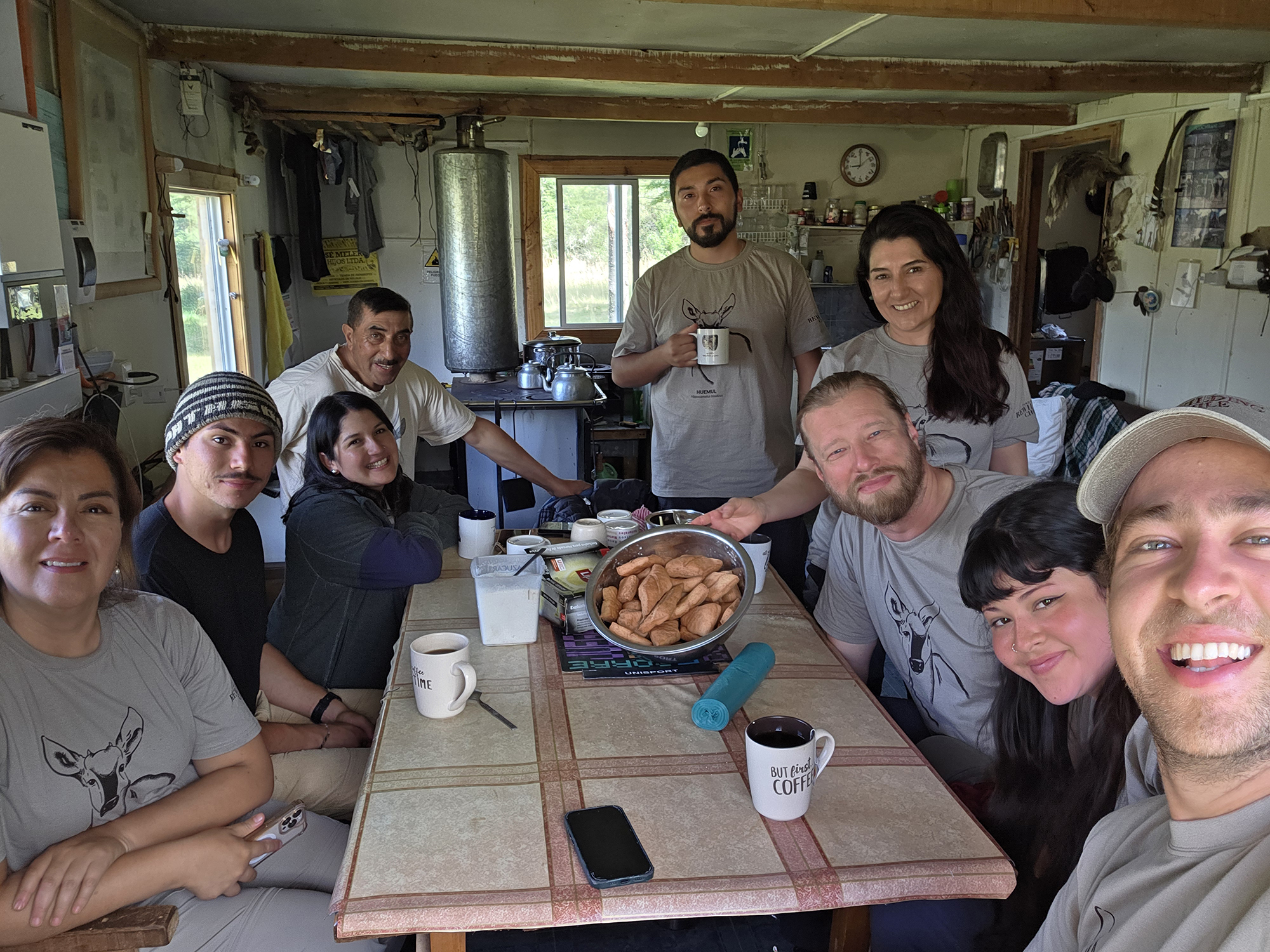
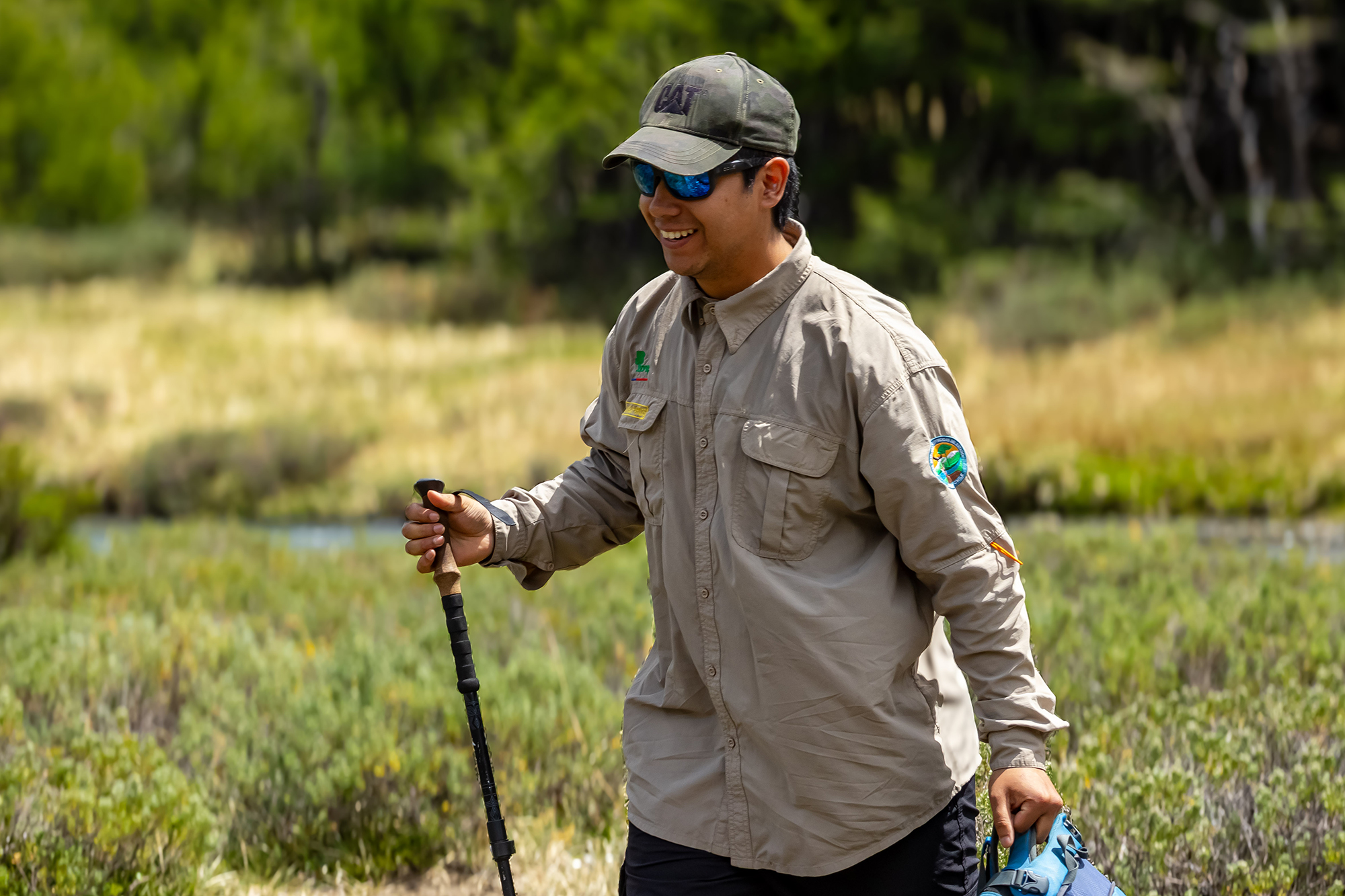
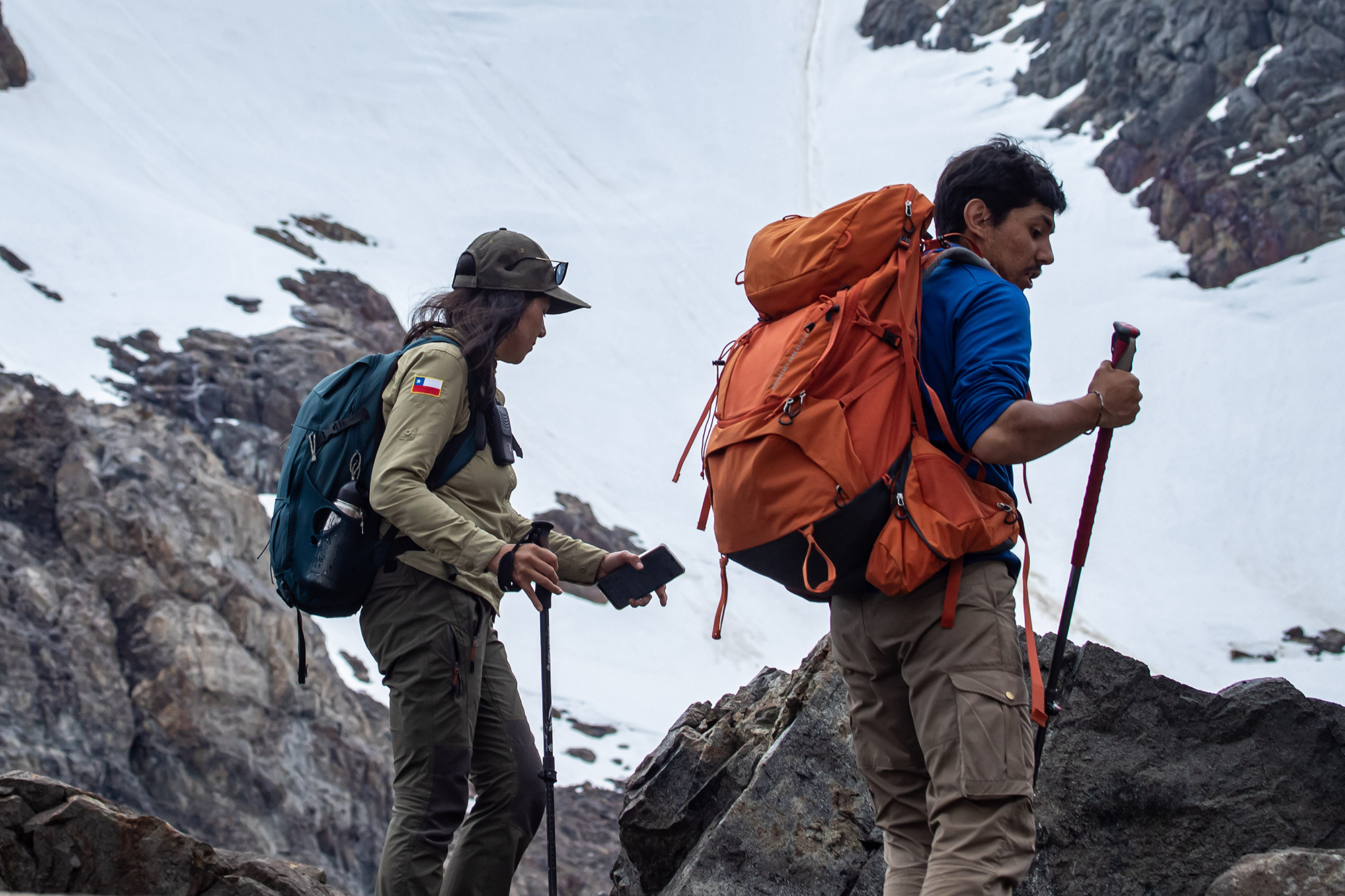
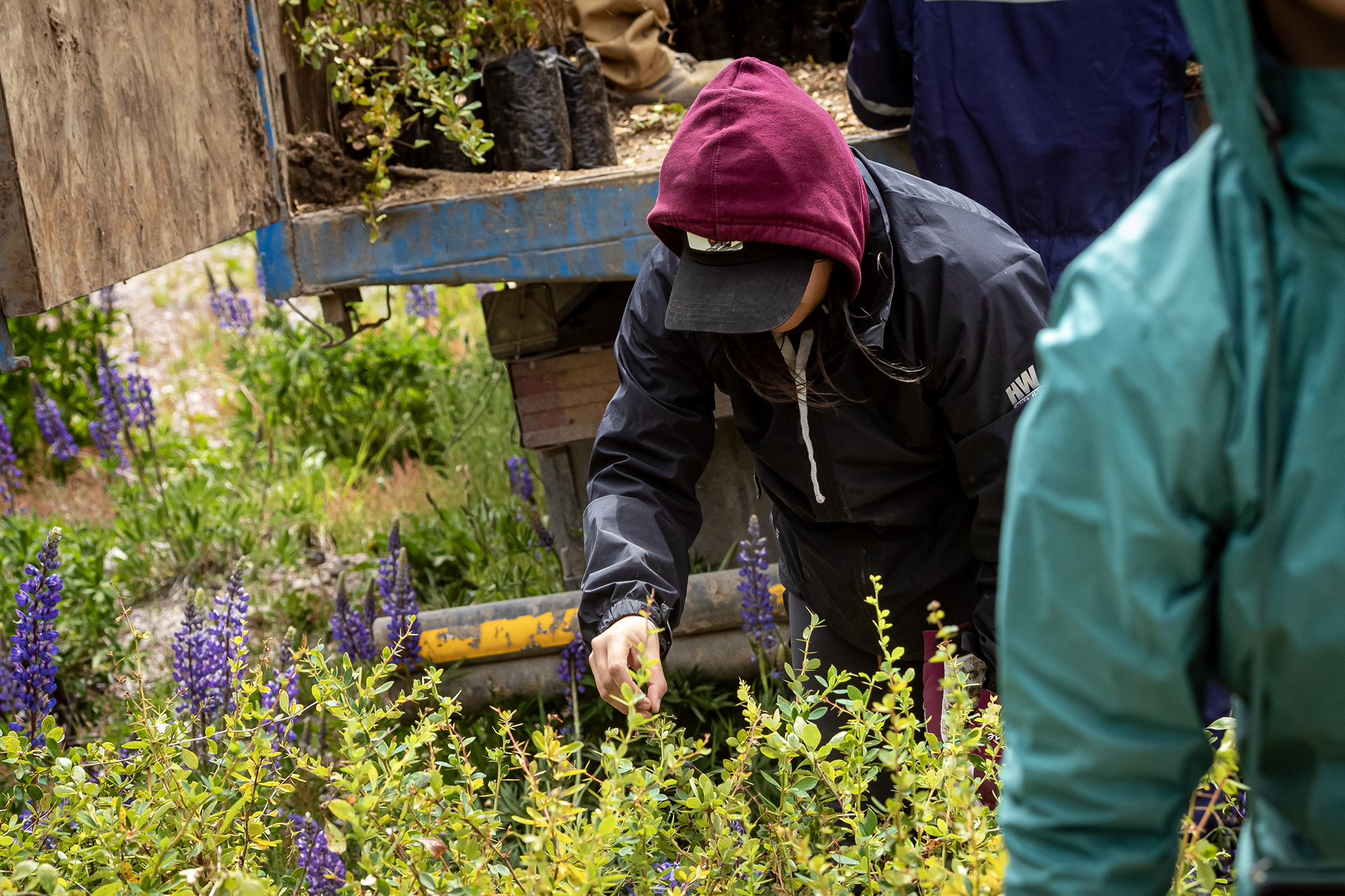
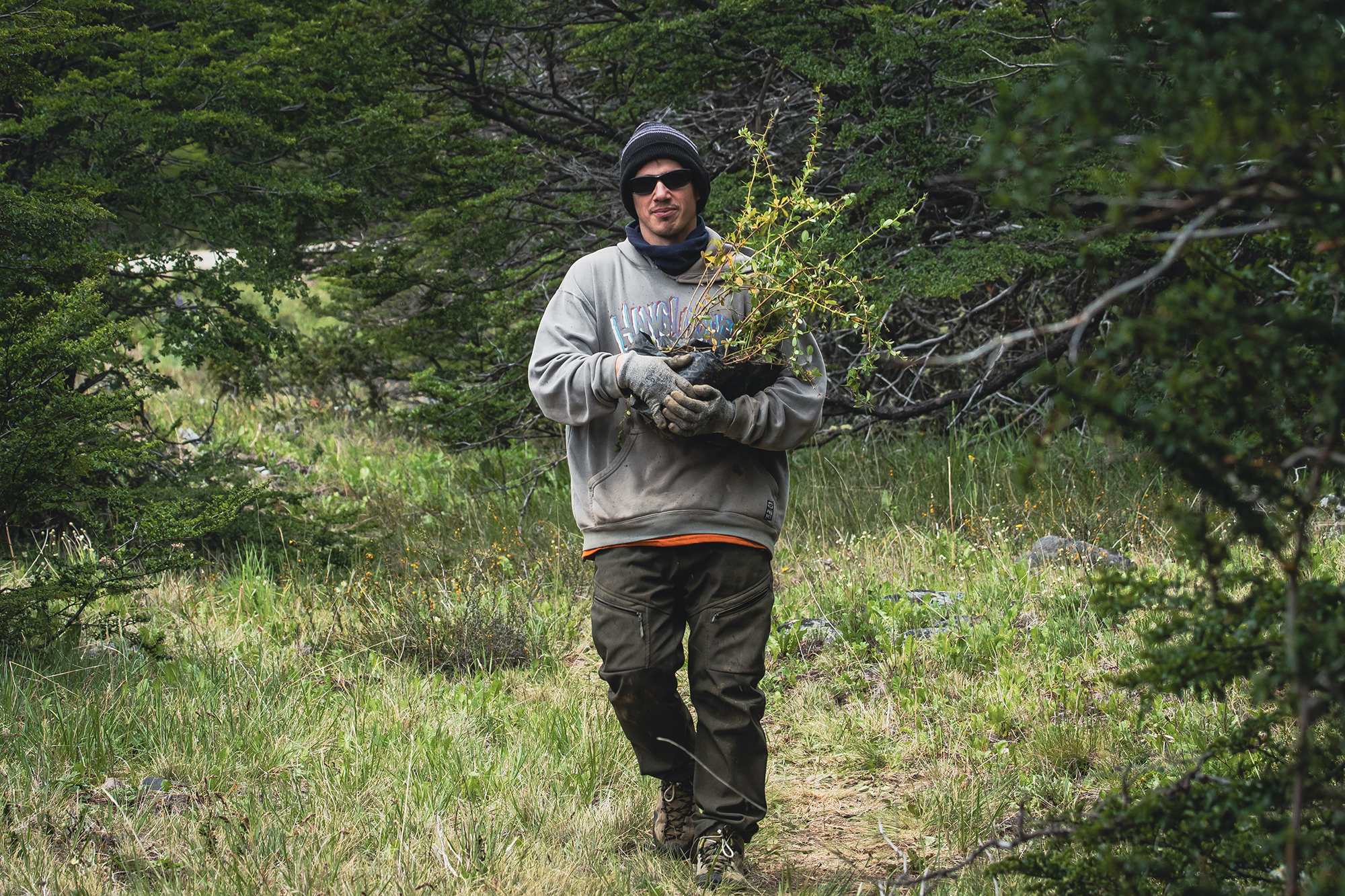
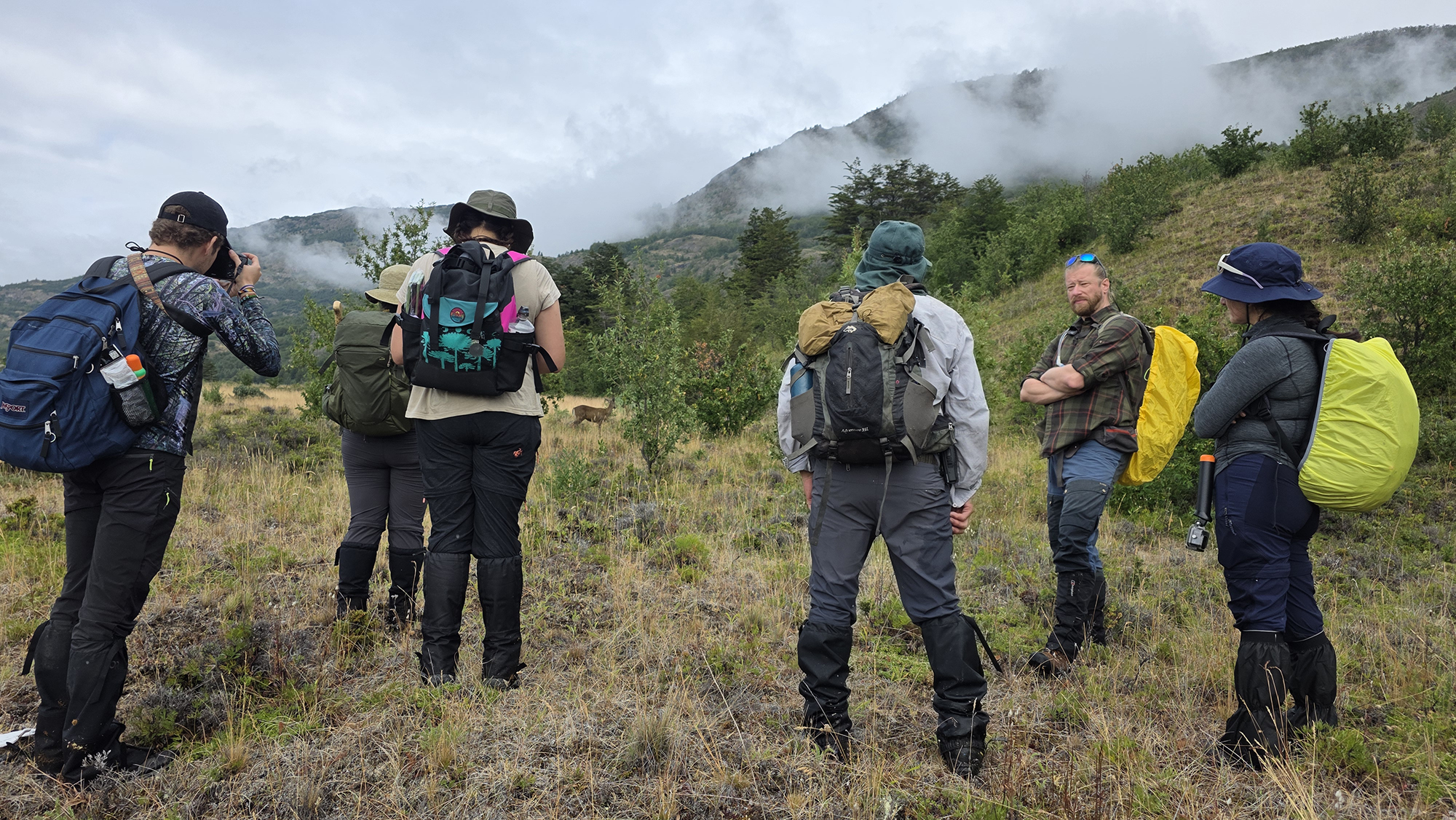
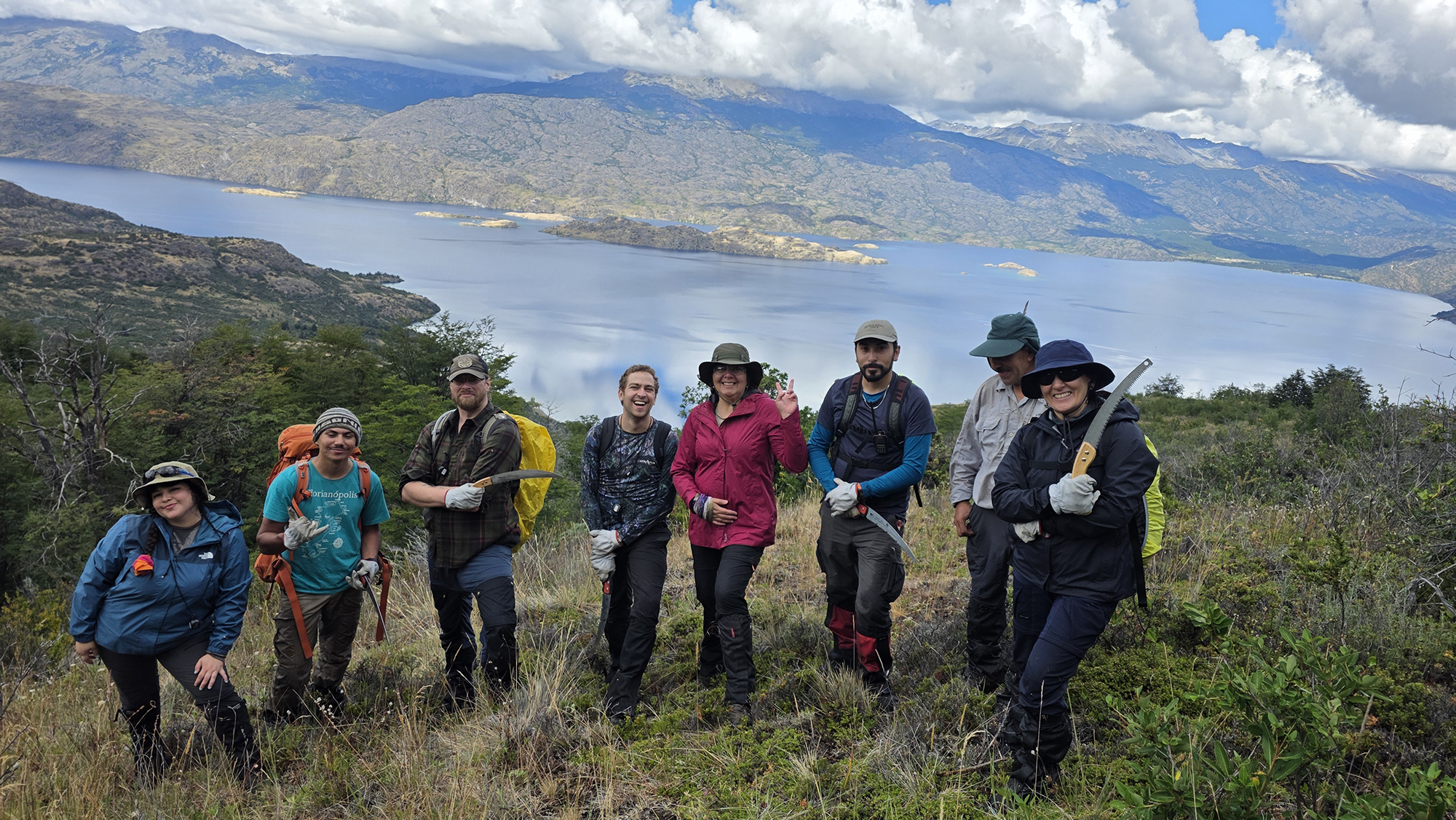
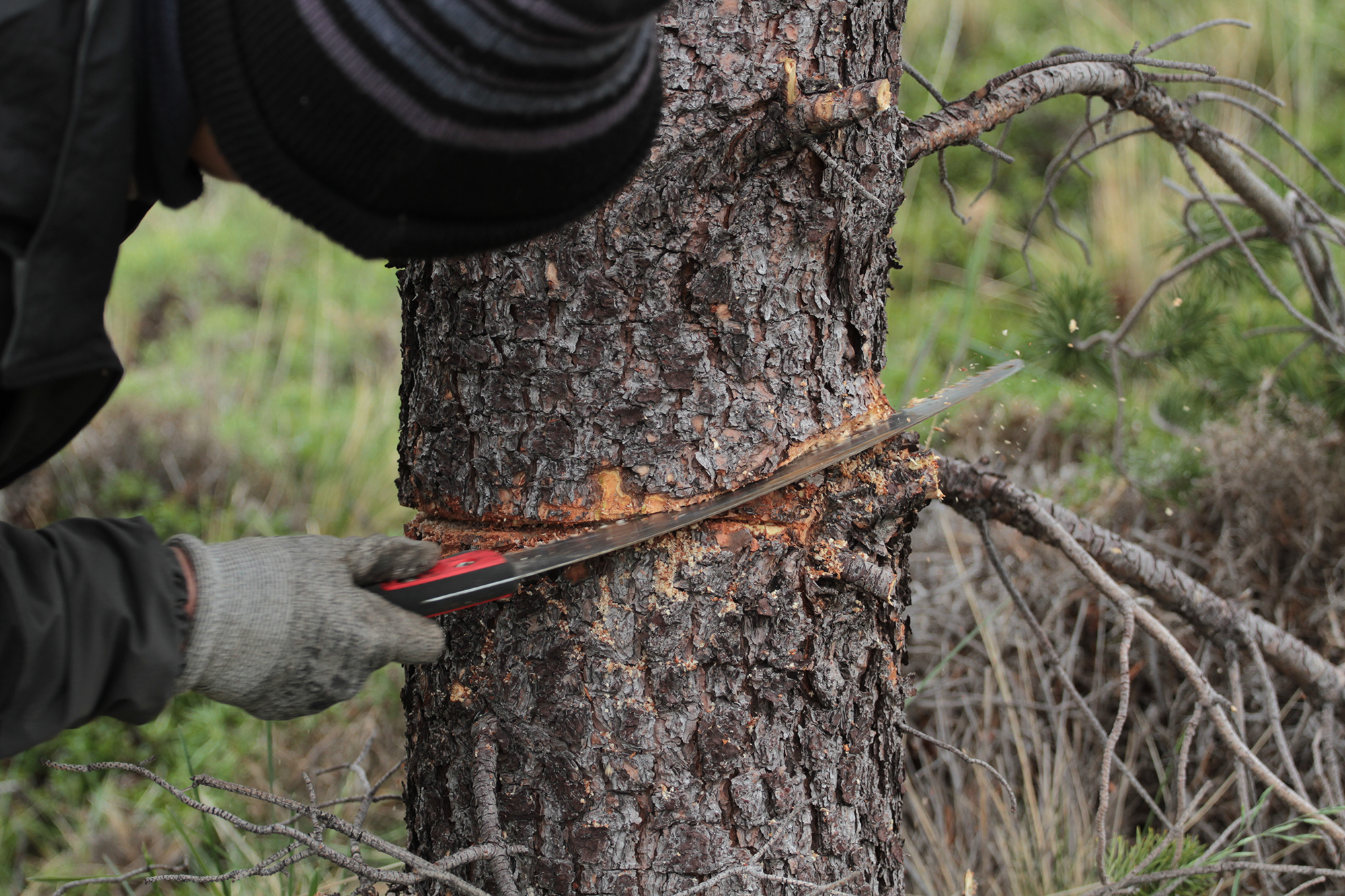
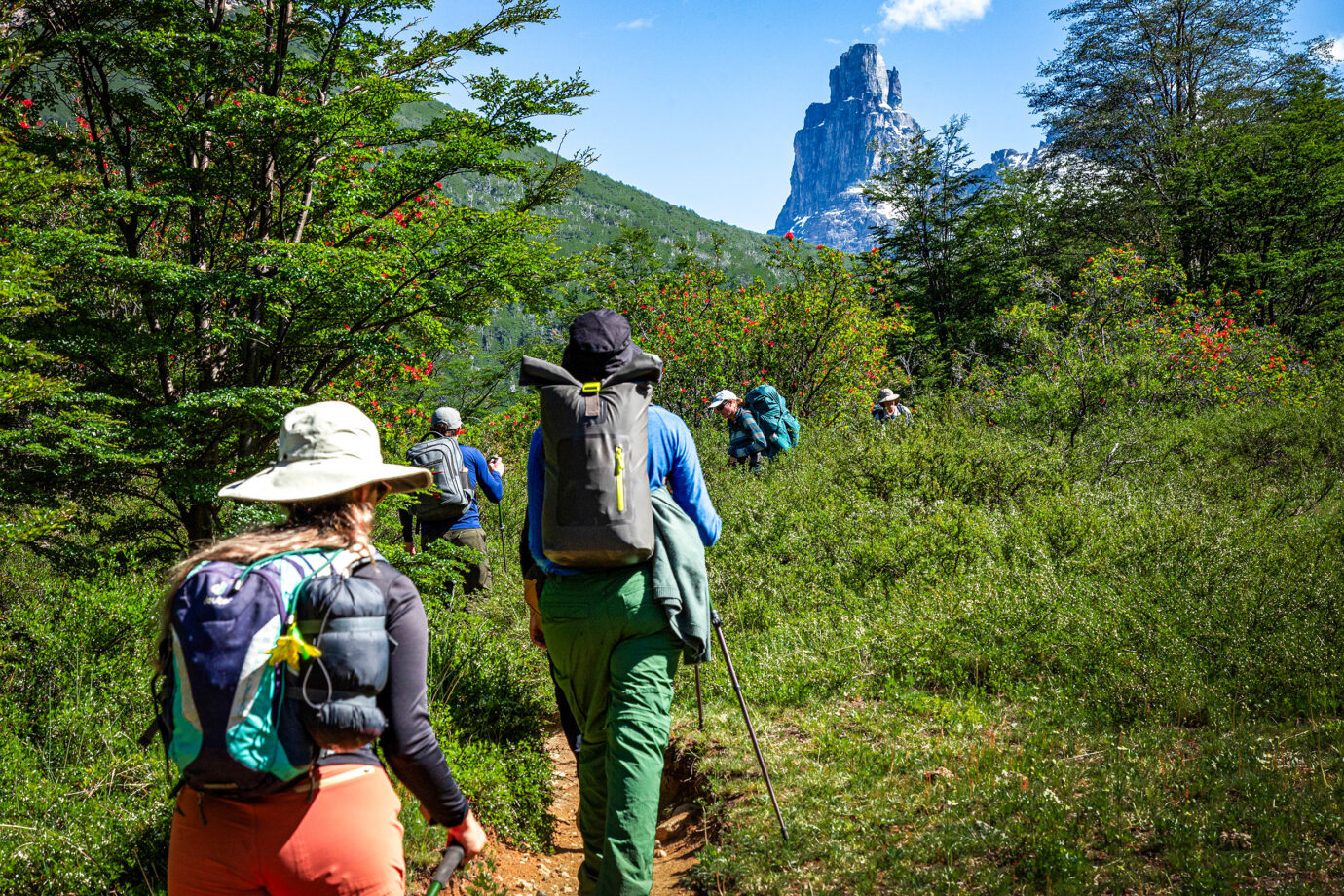
Participants from across Chile and around the world have joined the new Volunteer Program launched by Rewilding Chile, helping remove invasive exotic plants in Cerro Castillo National Park and Patagonia National Park.
Foto: Antonino Elzo para Rewilding Chile
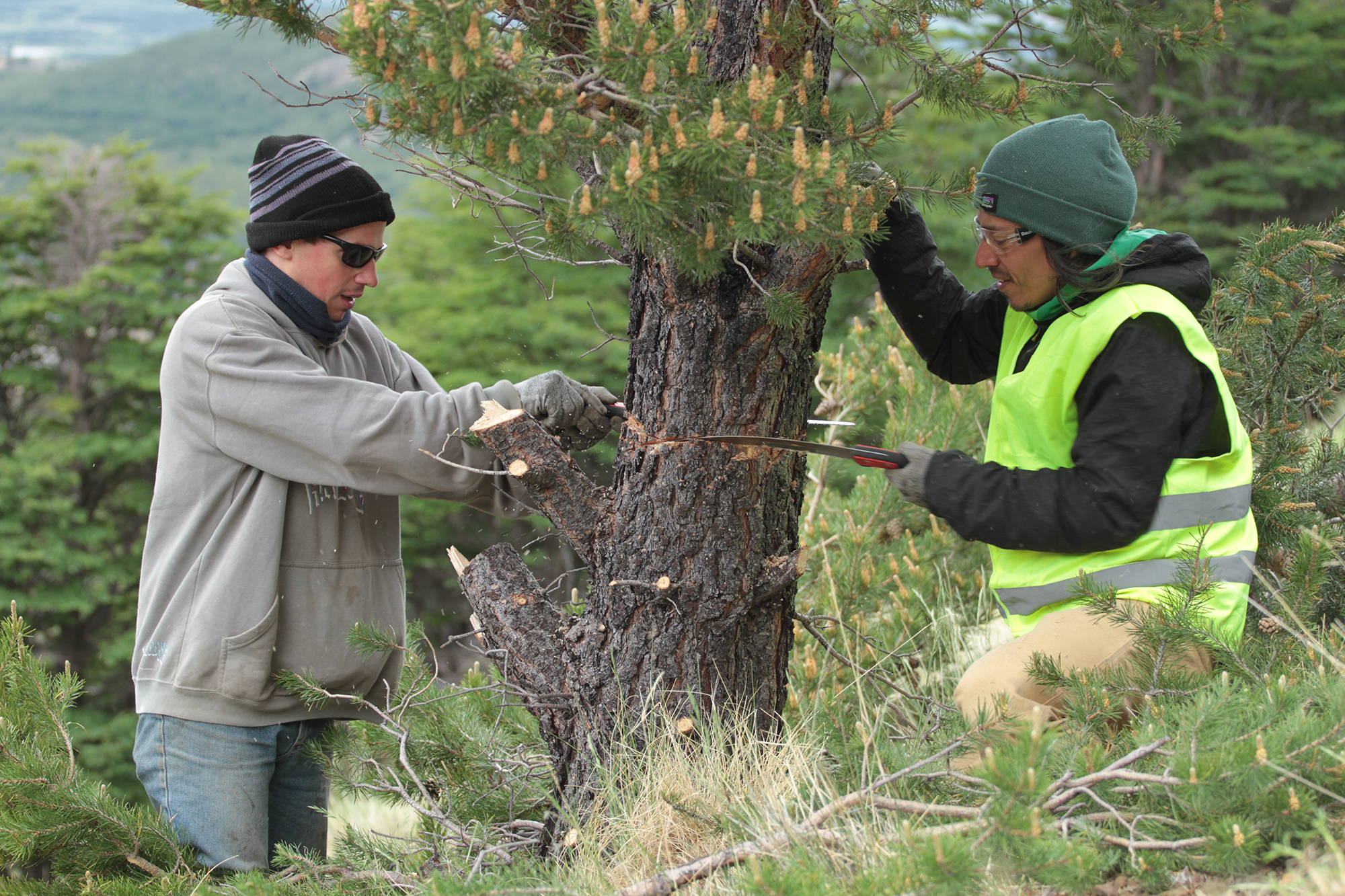
When we think of Patagonia, images of pristine nature often come to mind: impressive native flora and fauna thriving across forests, fjords, valleys, and pampas. Yet today, exotic species such as pine, hemlock, and rosehip have also spread widely, transforming ecosystems—even within protected areas. These invasive plants advance unchecked through seed dispersal, preventing native vegetation from regenerating.
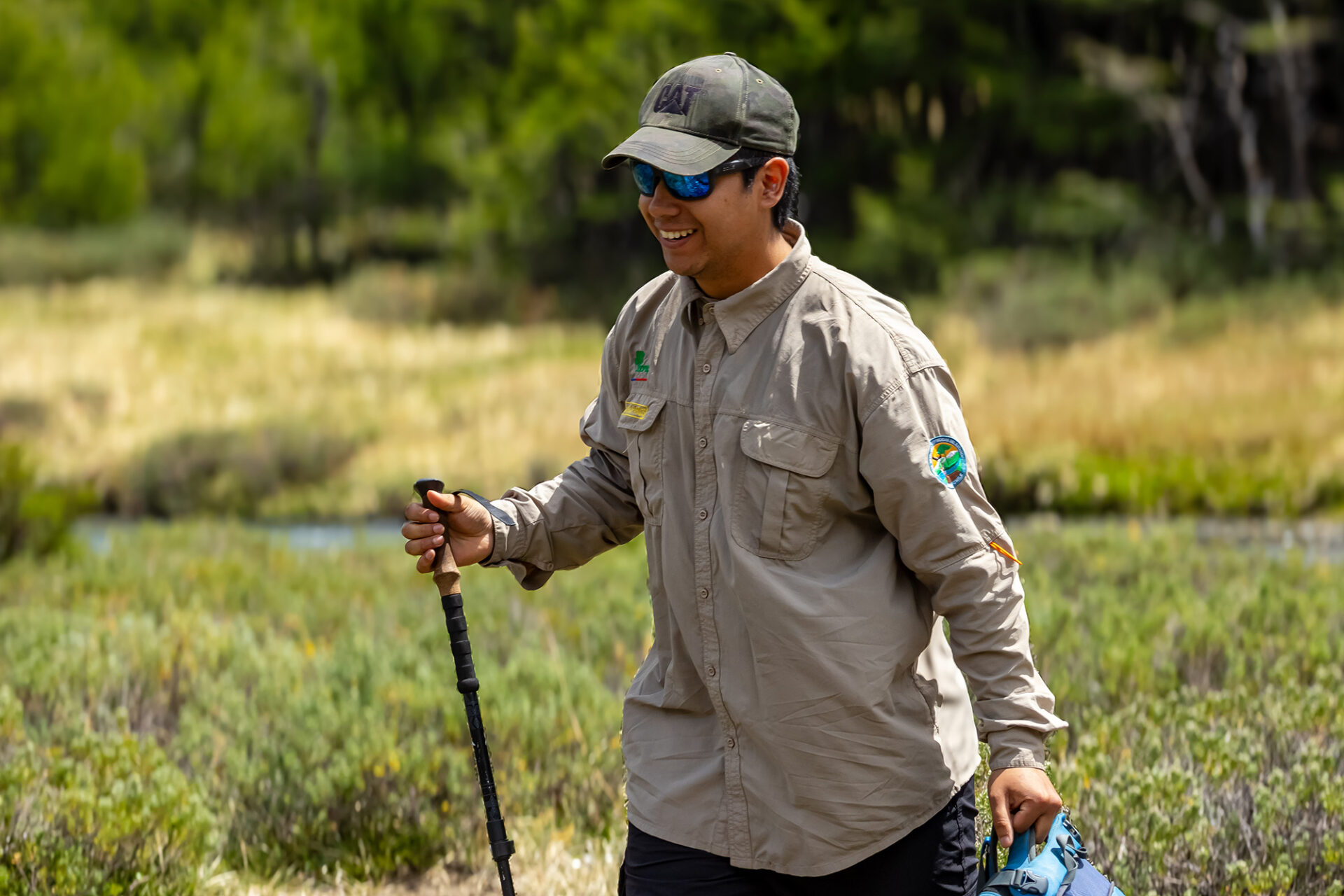
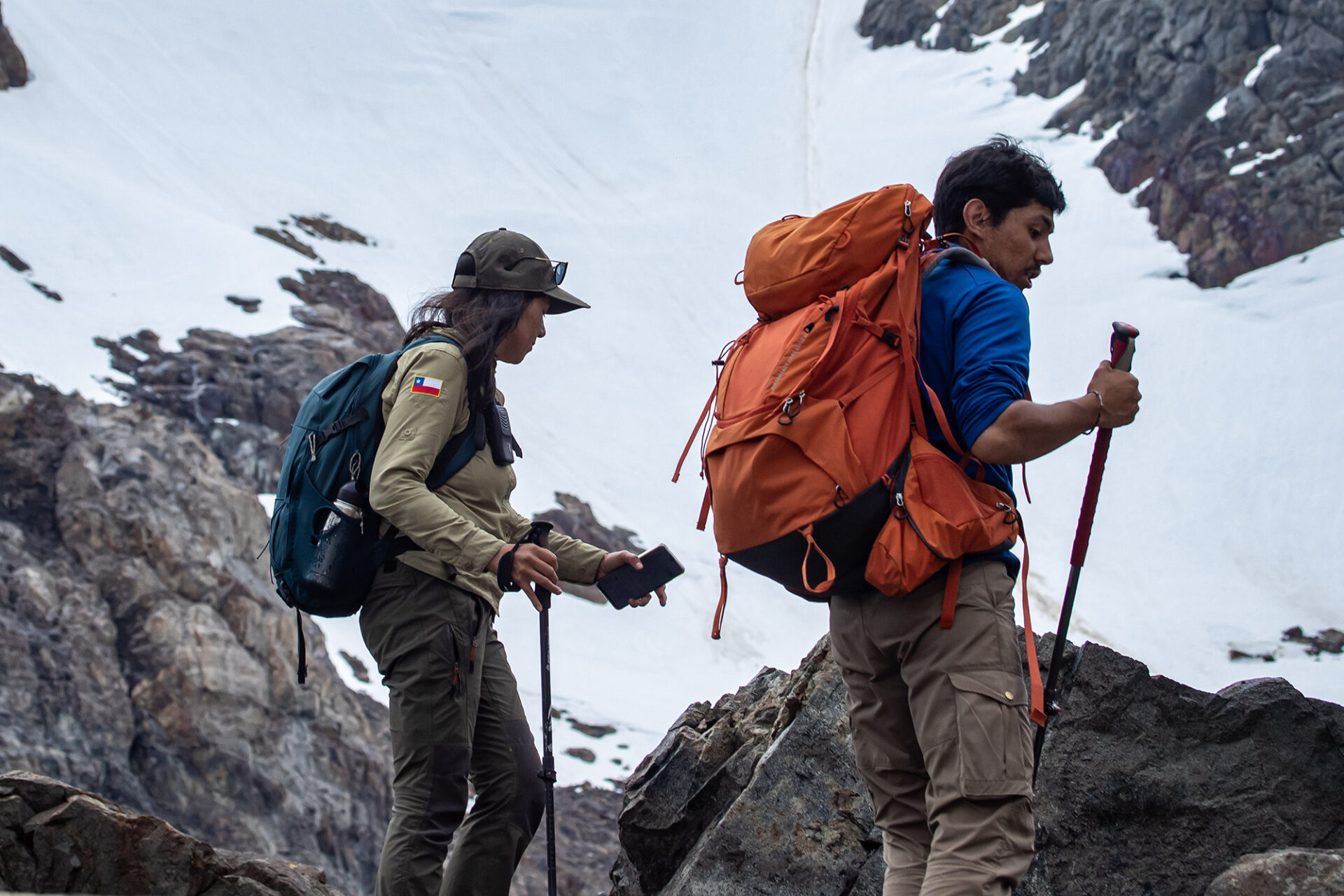
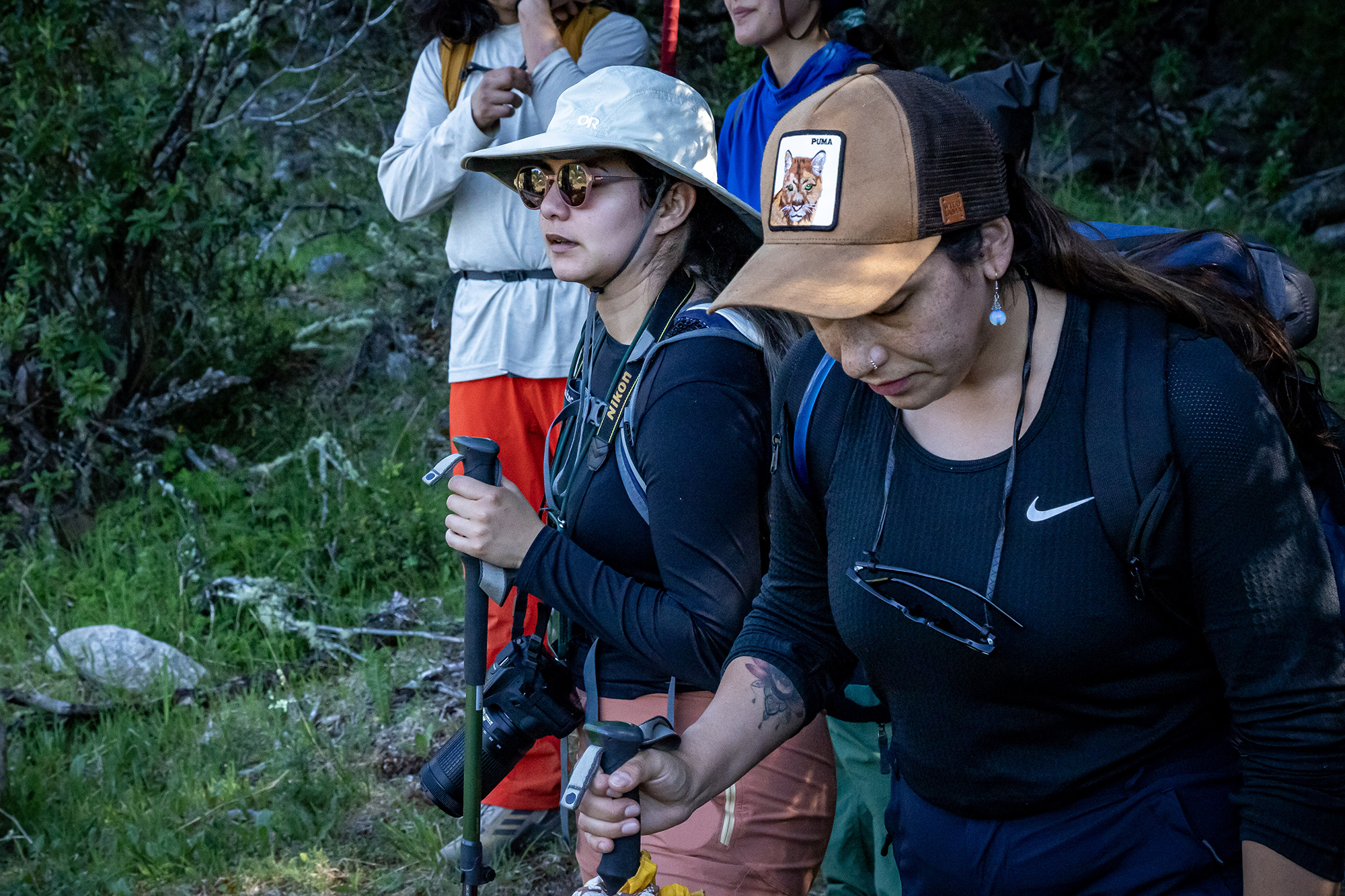
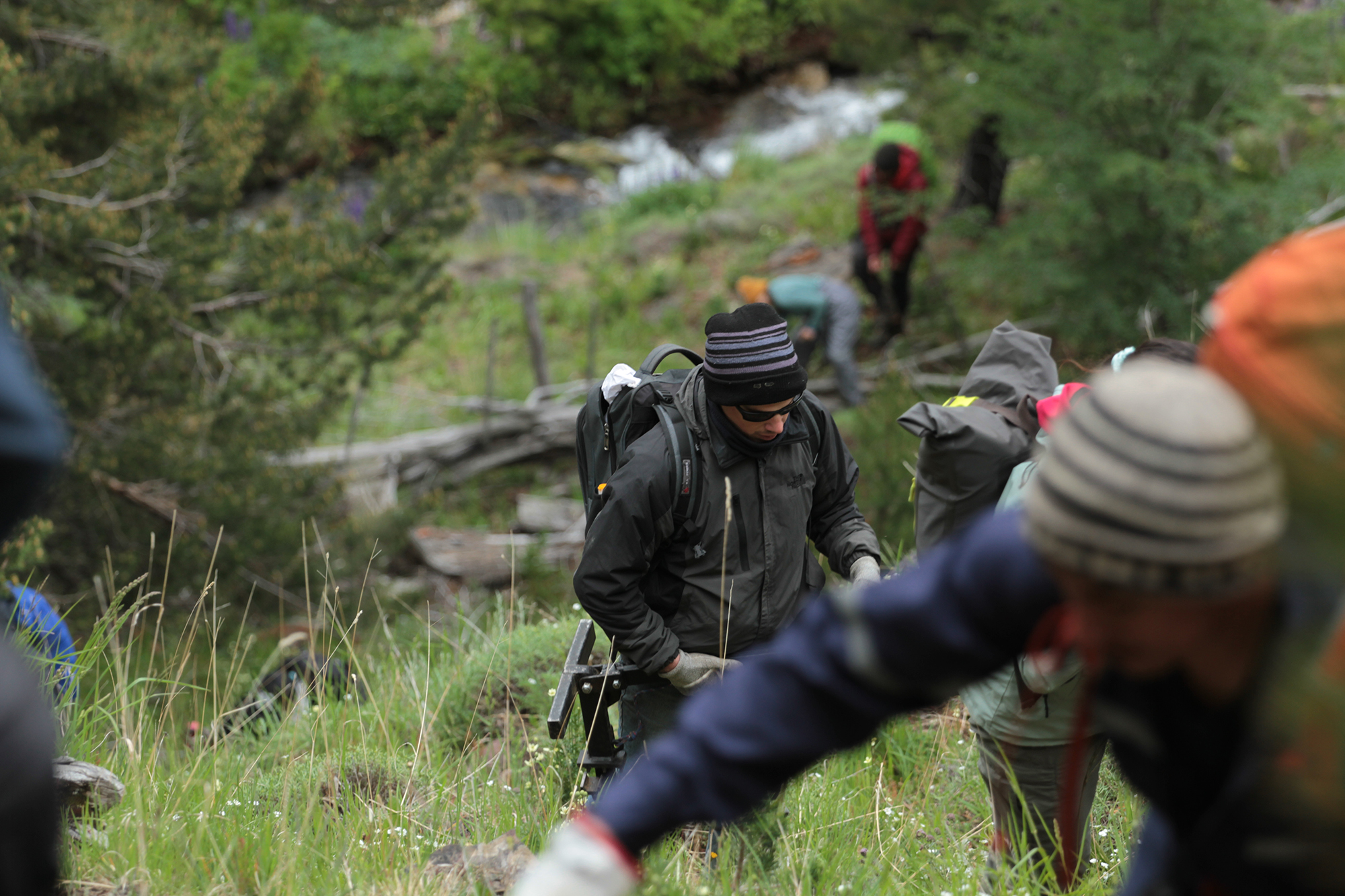
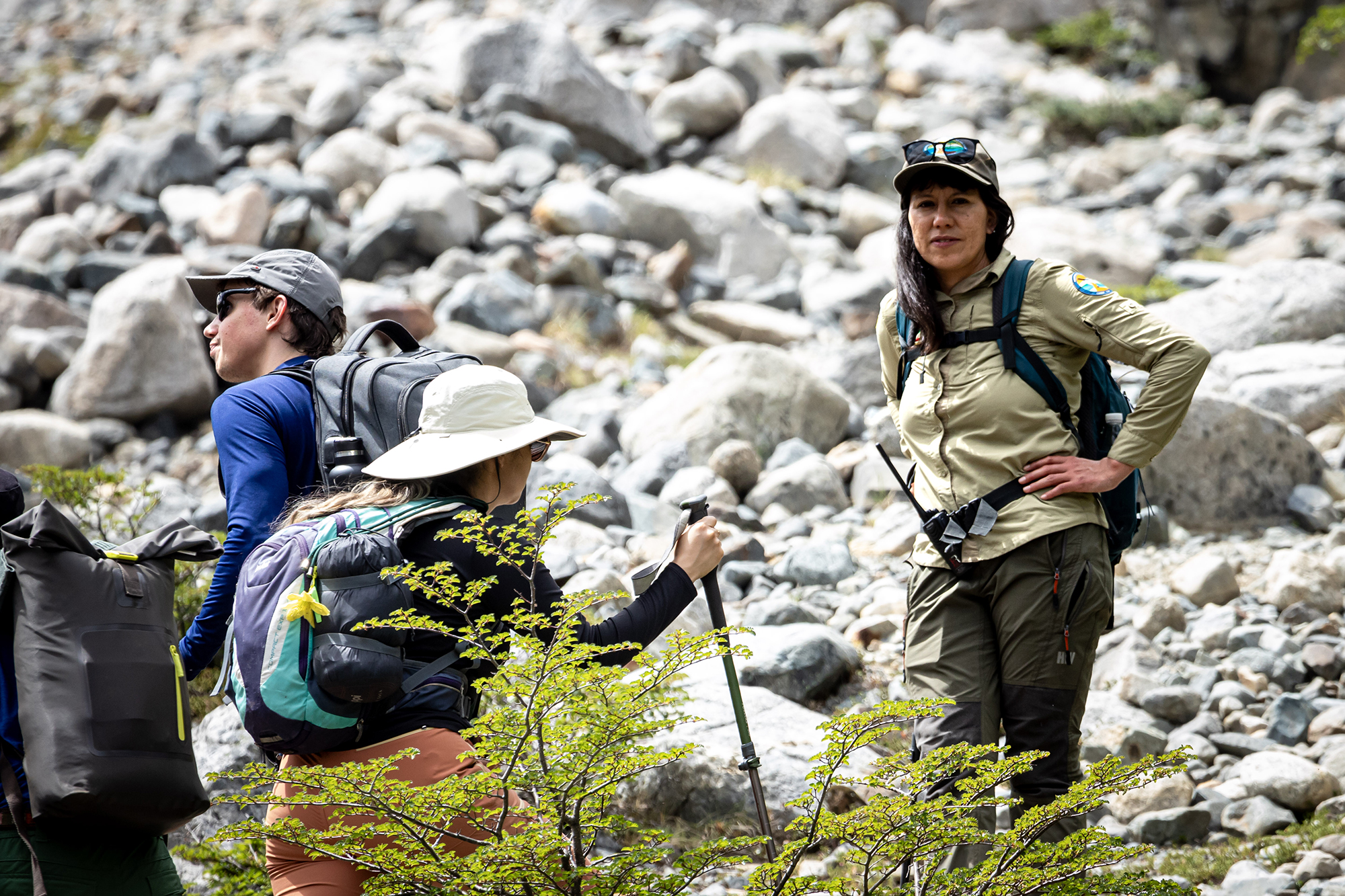
To help control these species in Cerro Castillo National Park and Patagonia National Park, Rewilding Chile launched a new Volunteer Program, bringing together national and international participants. Guisella Paredes, Volunteer Program Coordinator, highlighted the importance of their contribution: “Each volunteer is donating part of their time to support the daily work of park rangers, connecting with the people who work here and becoming part of the solution. Volunteers come from different parts of the world and from diverse professional backgrounds, giving their time to remove pine and hemlock. It’s an opportunity to contribute directly to habitat restoration for many species.”
The initiative also seeks to support the work of Conaf in managing Chile’s national parks. Mario Alegría, Superintendent of Cerro Castillo National Park, emphasized that volunteer efforts concretely reduce pressure on local ecosystems and strengthen the park’s natural and ecological processes.
“It demonstrates the volunteers’ commitment and the power of collaboration between organizations, which can translate into measurable and meaningful outcomes. It reinforces the need to sustain these actions over time to safeguard the territory and create opportunities for the broader community to contribute to protected areas.”
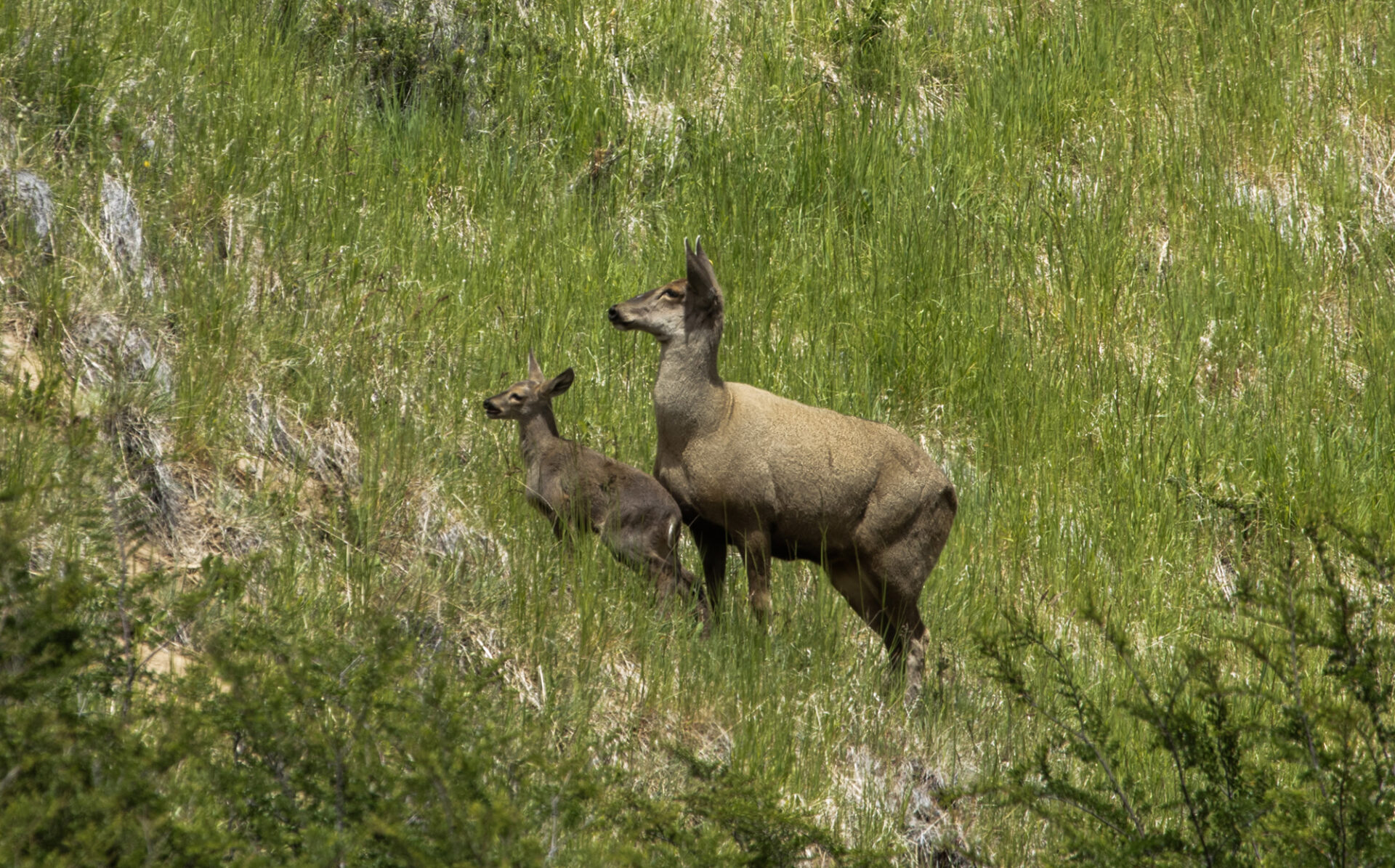
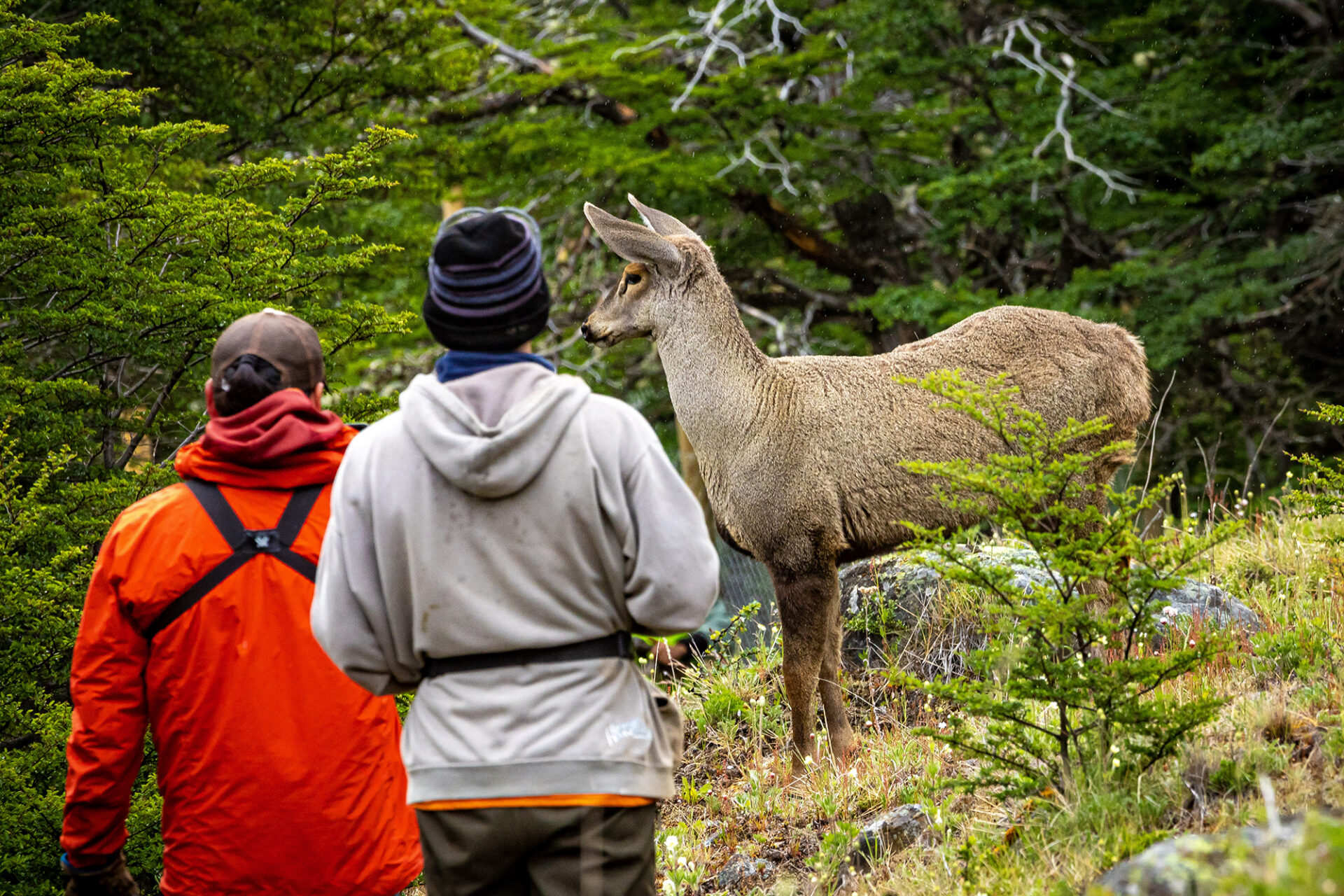
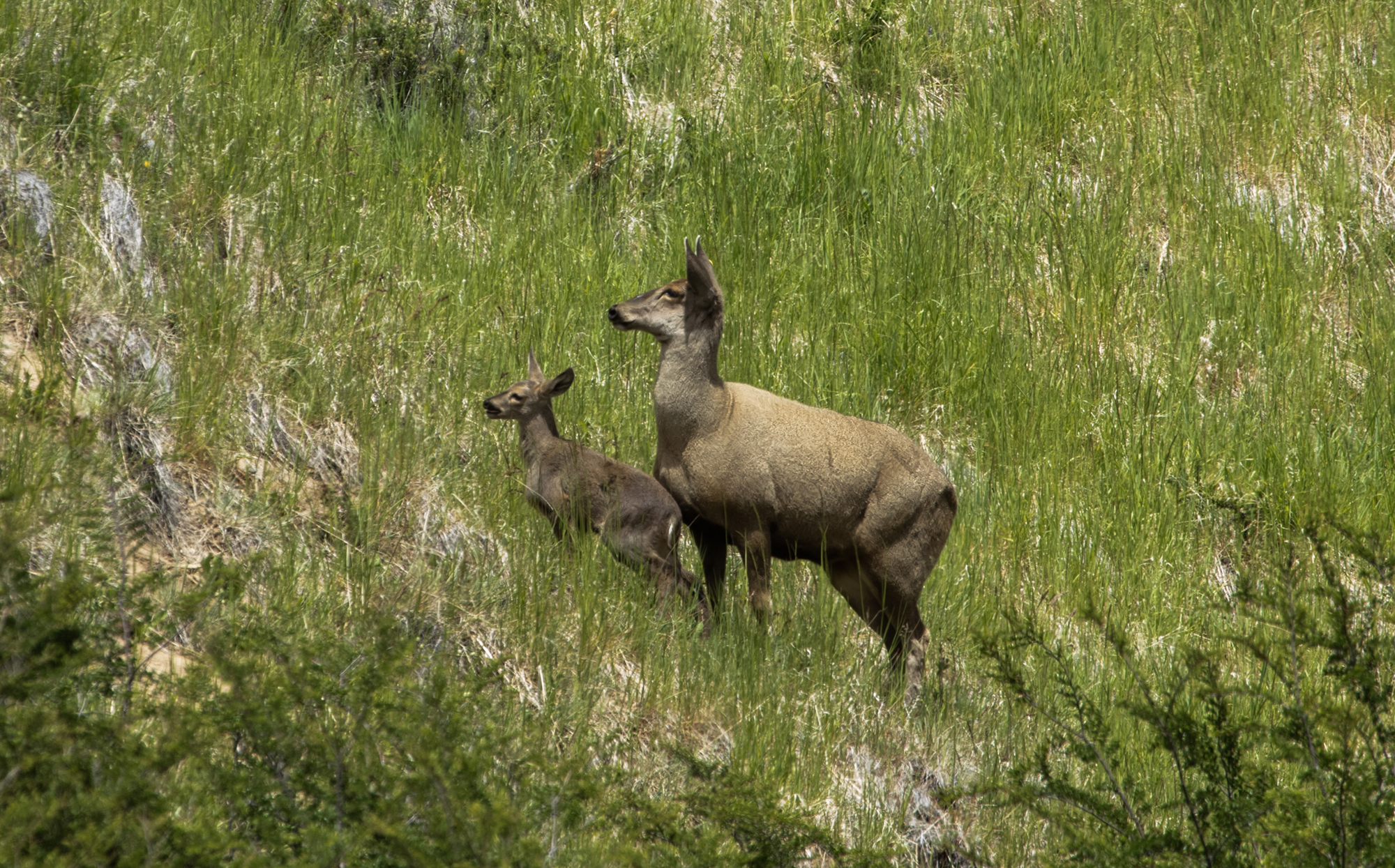
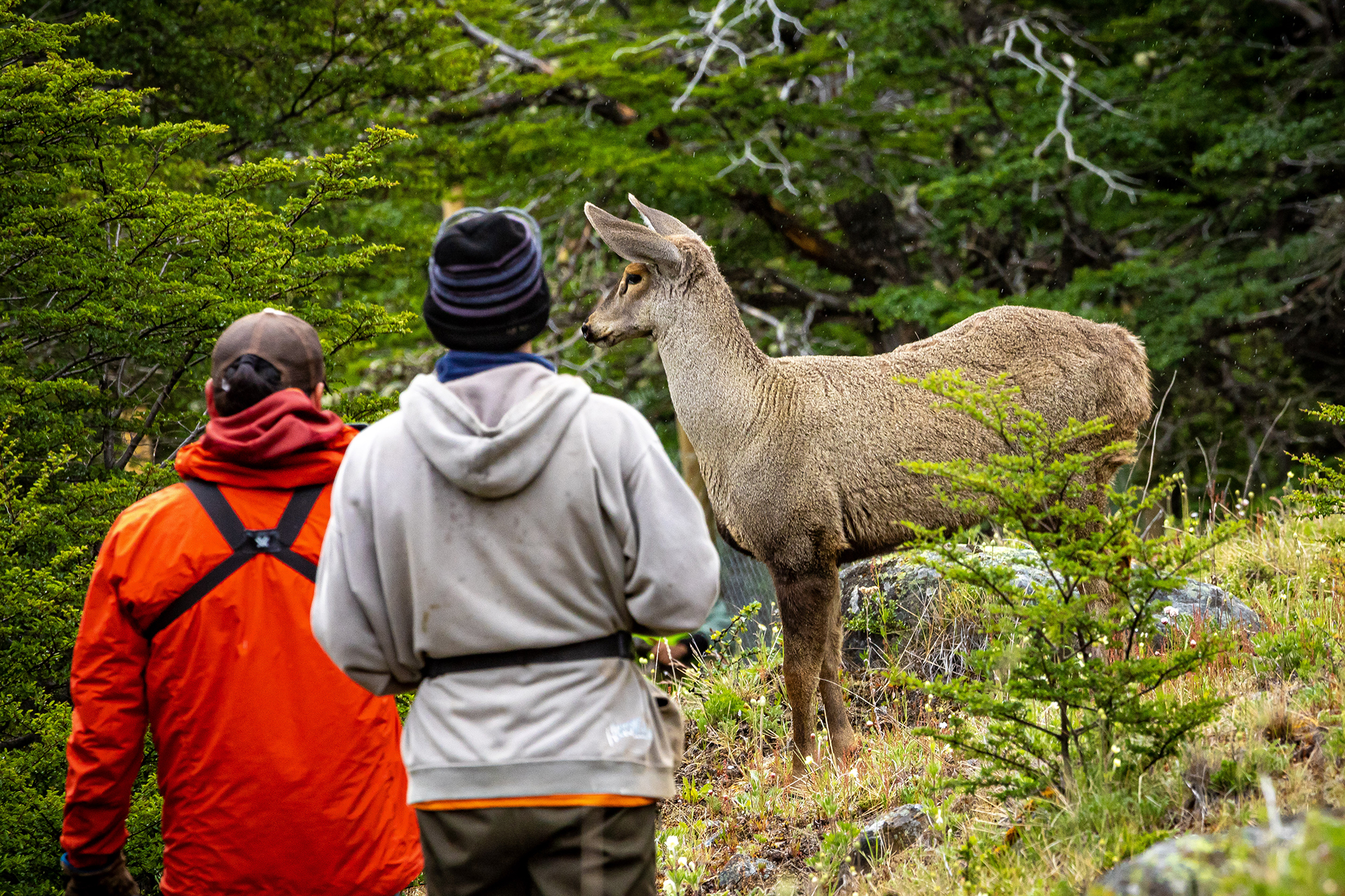
The first volunteer campaign took place in Cerro Castillo National Park—the first protected area in Chile to be included on the Green List of the International Union for Conservation of Nature (IUCN). The program aims to help control pine expansion, making space for native flora and restoring habitat for the endangered huemul deer.
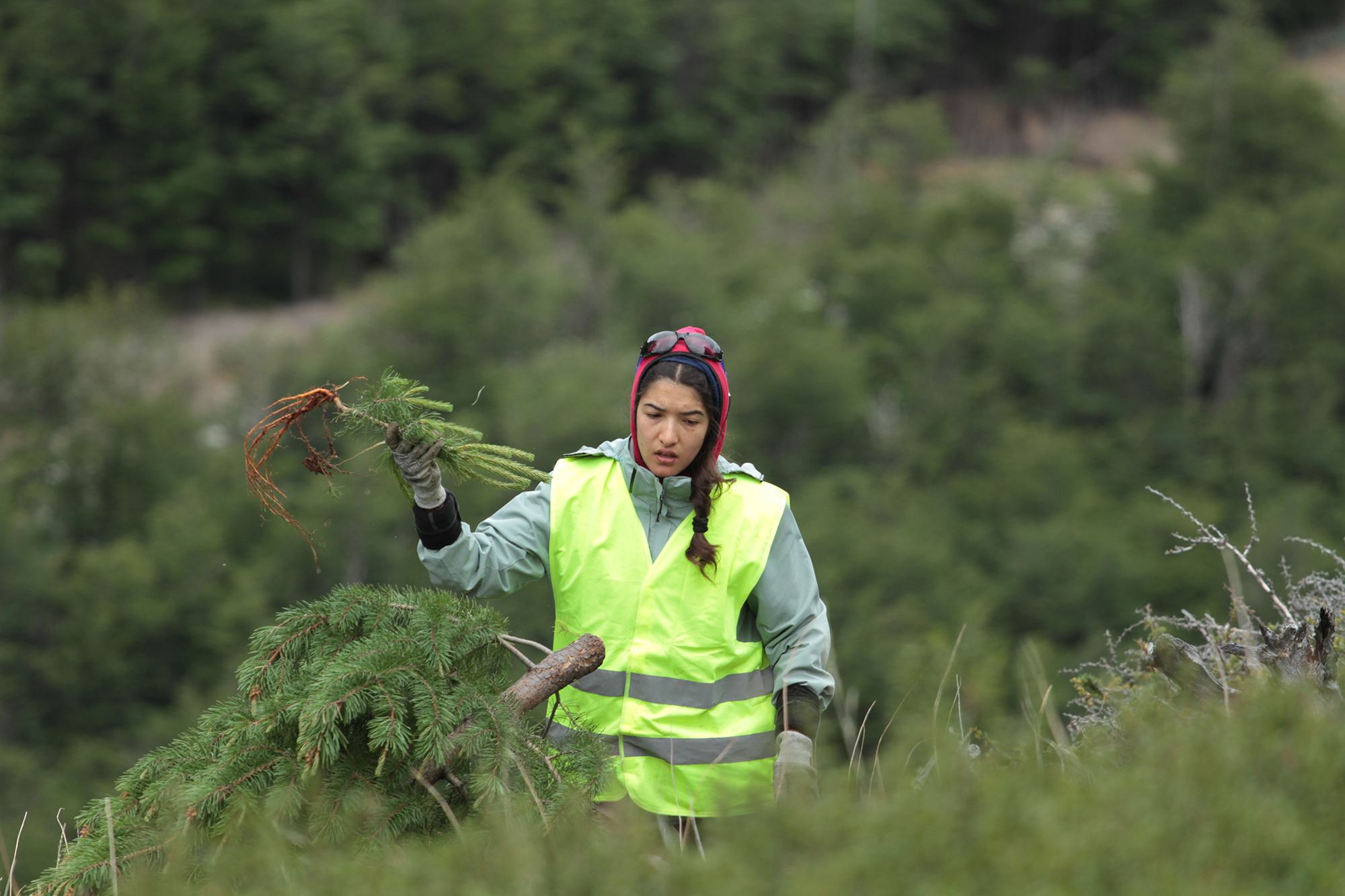
Over ten days, eight participants removed more than 6,000 pine trees of varying sizes from hillsides and peripheral areas of the park. Currently, approximately 100,000 hectares are occupied by this exotic species, whose regeneration directly competes with native forests.
For volunteers like Betsabé Rodríguez, a biologist from Concepción, the challenge is both physical and deeply meaningful. “I’d like to think that one day this national park will be filled with native forest. Maybe I won’t see it, but future generations will. It’s a contribution whose results will be visible over time. Removing even one pine tree already brings satisfaction.”
“I’d like to think that one day this national park will be filled with native forest. Maybe I won’t see it, but future generations will. It’s a contribution whose results will be visible over time. Removing even one pine tree already brings satisfaction.”
Francisca Higueras, an environmental chemist from Santiago who is about to begin a PhD in Microbiology, shares a similar view. Although she has spent much of her career in the laboratory, she values the opportunity to work in the field. “It’s rewarding to know you’re doing something meaningful, because every pine tree we remove counts.”
Nearly 200 kilometers farther south, another group of volunteers—from Chilean cities such as Coquimbo and Rancagua, and from countries including Colombia and Poland—took on another invasive species: hemlock. Native to Europe and North Africa, this herbaceous plant contains high levels of toxic alkaloids from root to leaf. It is commonly found in heavily visited areas of Patagonia National Park, including the main entrance and the Lucas Bridges Museum area near the Argentine border.
Jacqueline Gotterdam, a nurse from La Serena, learned about the program through social media. “I’m not from an environmental field, but recently I’ve become more aware of my surroundings and the importance of conservation. These topics are often seen as limited to ecologists or biologists. It’s important for those of us outside the field to get involved and become agents of change.”
For Lukasz Dlugowski from Poland, this was his third visit to Patagonia National Park—this time not as a tourist, but as a volunteer. “I really enjoyed the experience because it helped me better understand how the park functions. It also made me realize that maintaining a park requires much more work than creating it.”
The program is currently carrying out its third campaign, once again in Cerro Castillo National Park, with the firm goal of engaging communities in addressing the biodiversity and climate crises.
This new Volunteer Program builds on efforts dating back to 2004, when Tompkins Conservation began transitioning the former Valle Chacabuco ranch into what is now Patagonia National Park. At that time, hundreds of kilometers of fencing were removed thanks to the dedication of volunteers participating in a globally recognized rewilding initiative. By reopening the Patagonian steppe to native wildlife, they helped set the stage for natural vegetation to regenerate.