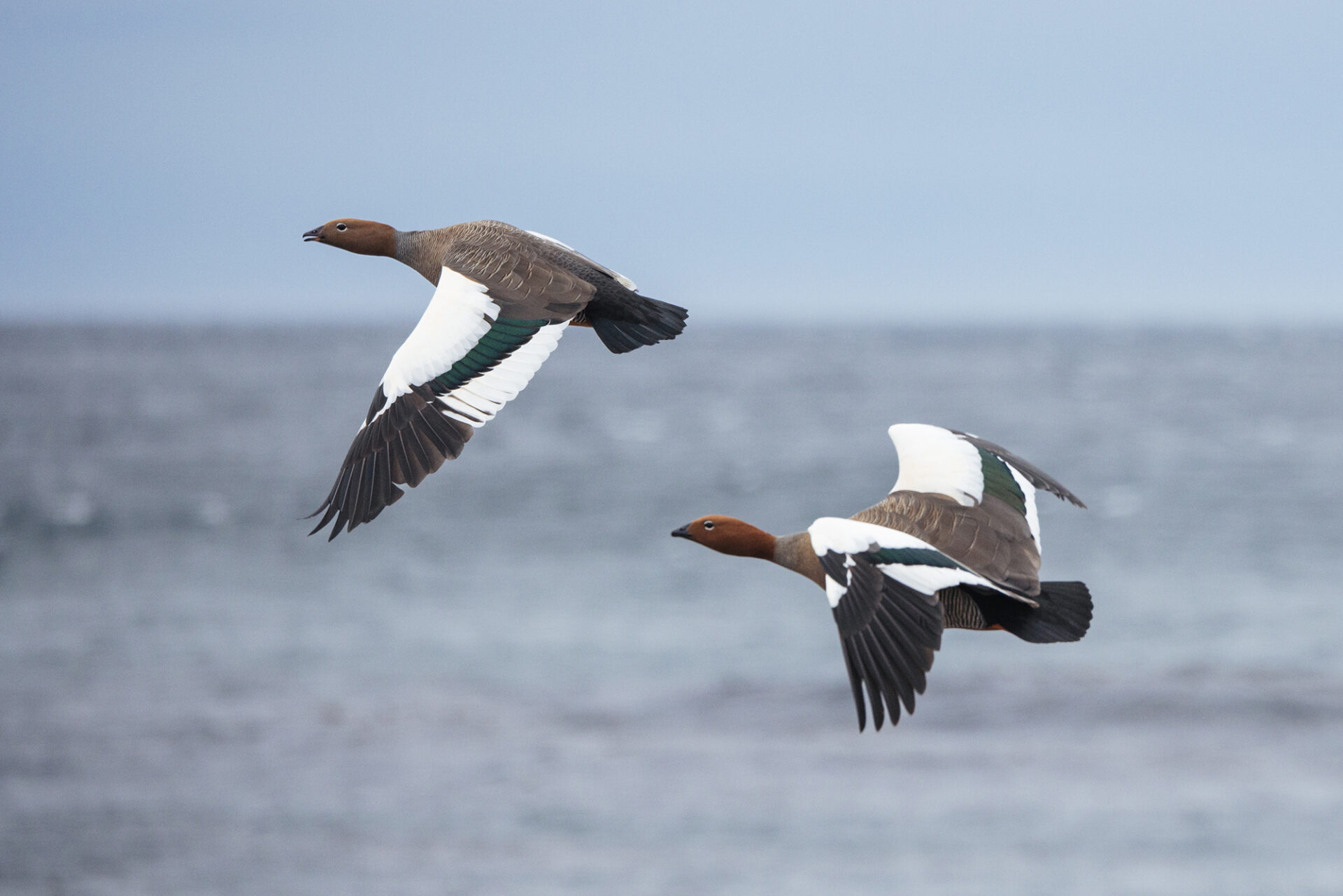

Working for the conservation of the Ruddy-headed Goose in the Magallanes Region
At the mouth of the San Juan River, 65 kilometers from Punta Arenas—the capital of the Magallanes Region—lies one of the most important breeding sites for the Ruddy-headed Goose (Chloephaga rubidiceps), one of the four goose species endemic to Patagonia. Today, this species is endangered, with fewer than 1,000 individuals recorded across its entire range.
The Ruddy-headed Goose is a flagship species for large-scale conservation in Magallanes. Its presence indicates that the unique ecosystems of the southern steppe remain healthy and functional. However, the loss of its natural breeding and chick-rearing habitat threatens the species’ survival.
San Juan, a tourist attraction and recreational area for the Magallanes community, is a place we aim to restore to help conserve the species and prevent the extinction of the Ruddy-headed Goose. Since 2024, we have been working in the area together with CONAF and the Leñadura Bird Rehabilitation Center (CRAL). Our efforts focus on a monitoring program using camera traps and surveillance in key areas of the species’ distribution; the installation of satellite transmitters to track migratory routes; and improvements to the infrastructure of the Ruddy-headed Goose Natural Monument. There, two of the Foundation’s wildlife rangers carry out regular patrols, bird counts, and environmental education, among other actions.
Our strategy seeks to establish true conservation corridors for the Ruddy-headed Goose in the Magallanes Region by gaining knowledge of its migratory movements and habitat use along the eastern coast of the Brunswick Peninsula, the southernmost point of the American continent.
The work carried out in San Juan—part of the Ruddy-headed Goose RECOGE Plan—is included within the Foundation’s wildlife management programs. Year after year, this work provides new information on the ecosystem characteristics of the Brunswick Peninsula and on wild inhabitants such as this Magellanic goose, the smallest and most fragile of them all.
Species Profile
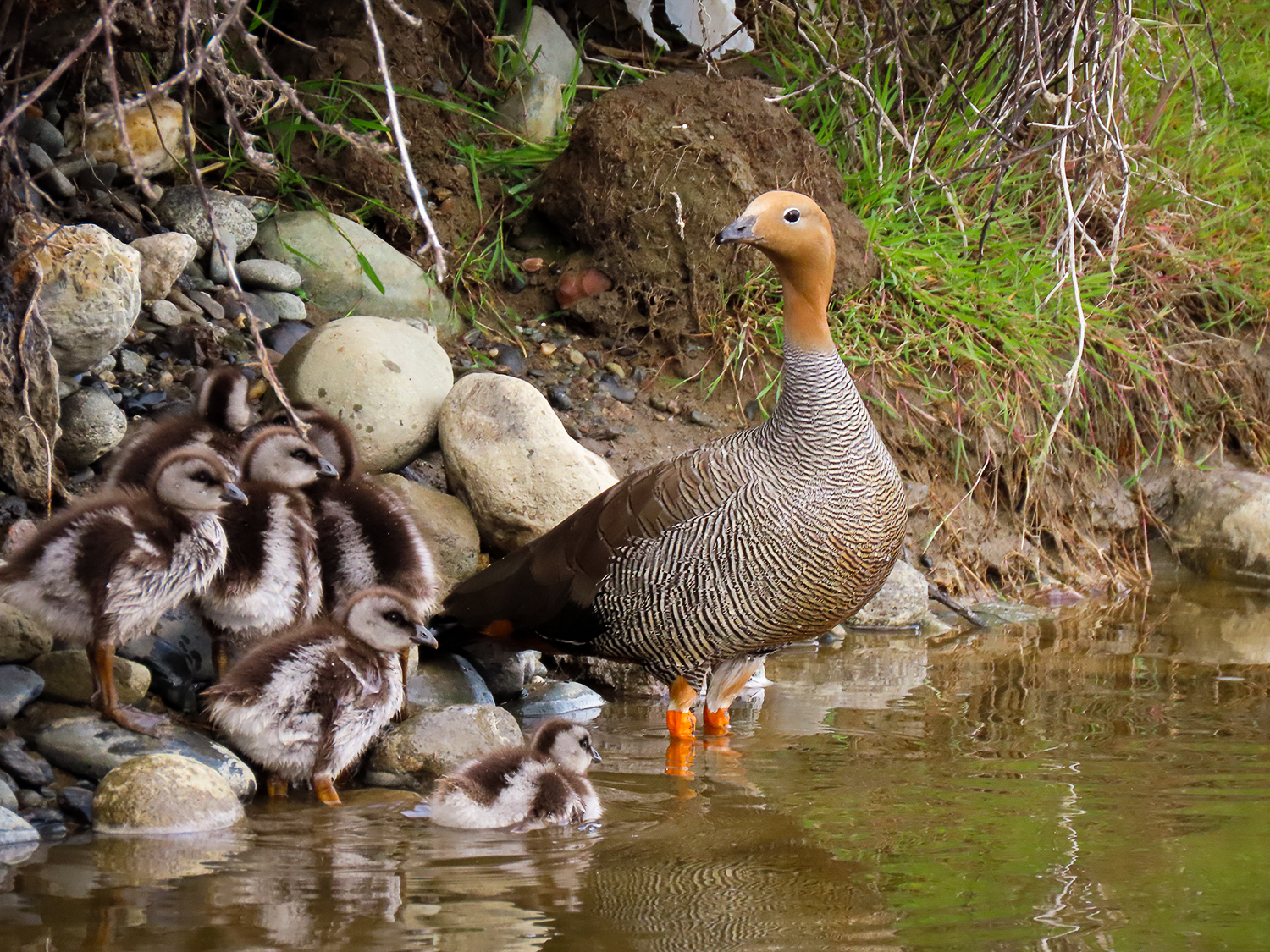
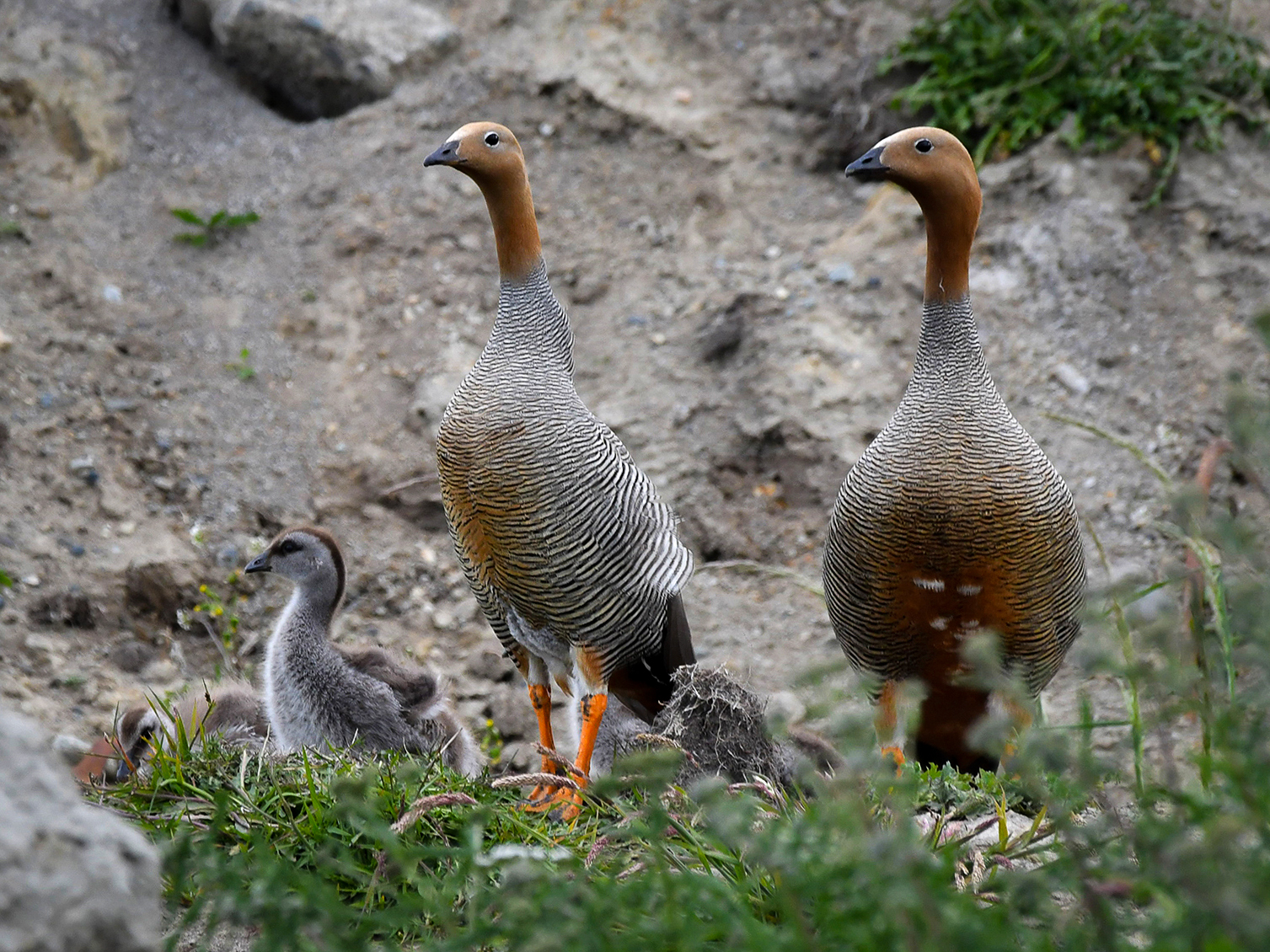
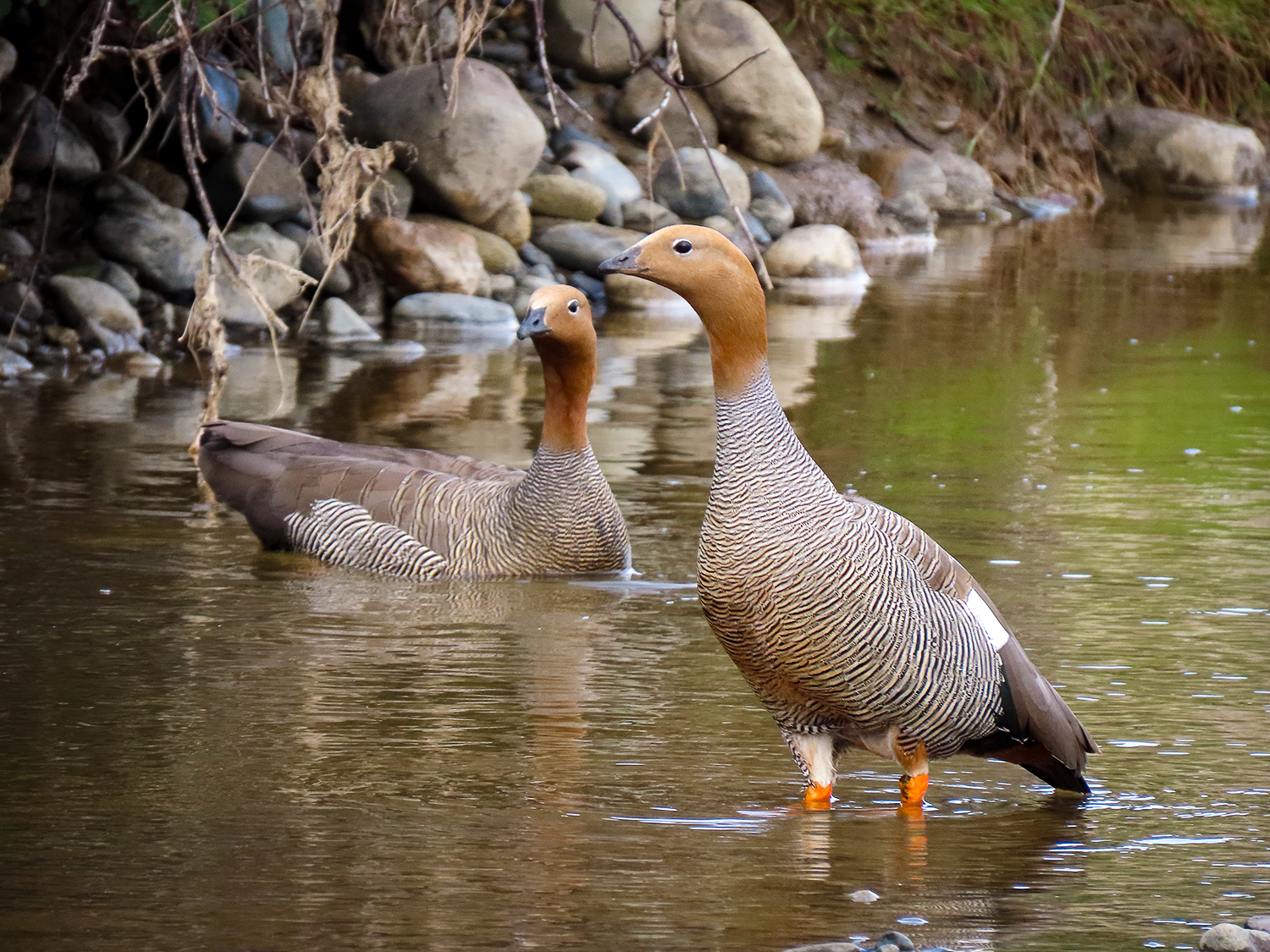
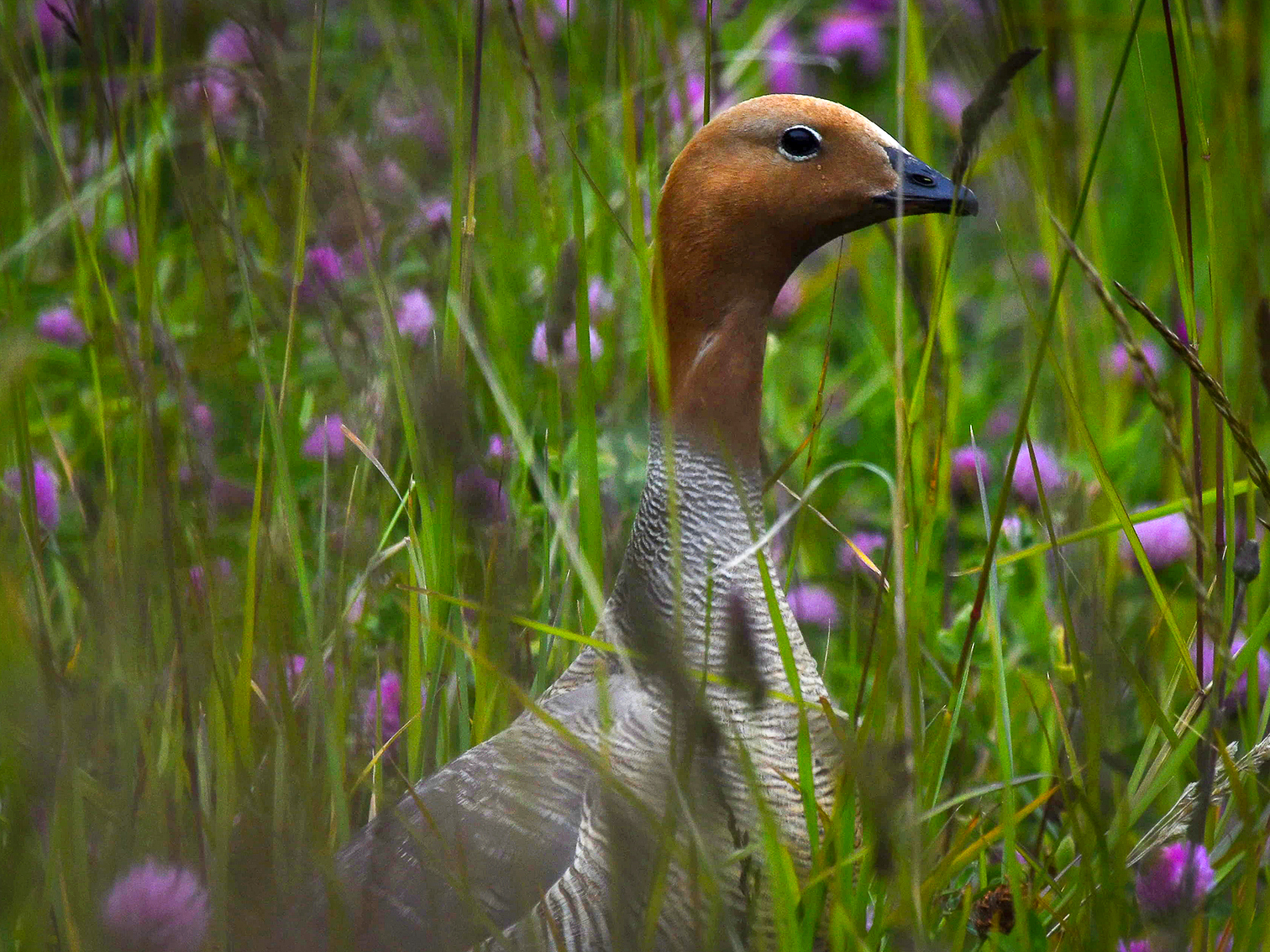
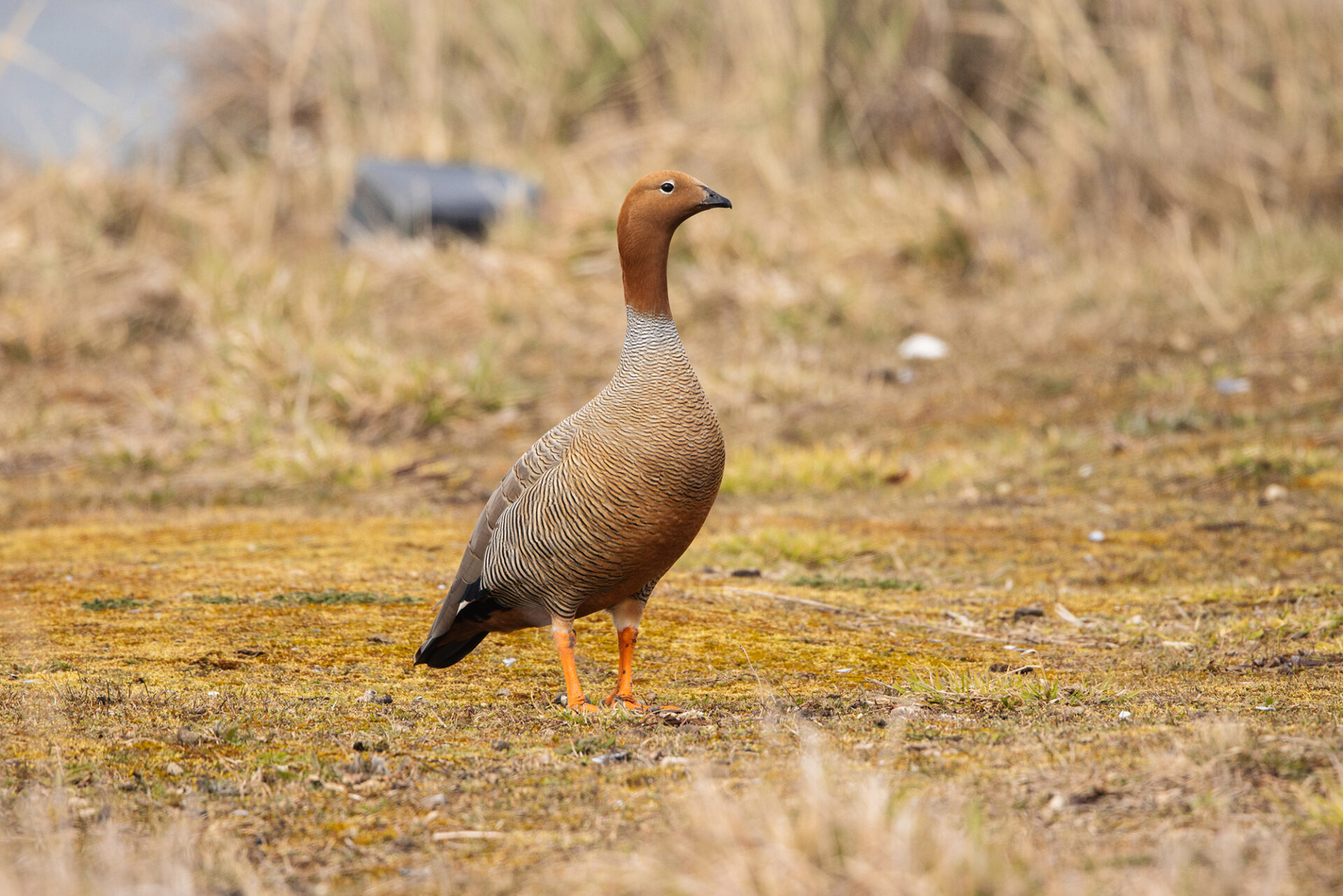
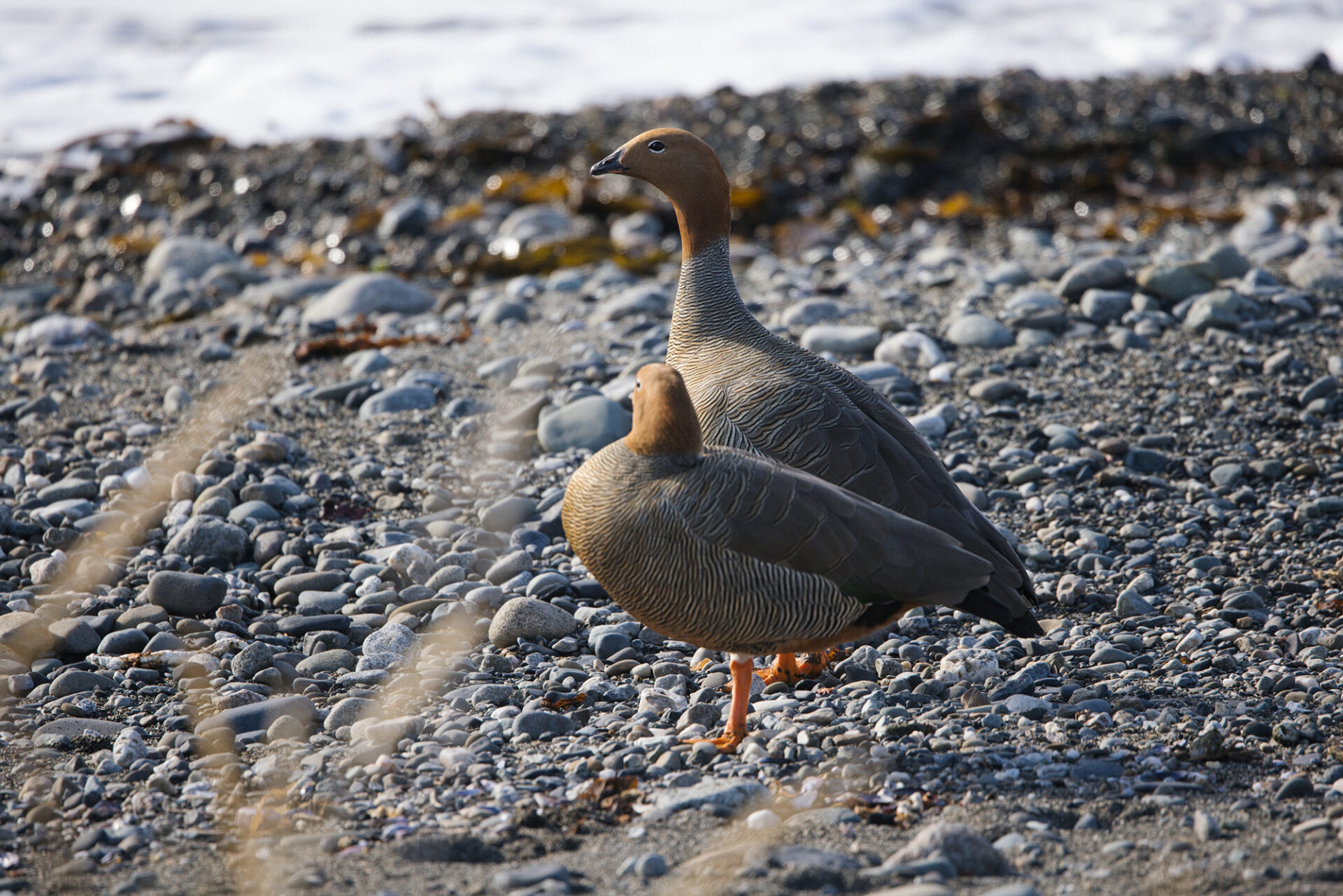
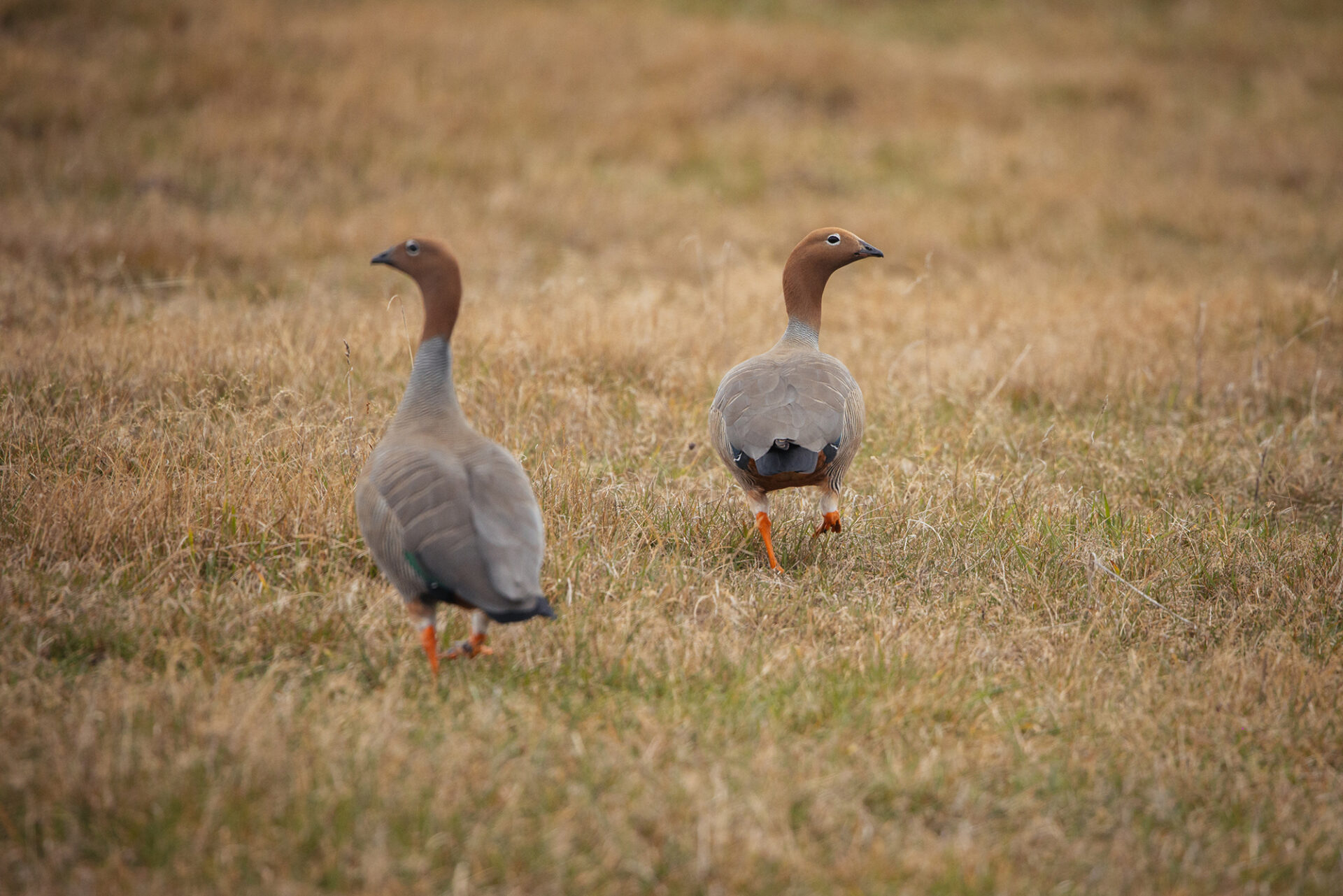
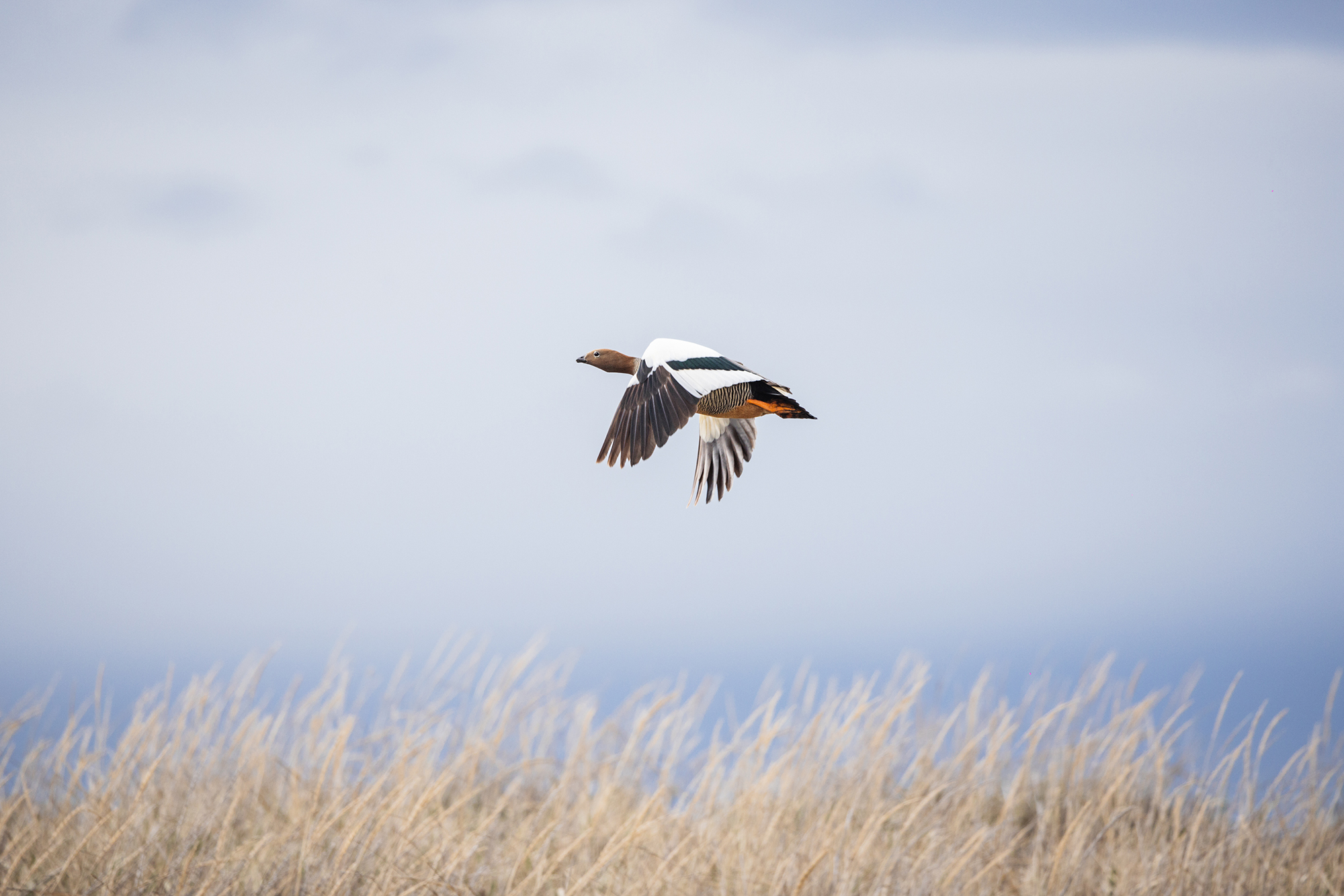
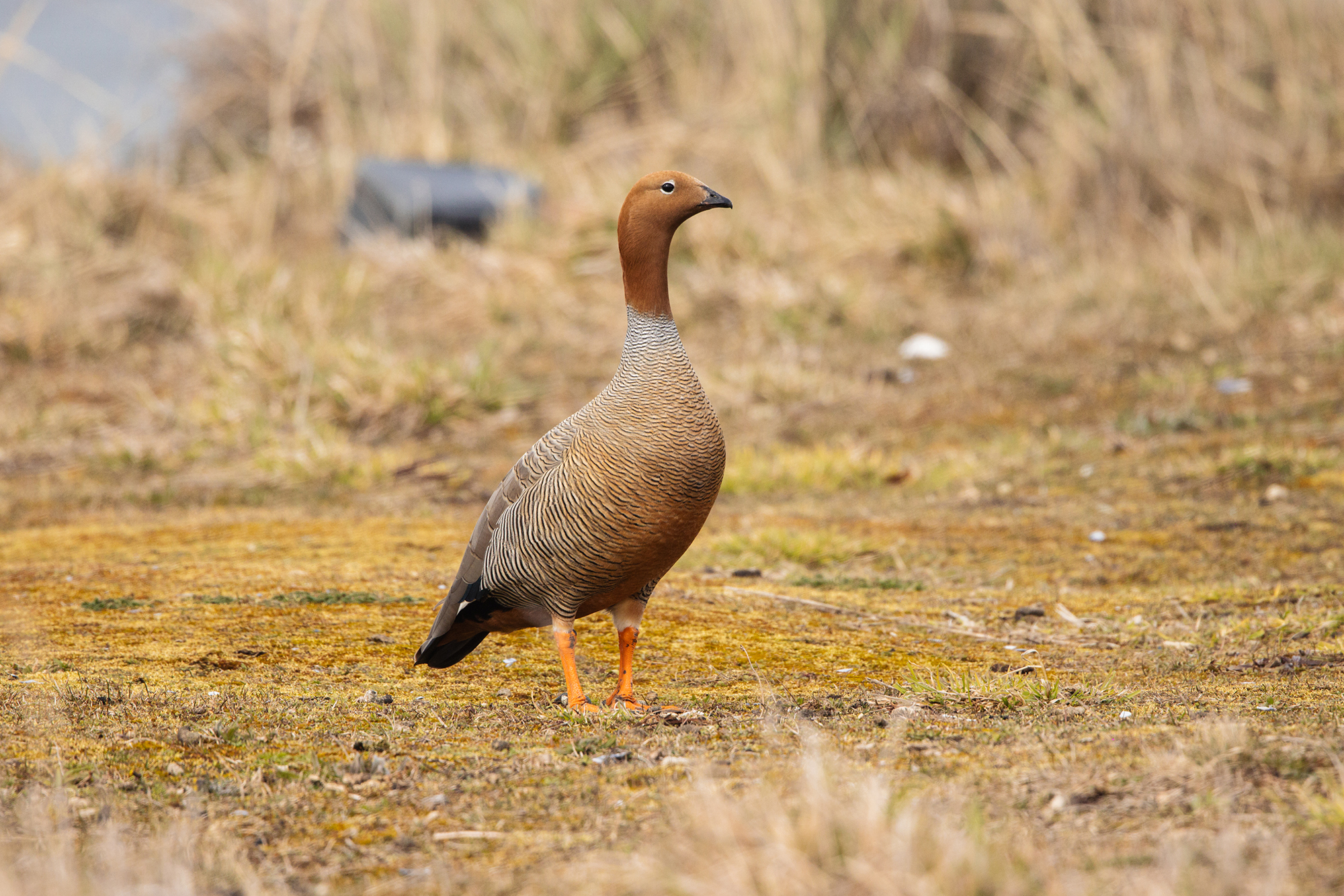
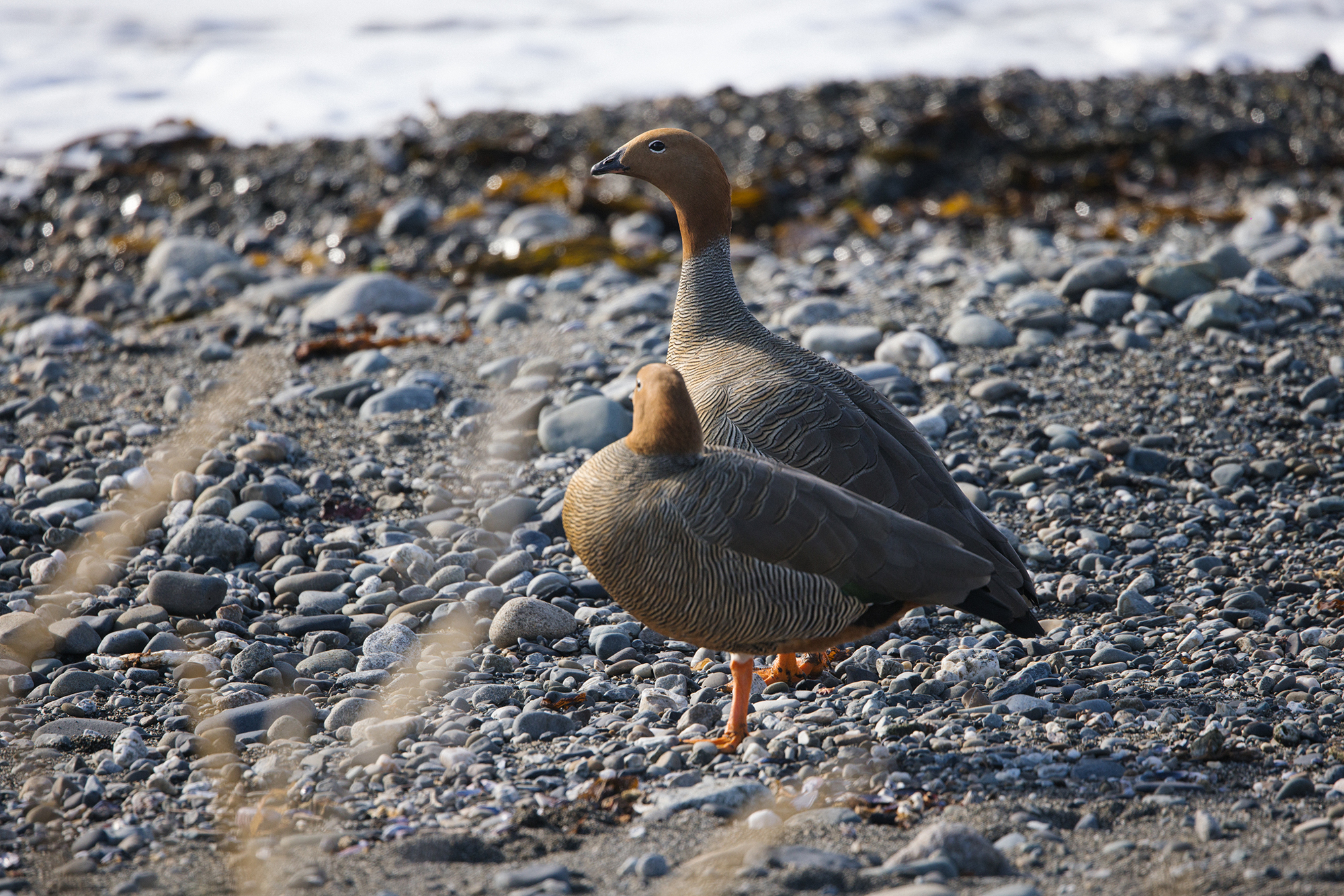
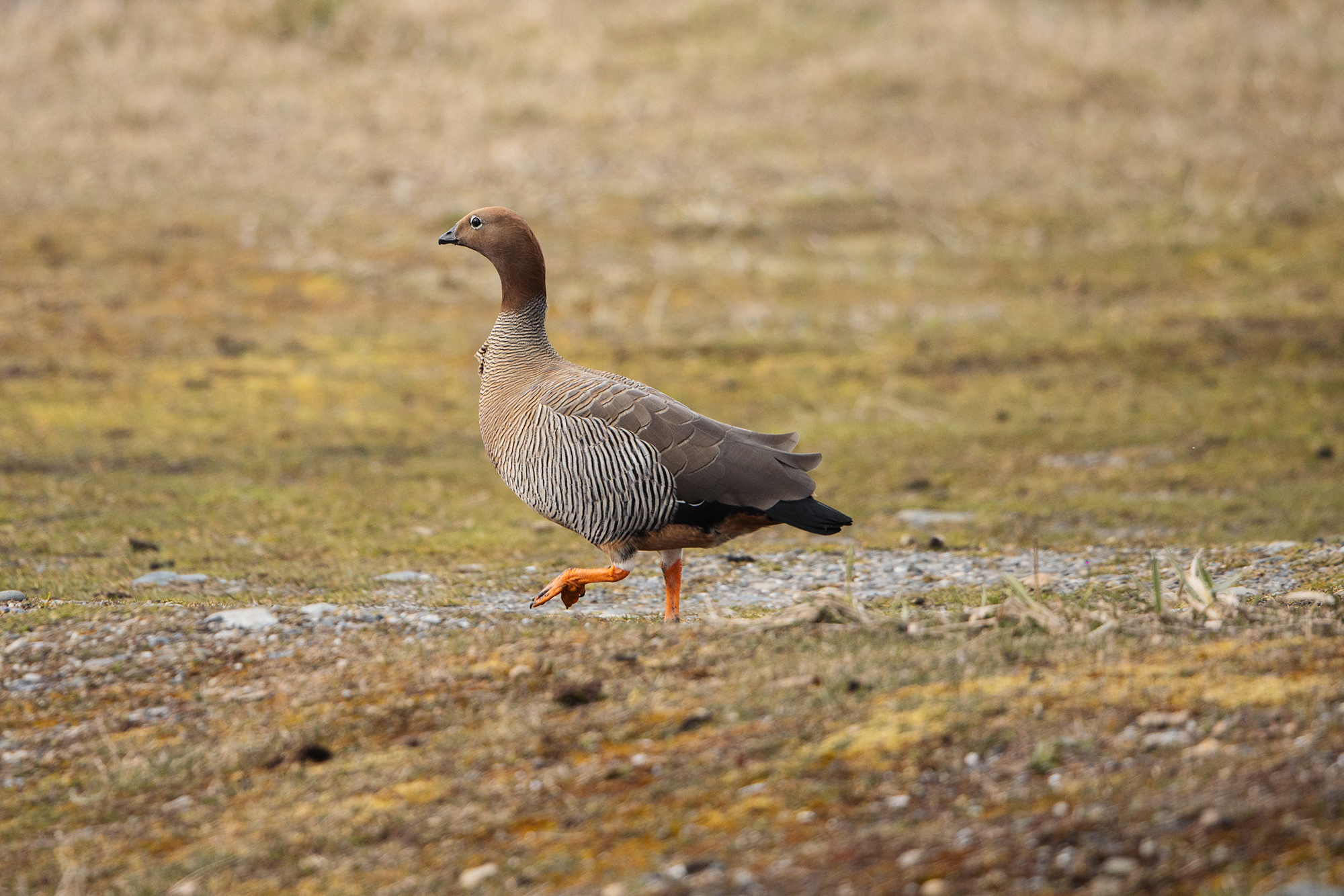
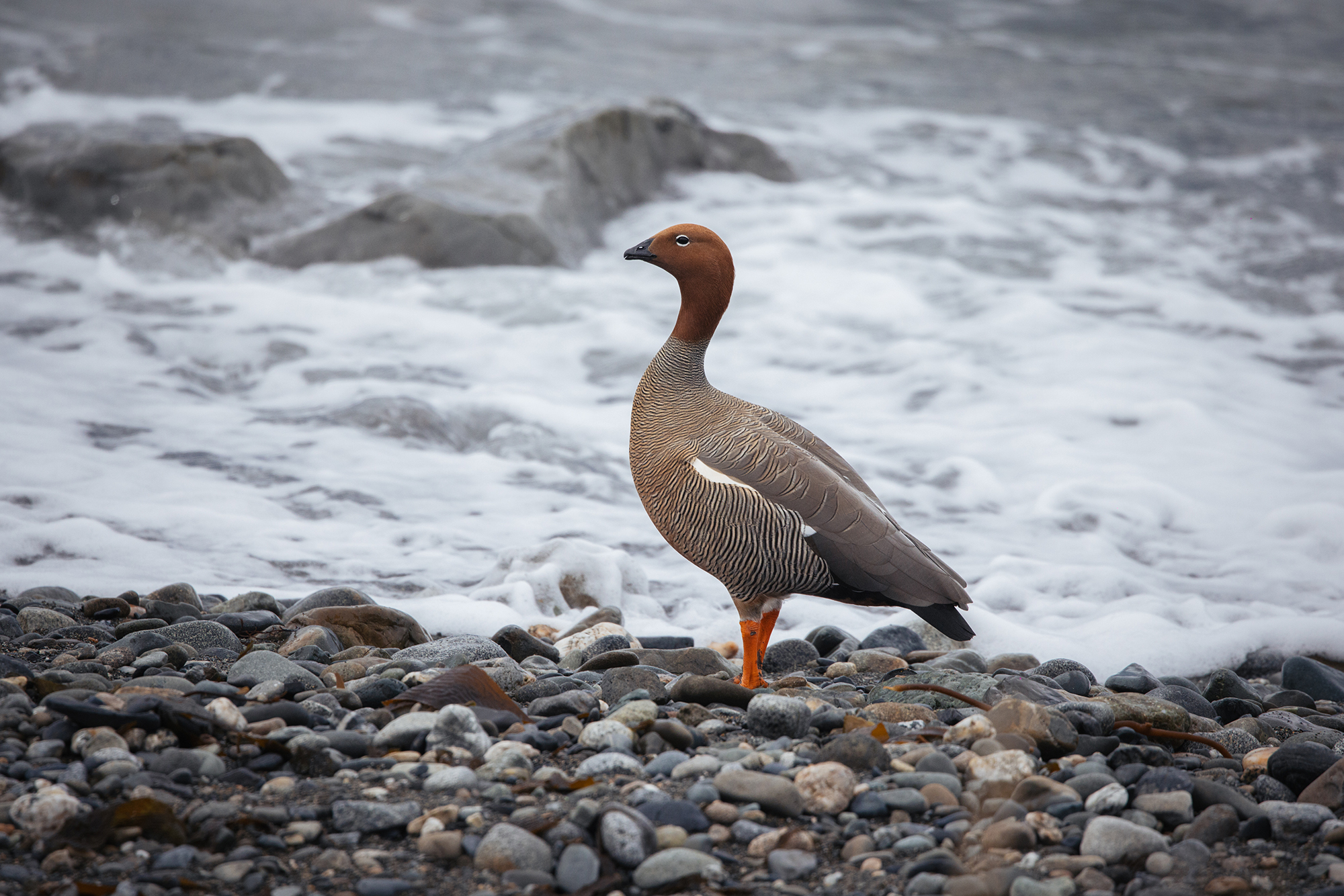
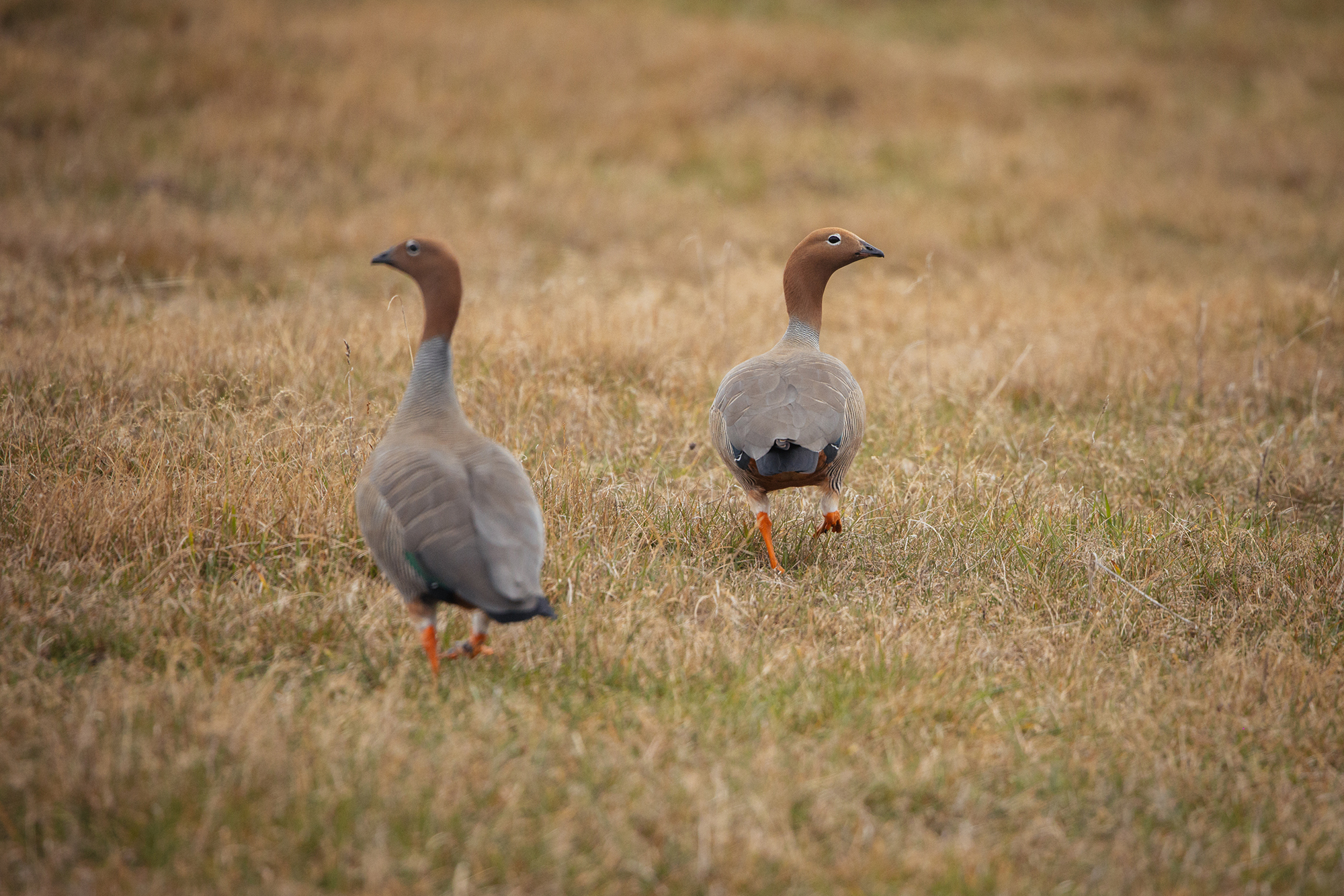
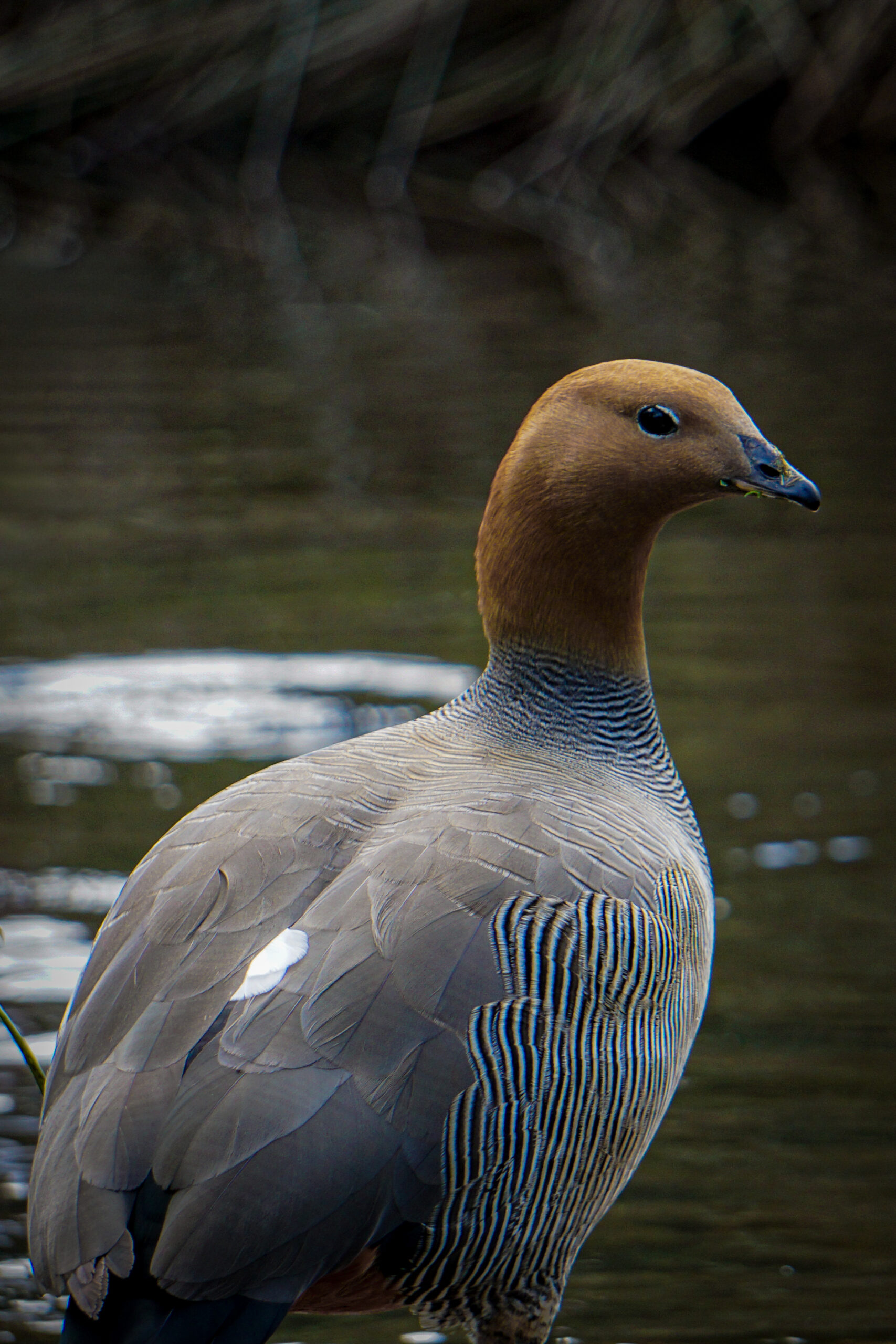
The Ruddy-headed Goose (Chloephaga rubidiceps) is the rarest, smallest, and most threatened of the four Chloephaga species found in Patagonia in Chile and Argentina. Males and females are similar in appearance, measuring approximately 50 centimeters in length. The head and upper half of the neck are cinnamon-colored, which gives the species its name. The lower half of the neck, mantle, breast, and flanks show white to cinnamon tones with fine black transverse barring. The legs are orange, and there is a white ring around the eye.
It is often confused with the female Upland Goose (C. picta), which has similar tones; however, the male Upland Goose has abundant white plumage. It also resembles the Ashy-headed Goose (C. poliocephala), a species with which it shares habitat in Magallanes. The latter has the same leg color, but a gray head, reddish breast, and white plumage on the abdomen.
Distribution and Habitat
There are two distinct populations of the Ruddy-headed Goose: a migratory population on the South American mainland, estimated at fewer than 1,000 individuals, and a sedentary population in the Falkland Islands (Malvinas), with approximately 40,000 pairs.
During the breeding season, the migratory population is concentrated mainly in the Magallanes Region of Chile, with its highest breeding density along the coastal sector of the Strait of Magellan, southeast of the Brunswick Peninsula. Each year, these birds fly more than 1,800 kilometers to their wintering grounds in the southern part of Buenos Aires Province, Argentina.
Due to the number of breeding pairs recorded there, the San Juan area is the most important site on the continent for the survival of the Ruddy-headed Goose.
Life Cycle and Reproduction
In August, both in the Magallanes Region and in Argentina’s Santa Cruz Province, pairs of Ruddy-headed Geese arrive from their wintering grounds.
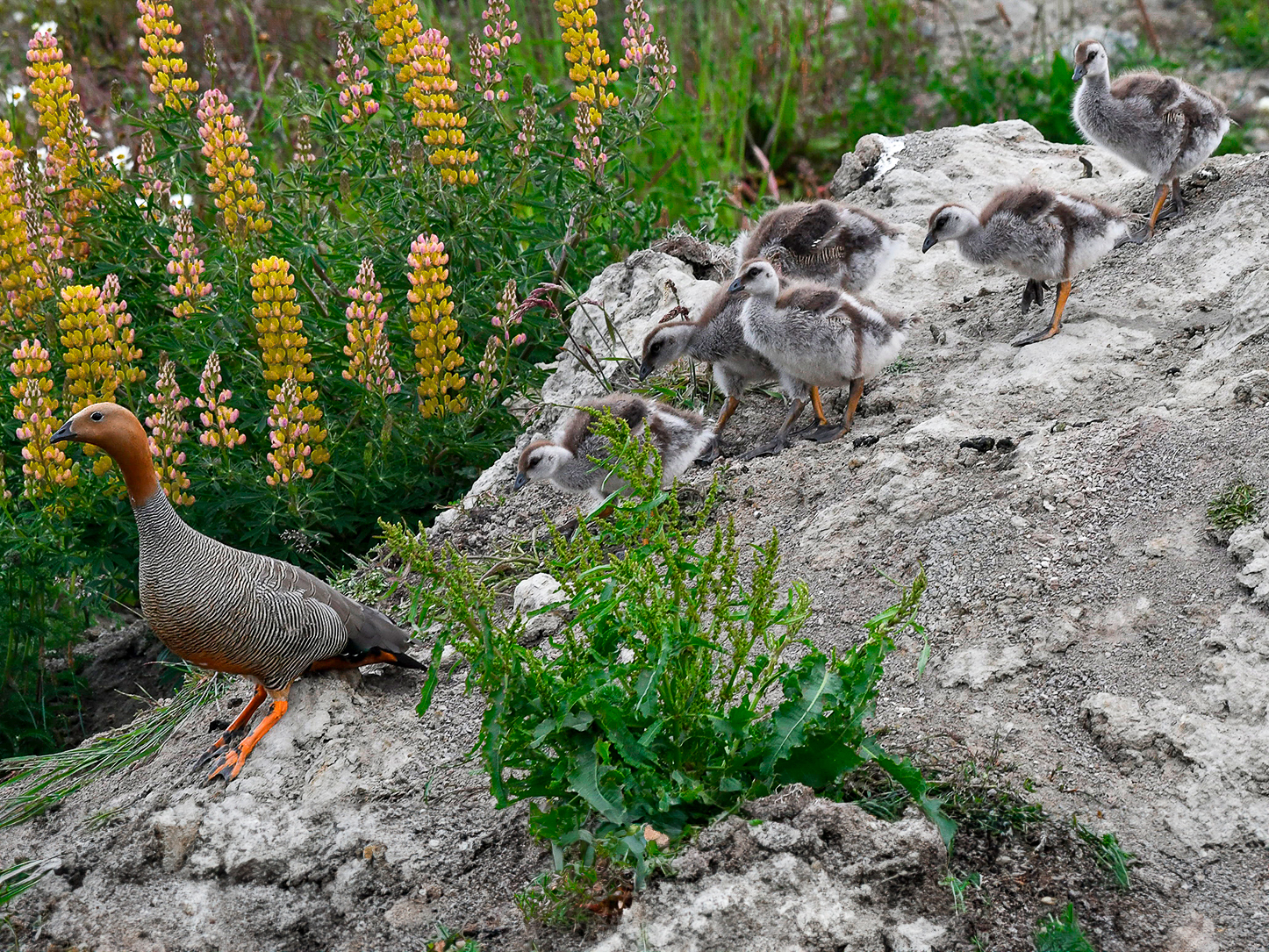
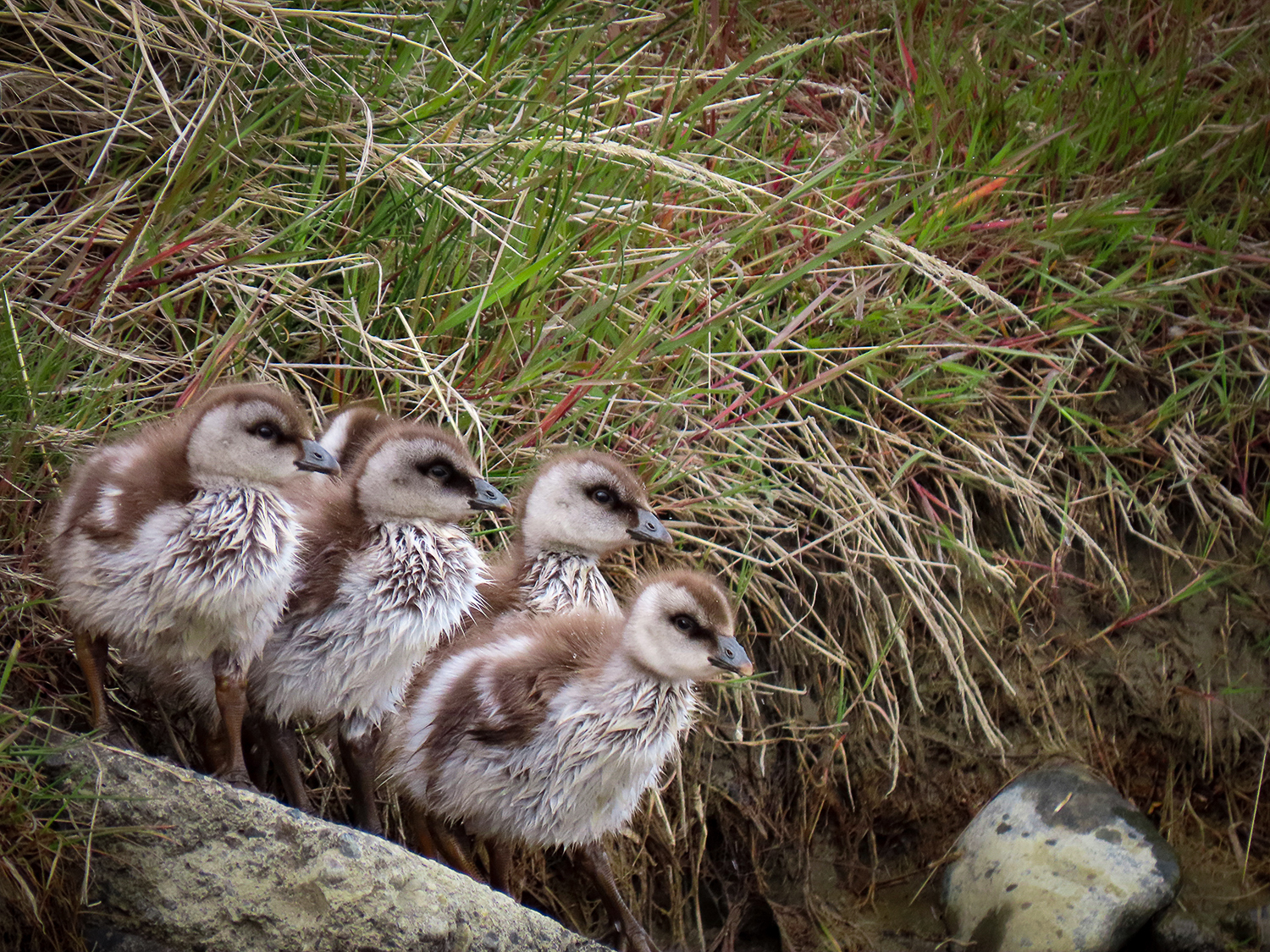
Breeding pairs primarily choose sites near rivers, lagoons, or ponds to build their nests on the ground, using vegetation and down as insulation. Females lay eggs in October—usually seven—and hatching occurs in November.
By March, juveniles are ready to migrate with their parents to the wintering grounds and later return together to the breeding areas. Juveniles can reproduce from their second year of life onward.


Habitat and Diet
The Ruddy-headed Goose inhabits open environments, preferably wetlands and grasslands of the Patagonian steppe, as well as roadside areas near bodies of water of varying sizes, such as rivers, lagoons, or ponds. It feeds on grasses in natural pastures and agricultural lands.
Threats
According to Chile’s Ministry of the Environment (2020), the main threats to the species are:
- Predation by the gray fox (Lycalopex griseus), introduced to Tierra del Fuego in the 1950s.
- Predation by the American mink (Neovison vison), introduced in the 1940s.
- Habitat modification due to human activities (livestock farming, mining, urbanization, etc.), leading to a scarcity of safe nesting sites, especially in Tierra del Fuego.
- Presence of free-roaming domestic animals (dogs and cats), mainly associated with the localities of San Juan, Santa María, and the Leñadura area.
- Unsustainable livestock practices involving the movement of people on horseback, dogs, and/or motorized vehicles, which cause disturbances during the breeding period.
- Unsupervised recreational activities (fishing, camping, motorized vehicles, among others), occurring mainly along the southern bank of the San Juan River, at the mouth of the Santa María River, and in the Tres Puentes Urban Wetland.
- Hunting: although the Ruddy-headed Goose is protected and its capture is completely prohibited, the hunting season for wild geese—previously allowed for the Upland Goose (C. picta) and Ashy-headed Goose (C. poliocephala)—overlaps with the
- Ruddy-headed Goose’s stay in its breeding area (April to August), representing an additional threat.
Additionally, a new emerging threat is the installation of large-scale wind energy projects in the region.
Common name
Ruddy-headed Goose
Scientific name
Chloephaga rubidiceps
Conservation status
The Ruddy-headed Goose is classified as Endangered, according to Chile’s Regulation for the Classification of Wild Species of the Ministry of the Environment.