Foto: Diego Nahuel para Rewilding Chile
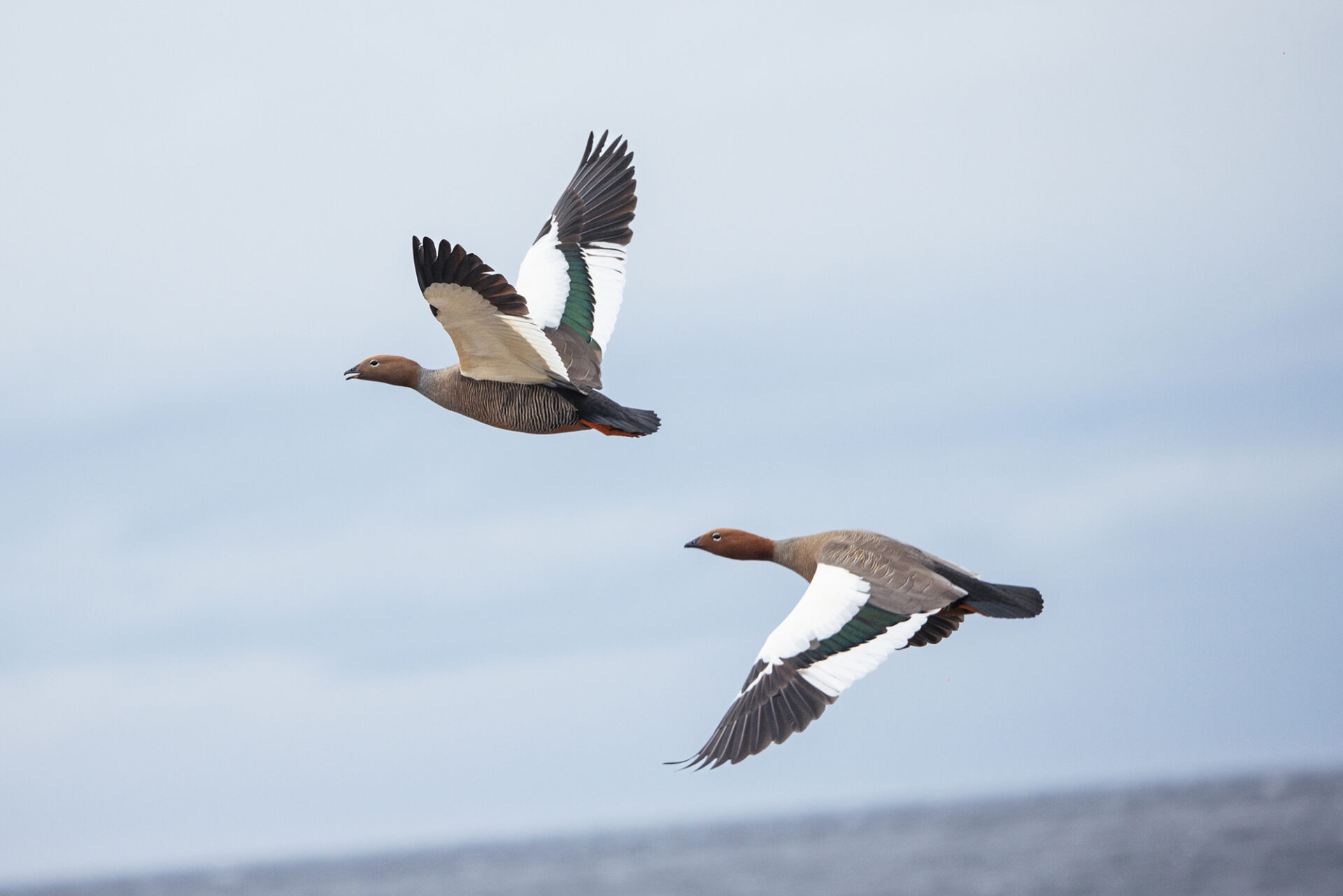
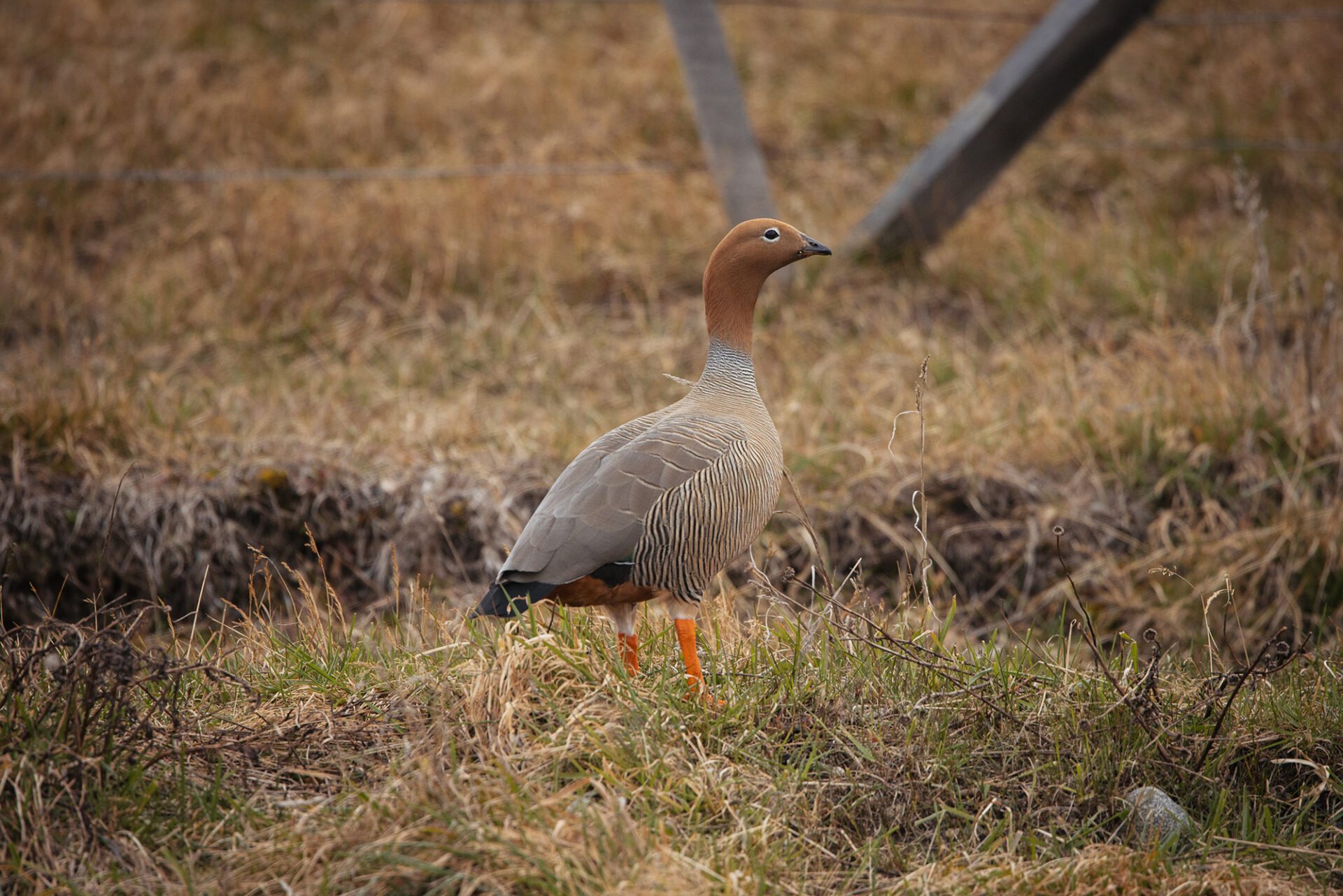
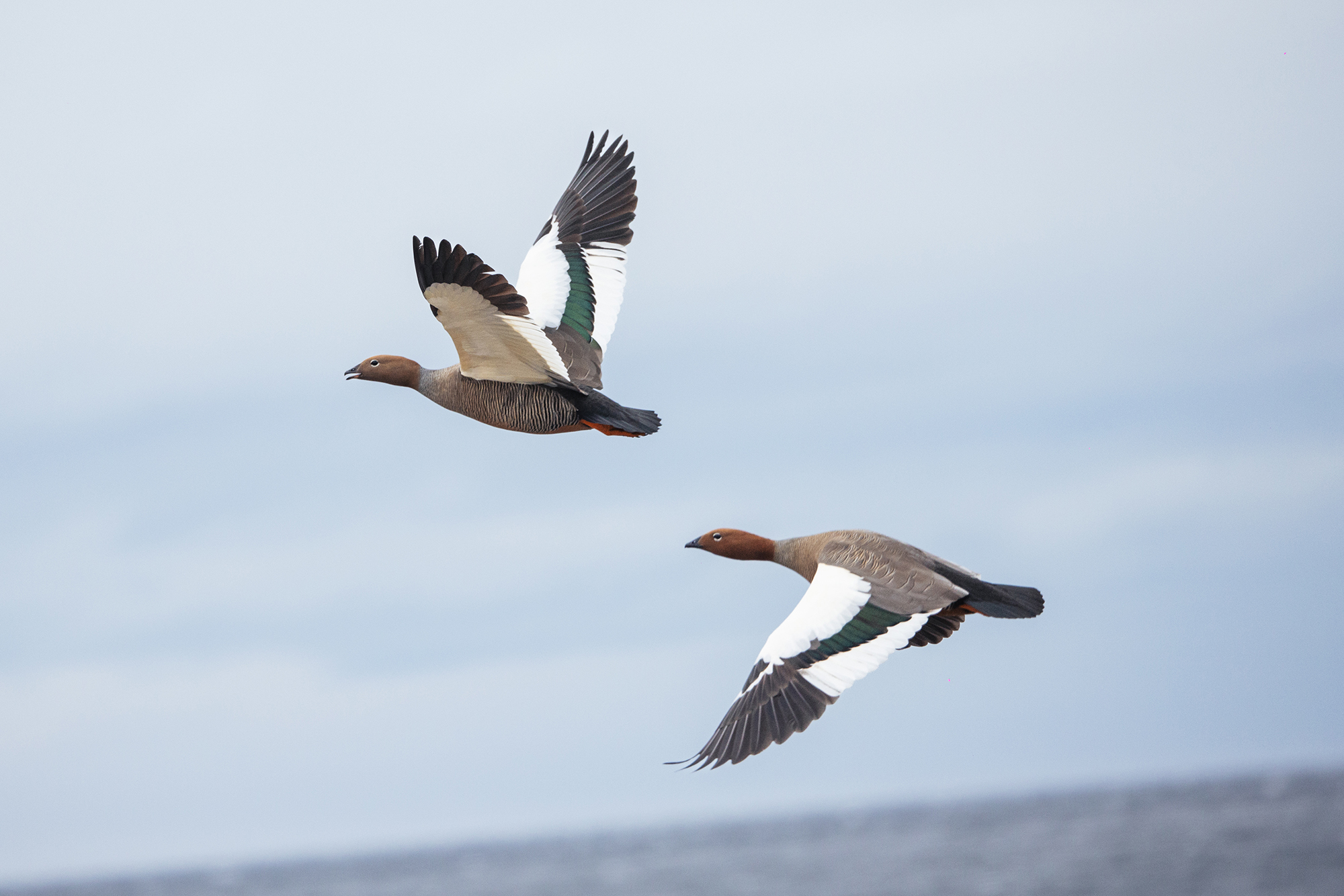
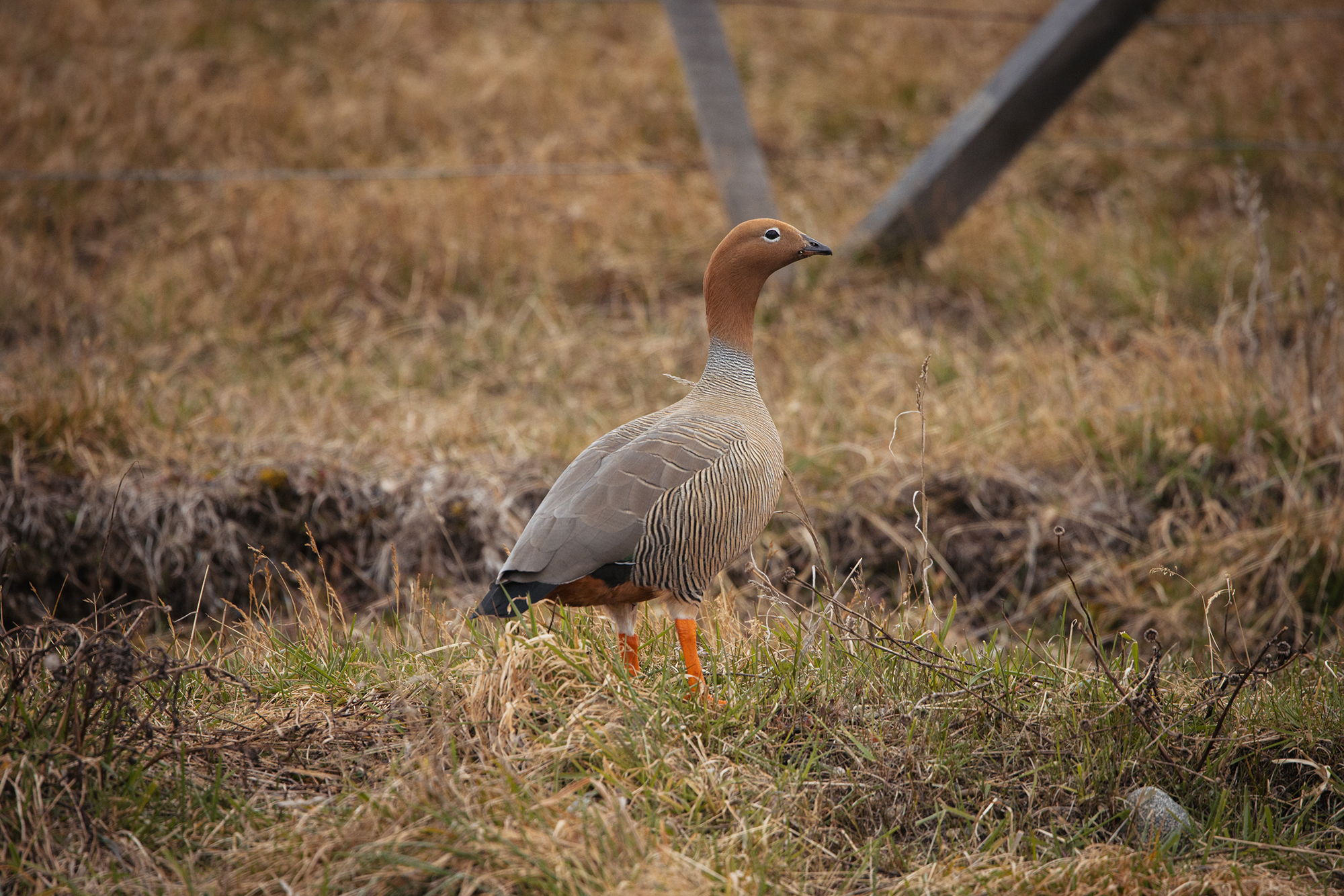
The joint initiative aims to reinforce and support the effective management of the Canquén Colorado Natural Monument, created to protect one of the most important breeding sites of this species, which is currently endangered.
Foto: Diego Nahuel para Rewilding Chile
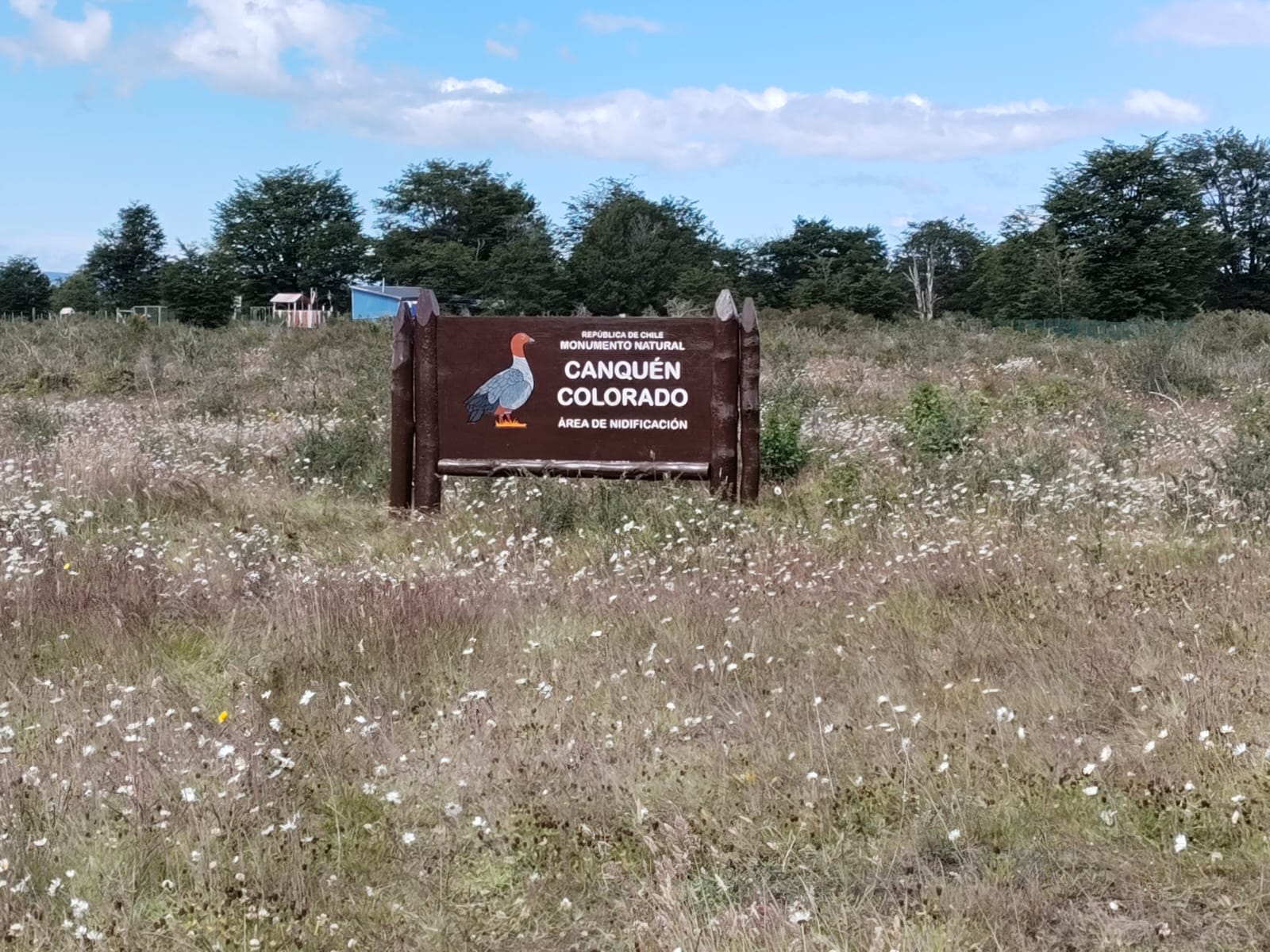
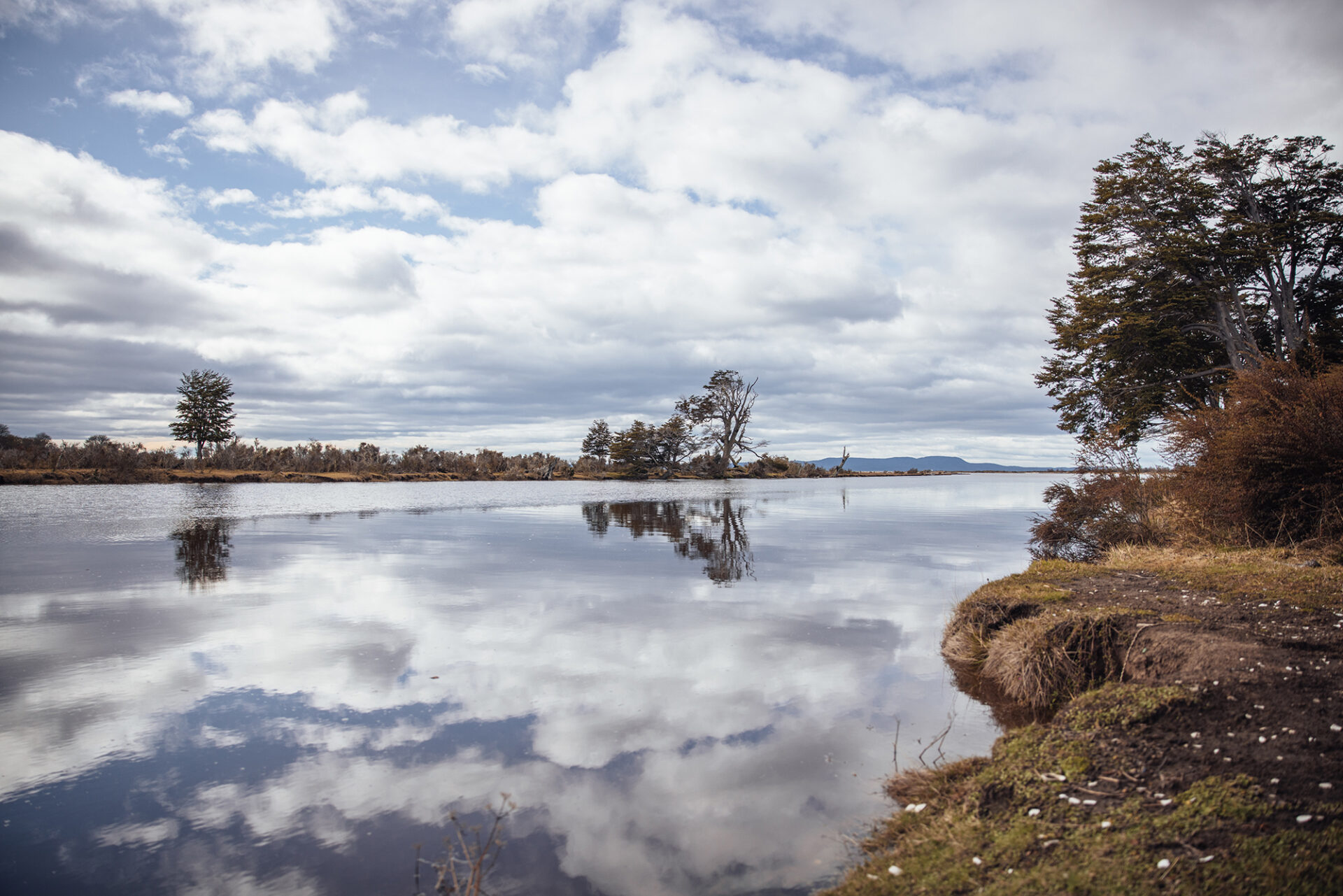
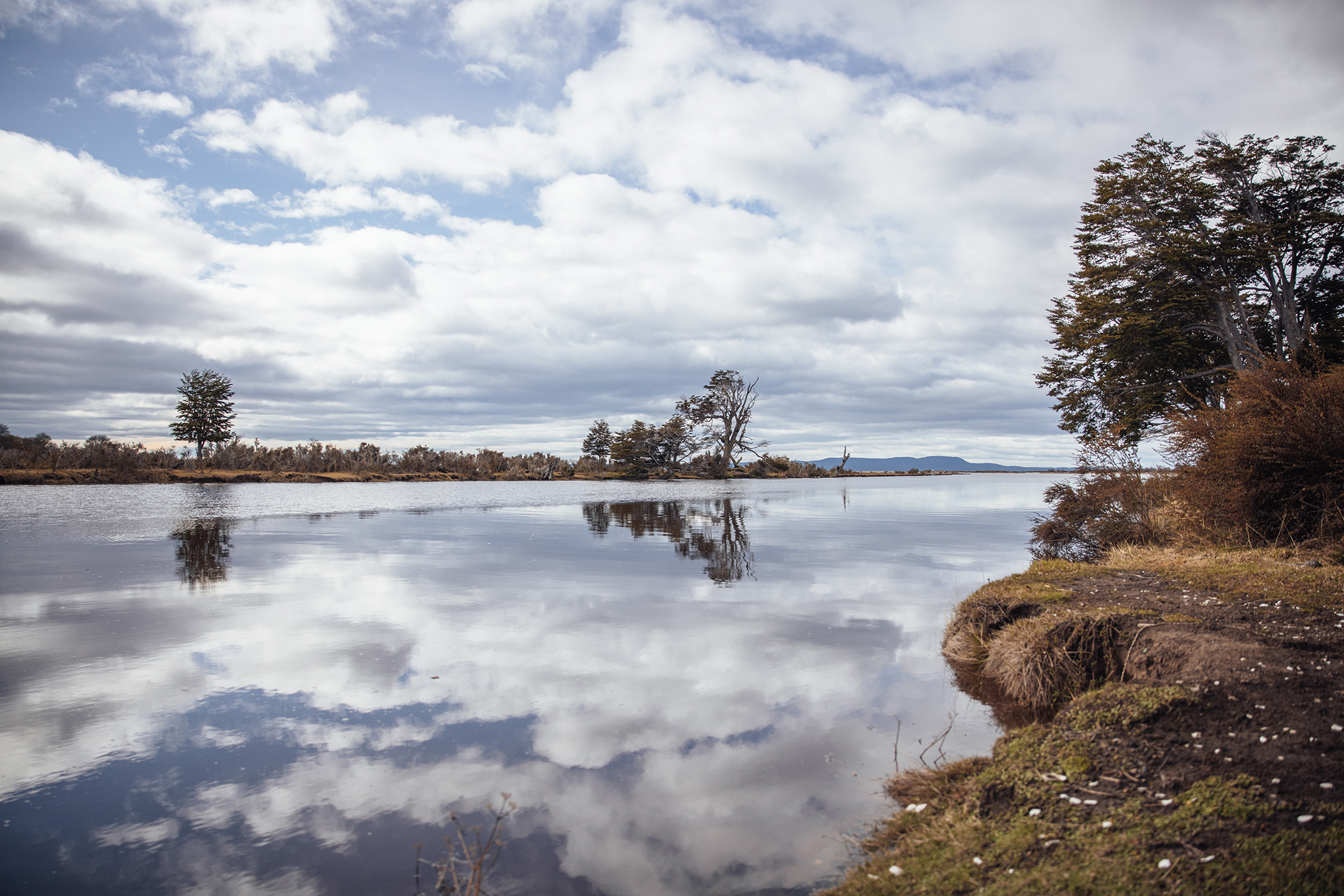
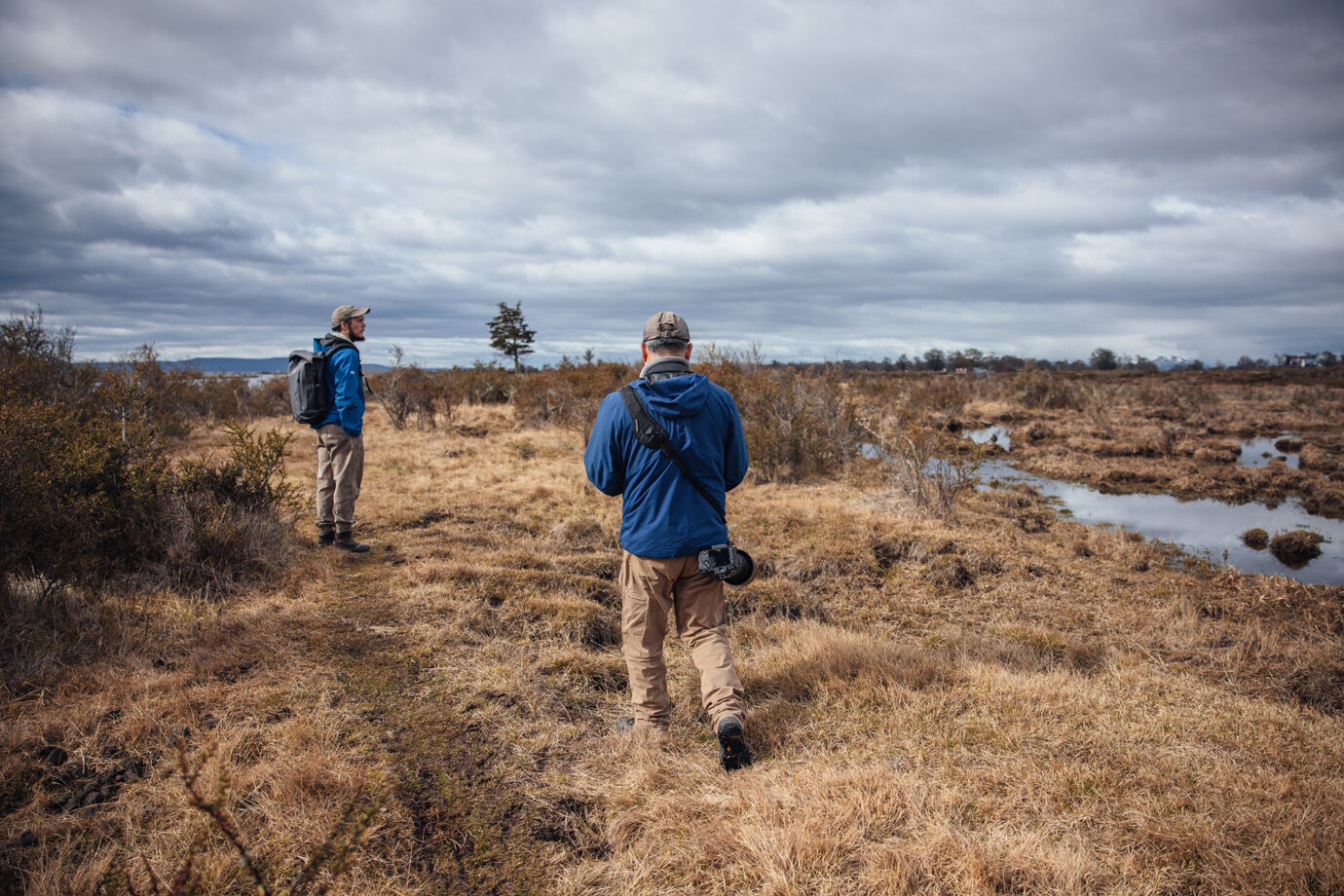
This summer season, residents and visitors to the popular San Juan River mouth, located 65 kilometers from Punta Arenas, will find a renewed Canquén Colorado Natural Monument. Improvements include new signage, repairs to the perimeter fence, a satellite monitoring system, and—perhaps most importantly—the presence of two wildlife rangers in the area.
This collaborative effort has been carried out by the National Forest Corporation (Conaf) and Rewilding Chile Foundation, with expert guidance from Ricardo Matus and Olivia Blank of the Leñadura Bird Rehabilitation Center (CRAL). The coordinated actions seek to strengthen and support the effective operation of the Canquén Colorado Natural Monument, established in October 2017 by decree of the Ministry of Environment to protect a key nesting and breeding site for the species.
“We are reinforcing the role for which this Monument was created: safeguarding a critical area to increase the chances of a successful breeding season for the canquén colorado,” said Mauricio Ruiz, regional director of Conaf.
Ricardo Matus of CRAL explains that over the years, San Juan has been identified as an important site for the species. “Although it may not appear to be the typical habitat for this bird, which usually inhabits steppe wetlands, the birds have colonized the eastern slope of the Brunswick Peninsula and use it as a migratory route. They are particularly abundant from Punta Carrera to the mouth of the Santa María River, unlike the rest of the region where their distribution is much more limited,” he said.
Despite conservation efforts since the late 1990s, the area deteriorated over time due to lack of maintenance and human disturbance. This led to habitat loss for the canquén colorado and other migratory birds, which eventually stopped returning to nest. Today, the canquén colorado is classified as endangered, with fewer than 1,000 individuals remaining across its entire range, including Argentine Patagonia.
While the Natural Monument itself encompasses a fenced 27-hectare area between the coastal road and the shoreline, the broader San Juan sector is also vital for the species’ reproduction and survival. The birds tend to stay near watercourses, nest on the ground, feed on local grasses, and raise their chicks in the area. However, the river mouth—an important tourist destination for the Magallanes community—faces recurring threats such as uncontrolled foot traffic, unsupervised pets, livestock intrusion, and wildfire risk.
“San Juan is a place whose recovery we want to support as a key nesting and breeding site for the canquén colorado. This species serves as an umbrella species for large-scale conservation in Magallanes because its presence indicates that the unique southern steppe ecosystems are healthy and functioning”. Cristián Saucedo, Wildlife Director at Rewilding Chile.
“San Juan is a place whose recovery we want to support as a key nesting and breeding site for the canquén colorado. This species serves as an umbrella species for large-scale conservation in Magallanes because its presence indicates that the unique southern steppe ecosystems are healthy and functioning”.
Wildlife Rangers on Site
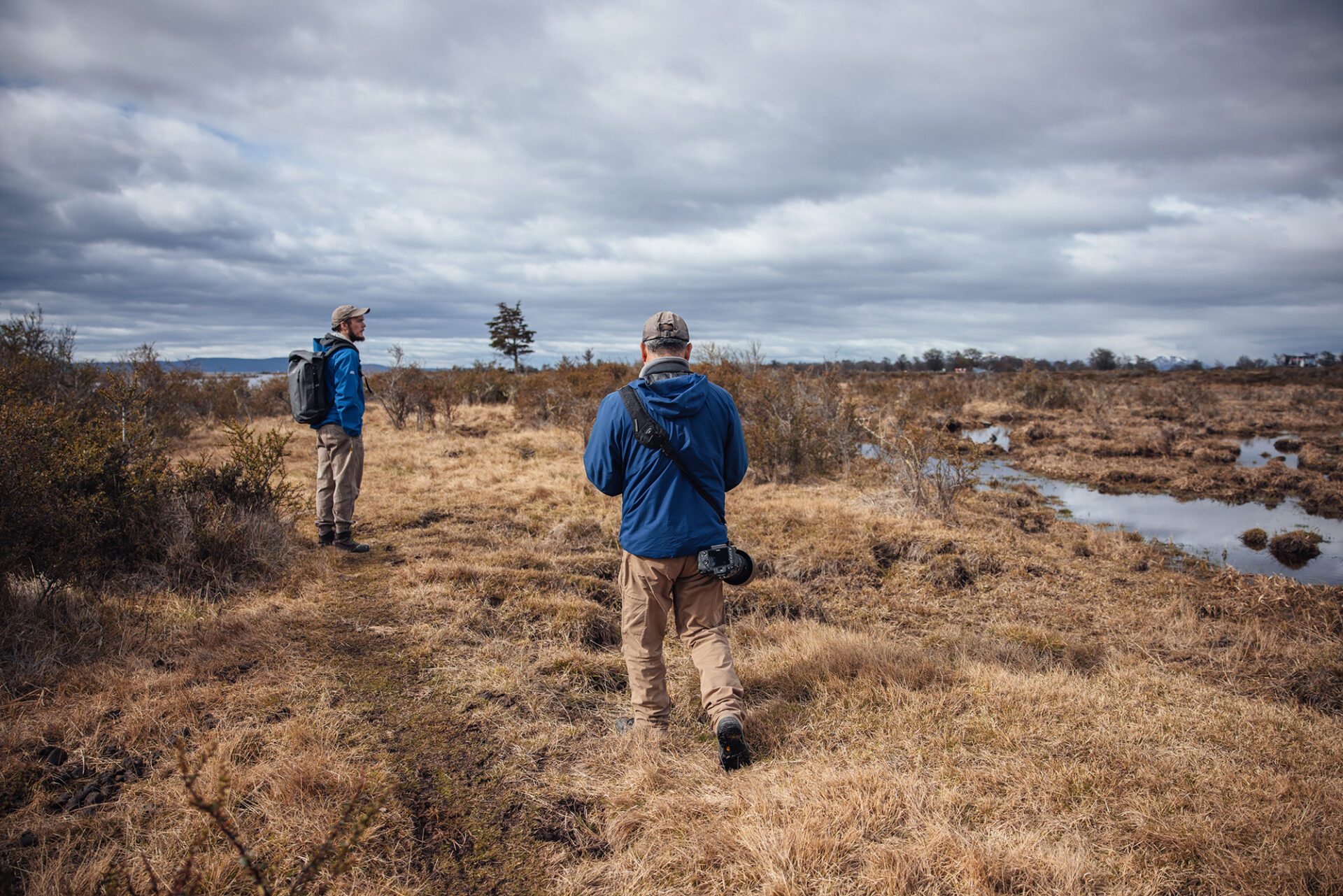
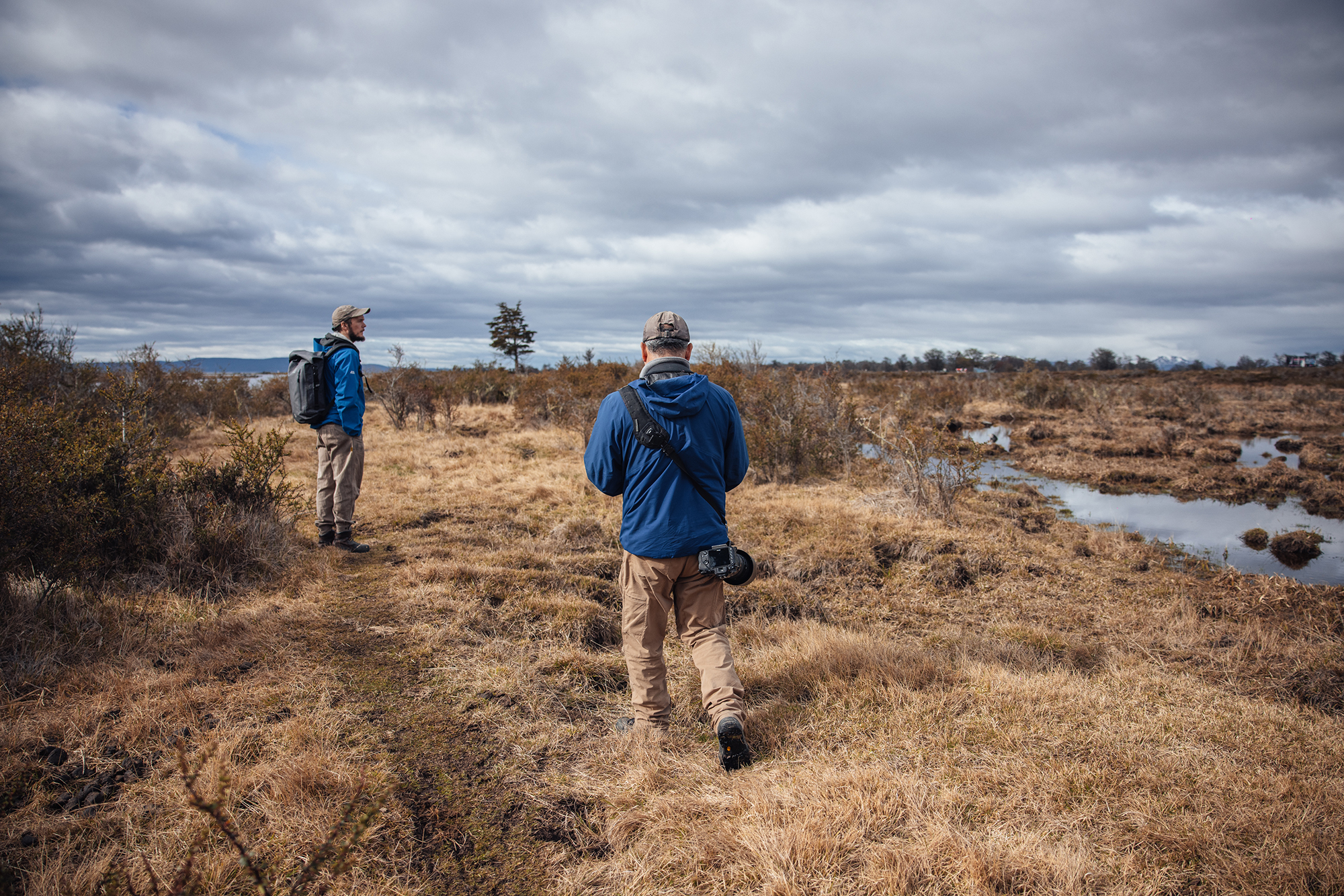
This season, Felipe Contreras and Felipe Vera have joined as wildlife rangers. They conduct regular patrols, bird counts, and environmental education activities for residents and visitors—especially during busy summer weekends. On those days, they focus on raising awareness about the importance of learning to identify Patagonian species and protecting their habitats, particularly during the breeding season. During the week, they also support clean-up efforts and help mitigate other threats, such as livestock or unsupervised dogs entering the area.
“This is essential work. We know that a permanent presence in the area is crucial for building awareness and educating the community about protecting our natural heritage and preventing species extinction. We will also reinforce efforts with our fire brigades to reduce wildfire risk,” added Ruiz.
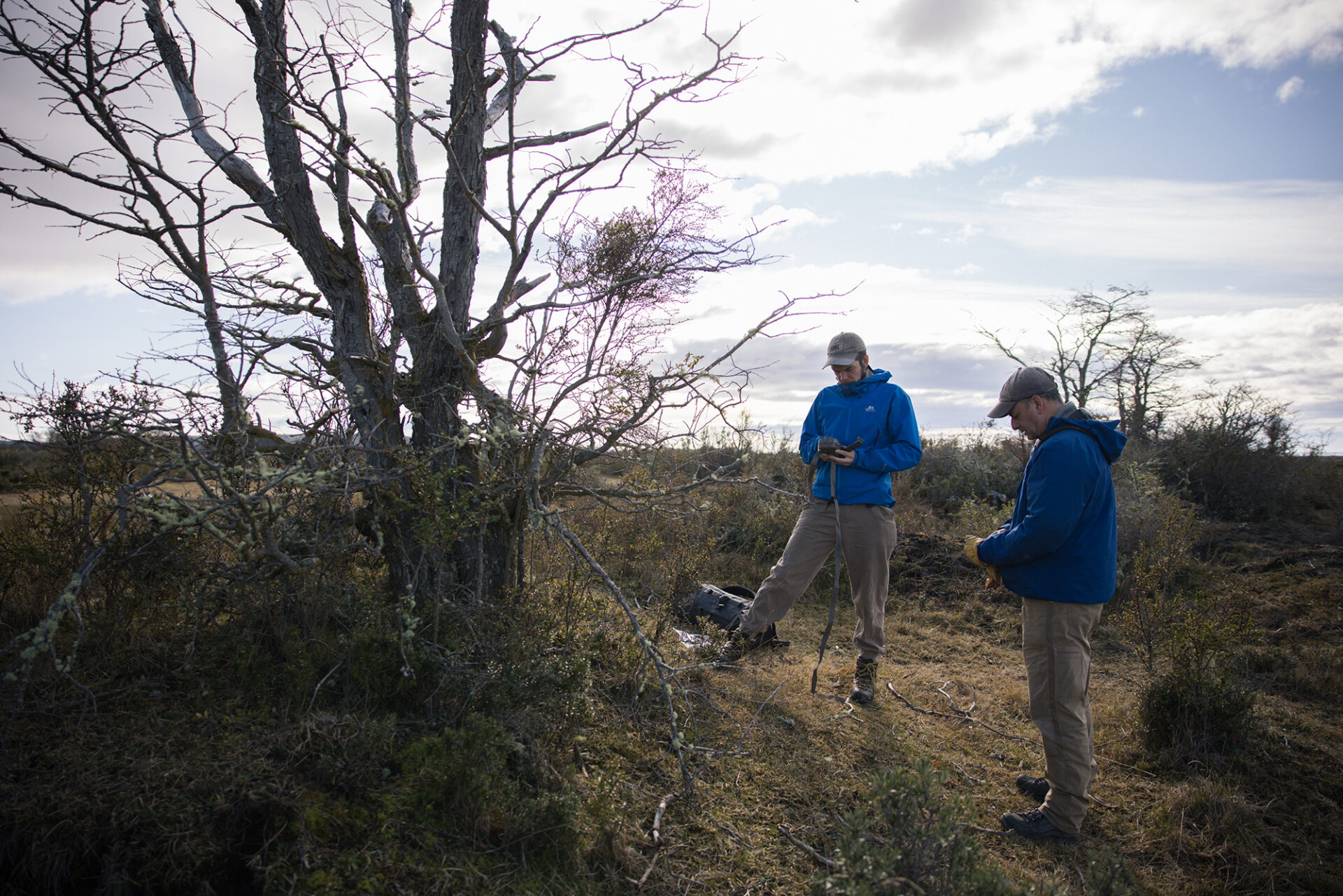
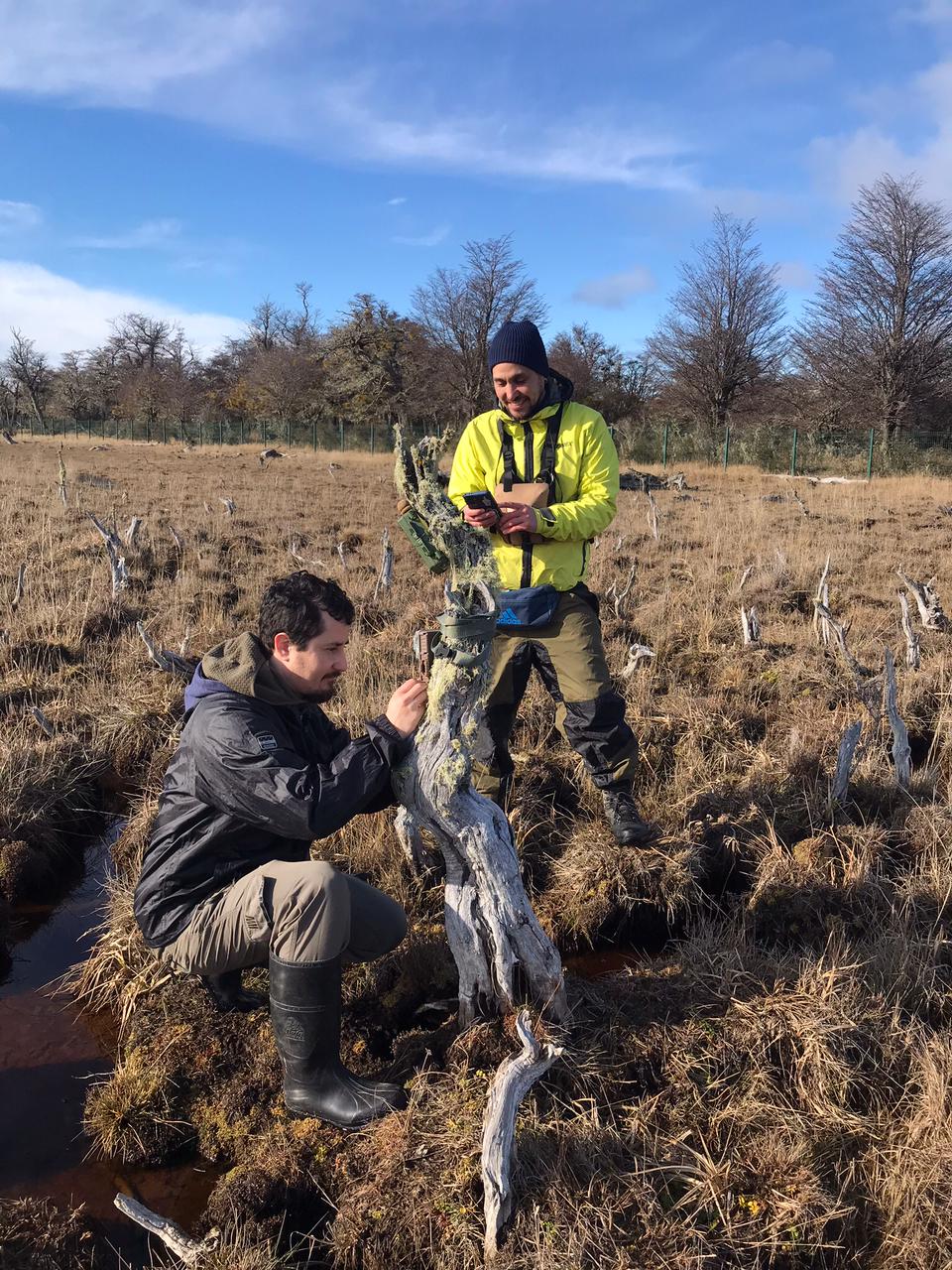
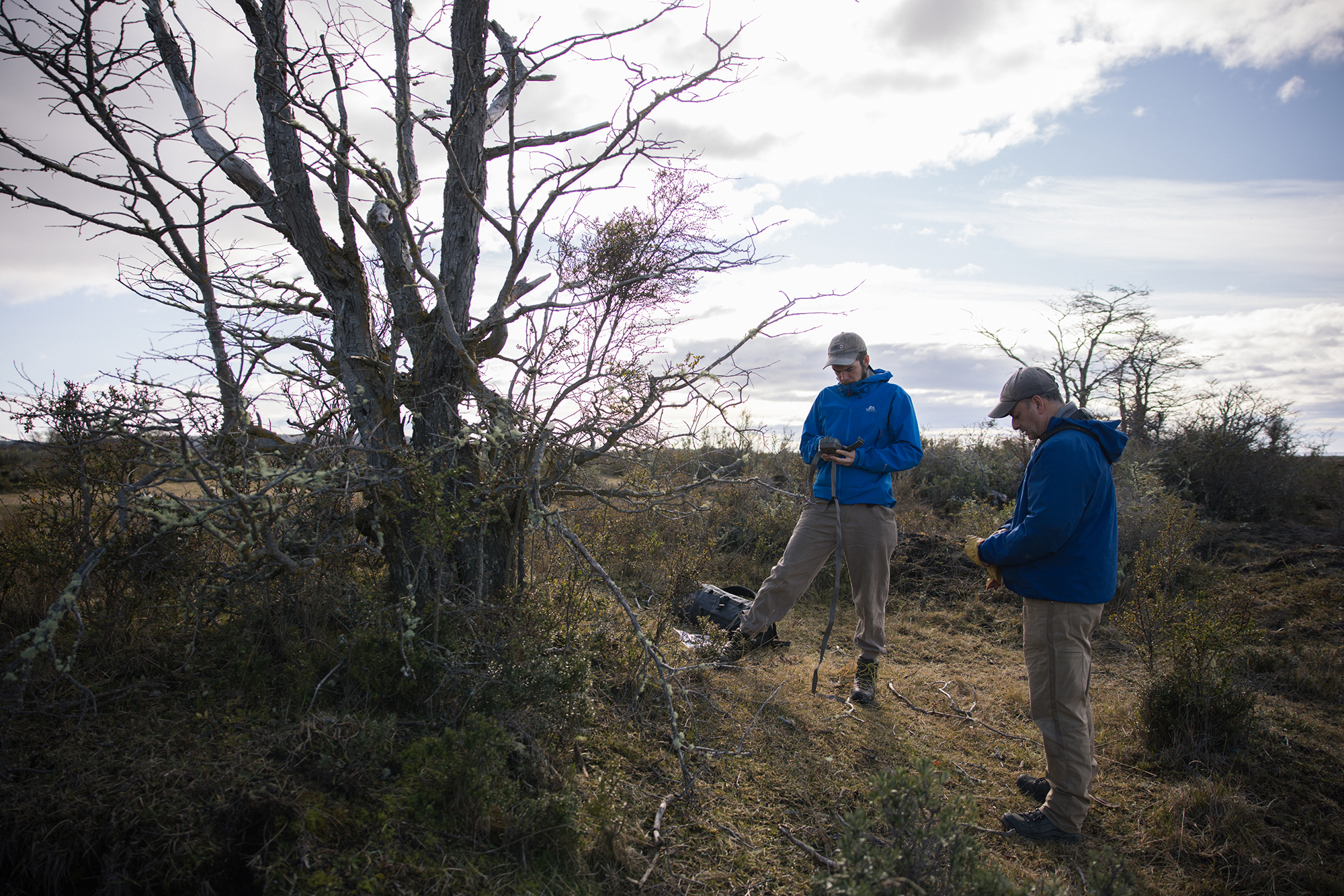
Infrastructure improvements and updated signage are part of the work Rewilding Chile has been carrying out since 2024 in collaboration with Conaf and CRAL. Efforts include a camera trap monitoring program, surveillance in key distribution areas, and the installation of satellite transmitters to track the movements of the canquén colorado, the upland goose, and the ashy-headed goose—three species that share the same habitat.
For Rewilding Chile, its presence in San Juan is part of broader wildlife management programs. “Each year, we gather new information about the unique ecosystem of the Brunswick Peninsula. Our goal is to establish true conservation corridors for the canquén colorado by understanding its movements within Magallanes, as well as the continental-scale migratory journeys these birds undertake,” Saucedo concluded.