Foto: Diego Márquez
Tracking the early journeys of three young Andean condors
Foto: Diego Márquez
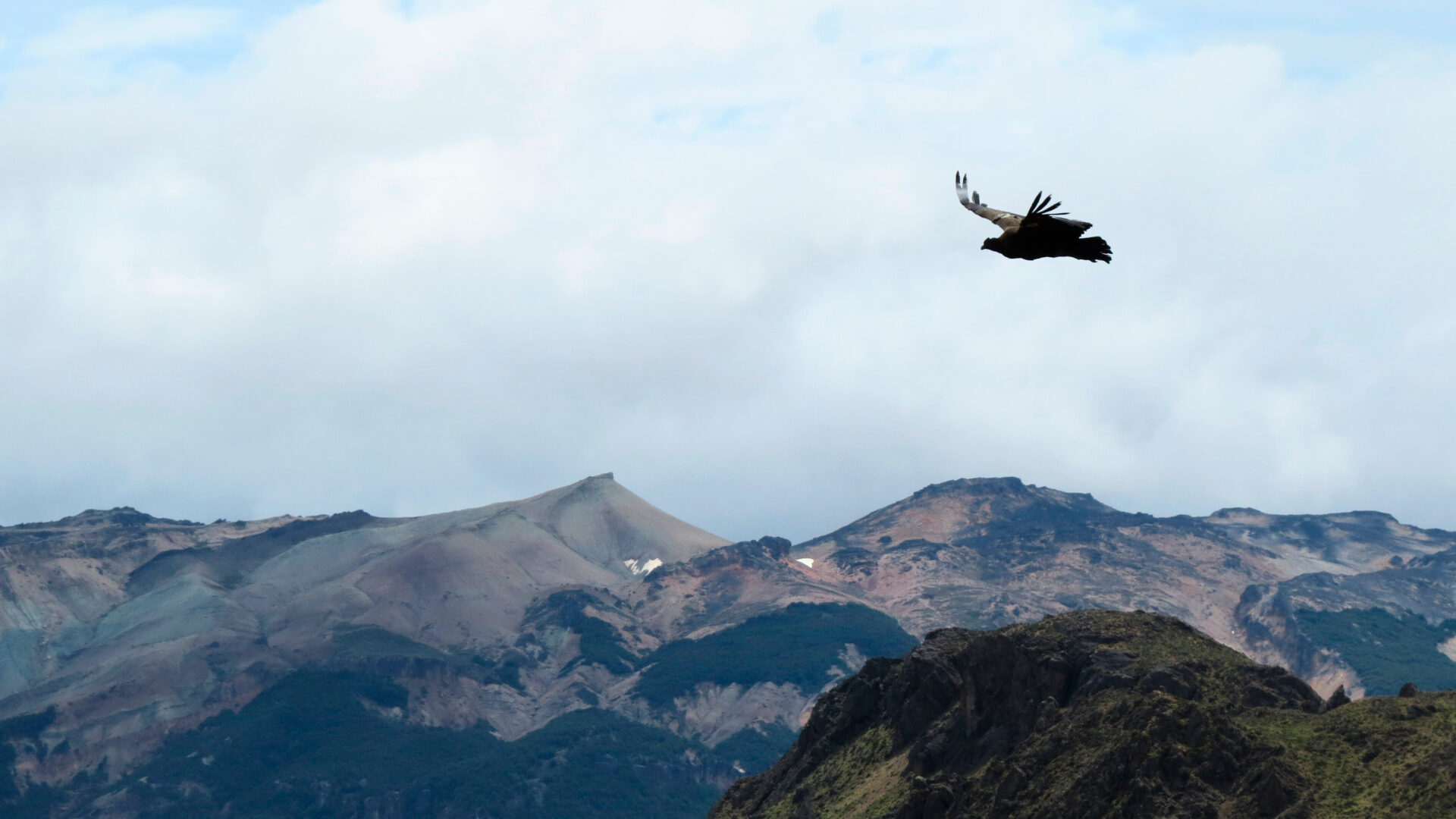
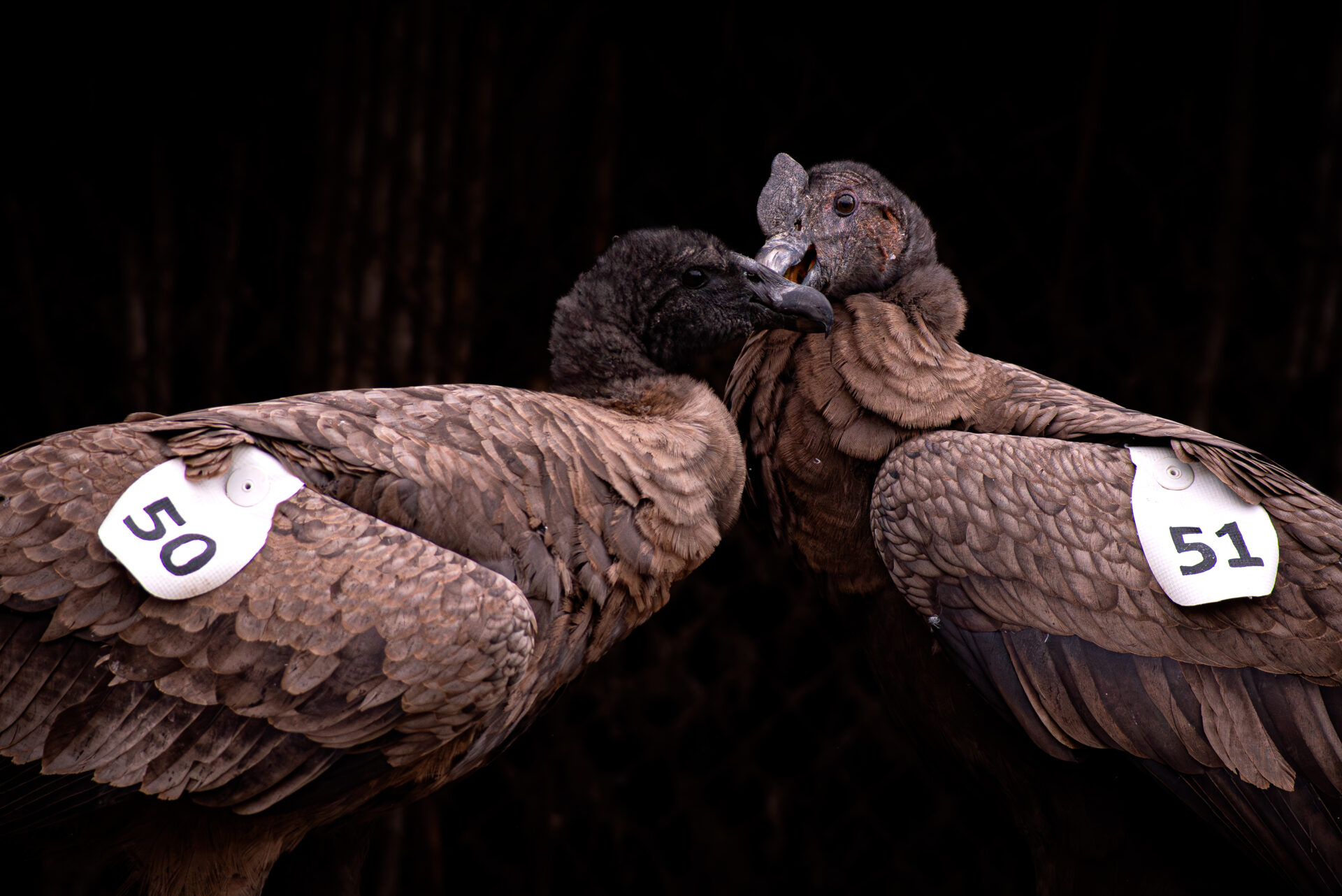
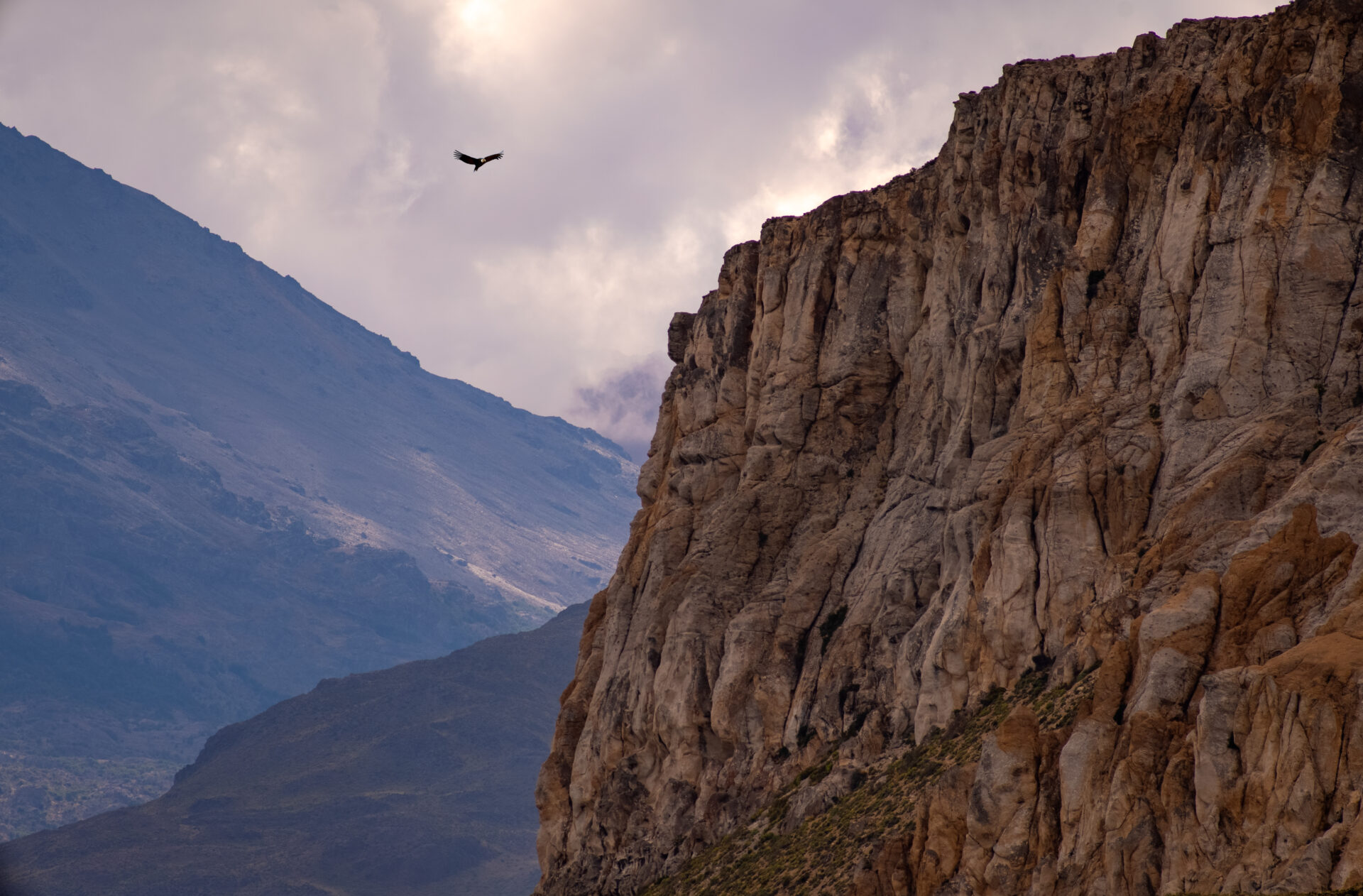
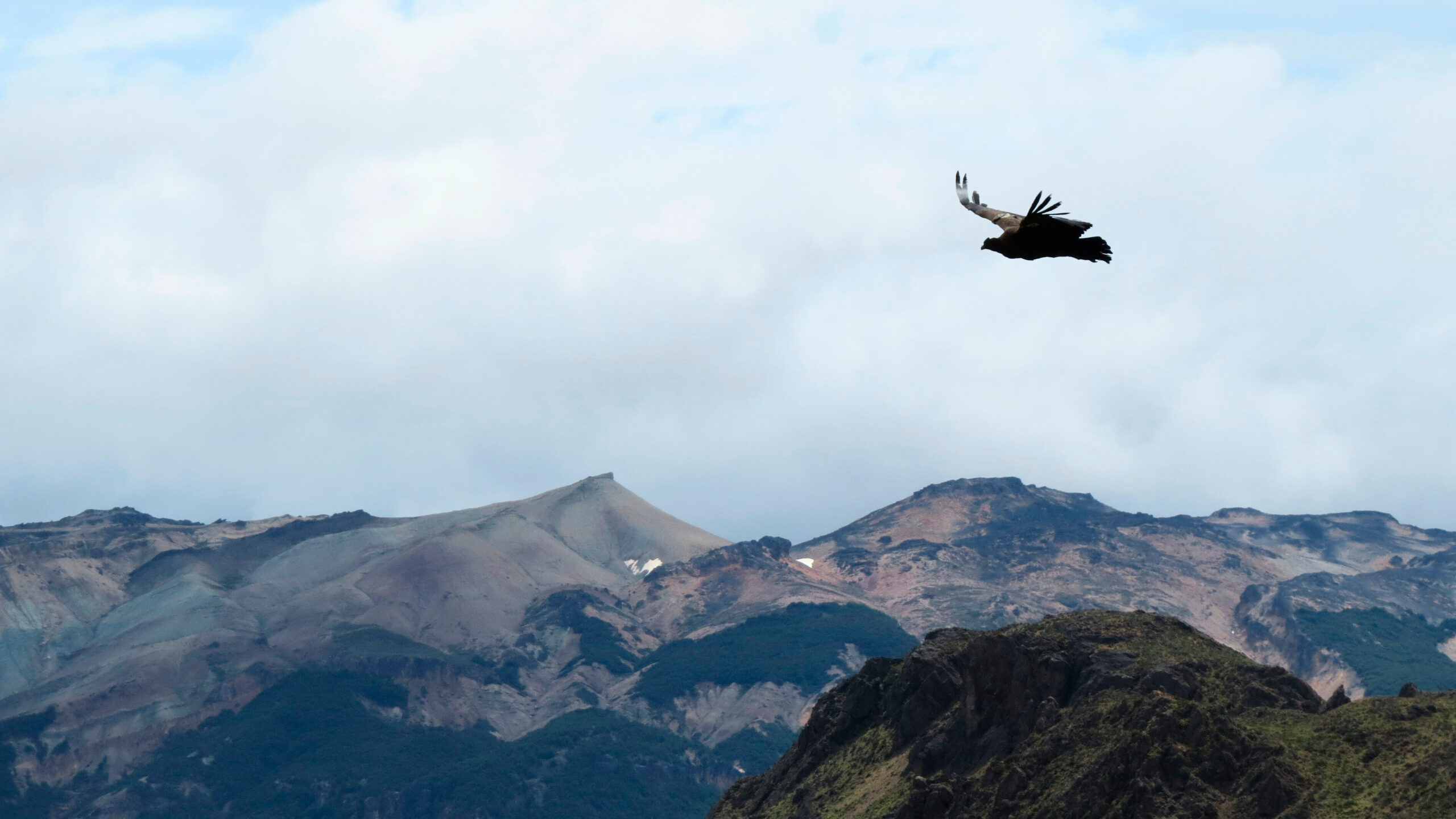
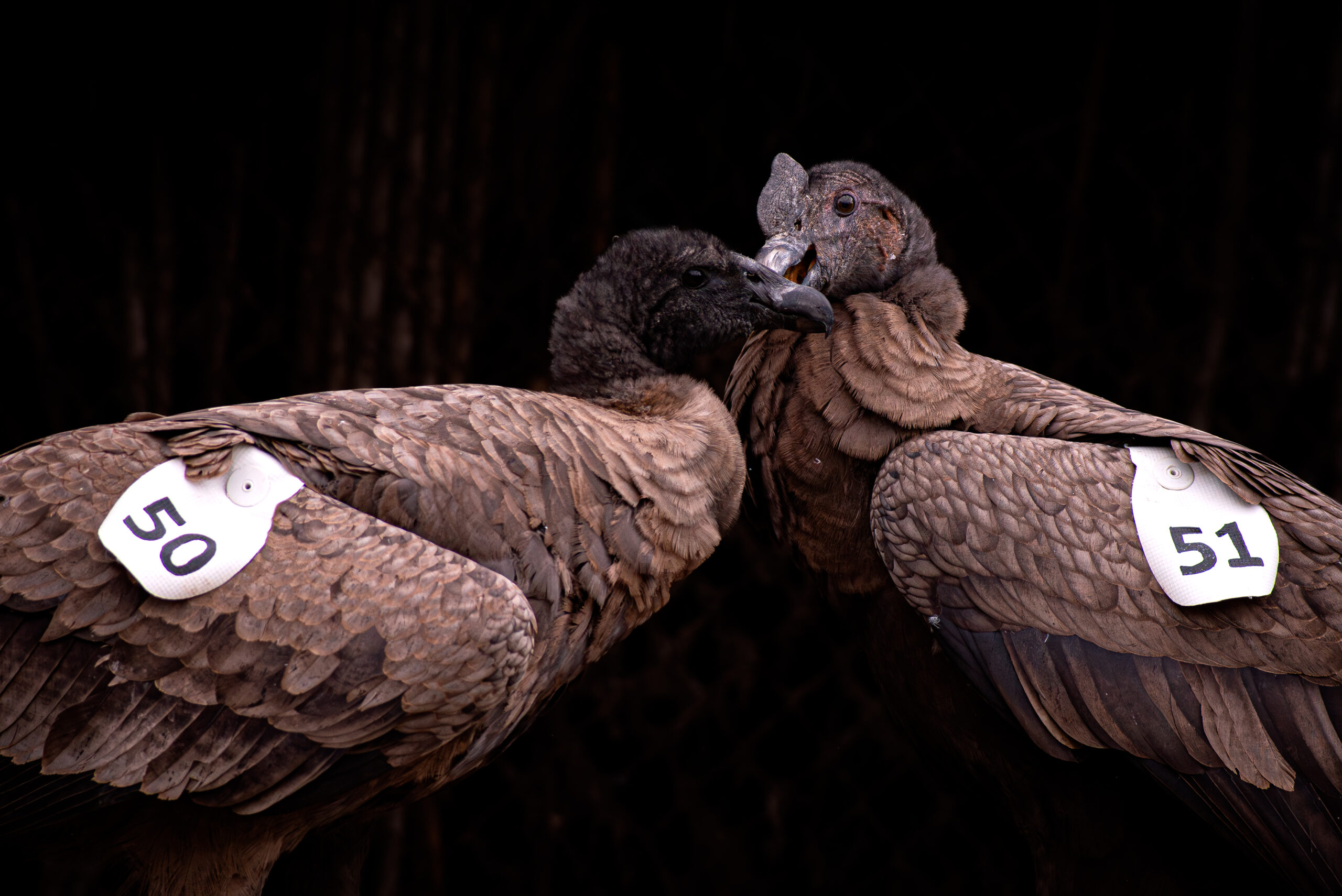
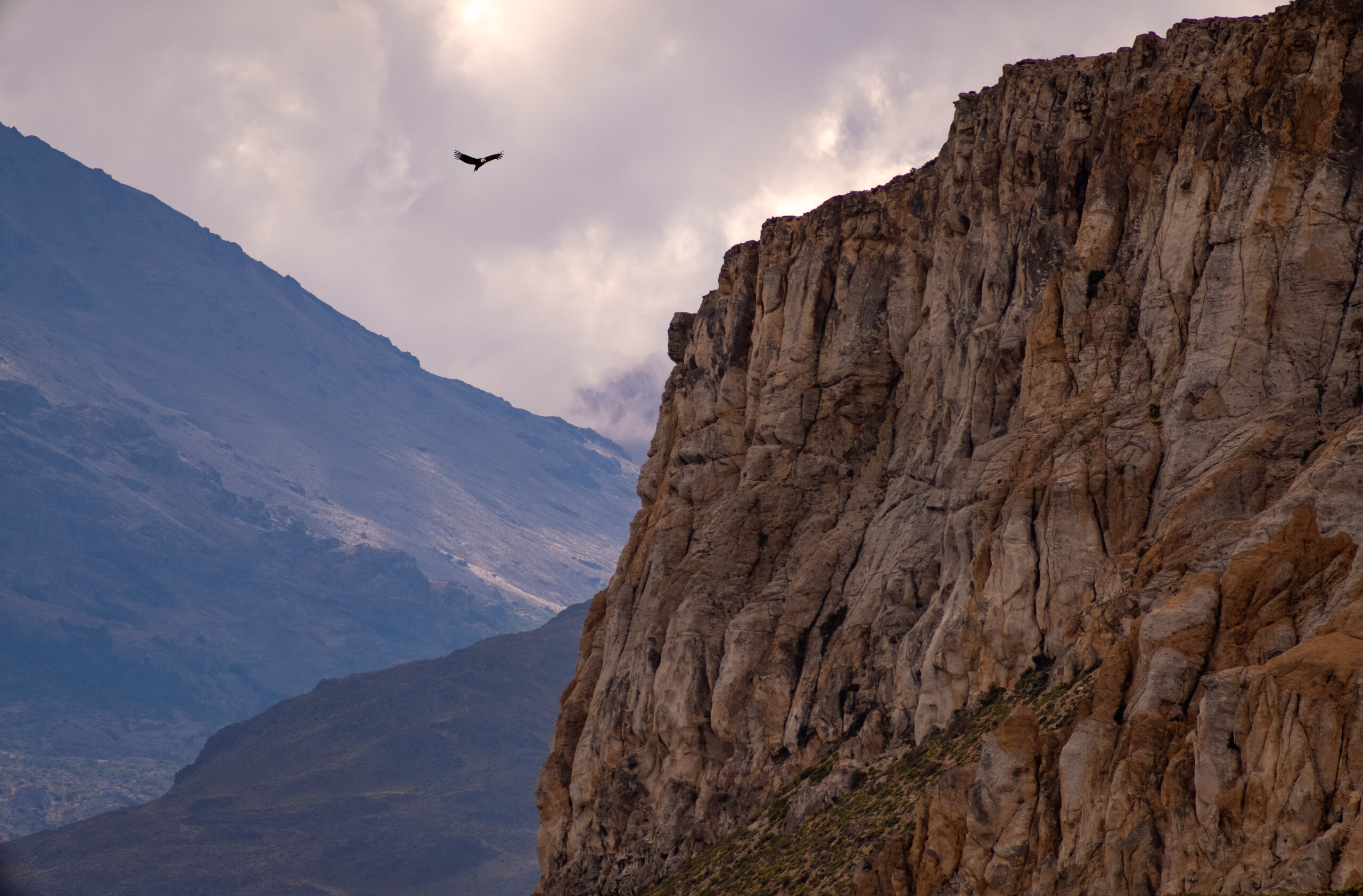
Earlier this year, three young Andean condors—Carmen, Auquinco, and Farellón—took their first flights over the vast landscapes of Patagonia National Park. After a few months of acclimatization following their transfer from the Raptor Rehabilitation Center (CRAR), the birds were released in January and have since begun exploring the wild terrain of southern Chile.
Equipped with satellite and radio transmitters, their movements are now being closely followed by conservation teams. Early data is already revealing fascinating differences in how each bird is adapting to life in the wild—from long exploratory flights across Patagonia to more gradual movements closer to the park.
These first months are critical for young condors as they learn to navigate one of the last great wilderness regions of South America.
Their release is part of the Manku Project, a public–private conservation initiative with more than a decade of work dedicated to protecting the Andean condor. The project is led by AvesChile through its Raptor Rehabilitation Center (CRAR) in partnership with Rewilding Chile, Filantropía Cortés Solari, with the support of the National Zoo of Parque Metropolitano, SAG, CONAF, Bioamérica Consultores, and LATAM Airlines.
Meet the Condors
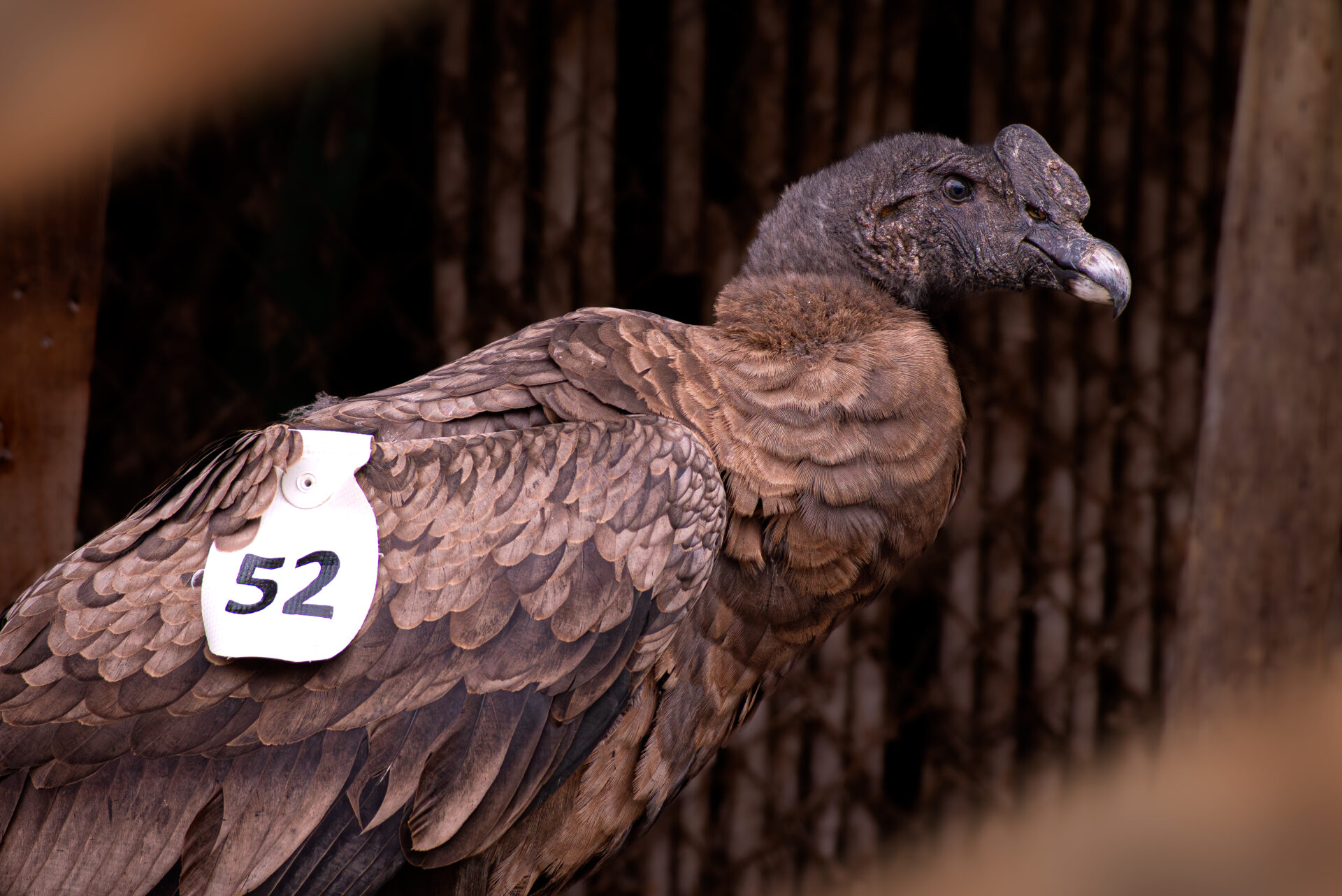
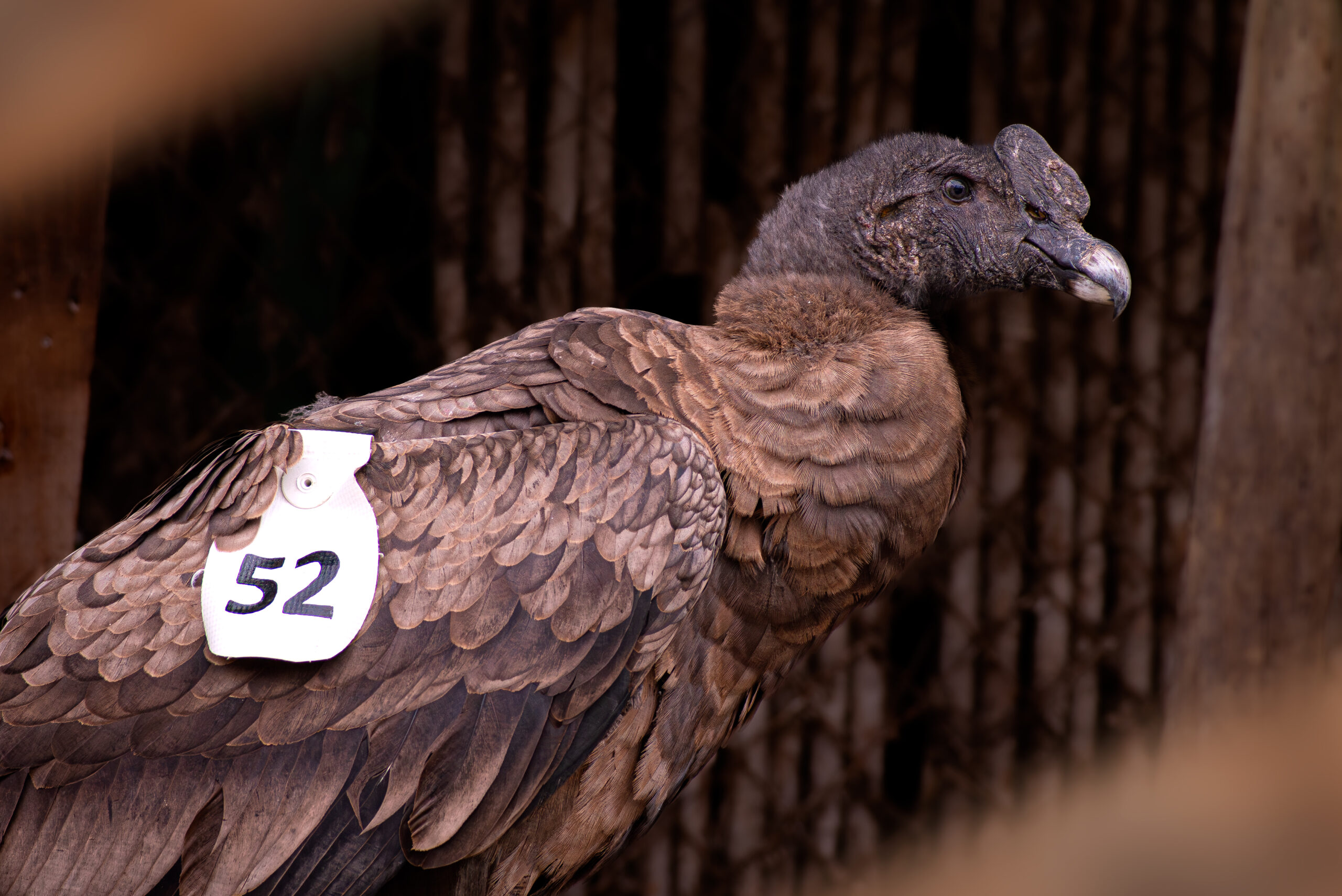
Carmen, a female born in captivity in 2023 by a couple of condors that cannot be released to nature; Auquinco, a male rescued in the area of the same name in Lago Ranco; and Farellón, a male rescued in the Andes of the Santiago Metropolitan Region with a fracture in one leg, arrived in Patagonia in October. They spent three months in a specially designed enclosure at Patagonia National Park, where they could strengthen their wings and practice short flights while adapting to their new environment.
Once the birds were deemed ready, the release was carried out in the presence of local authorities and members of the neighboring communities, who also participated in educational talks about the species.
“Releasing condors in Patagonia offers a unique opportunity: its vast, wild landscapes and low human presence provide more favorable conditions for these birds to reclaim the skies,” explained Eduardo Pavez, director of the Manku Project.
“Condors play a key ecological role as the great scavengers of the Andes, soaring above the valleys and mountains and helping accelerate natural decomposition and nutrient recycling by feeding on carrion and reducing the spread of diseases associated with carcasses”
Flying Free: Tracking Their First Movements
Each of the birds was released with a satellite and a radio transmitter, allowing conservation teams to monitor their movements across Patagonia. “The release is one stage in the process, but post-release tracking and monitoring require sustained, dedicated effort to ensure that the condors successfully acclimate to their natural environment”, said Sebastián Riestra, wildlife coordinator at Rewilding Chile.
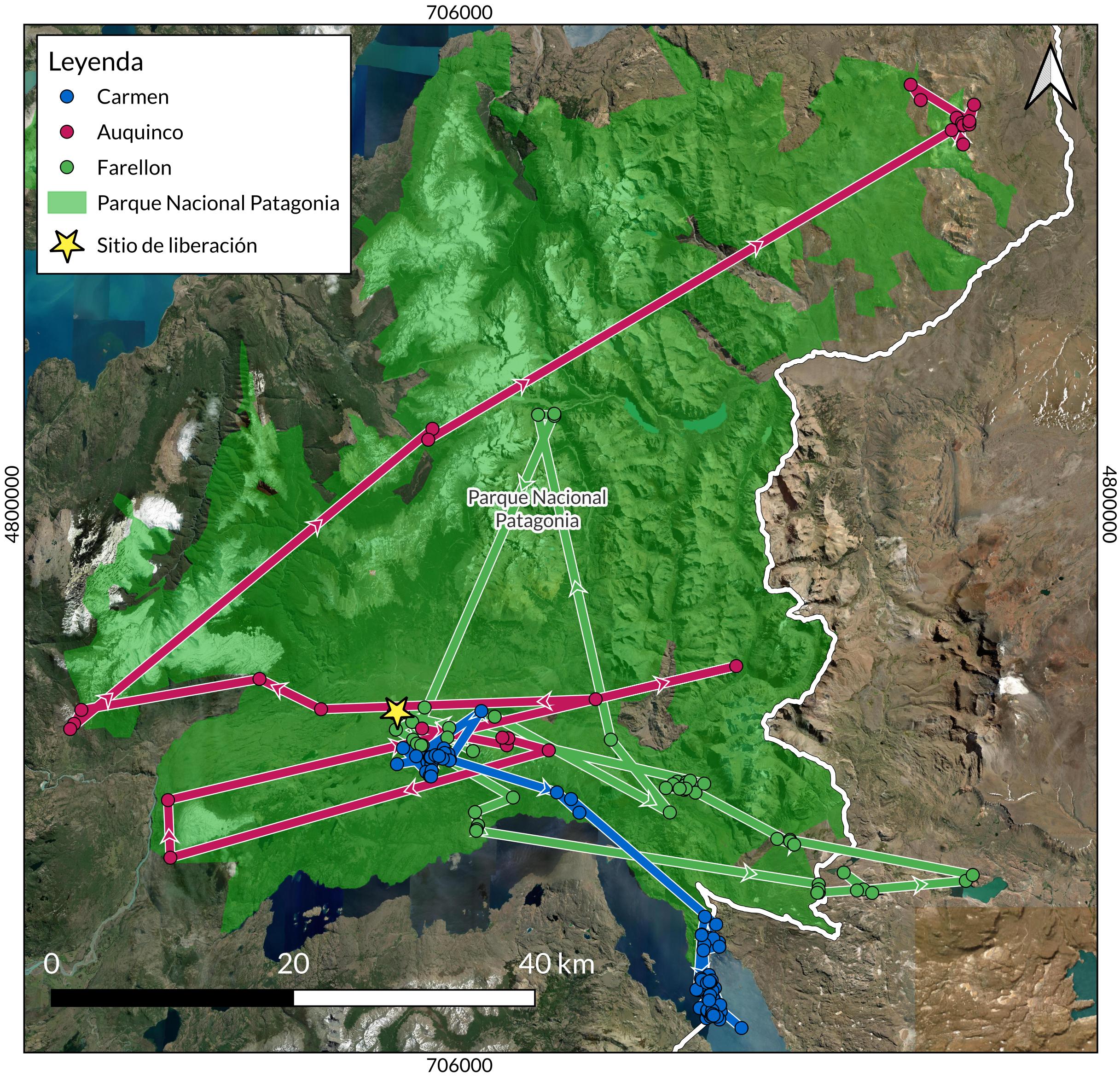
The analysis of this data—illustrated in the accompanying map—has already revealed fascinating insights into how the condors are adapting to life in the wild. The three birds have shown distinct movement patterns since their release.
Carmen has remained mostly within Patagonia National Park. Her movements so far have been relatively limited, totaling about 118 kilometers (73 miles). By connecting the locations recorded by her transmitter, researchers estimate she has explored an area of roughly 22,000 hectares (54,363 acres). She was based for several weeks in a remote and difficult-to-access area—a peninsula on Lake Cochrane near the border with Argentina, but has recently moved north to the Jeinimeni mountain range. As the smallest bird and the only one without prior experience in the wild, she is being closely monitored by the wildlife team at Rewilding Chile to ensure she adapts successfully. The team visited the site of her location –it was a long journey with a boat trip and a hike– to check on her and leave food in case she had not been feeding (a dead sheep was provided). Encouragingly, she currently appears to be in good condition and improving flight abilities.
Farellón started very adventurous. His movements have taken him across different sectors of Patagonia National Park and even across the border into Argentina, accumulating a total displacement of 235 kilometers (146 miles) and covering an estimated 95,000 hectares (234,750 acres). But then he slowed down and remained in the same location for several days. A sheep was left there so he could feed, but he did not do so. “After observing that he was not undertaking longer flights, we decided to recapture him. It was determined that he was underweight, and he was therefore returned to the acclimatization enclosure for a month to be fed and regain strength, being released back to the wild for a second chance, after his physical condition was assessed by the wildlife team”, explained Sebastián Riestra.
Auquinco initially flew toward the Jeinimeni sector of Patagonia National Park, where he has spent much of his time in recent weeks. His movements so far total 263 kilometers (163 miles), covering an estimated 187,000 hectares (462,000 acres). After being detected in the same location in Chile Chico for several days, a wildlife team undertook an eight-hour horseback expedition to monitor and check on his condition, being able to confirm the good features of the area, with permanent use by other condors and high availability of food (guanaco groups and livestock presence). The team was able to detect his VHF signal, although a direct visual observation was not possible. More recently, he has shown good movements across the landscape and continues to be monitored via satellite.
“Condors play a key ecological role as the great scavengers of the Andes, soaring above the valleys and mountains and helping accelerate natural decomposition and nutrient recycling by feeding on carrion and reducing the spread of diseases associated with carcasses,” explained Cristián Saucedo, director of the Wildlife Program at Rewilding Chile.