Foto: Maximiliano Gómez para Rewilding Chile
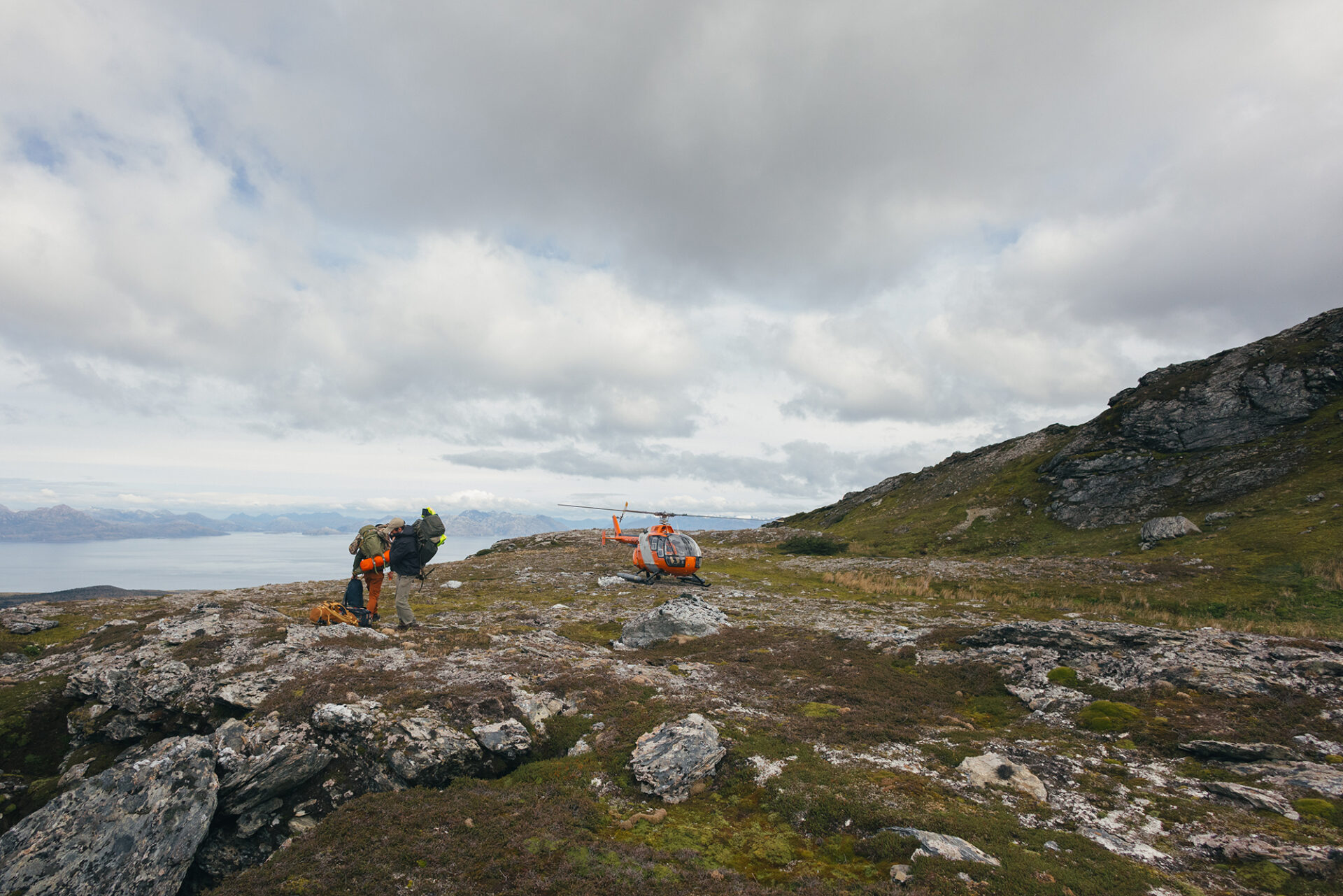
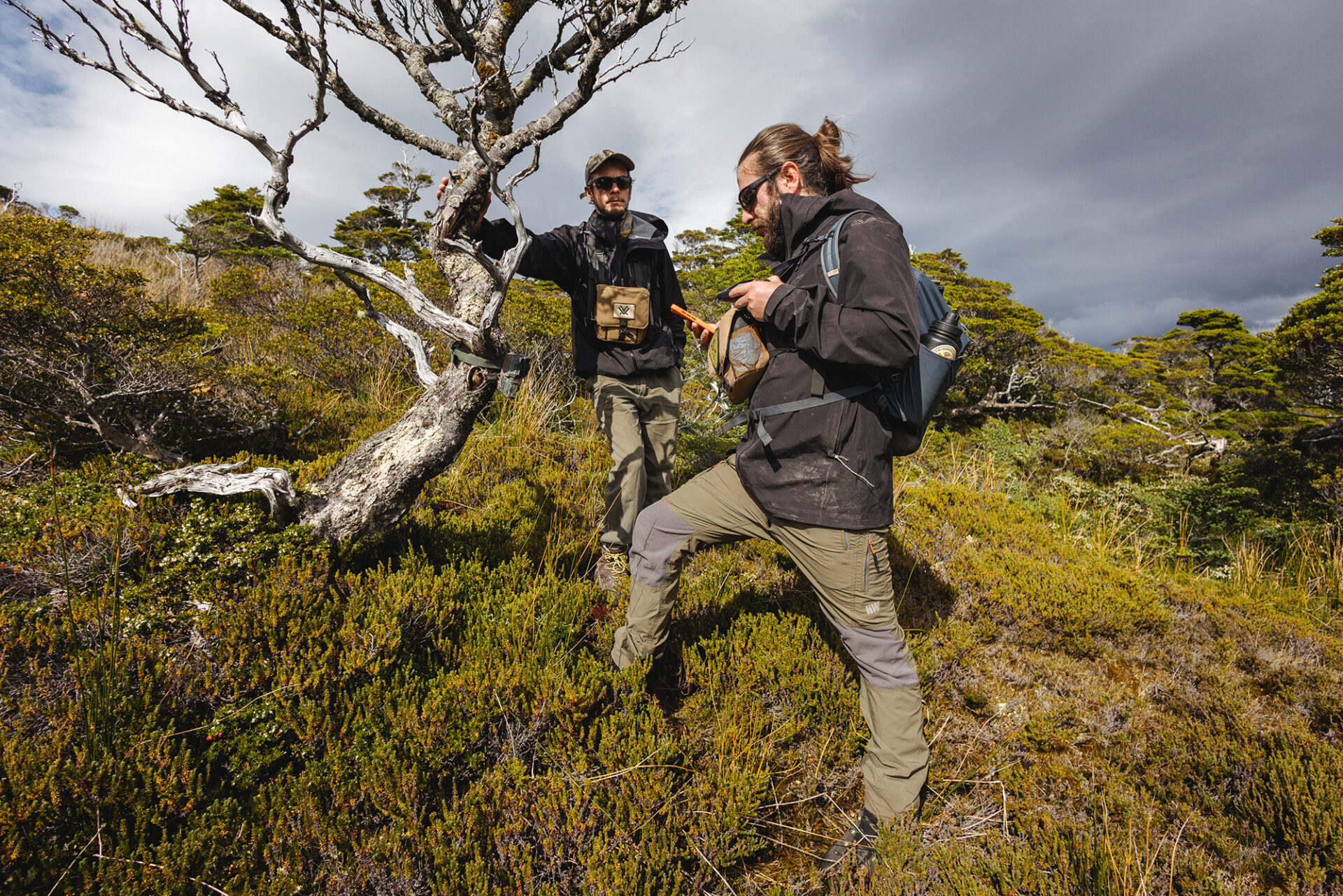
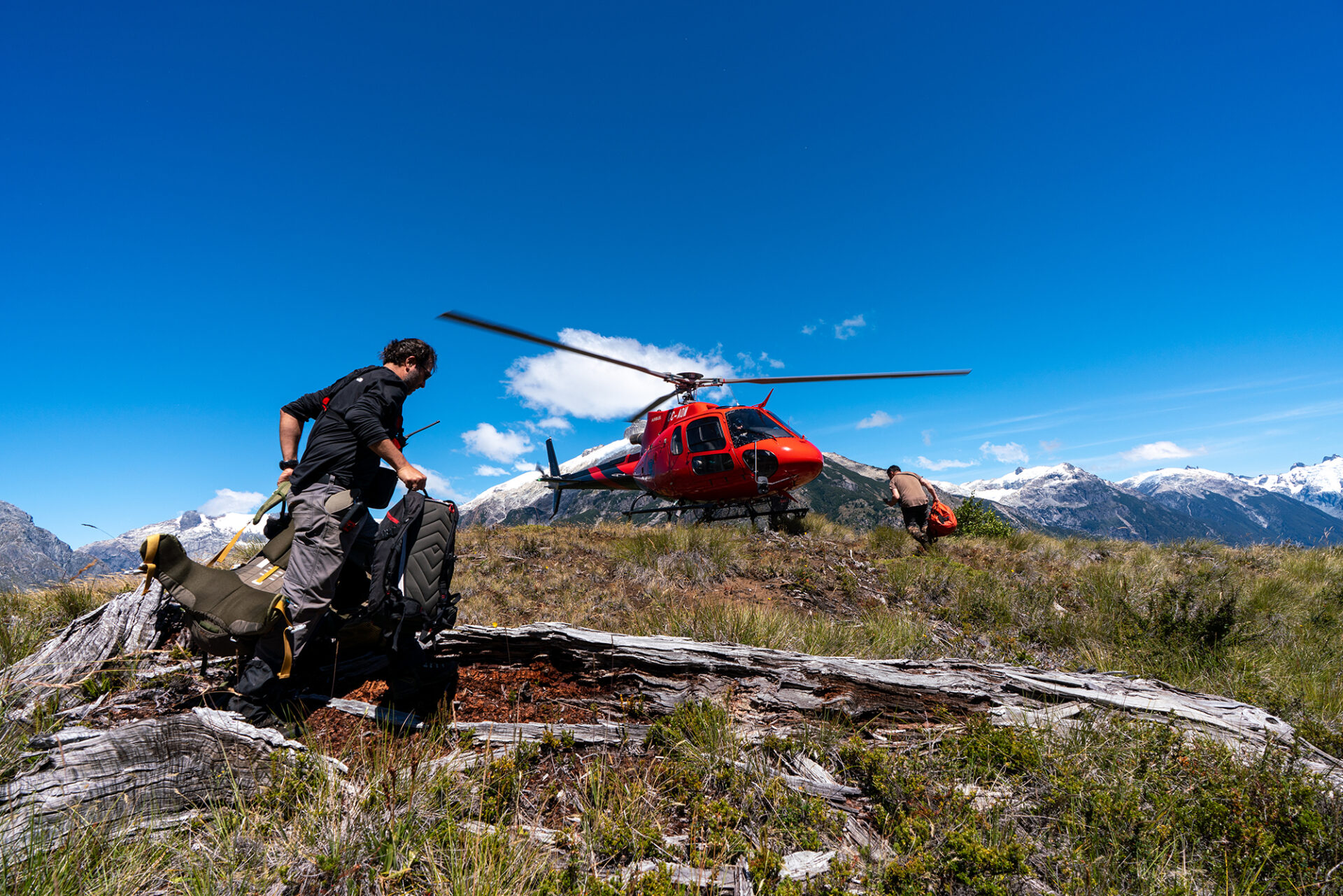
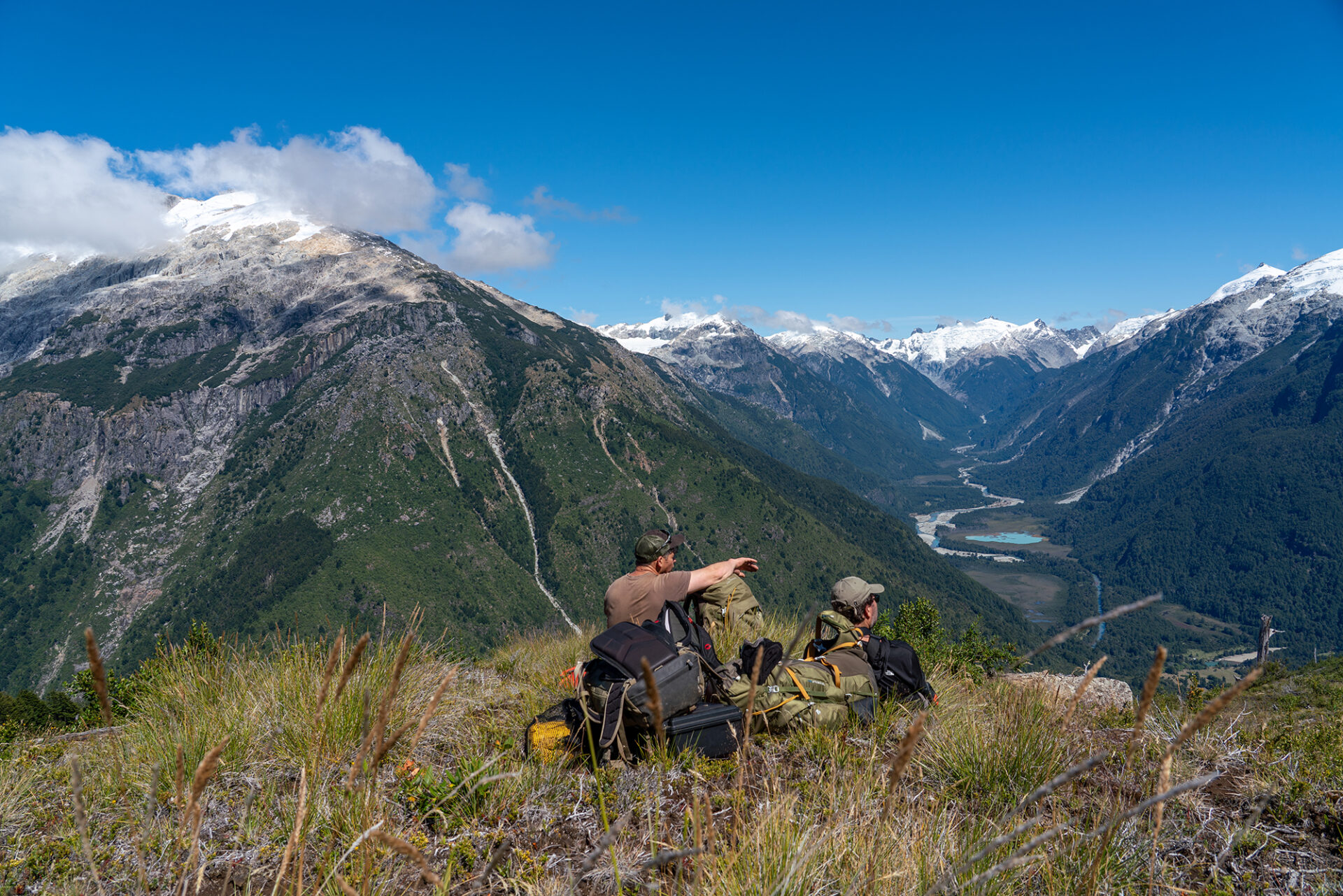
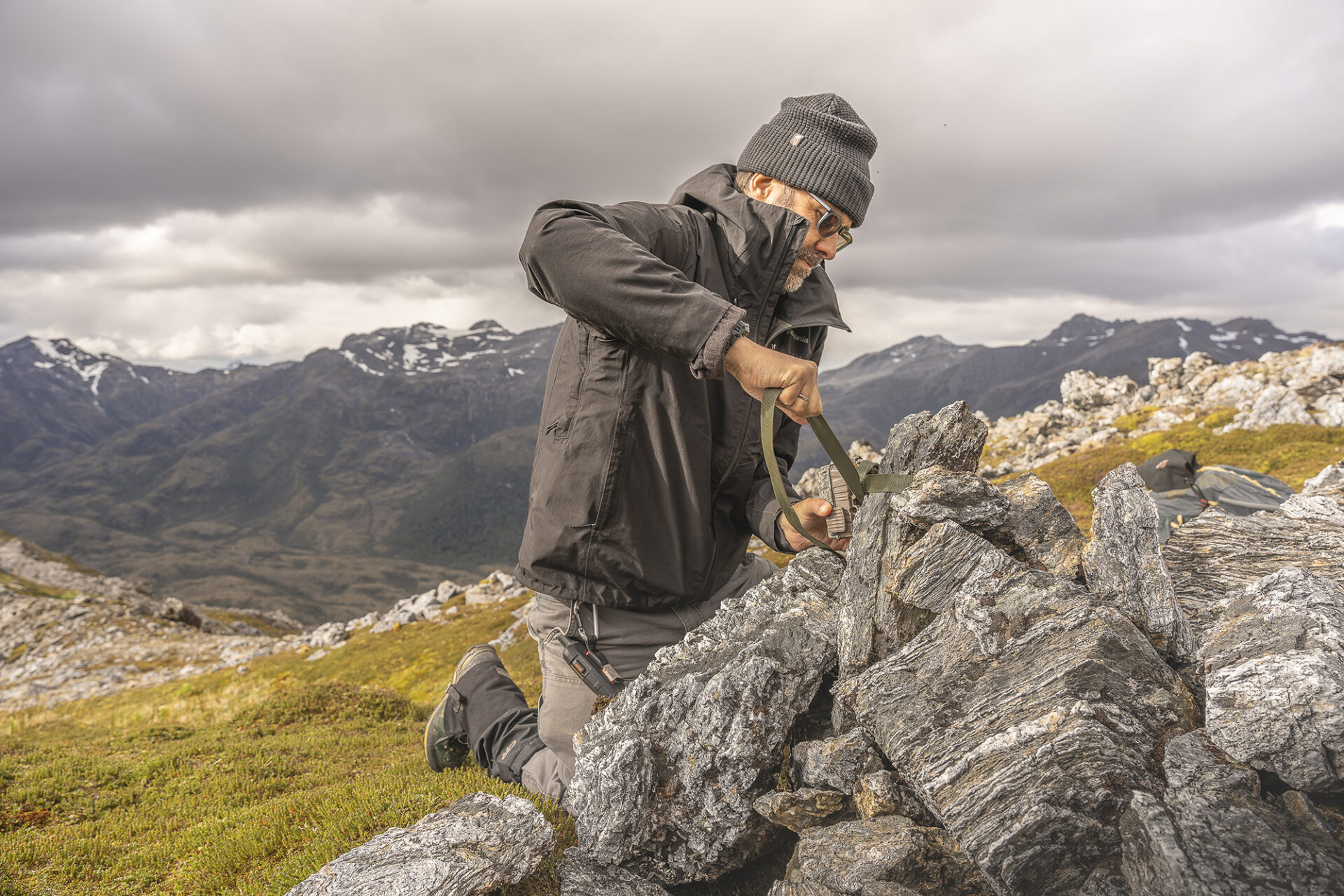
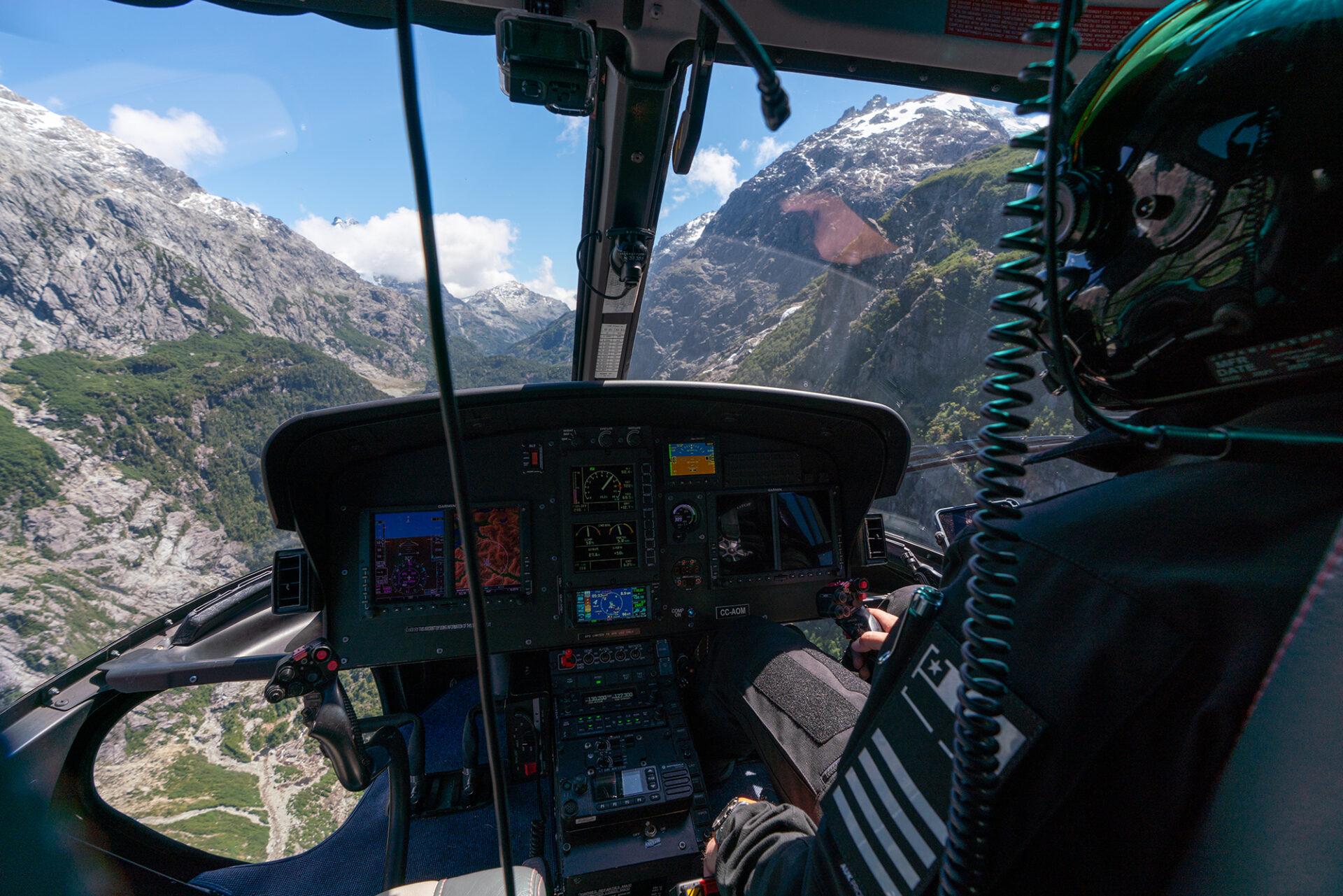
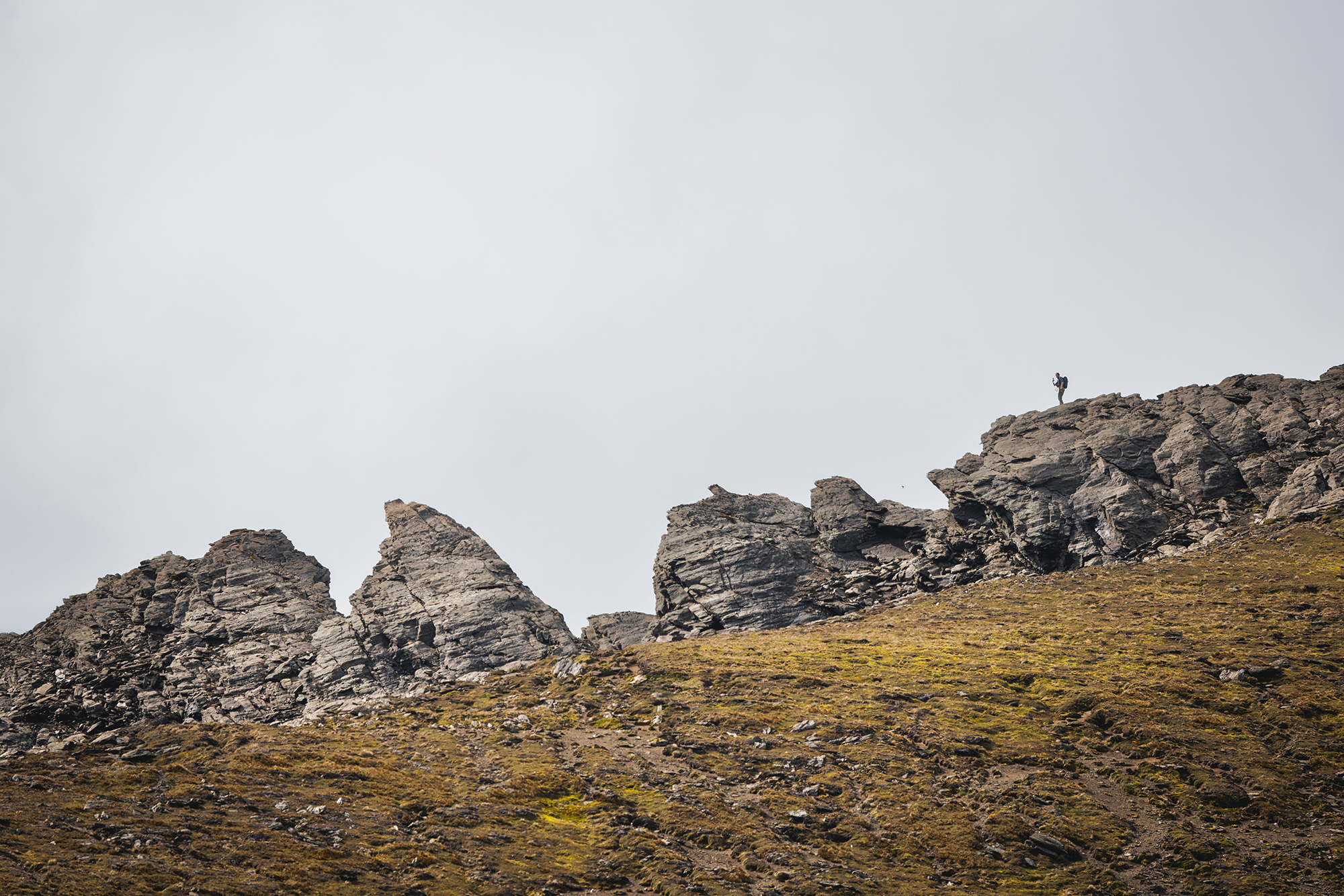
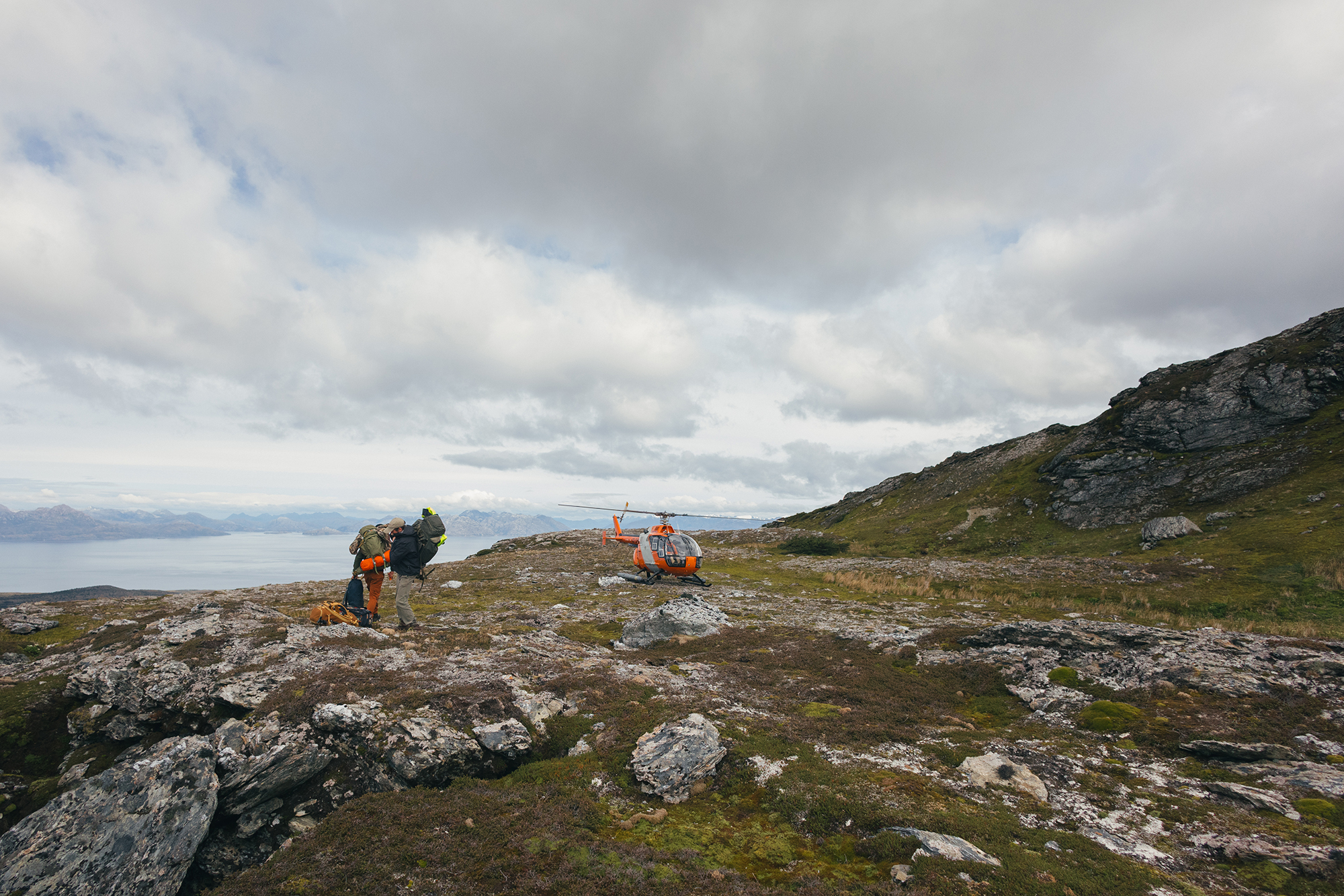
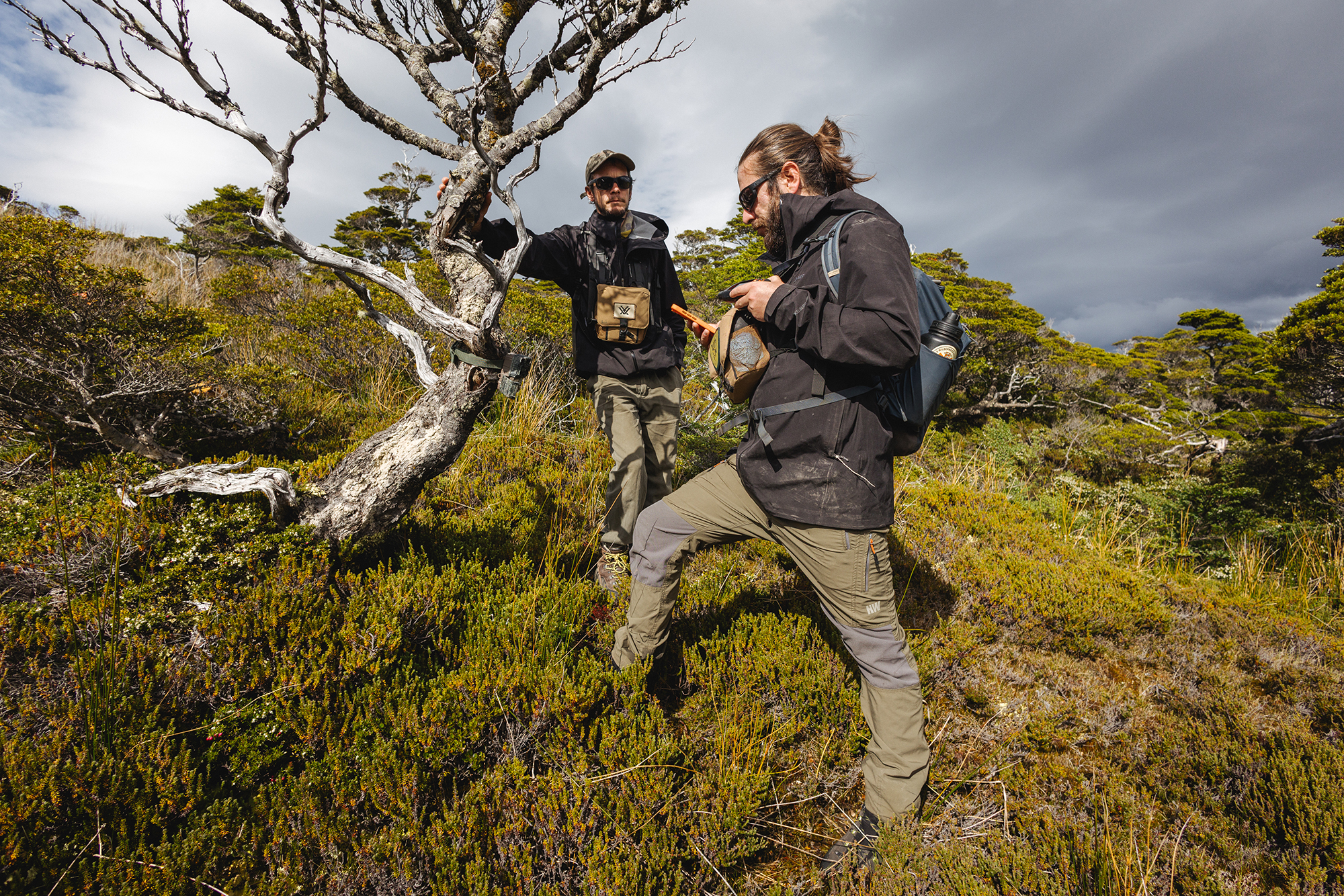
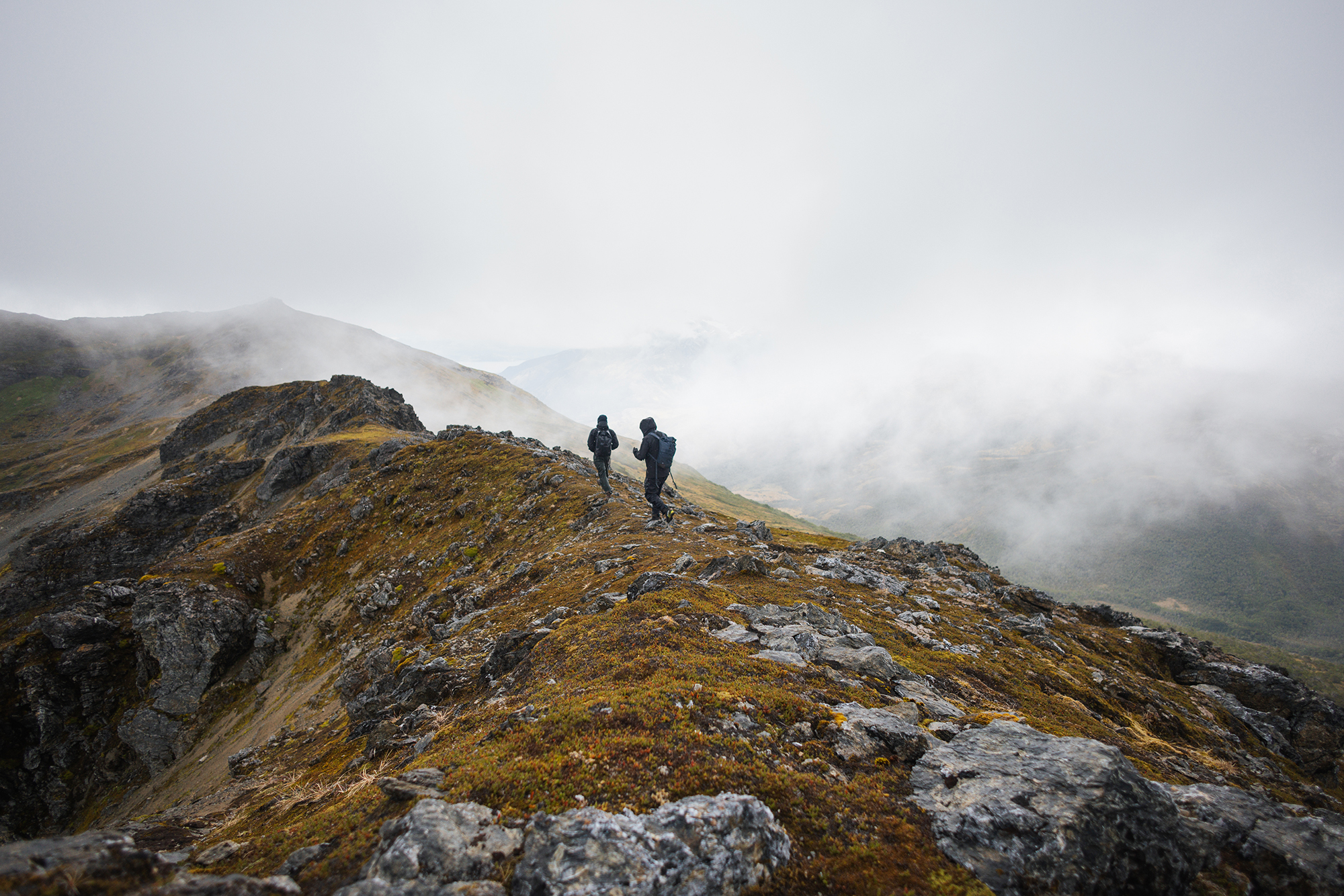
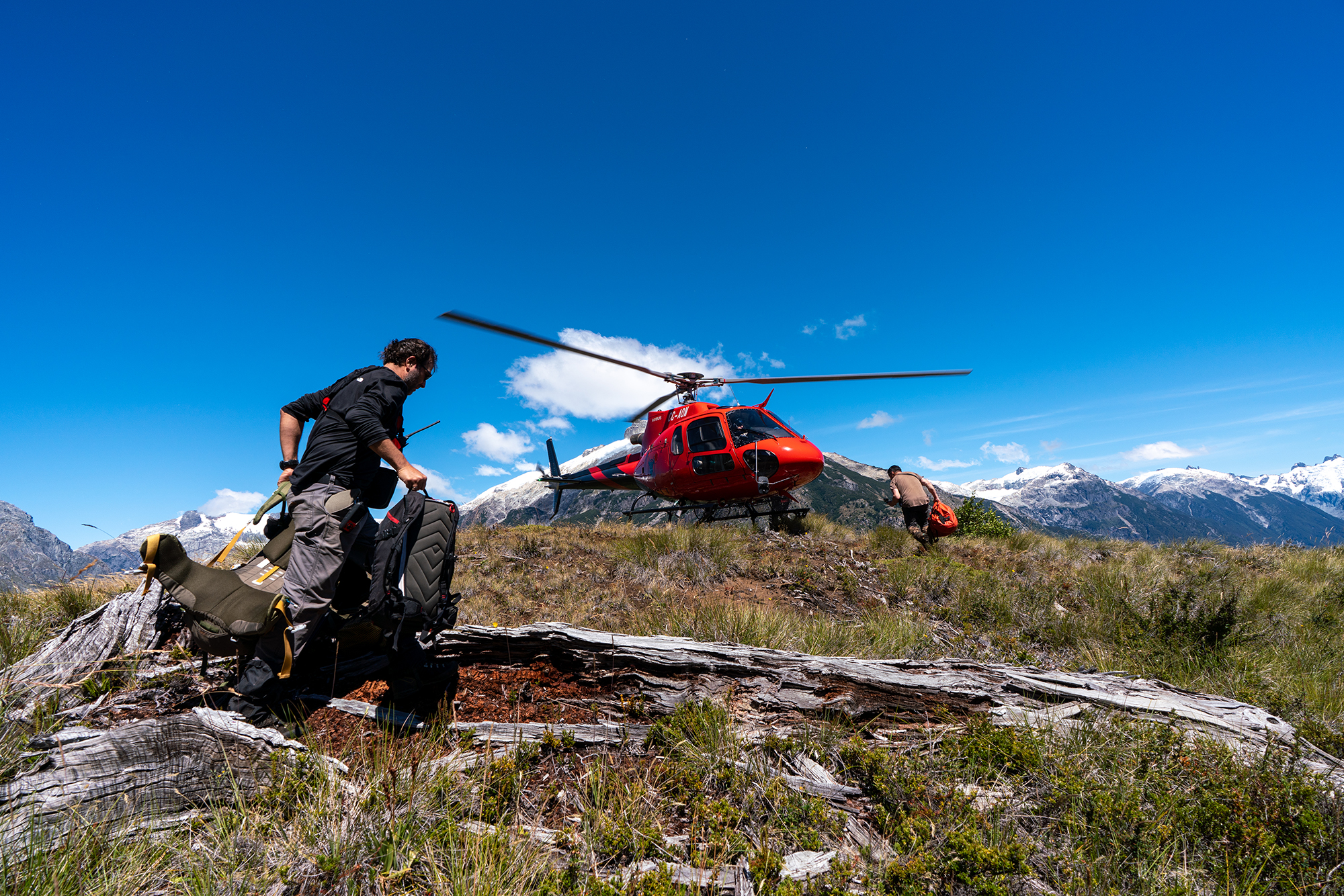
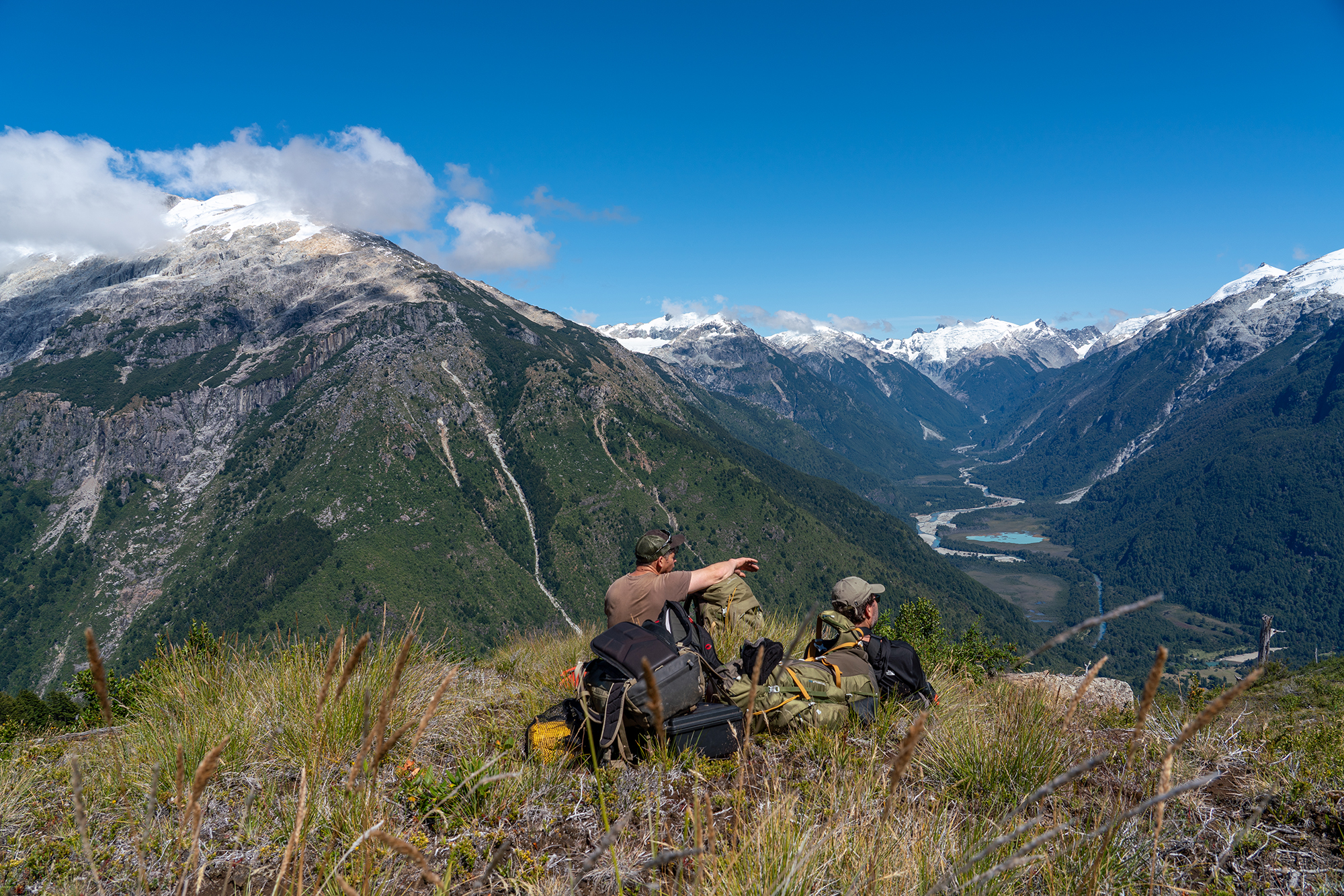
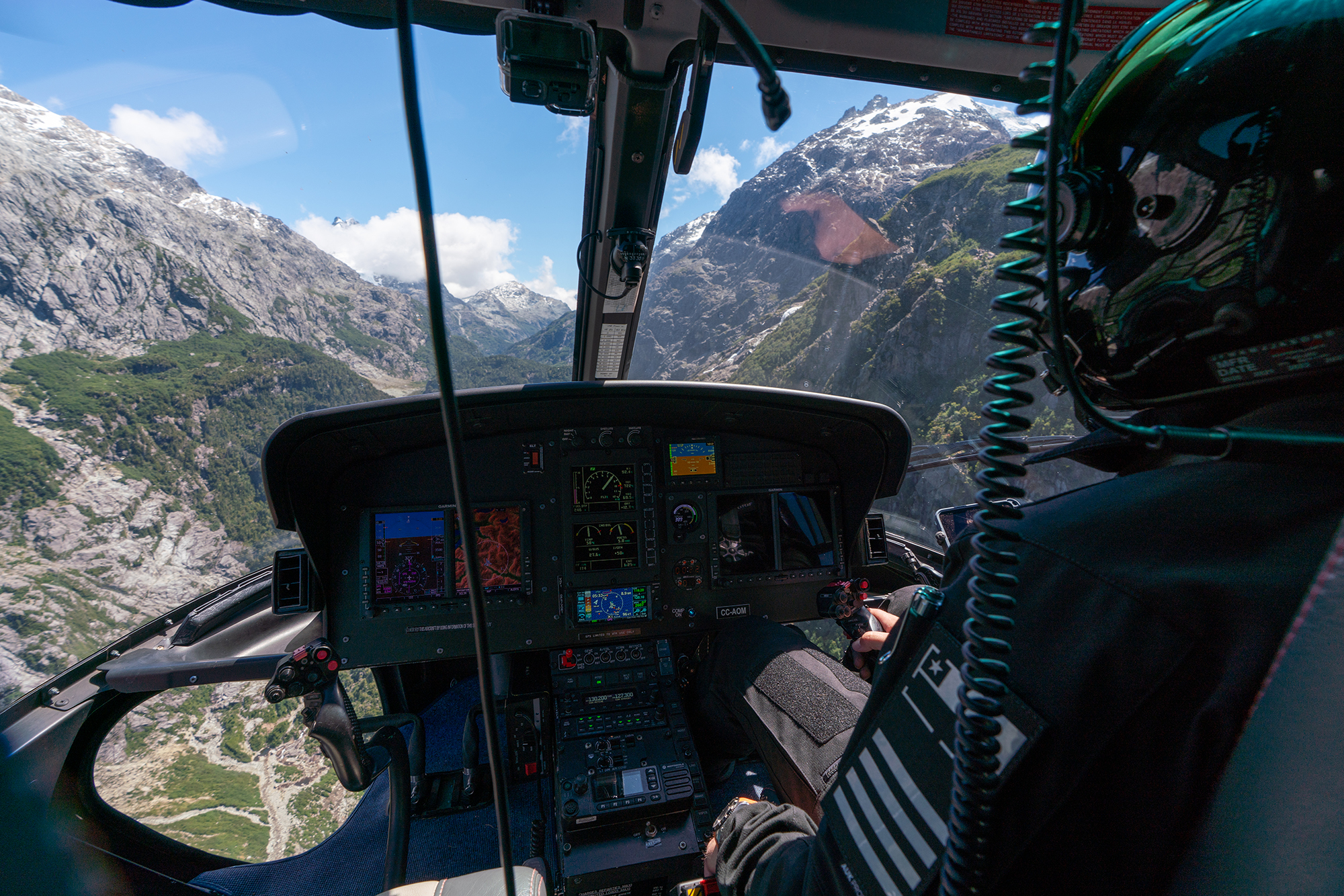
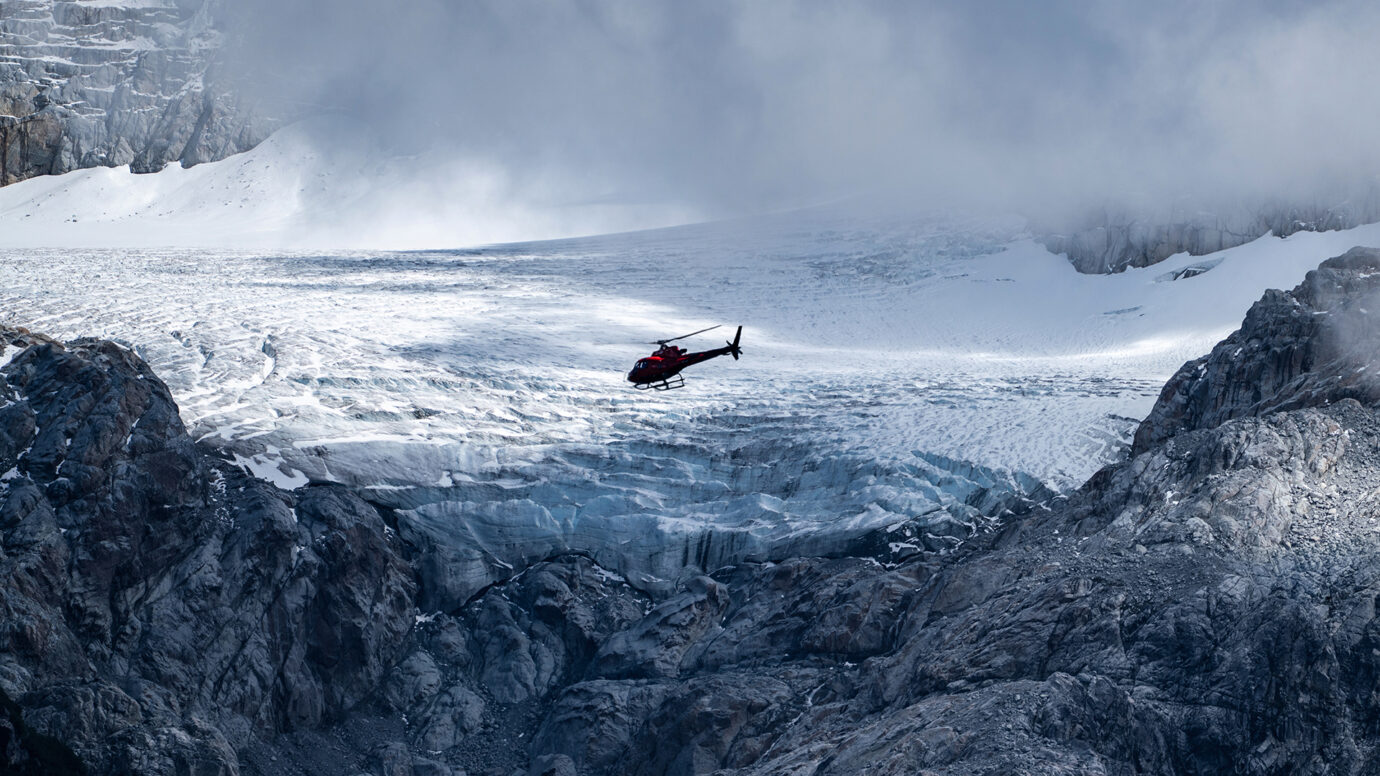
Thanks to helicopter support, the Wildlife team of Rewilding Chile Foundation has been able to reach hard-to-access areas in the Los Lagos and Magallanes regions to install camera traps and gather information for the development of conservation strategies focused on the huemul deer as an umbrella species for Patagonia’s ecosystems.
Foto: Maximiliano Gómez para Rewilding Chile
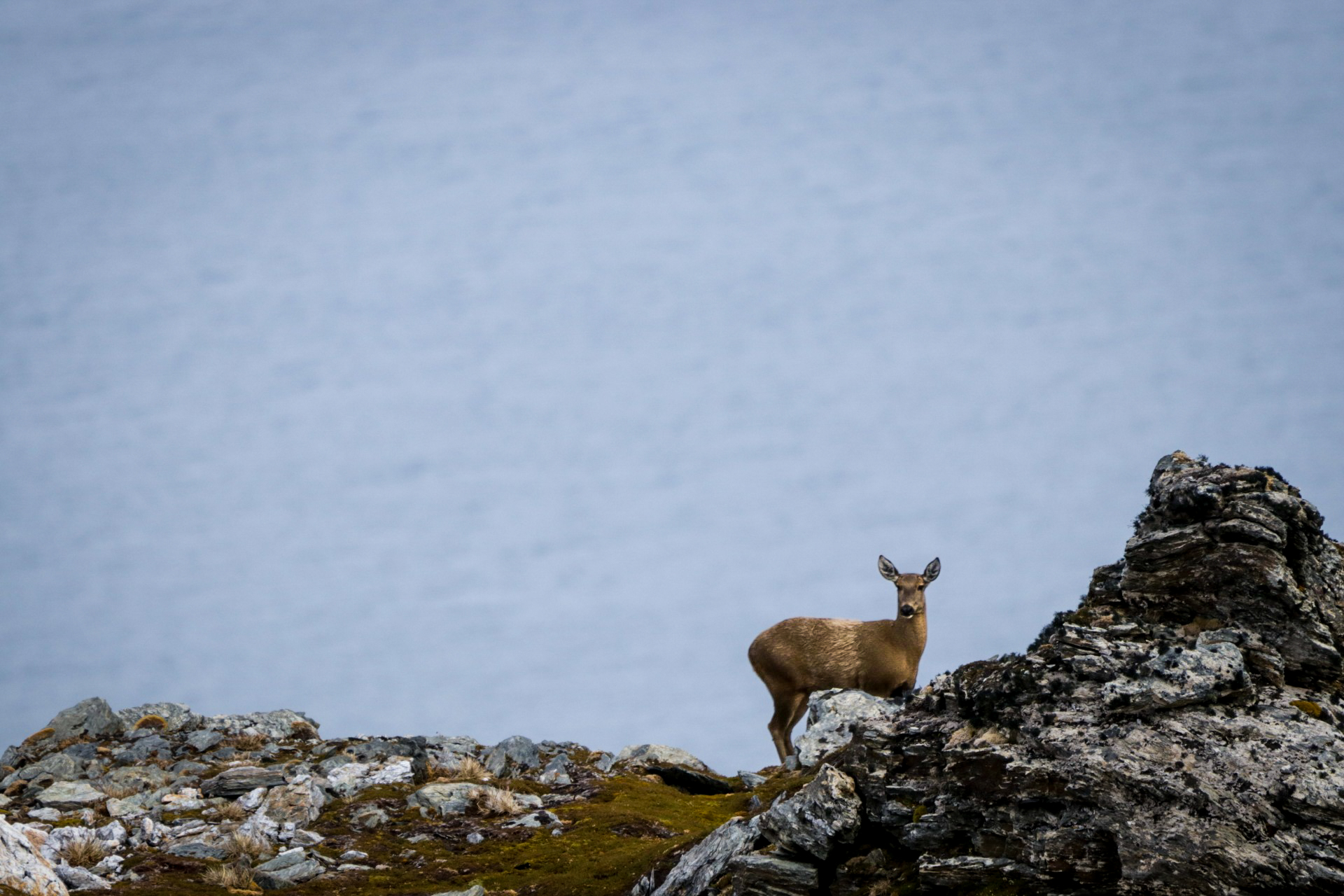
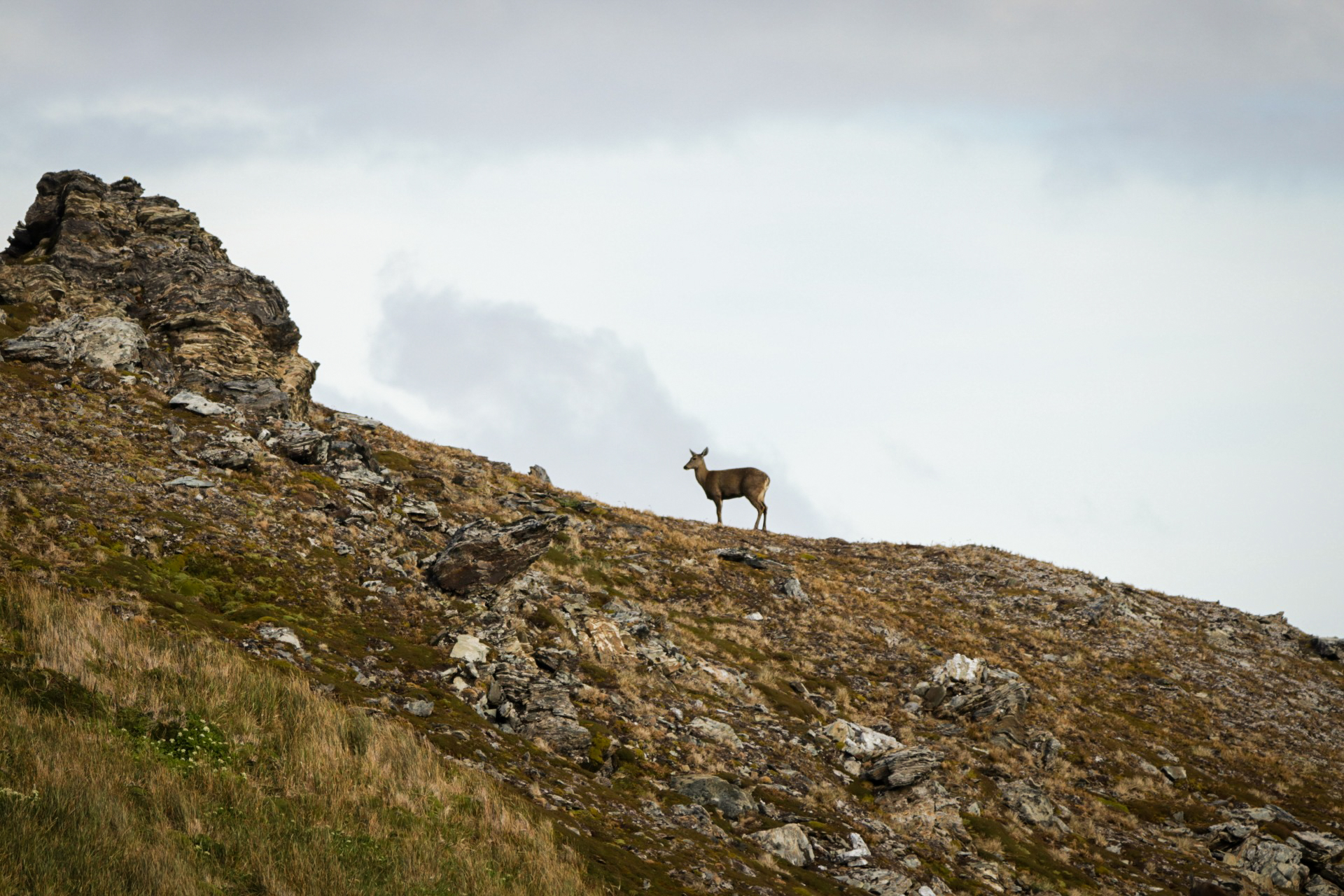
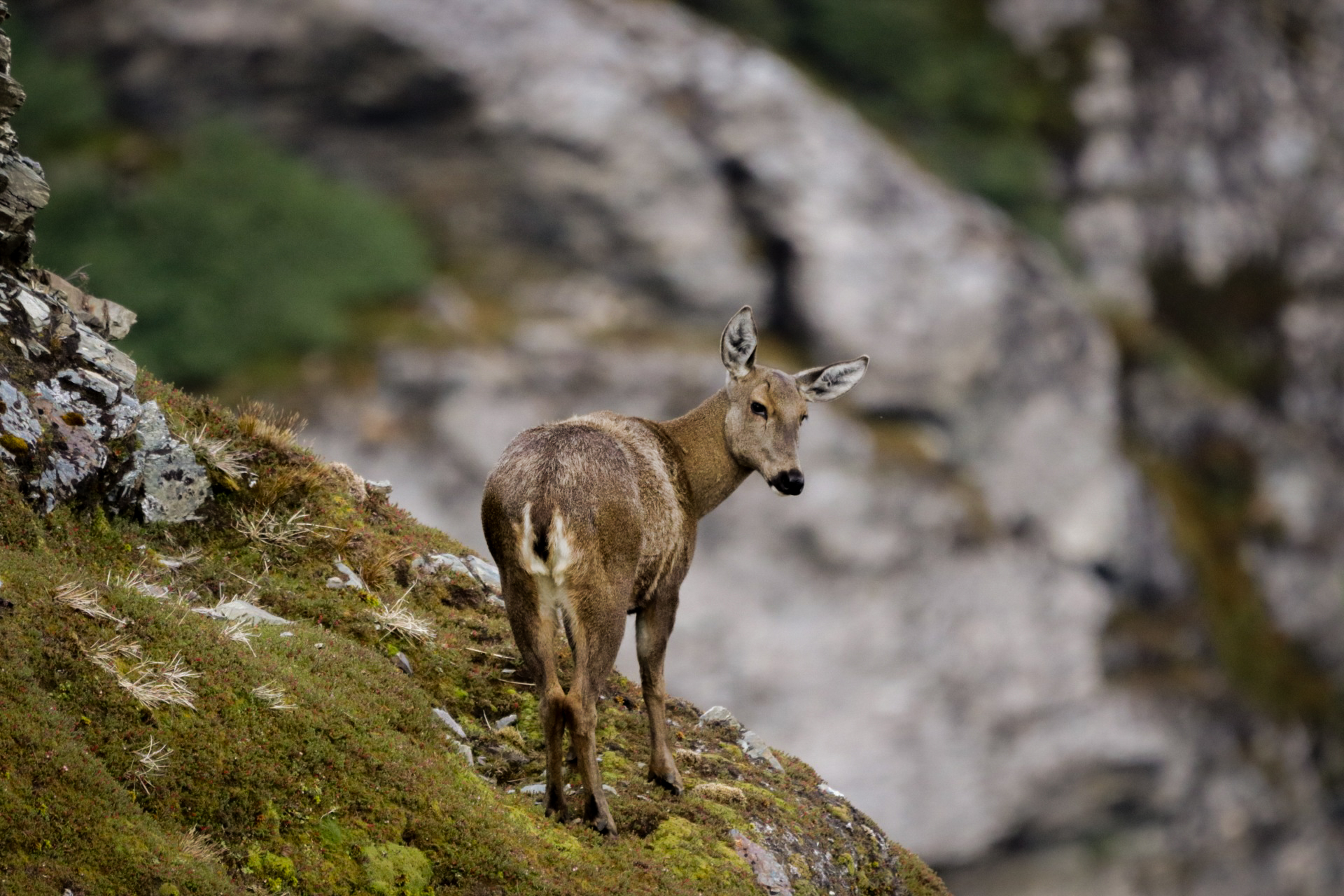
The huemul, the southernmost deer species in the world and endemic to Chile and Argentina, is facing a critical moment, with only an estimated 1,500 individuals remaining — just 1% of its original population. Public-private efforts to strengthen its populations and remove it from the IUCN Red List have been ongoing for more than 20 years, and every conservation action and new discovery brings renewed hope for developing measures to help recover the species.
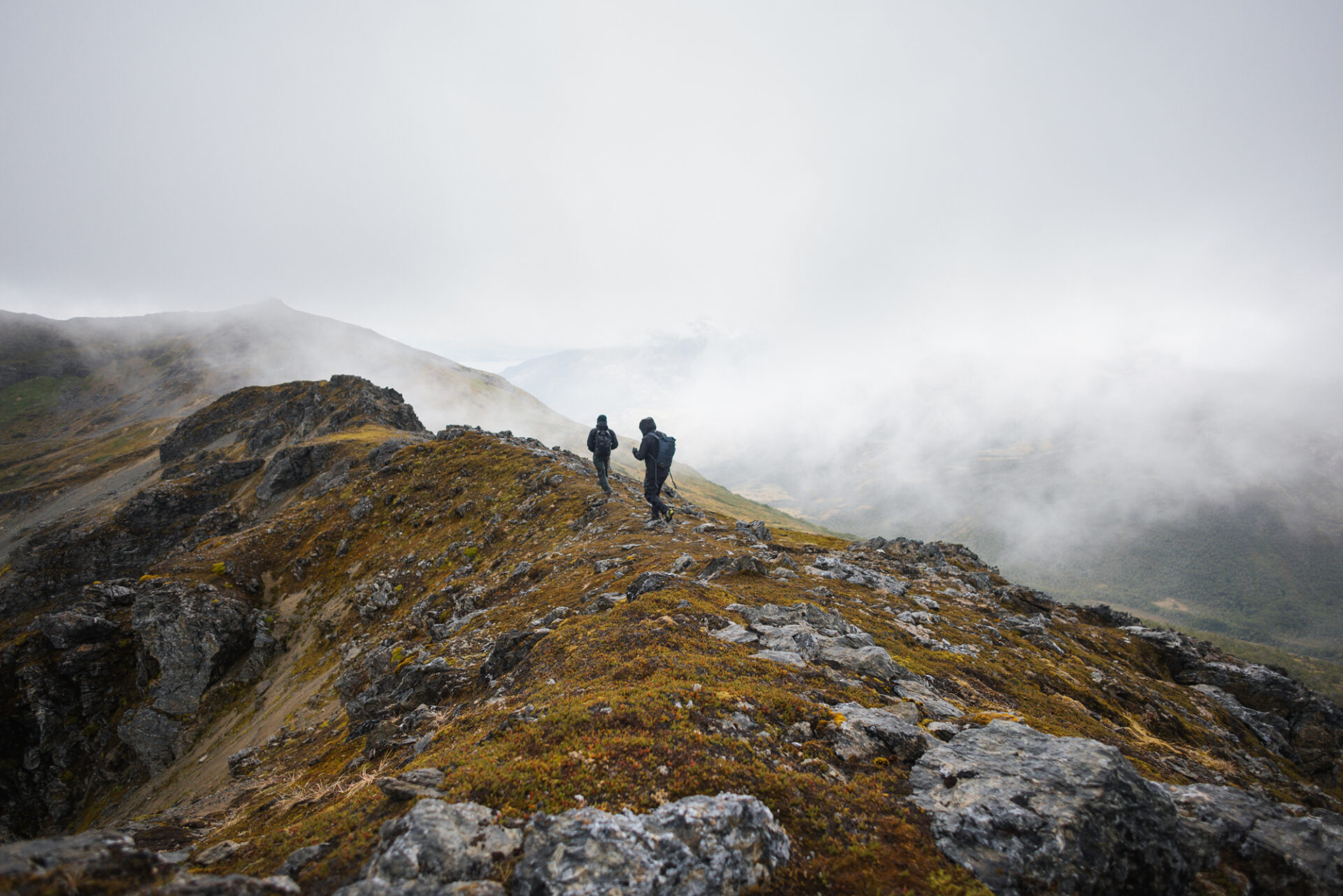
However, obtaining information about this species is no easy task. Its fragile conservation status, resulting from a series of human-driven threats such as illegal hunting, forest fires, the impact of invasive species, habitat fragmentation, and habitat degradation, has forced it to inhabit remote areas.
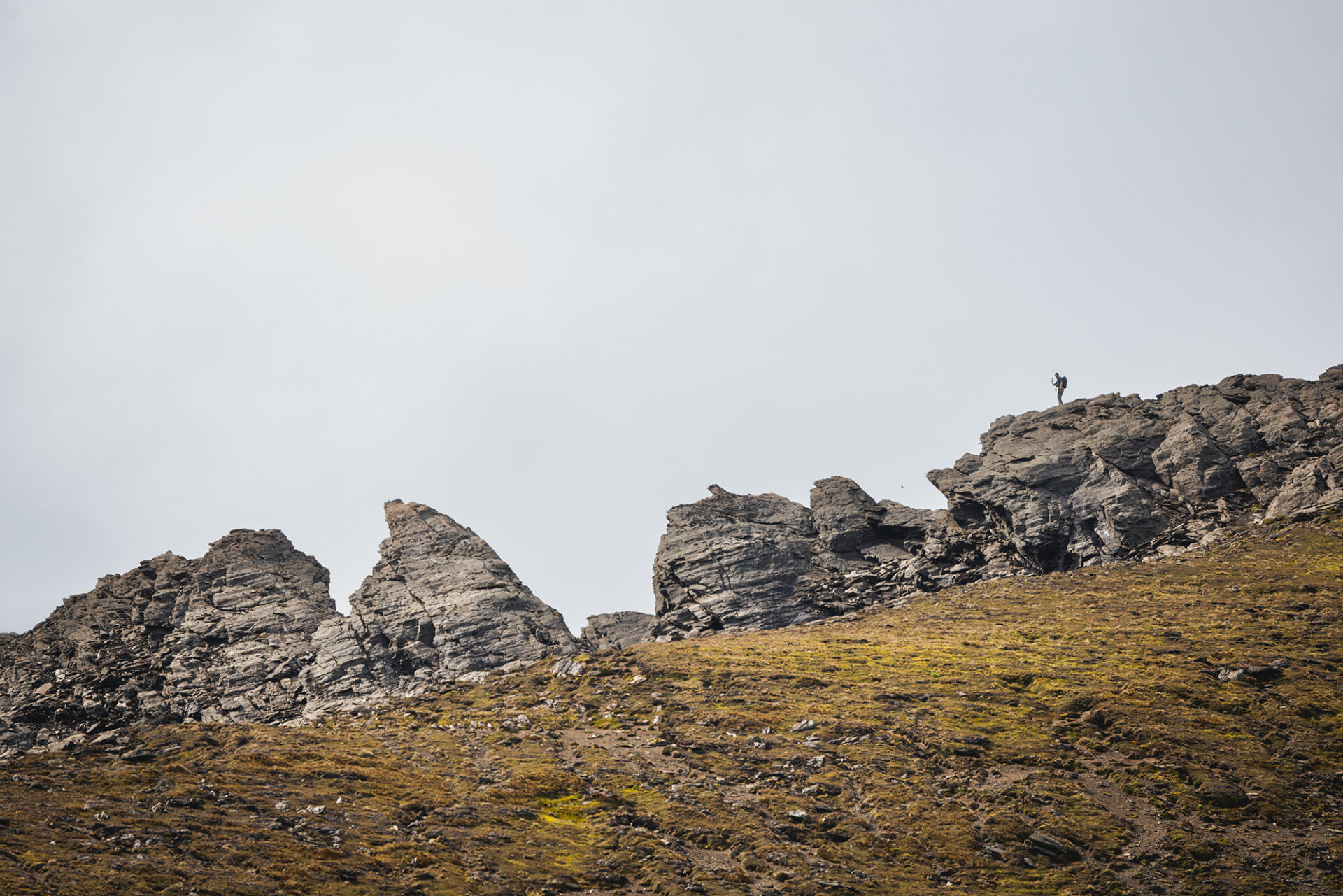
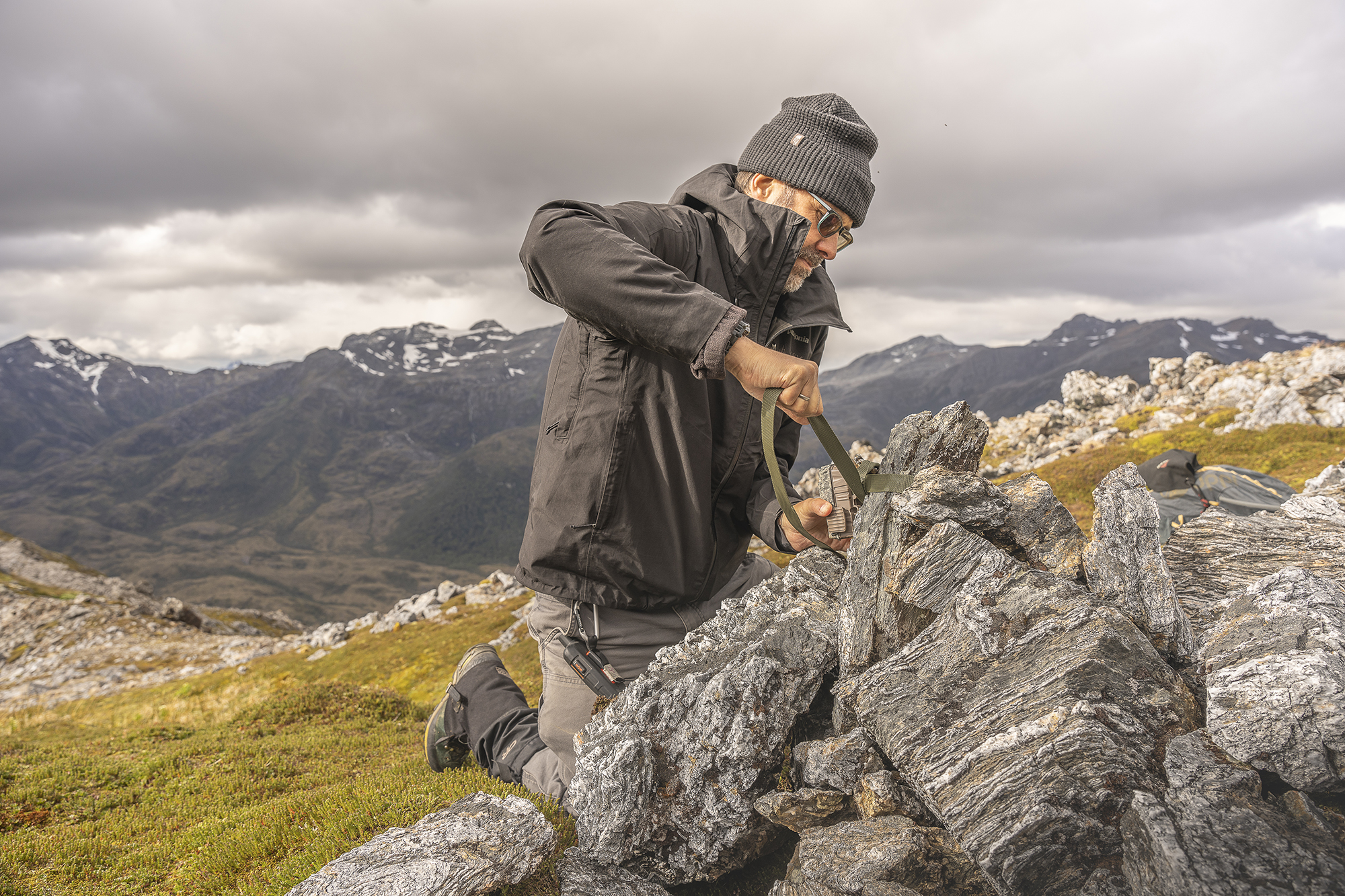
To assess the presence of the species in unexplored places with limited access, Rewilding Chile teams carry out the Heli Huemul campaigns, where helicopter support allows access to strategic locations for monitoring activities, including the installation of camera traps.
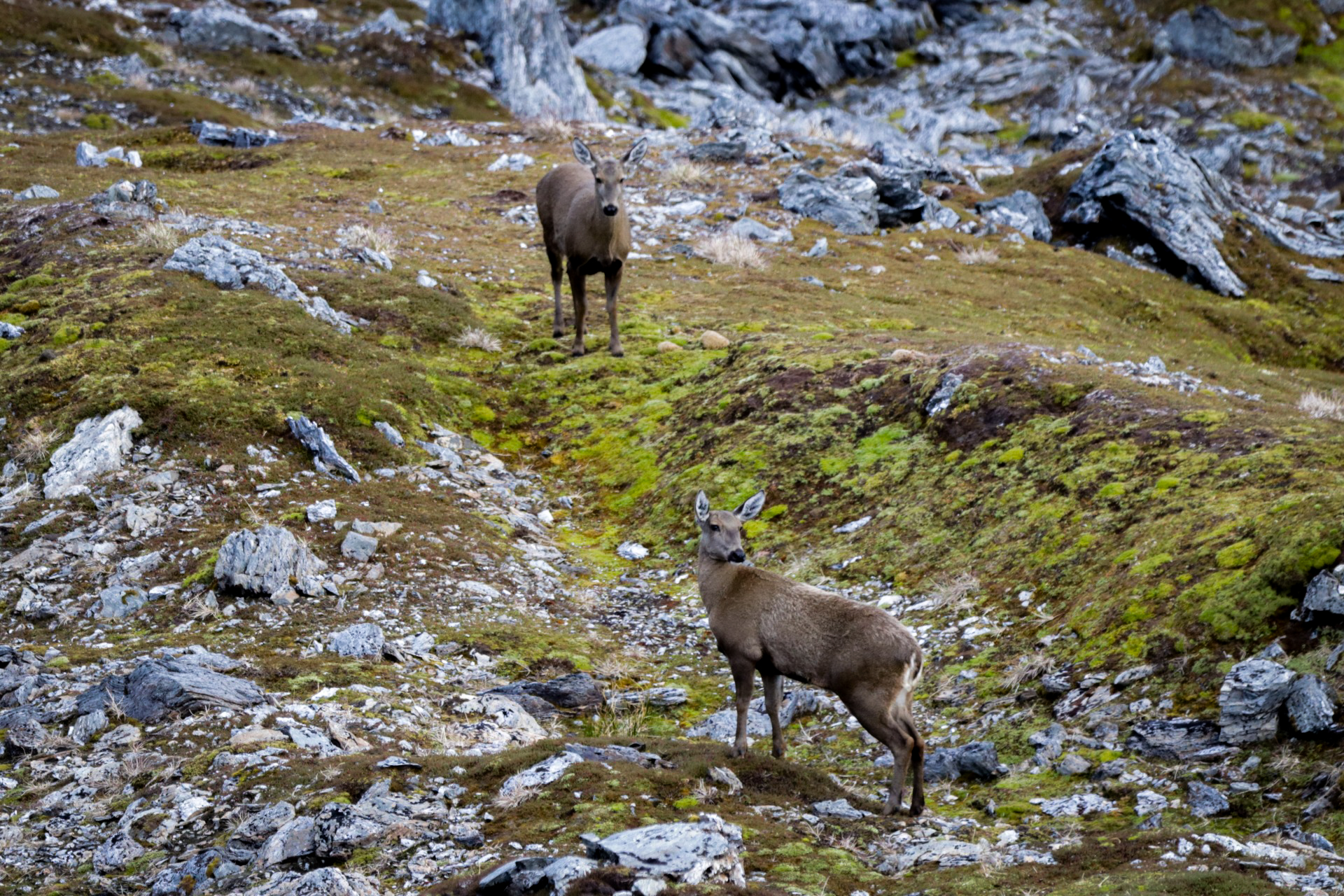
Thanks to Heli Huemul, teams have been able to explore areas within the future Cape Froward National Park in the Magallanes region, reaching high-altitude zones such as Bahía Cordes and Fortescue, as well as Puerto Gallant. In 2025, with helicopter support, a joint expedition by Rewilding Chile and Conaf teams successfully installed 20 camera traps, leading to the discovery of the southernmost huemul subpopulation in the world. The cameras installed during that expedition were retrieved in a recent campaign conducted in February 2026.
“After a year of monitoring, we now have a complete and unprecedented record of the area’s vertebrate fauna, with images not only of huemuls, but also pumas, culpeo foxes, and birds such as the buff-winged cinclodes, upland geese, ashy-headed geese, Patagonian tyrant, austral canastero, austral mountain partridge, among other species. With this survey, we can now estimate minimum huemul numbers in the mountain ranges, assess their condition, and propose concrete conservation actions within the future national park area,” says Cristián Saucedo, Director of the Wildlife Program at Rewilding Chile.
About 1,800 kilometers farther north, in Pumalín Douglas Tompkins National Park, the Heli Huemul initiative was also used to evaluate the presence of the southern deer in areas where sightings had been reported, although no visual records previously existed.
After planning the sampling grid design using satellite imagery, and with logistical support from Nicolás Ibáñez, his helicopter, and his team, the installation of camera traps in Northern Patagonia began in 2025. After nearly a year of monitoring, species such as the southern viscacha, pudú, güiña, Andean hummingbird, black-throated huet-huet, chucao tapaculo, and others were identified, along with the concerning appearance of wild boar hybrids with domestic pigs. Any huemul records? None so far in those sectors.
“With this survey, we can now estimate minimum huemul numbers in the mountain ranges, assess their condition, and propose concrete conservation actions within the future national park area”.
Cristián Saucedo explains that not finding traces of huemuls in this area is also an important result, “as it fills a major information gap that existed for a long time,” adding that sightings of huemuls in these regions “are never easy or simple, since we are generally faced with the reality of a species that lives in small groups, at low densities, with very few individuals per hectare, across vast mountainous territories.”
Currently, the Wildlife team at Rewilding Chile is working on processing the information and designing new sampling grids to install camera traps in other sectors of Patagonia, thus continuing the search for additional subpopulations of the species and outlining strategies for its conservation.
These expeditions are part of the Huemul Corridor, a public-private initiative aimed at developing concrete actions to restore huemul populations through the implementation of wildlife corridors in key conservation areas. As part of this vision, Rewilding Chile, with the support of various collaborators, promotes monitoring programs throughout the Huemul Corridor in areas such as Futaleufú National Reserve, Patagonia National Park, and Cerro Castillo. As part of these efforts, the first Huemul Rescue and Rehabilitation Center was inaugurated late last year in the Las Horquetas sector.