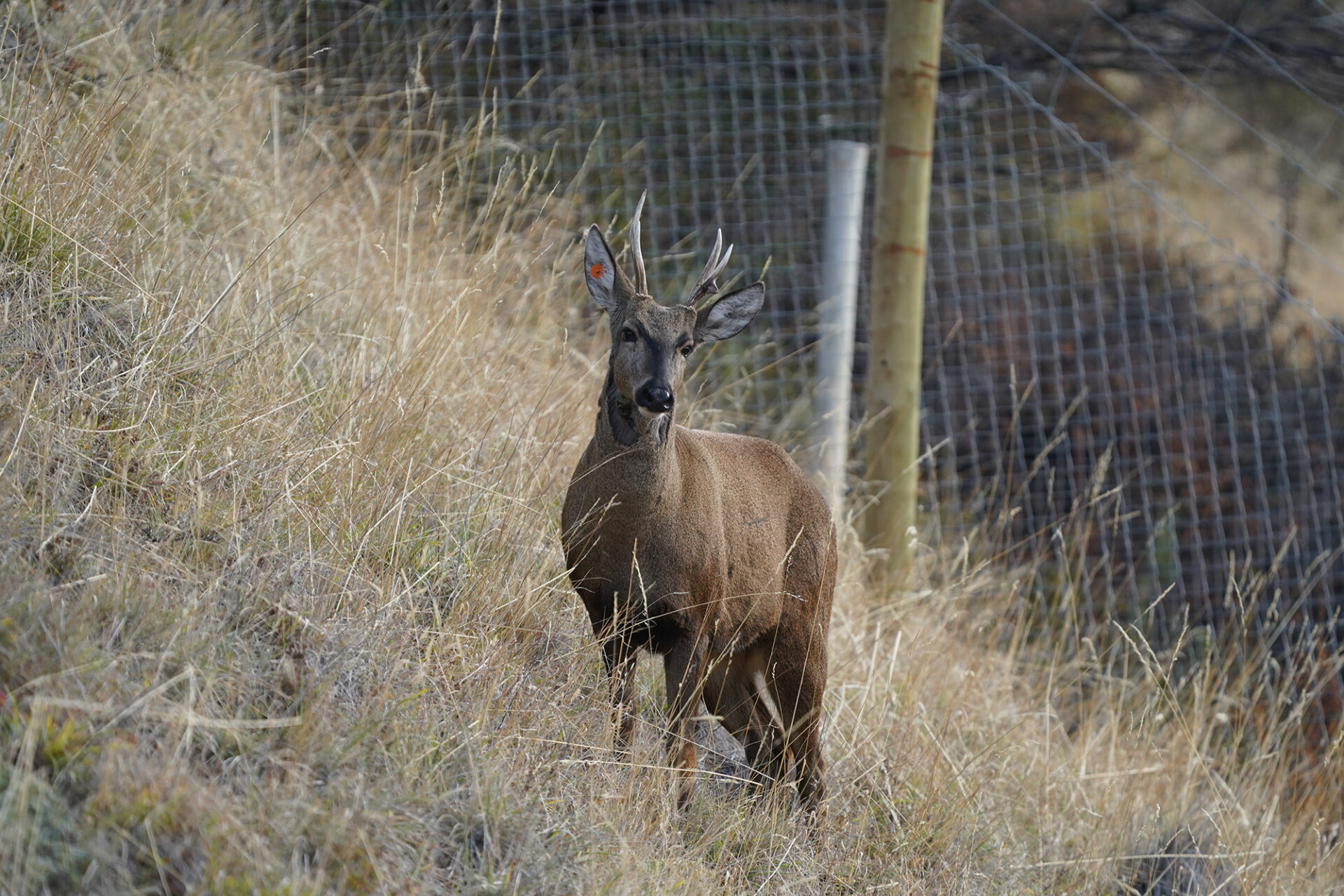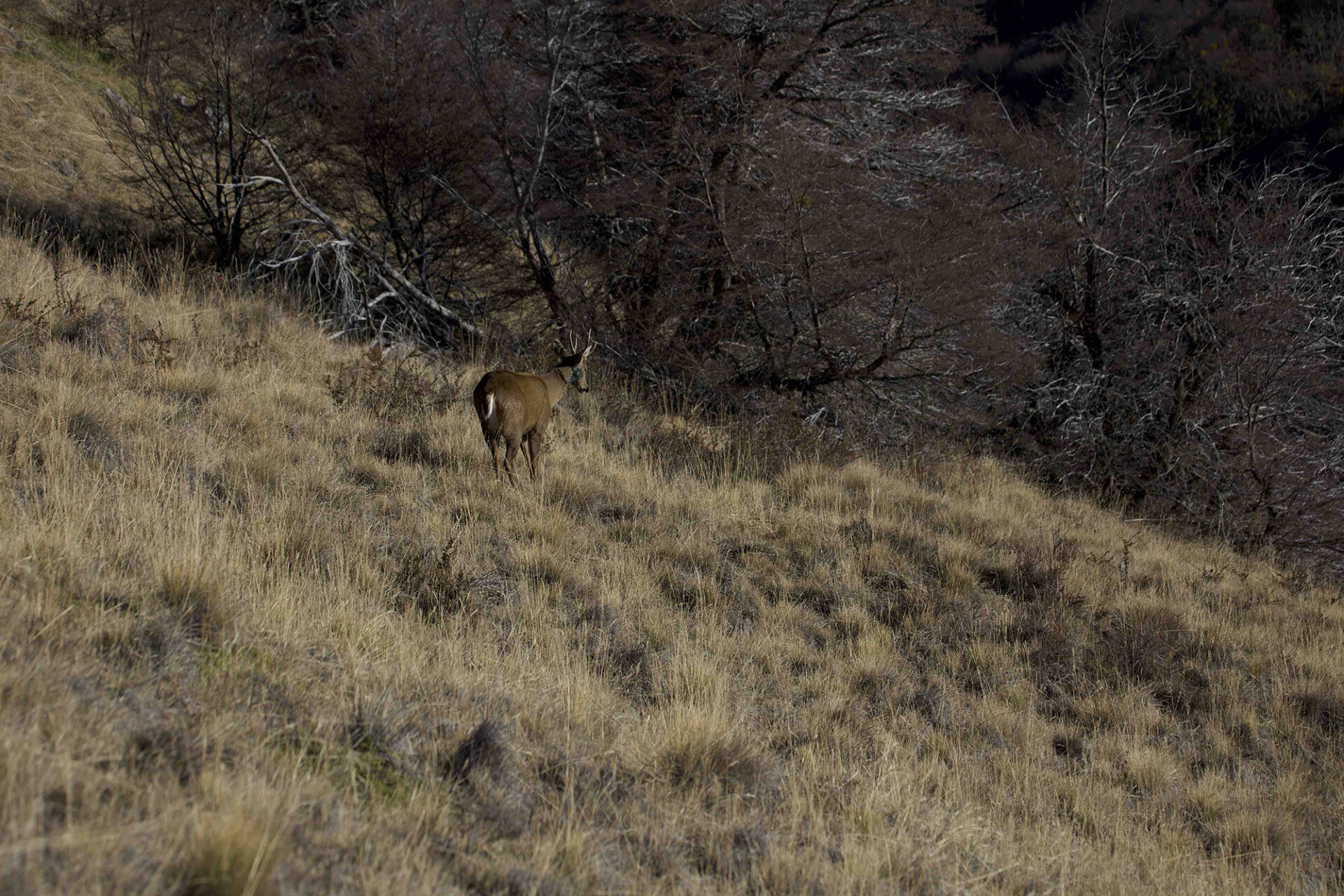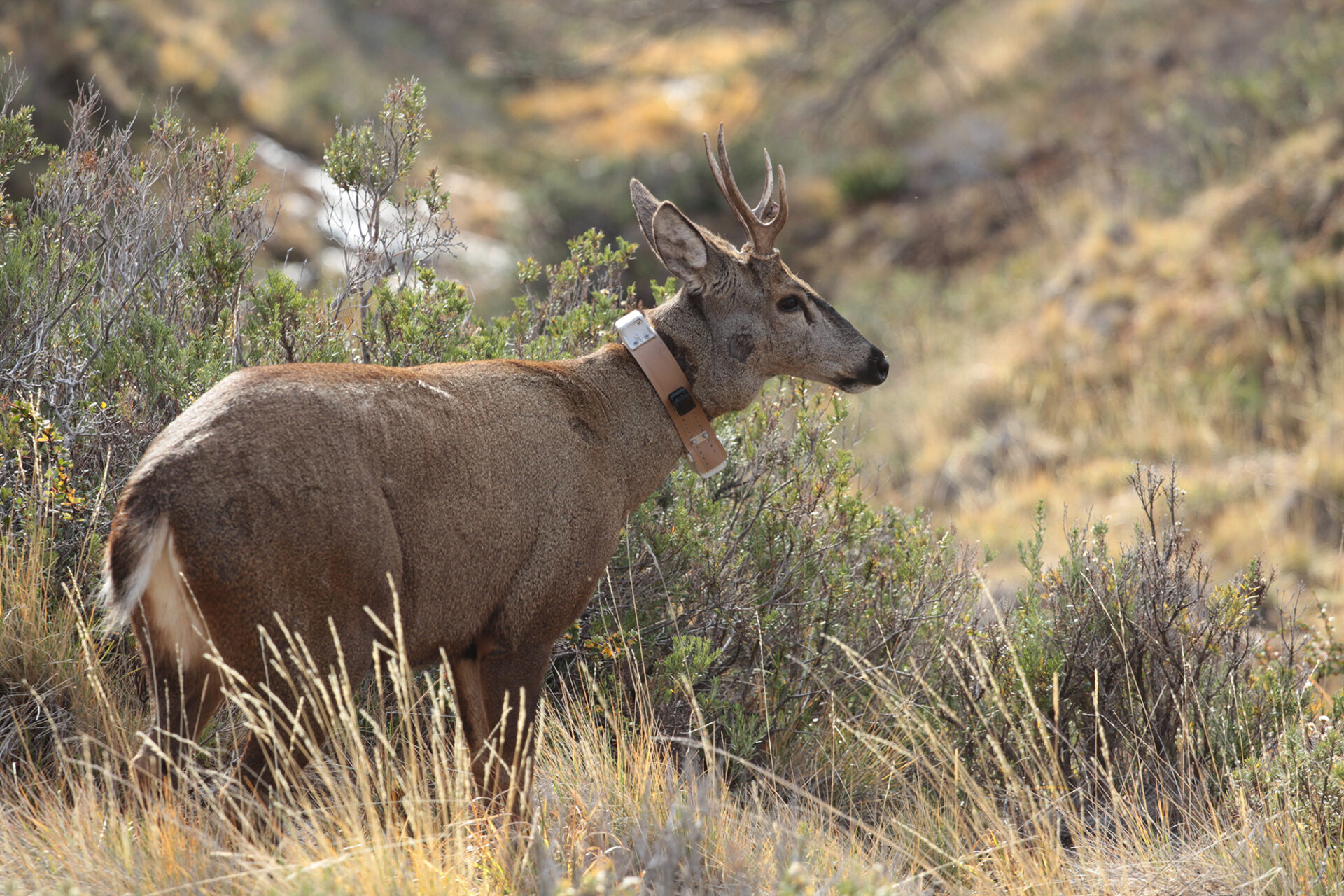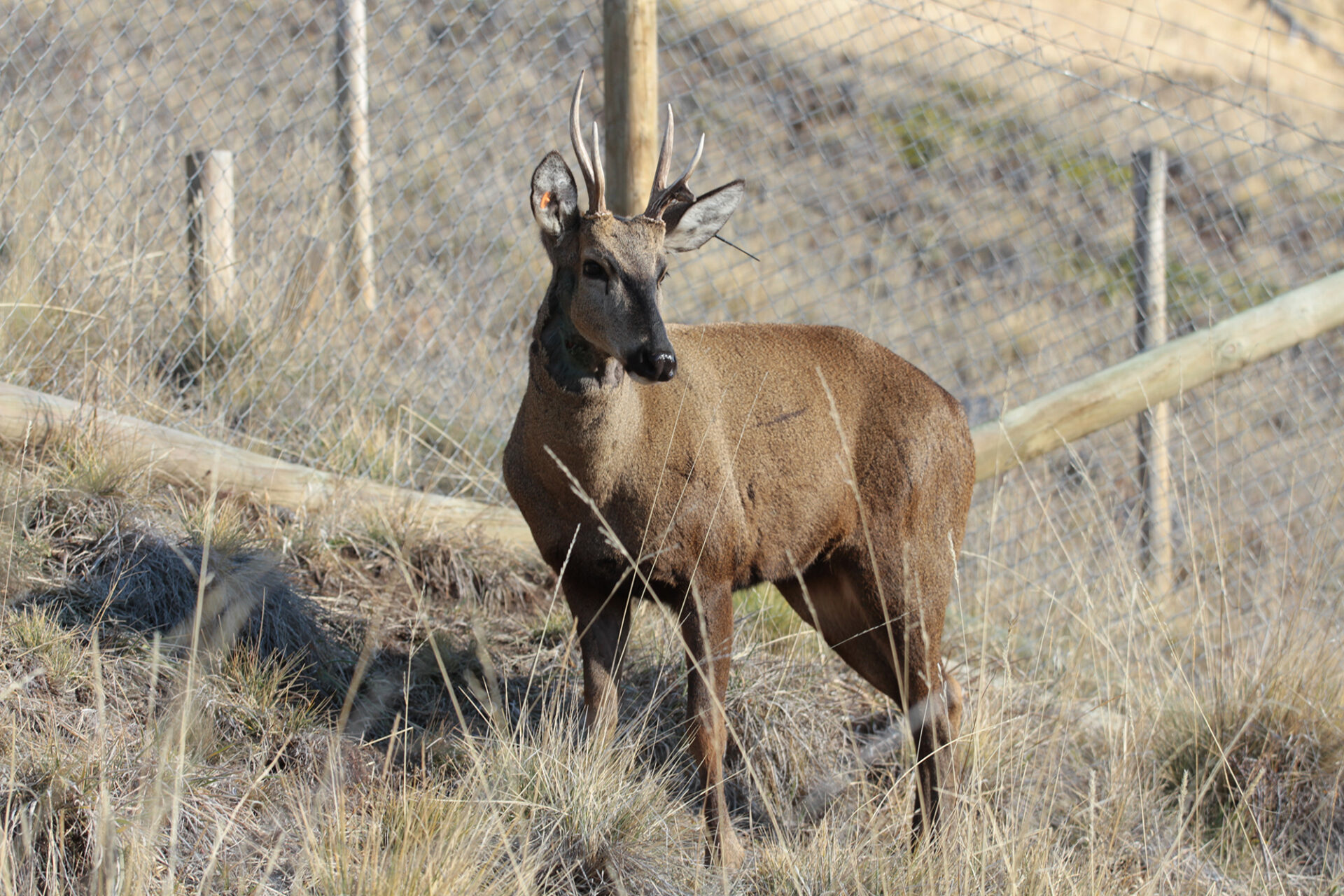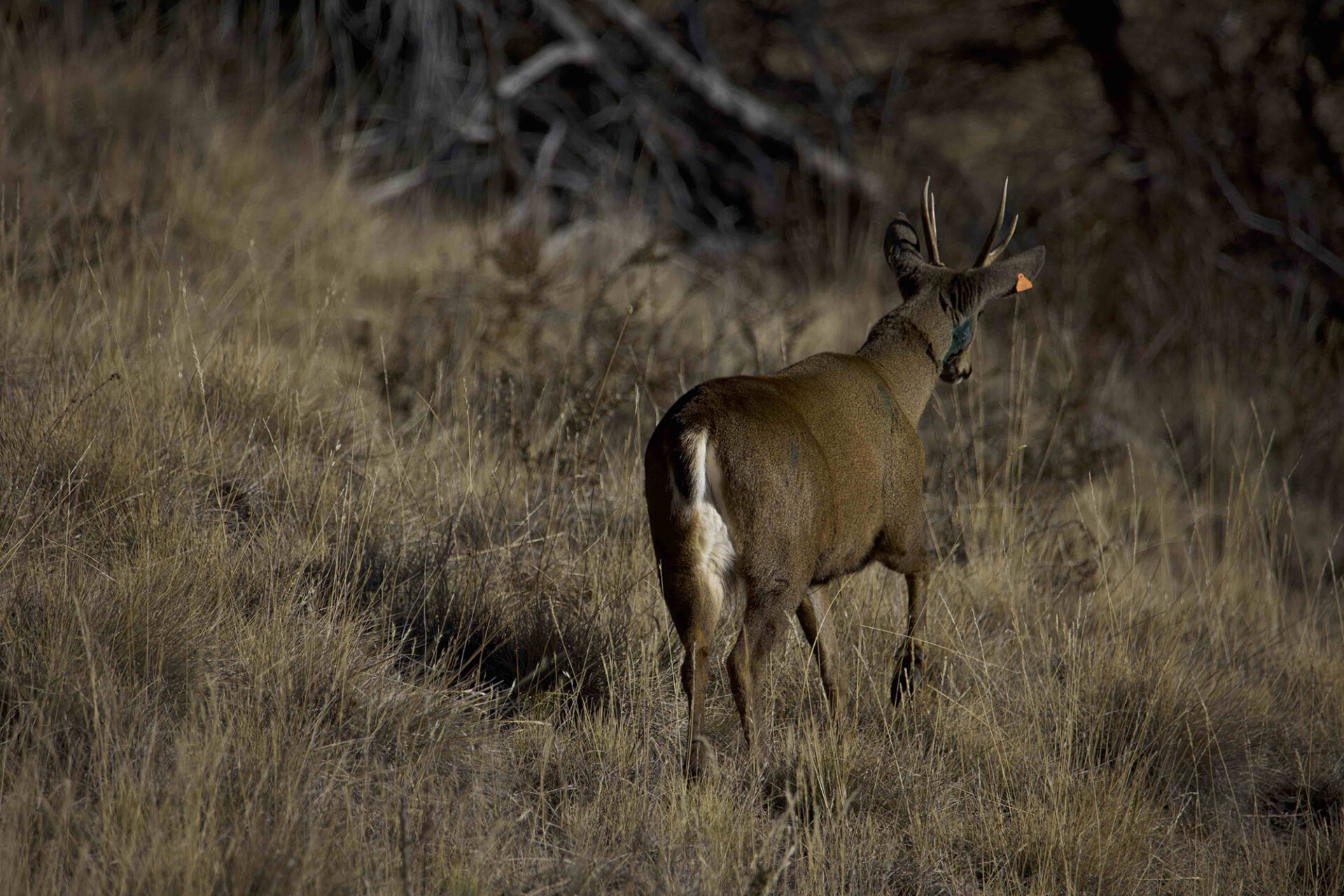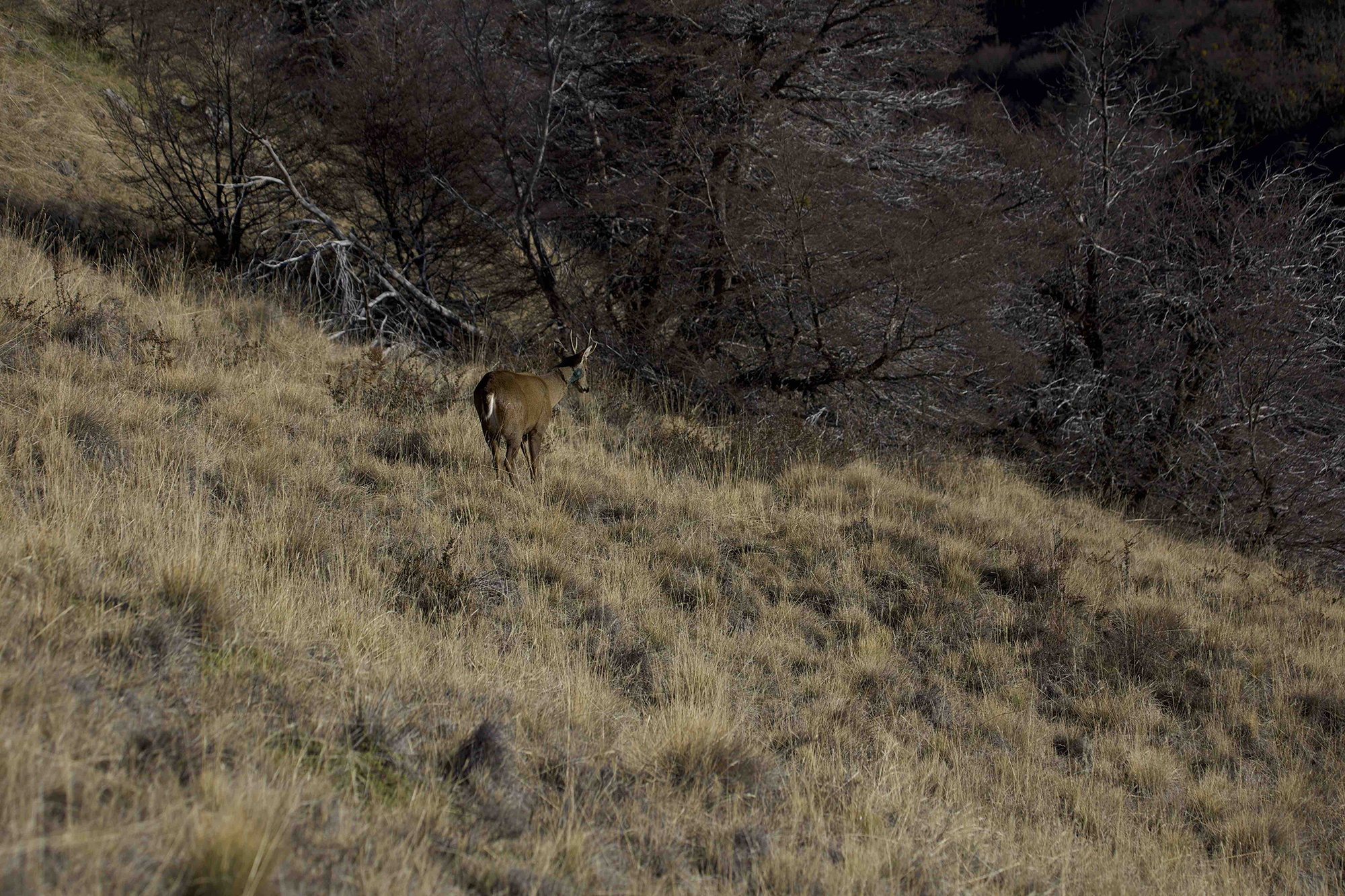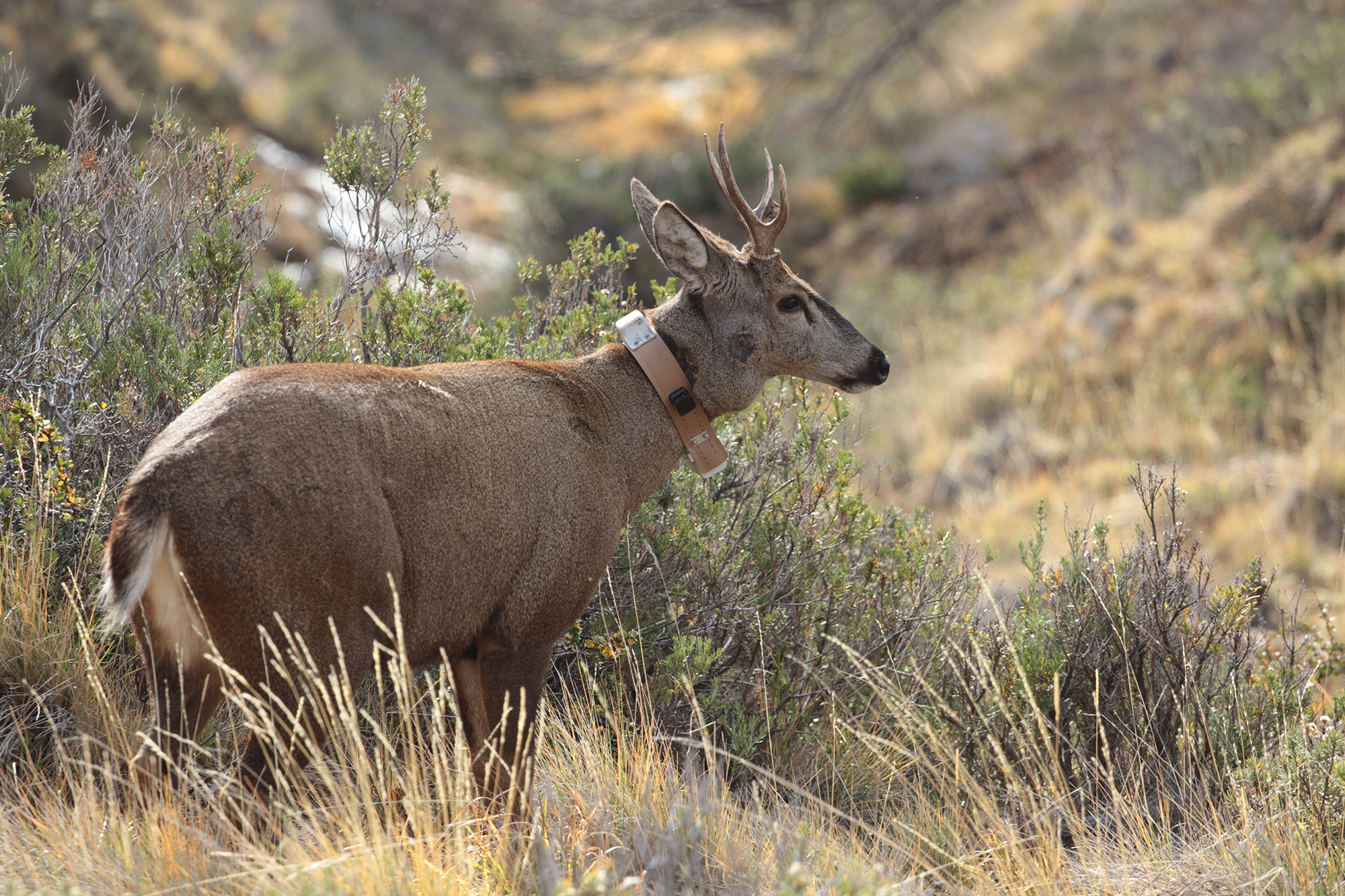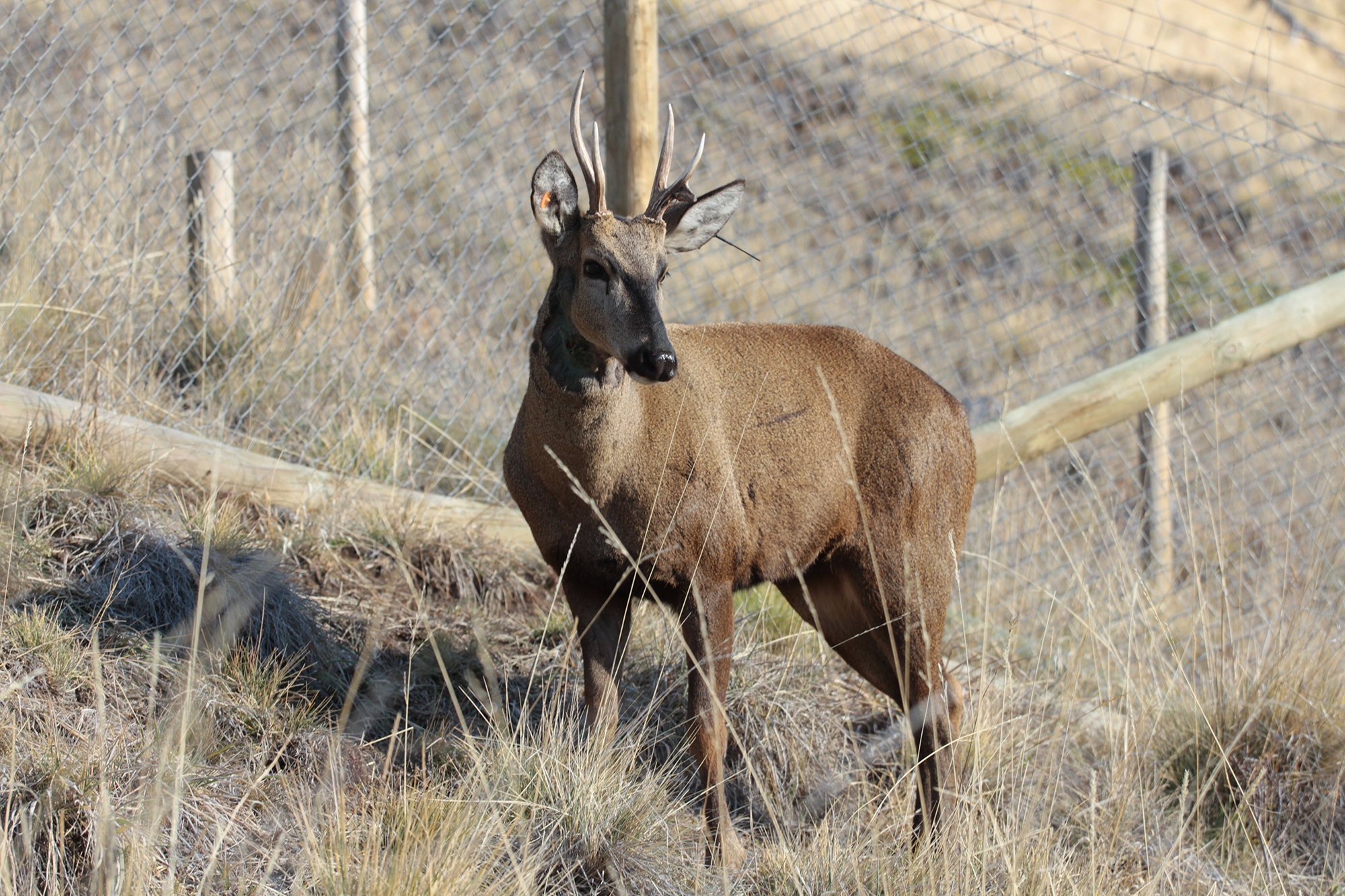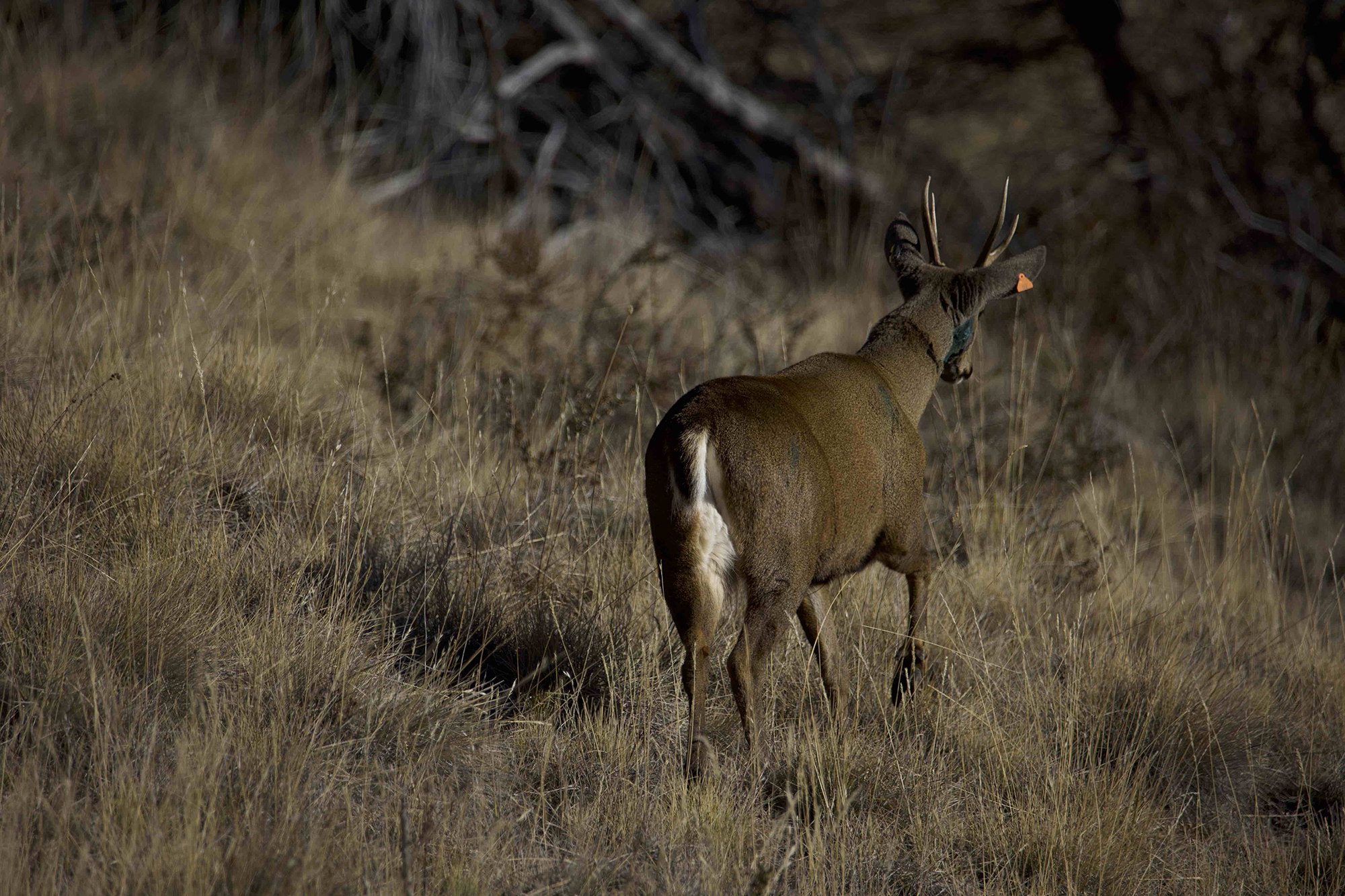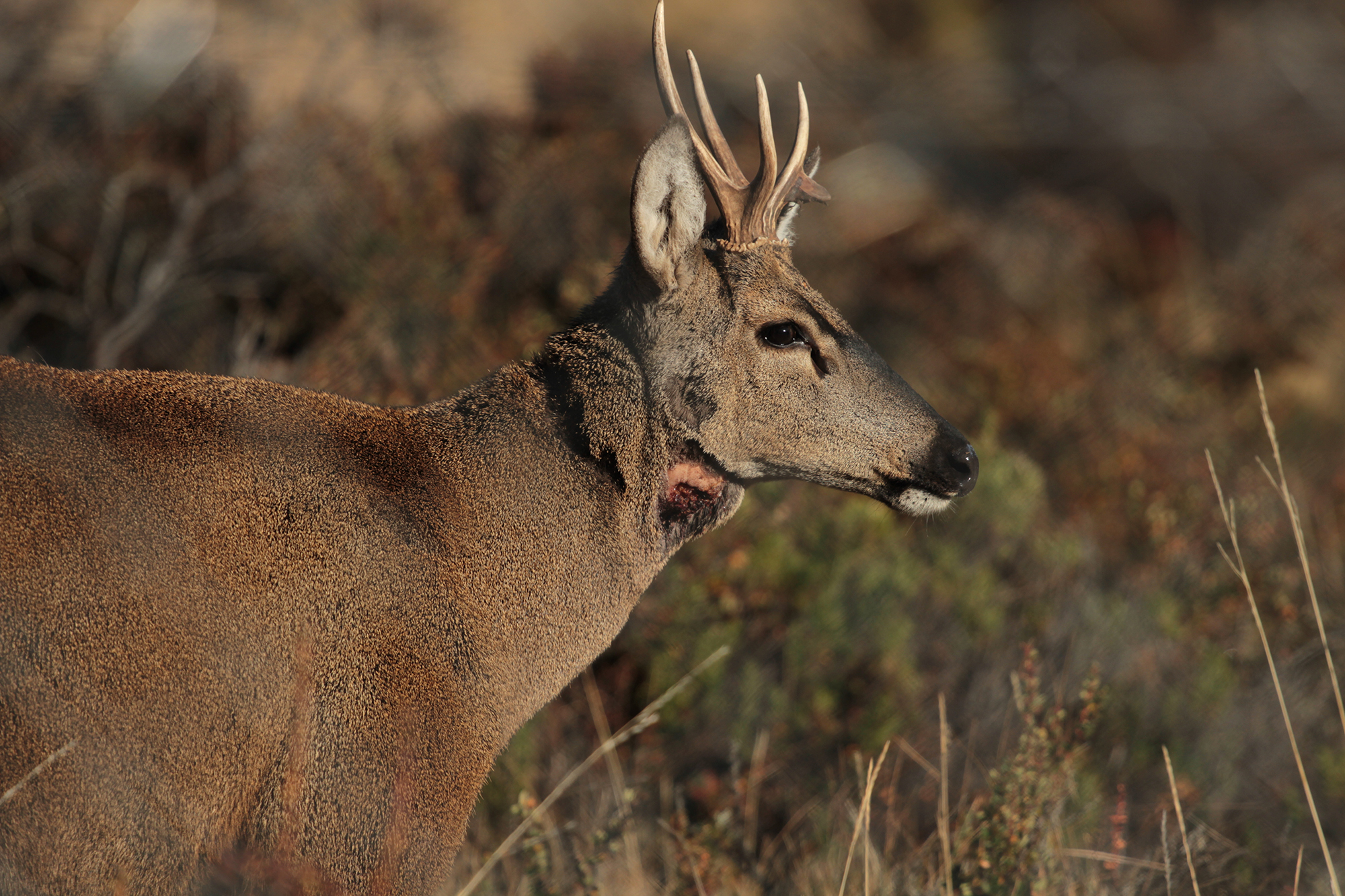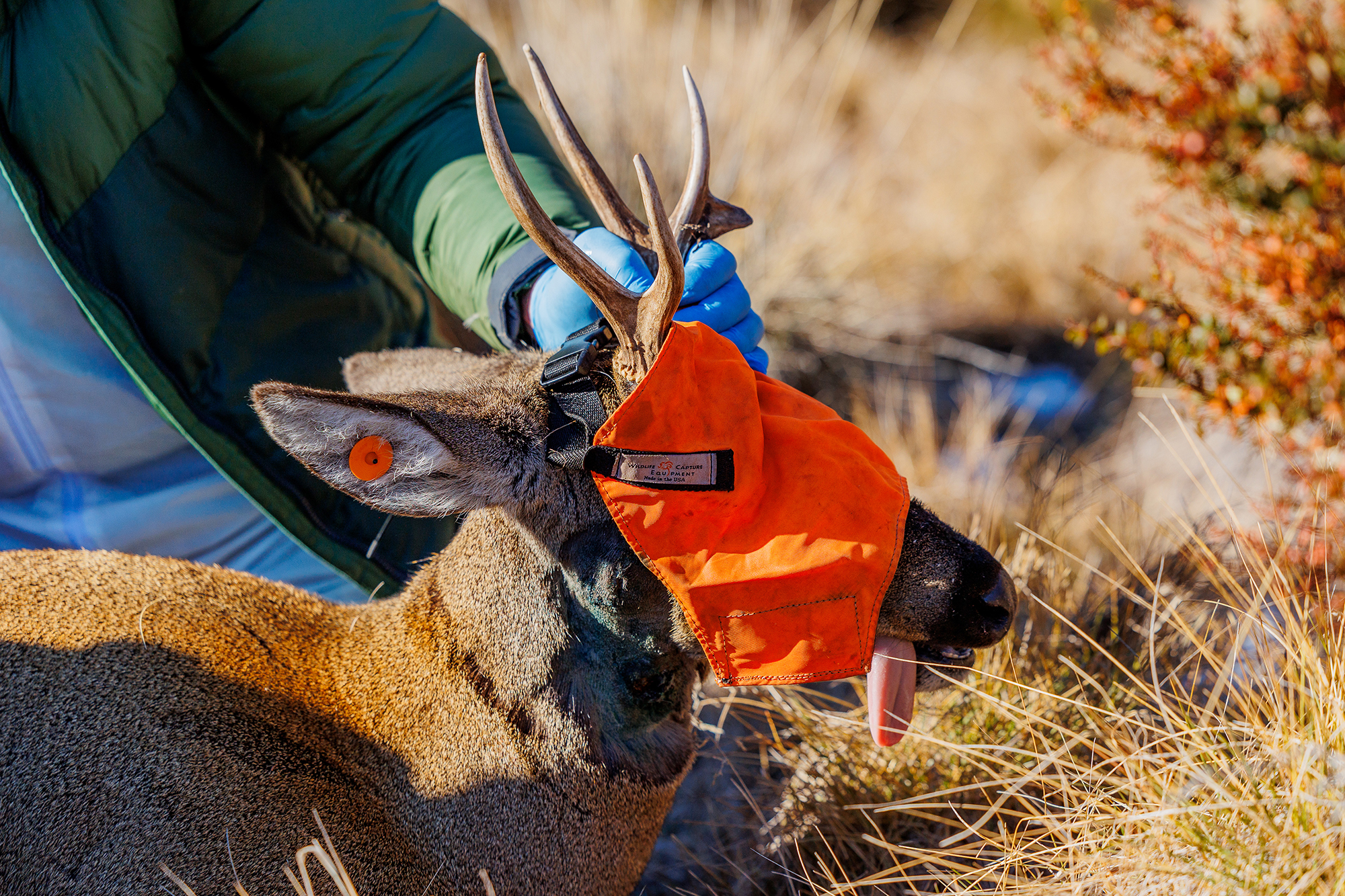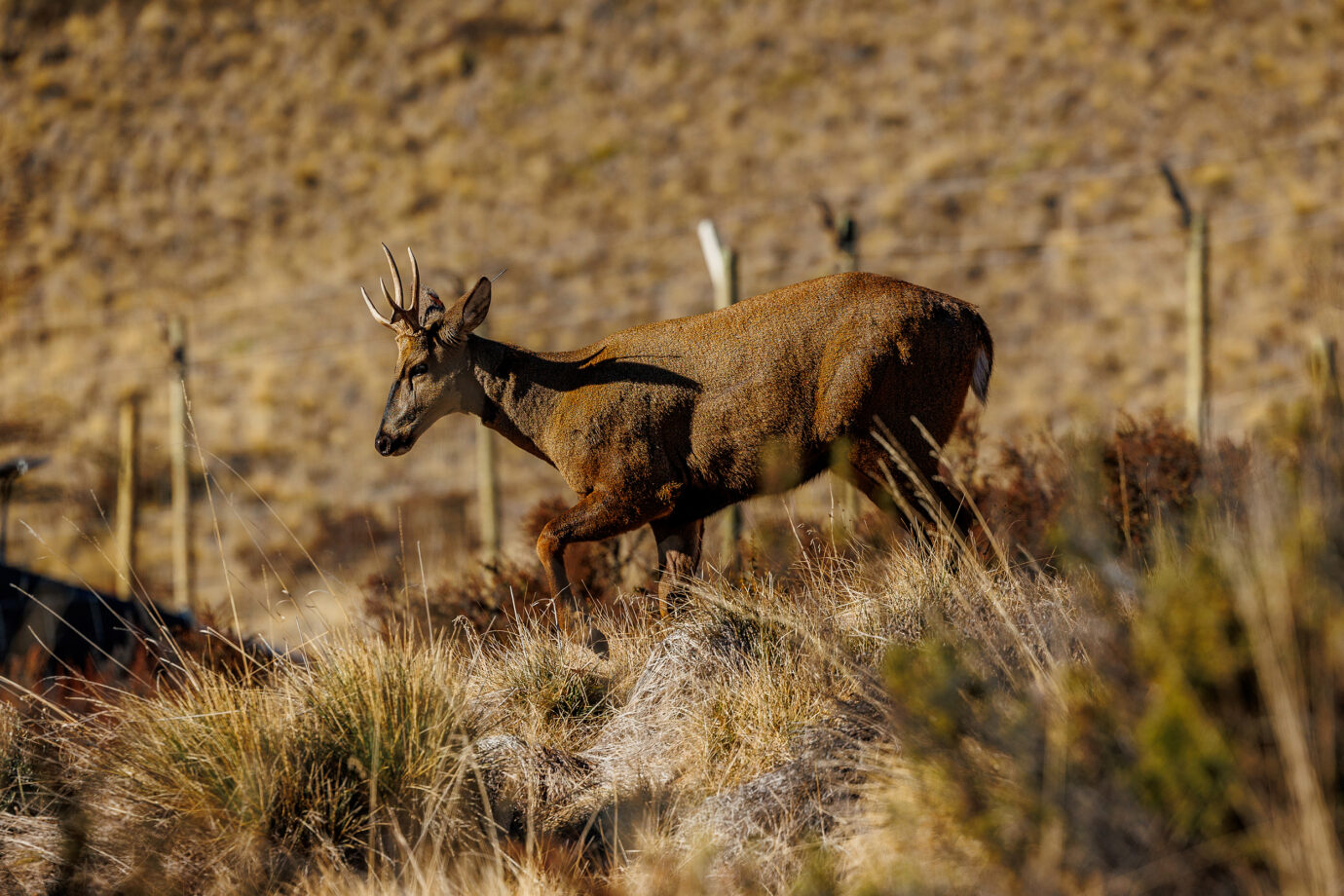
Distraído | Photo: Rodrigo Pacheco for Rewilding Chile
Launched in October 2025, the facility is part of the Huemul Corridor, a large-scale conservation initiative led by Fundación Rewilding Chile in partnership with the Ministry of Agriculture, CONAF, and SAG.
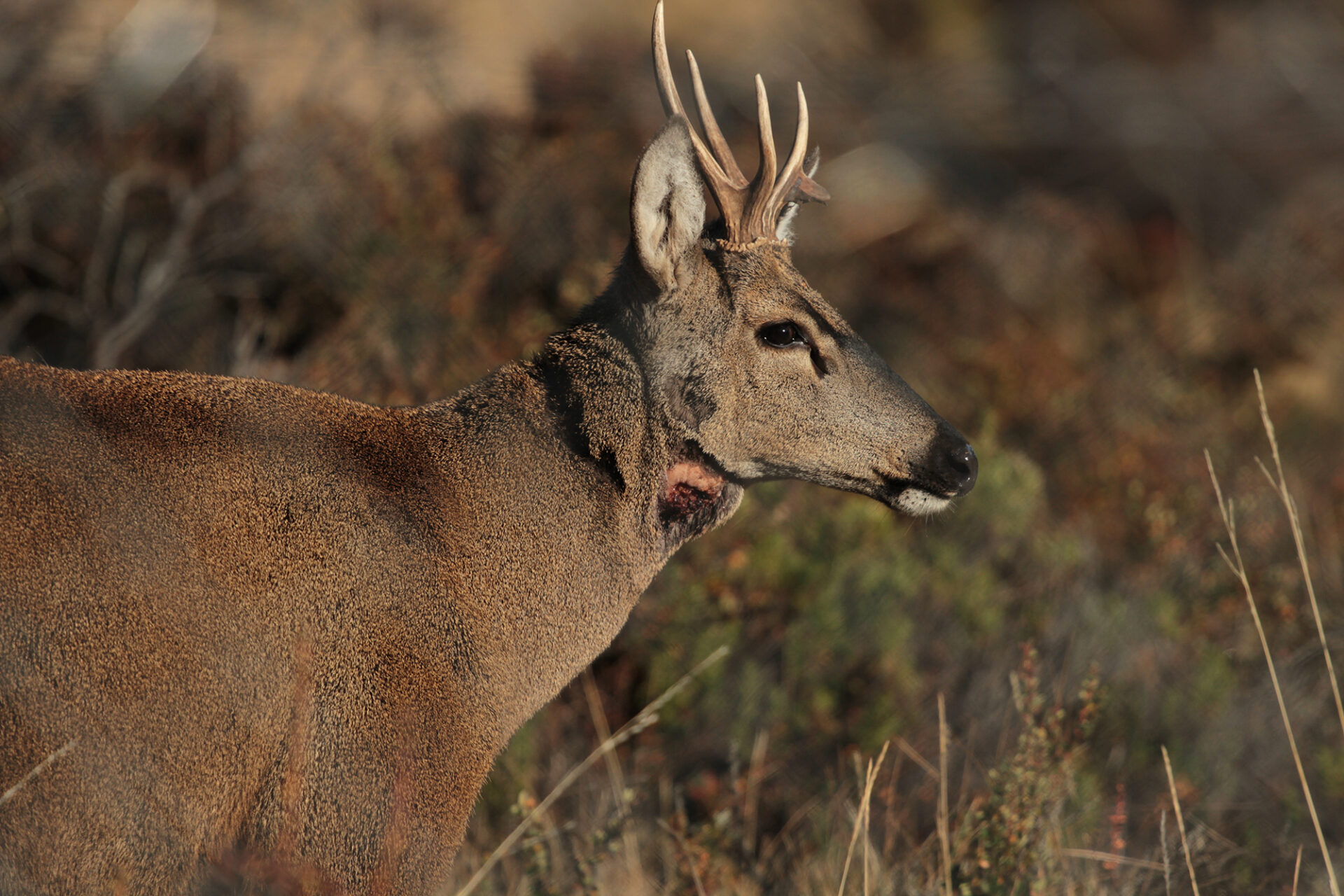
Distraído | Photo: Rodrigo Pacheco for Rewilding Chile
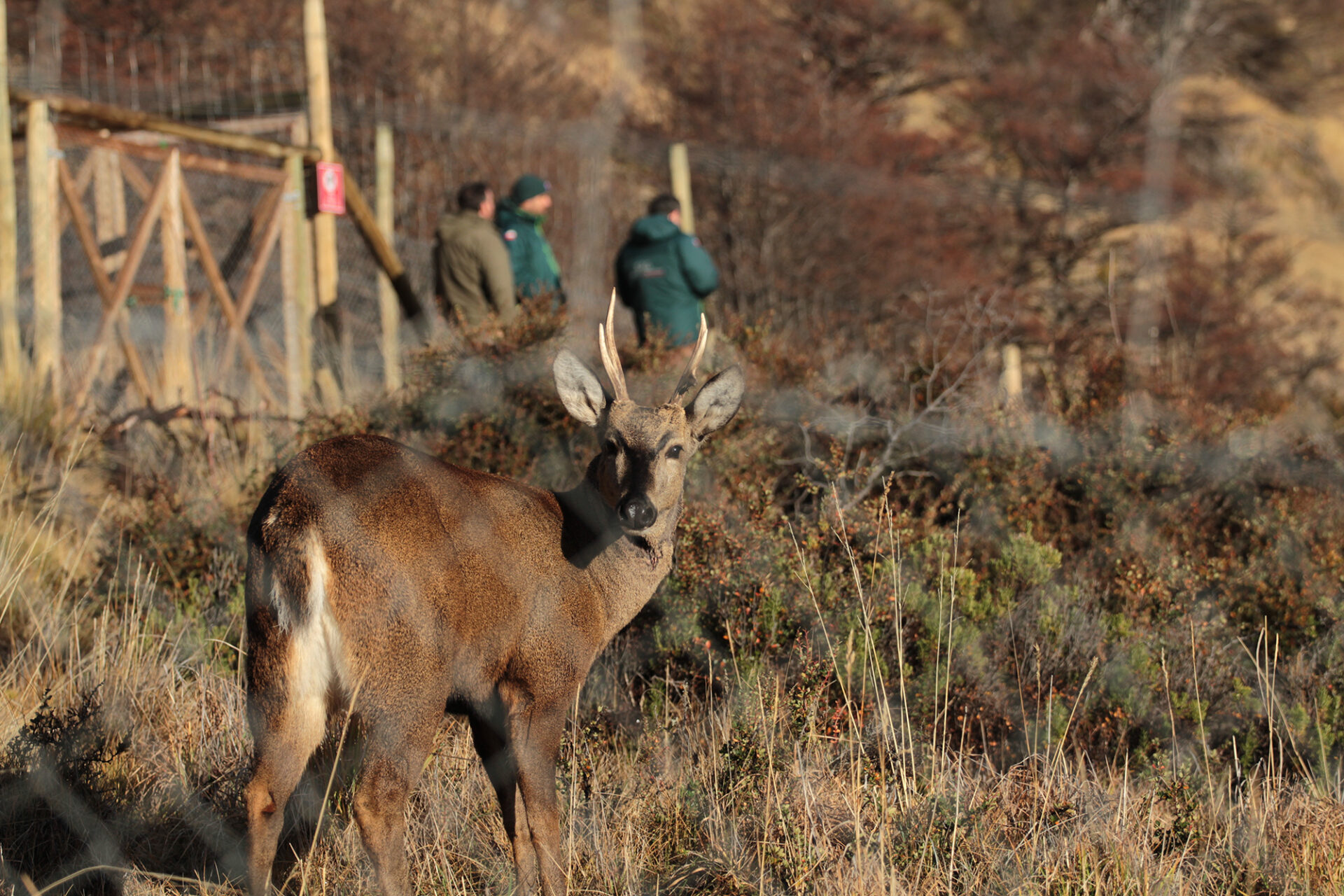
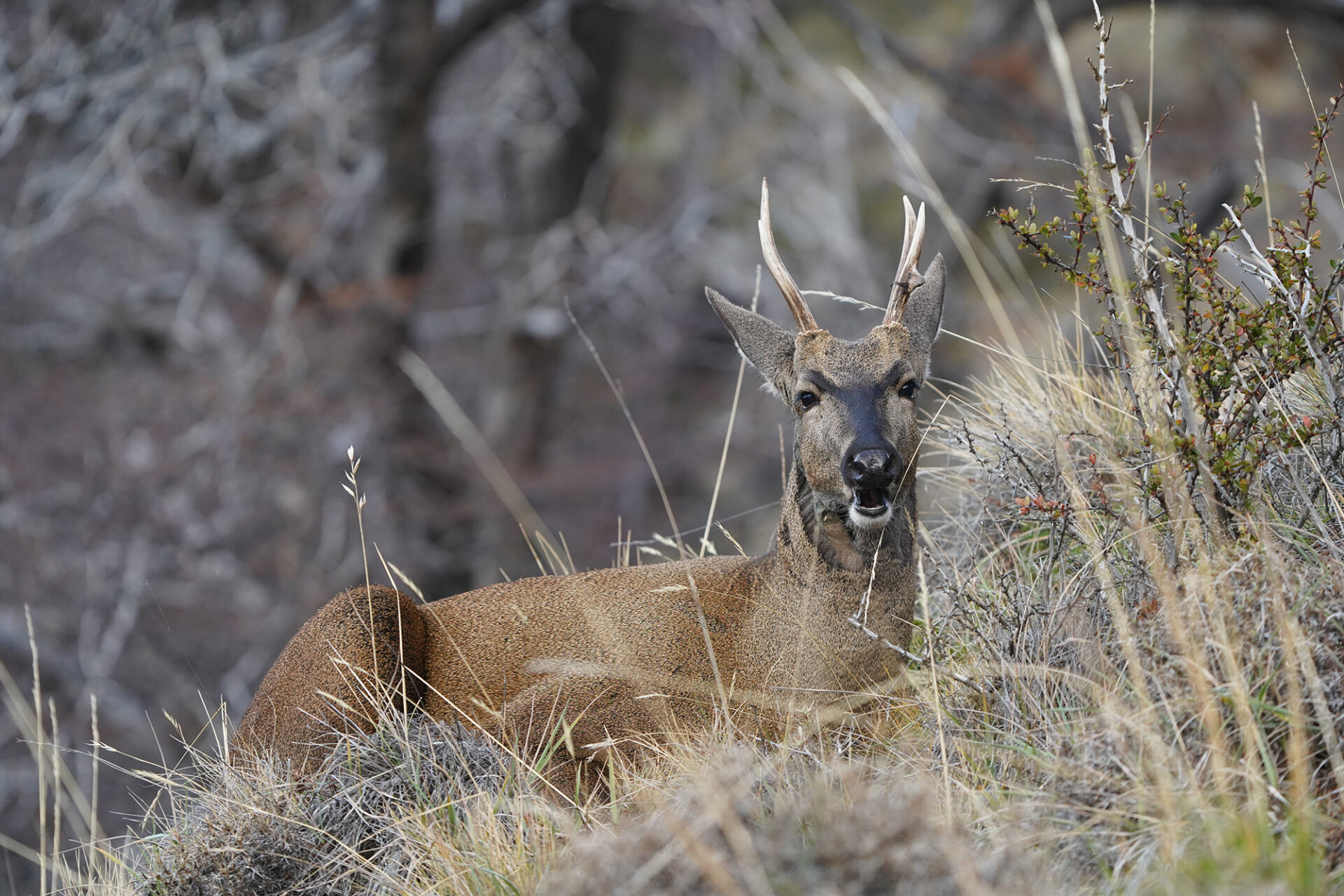
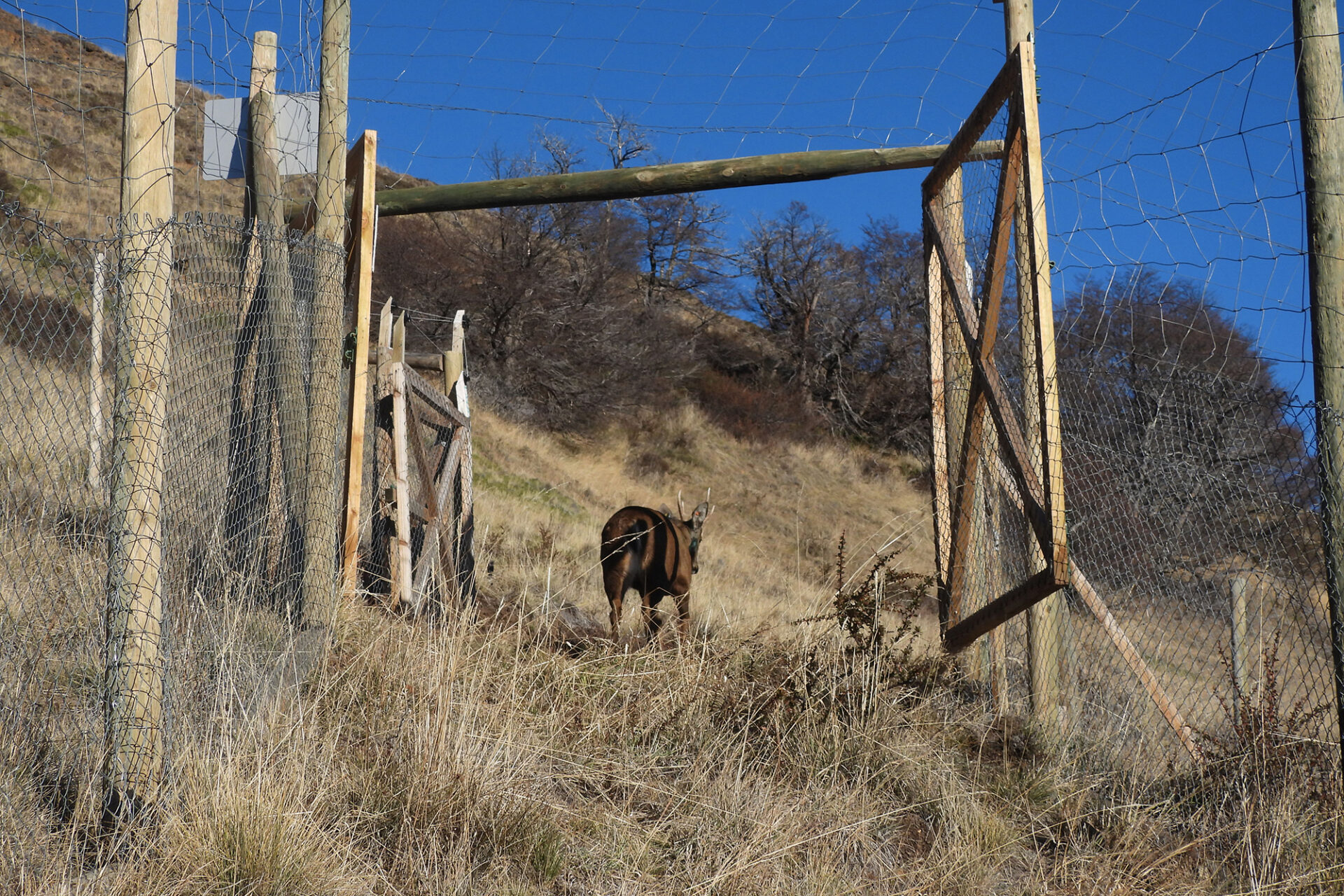
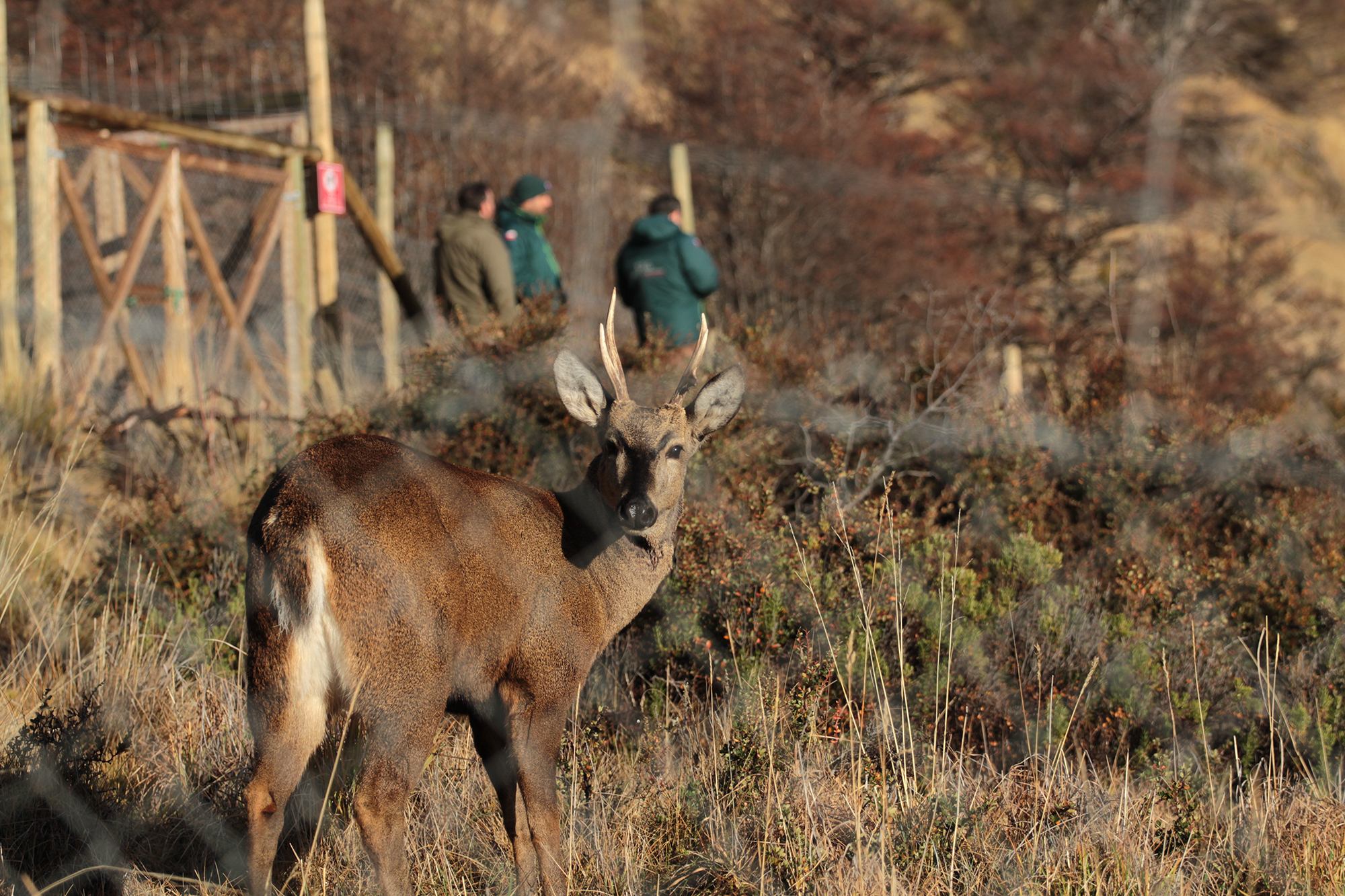
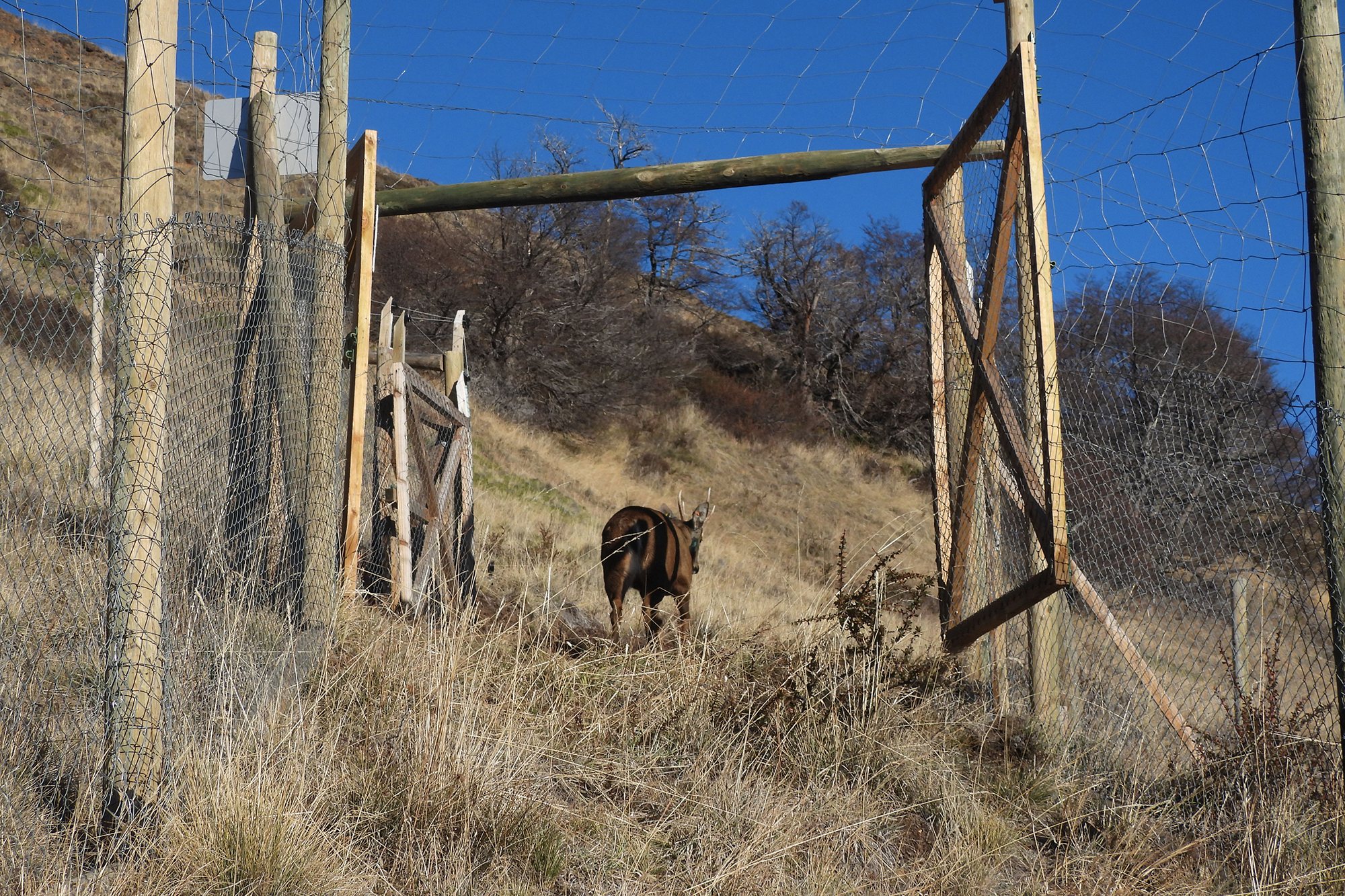
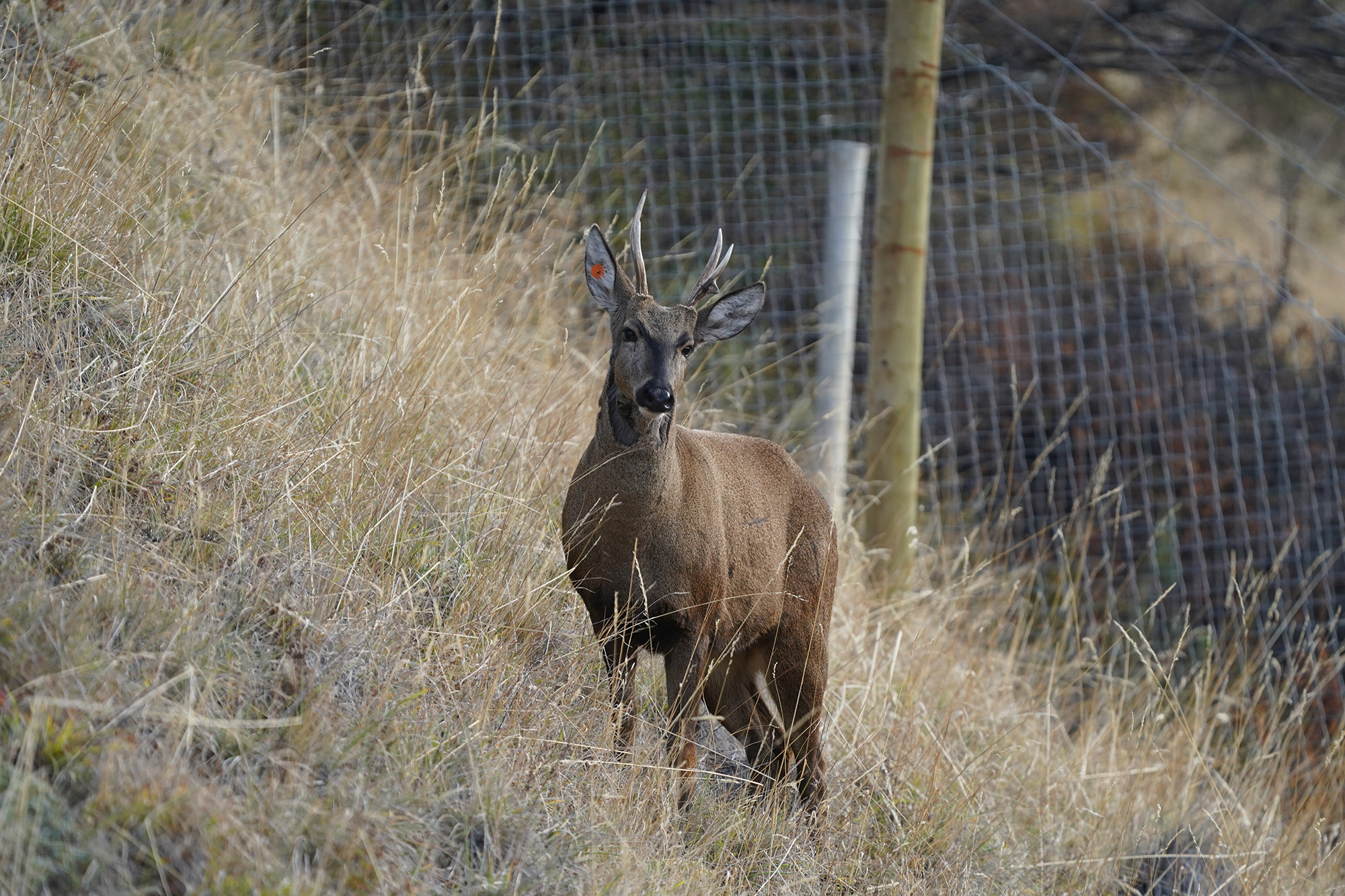
On Friday, July 10, after nearly a month of specialized care, the first huemul rehabilitated at the Huemul Rescue and Rehabilitation Center was successfully released back into the wild. The center, opened in October 2025, is located in the Las Horquetas sector adjacent to Cerro Castillo National Park in Chile’s Aysén Region, home to one of the species’ most important strongholds.
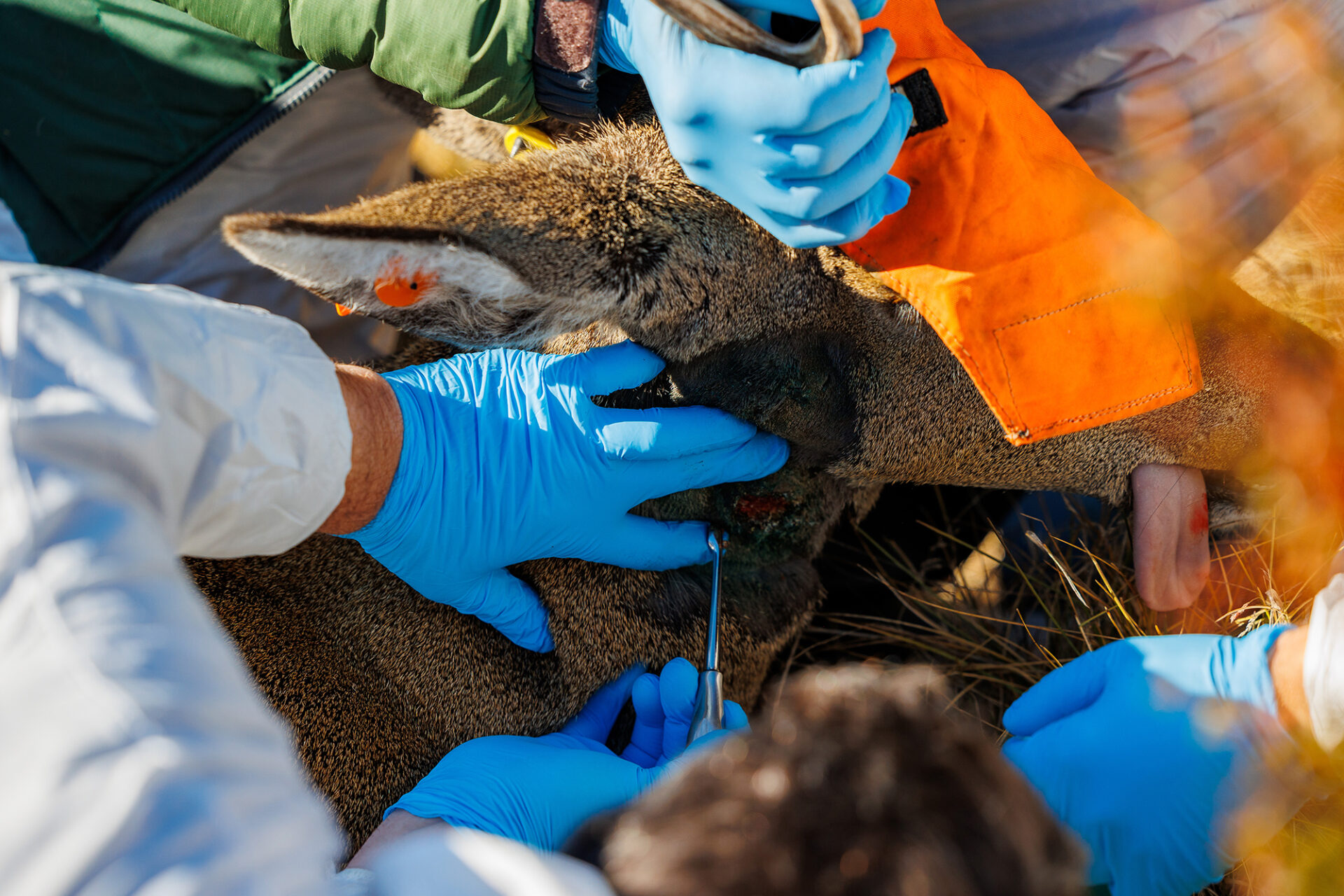
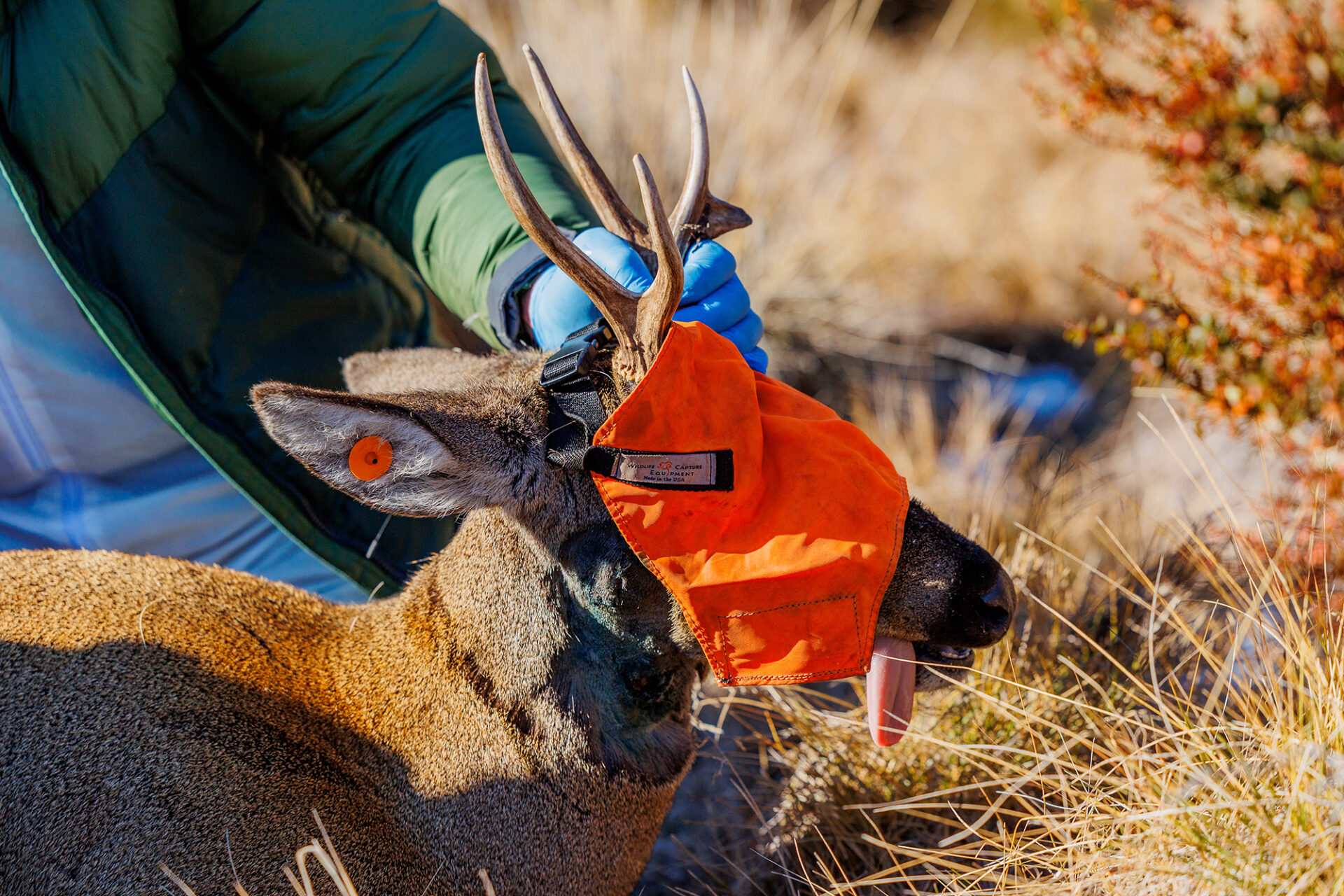
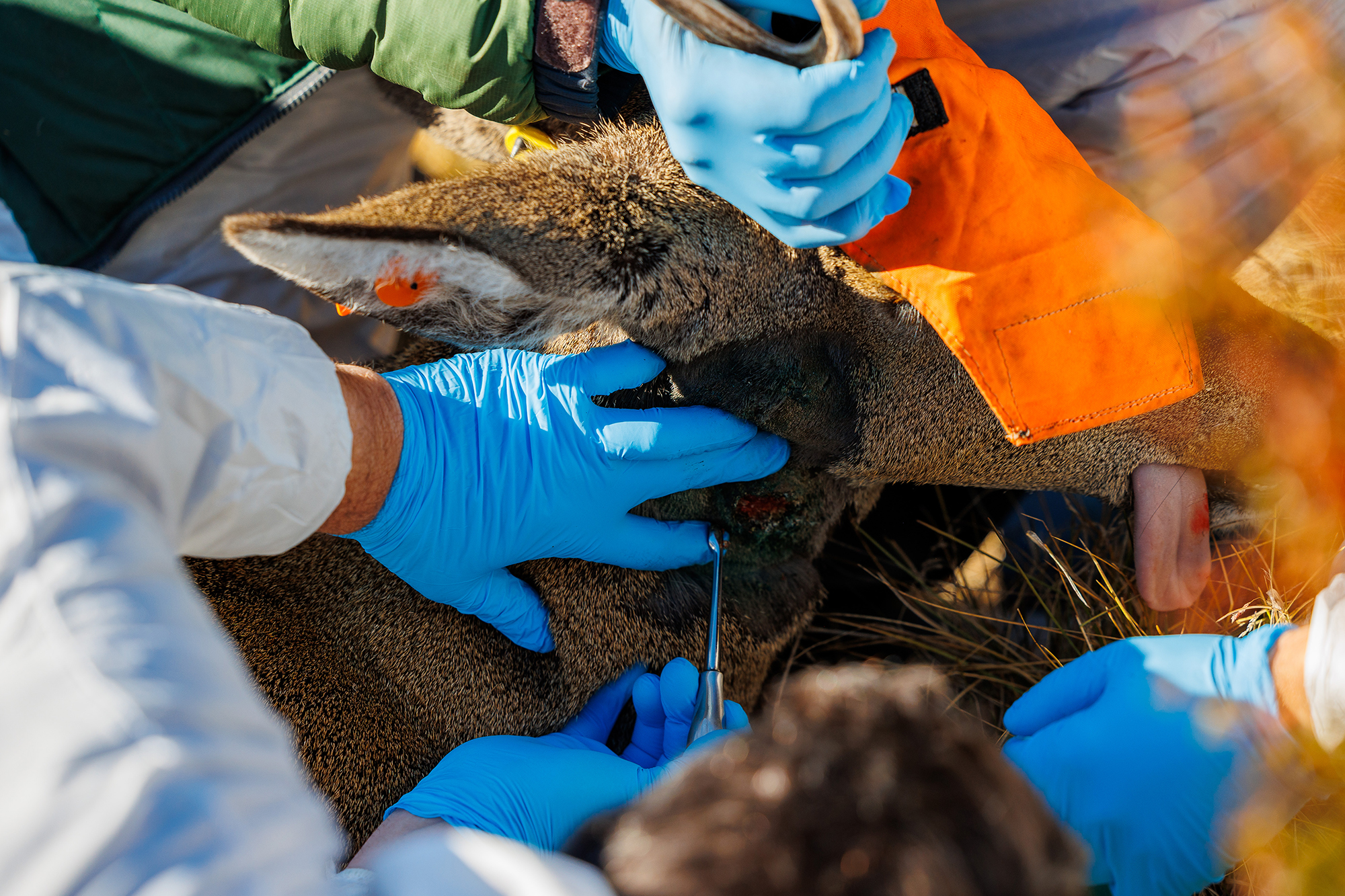
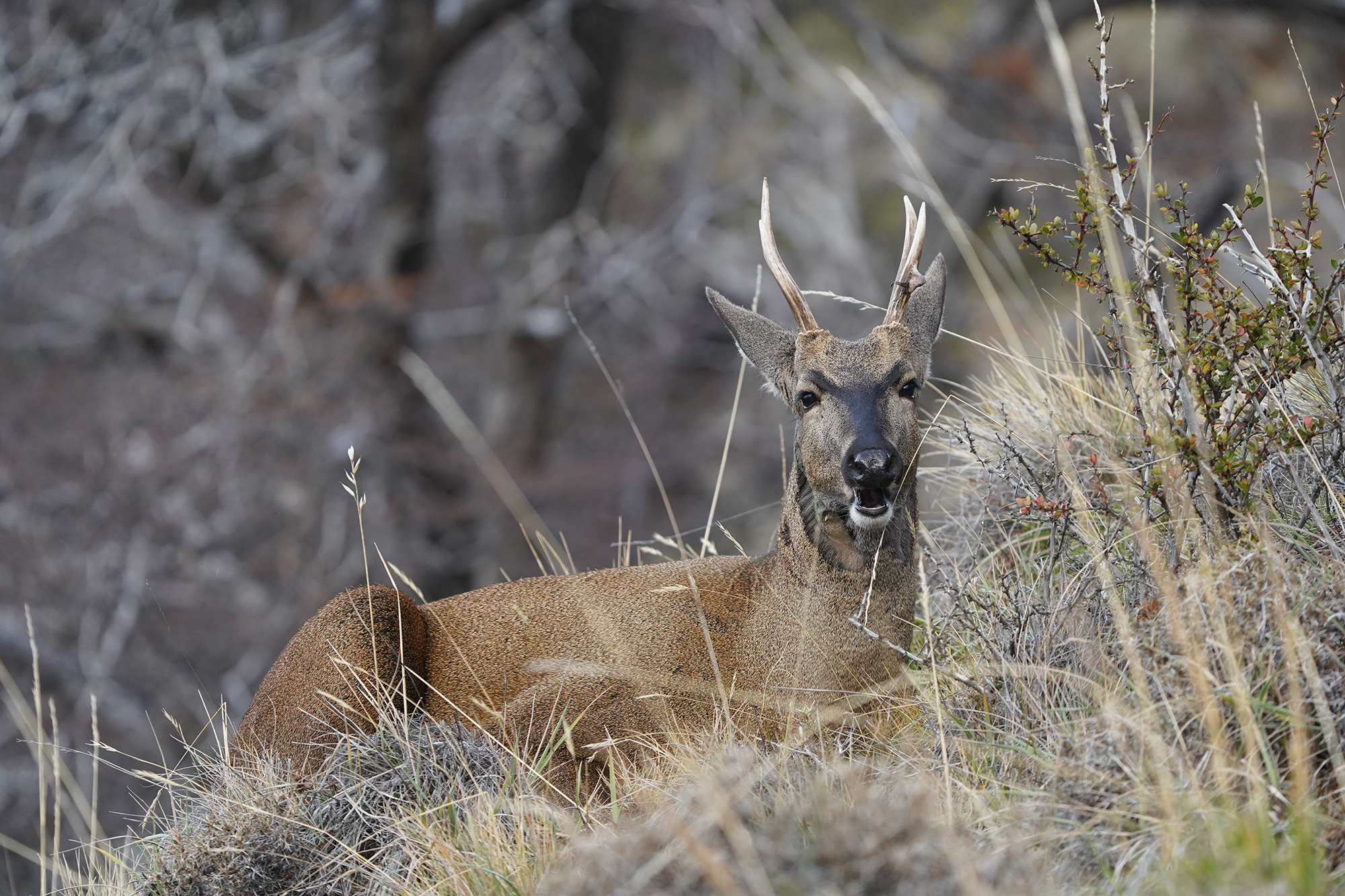
The rehabilitated animal is an adult male huemul suffering from abscesses caused by the bacterium Corynebacterium pseudotuberculosis, an infectious agent first diagnosed in Cerro Castillo National Park in 2015. This bacterium is transmitted by domestic livestock and causes caseous lymphadenitis, a disease that affects huemul differently than it does livestock.
After field treatments proved unsuccessful, the Chilean Agricultural & Livestock Service (SAG) authorized the huemul’s transfer to the center, where it could receive more intensive and appropriate medical care. Once the prescribed treatment was completed, Fundación Rewilding Chile’s veterinary team determined that the animal had responded exceptionally well. In coordination with SAG, this individual was released, becoming the first huemul to complete rehabilitation and be returned to its natural habitat from the center.
“This is significant because it is the first huemul rehabilitation center in Chile. It is important to recognize and fully support this effort through our public institutions because it is about protecting a species that is uniquely ours and is featured on our national coat of arms,” said Eugenio Canales, Regional Ministerial Secretary of the Environment for the Aysén Region.
Claudio Aguirre, Regional Director of the Biodiversity and Protected Areas Service (SBAP), highlighted the results of the collaborative work between public institutions and private organizations. “We are seeing how a species that is a Natural Monument and protected under Chilean law is being cared for, rehabilitated, healed, and returned to its natural habitat, with the goal of doing the same for other individuals affected by disease or injury,” he said.
Guillermo Díaz, Head of Natural Resources at SAG Aysén, emphasized the importance of the new facility. “For many years we have worked on huemul rehabilitation and veterinary care, but we lacked a place where animals could receive long-term treatment. We hope this first patient will be one of many huemuls that, unfortunately, may arrive sick, but now have a much greater chance of survival, rehabilitation, and successful return to the wild,” he said.
Mario Alegría, Administrator of Cerro Castillo National Park, said the center represents a new opportunity for a species facing extinction and with a very small population in Chile. “Around 10% of the Chilean population is concentrated in Cerro Castillo. The release of this individual is a tremendous opportunity to continue treating other huemuls affected by this disease and other injuries,” he noted.
For Sebastián Riestra, Wildlife Coordinator at Fundación Rewilding Chile, the deer’s return to the wild symbolizes hope in the ongoing effort to prevent the species’ extinction. “The fact that a huemul suffering from a severe disease transmitted by domestic livestock has now recovered at the center and can return to the wild in much better condition than when it arrived gives us reason to be optimistic. It shows that we can recover this species through direct conservation action and tangible results.”
"For many years we have worked on huemul rehabilitation and veterinary care, but we lacked a place where animals could receive long-term treatment. We hope this first patient will be one of many huemuls that, unfortunately, may arrive sick, but now have a much greater chance of survival, rehabilitation, and successful return to the wild."
About the Center
Chile’s first Huemul Rescue and Rehabilitation Center is dedicated exclusively to the recovery of the world’s southernmost deer, an endangered species. It is estimated that only around 1,500 individuals remain, distributed among fragmented populations across Chile and Argentina—approximately 1% of the species’ original population.
This center is located on land adjacent to Cerro Castillo National Park, where extensive sheep and cattle ranching was practiced for decades until 2019. Grazing by thousands of livestock, combined with habitat fragmentation caused by fences and roads, placed significant pressure on native wildlife while facilitating the transmission of infectious diseases from domestic animals to huemul, as occurred in this case. In livestock, the disease caused by Corynebacterium pseudotuberculosis is known as caseous lymphadenitis (CL).
In Chile, wildlife rescue and rehabilitation centers are regulated under Hunting Law No. 19,473 as facilities dedicated to the recovery of wildlife affected by human activities, serving as transitional spaces before animals are returned to protected areas or other suitable habitats. To operate legally, these centers must be registered with SAG’s National Registry of Wildlife Keepers. Every animal admitted must be reported to SAG, and if an individual is deemed physically or behaviorally incapable of surviving in the wild, current regulations allow for its transfer to breeding centers.
The creation and operation of the center are part of the Huemul Corridor, a large-scale conservation strategy aimed at reconnecting fragmented populations and accelerating the recovery of the species throughout the Andes. Since 2023, the initiative has been led by Fundación Rewilding Chile in partnership with the Ministry of Agriculture, the National Forestry Service (CONAF), and National Agricultural & Livestock Service (SAG).
“We want to identify where huemul populations remain, understand the threats they face, and work to eliminate those threats so their numbers can recover,” said Riestra. “We hope to see many more successful releases and, in the not-too-distant future, to be talking about growing huemul populations, more individuals on the landscape, and a species that is no longer endangered.”