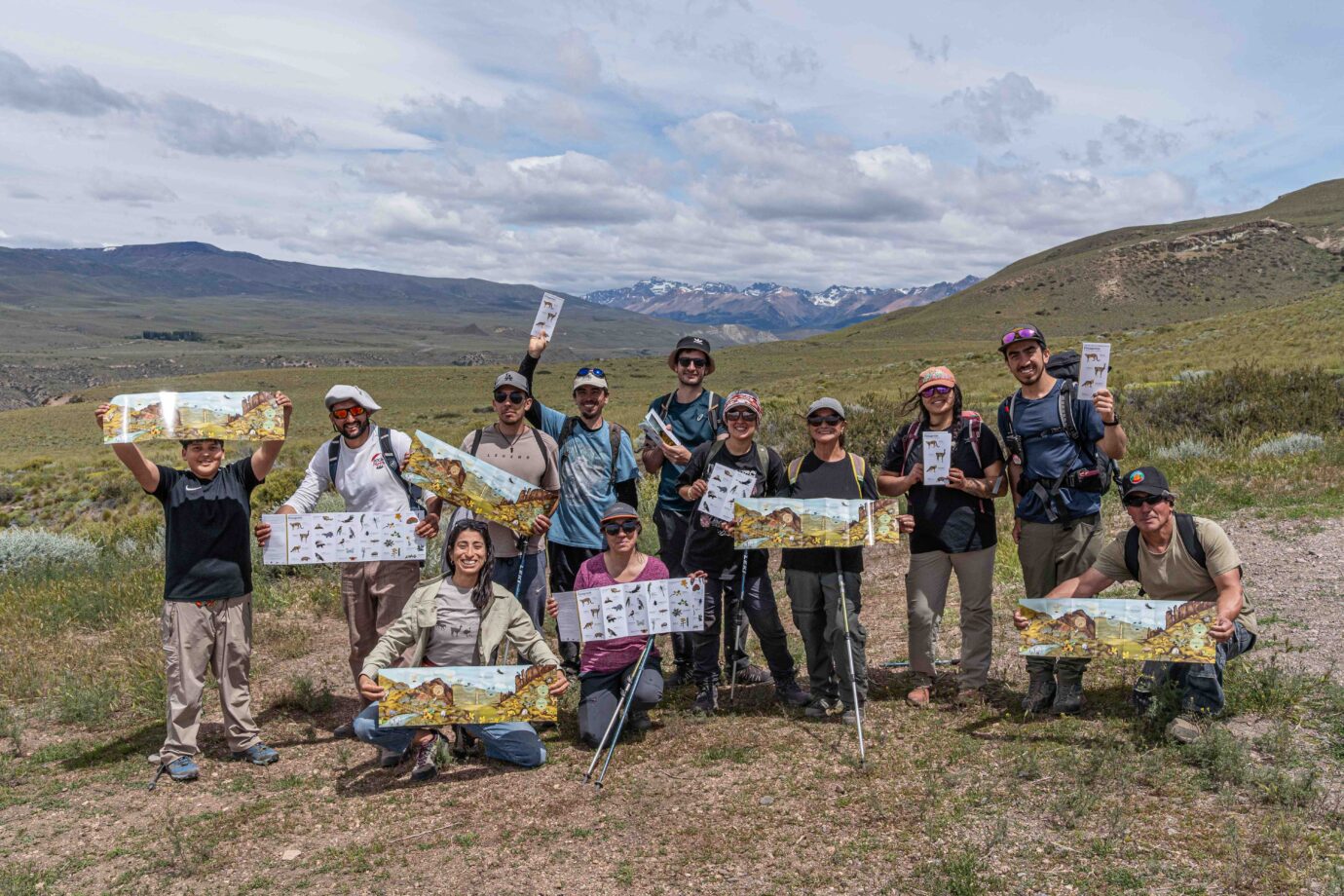
Foto: Gabriel Asenie para Rewilding Chile
The initiative aims not only to educate, but also to highlight the role of communities in protecting local biodiversity.
Foto: Gabriel Asenie para Rewilding Chile
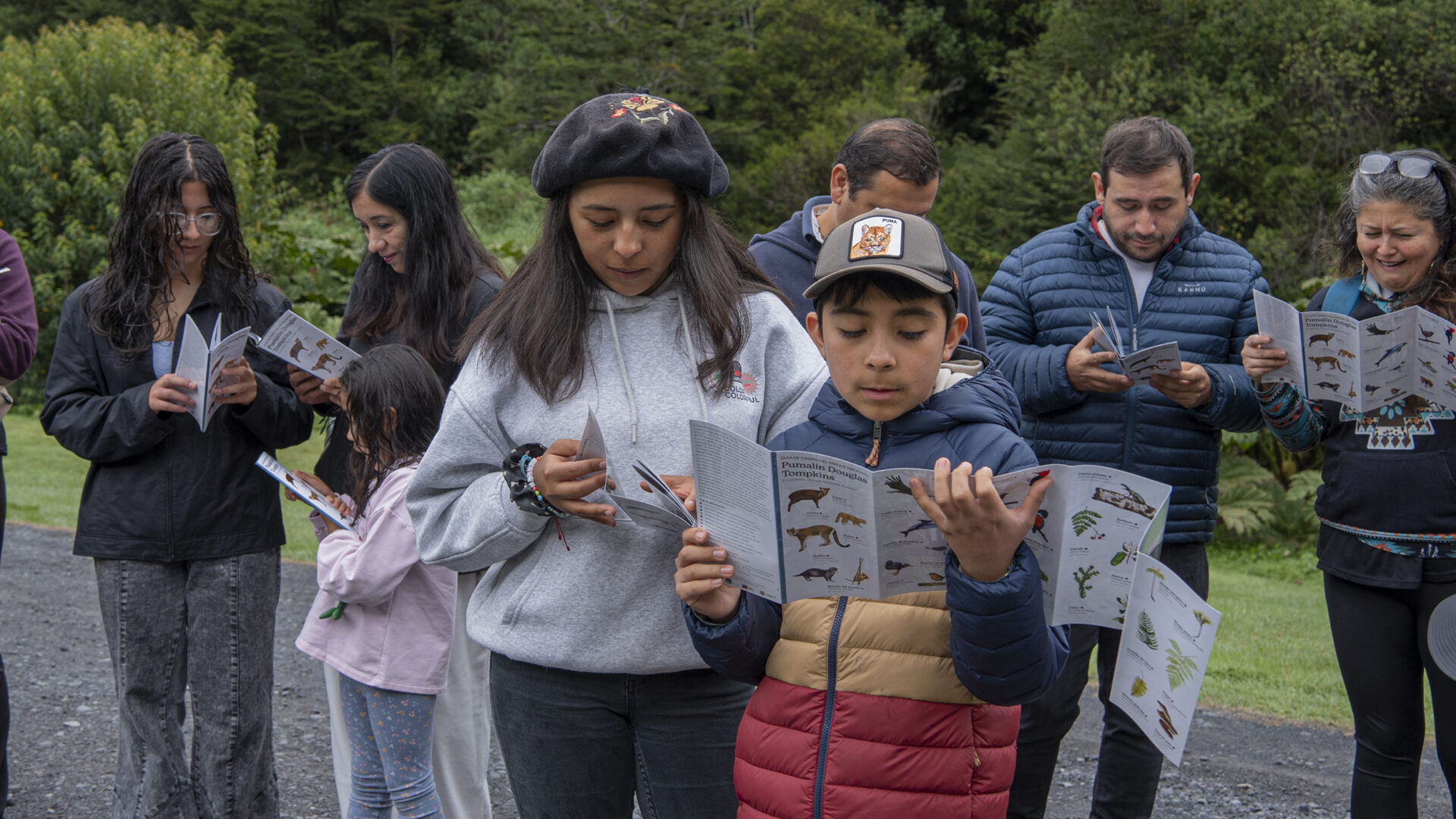
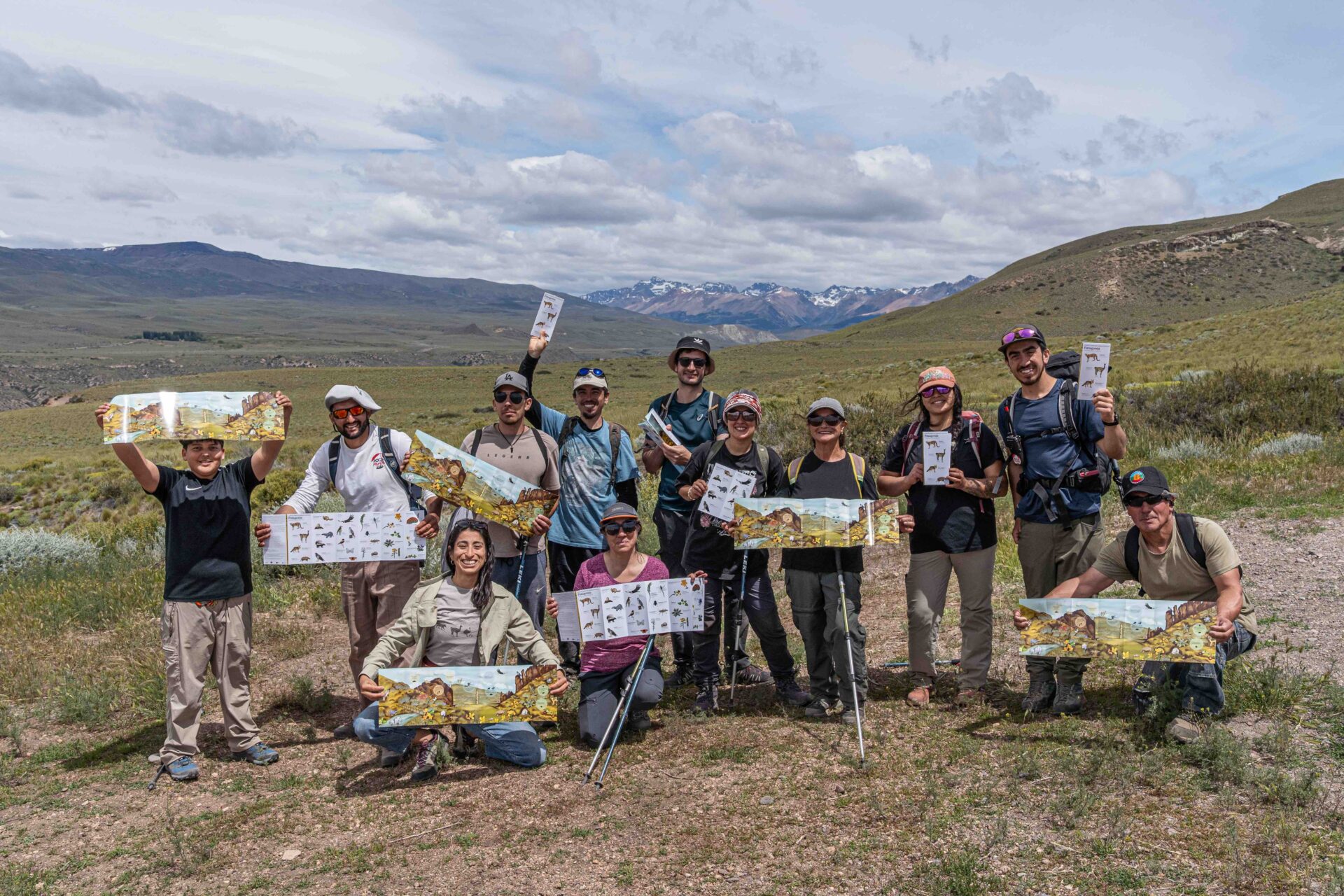
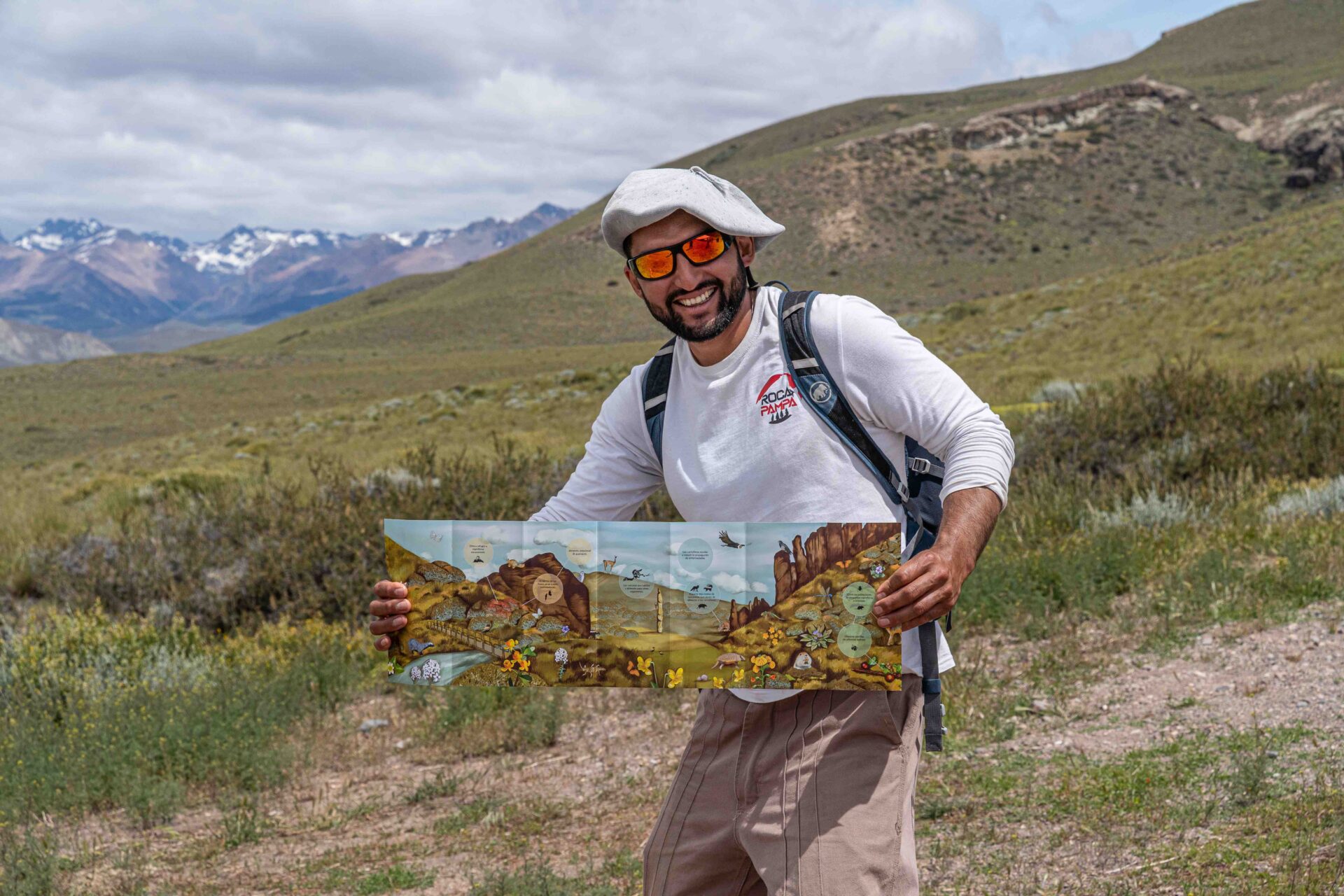
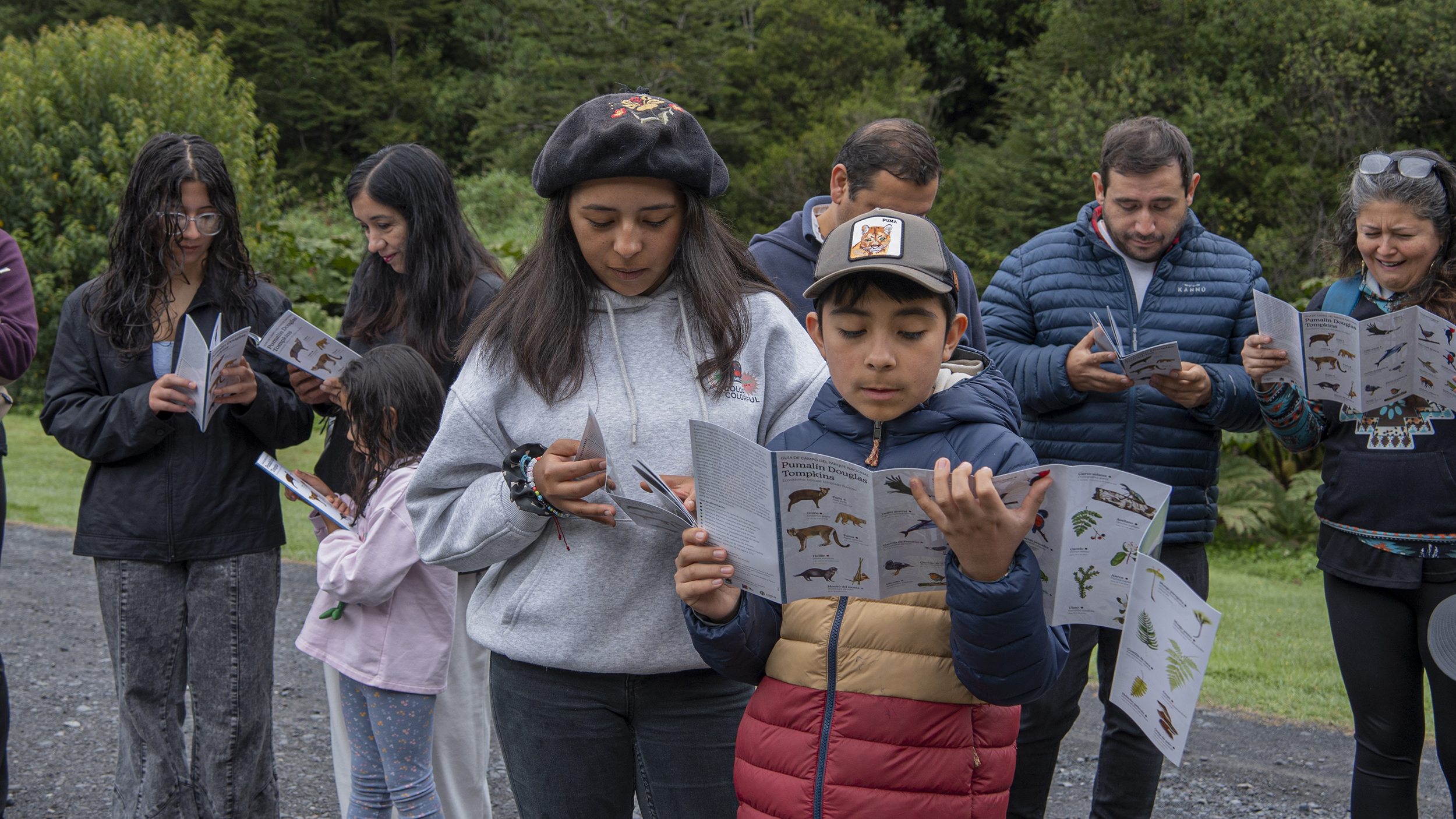
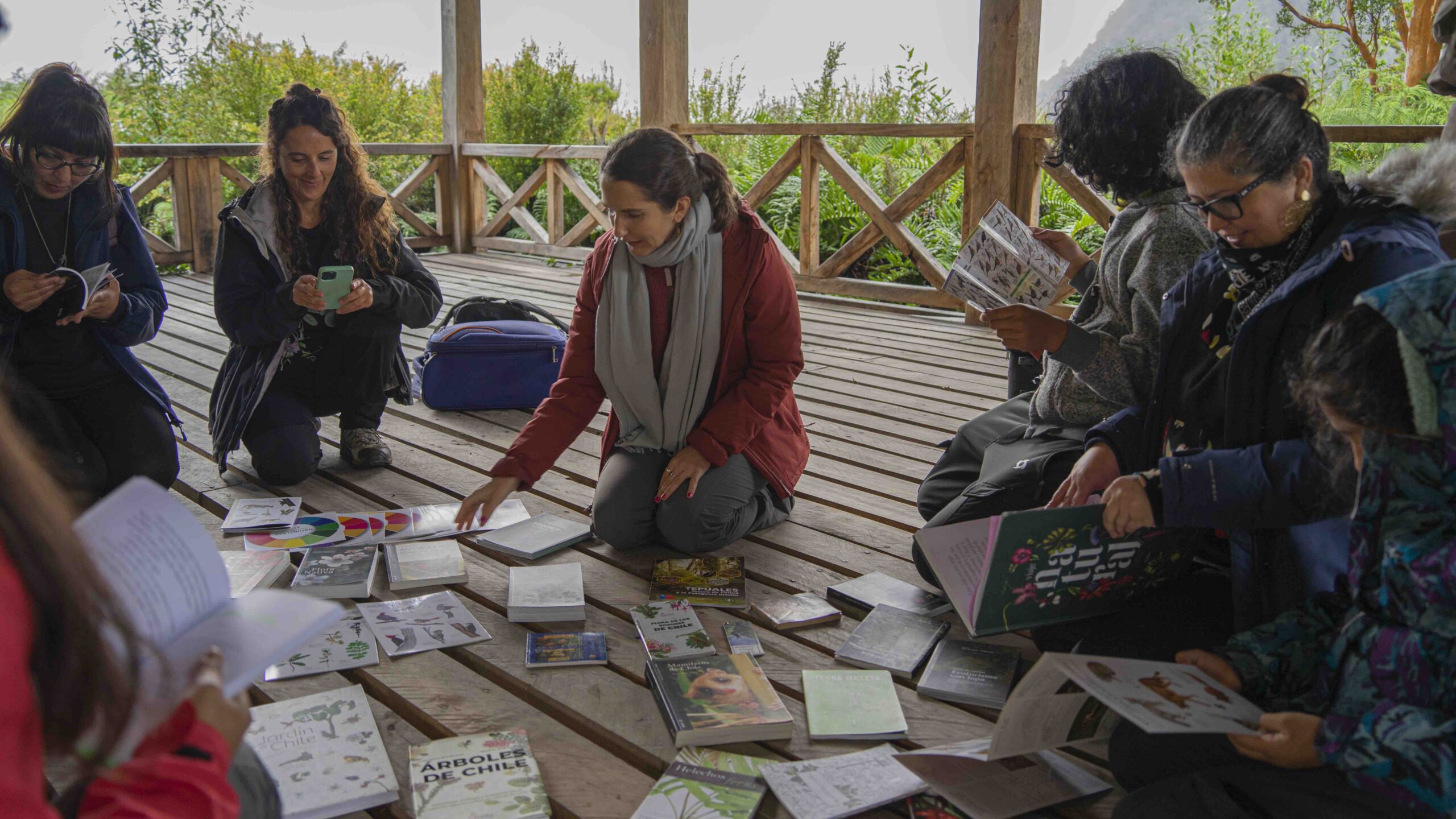
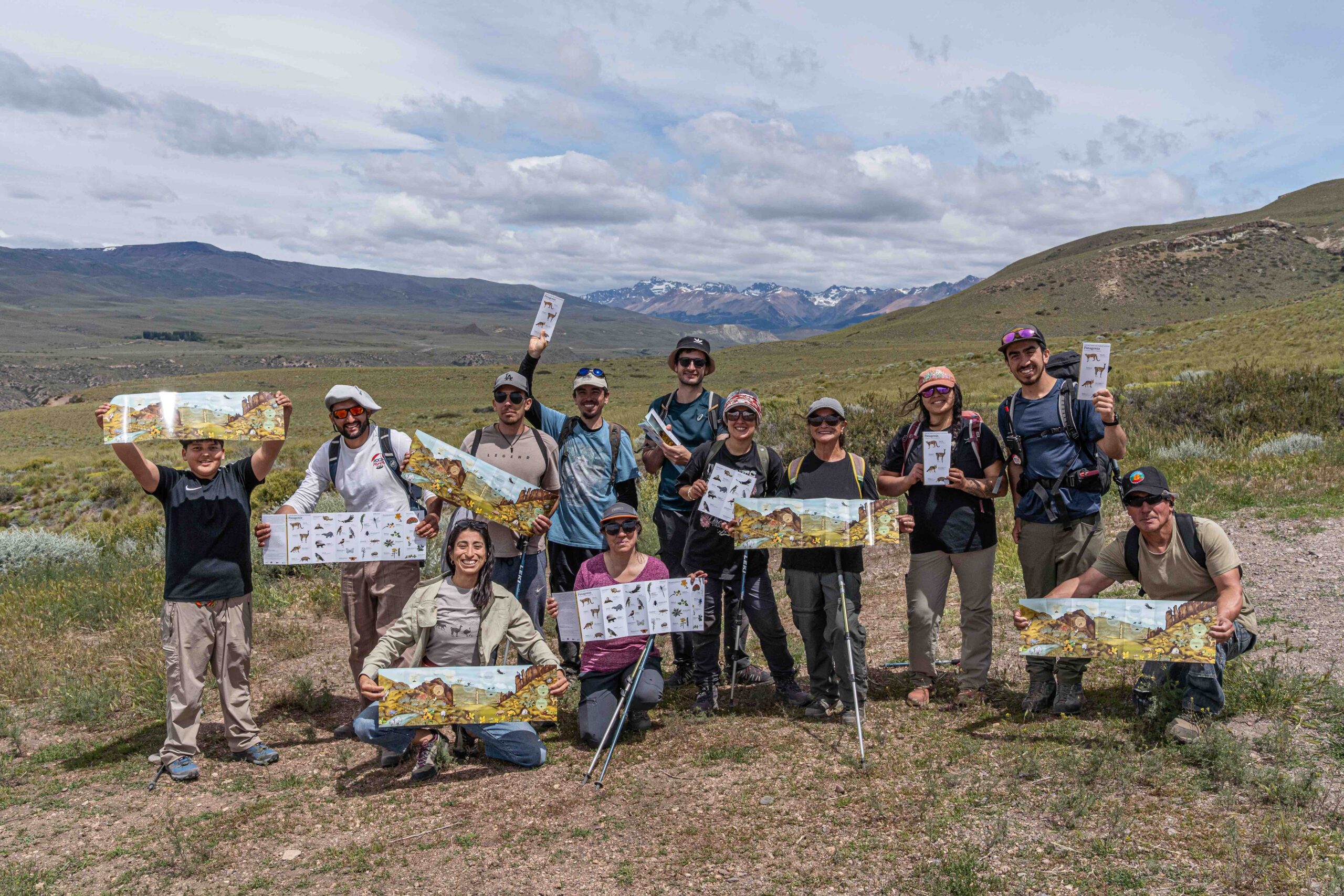
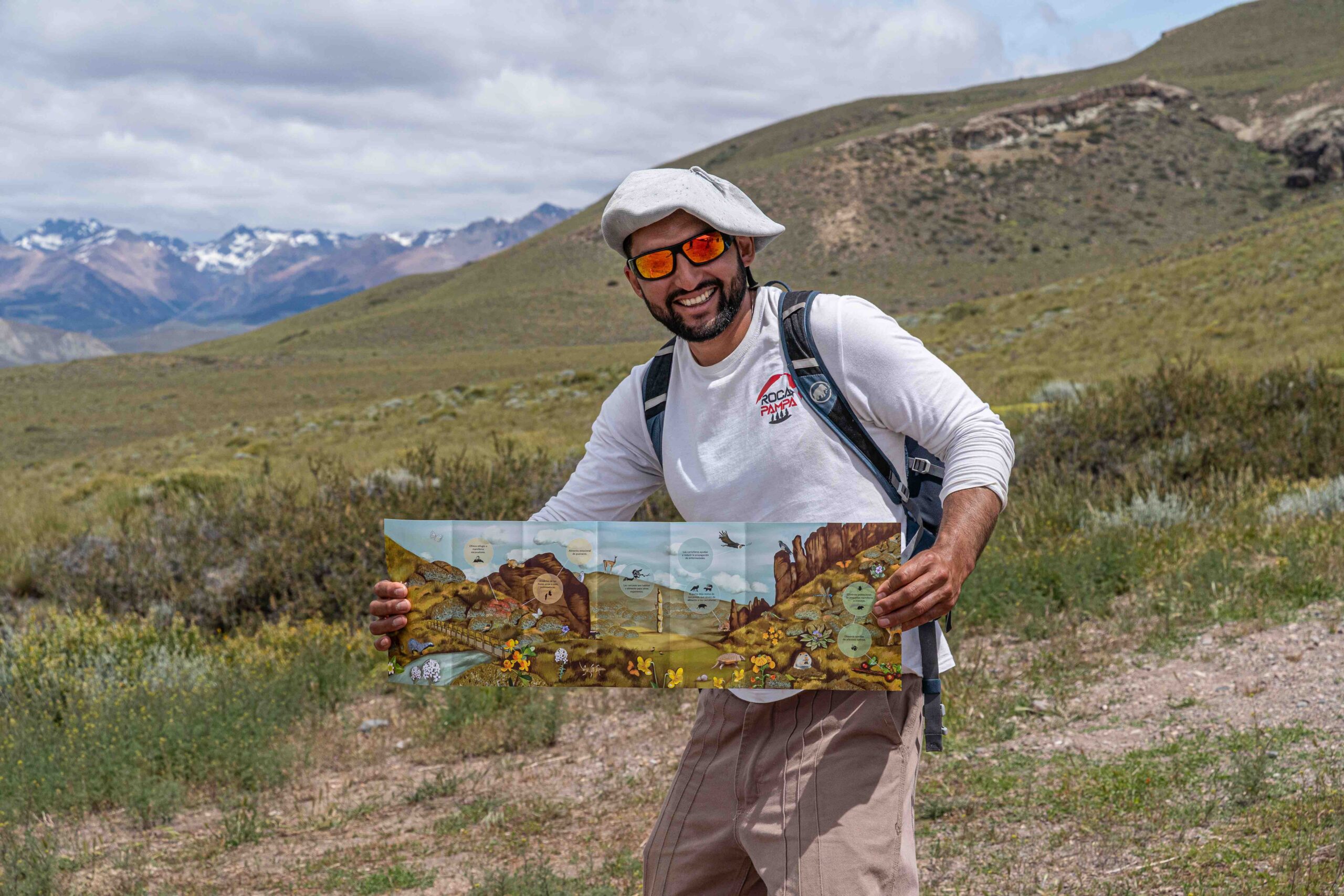
Residents of Chaitén, Villa Cerro Castillo and Chile Chico have created community field guides that capture local knowledge and promote the conservation of ecosystems near the Pumalín Douglas Tompkins, Cerro Castillo y Patagonia national parks.
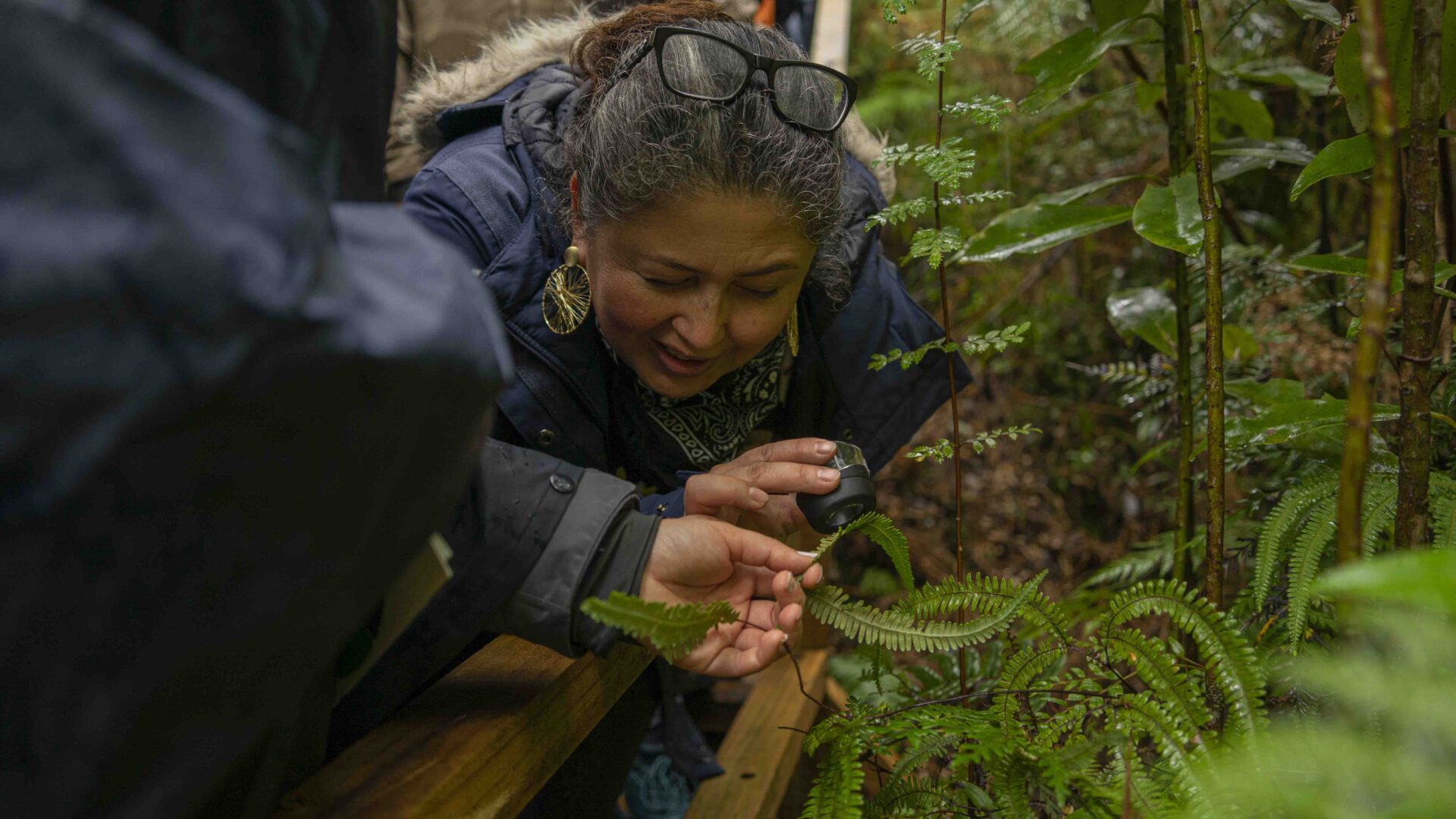
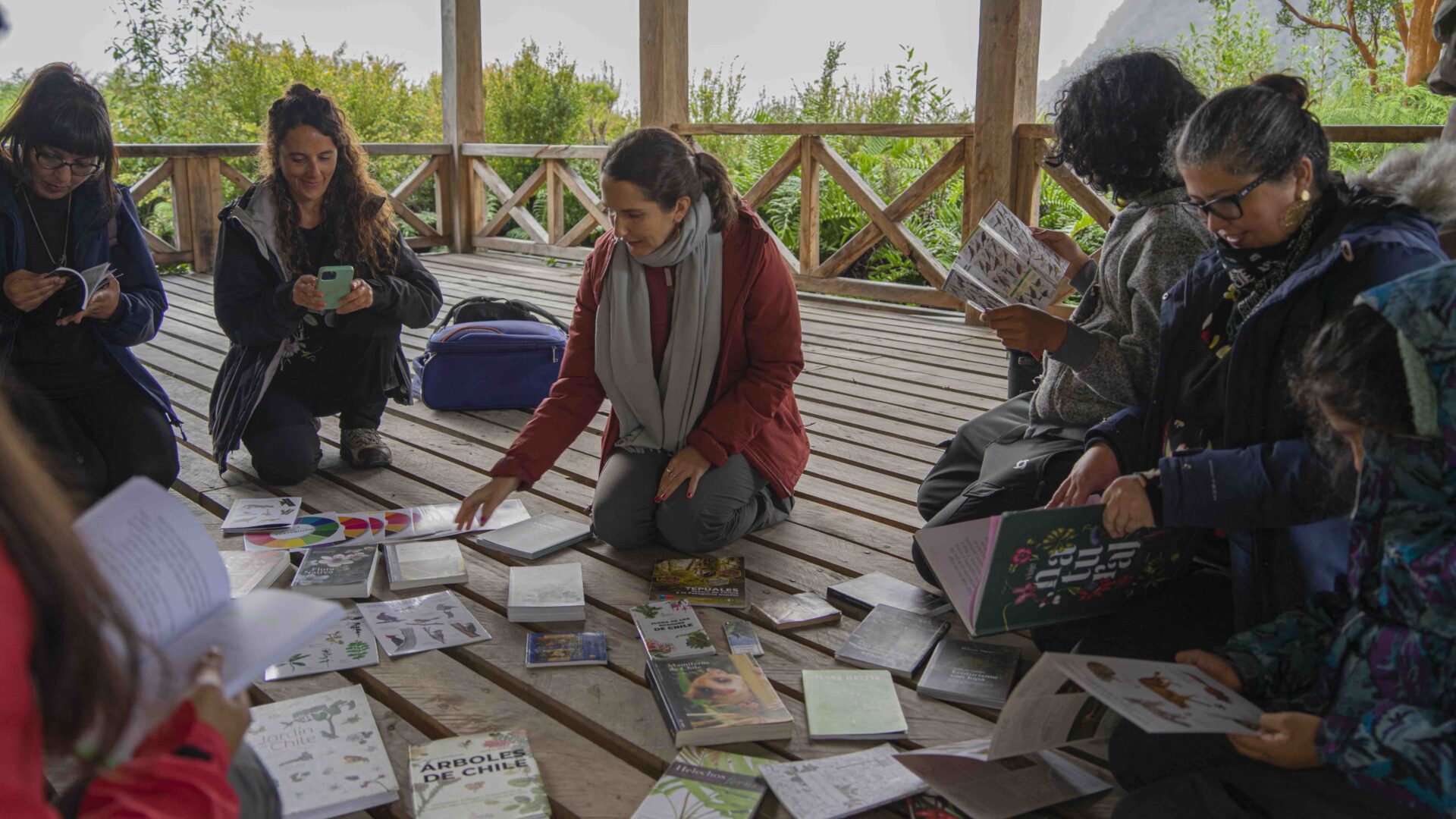
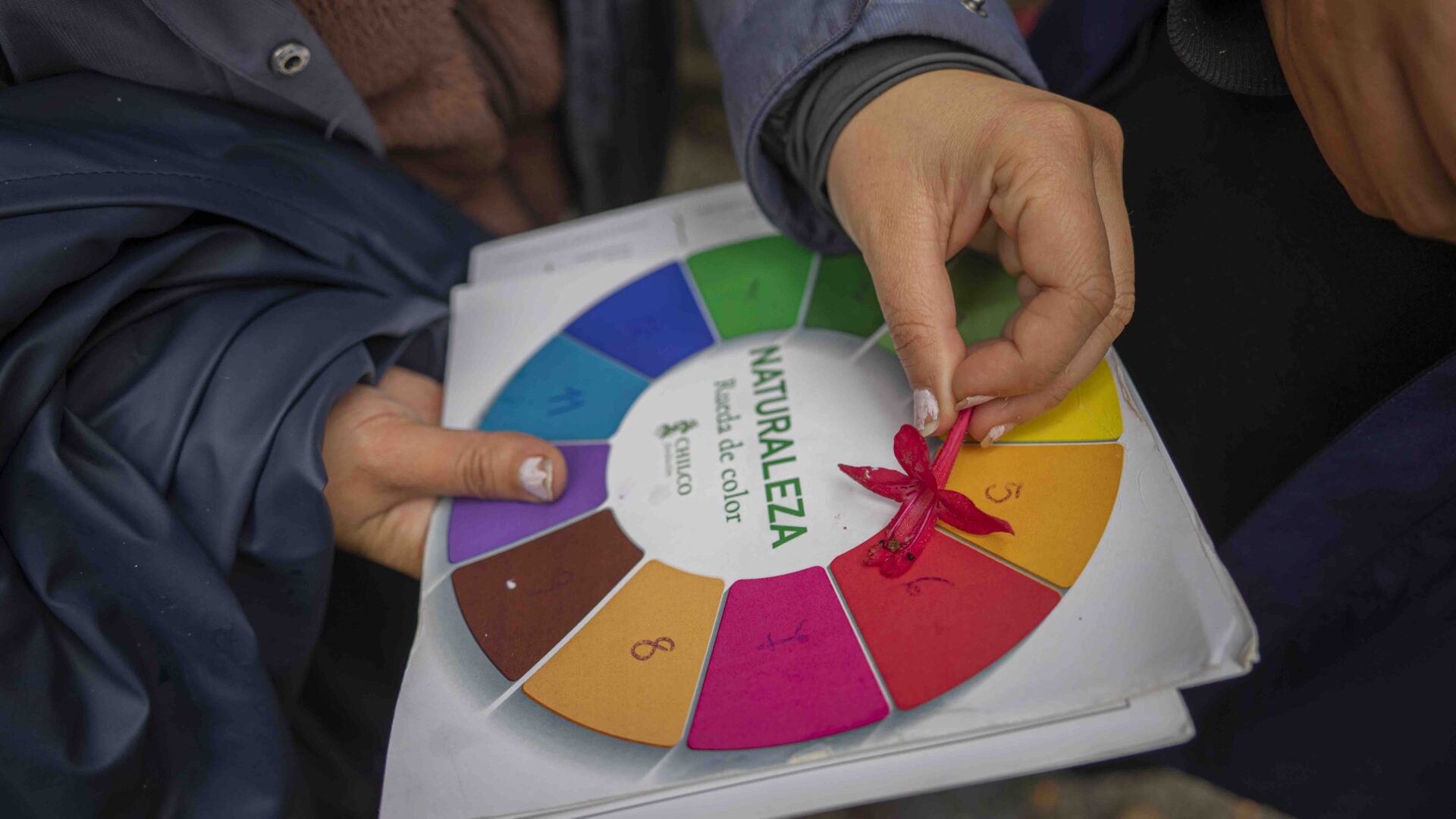
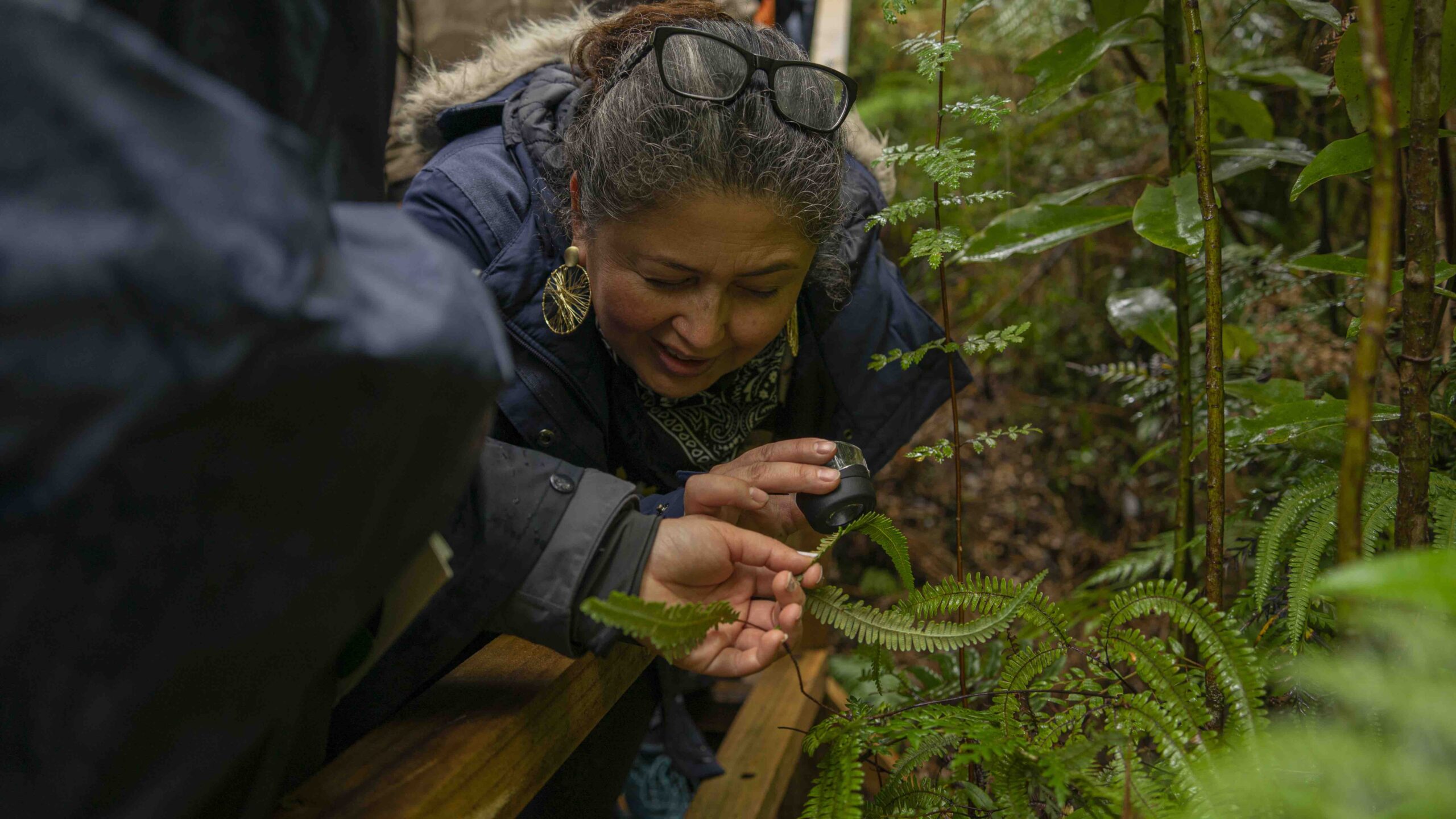
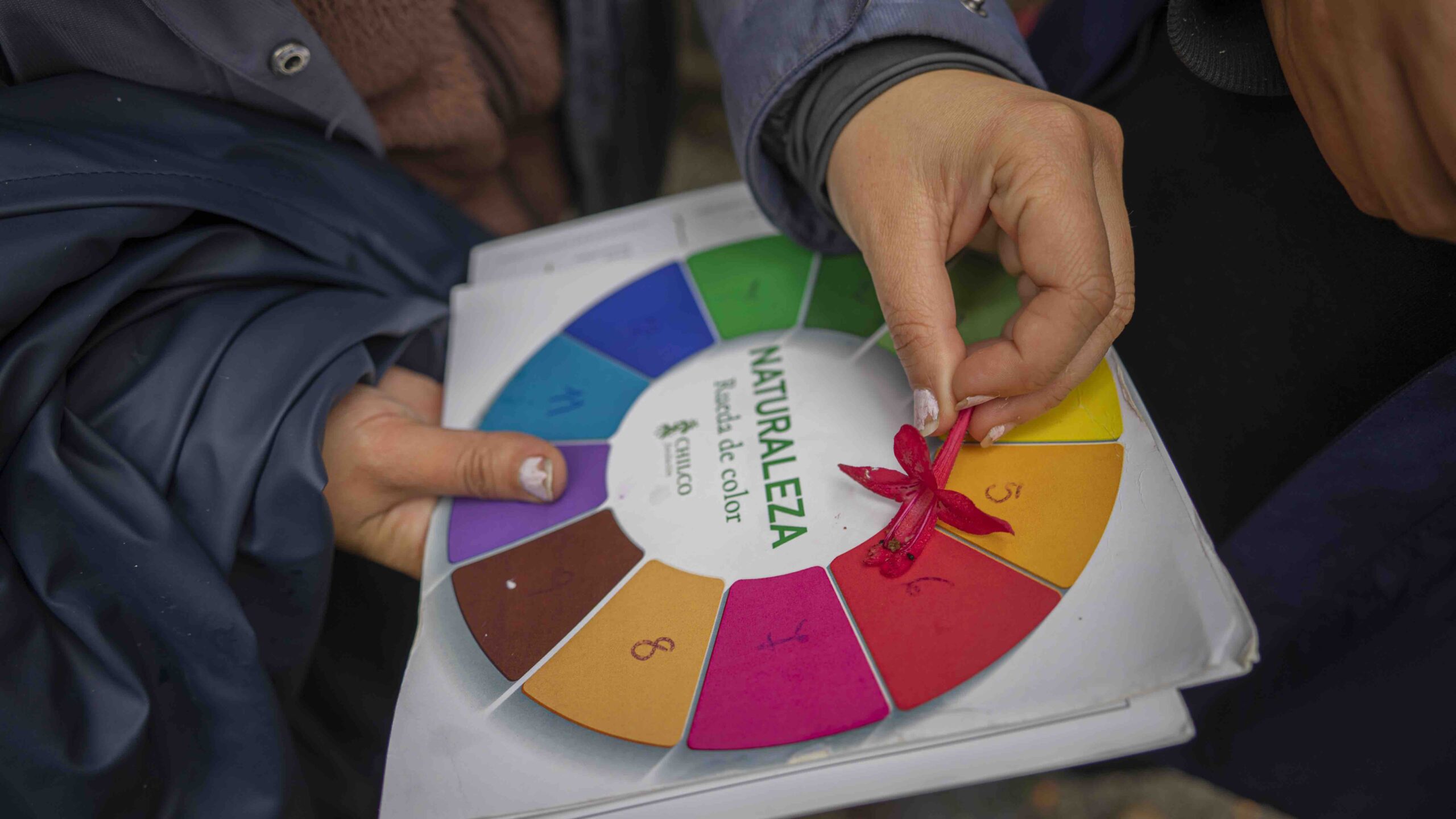
The initiative, driven by the Amigos de los Parques program of Fundación Rewilding Chile together with Fundación Chilco and CONAF, combines science, art, and territorial knowledge. Through workshops and fieldwork activities, communities not only identified species, but also recorded the relationships between them, generating a more comprehensive understanding of nature.
“Unlike traditional guides, we sought to have this material also represent those who inhabit these territories. That strengthens the sense of belonging and care for the environment,” says Josefina Hepp, executive director of Fundación Chilco.
Along the same lines, Carolina Cerda, director of the Community Engagement program at Fundación Rewilding Chile, highlights: “These initiatives allow us to integrate local knowledge and foster a deeper appreciation of ecosystems, which is key to their conservation.”
For participants, the process also transforms the way they see their surroundings. “It has been very rewarding. We often walk the trails without noticing how many species surround us,” says Nikza Ortiz, a resident of Chaitén.
This project seeks not only to educate, but also to recognize the role of communities in protecting local biodiversity.
“These initiatives allow us to integrate local knowledge and foster a deeper appreciation of ecosystems, which is key to their conservation.”.
This educational material has been distributed at key locations in Chaitén, Villa Cerro Castillo, and Chile Chico — such as libraries, schools, and neighborhood associations — for free community use. It is also available at various entrances to the national parks, where visitors can borrow copies.