Photo: Kurt Ruiz for Rewilding Chile
The field season of the Amphibian Program led by Fundación Rewilding Chile has begun, yielding new documented sightings of this endangered species.
Photo: Kurt Ruiz for Rewilding Chile
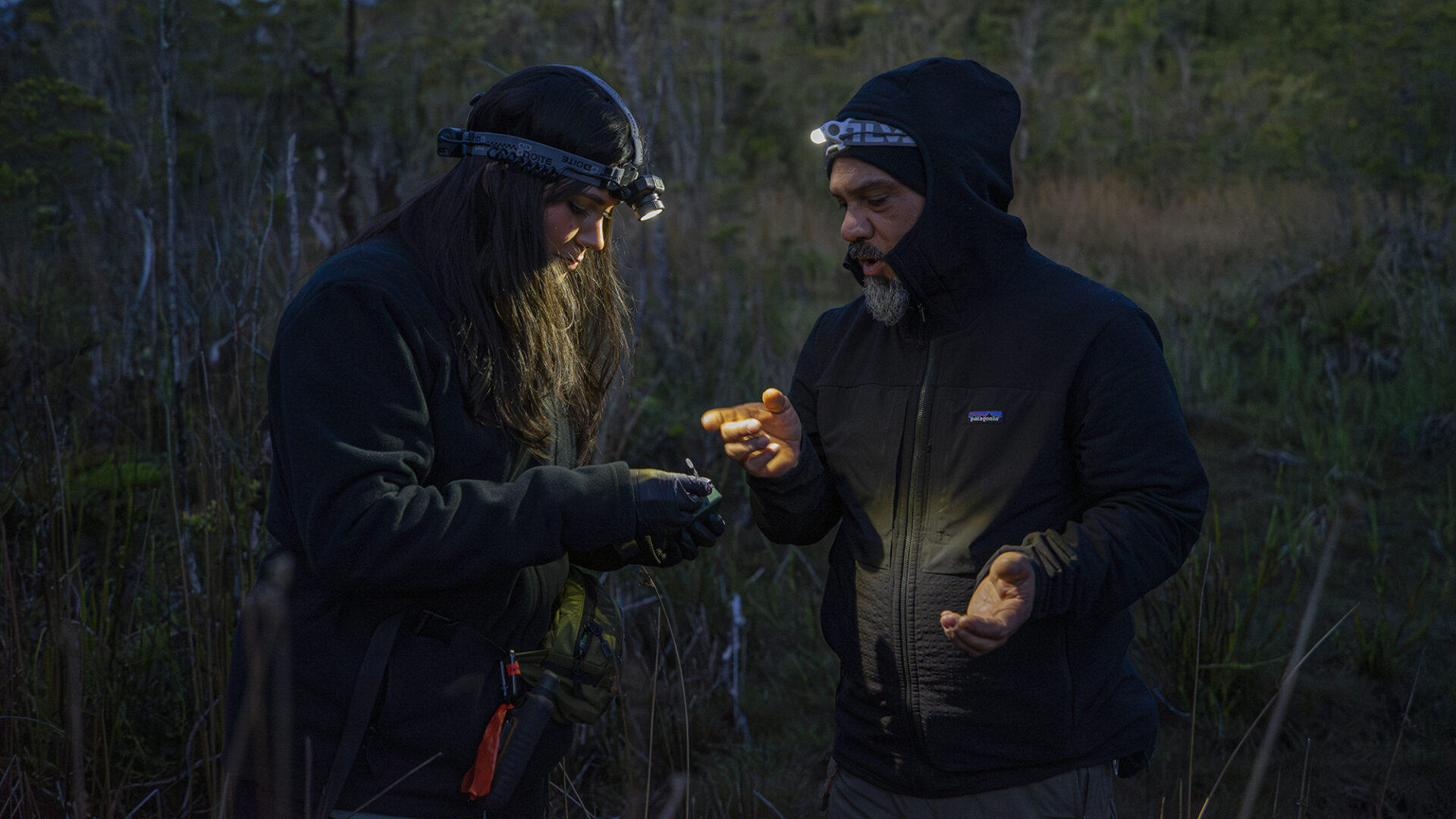
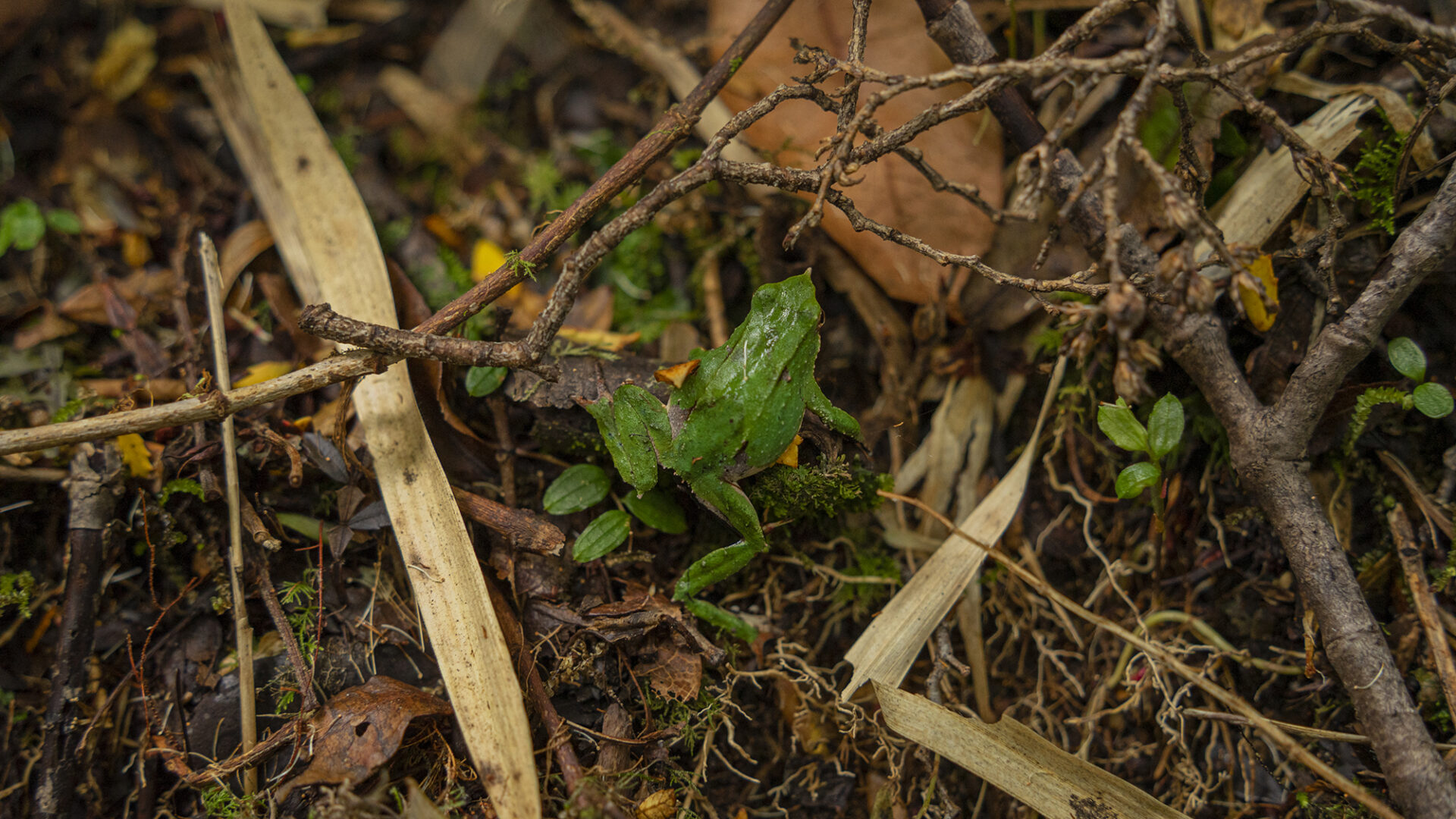
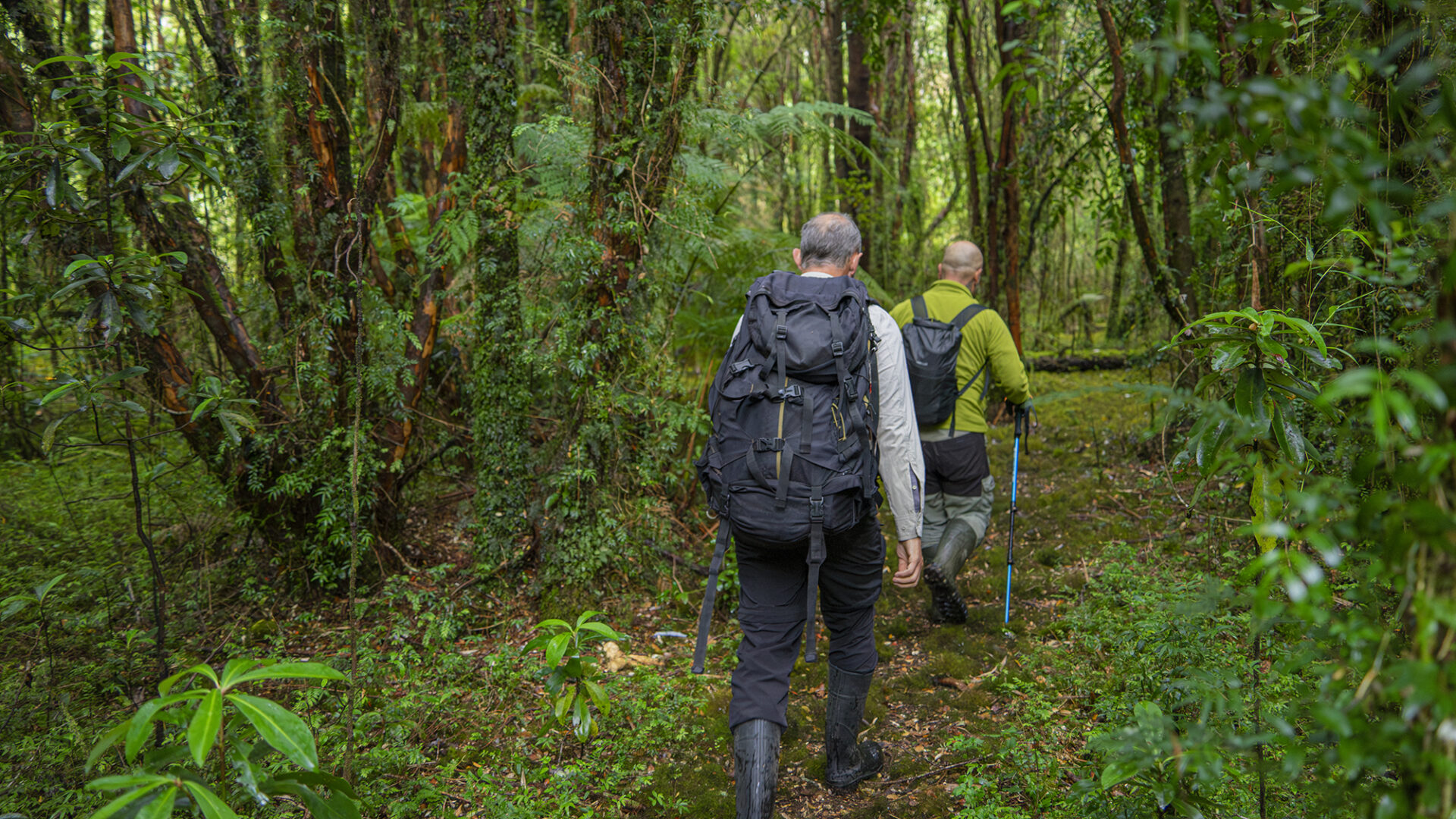
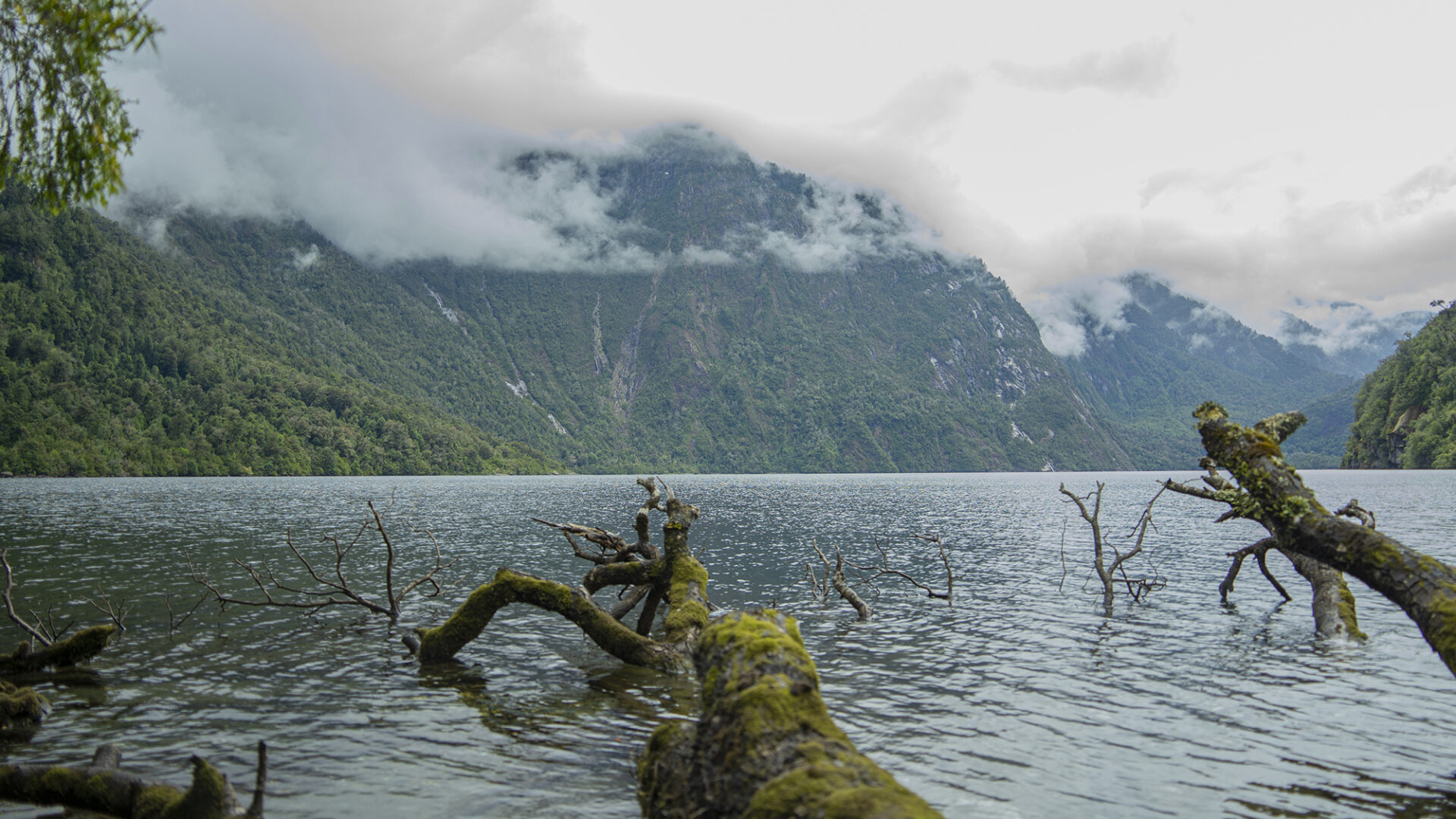
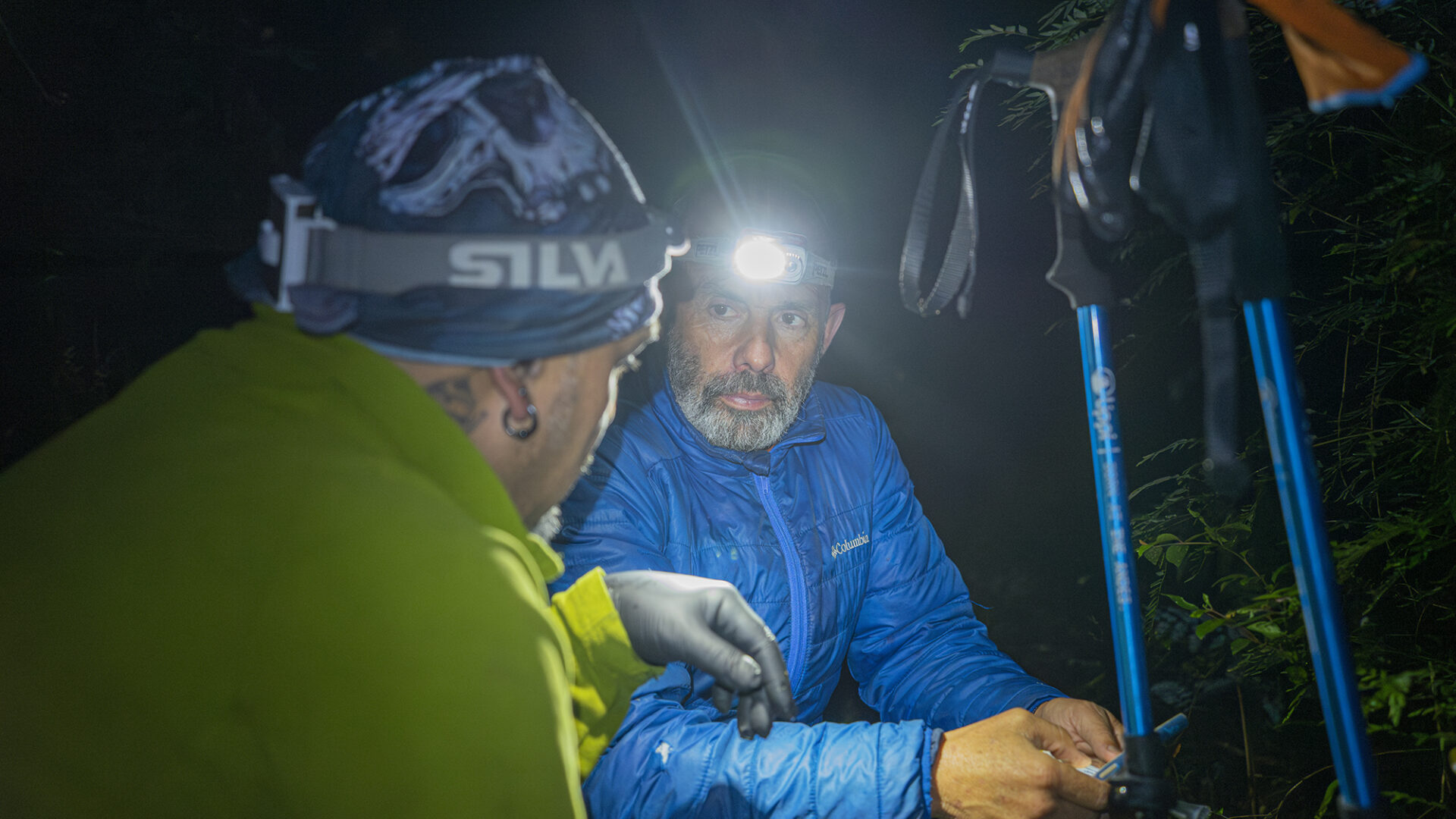
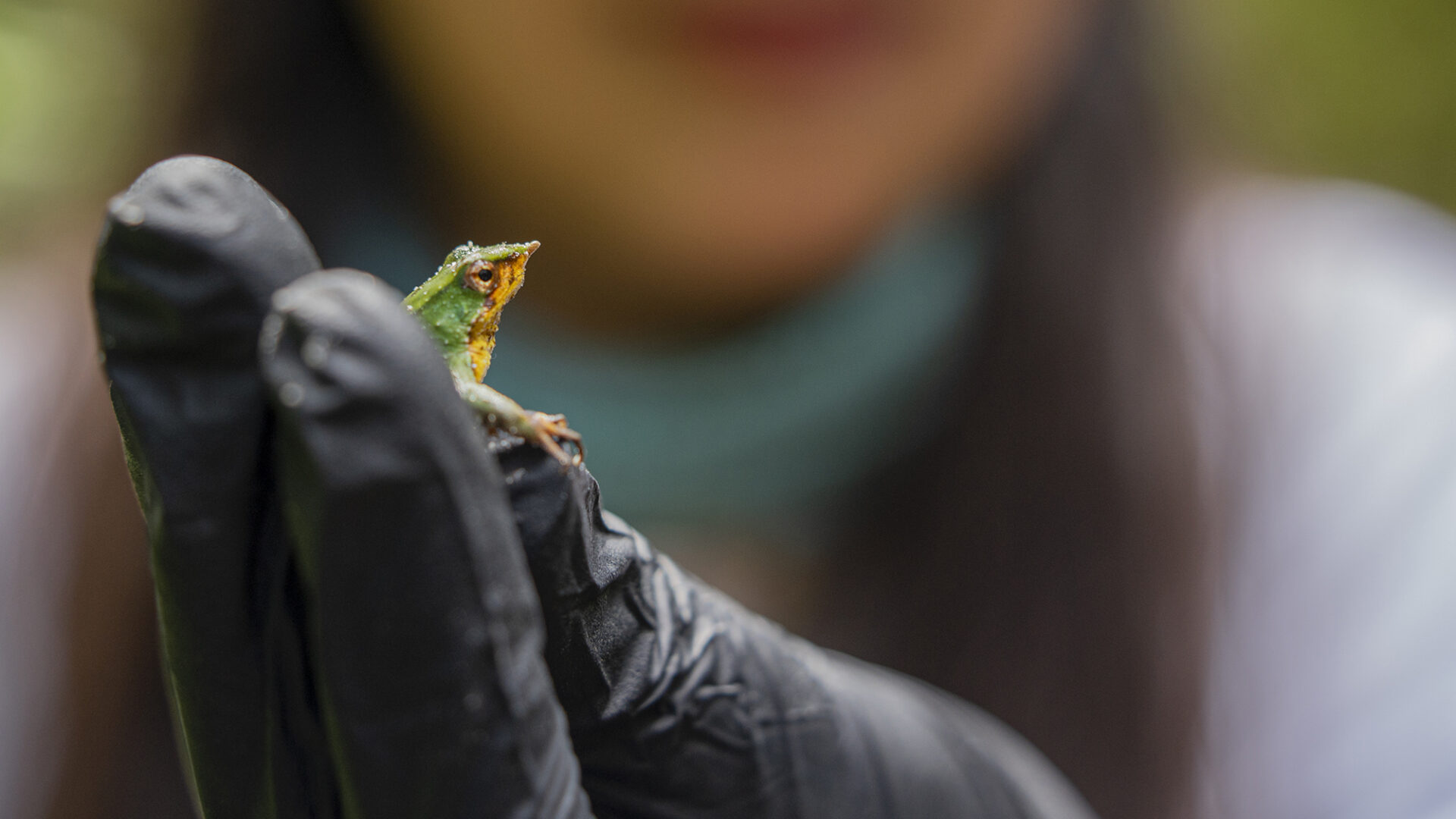
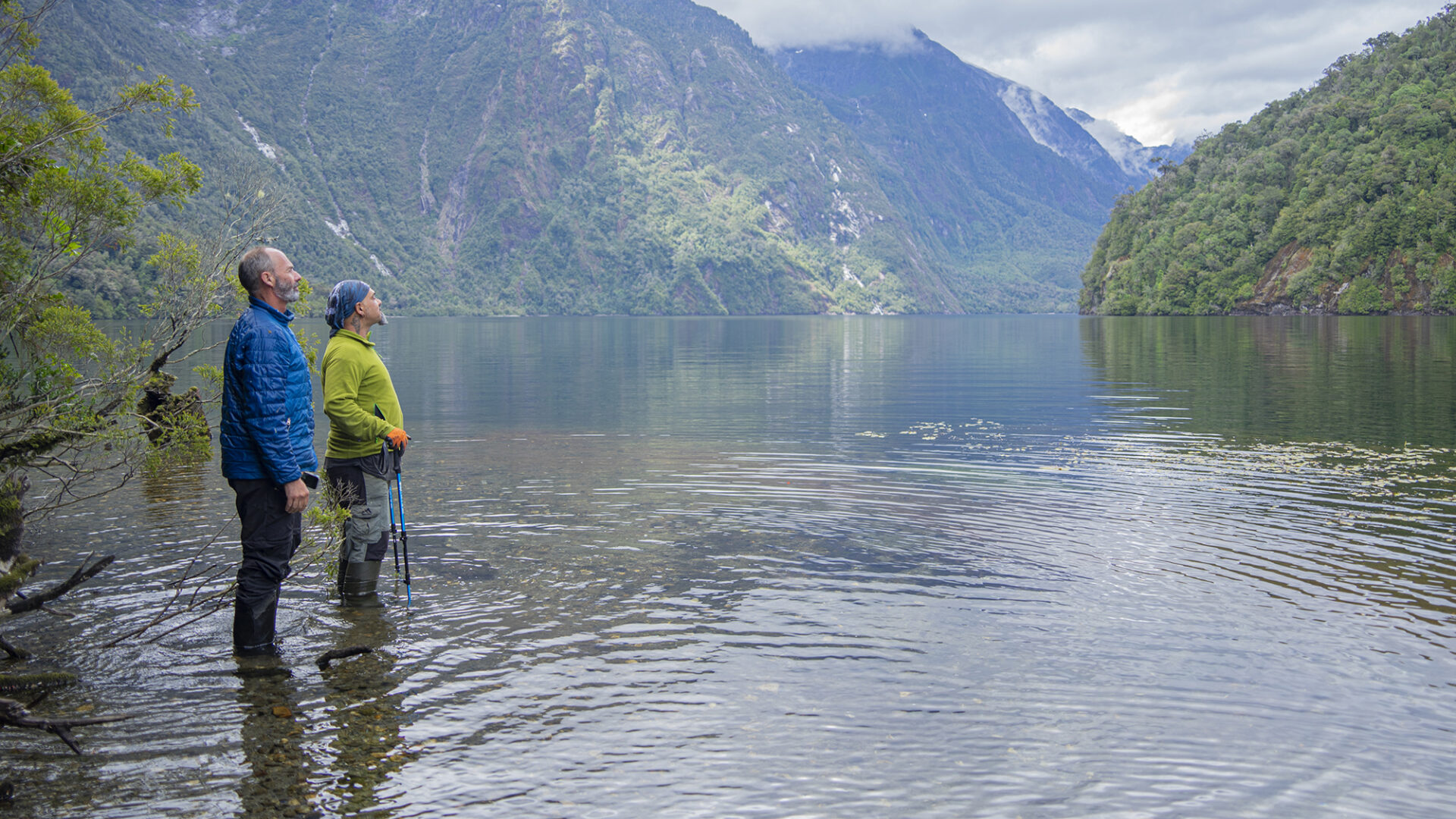
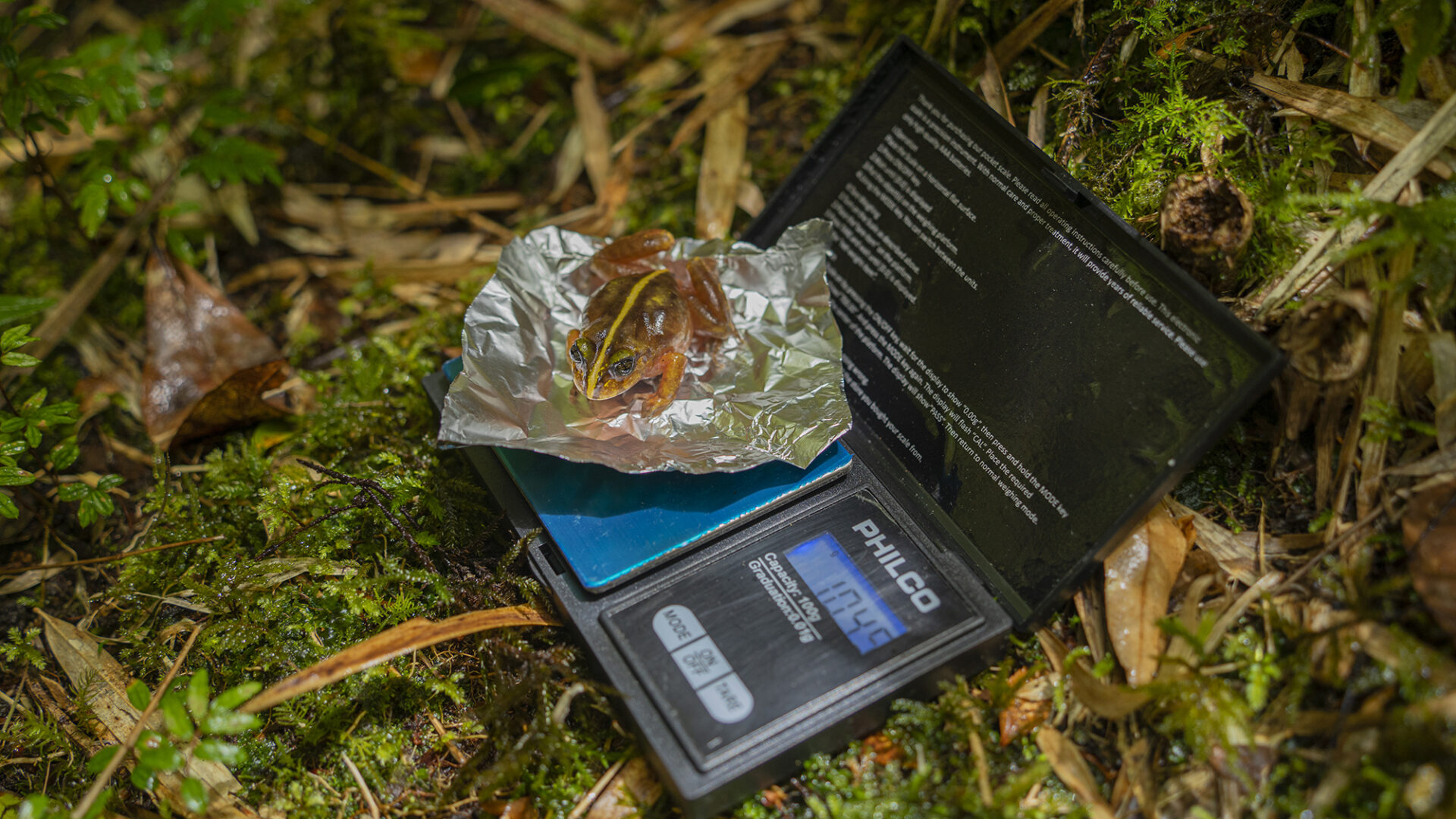
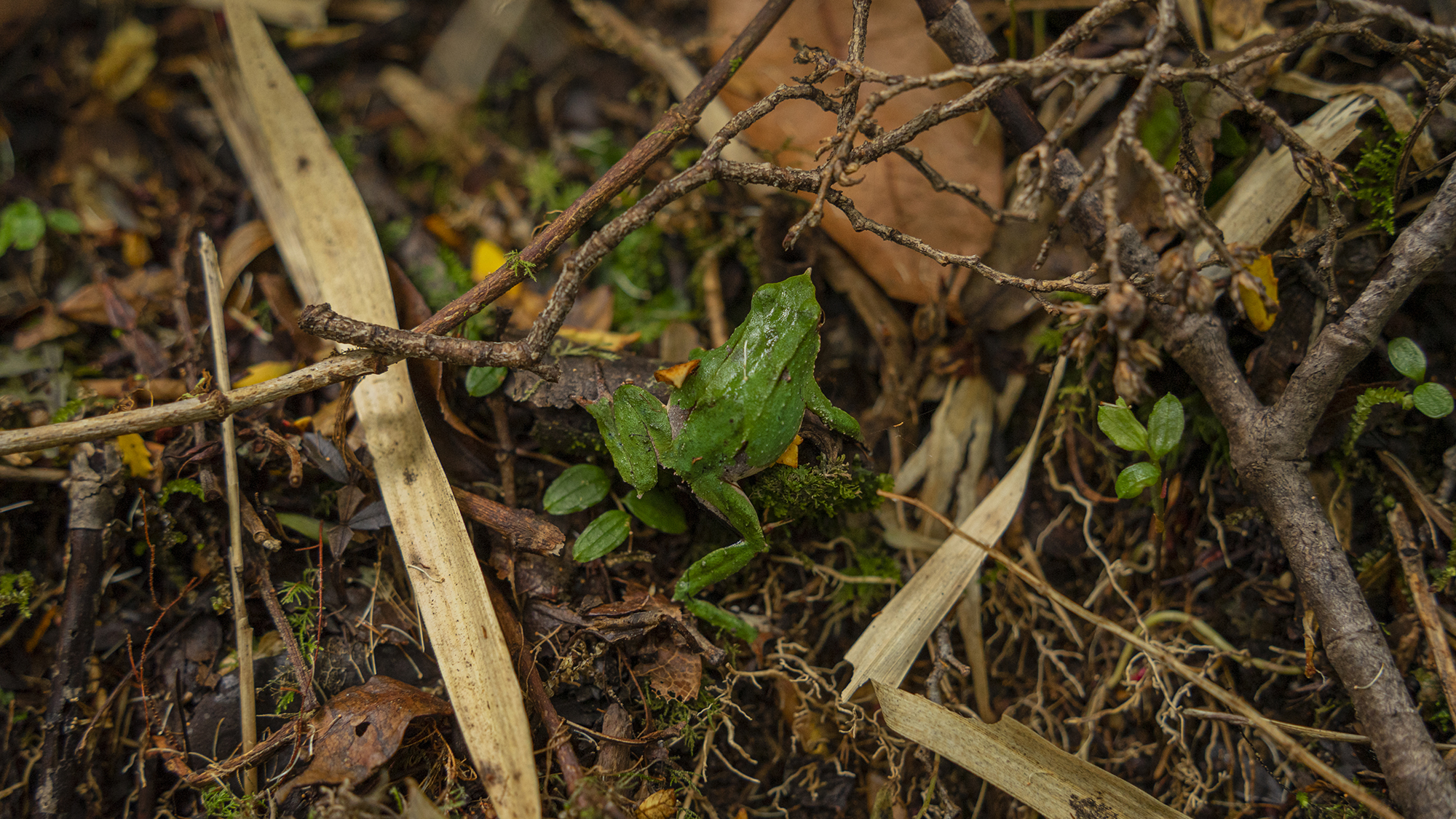
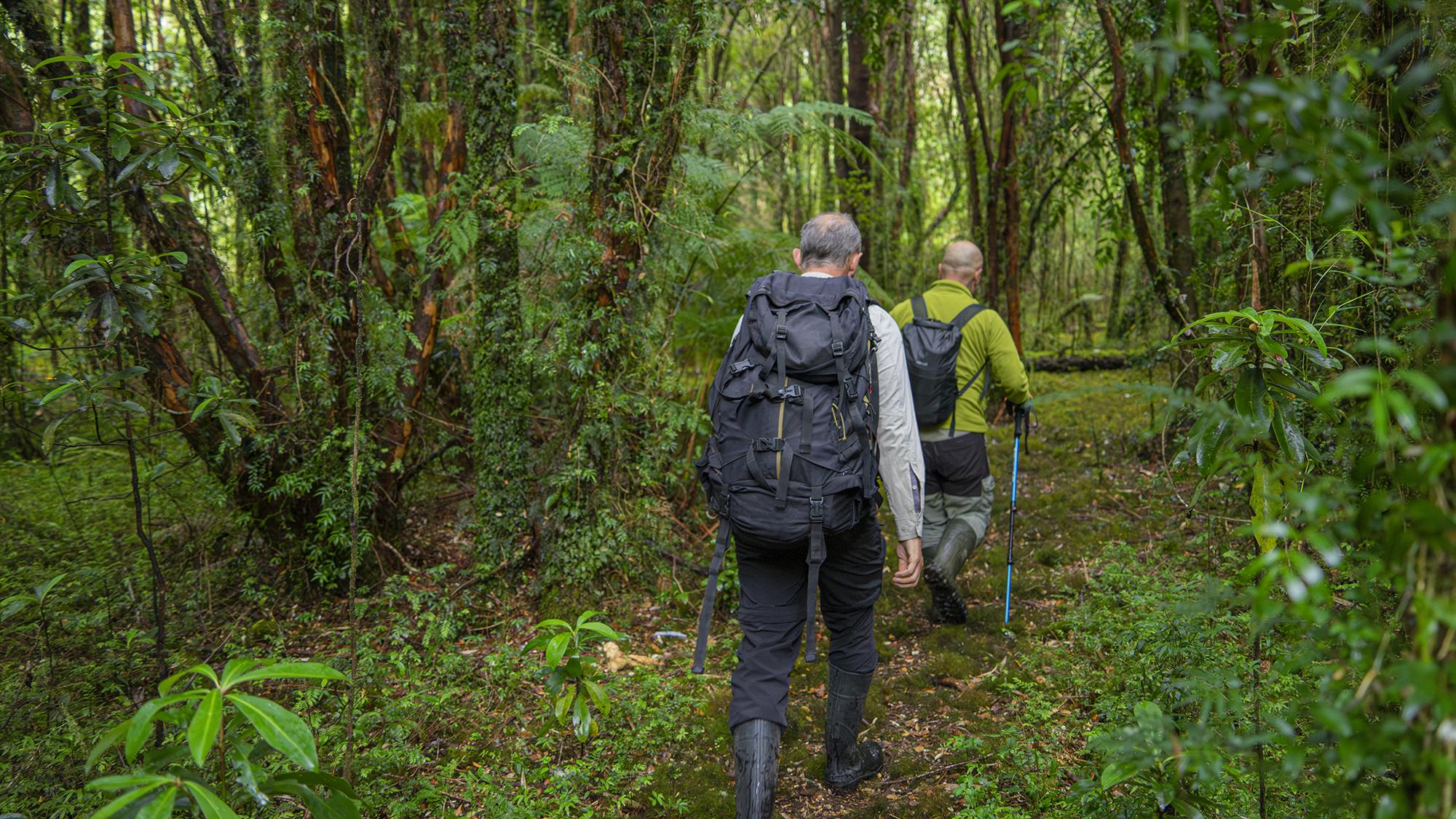
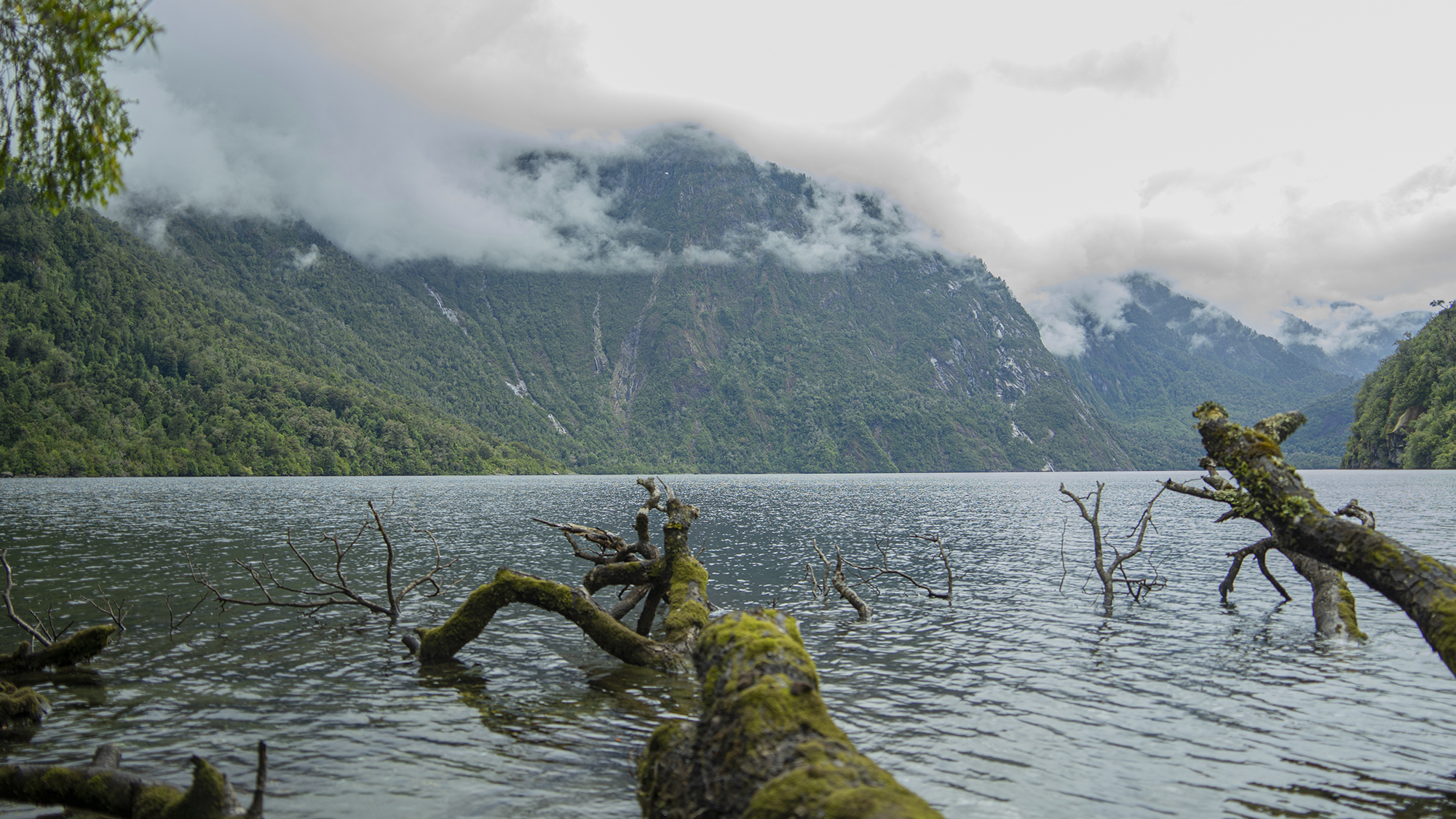
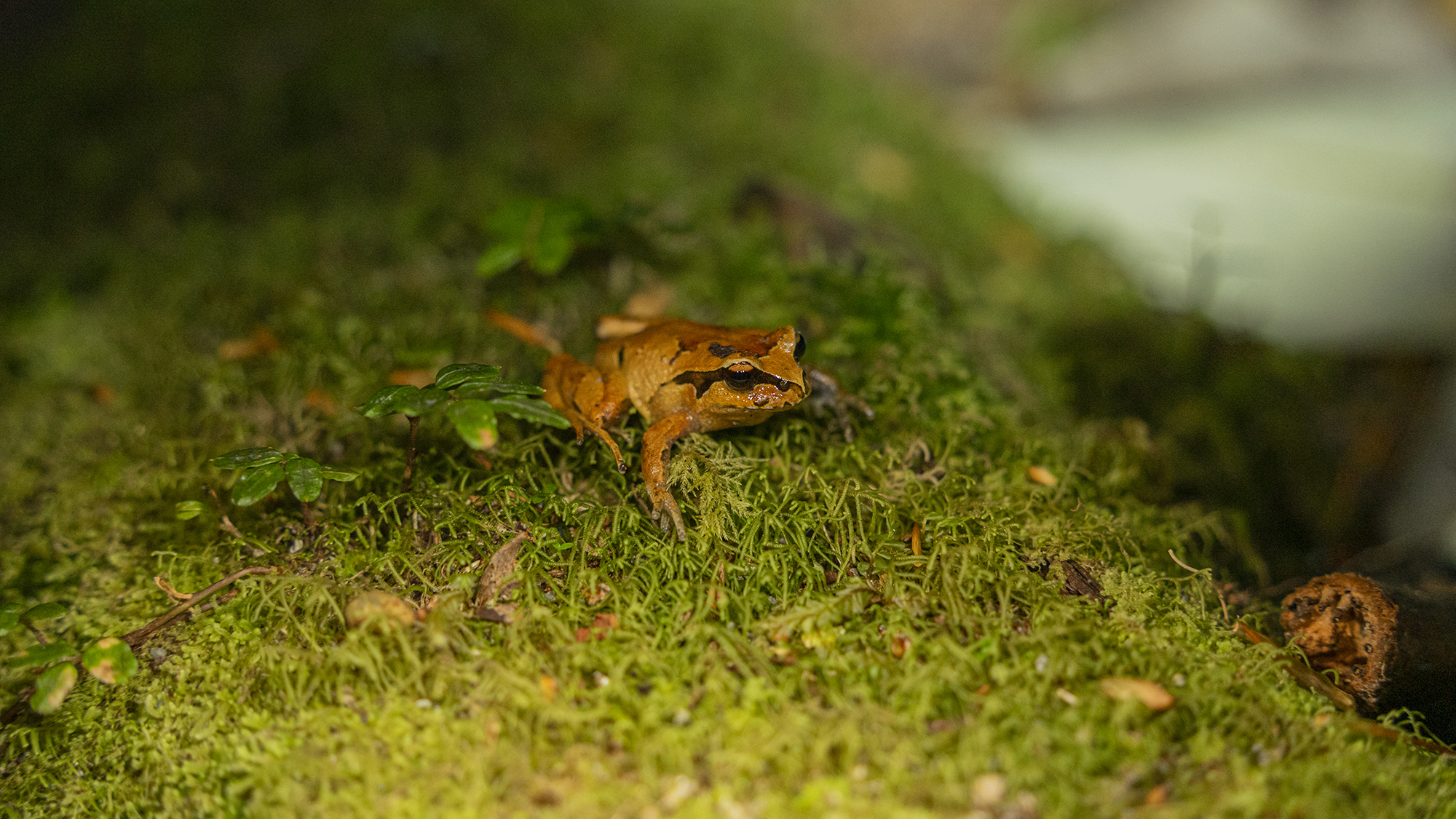
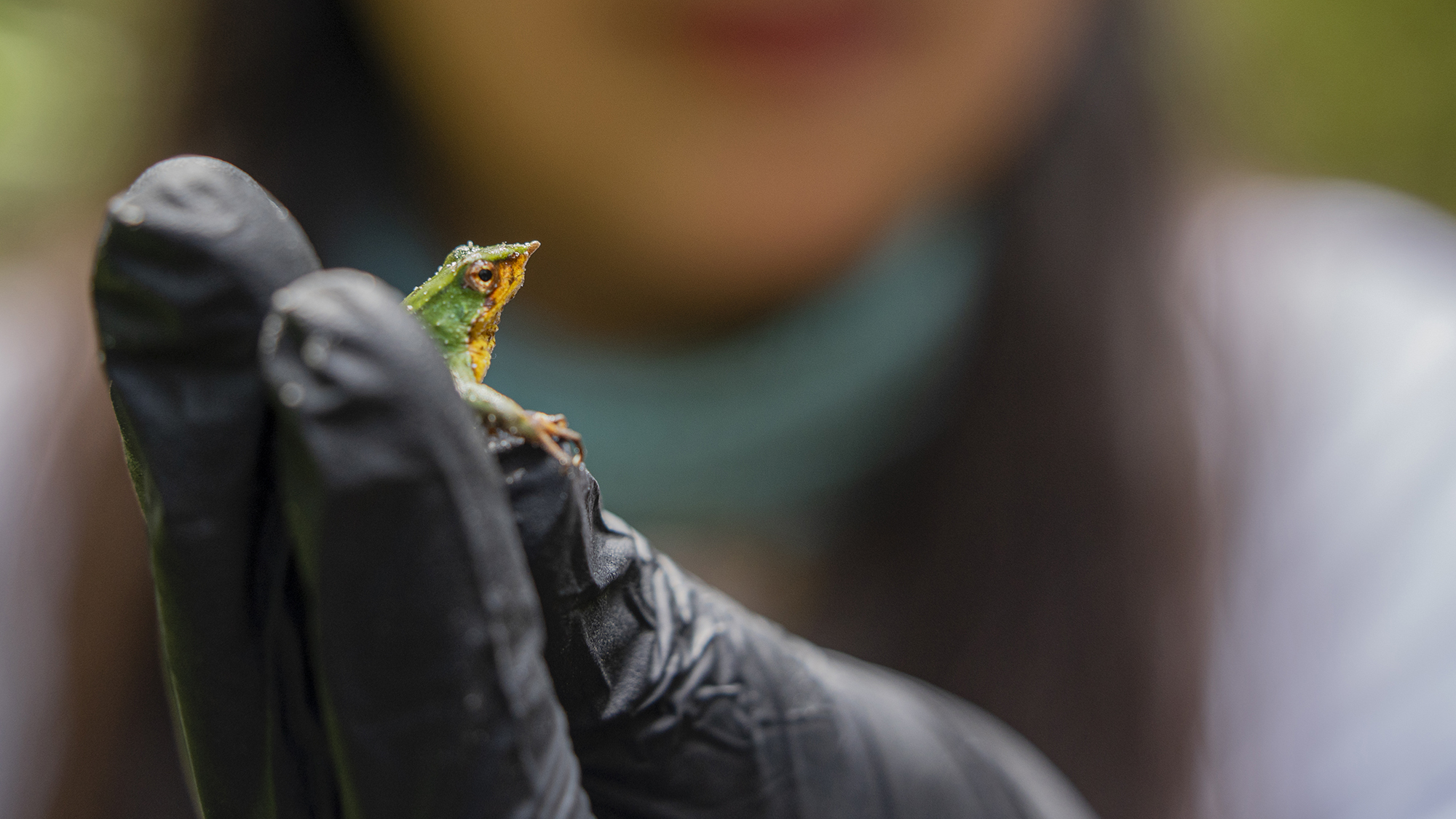
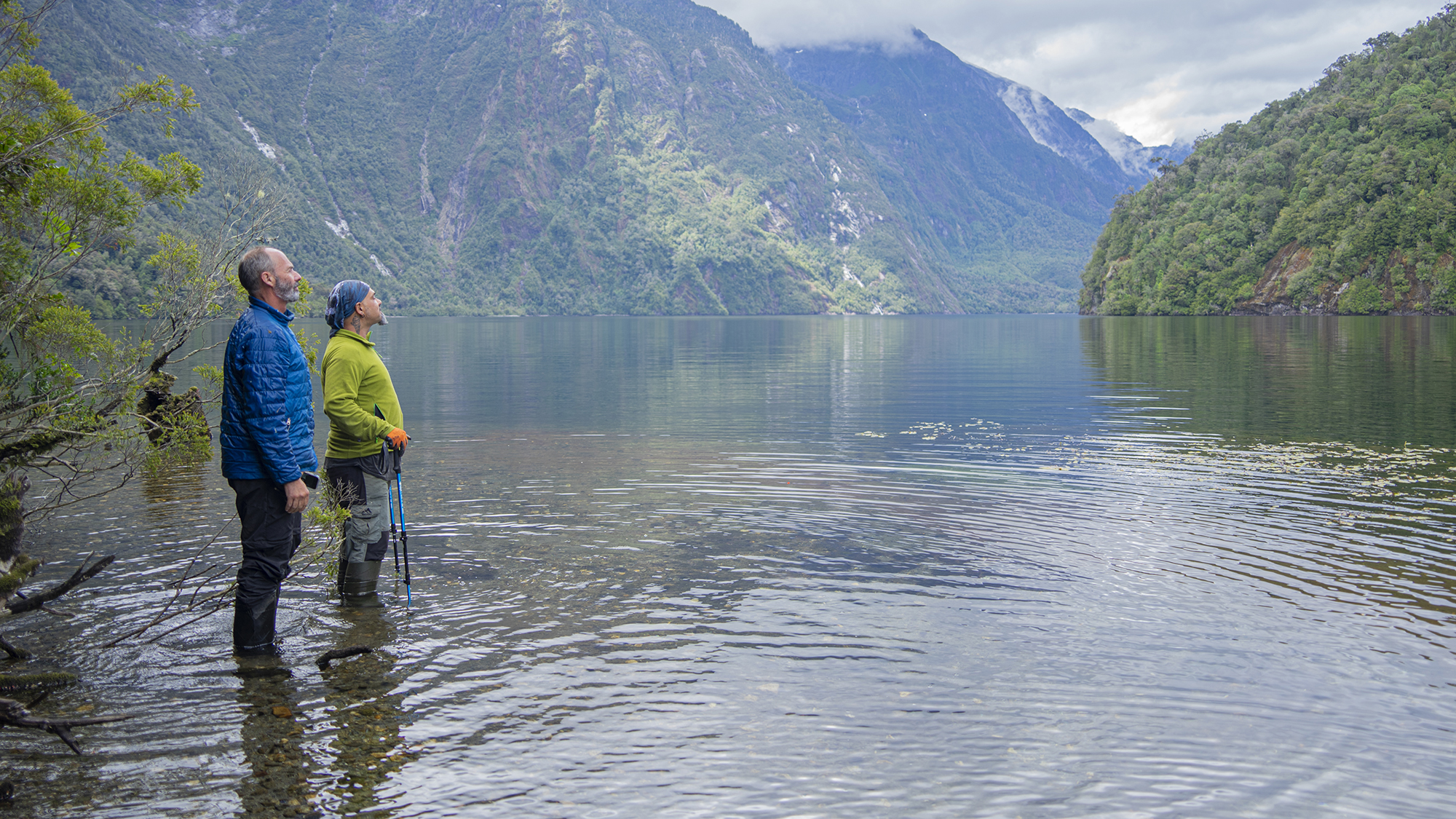
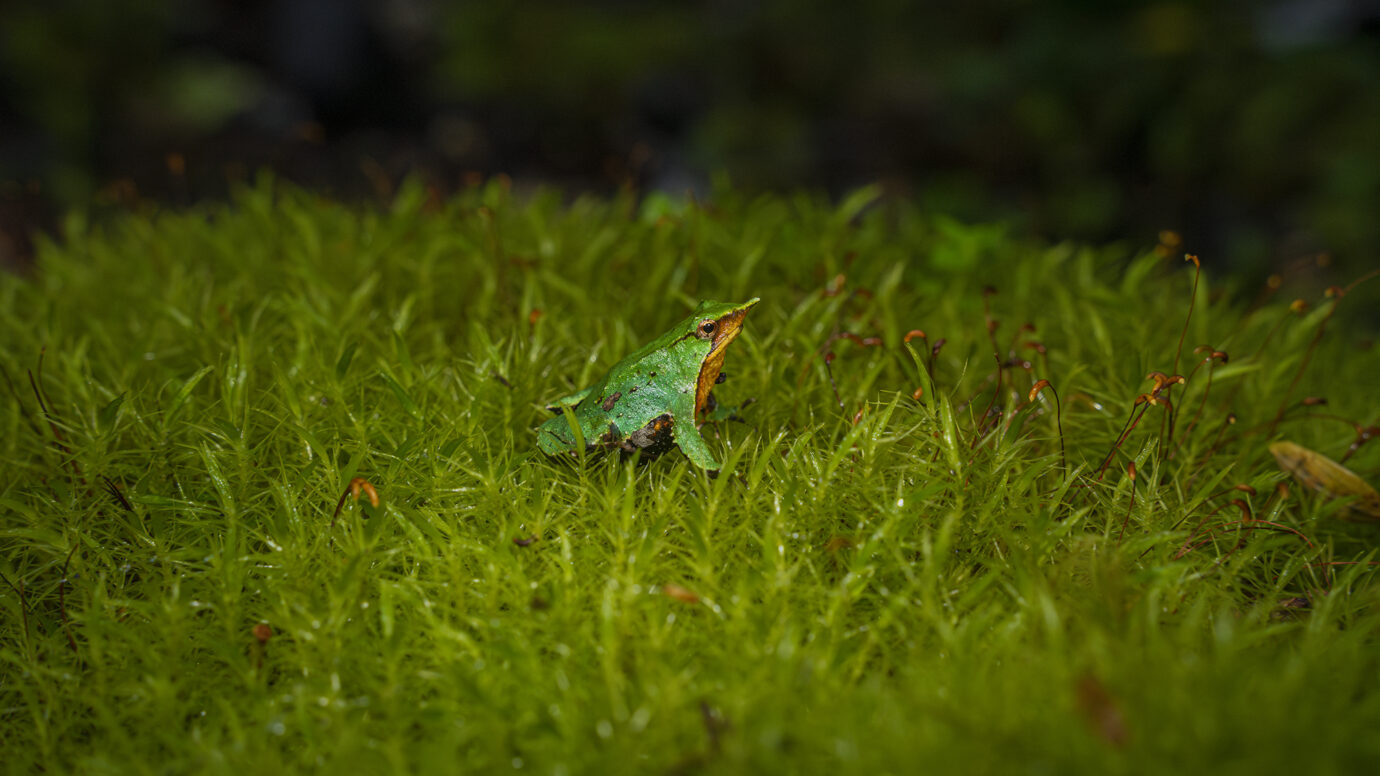
Encouraging records of Darwin’s frog have been documented by researchers from Rewilding Chile’s Amphibian Program during recent expeditions to Pumalín Douglas Tompkins National Park and Corcovado National Park, in Los Lagos Region.
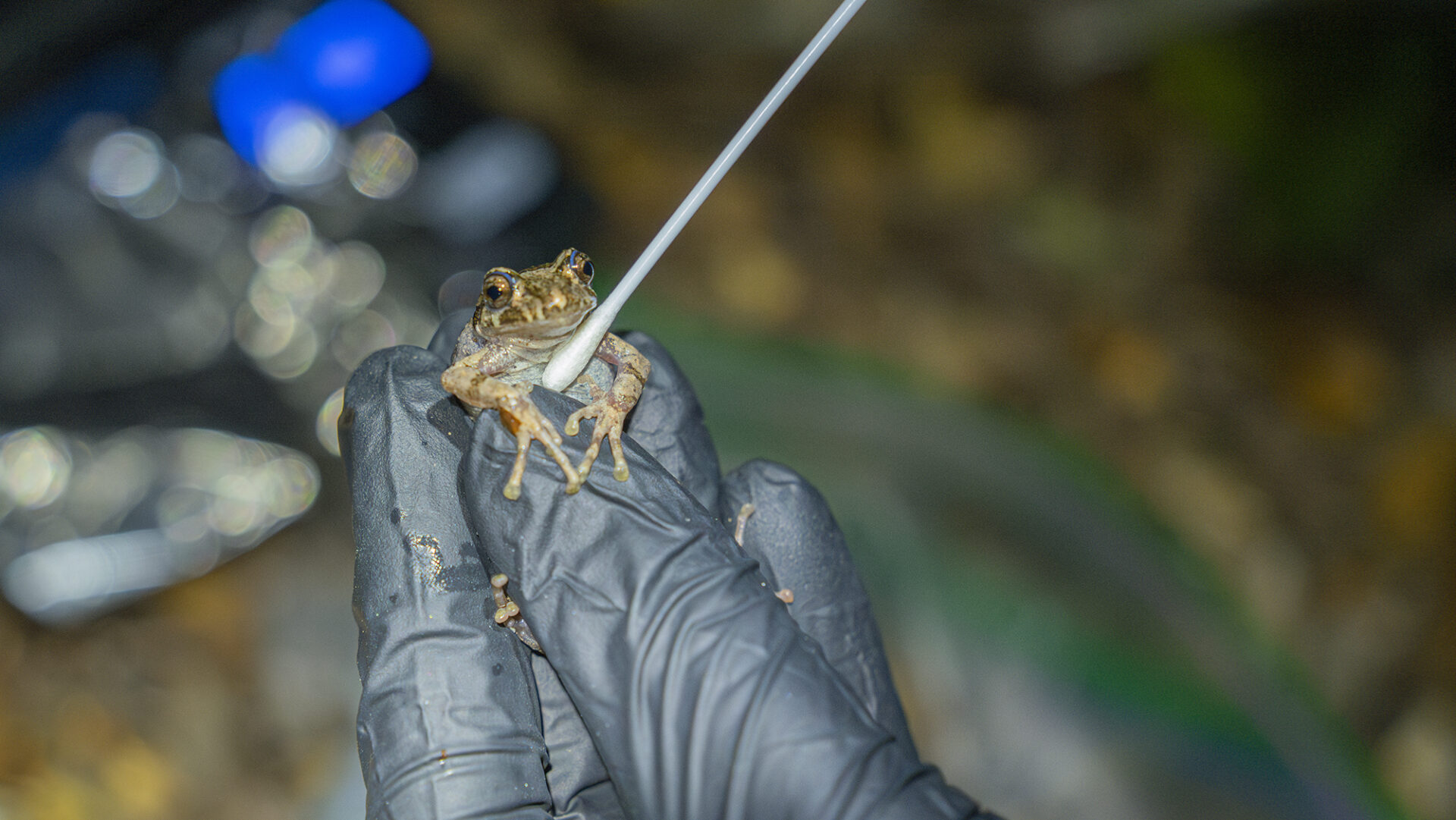
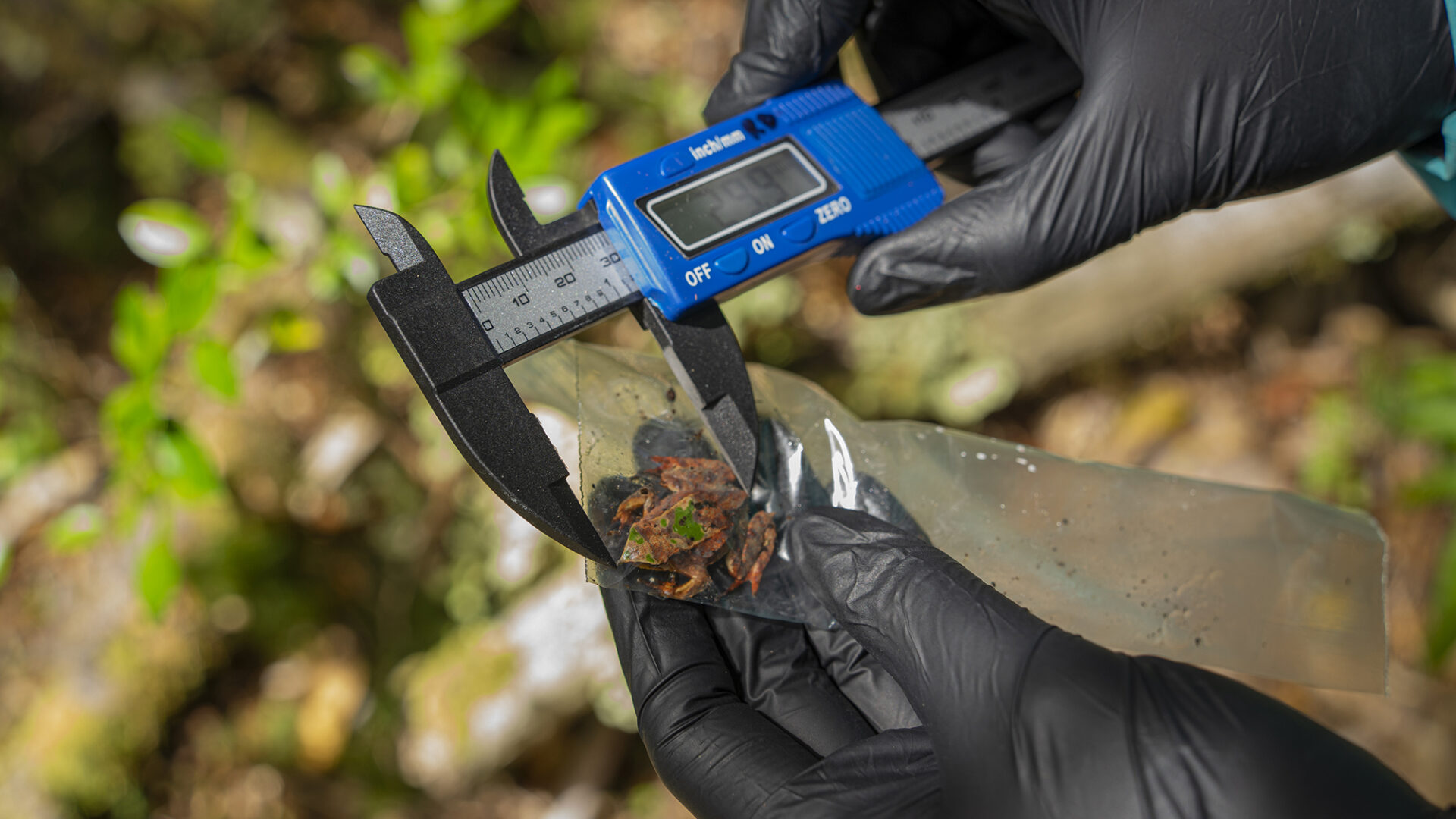
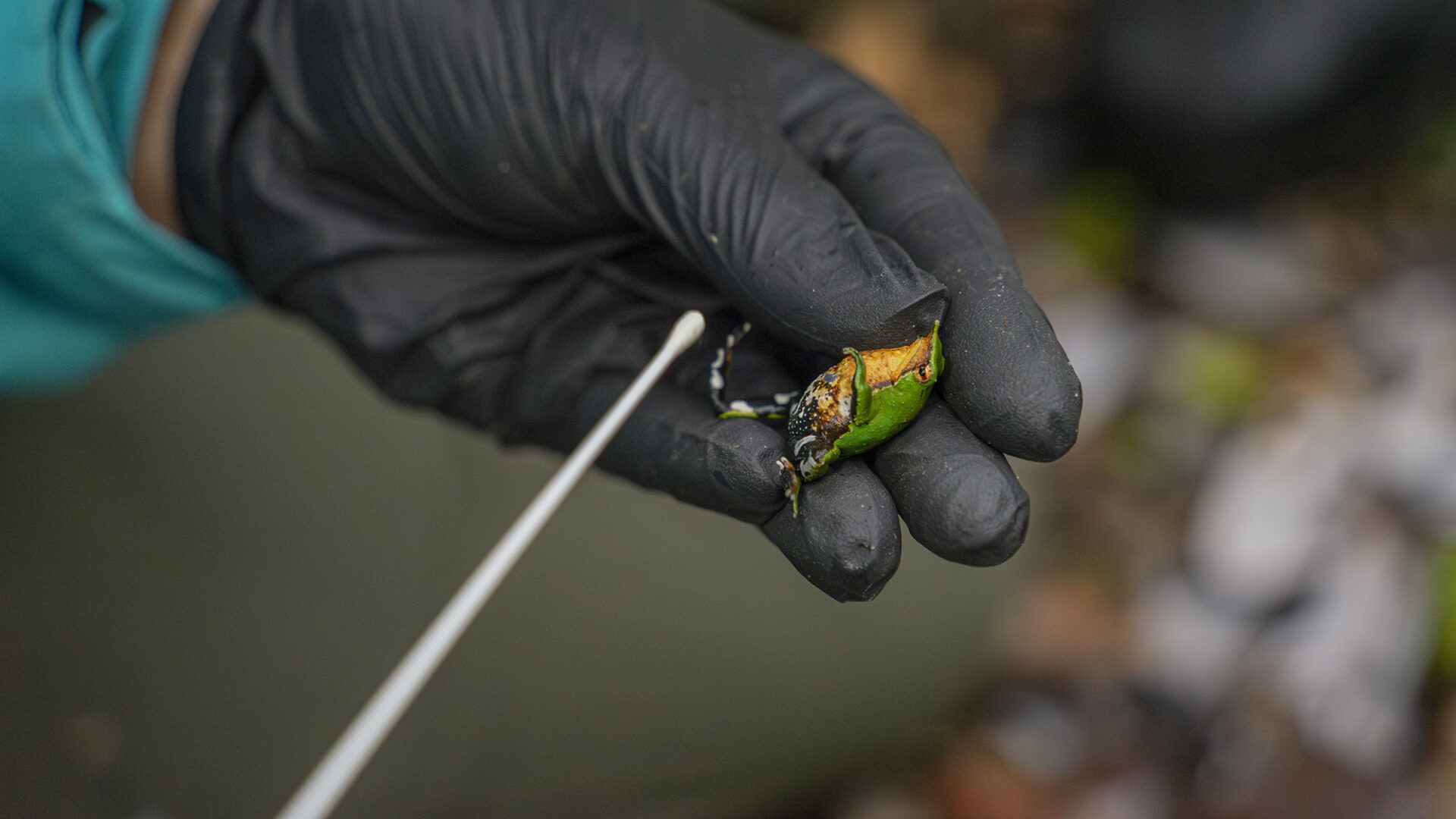
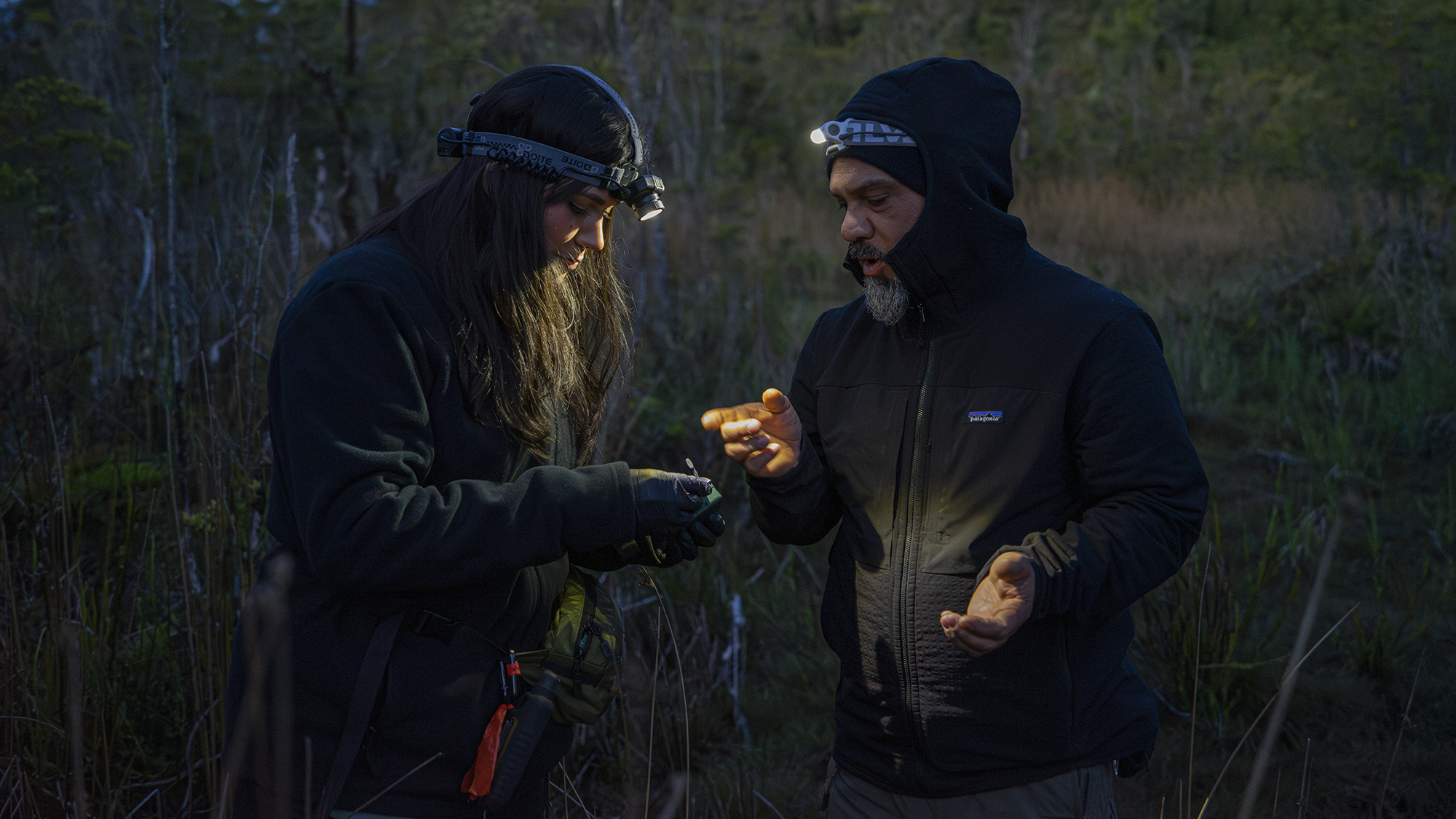
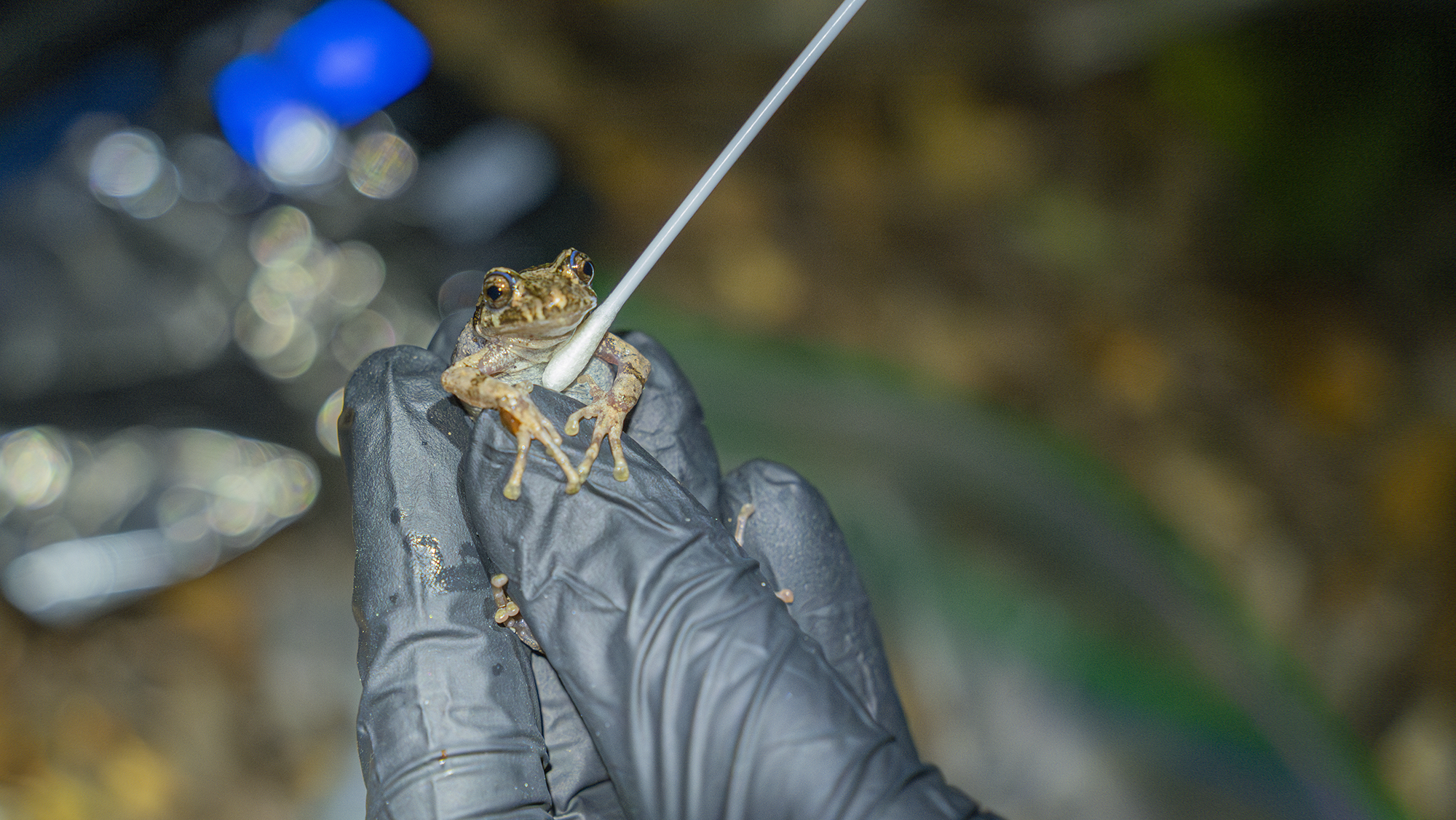
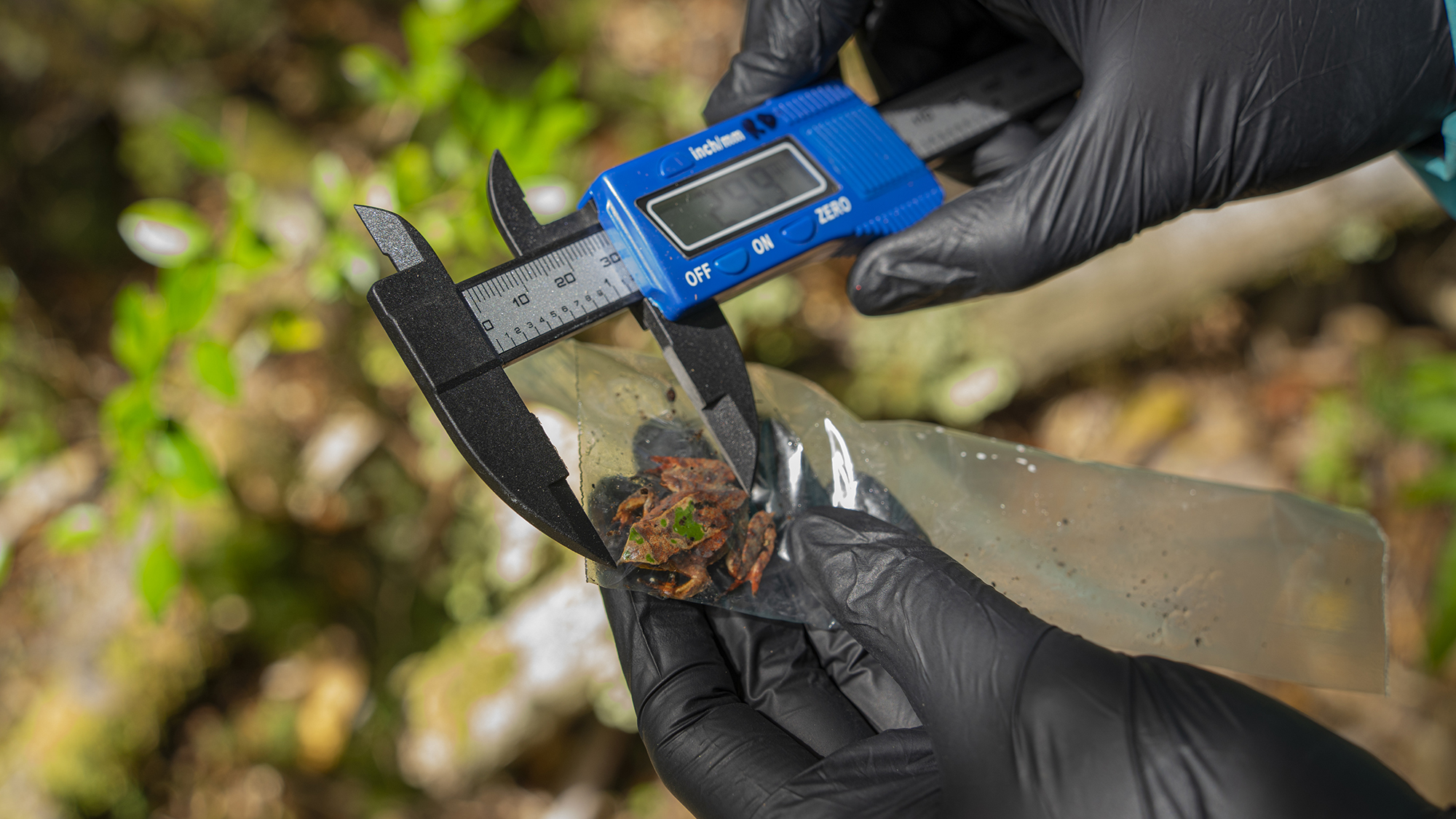
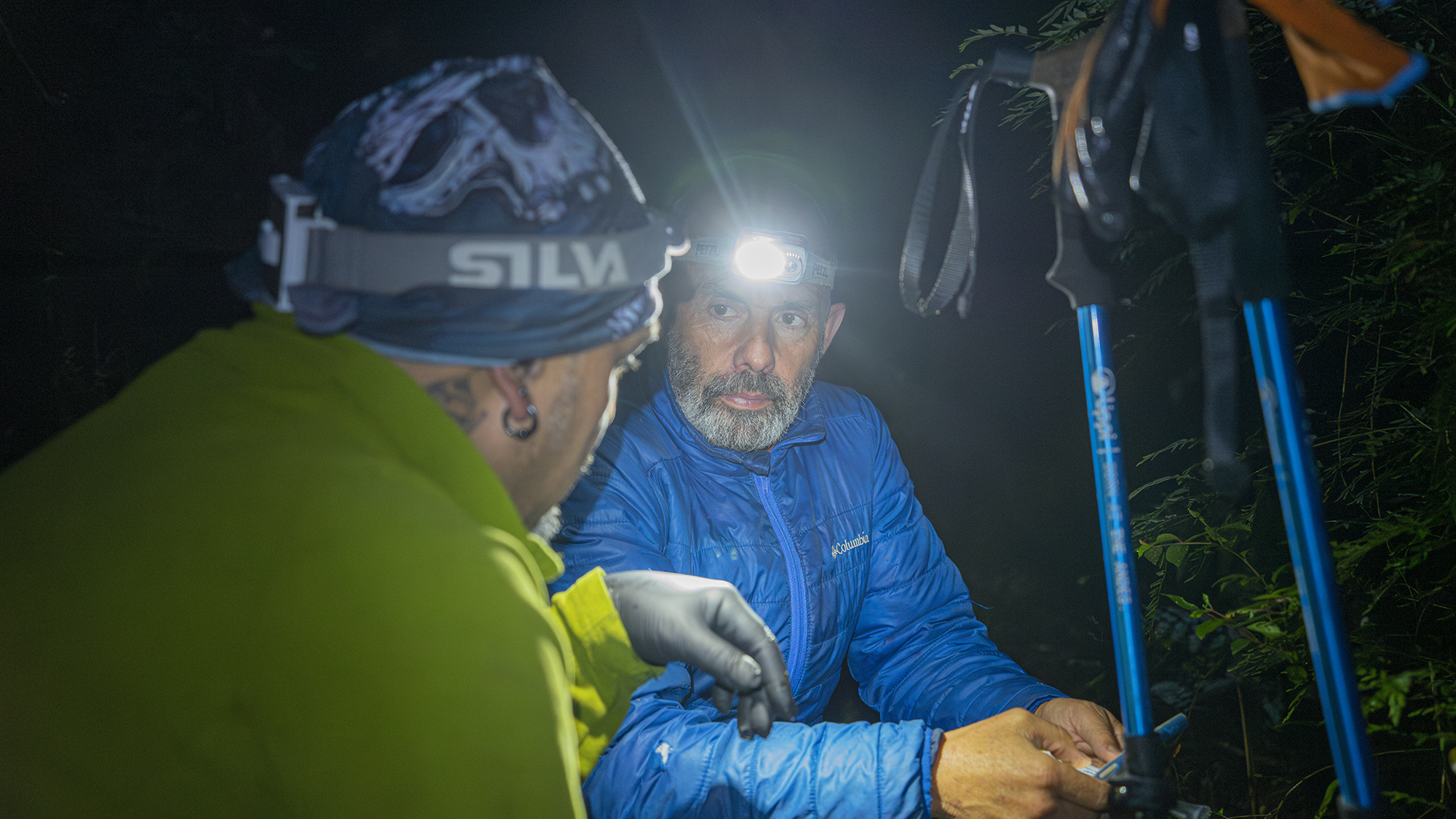
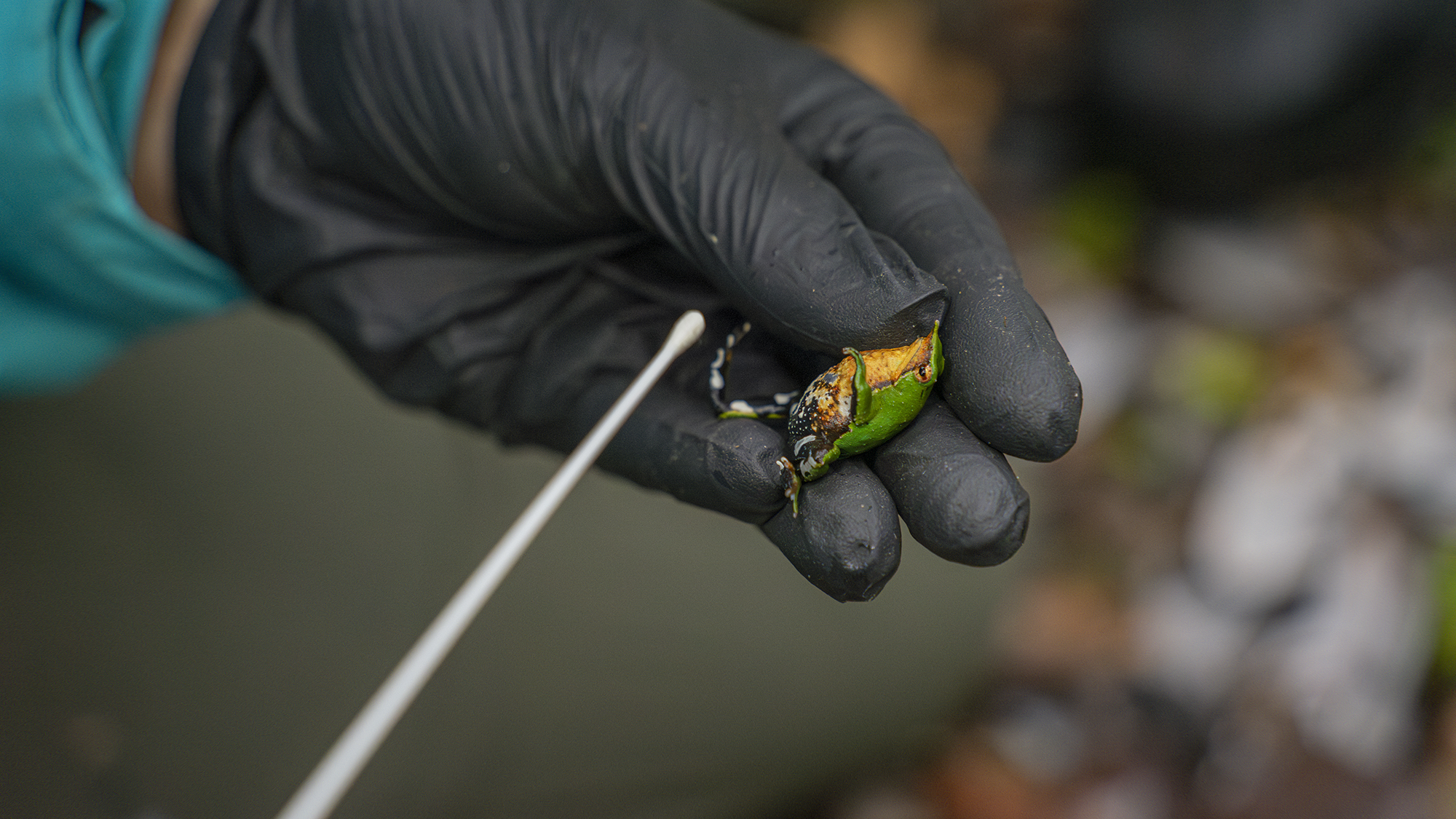
“Since launching our Program in 2024, we have identified more than 30 Darwin’s frogs,” explains Ingrid Espinoza, Conservation Director at Rewilding Chile. She notes that each individual found is sampled to assess its health status and detect potential threats such as the chytrid fungus (Batrachochytrium dendrobatidis).
“Fortunately, to date we have not detected Darwin’s frogs carrying this fungus. However, other species have tested positive for this pathogen, which infects their skin and disrupts key physiological functions essential for respiration, leading to population collapse,” Espinoza adds.
To develop effective conservation strategies for this amphibian, Rewilding Chile—together with Universidad Andrés Bello, Zoológico Metropolitano, the NGO ONG Ranita de Darwin, and with the collaboration of CONAF—is advancing this research program to better understand the status of its populations, its ecological role, species interactions, and the threats it faces.
These recent records add to last year’s discovery of new populations in Corcovado National Park, where this remarkable amphibian—found only in the temperate forests of Chile and Argentina—had not previously been recorded. During that survey, researchers counted five Darwin’s frogs, three of them carrying offspring in their vocal sacs, estimating a total of 13 individuals.
“Fortunately, to date we have not detected Darwin’s frogs carrying this fungus. However, other species have tested positive for this pathogen, which infects their skin and disrupts key physiological functions essential for respiration, leading to population collapse”.
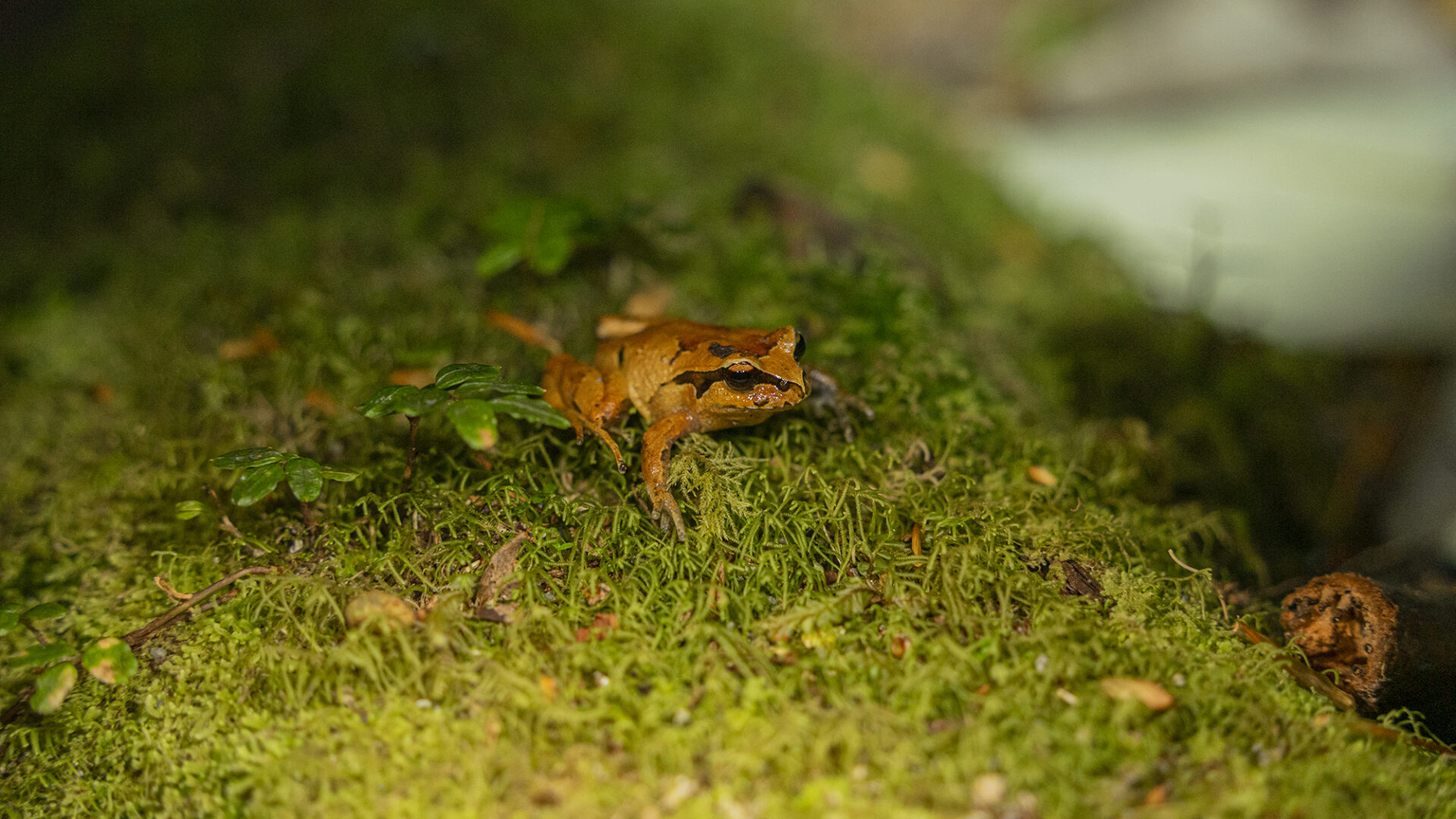
Darwin’s frog belongs to the family Rhinodermatidae and is one of the most enigmatic endemic species along the Route of Parks of Patagonia. It is currently classified as Endangered on the IUCN Red List of Threatened Species and under Chile’s national Species Classification Regulation.
This small amphibian measures around 3 centimeters and is globally renowned for its unique reproductive strategy: the male incubates the tadpoles inside his vocal sac, where they undergo metamorphosis before being released as tiny froglets measuring about half a centimeter.
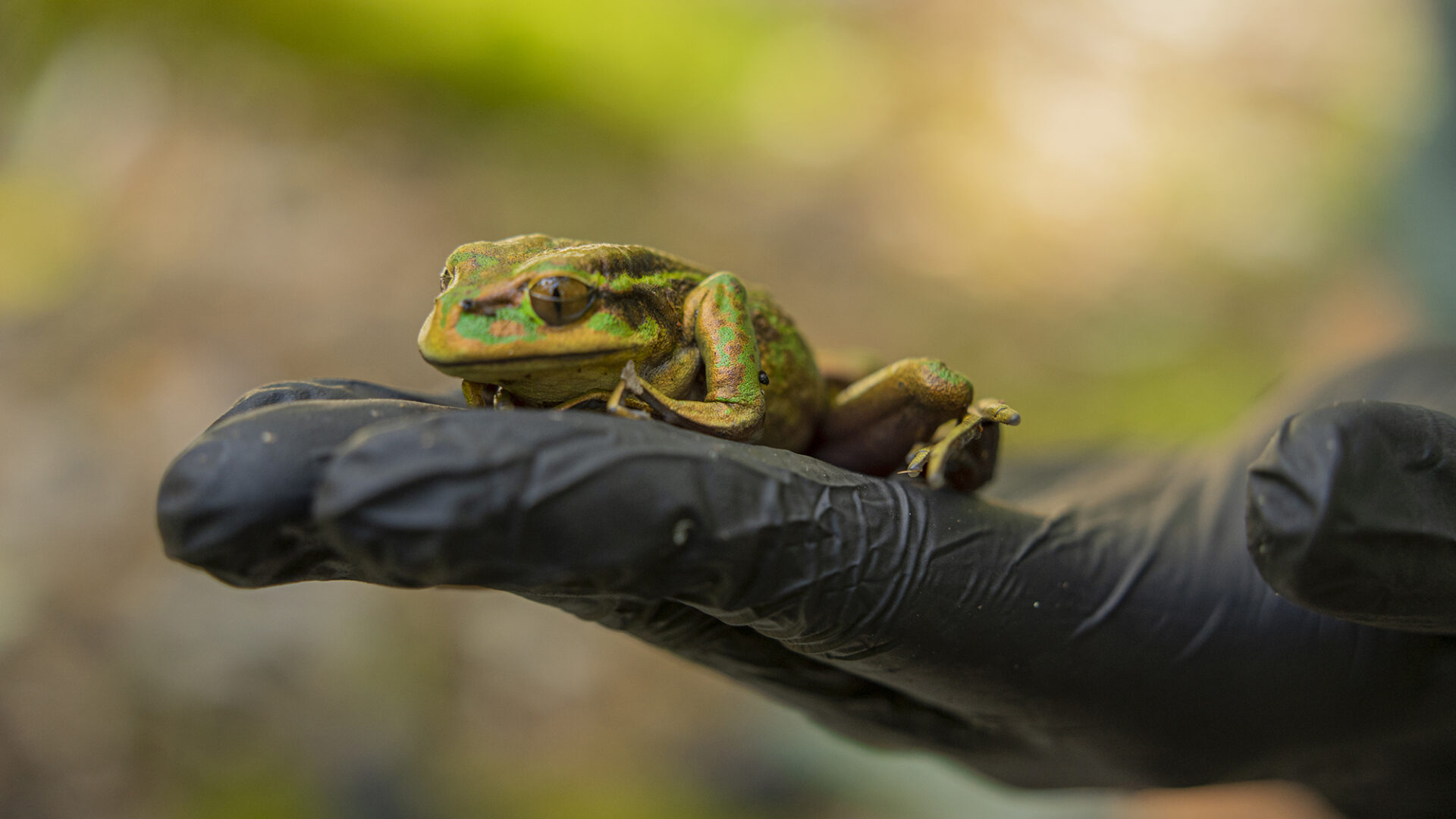
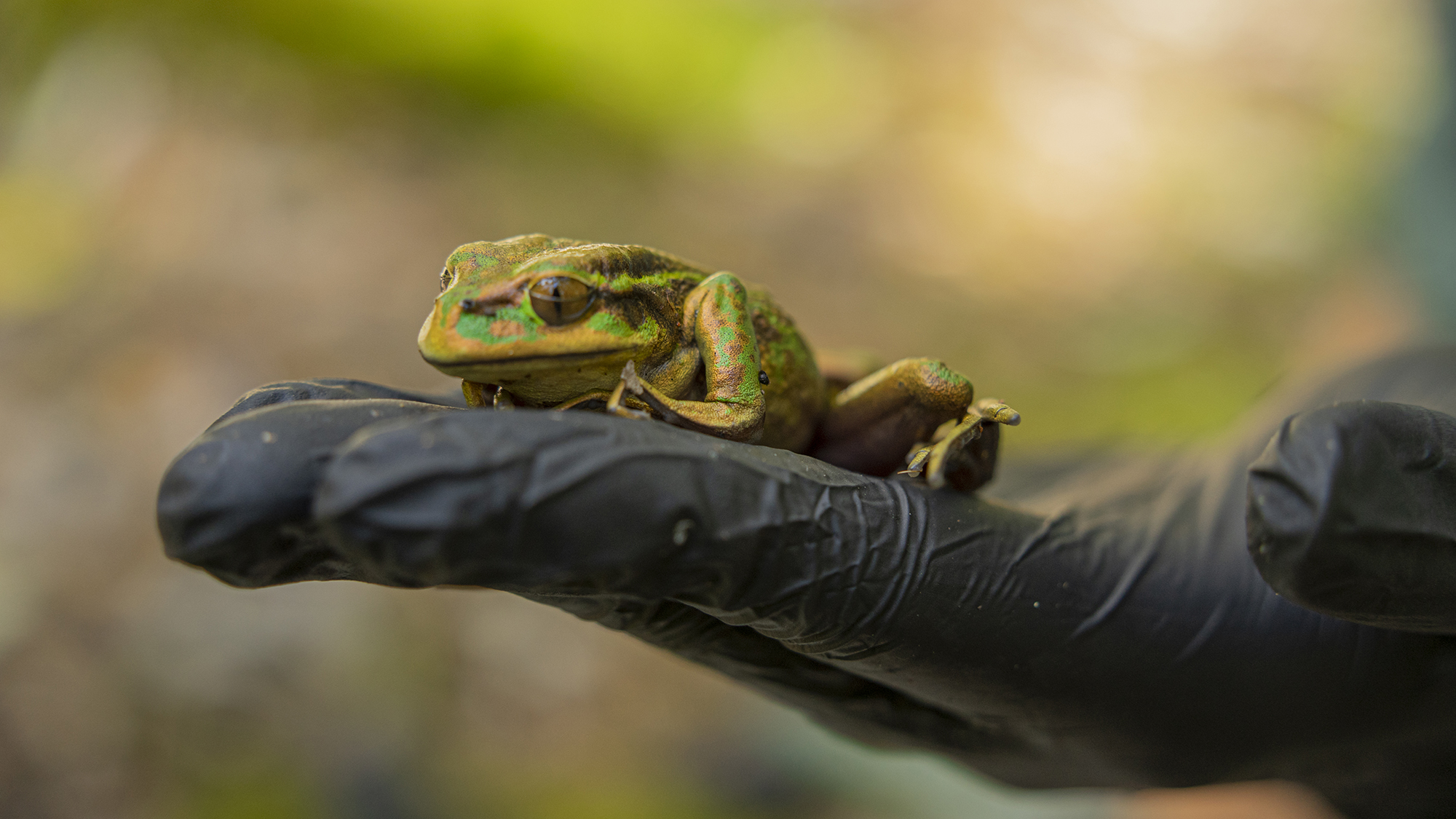
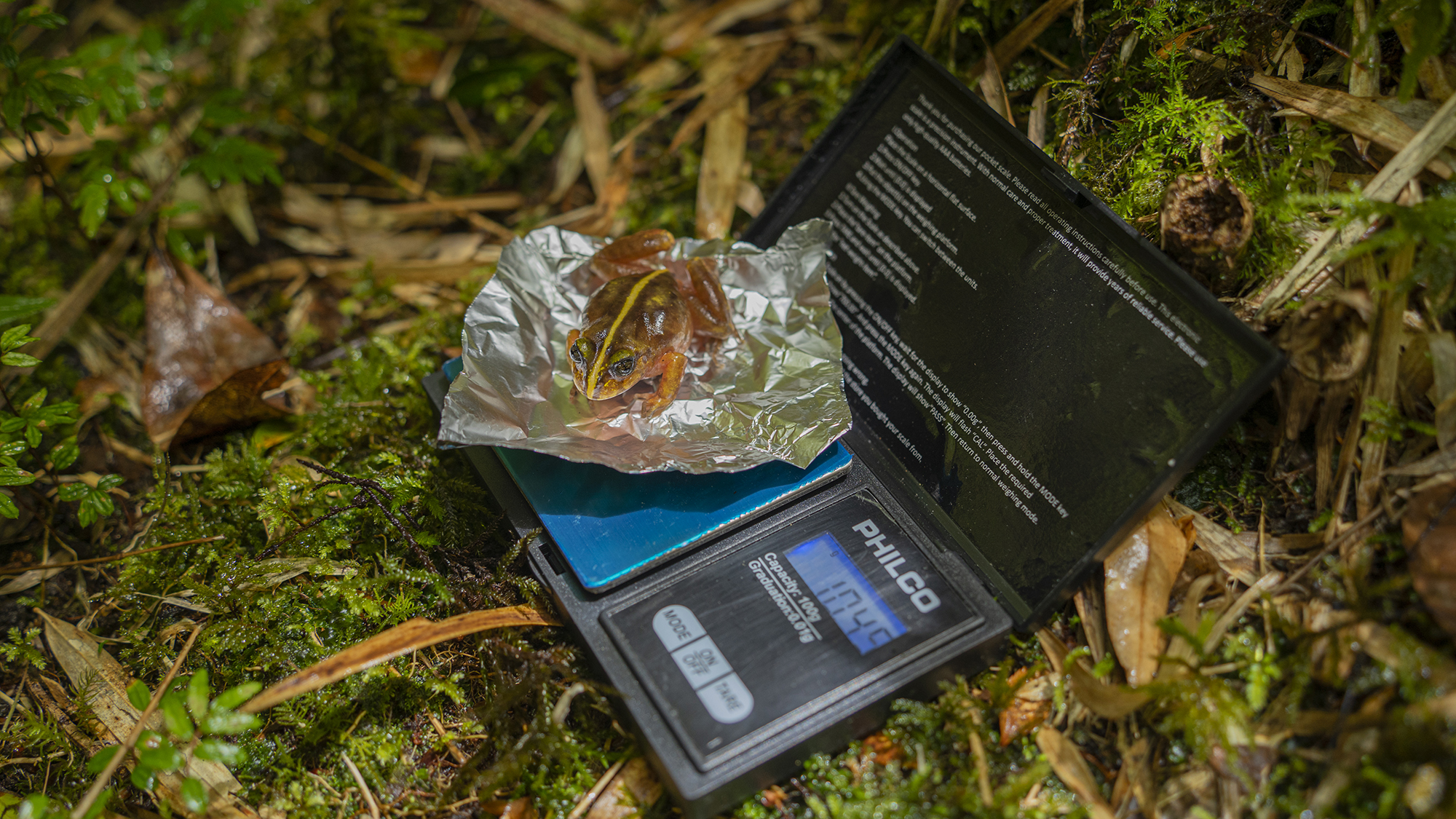
Thanks to this program, researchers have documented not only Darwin’s frog but also a total of 11 different amphibian species. Among them is the spiny toad (Rhinella spinulosa), revealing a distribution gap in the southernmost range of this South American amphibian, which is also found in Peru, Bolivia, and Argentina.
These new records renew hope and reinforce ongoing efforts to protect this singular species of the Patagonian forests.