Rewilding Chile leads seminar to chart the future of species recovery and ecosystem restoration in the country and the region
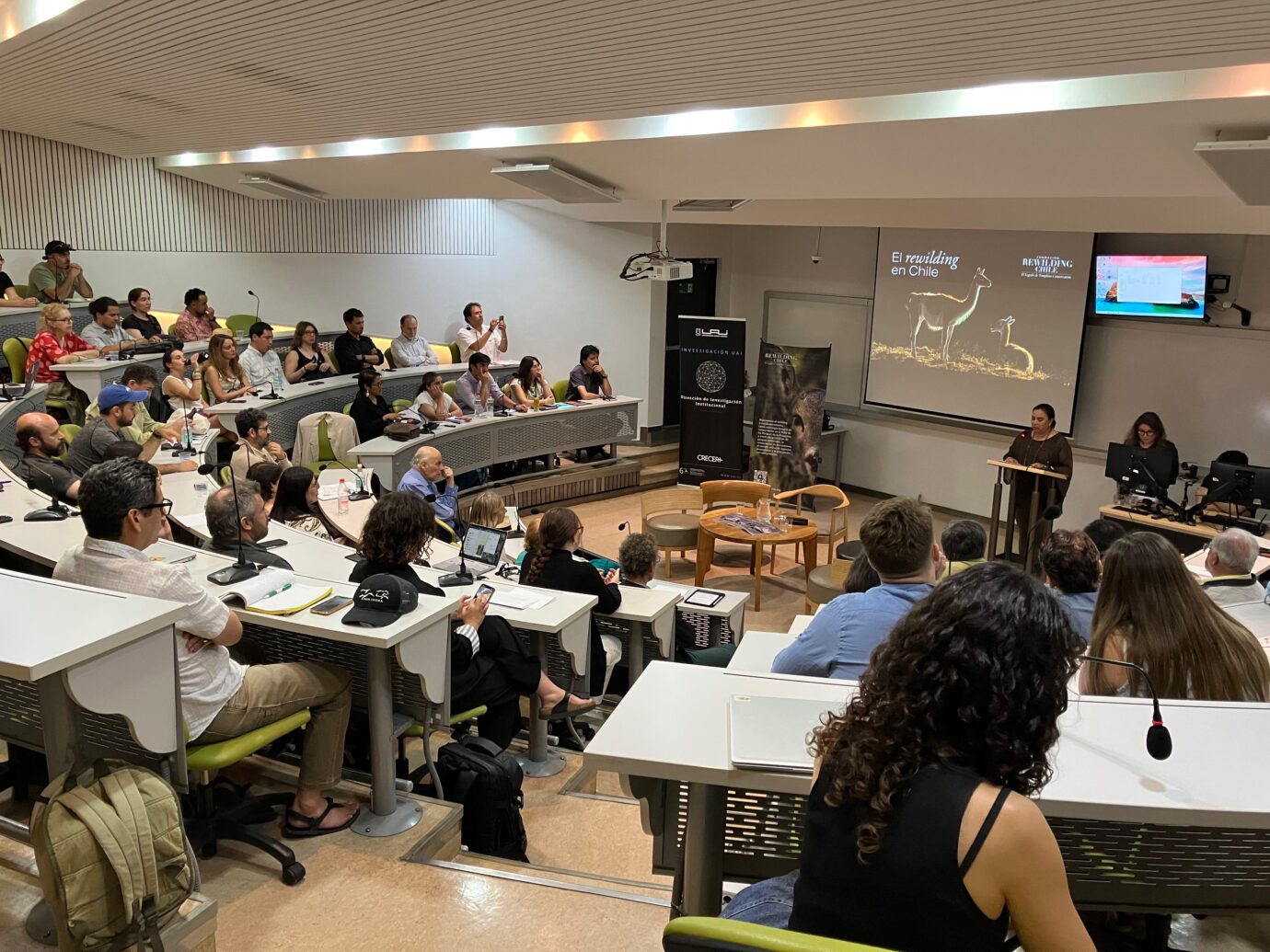
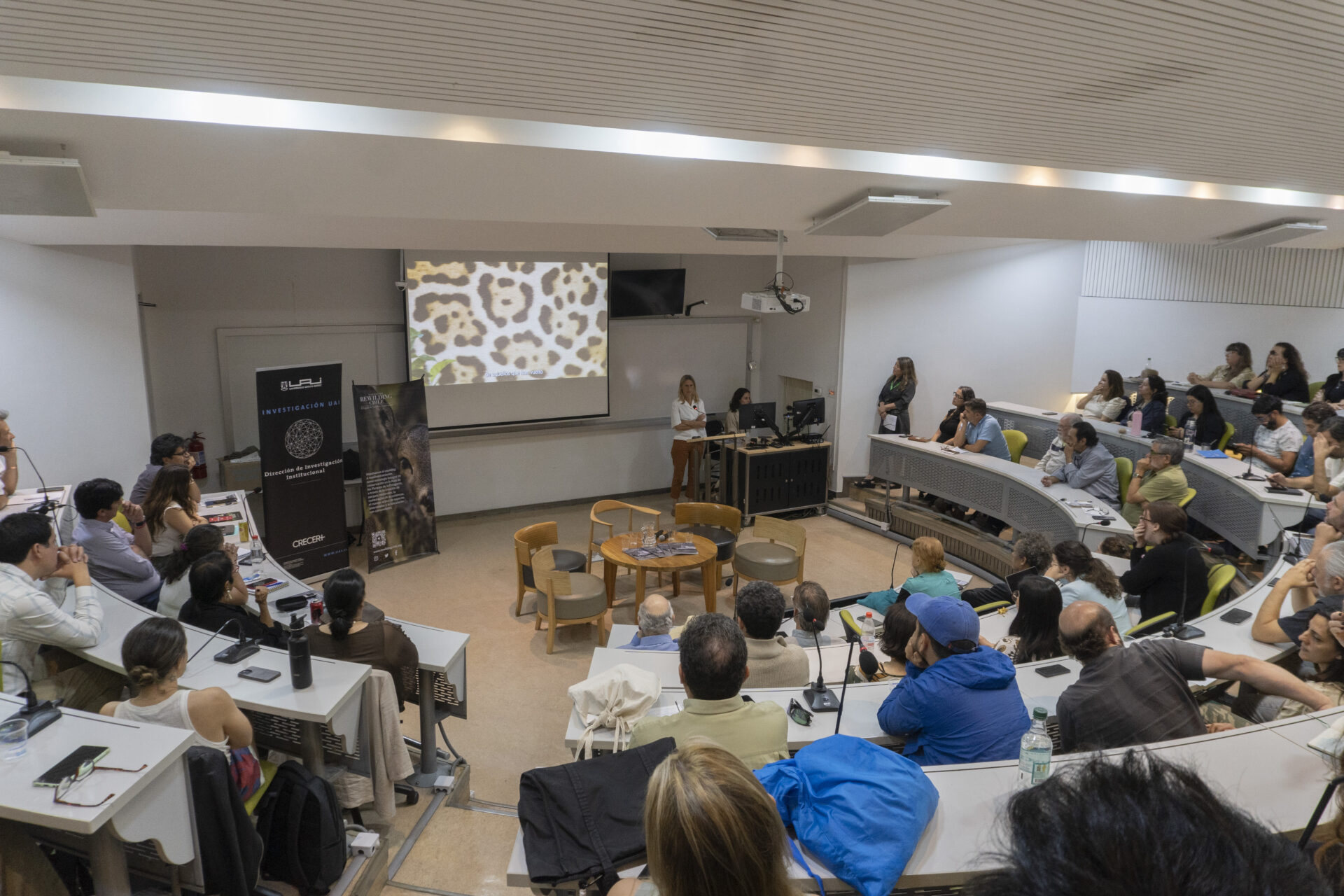
Bringing together government authorities, technical specialists, academics, and environmental organizations, Fundación Rewilding Chile held the seminar “Rewilding in Chile: Experiences and Projections,” aimed at advancing this conservation strategy as a key response to the global biodiversity crisis.
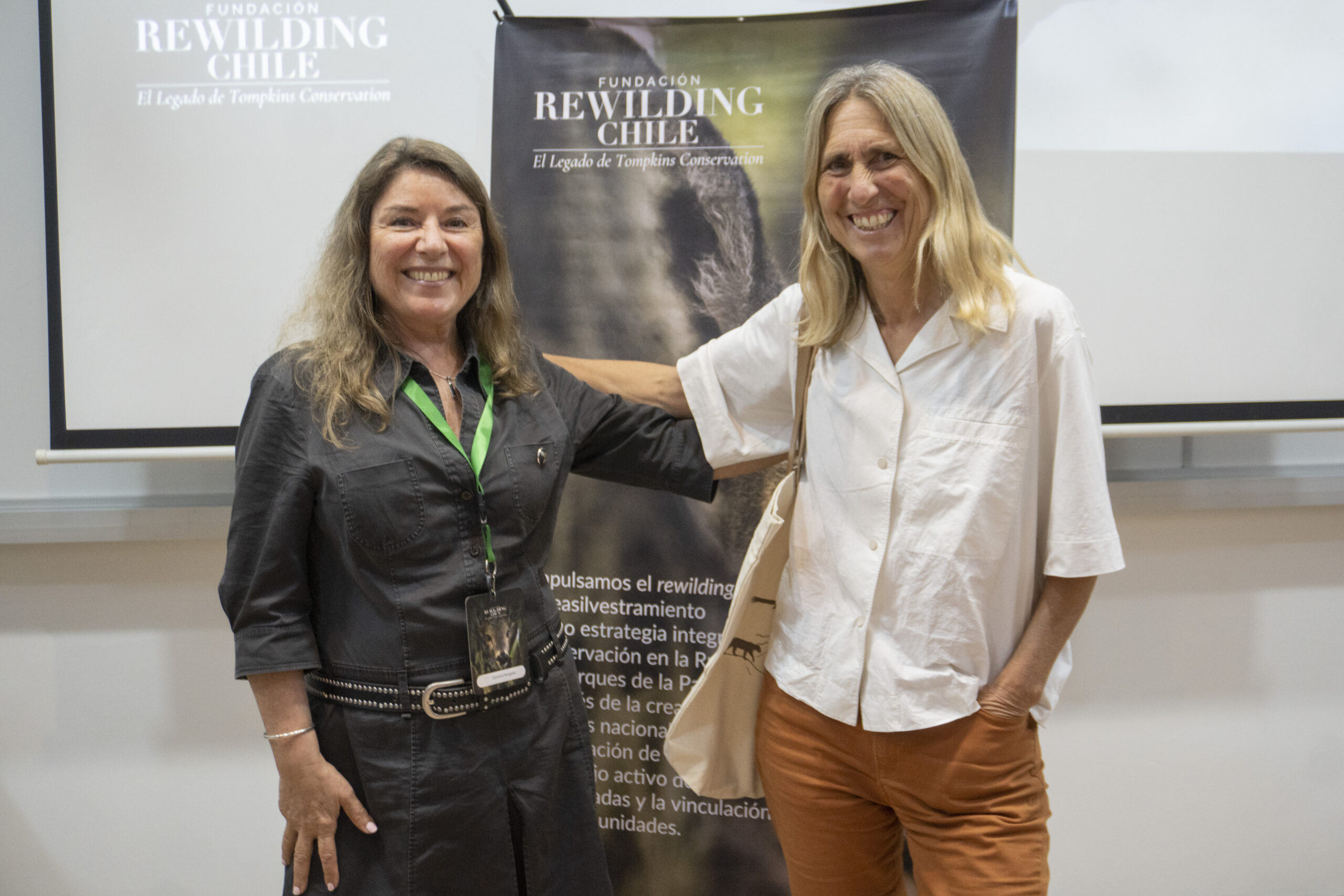
Hosted at Universidad Adolfo Ibáñez, the event focused on presenting rewilding as an increasingly influential conservation paradigm worldwide. The term—originating in English—refers to restoring ecological processes, recovering complete ecosystems, and returning to nature the ability to sustain and evolve on its own. “Unlike approaches that protect individual species or isolated areas, rewilding seeks to restore ecosystems so they function in their full complexity through large-scale protected areas, ecological connectivity, and the recovery of key and threatened species. Put simply, rewilding is helping nature heal,” said Carolina Morgado, Executive Director of Rewilding Chile.
Speakers emphasized that although the concept is relatively new, Chile has decades of rewilding experience. From restoring vicuña populations in the high Andes to strengthening huemul numbers in Torres del Paine, the State—primarily through CONAF—has driven pioneering efforts in habitat restoration and wildlife recovery through active management. Civil society organizations have also led major initiatives to protect condors, ruddy-headed geese, pudús, and threatened amphibians. This legacy shows that Chile has a solid foundation to position rewilding as public policy and as a forward-looking national vision.


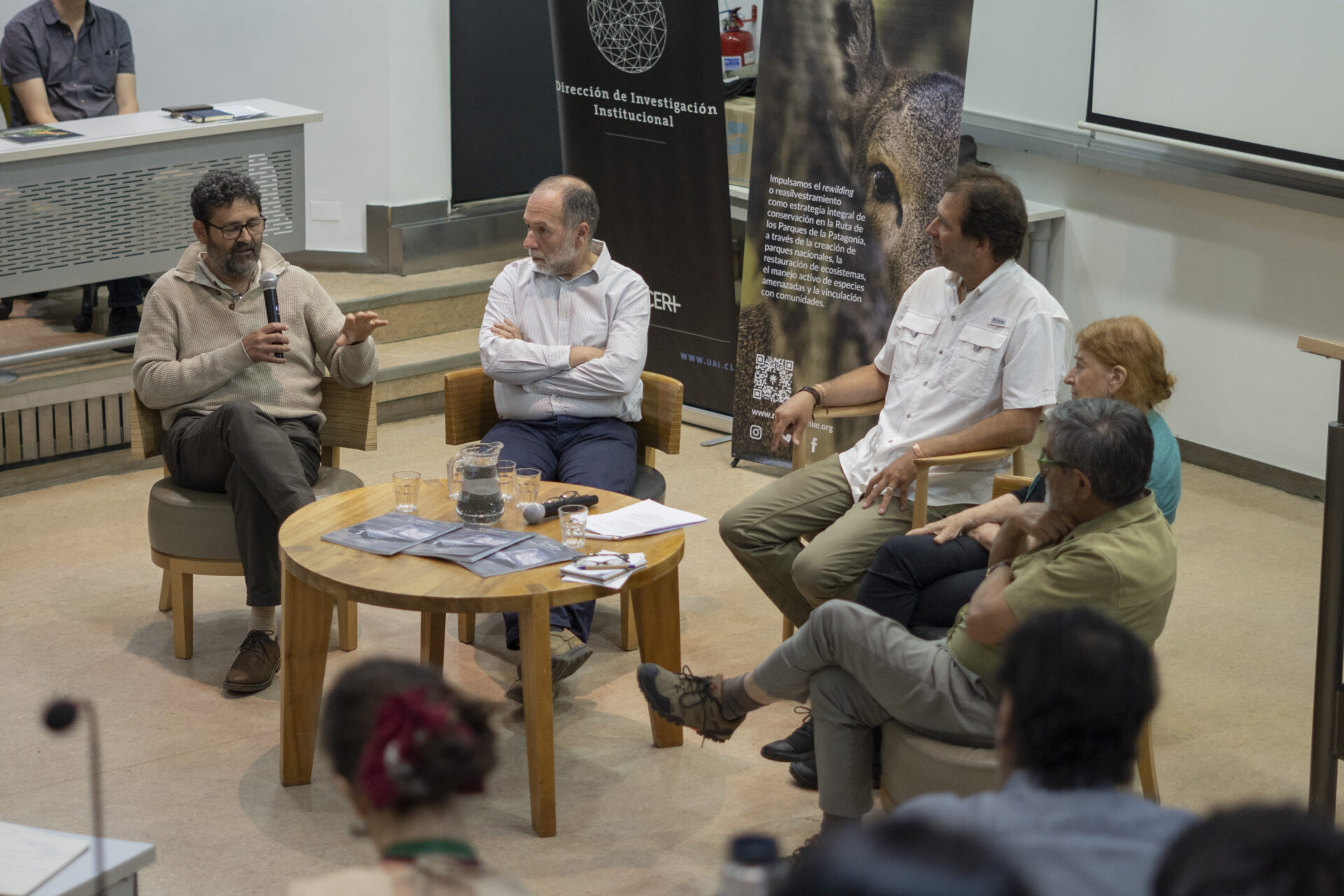
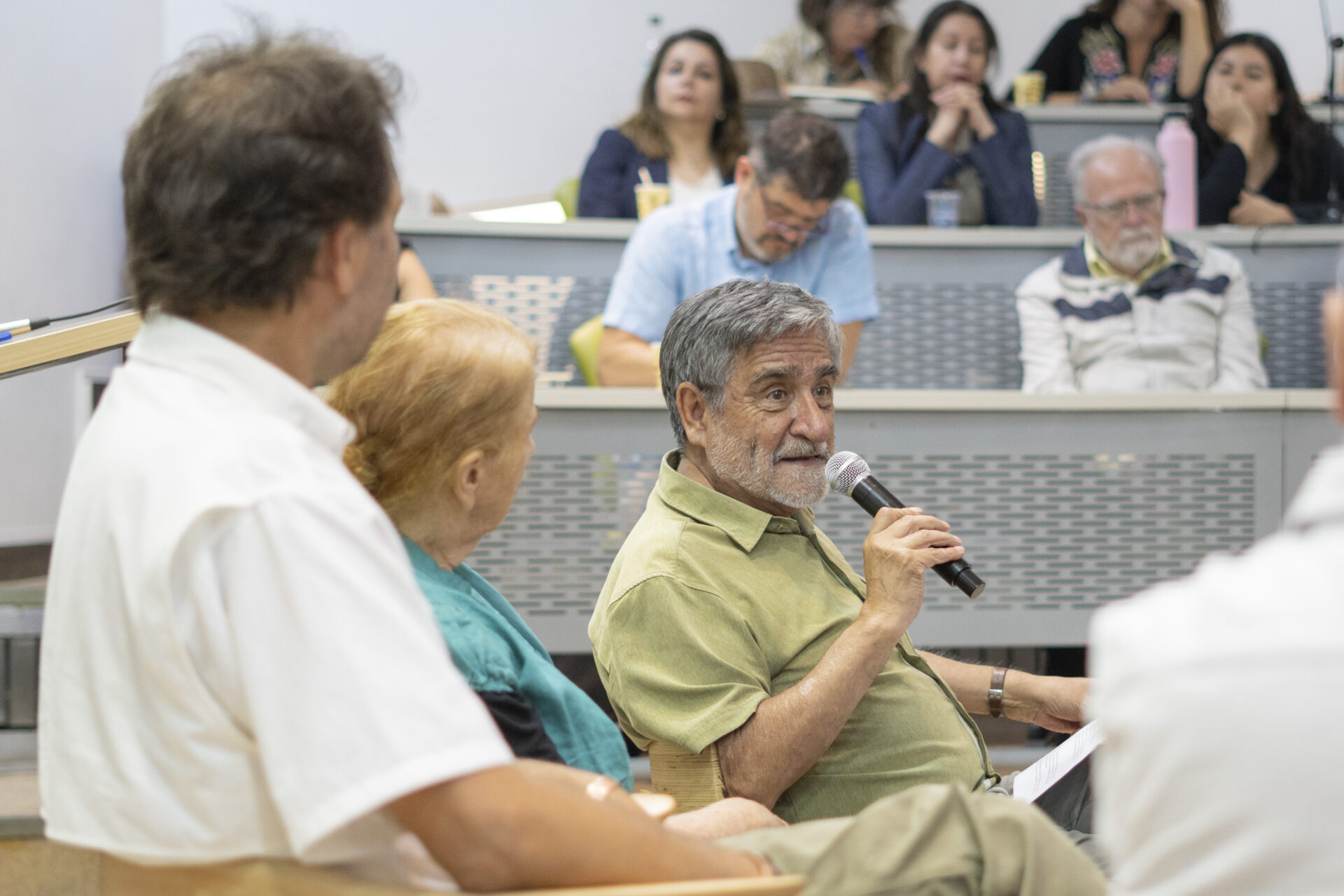
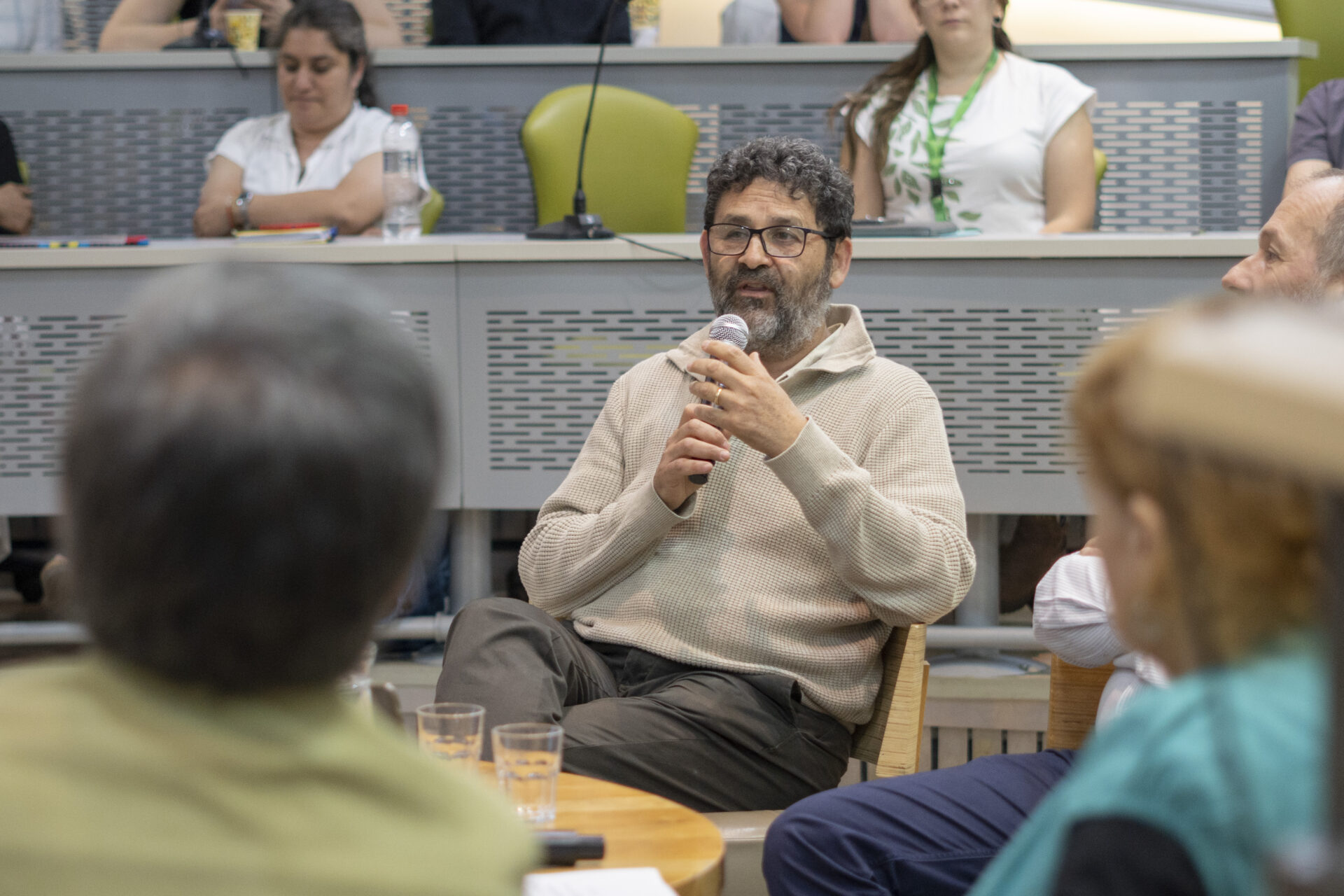


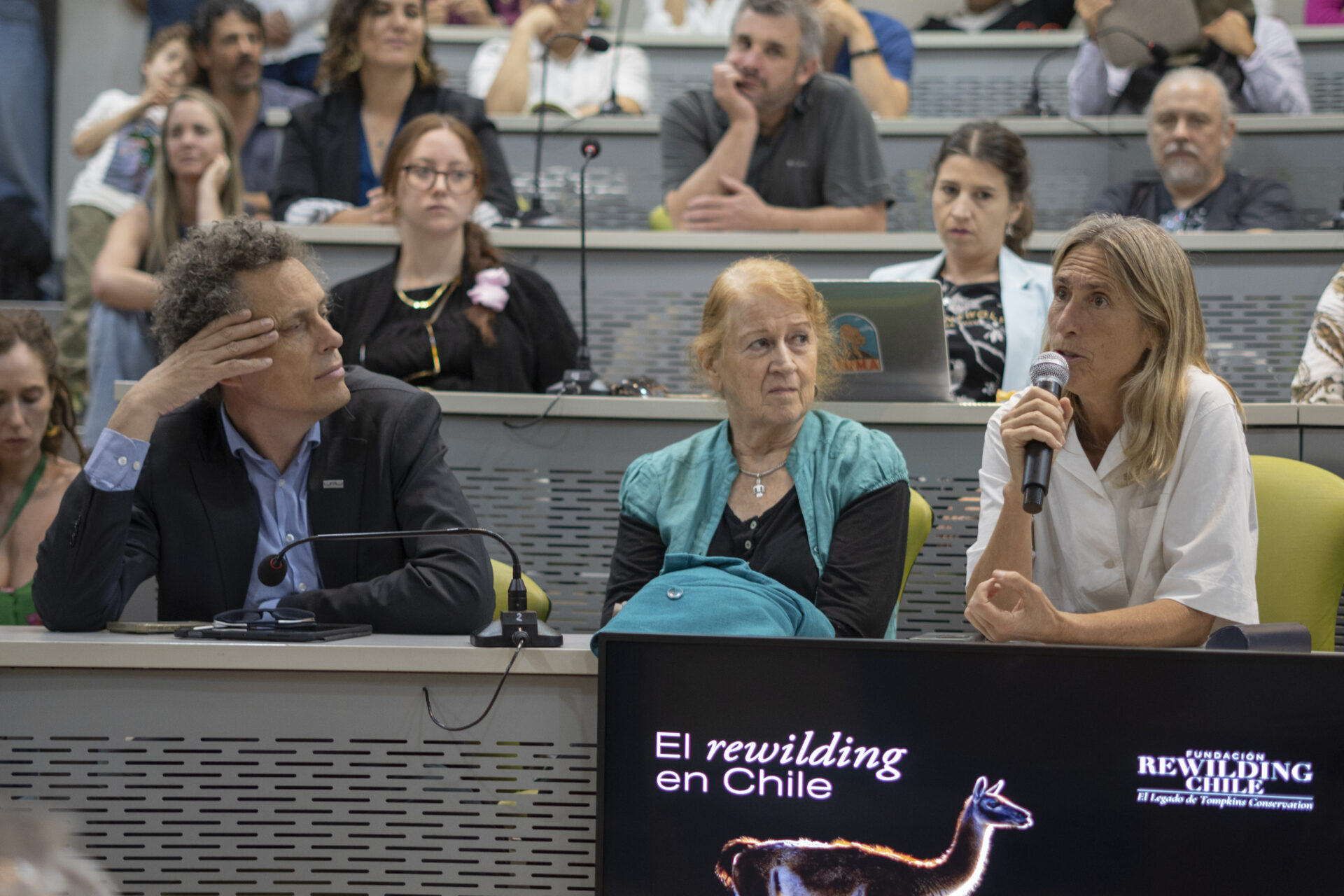


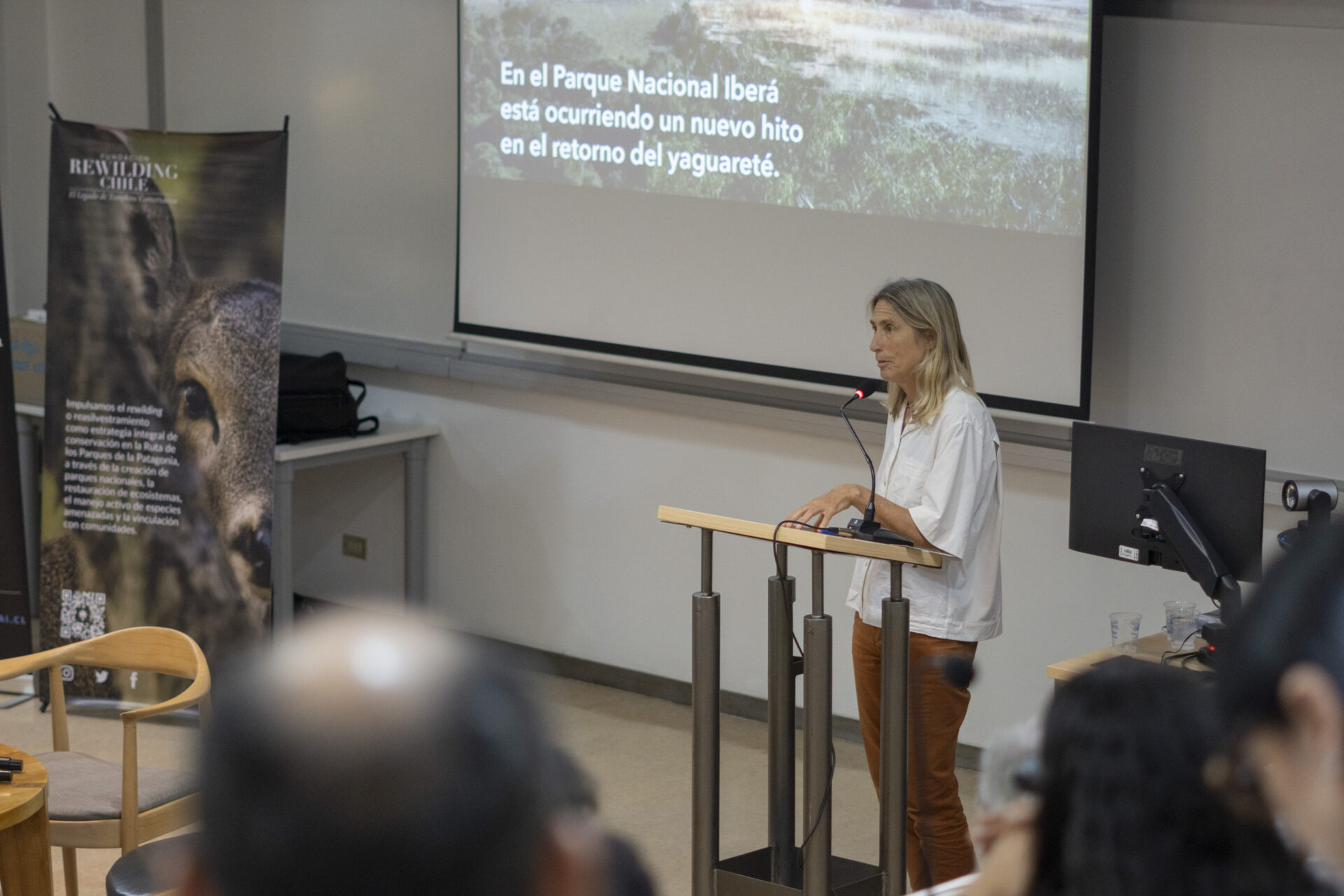
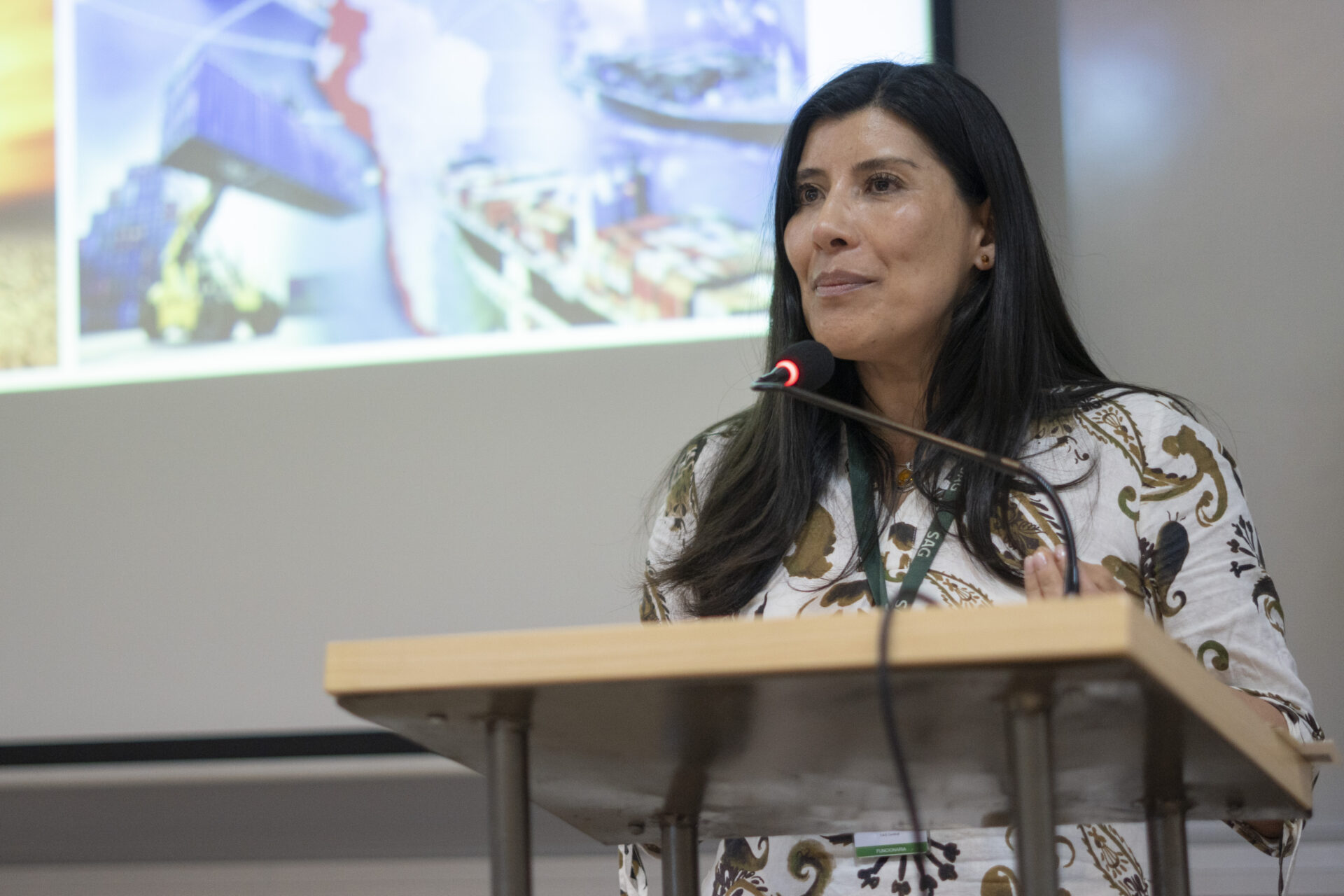
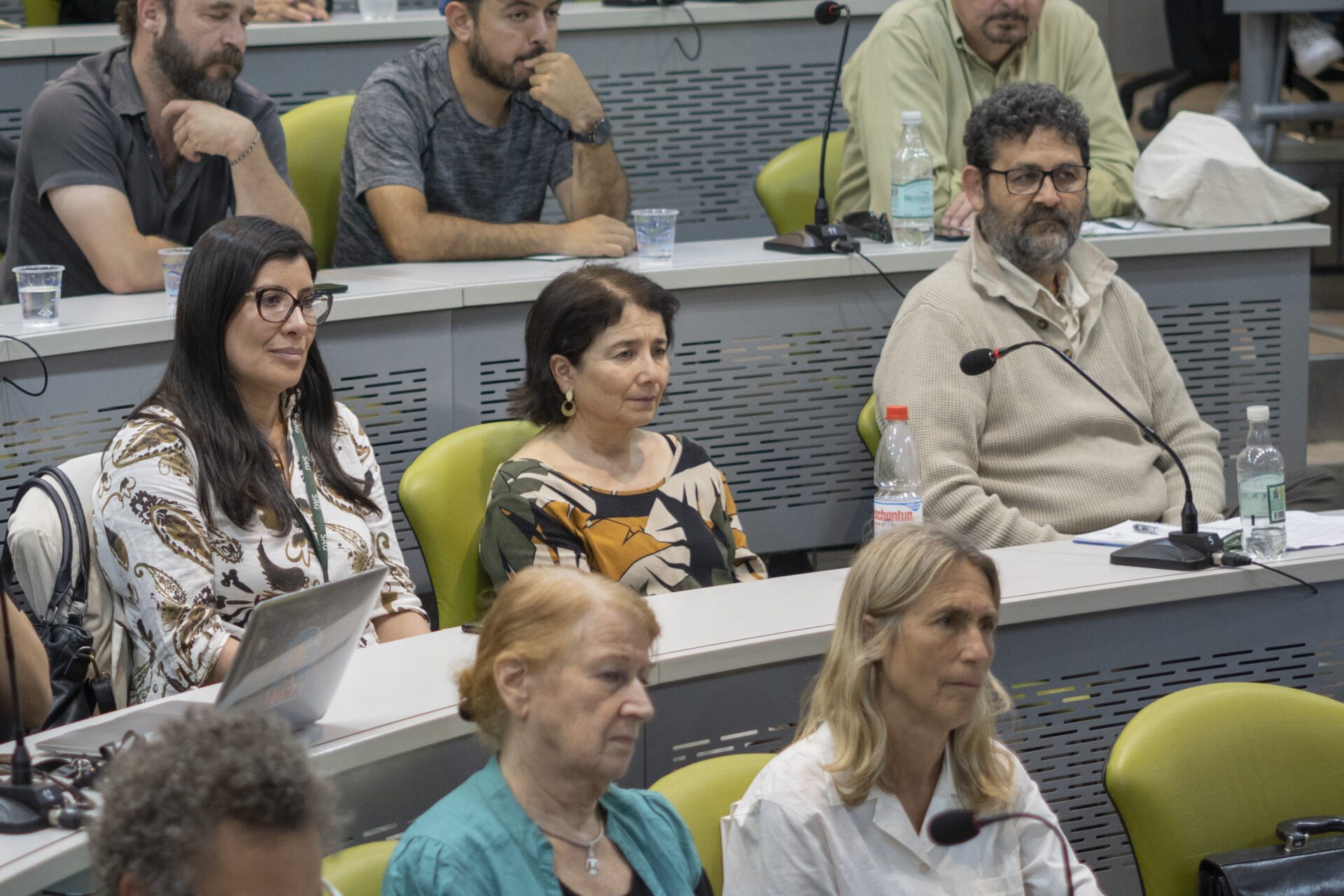

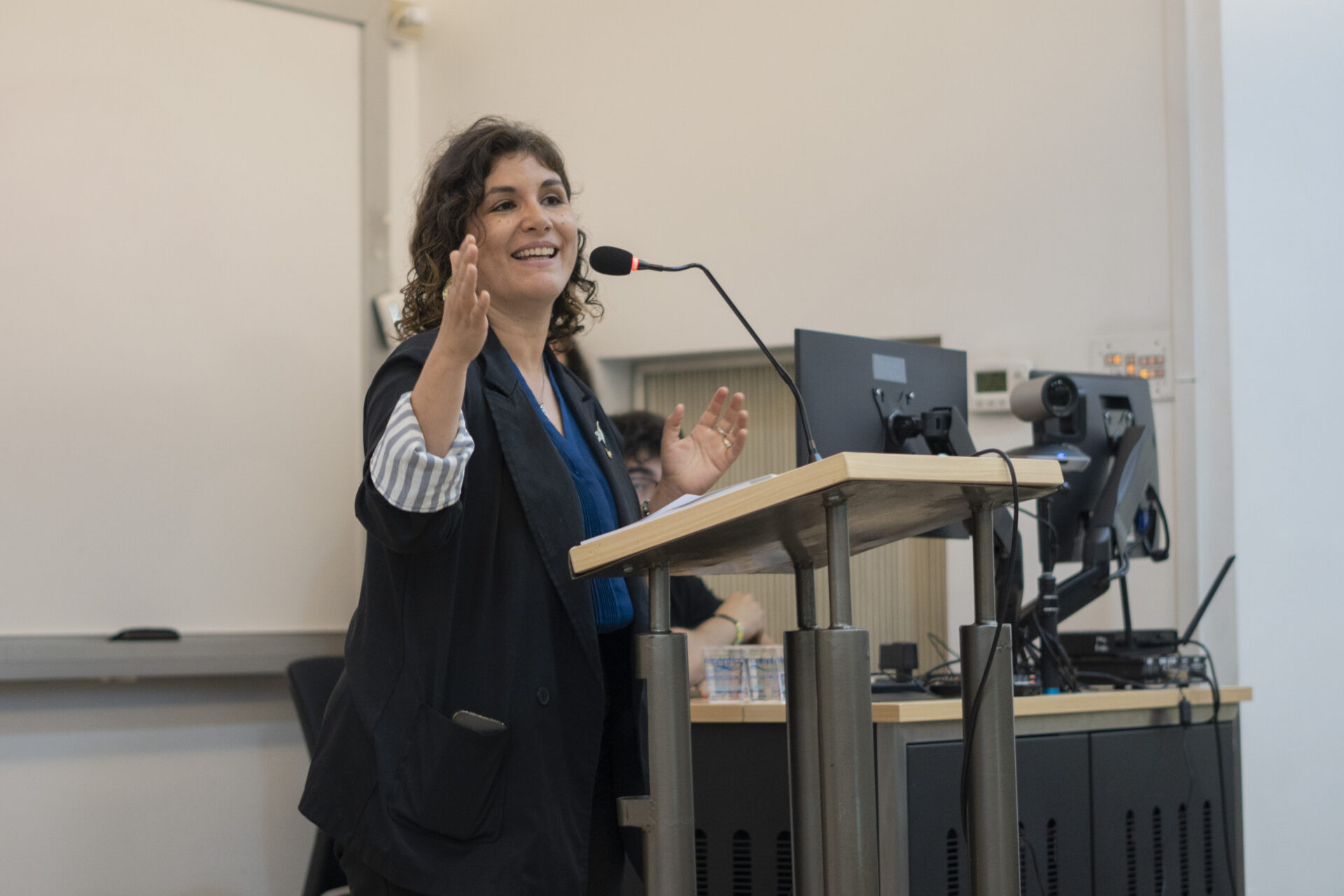
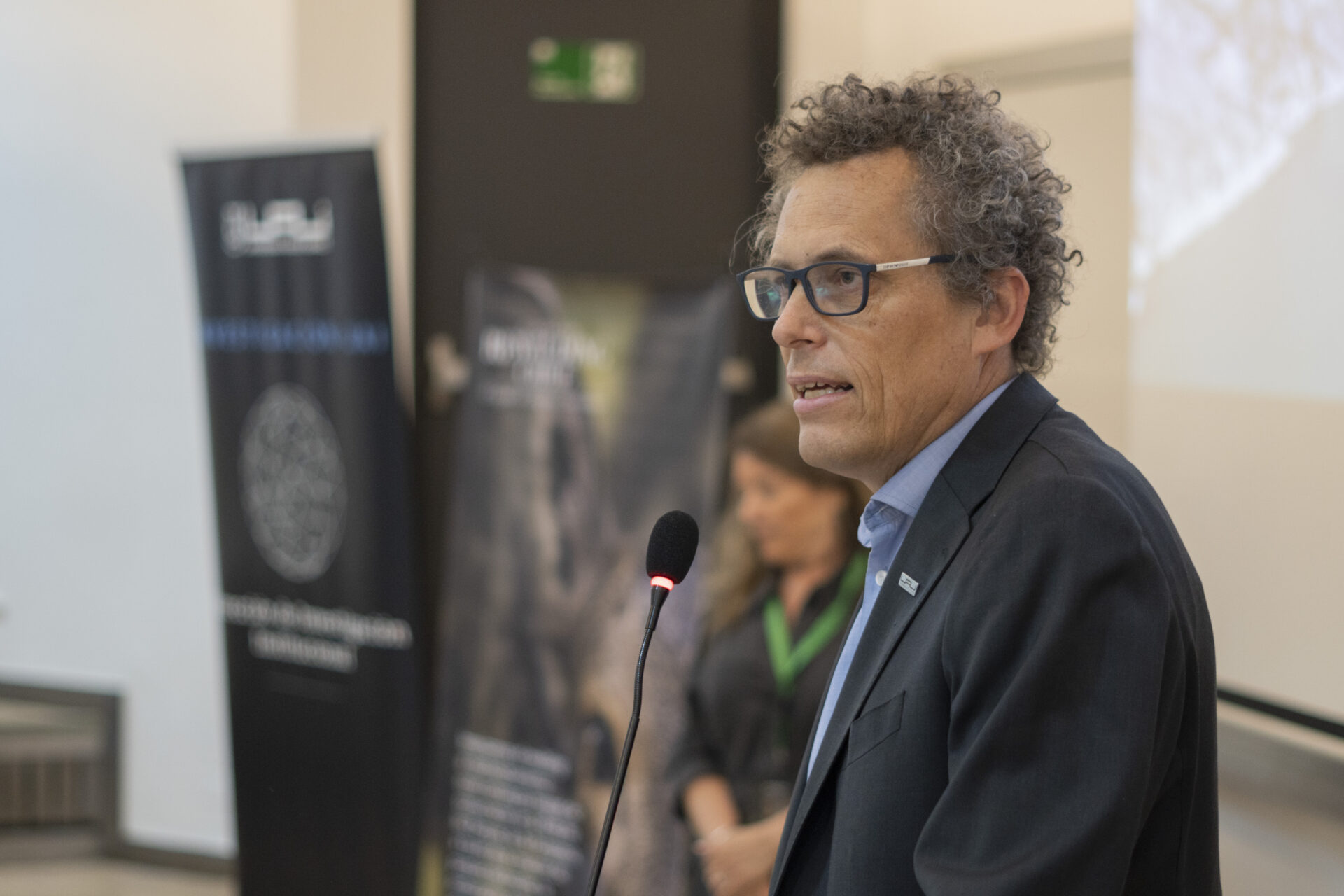


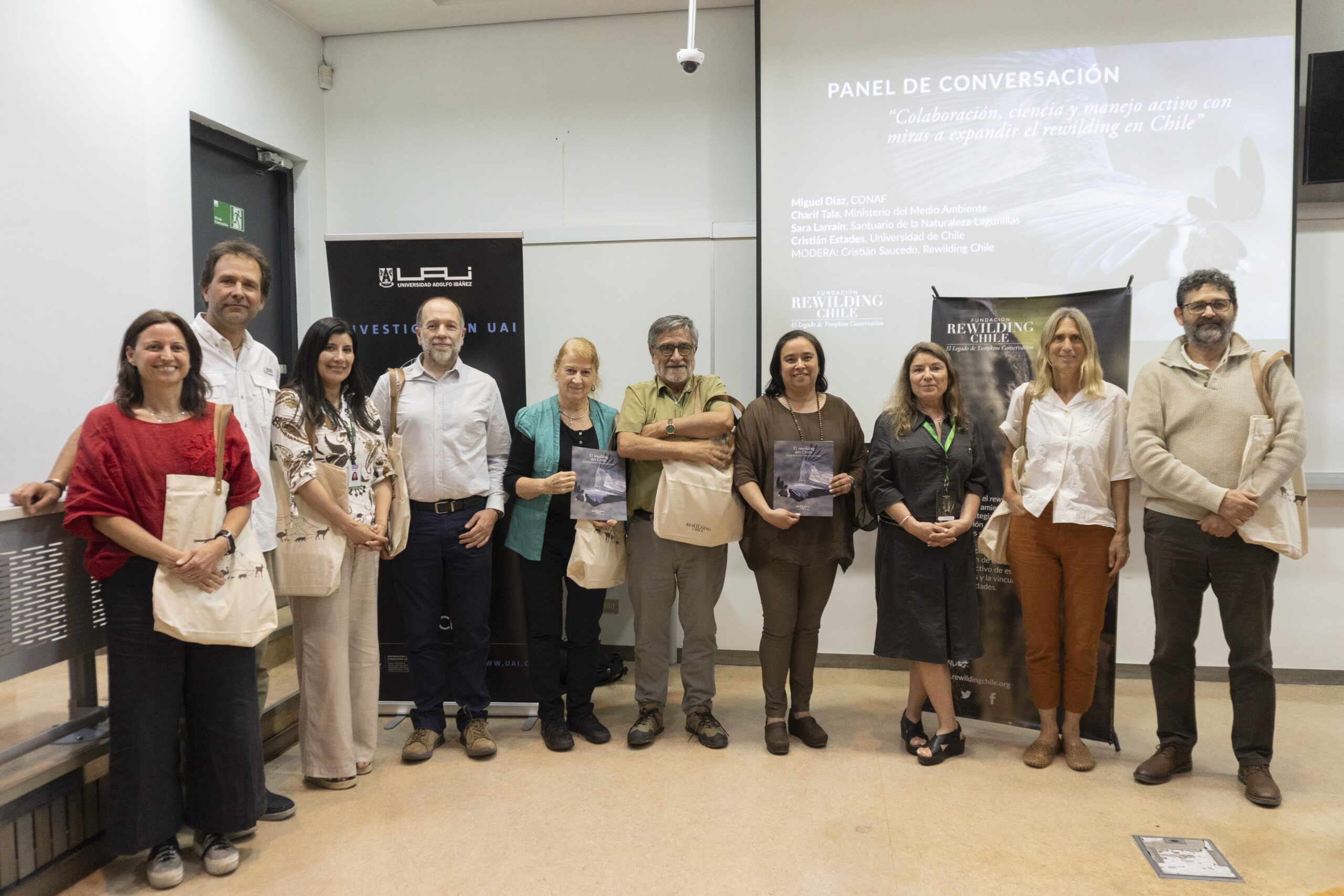
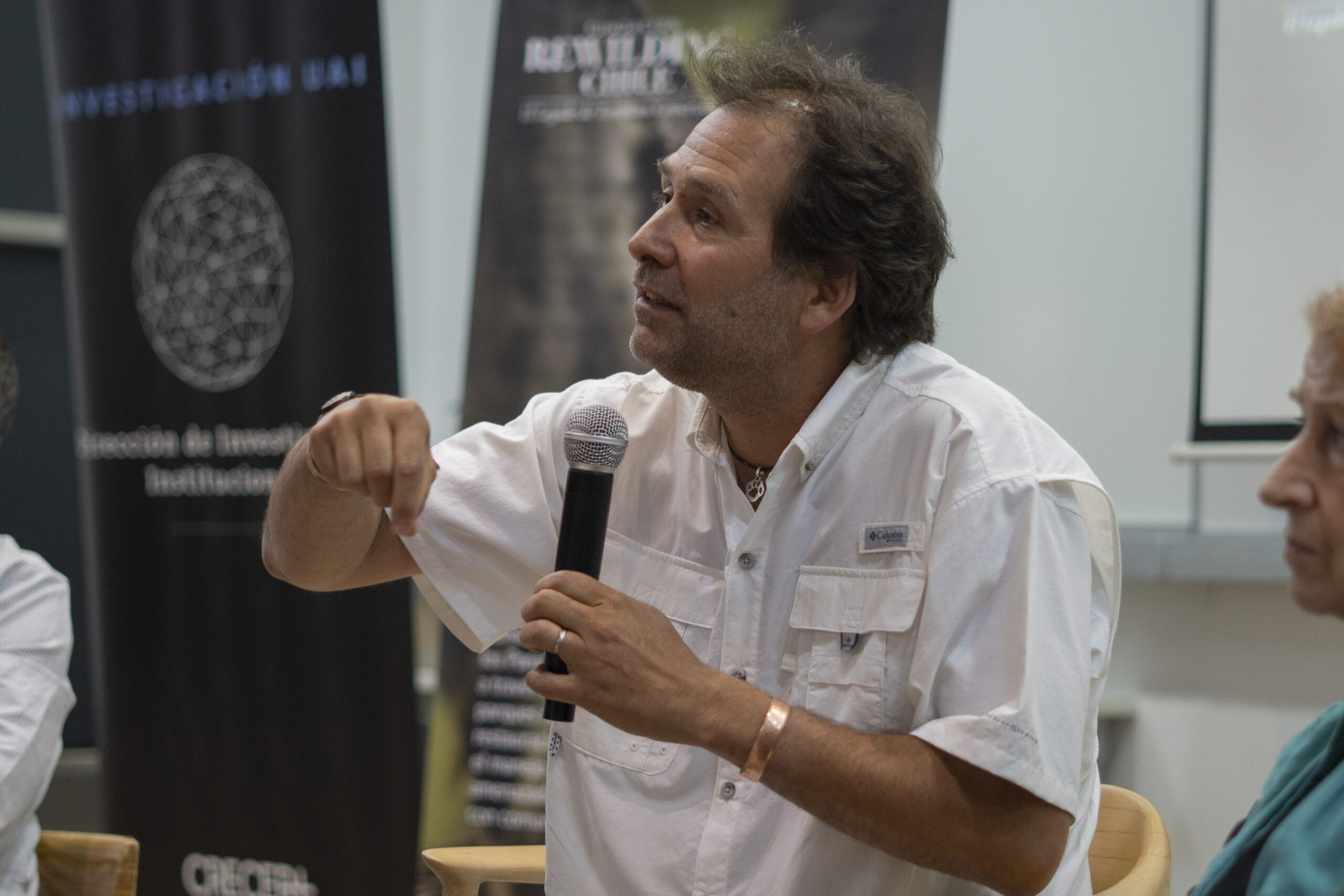
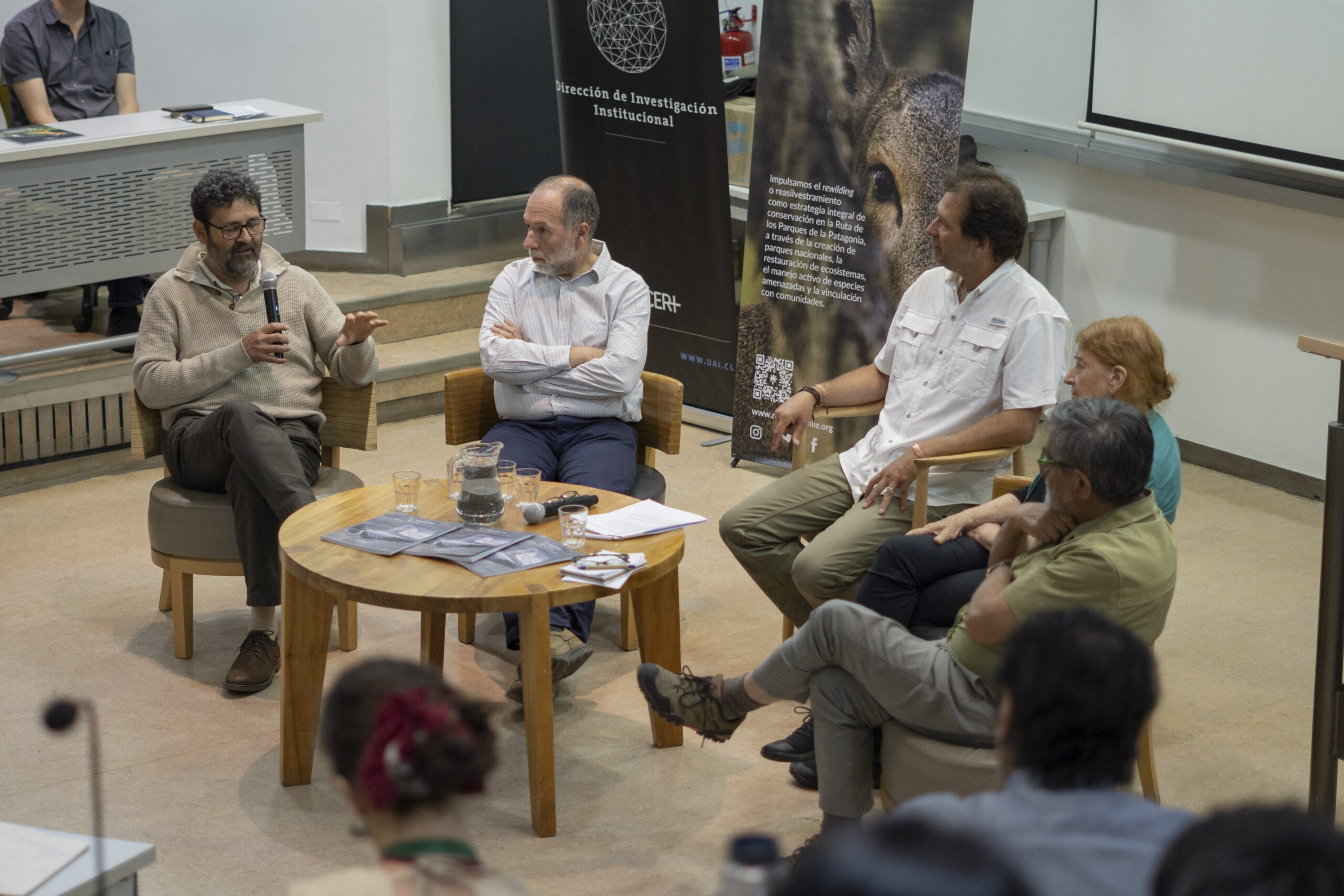
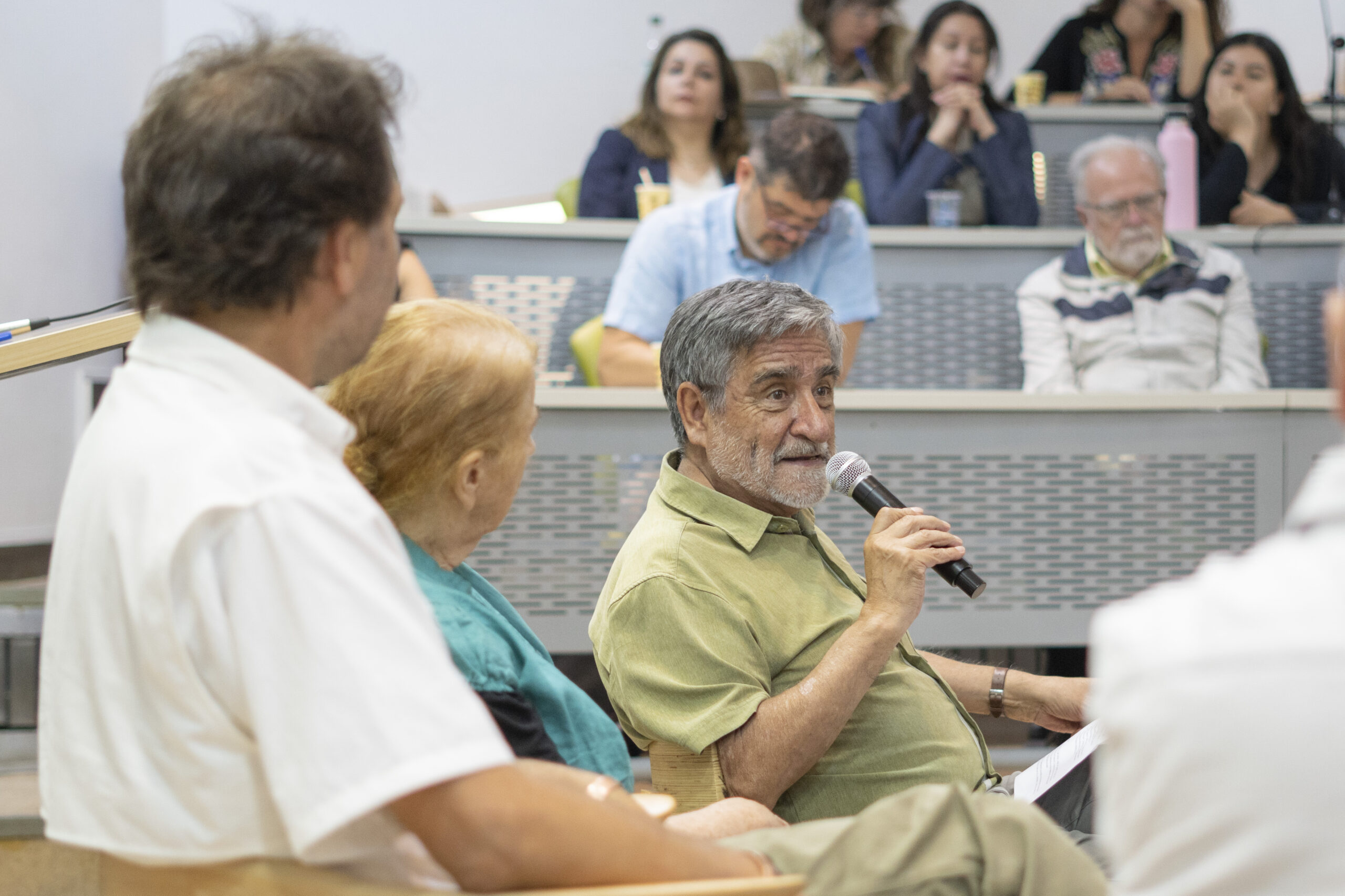
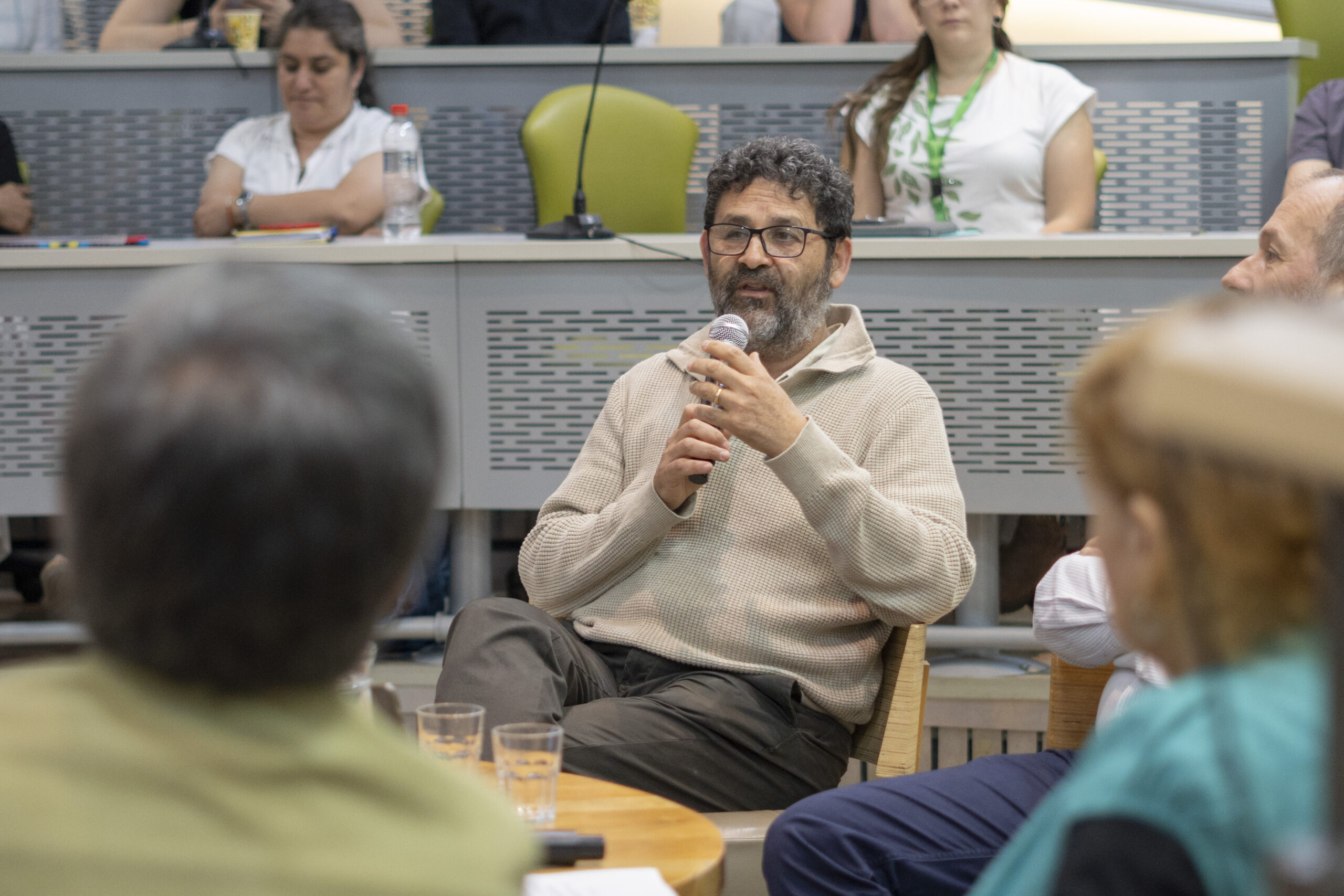
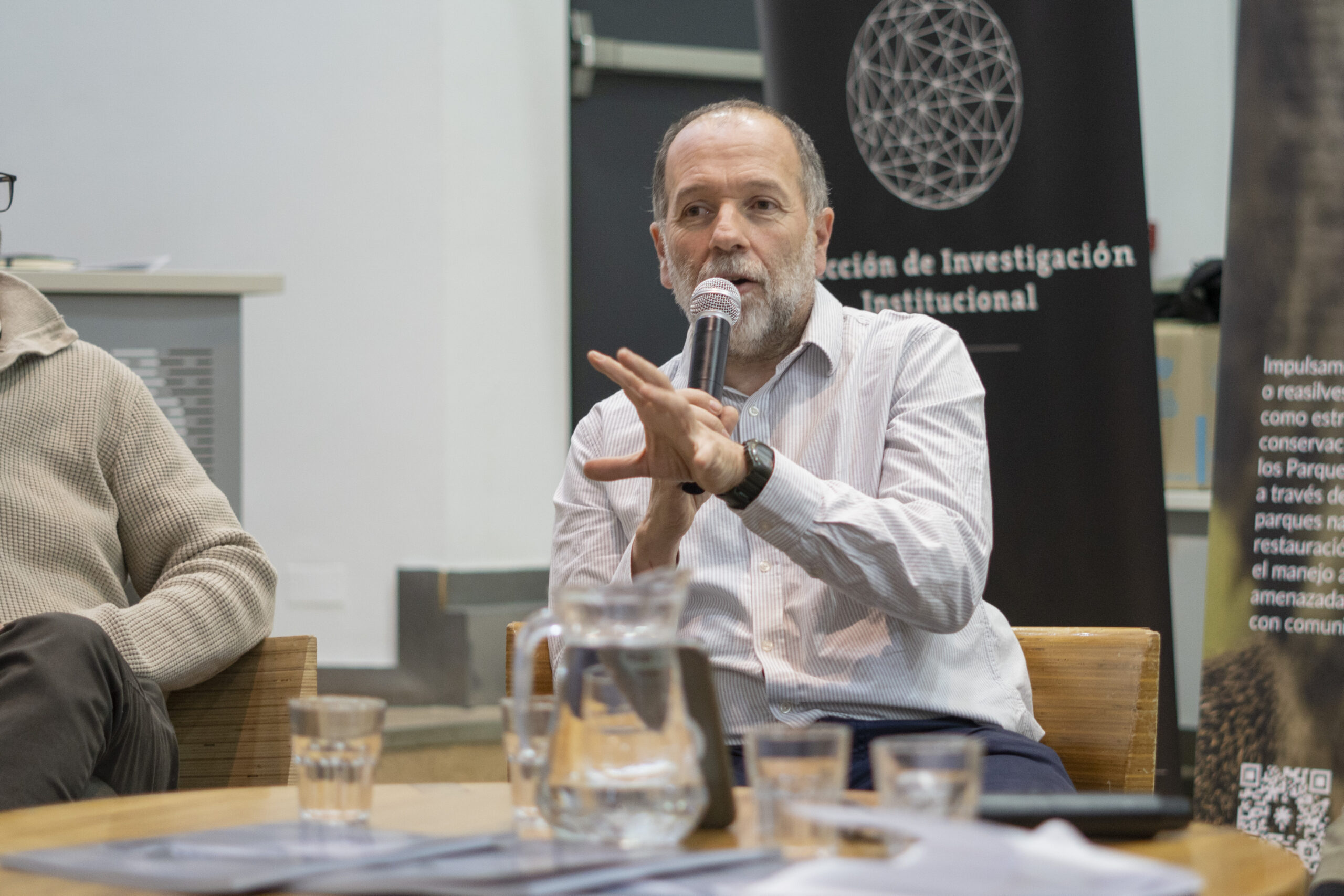
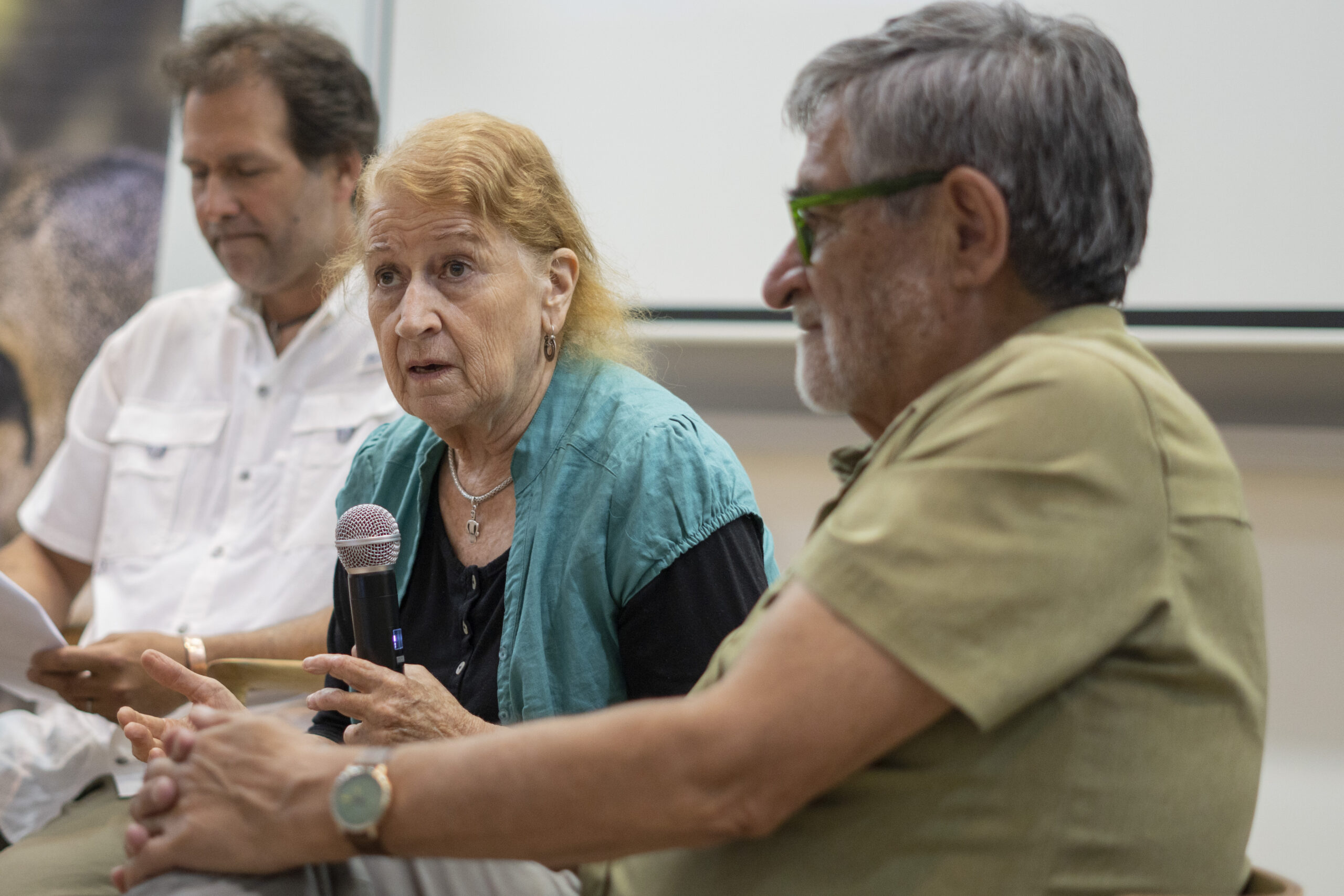
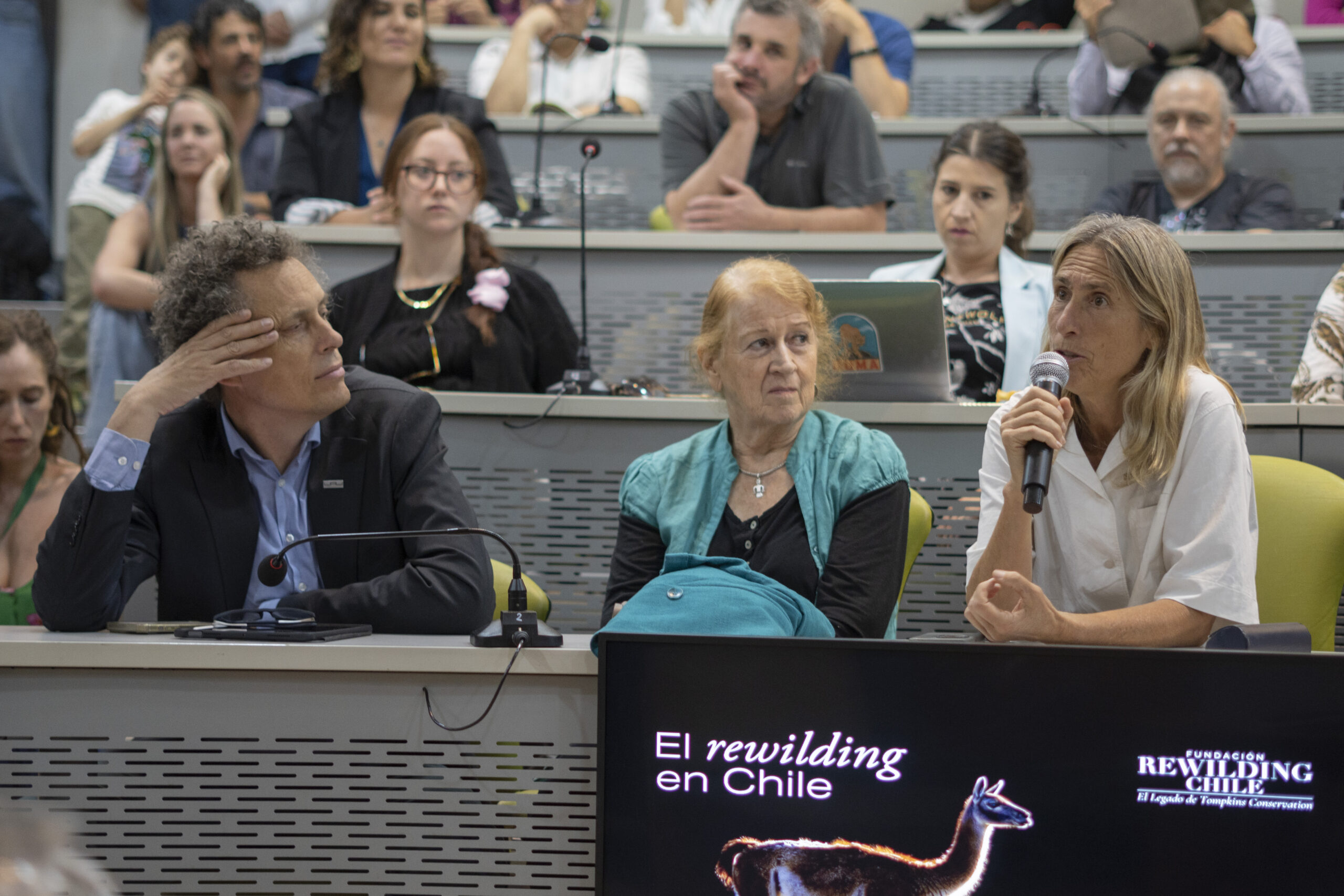
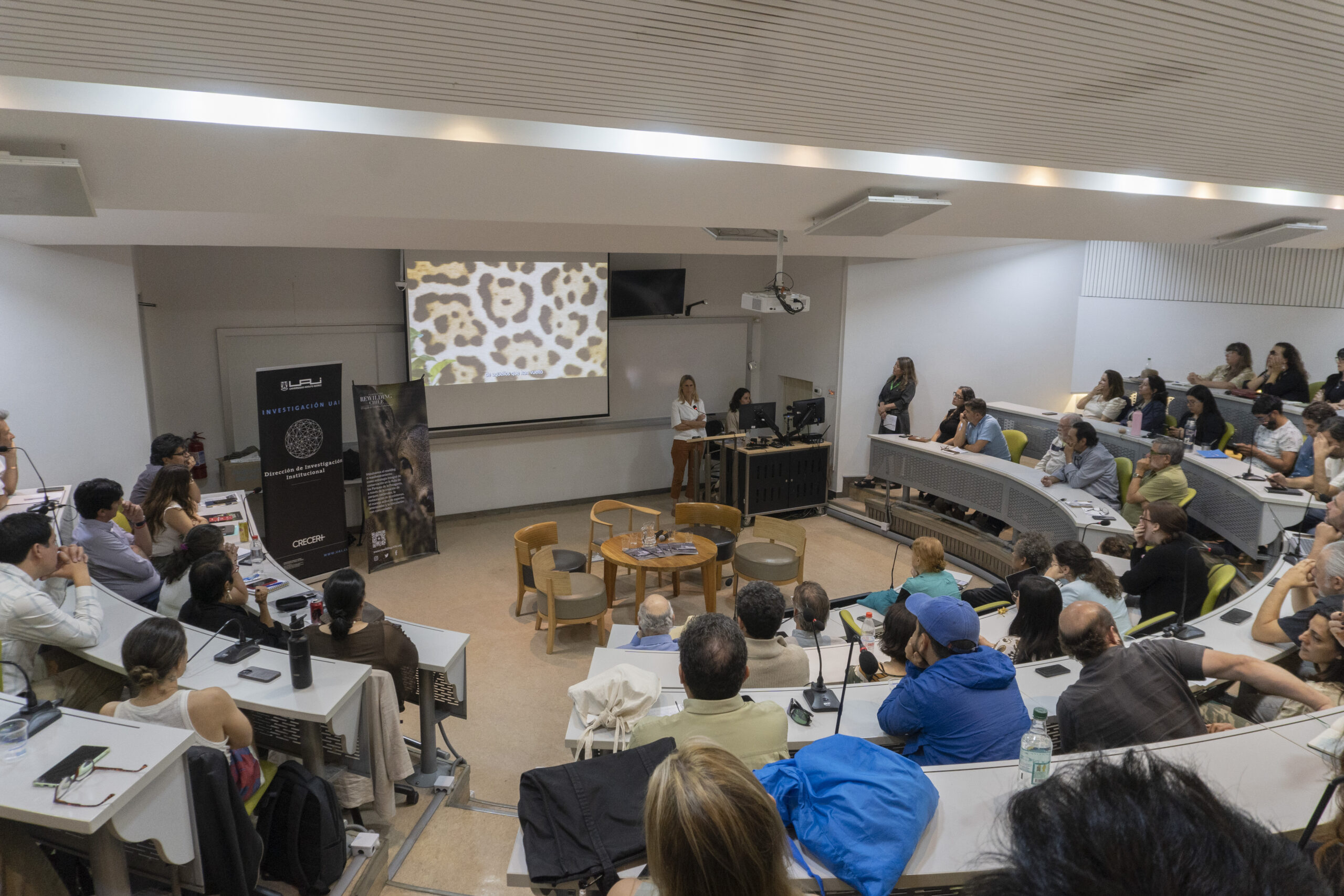
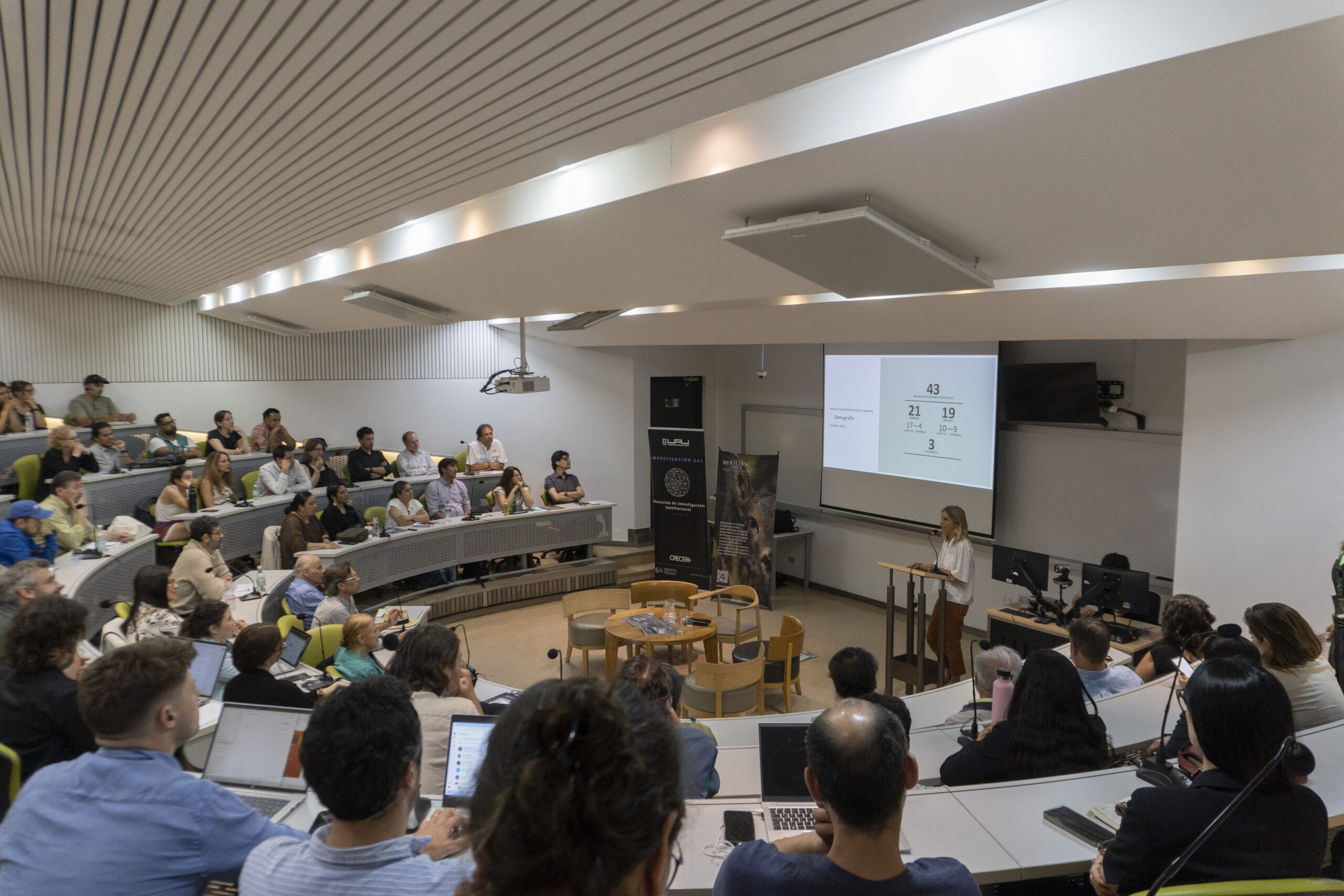
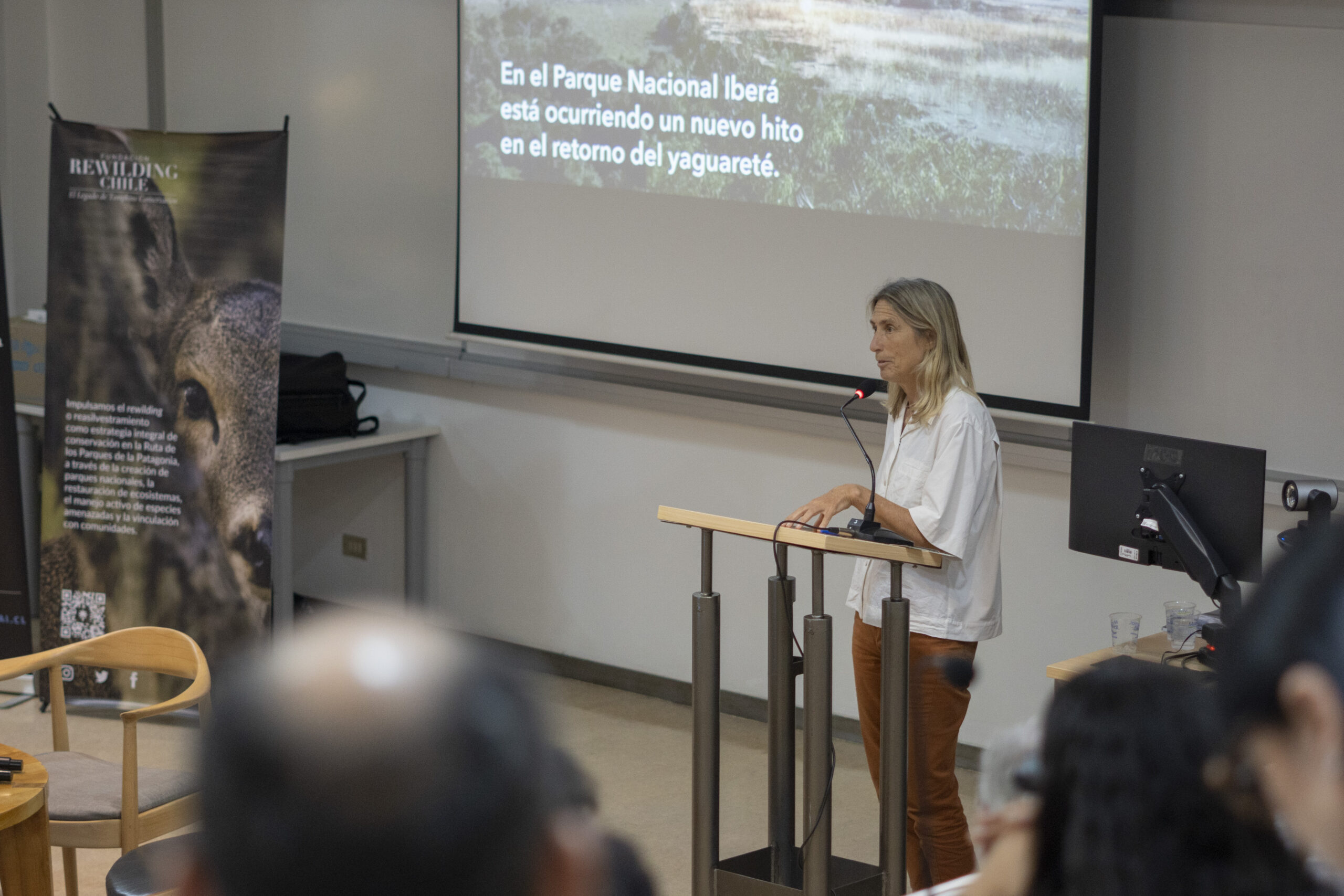
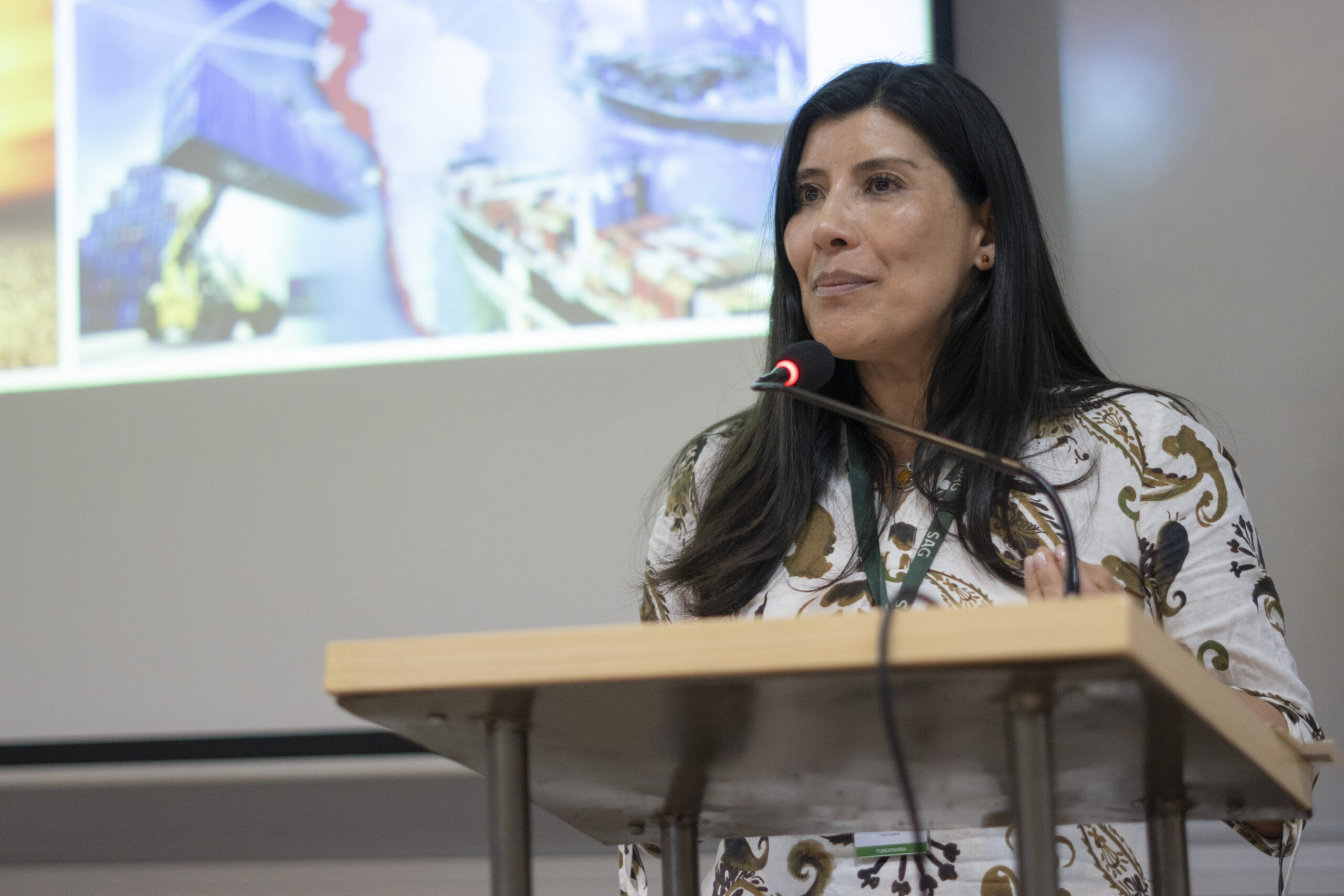
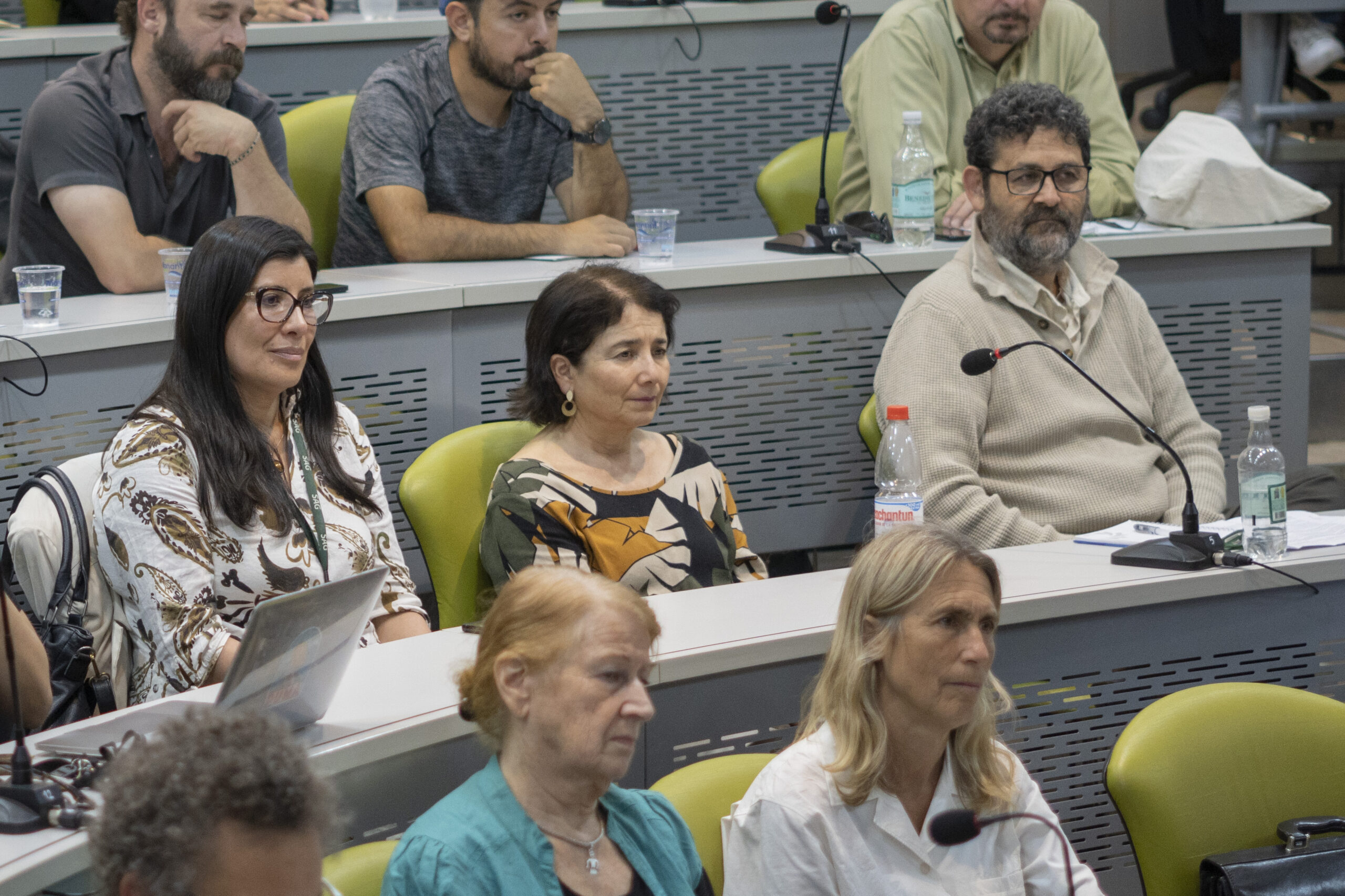
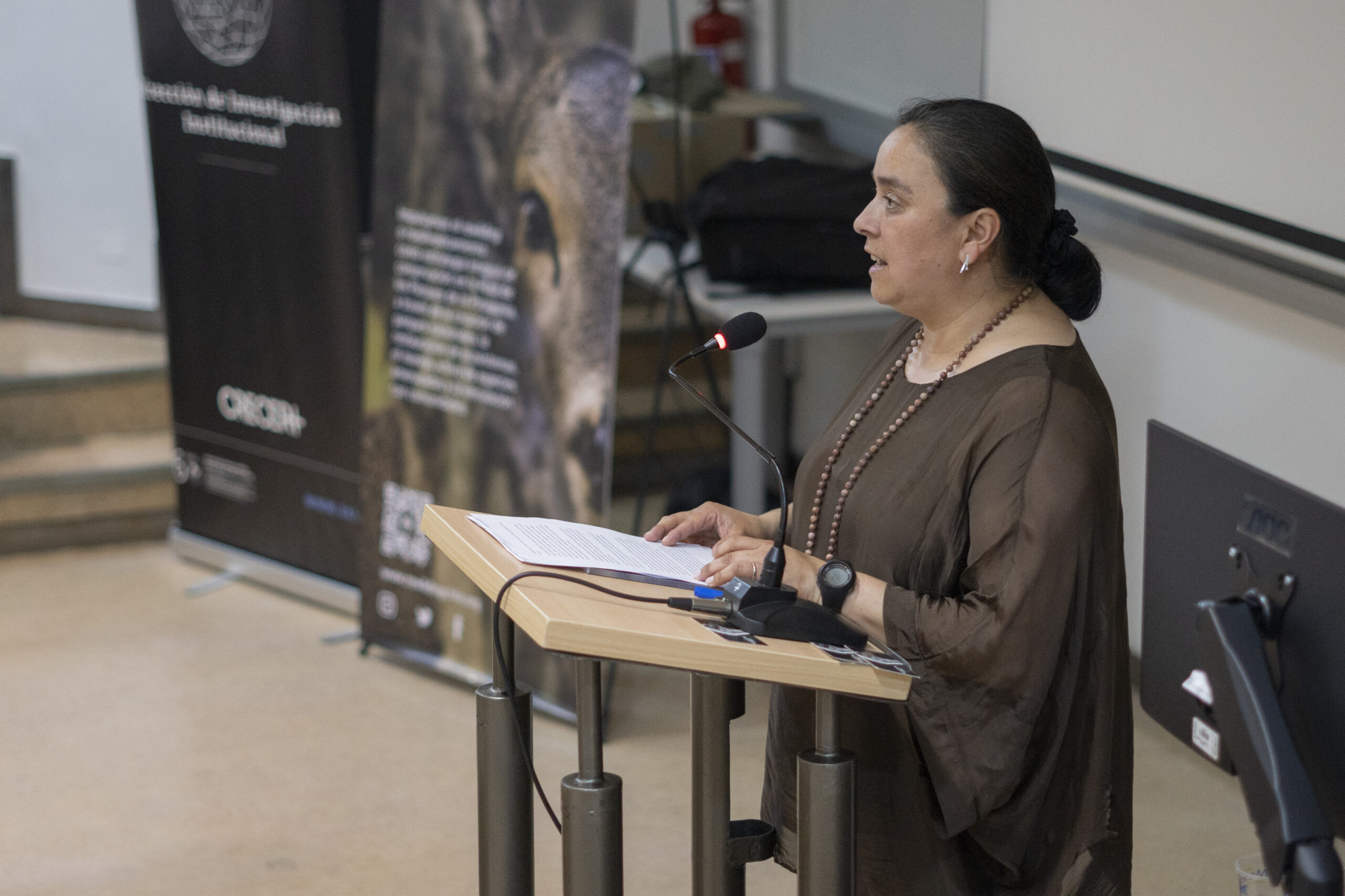
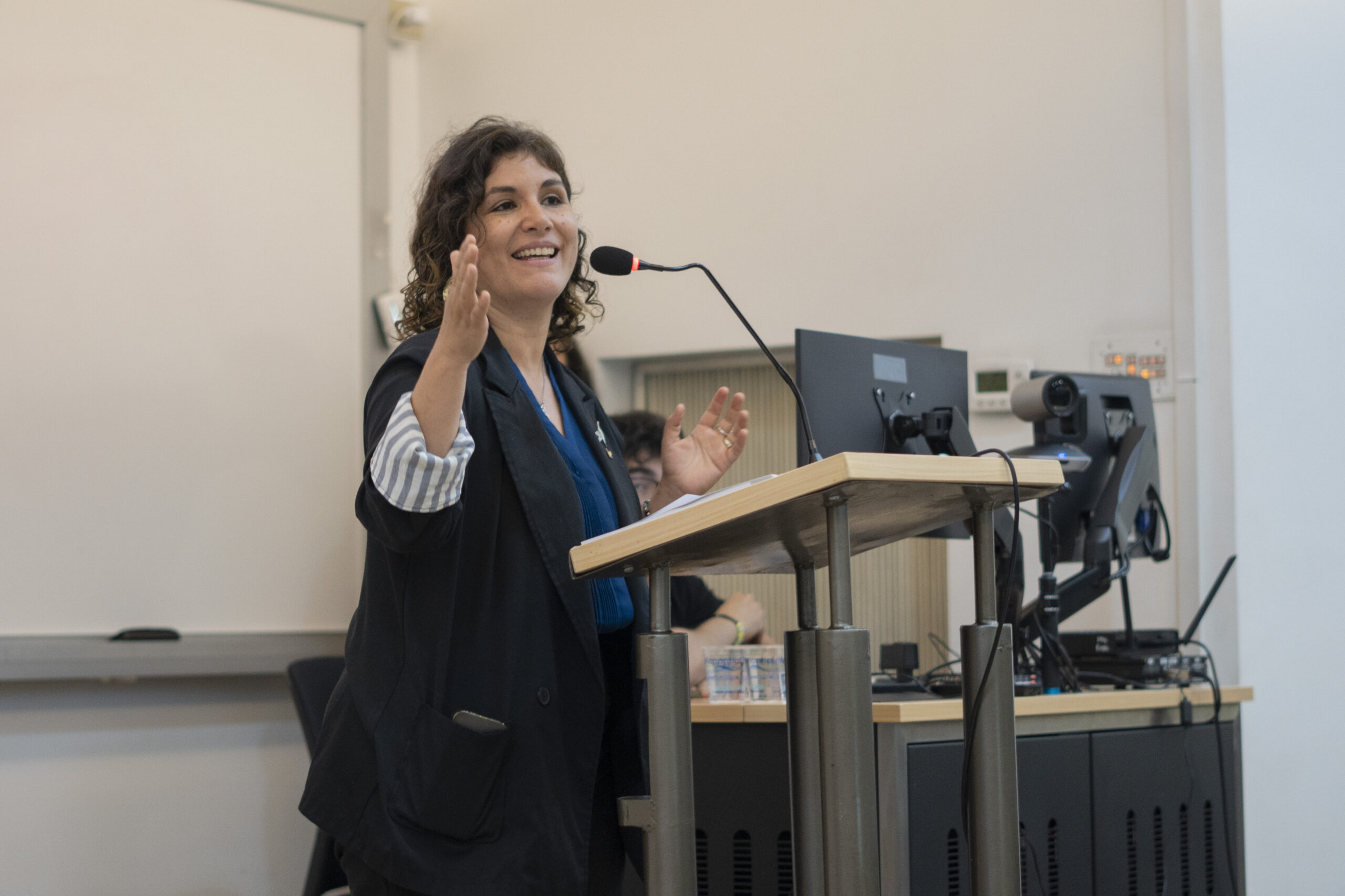
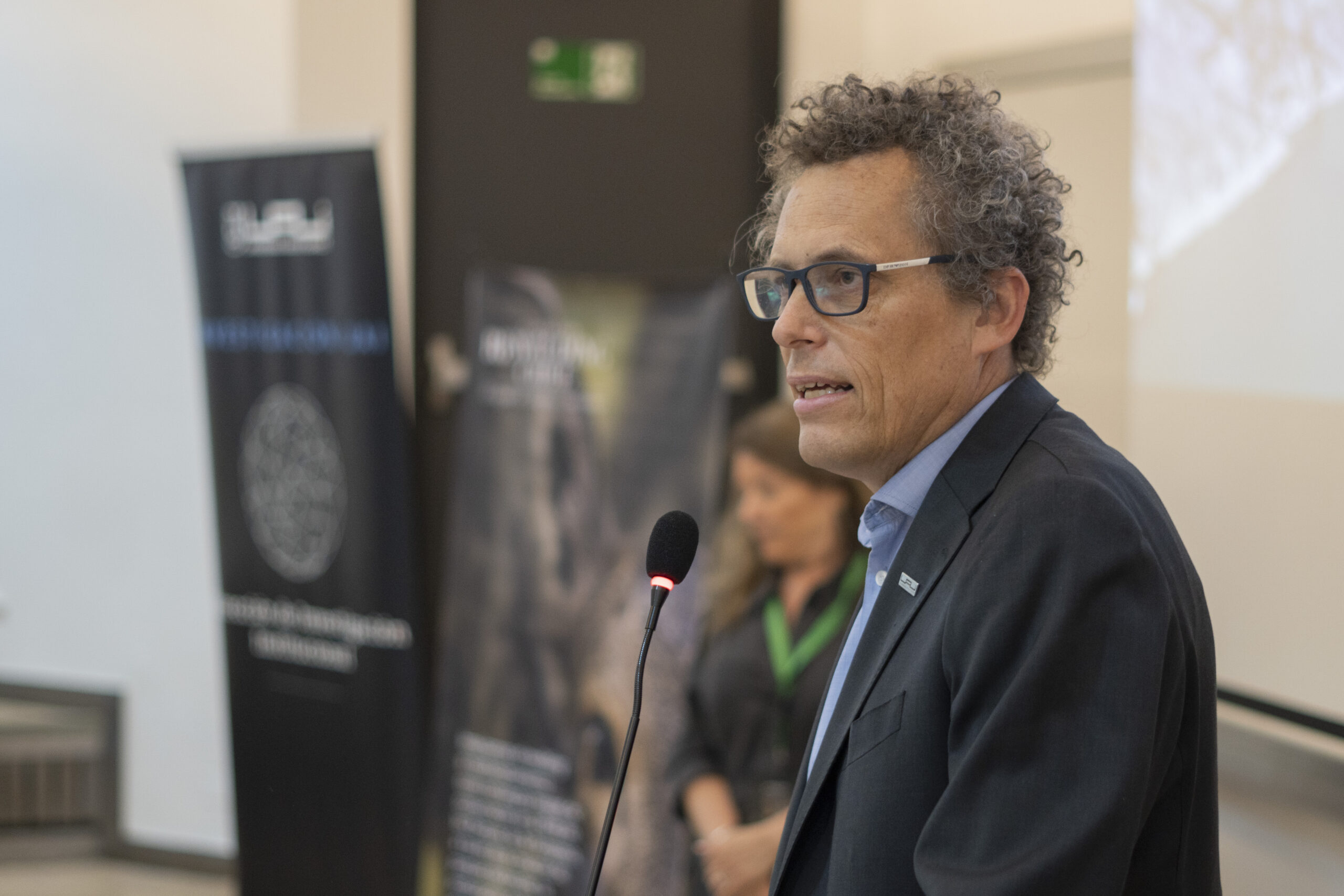
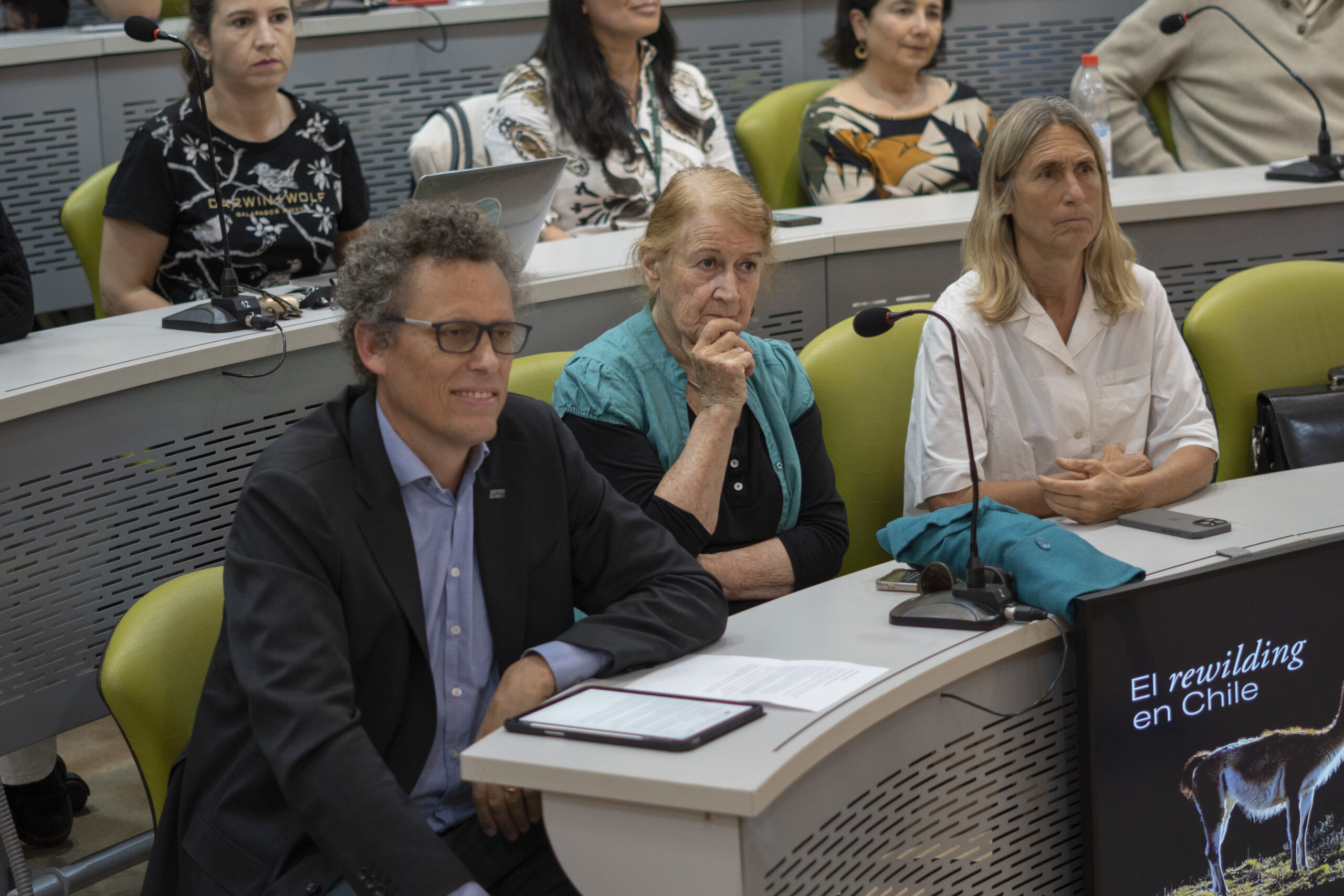
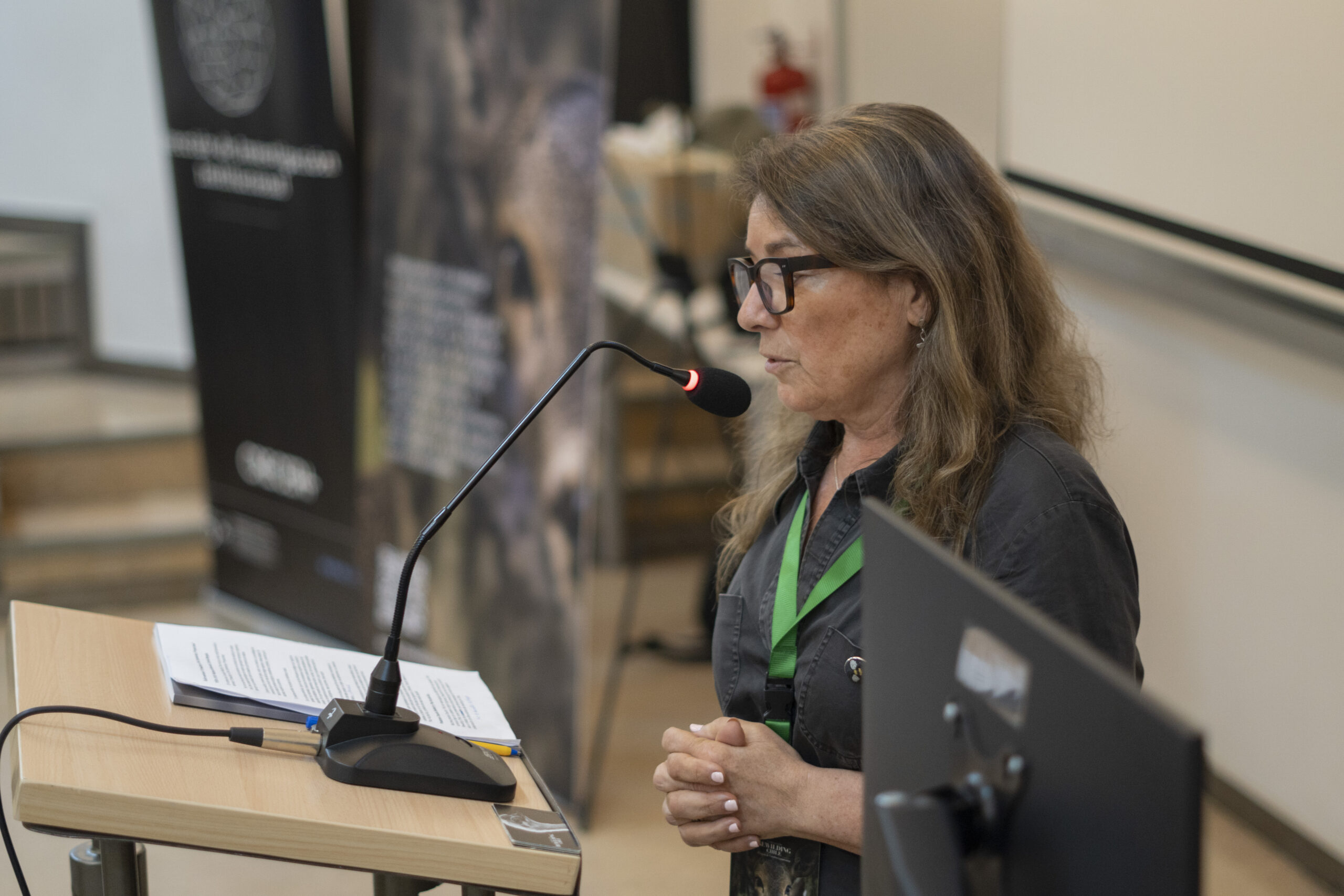
The program featured presentations by Patricia Miranda, Head of SAG’s Wildlife Department; Charif Tala, Head of Species Conservation at the Ministry of the Environment; Cristián Estades, Full Professor at the University of Chile’s Faculty of Forest Sciences and Nature Conservation; and Sara Larraín, manager of the Lagunillas Nature Sanctuary and representative of the Metropolitan Region’s network of Nature Sanctuaries. Panelists agreed on the need to build a modern institutional framework to support ecological restoration—strengthening the control of invasive species, promoting public–private collaboration, and advancing public policies that recognize active management as a core pillar of national conservation efforts. The event also featured an international perspective from Sofía Heinonen, Executive Director of Rewilding Argentina.
“Unlike approaches that protect individual species or isolated areas, rewilding seeks to restore ecosystems so they function in their full complexity through large-scale protected areas, ecological connectivity, and the recovery of key and threatened species. Put simply, rewilding is helping nature heal.”
The seminar also highlighted the role of Fundación Rewilding Chile—part of the Tompkins Conservation legacy—with more than 30 years of large-scale conservation work in Patagonia. “Together with Tompkins Conservation and the State, we have helped create seven national parks and driven active wildlife management programs along the Route of Parks of Patagonia. Today we are extending this vision beyond Patagonia, across the Andean Corridor, with the goal of generating continental-scale impact and supporting other countries facing similar challenges,” Morgado said.
The event concluded with the launch of “Rewilding in Chile: Experiences and Projections” a document prepared by Fundación Rewilding Chile and various partners. The publication reviews historic efforts led by the State and civil society and outlines a roadmap to position rewilding as a strategic pillar for biodiversity conservation in Chile and across the continent. “Today we take an important step in showing that Chile has everything it needs to become a global leader in rewilding. But we are not starting from scratch—we are simply naming work that has been underway for decades and that we must now scale up with vision and collaboration,” Morgado stated.
DOWNLOAD
We are working on an English version, only in Spanish for the moment.