Foto: Jonathan Poblete para Rewilding Chile
A collaboration between Fundación Rewilding Chile; the universities of Magallanes, Valparaíso, and Austral; and the Chilean National Museum of Natural History has enabled, for the first time, a comprehensive study of this fragile yet invaluable area.
Foto: Jonathan Poblete para Rewilding Chile
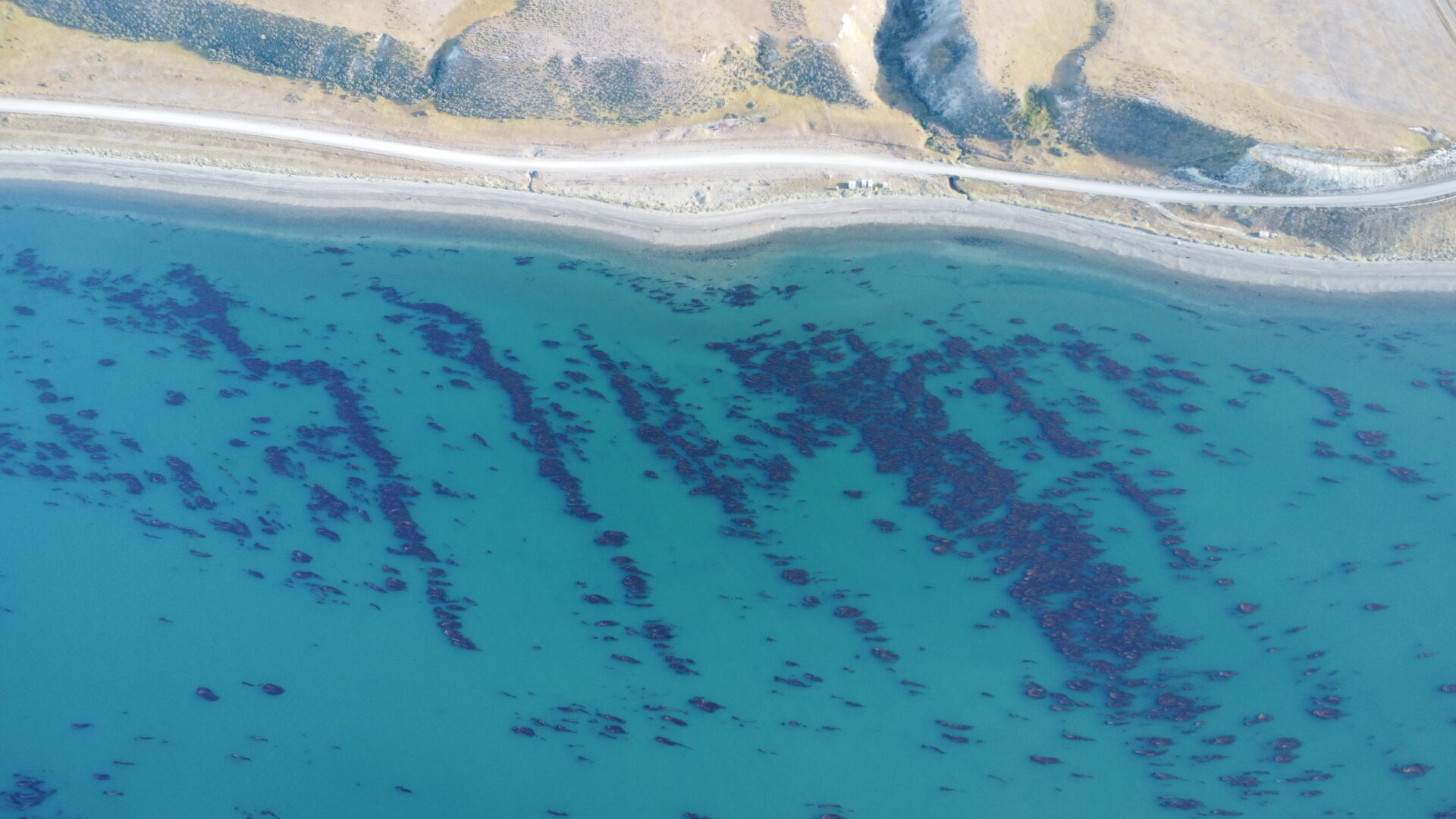
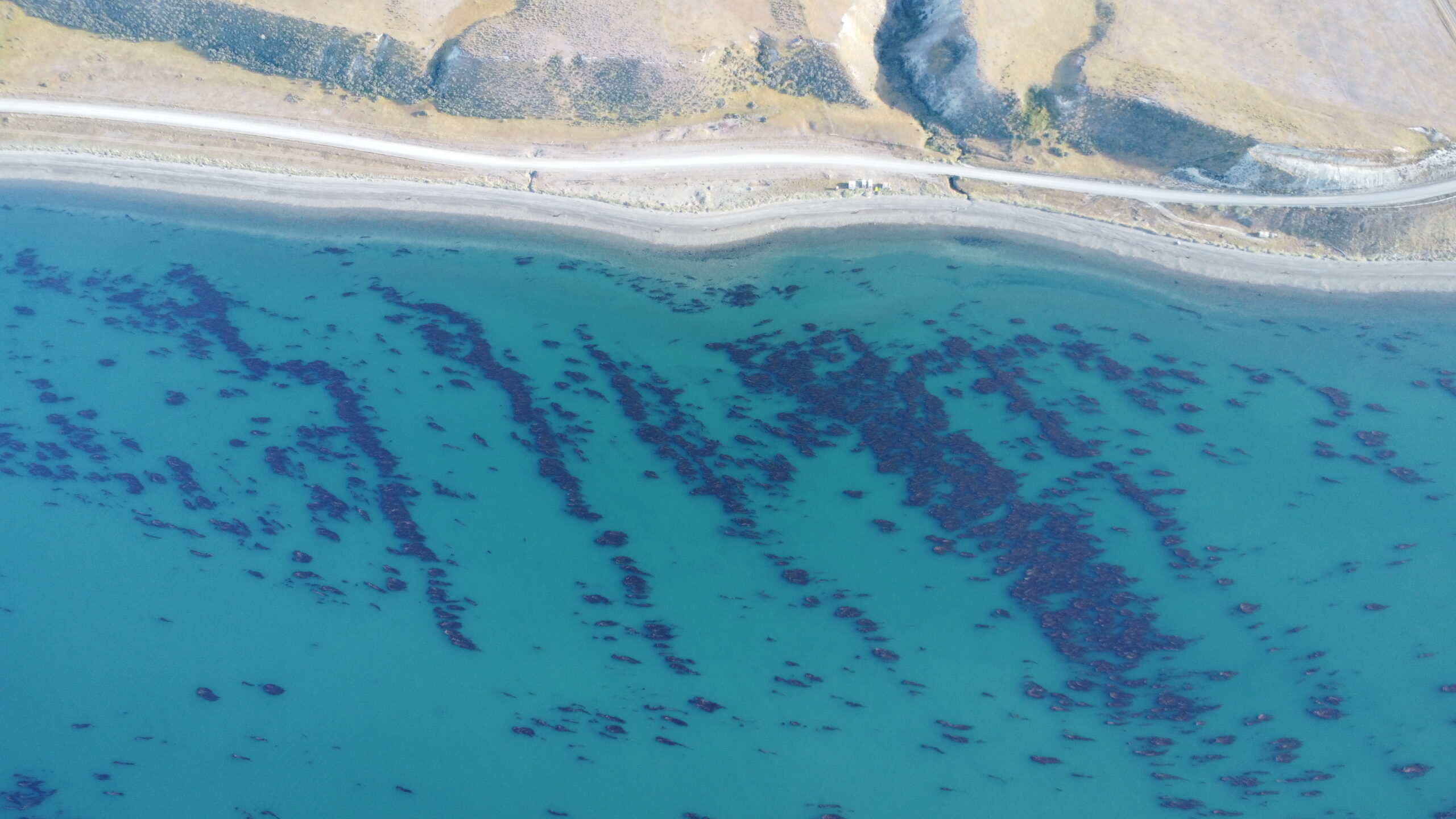
Inútil Bay, located on the western coast of Tierra del Fuego Island, is a wide inlet with low-lying shores connected by a coastal road to small settlements such as Caleta Rosario, Onaisin, Villa Cameron, and Timaukel. It is ancestral territory of the Selk’nam and Kawésqar peoples, and a land historically inhabited by ranchers, fishers, and, in earlier times, gold seekers. The English captain Phillip Parker King—predecessor to Robert FitzRoy and his invited naturalist, Charles Darwin, aboard the brig Beagle—etched its name into nautical history after being unable to enter the bay to shelter from storms in Whitesound Channel and the Boquerón Passage.
But “useless” it is not. The recent scientific publication Marine Biodiversity in Inútil Bay (Tierra del Fuego): Patterns of Zooplanktonic and Benthic Assemblages, led by Fundación Rewilding Chile, presents the results obtained from various sampling points both inside and outside the bay.
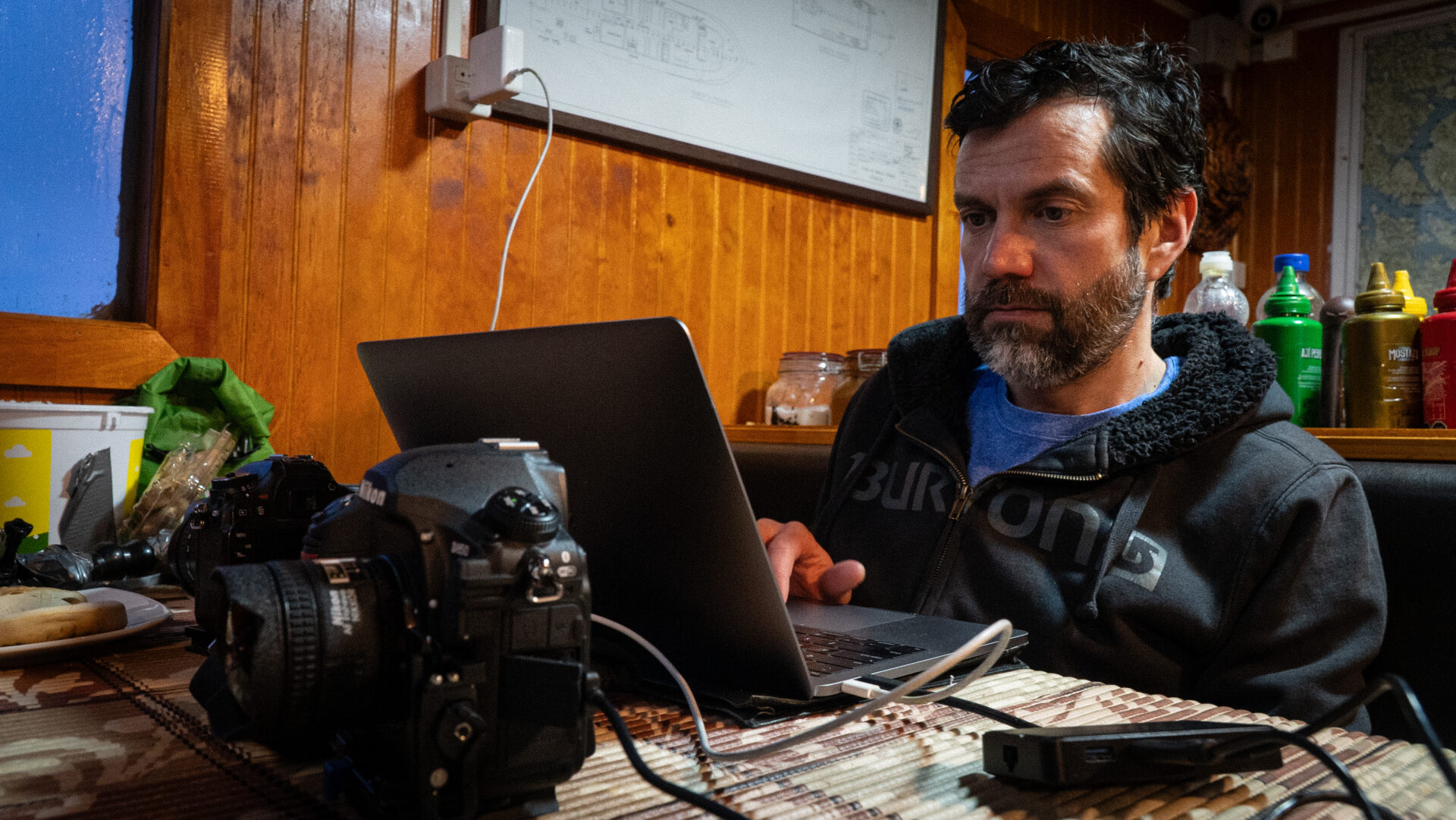
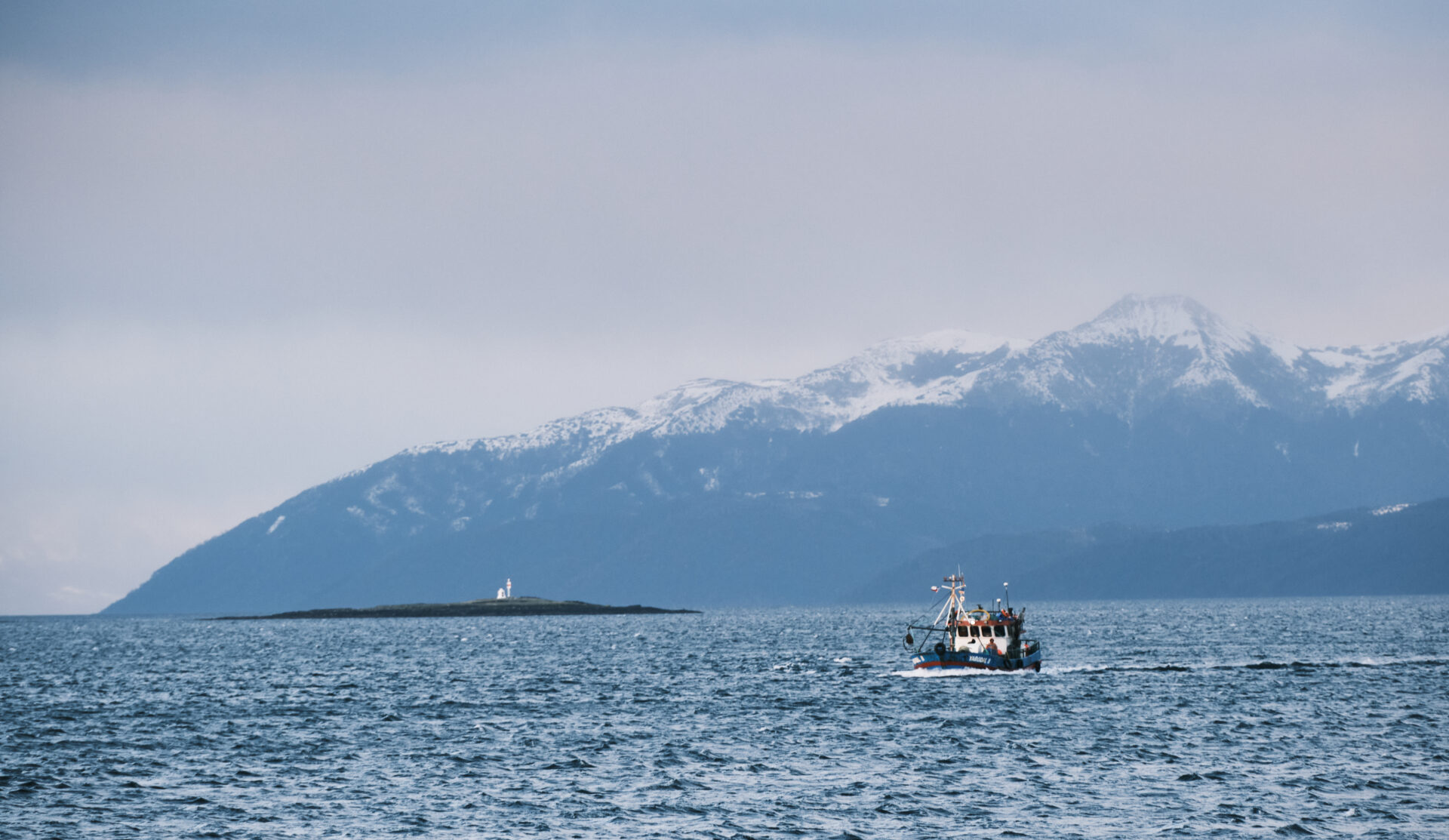
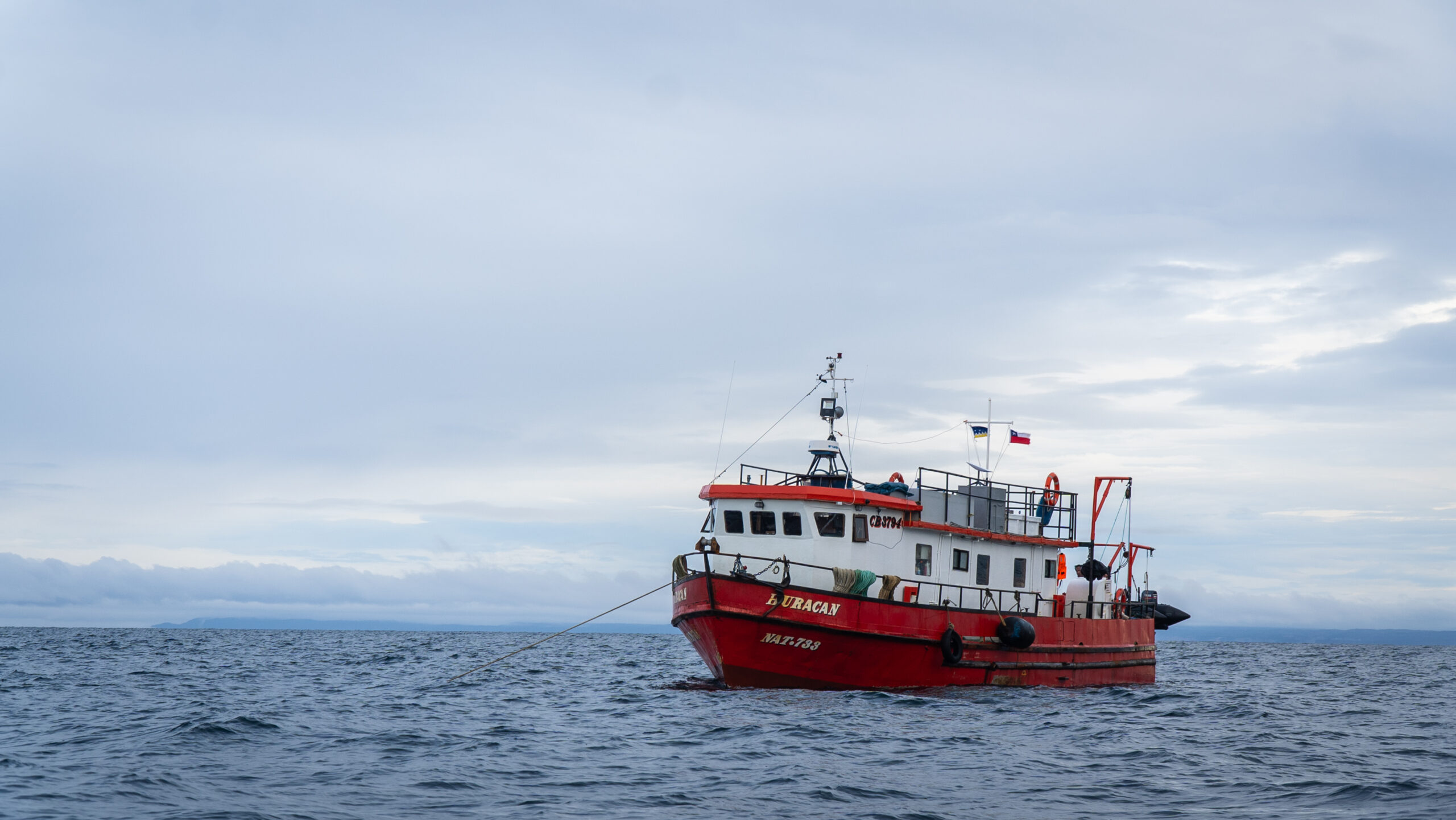
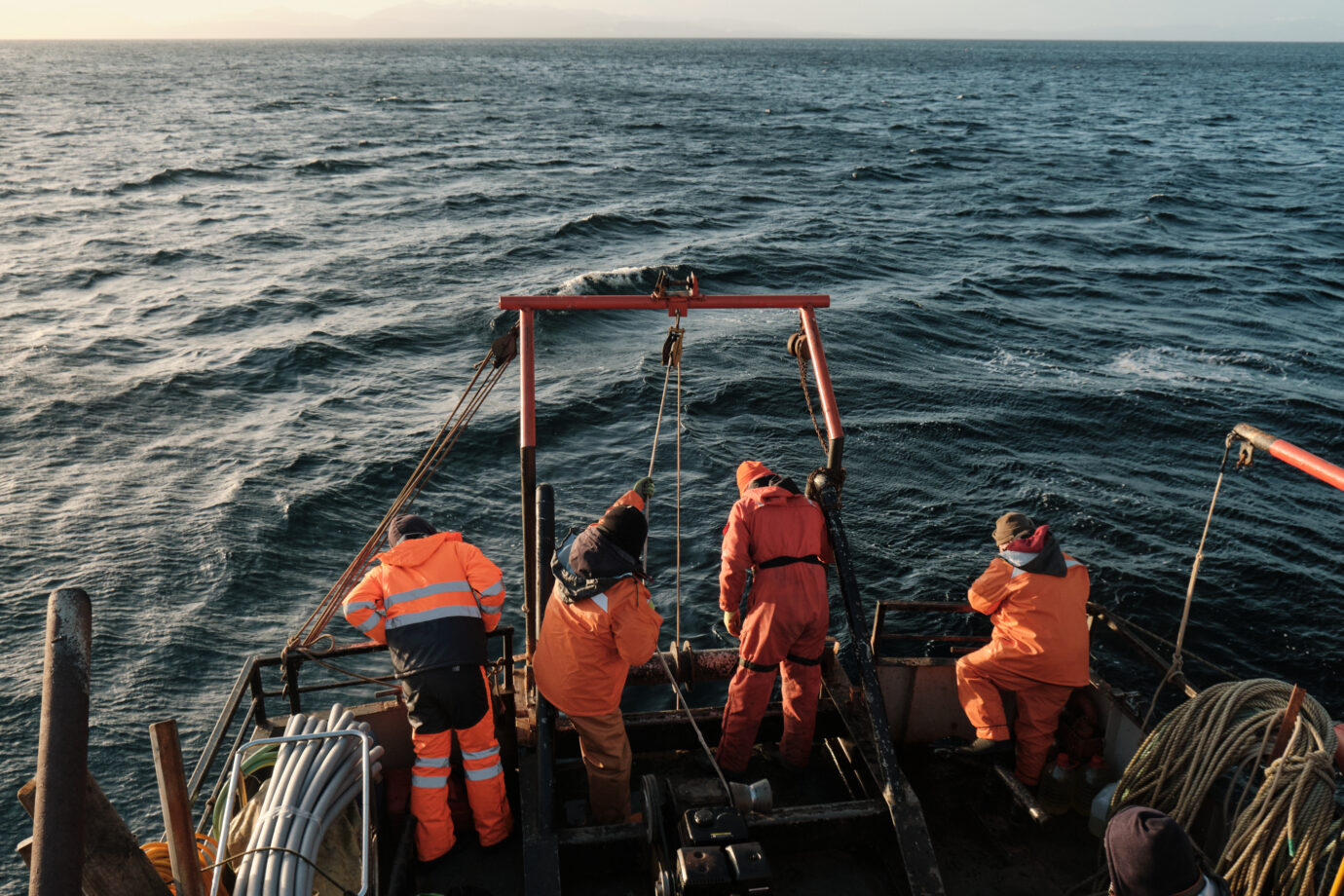
During the expedition carried out in July 2024 aboard the vessel Huracán, the team braved winter weather challenges, spending several days anchored at Dawson Island due to strong winds. Yet the outcomes surpassed expectations. “The biodiversity here is astonishing, especially within the seafloor sediments. Like a pyramid: the deeper you go, the more life you find,” said Mathias Hüne, director of the foundation’s Marine Program.
The study is one of the few to include both zooplankton and the deep-sea and soft-bottom communities. Three methods were used: a bongo net to collect zooplankton in the water column, a remotely operated vehicle (ROV) to record benthic fauna, and a dredge system to sample species living within the sediment.
“The combination of the three allowed for a more complete characterization of seafloor assemblages across a wider range of habitats. We were able to detect highly mobile species that often evade other sampling methods, as well as those living on or buried within the substrate,” Hüne explained.
“We identified many marine invertebrates—over 100 different species—small in size and invisible to the naked eye, such as marine worms, snails, and clams. We also observed species that live on silty-sandy bottoms. On the rocky and gravel beaches, we found animals such as starfish, crabs, and marine worms,” added Daniel Pérez, marine biologist and master’s student at the University of Magallanes.
“The biodiversity here is astonishing, especially within the seafloor sediments. Like a pyramid: the deeper you go, the more life you find”
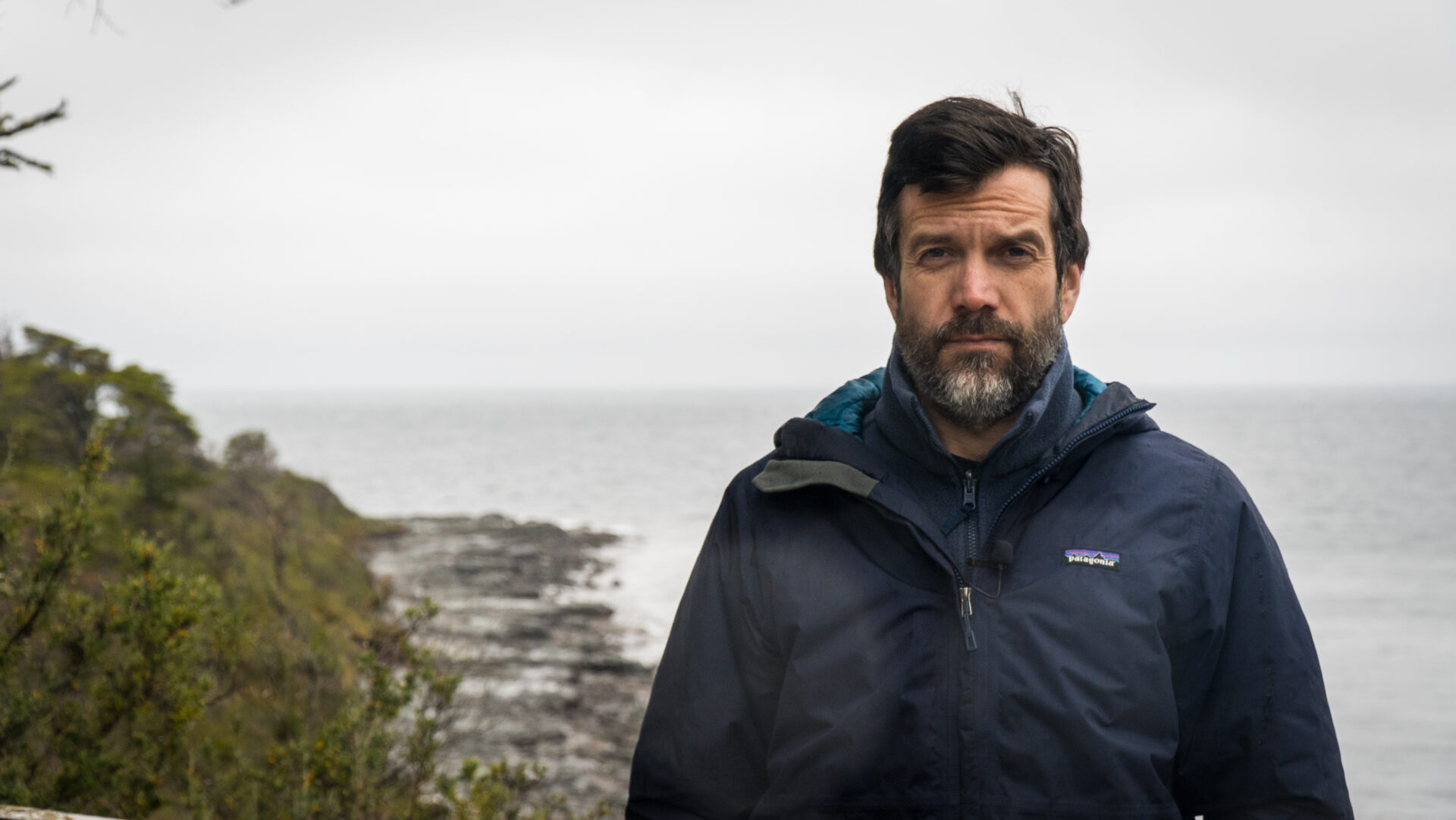
With decades of experience researching Antarctic and subantarctic marine ecology—and having led his own expeditions in the area—University of Magallanes academic Américo Montiel emphasized the enormous biodiversity found in an area with open access, where extractive activities target species such as king crab, mussels, and sea urchins.
“In the Magallanes region, there are sectors with very limited or no ecological information. Inútil Bay is one of them. Now, thanks to this work, a large amount of ecologically relevant information has been gathered—from how many species exist to their distribution patterns and biomass,” he noted.
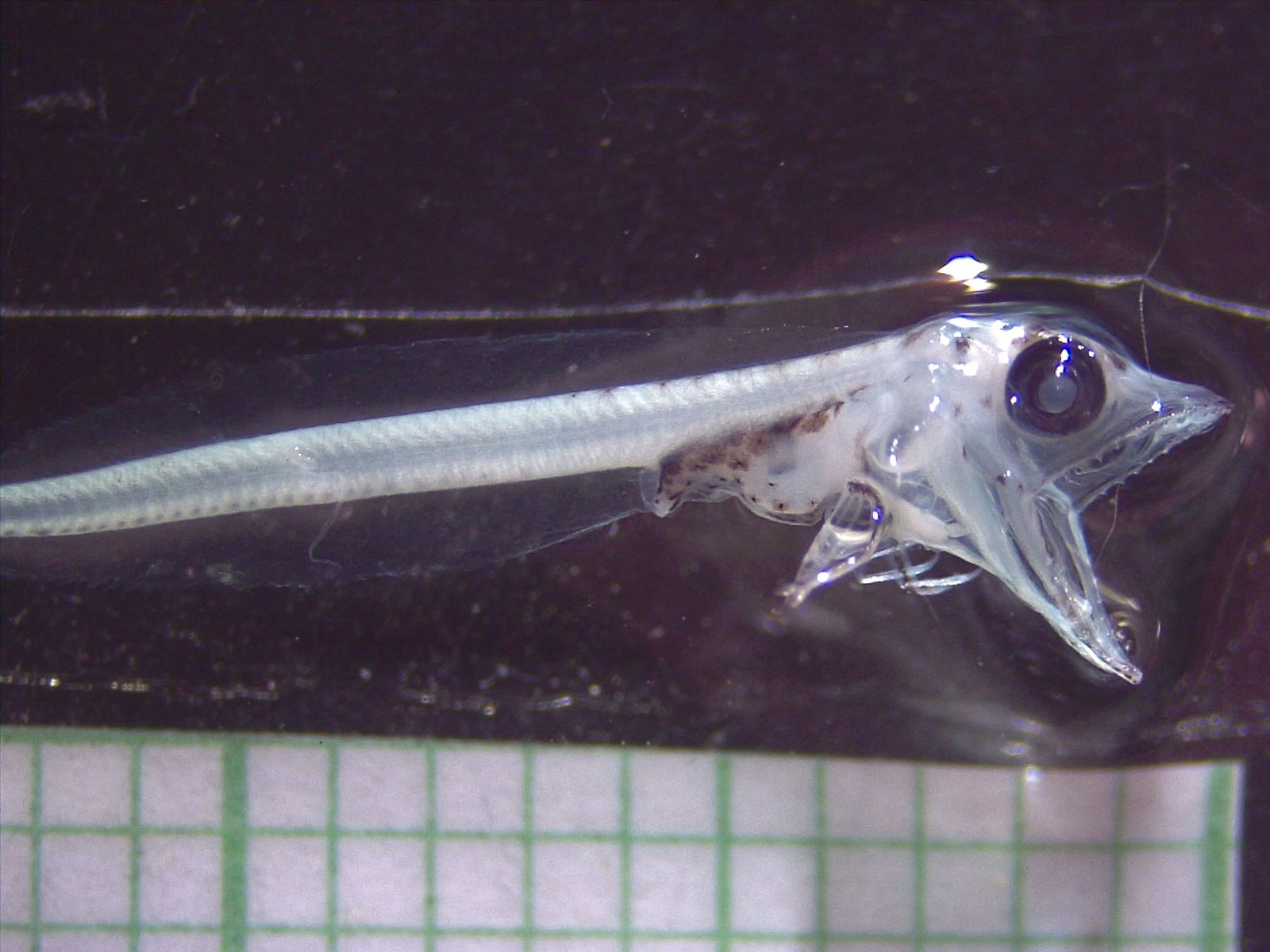
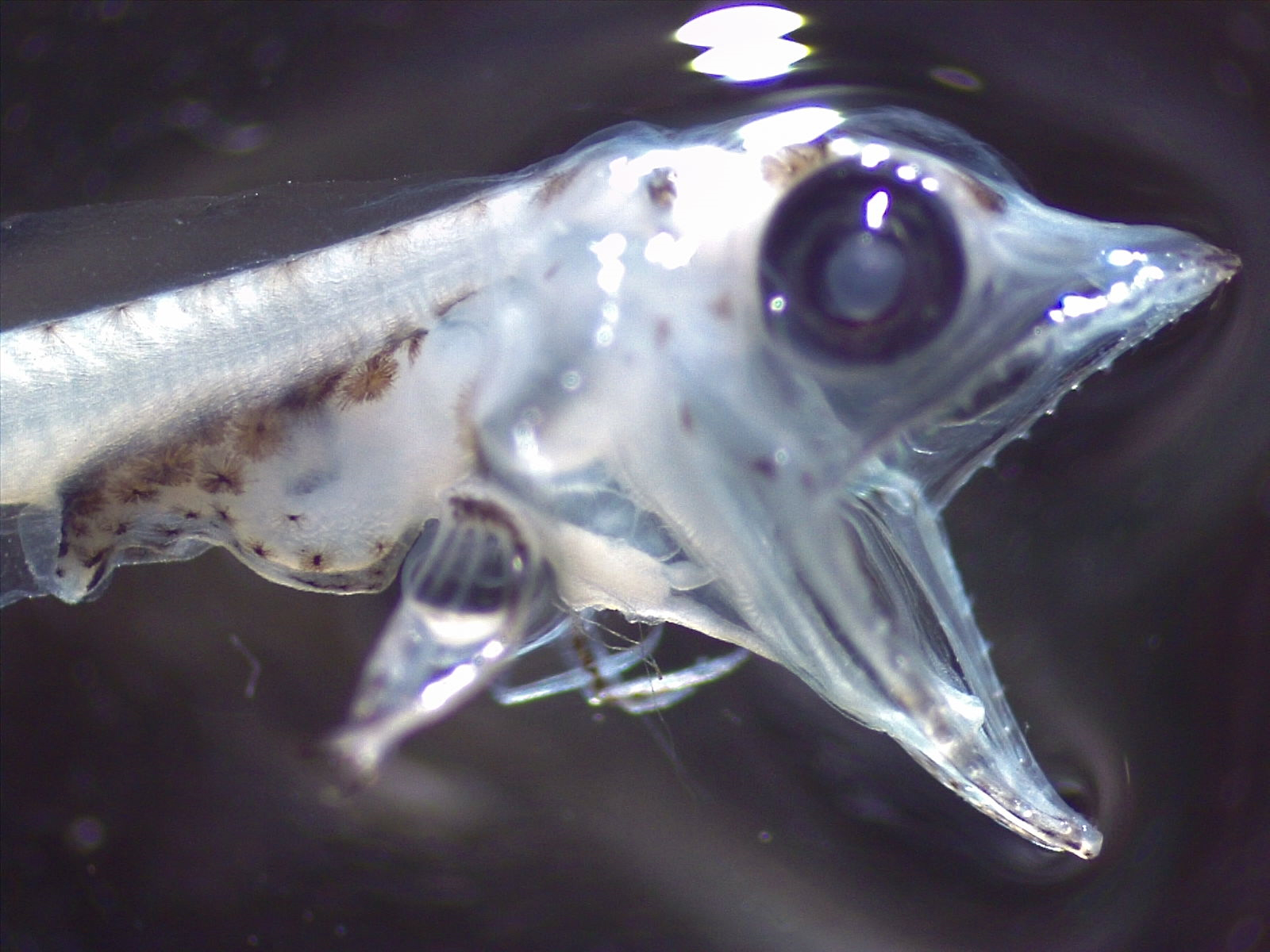
Among the study’s findings, sediment analysis revealed nearly 150 taxa, with polychaetes—an important group of marine worms playing key roles in food webs and in organic matter recycling—being especially dominant. And among crustaceans, krill, jellyfish, and other drifting organisms, the team identified a larval icefish, now part of the marine vertebrate collection of the Chilean National Museum of Natural History, representing the first early-stage record of this species in the scientific literature.
The Importance of Inútil Bay
Past studies in Inútil Bay have been scarce and limited in scope; for example, zooplankton composition and biomass were only known for a single point in the bay. A broader spatial understanding was missing. “The data we obtained not only provide essential knowledge about the biodiversity and ecological dynamics of the area but also serve as a solid foundation for informed conservation decisions,” Hüne stressed.
Beyond the global consequences of climate change in the oceans, Inútil Bay faces local threats such as overfishing, micro-dumps of waste, and potential future risks—including the installation of energy-generating industries. In fact, in 2023 the area was identified by the Forum for the Conservation of the Patagonian Sea and Areas of Influence as one of eight Patagonian macro-ecosystems with no or extremely low protection—alongside locations such as the coasts and fjords of Chiloé, the fjords of Central Patagonia, and Nassau–Hornos Bay.
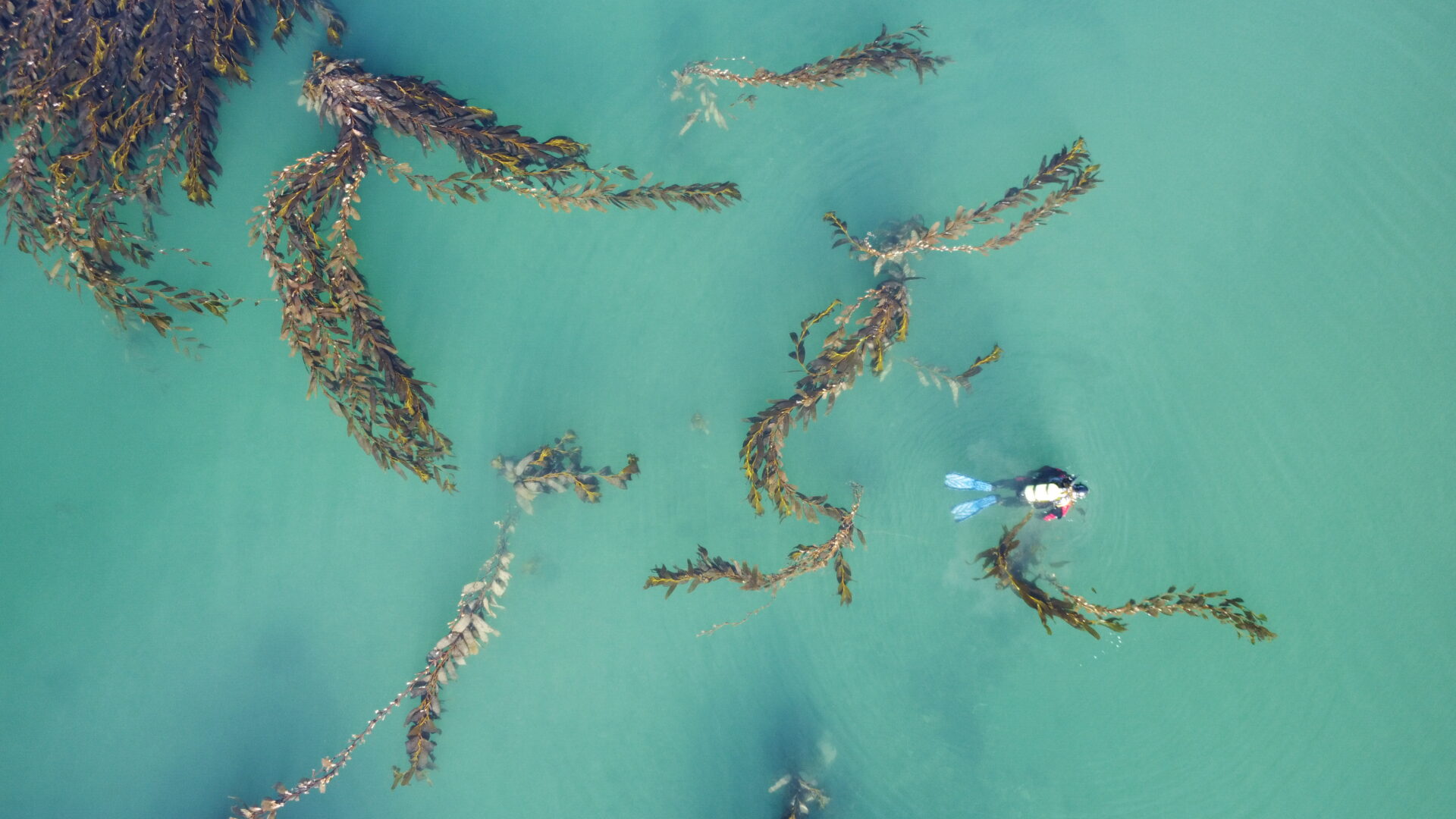
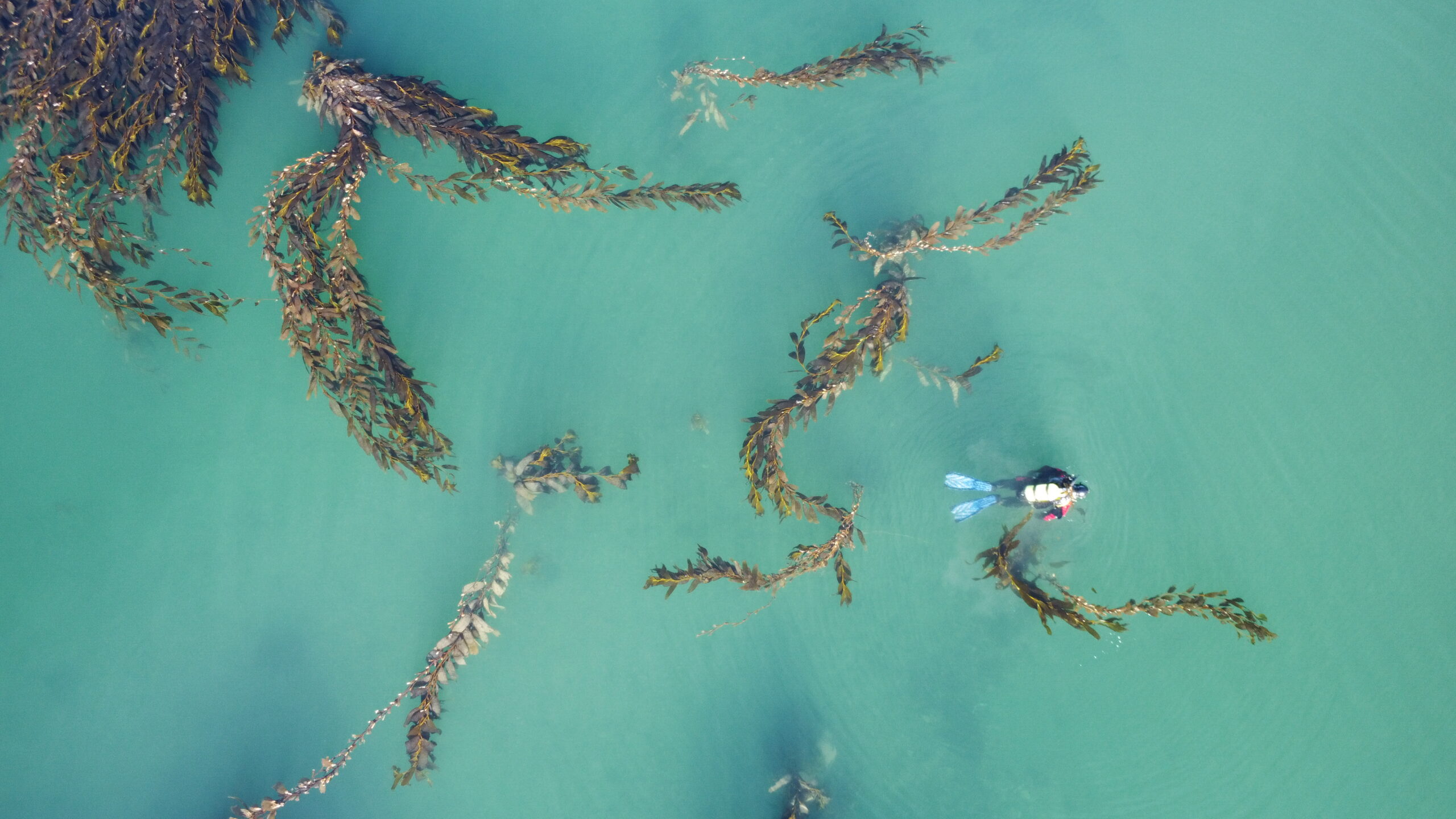
“Inútil Bay is highly representative of the Patagonian ecosystem: it is home to abundant populations of shrimp, benthic resources, and kelp forests that serve as food for many species. The presence of a king penguin colony and other marine mammals speaks to its ecological importance. It may also be a significant site for carbon sequestration and, according to my research, is highly connected to the marine areas of Almirantazgo Sound,” Montiel explained.
Ultimately, these results—together with other tools in development—will be crucial in supporting the creation of a Marine Protected Area in Inútil Bay, ensuring the conservation and sustainable management of this unique ecosystem.
To learn more about the study published in the journal Diversity:
https://www.mdpi.com/1424-2818/17/11/763