Photo: Eduardo Sorensen for Rewilding Chile
Research led by Rewilding Chile alongside the Universities of Valparaíso and Austral cataloged more than 200 species of invertebrates, fish, and algae in giant kelp forests—providing key scientific arguments to advance the creation of marine protected areas.
Photo: Eduardo Sorensen for Rewilding Chile
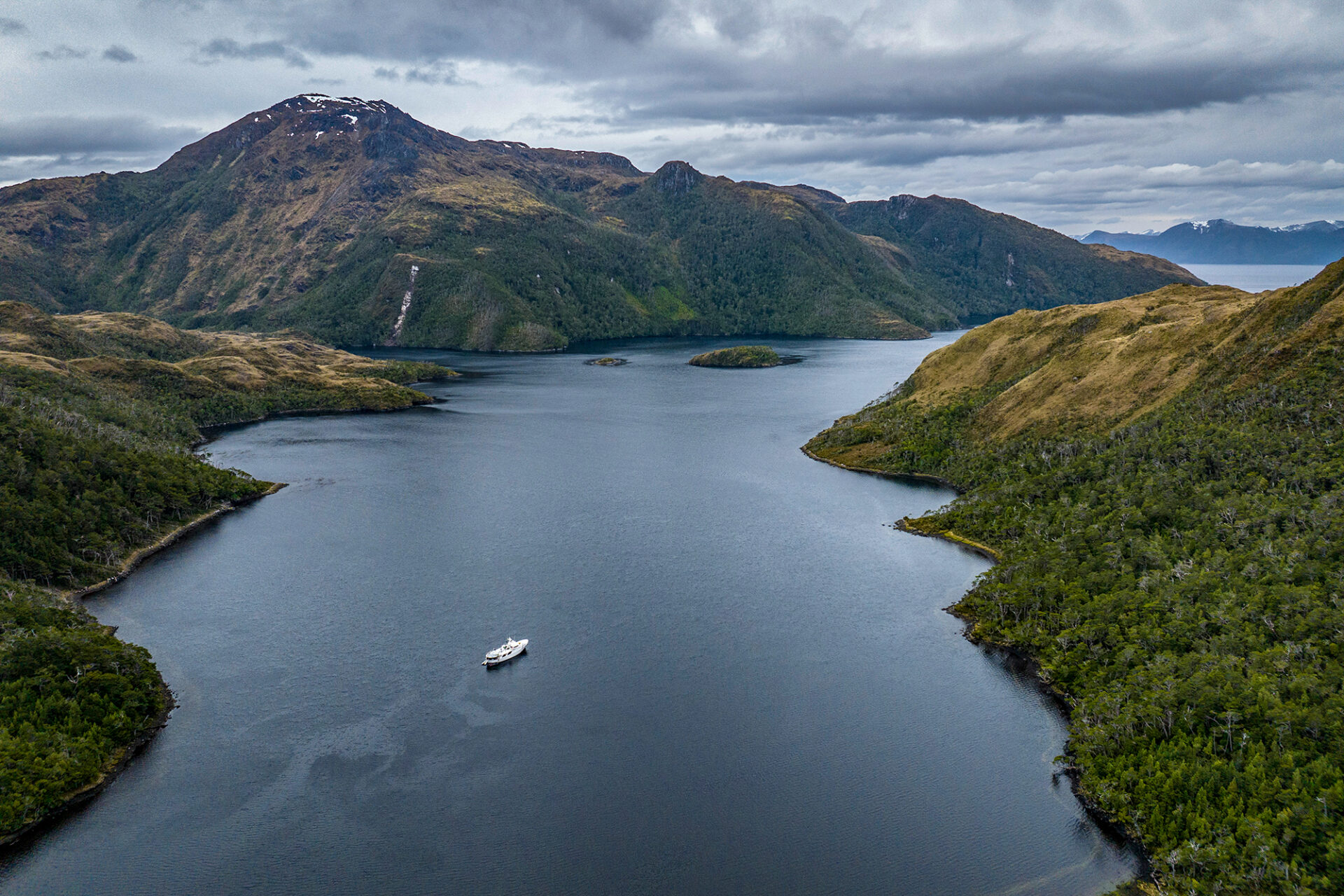
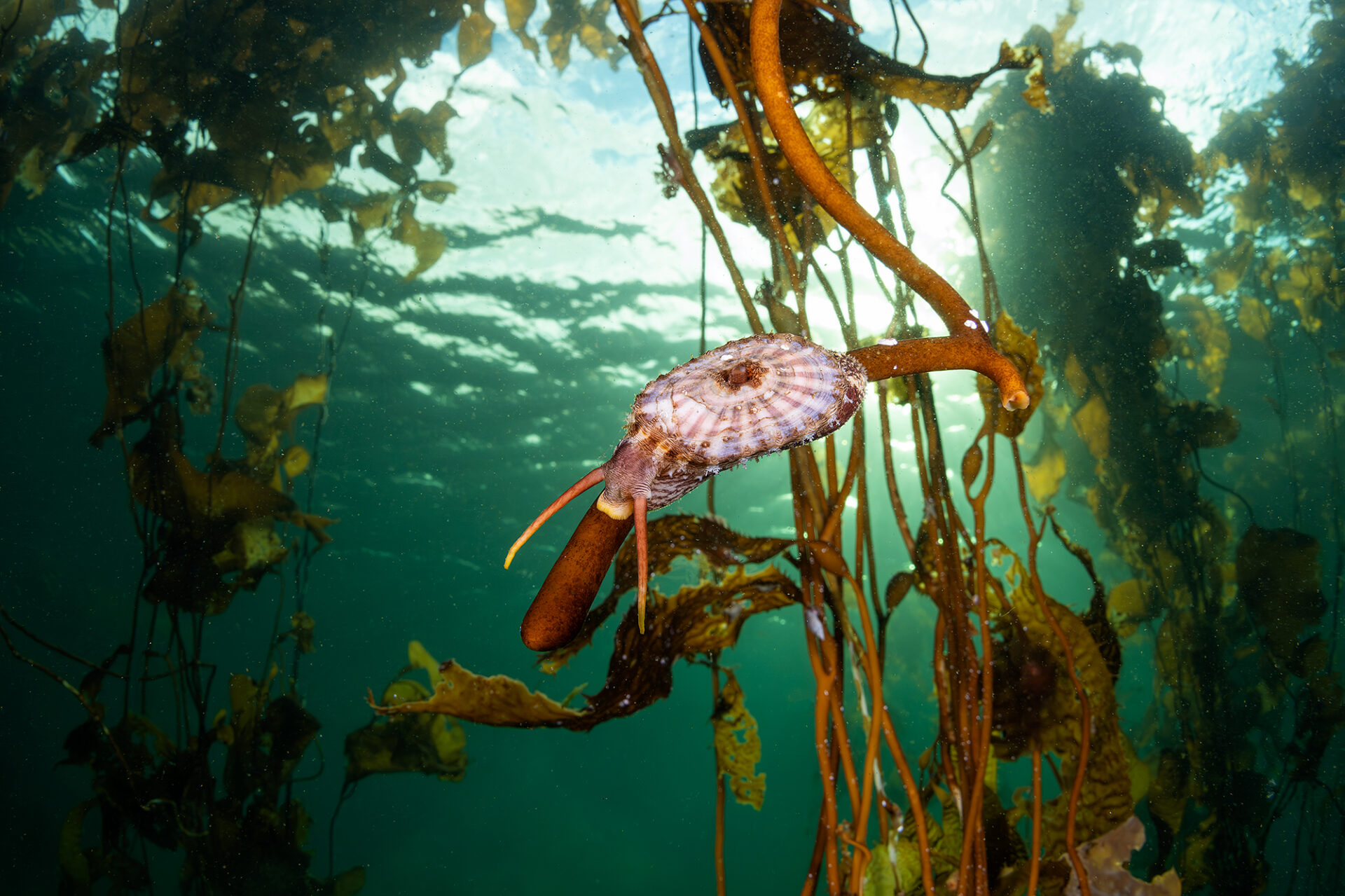
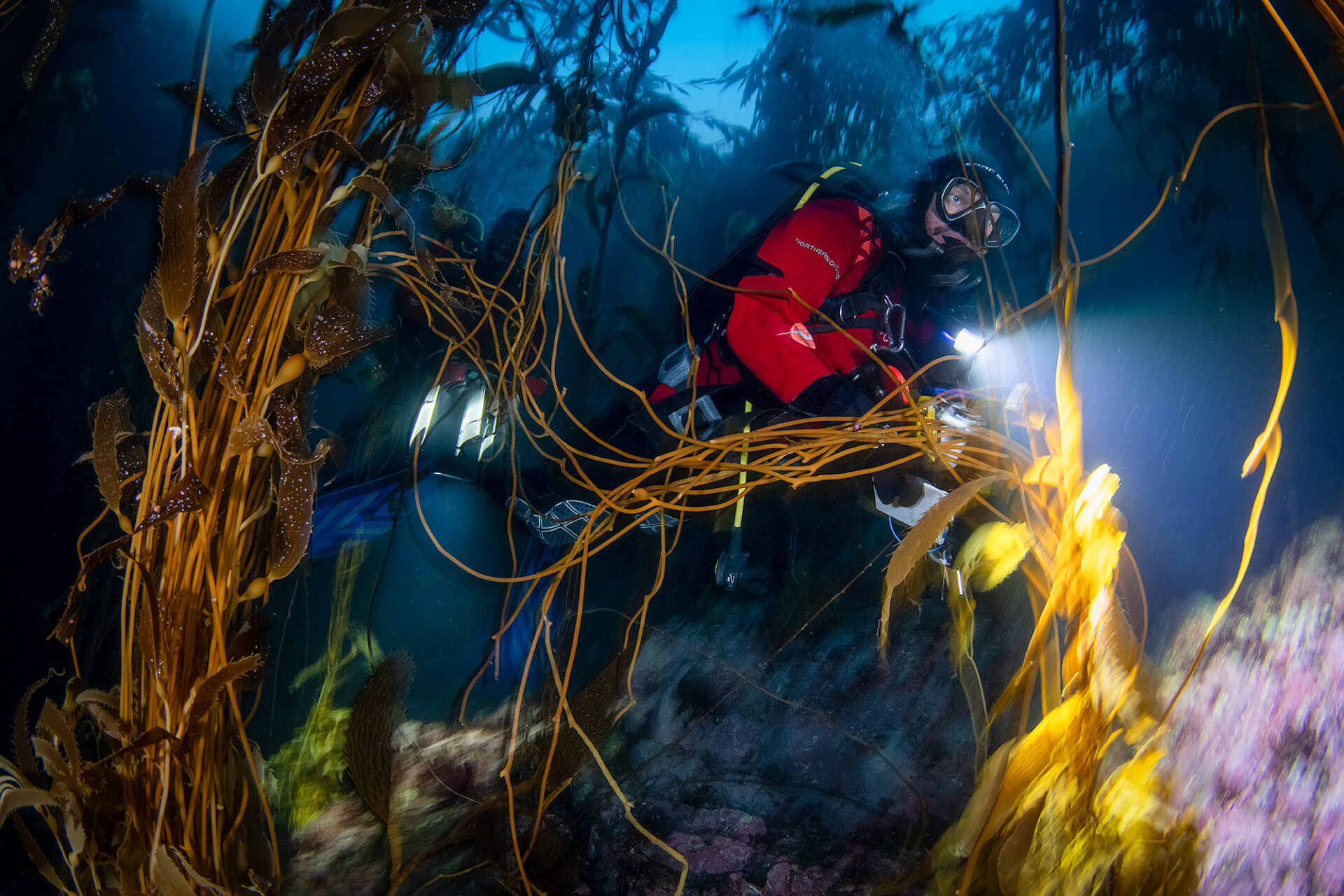
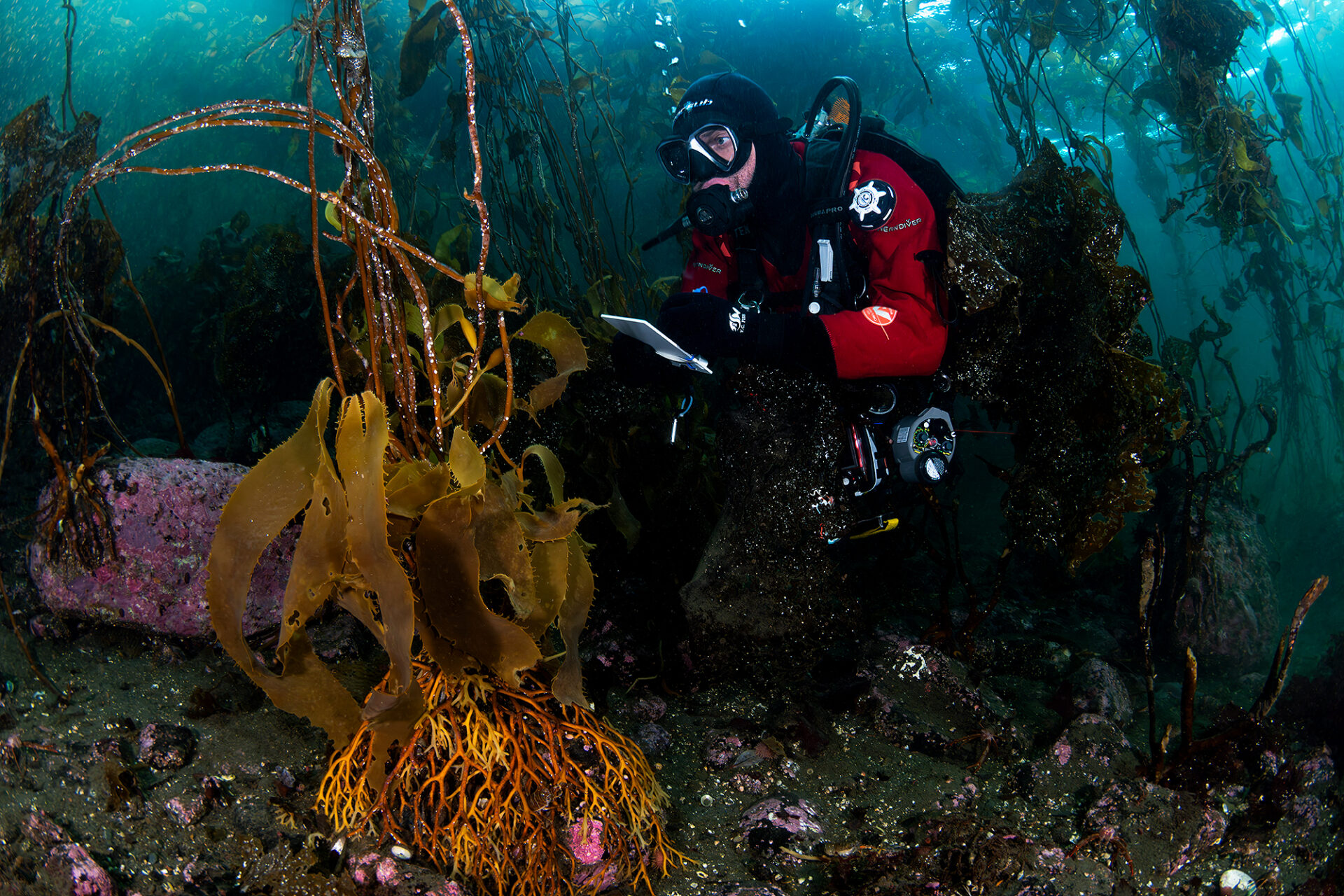
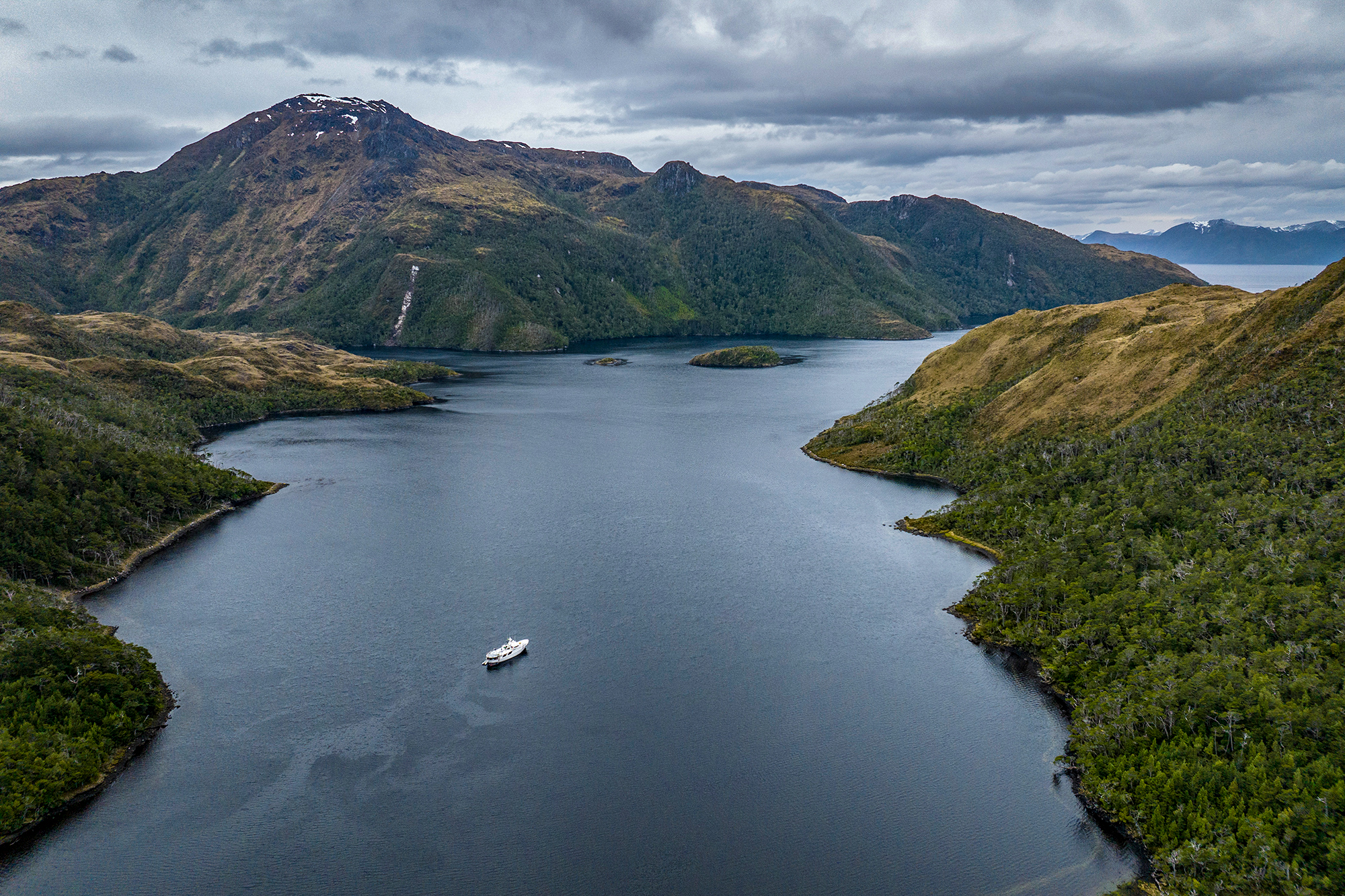
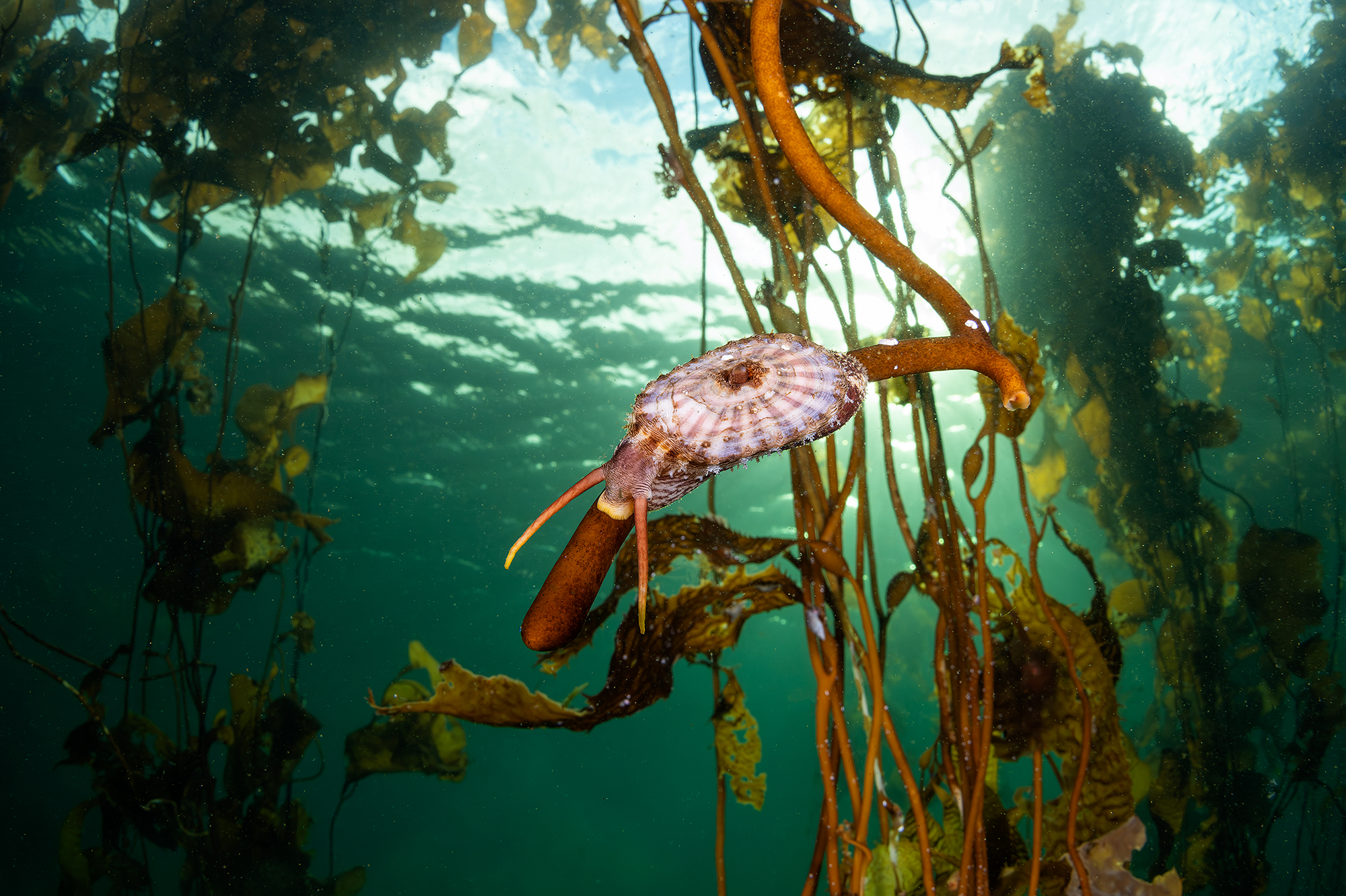
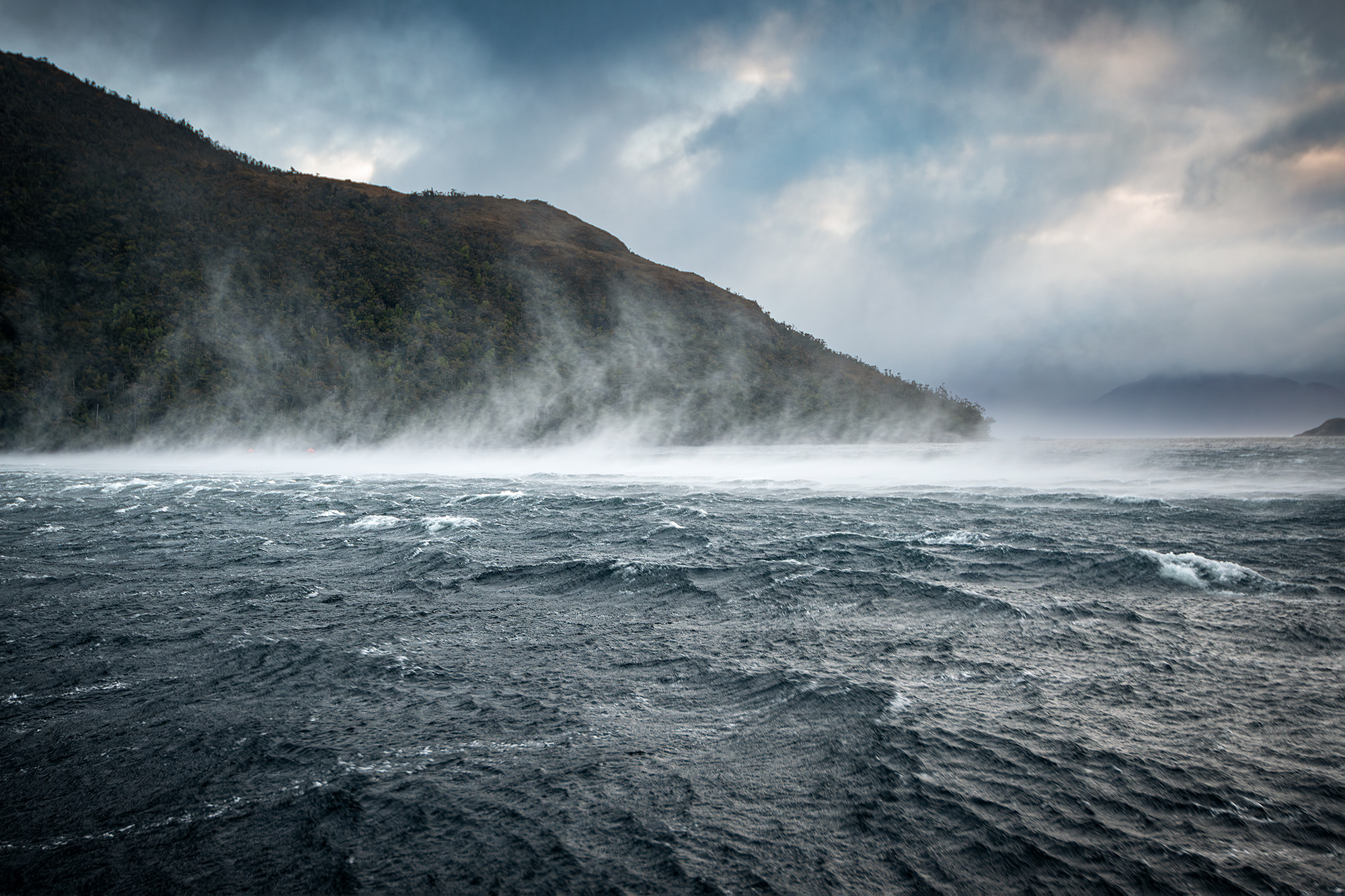
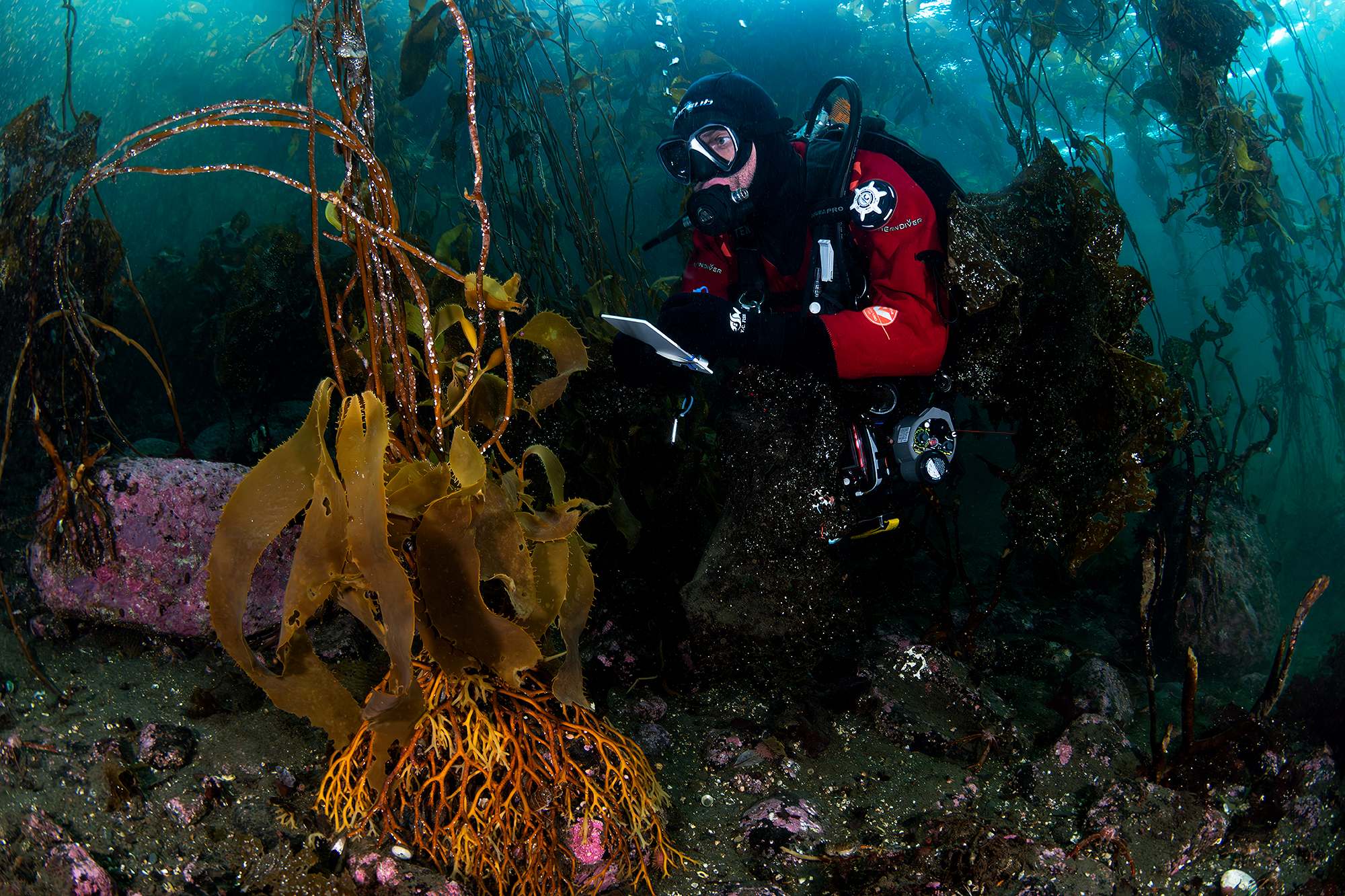
At Cape Froward, located at the southernmost tip of the American continent, the waters of the Strait of Magellan hold a treasure for biodiversity that, although extensively studied, had until now not revealed the full magnitude of its ecological value: the kelp forests (Macrocystis pyrifera), which serve as habitat and a source of food and shelter for numerous species, from the water column down to the seafloor. In other words, a foundational species — essential both to the life cycle of each marine organism and to the trophic web of the ecosystem as a whole.
To measure the biological richness of these forests,researchers set out to determine how many species benefit from them, where they are found, how they vary by season, and other variables.
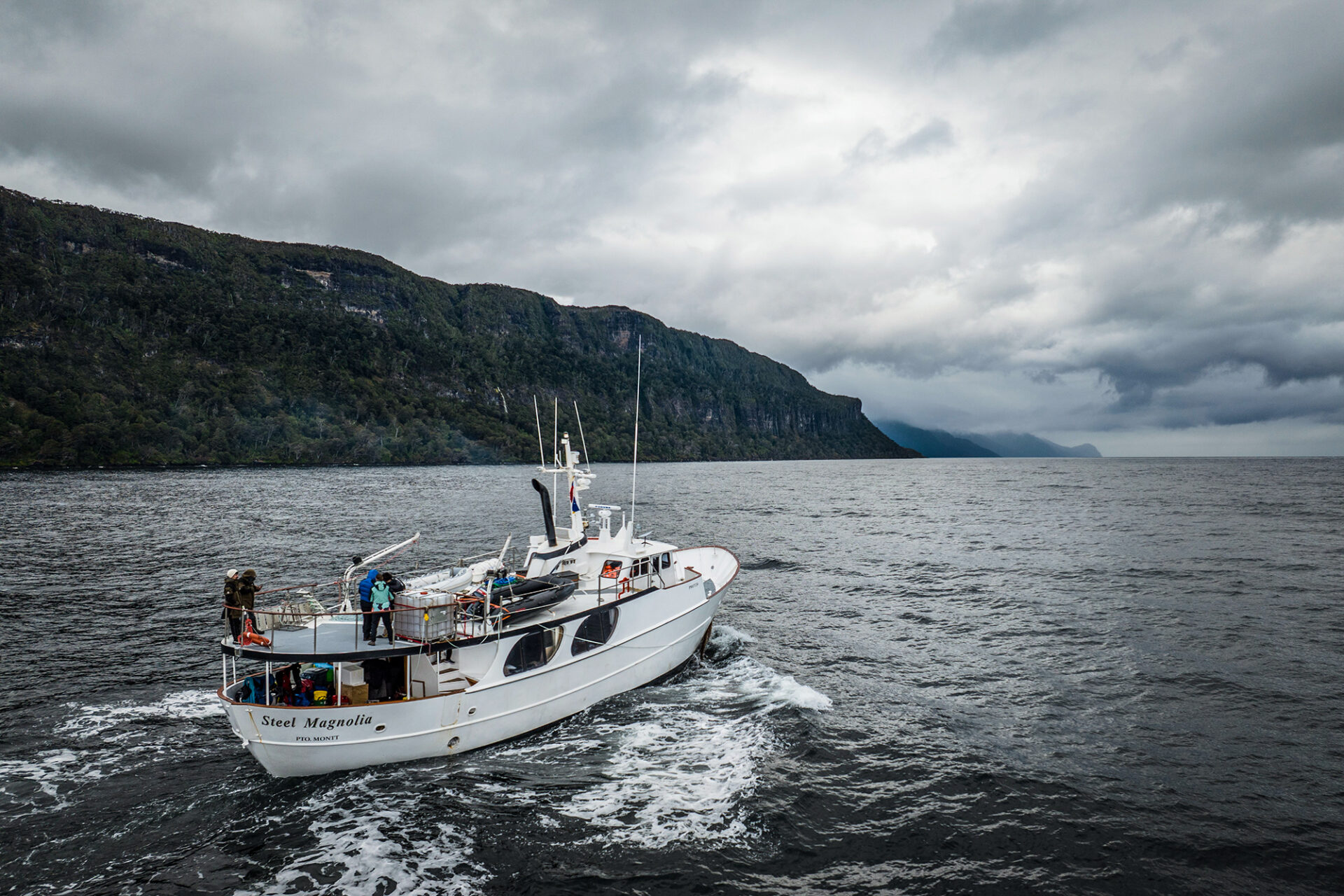
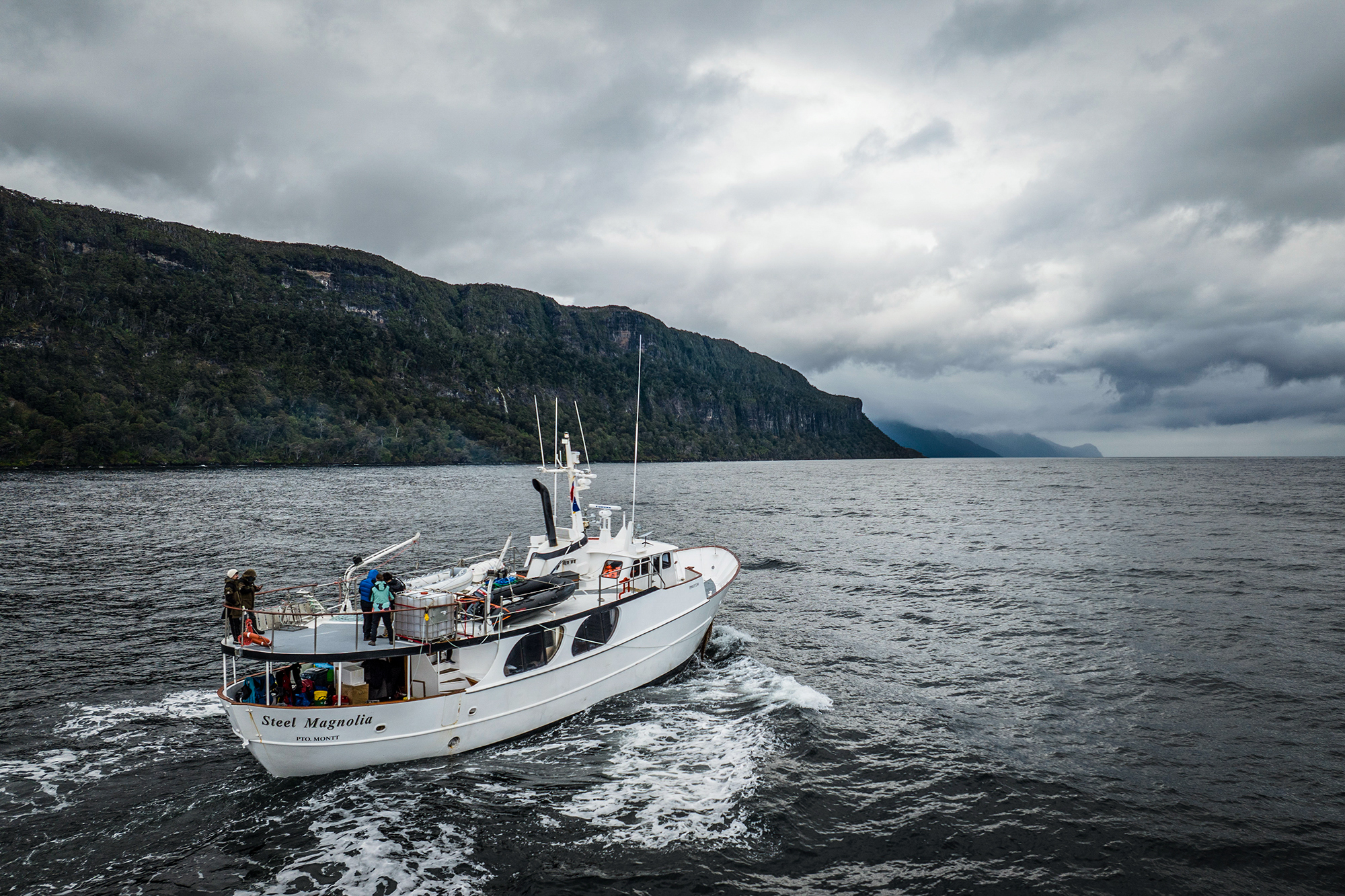
Through two field campaigns — one in spring 2024 and another in autumn 2025 — across twelve stations distributed among the western, central, and eastern sectors of Cape Froward, a team of researchers led by Rewilding Chile’s Marine Program, together with specialists from the Universities of Valparaíso and Austral, documented: in the sampled area, there are 238 distinct species groups, or taxa, including zooplankton, benthic invertebrates, understory macroalgae, and fish. This record surpasses that of other research conducted in the area and could continue to grow as more measurements are taken.
“With this expedition, we are surveying the unknown marine biodiversity of Cape Froward in the most comprehensive way possible, researching all the different environments from the water column to the seafloor, and comparing results between spring and autumn stations,” said Mathias Hüne, director of Rewilding Chile’s Marine Program.
“This is the first time that a survey has been conducted on how many species can be associated with or inhabit the kelp forests of the brown macroalga Macrocystis pyrifera in the Strait of Magellan,” he added.
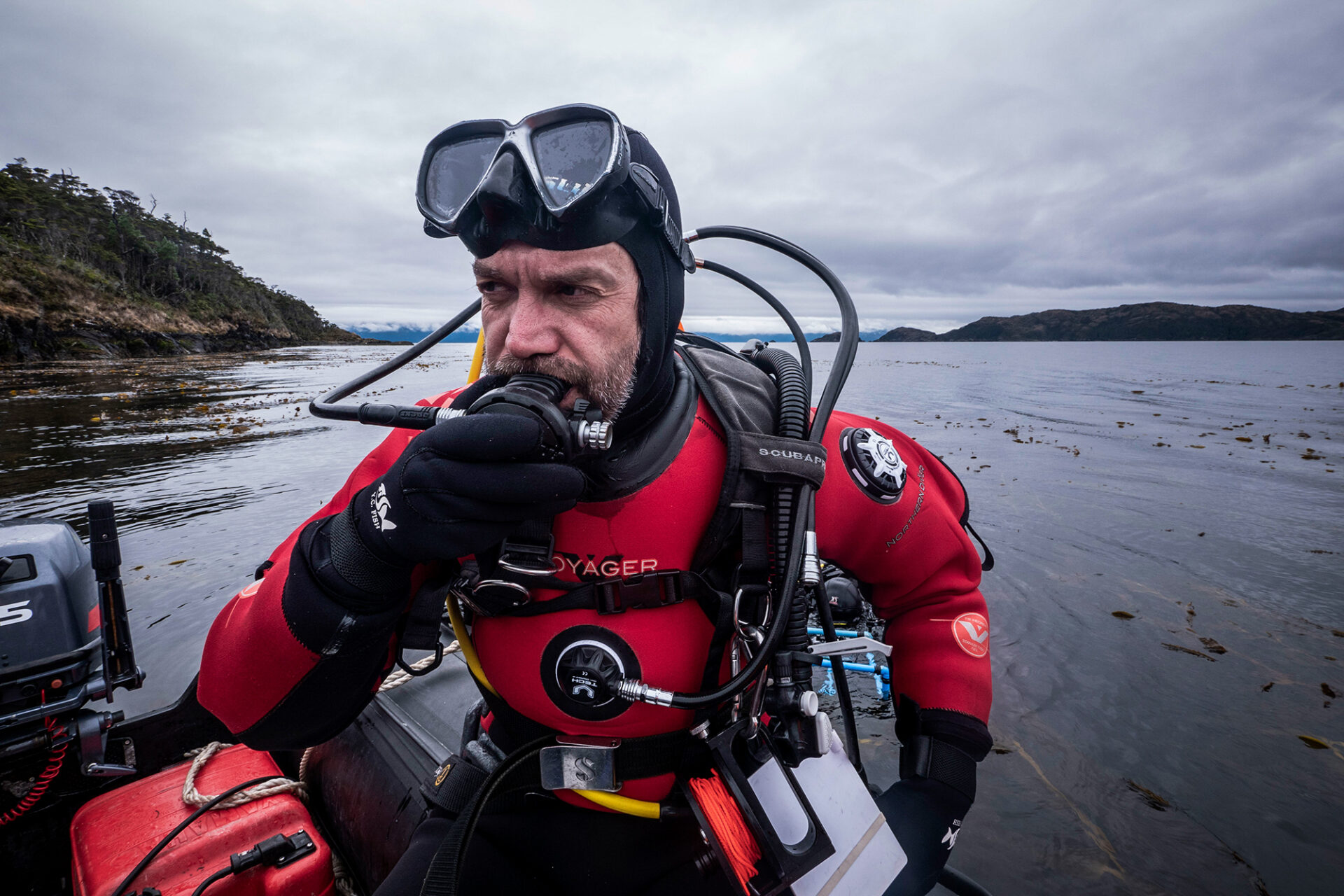
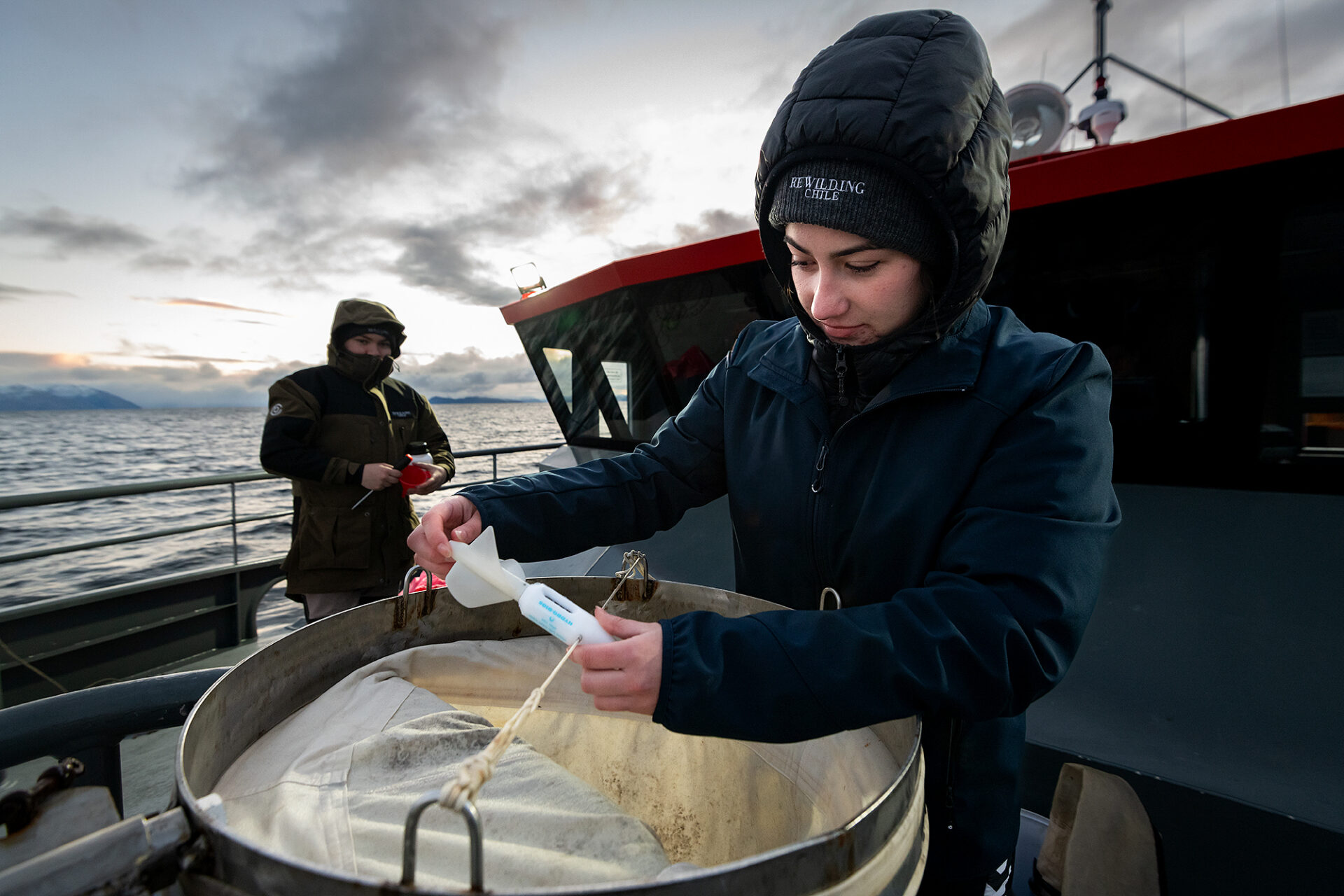
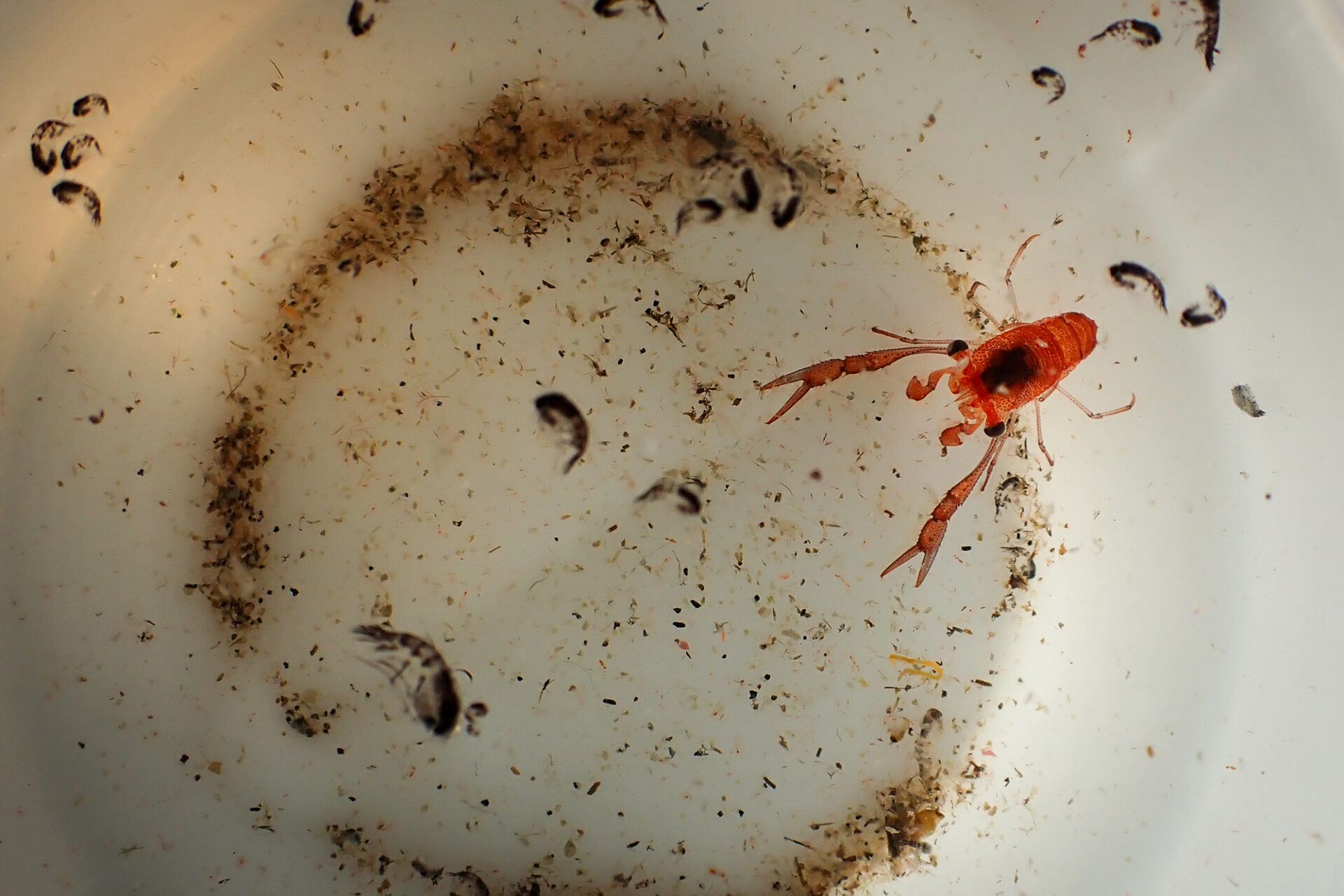
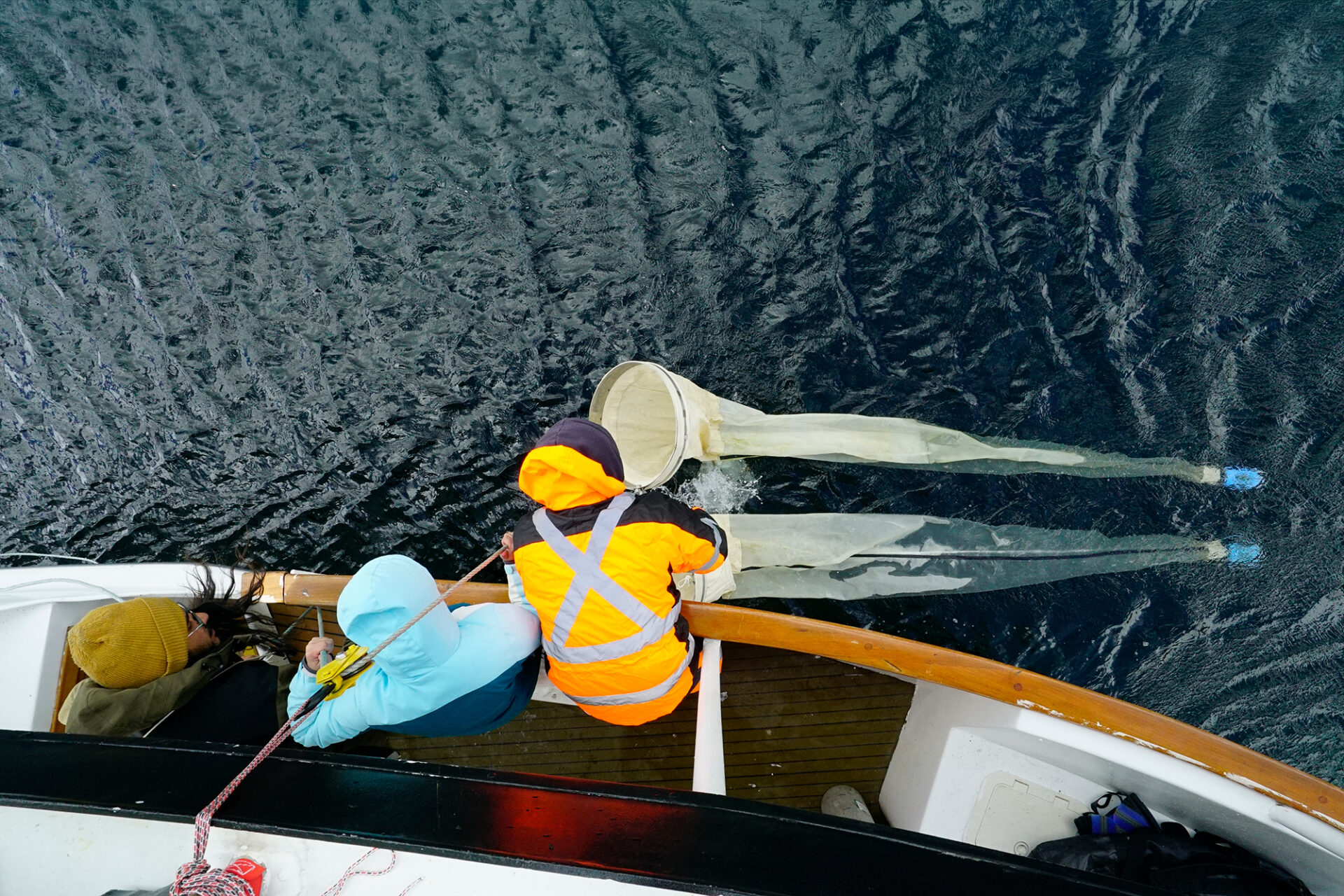
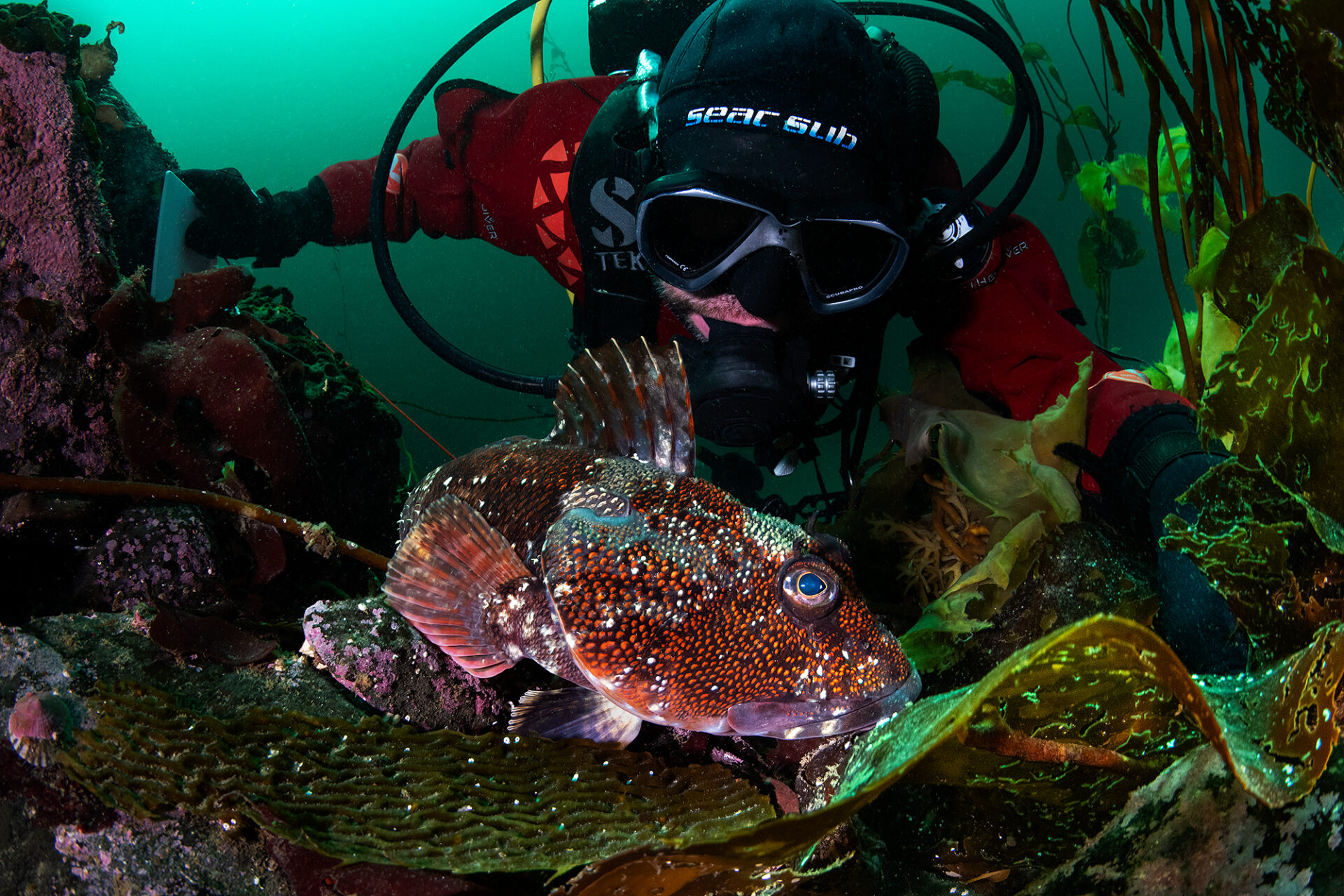
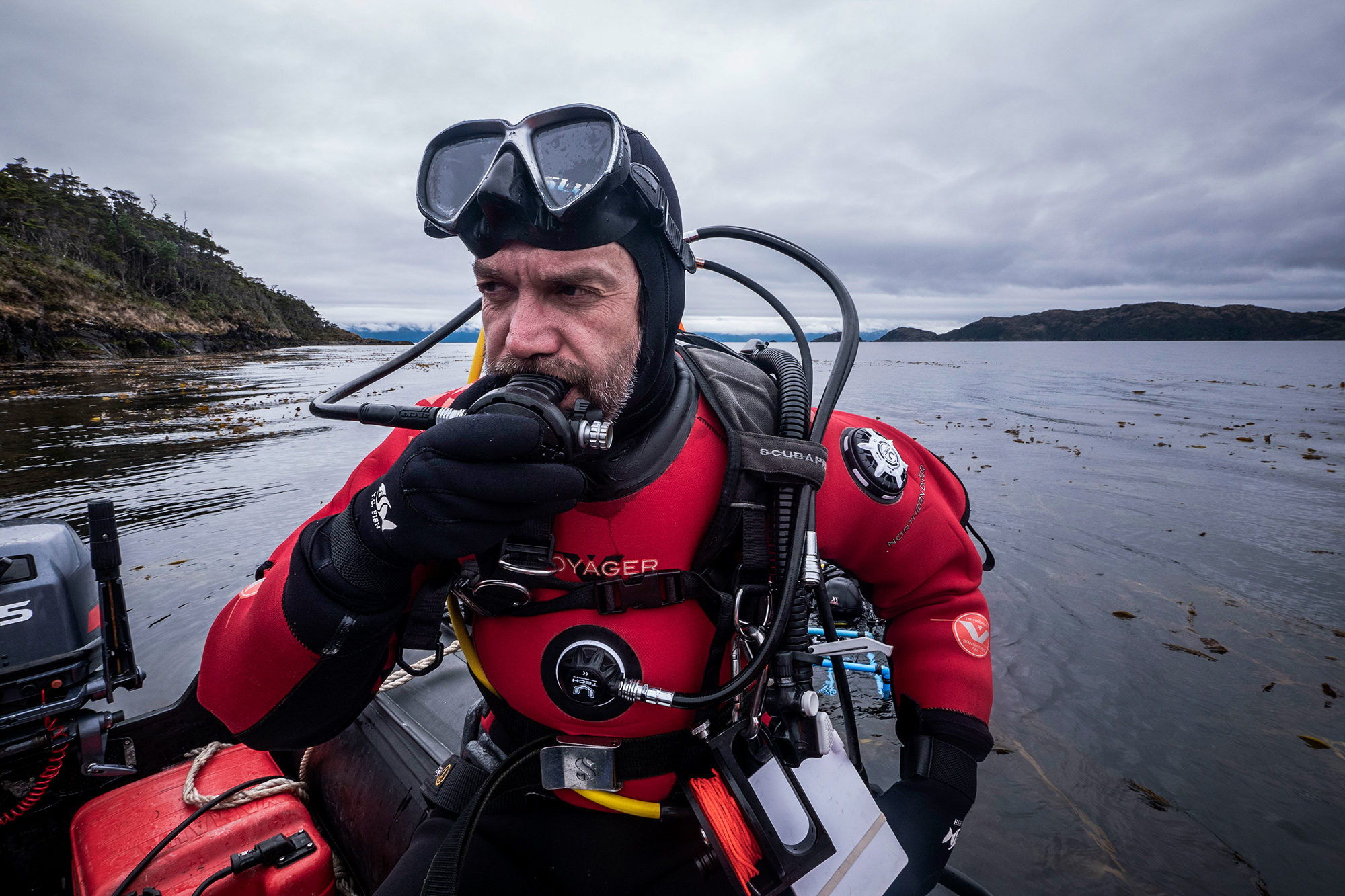
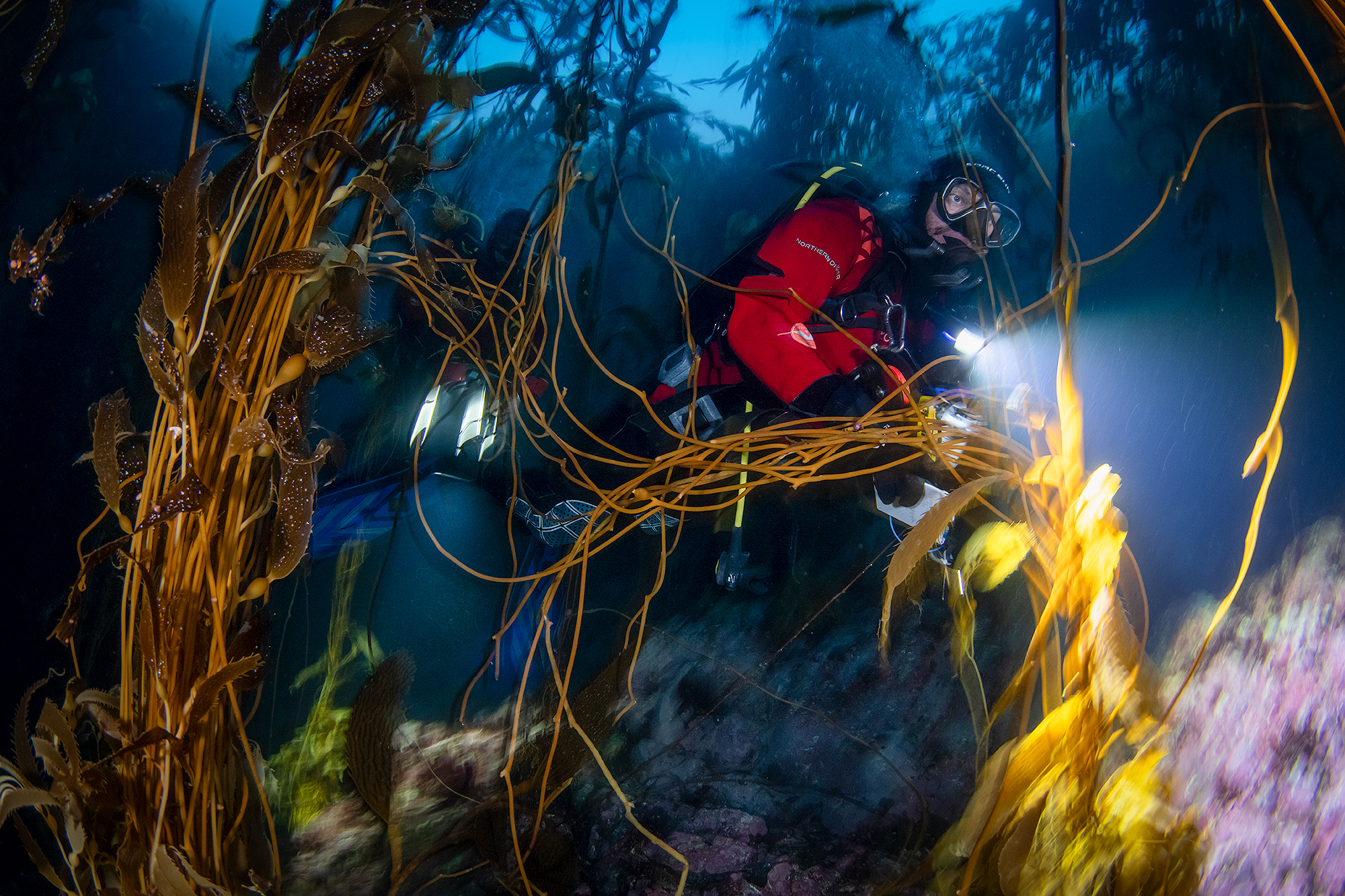
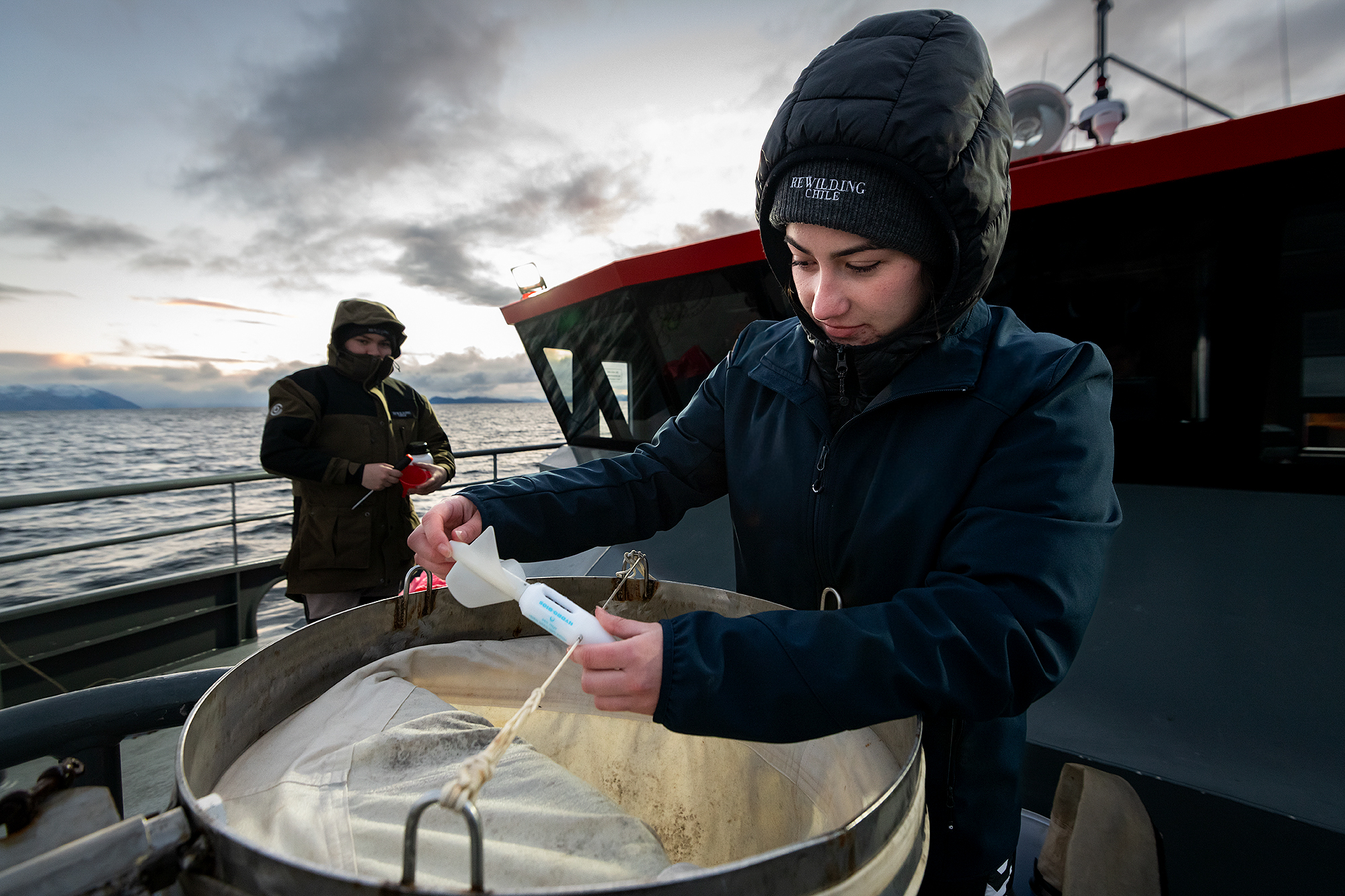
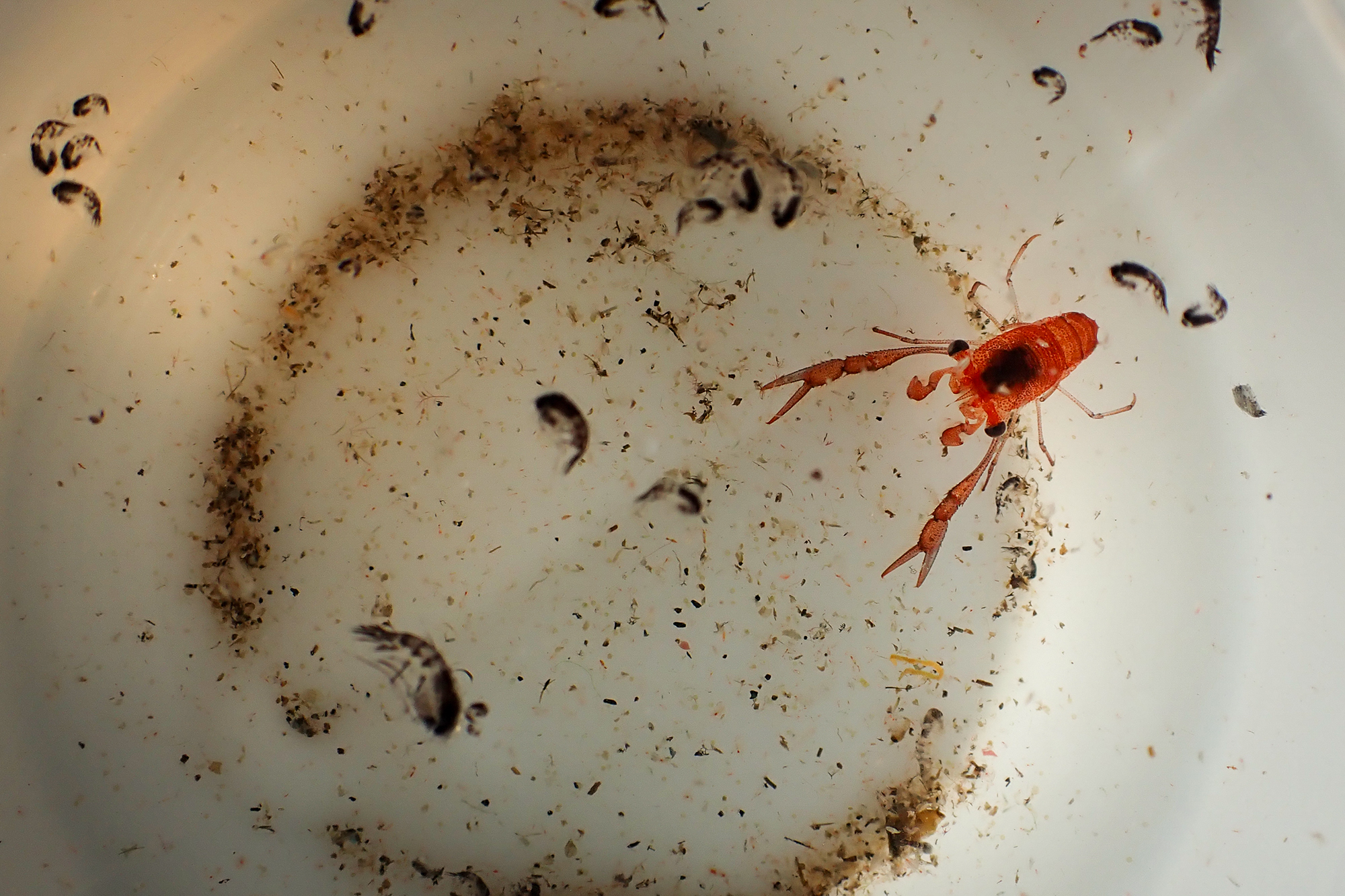
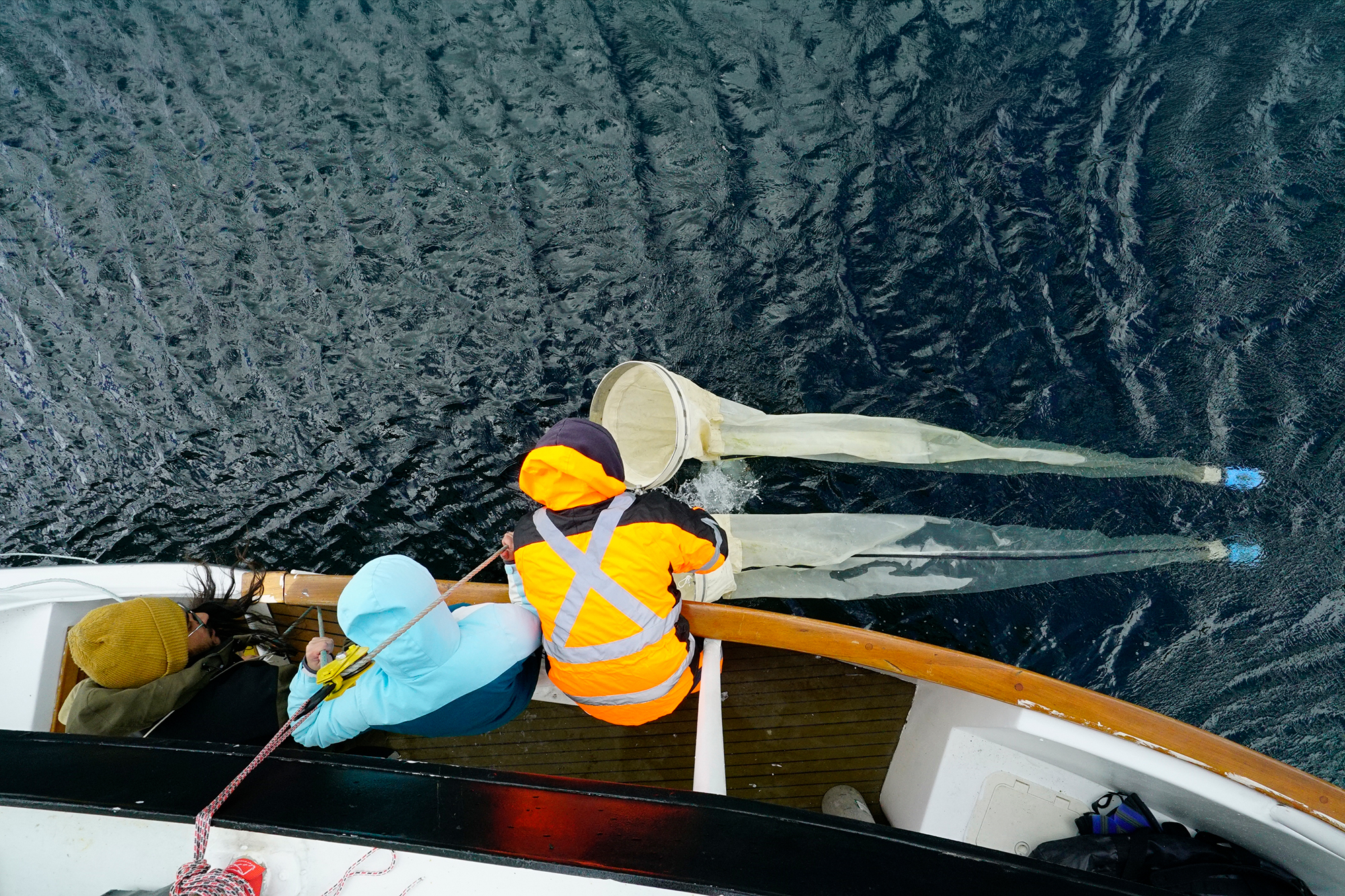
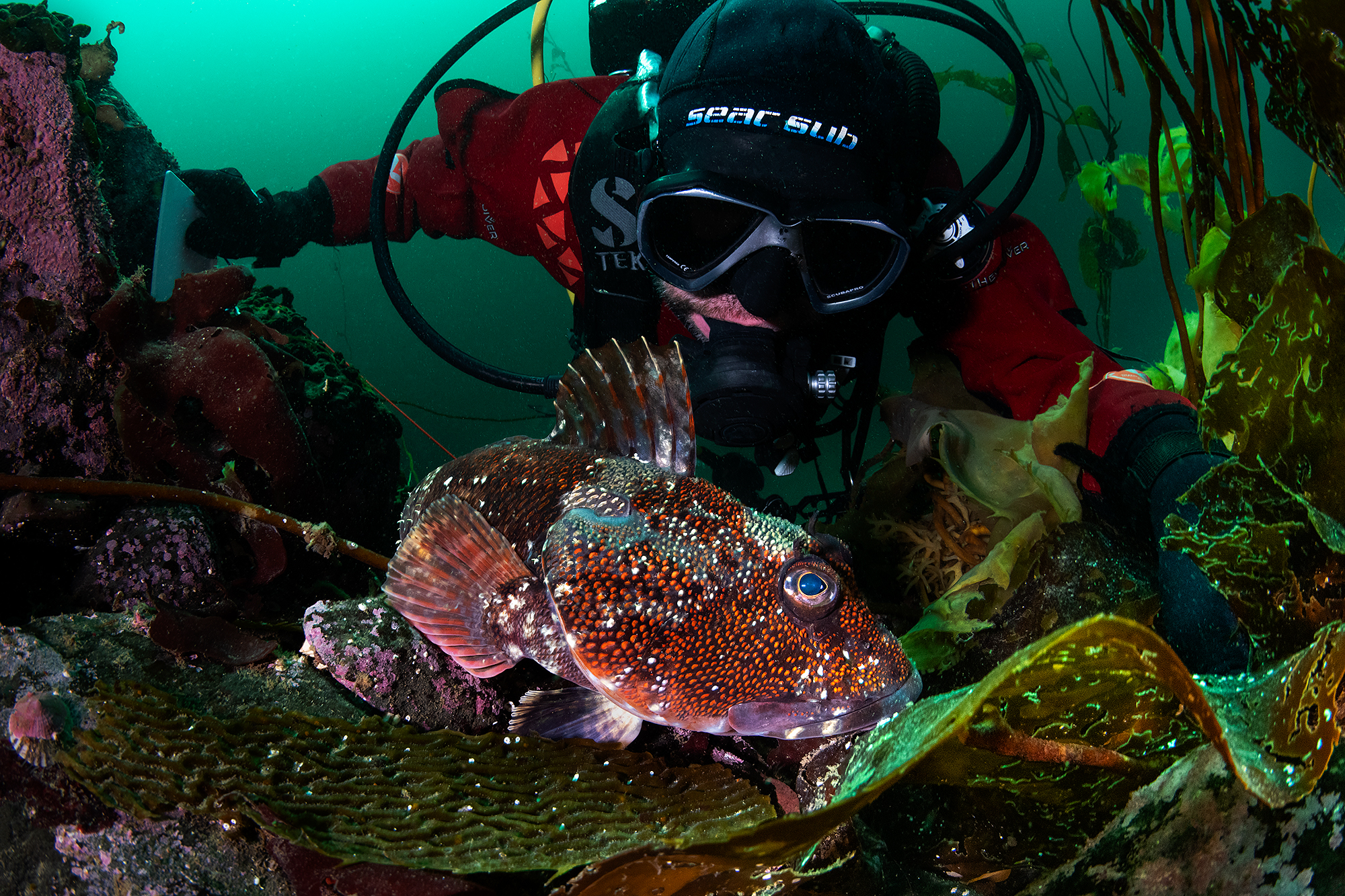
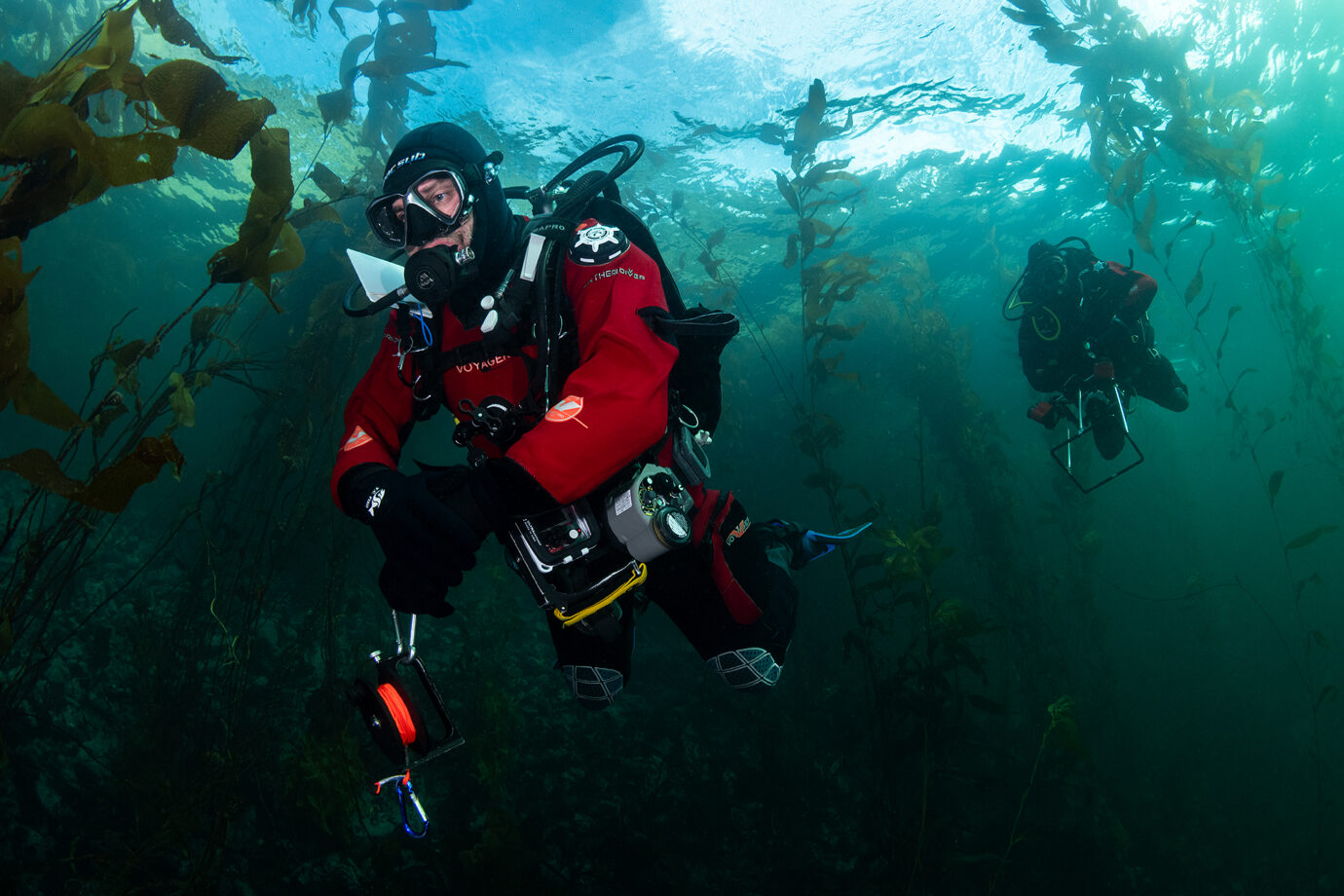
To count the species present, scientific divers conducted underwater transects to census fish and photographed seafloor quadrants to identify invertebrates, such as mollusks and echinoderms, as well as algae. Zooplankton was also collected using Bongo nets, along with recordings of environmental variables such as water temperature, salinity, and dissolved oxygen.
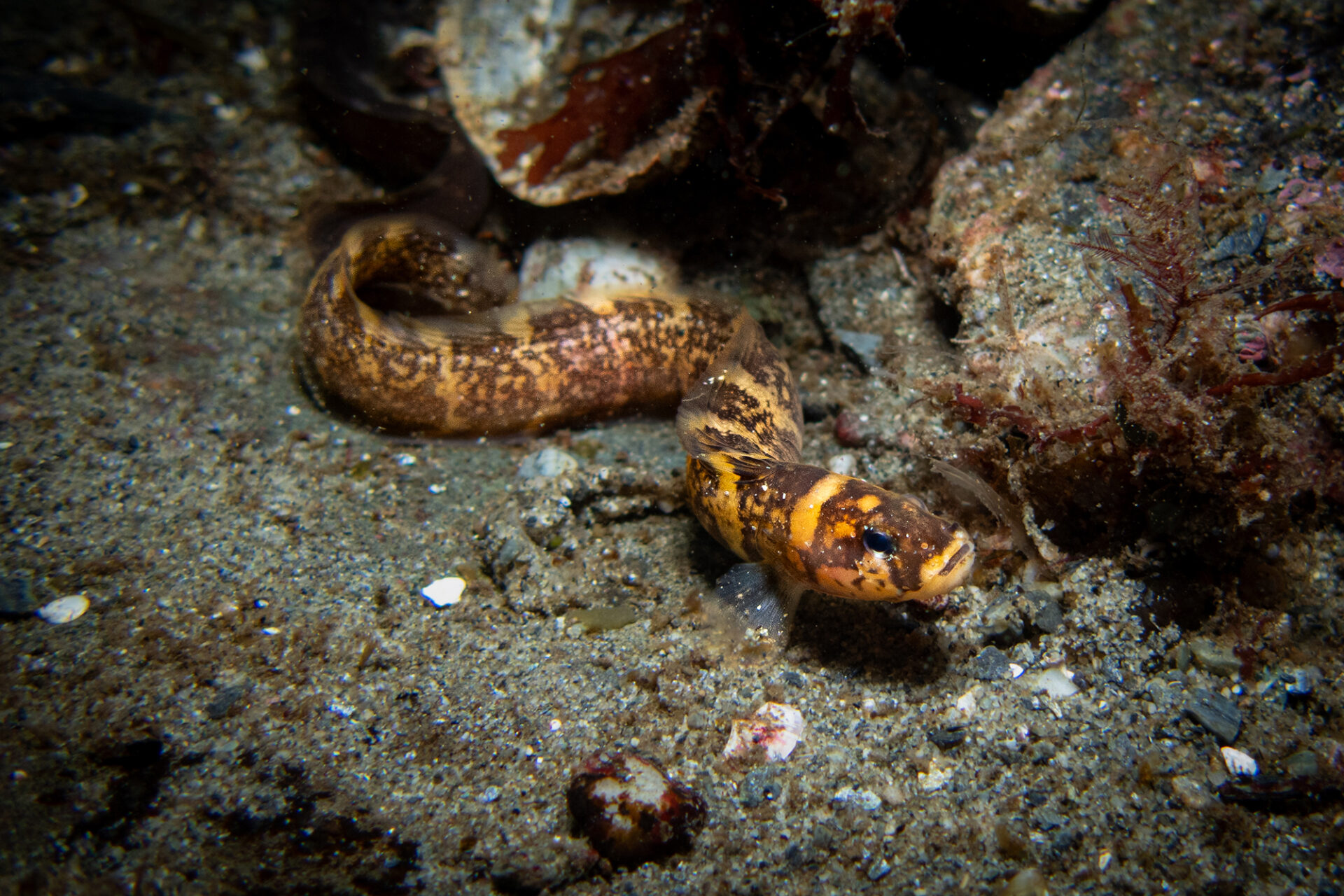
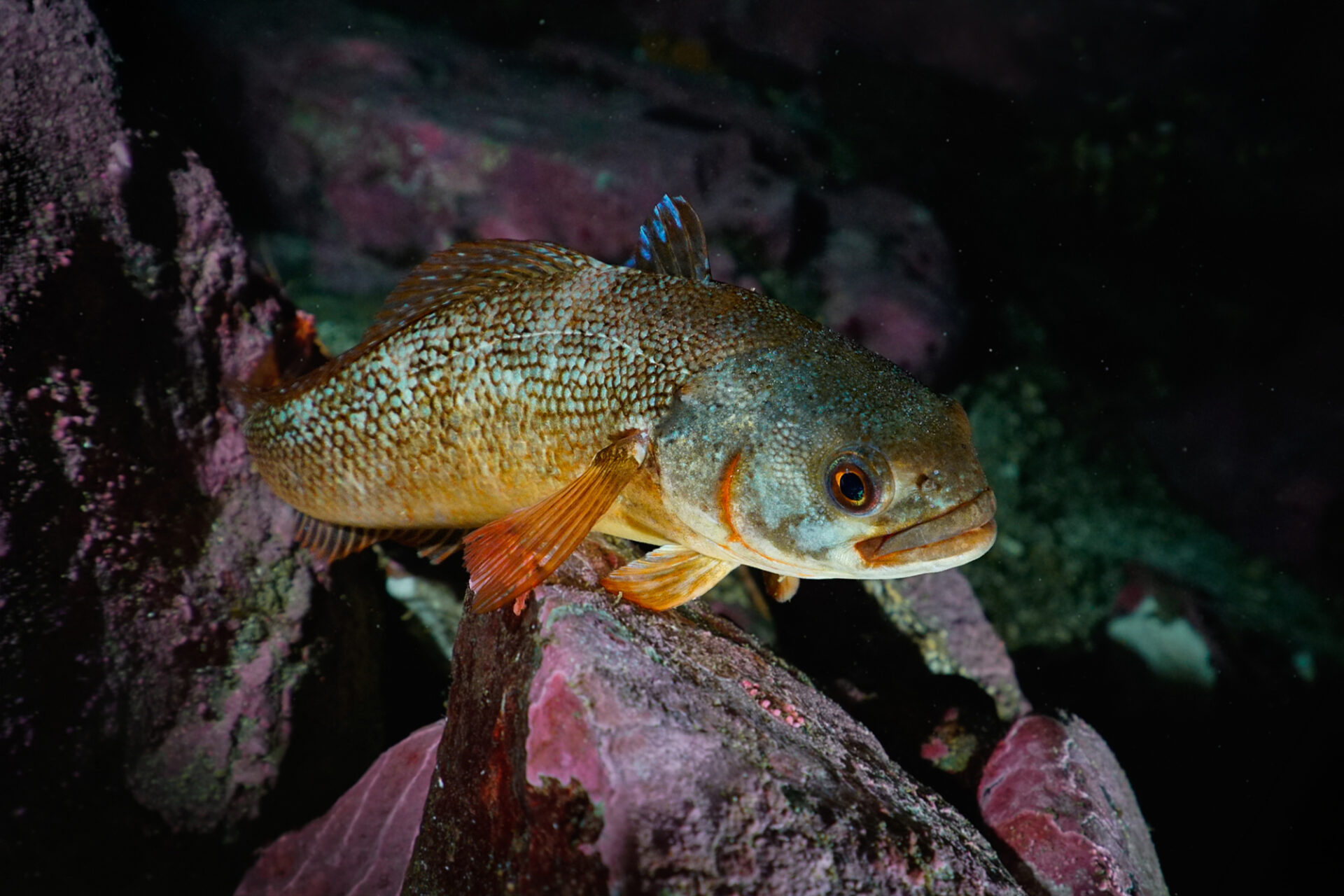
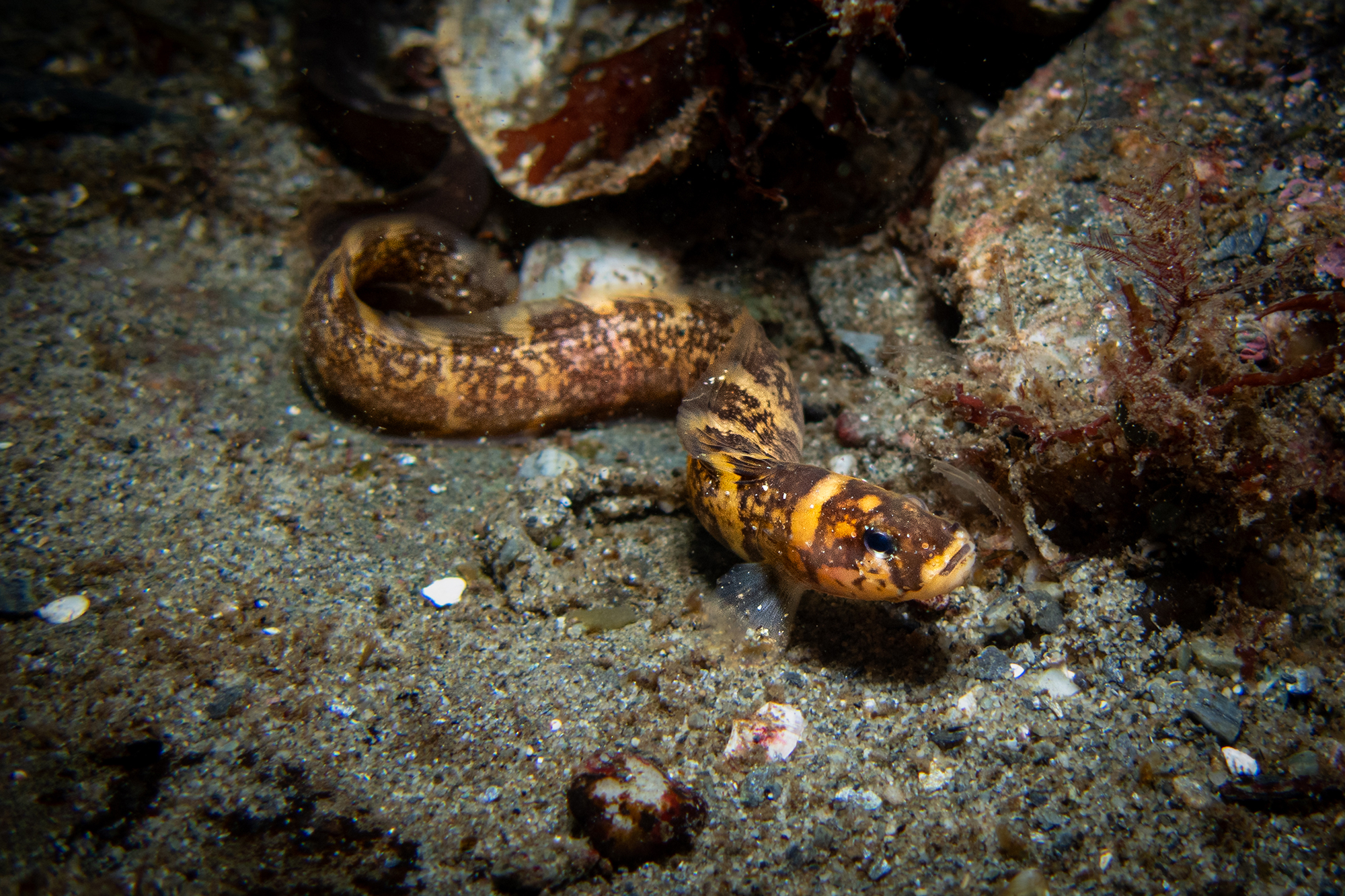
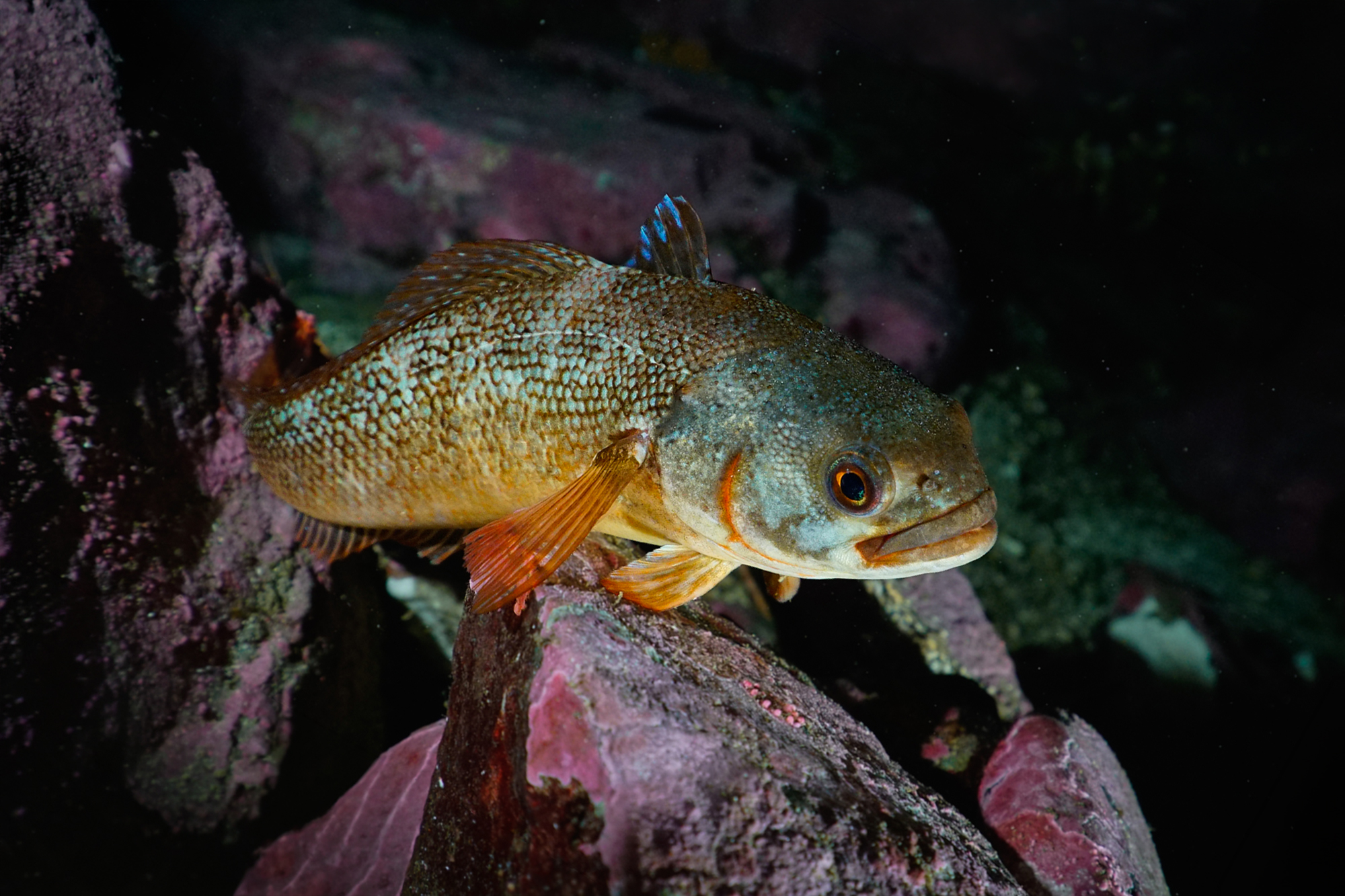
The study found that zooplankton and seafloor species were the most numerous taxonomic groups, unlike fish, of which there were only about a dozen — though quite striking, including a species of sleeper fish (genus Cottoperca), so named by fishermen, and little-known fish species from the family Zoarcidae, known as eelpouts. Among the invertebrates, the record of bryozoans stands out; these settle on kelp blades or shells resembling moss when, in reality, they are colonies formed by hundreds or thousands of individuals.
"With this expedition, we are surveying the unknown marine biodiversity of Cape Froward in the most comprehensive way possible, researching all the different environments from the water column to the seafloor, and comparing results between spring and autumn stations."
The research results have just been published in the journal Diversity, under the title “Structure and Spatio-Temporal Dynamics of Marine Communities Associated with the Kelp Forests at Cape Froward, Strait of Magellan,” authored by Mathias Hüne, Mauricio Palacios, Benjamín Rodríguez, Jonathan Poblete, Dayane Osman, and Javiera Álvarez, of Rewilding Chile; Mauricio Landaeta, Alexandra Vivar, and Tamara Segovia, of the Laboratory of Ichthyology and Biophysical Interactions (LABITI) at the University of Valparaíso; and Ignacio Garrido, of the Calfuco Coastal Laboratory of Aquatic Resources (ICML) at the Universidad Austral de Chile.
Regarding the results, Dr. Mauricio Landaeta,oceanographery at the University of Valparaíso and one of the study’s authors, noted that zooplankton and fish showed marked seasonal variation, with greater richness in spring, while benthic invertebrates, or seafloor species, remained relatively stable throughout the year, though varying according to the geographic sector where they were observed. The researcher highlighted the area west of Cape Froward as a biodiversity hotspot “that is already recognized as an important feeding zone for marine mammals,” he noted.
In his view, one of the main contributions of the study is understanding the diversity patterns associated with kelp forests. “The inclusion of macroalgae communities and the detailed analysis of zooplankton increased our knowledge of the structure and dynamics of the ecosystem associated with kelp. Furthermore, this newly published study represents an independent, peer-reviewed critical analysis that can be confidently cited by decision-makers when proposing conservation measures,” he emphasized.
According to Mathias Hüne, the results of this study constitute a baseline for comparing future changes in species distribution. “Most importantly, they provide a solid scientific foundation for promoting conservation measures in the kelp forests of southern Patagonia, recognizing their role as biodiversity reservoirs at the southern tip of South America,” he stated.