Foto: Rewilding Chile
Chile's oldest national park becomes the 18th park on this scenic route, which brings together nature protection and community well-being and promotes local economic development through conservation.
Foto: Rewilding Chile
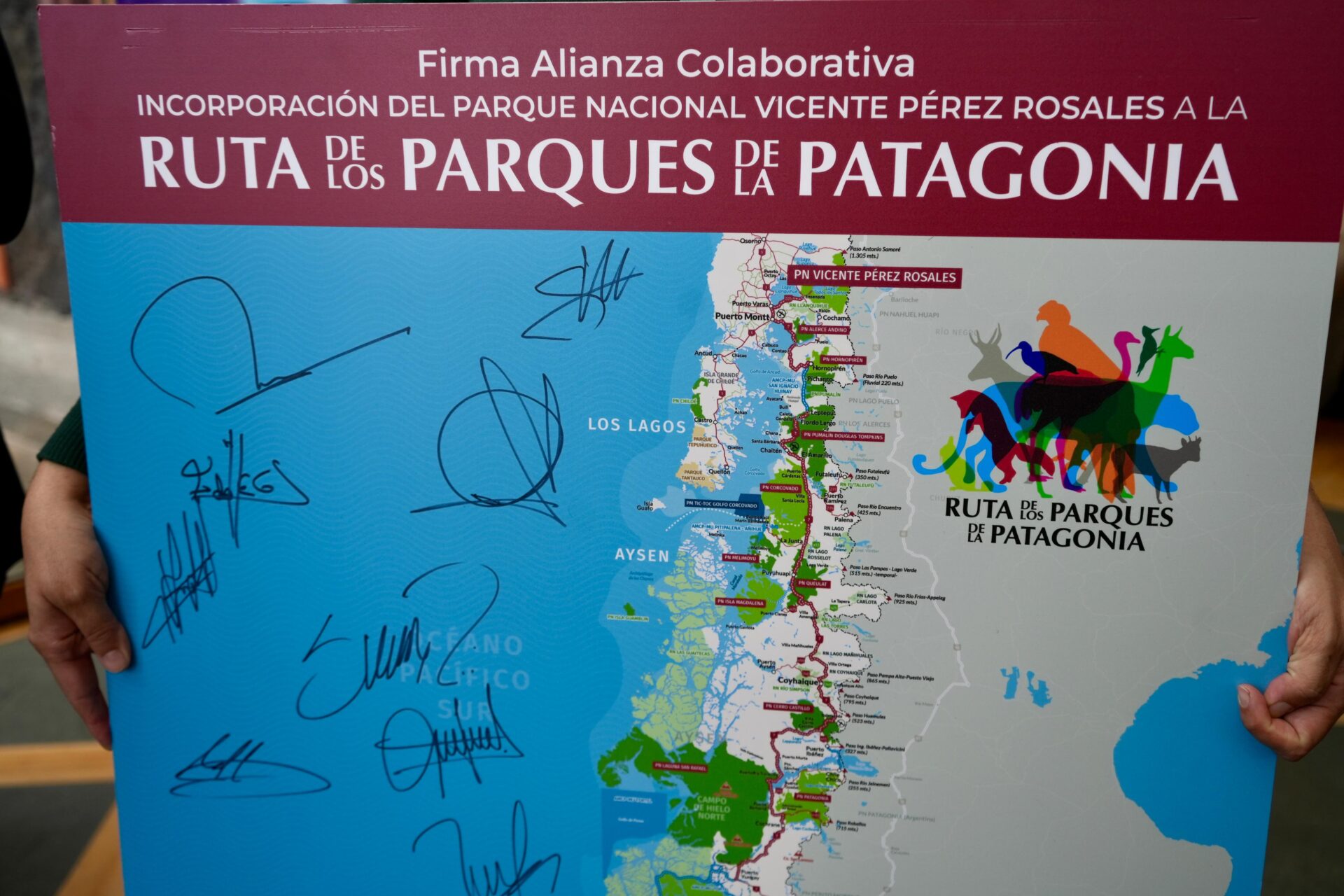
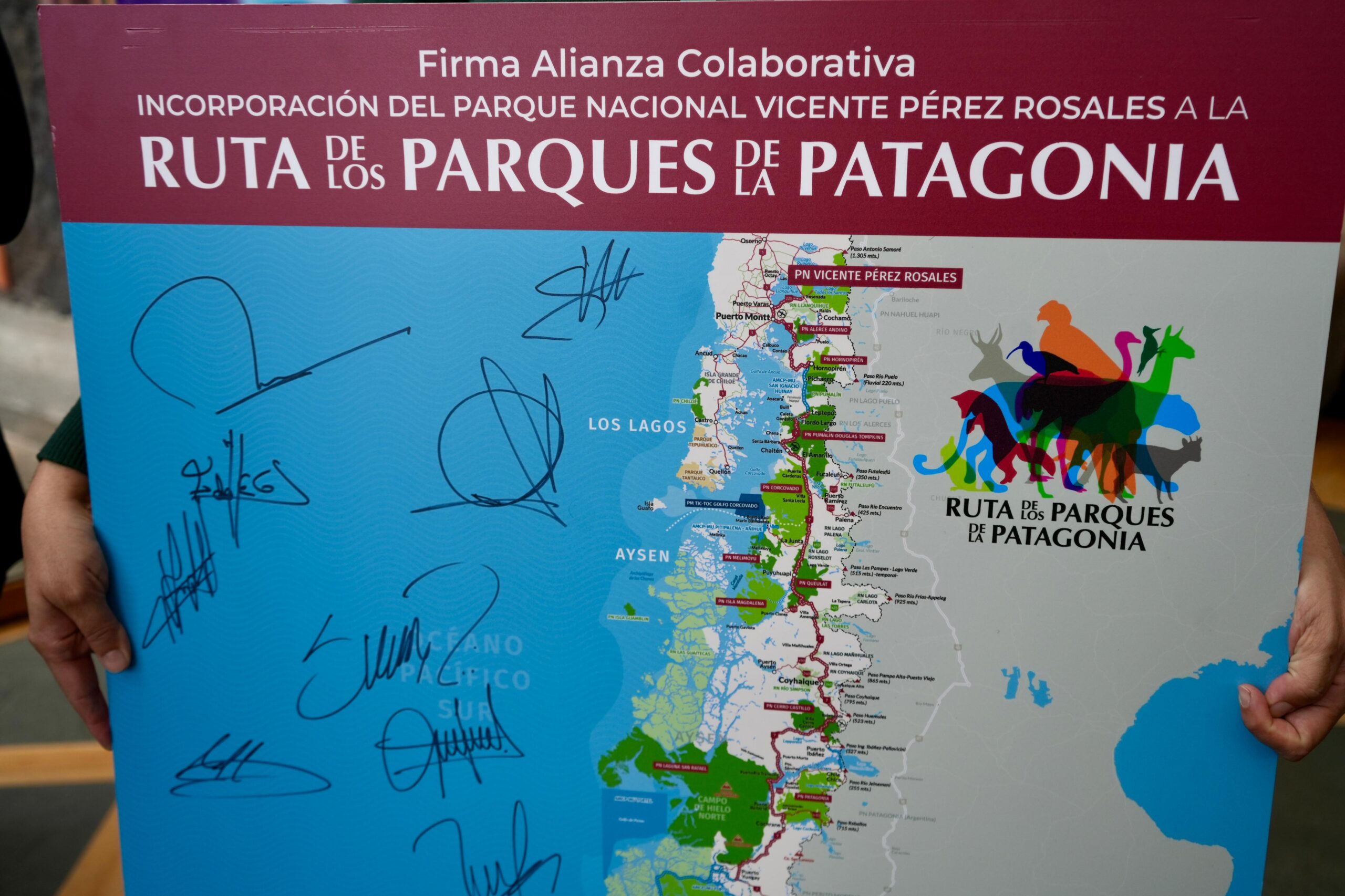
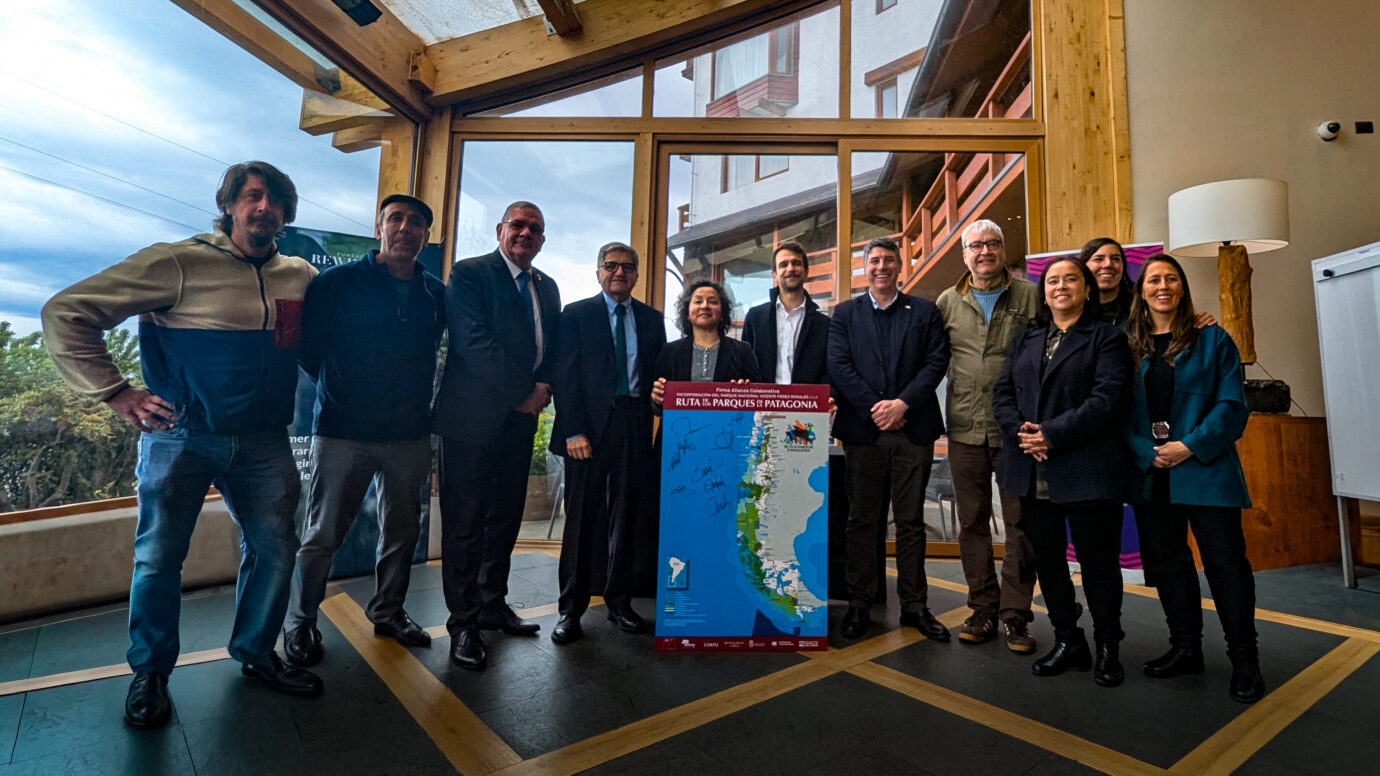
In 1926, the decree creating Vicente Pérez Rosales National Park, the oldest in the country, was signed in the Los Lagos region. Now, one hundred years after this milestone for conservation, it officially joins the Route of Parks of Patagonia as its 18th national park.
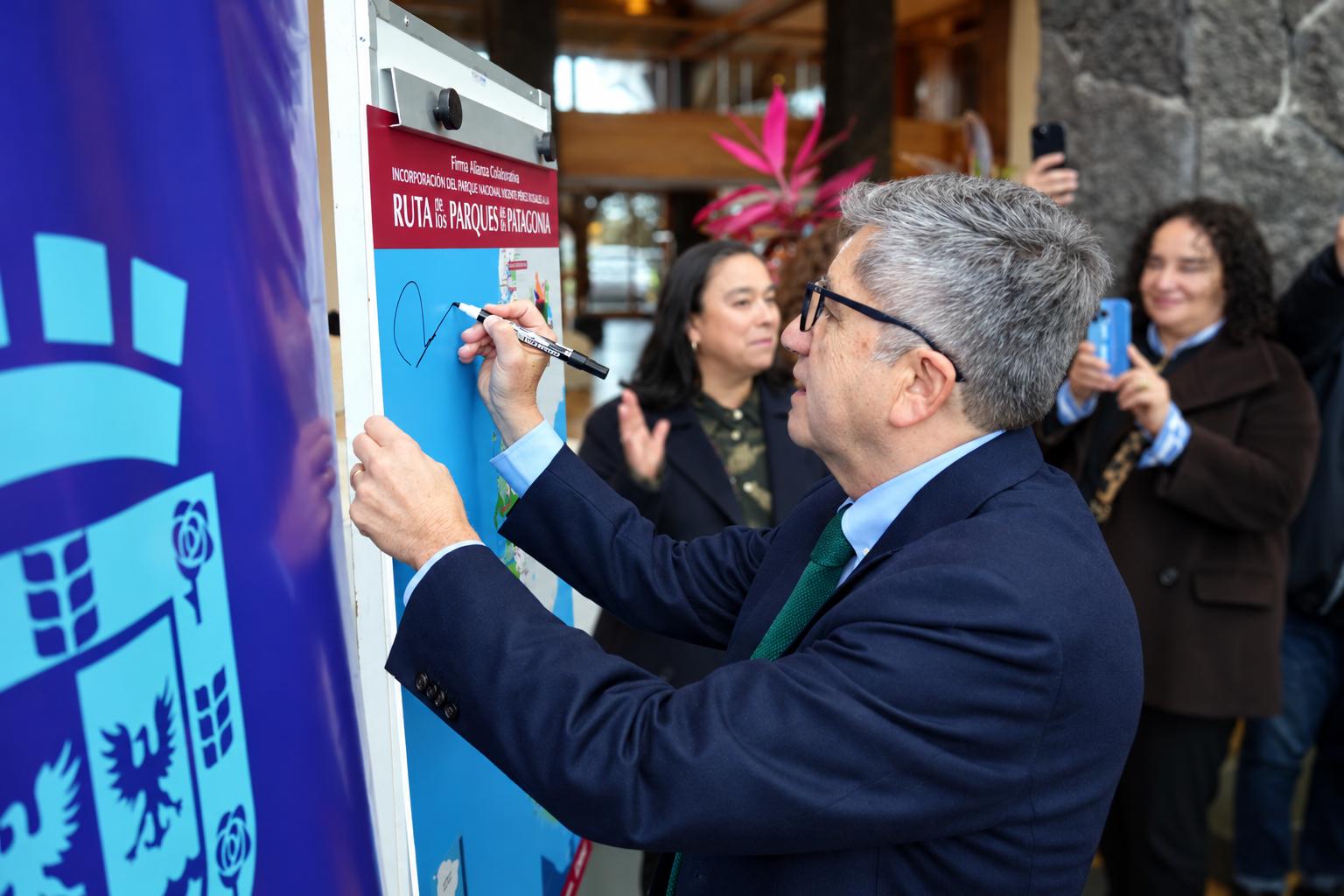
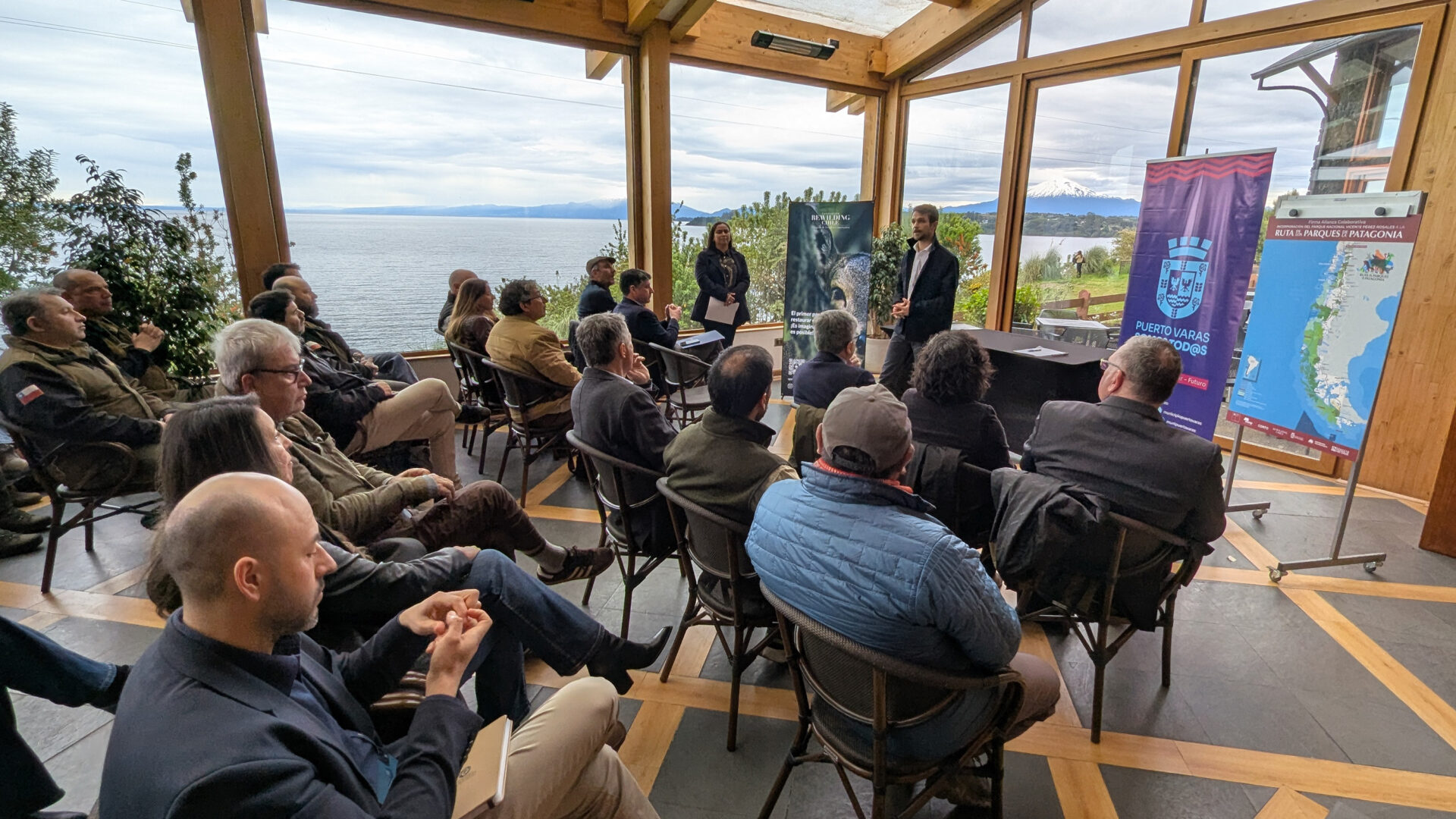
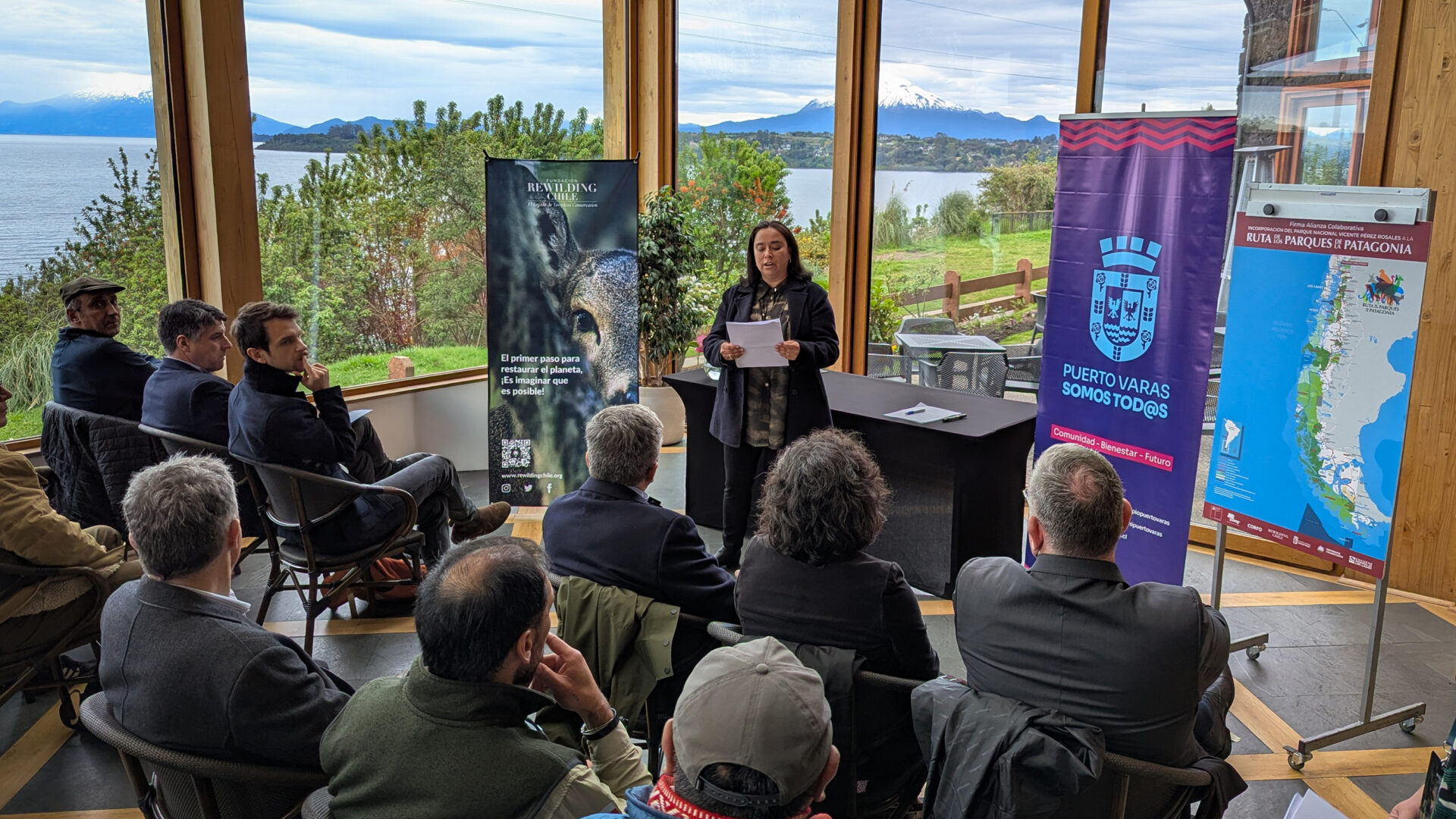
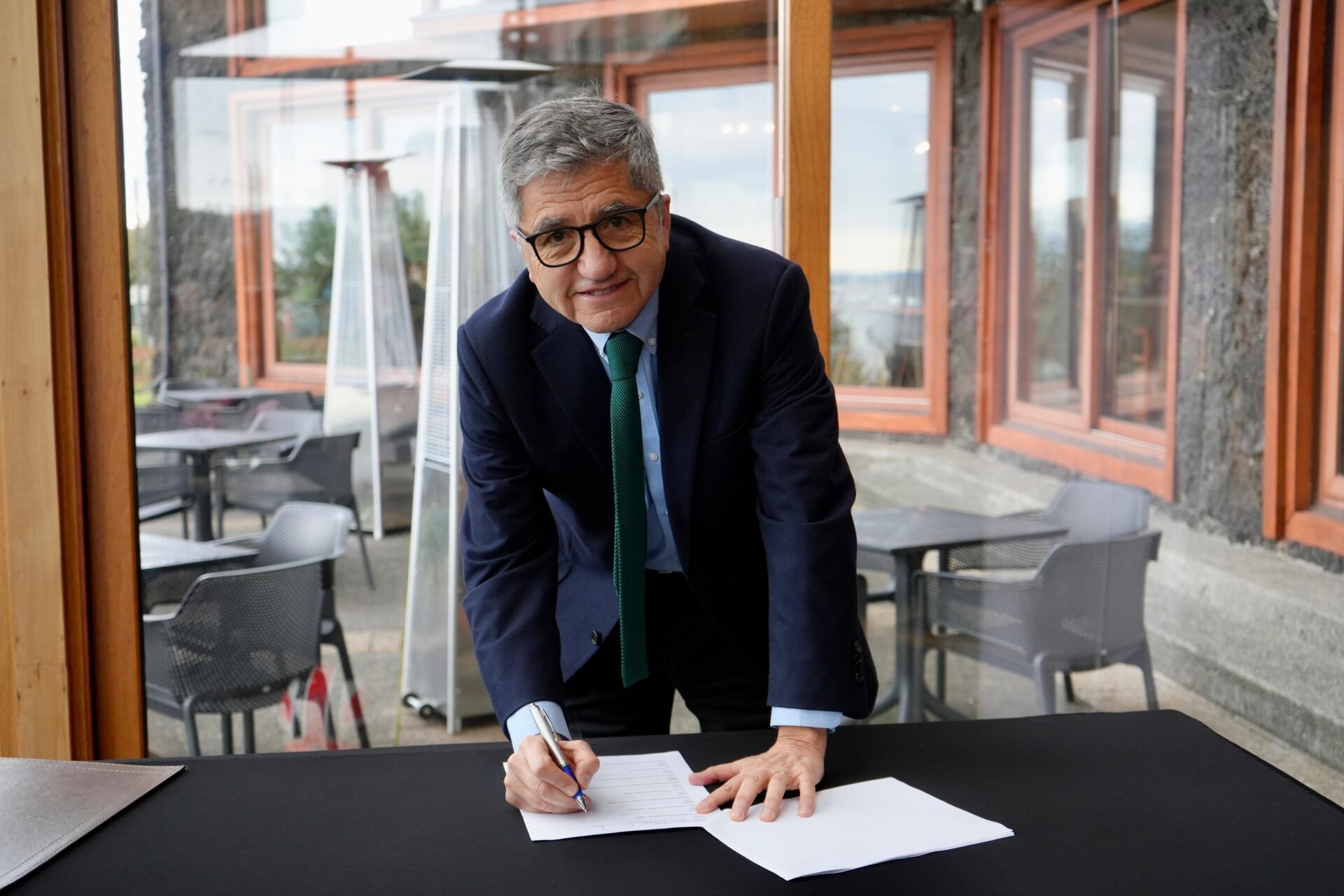
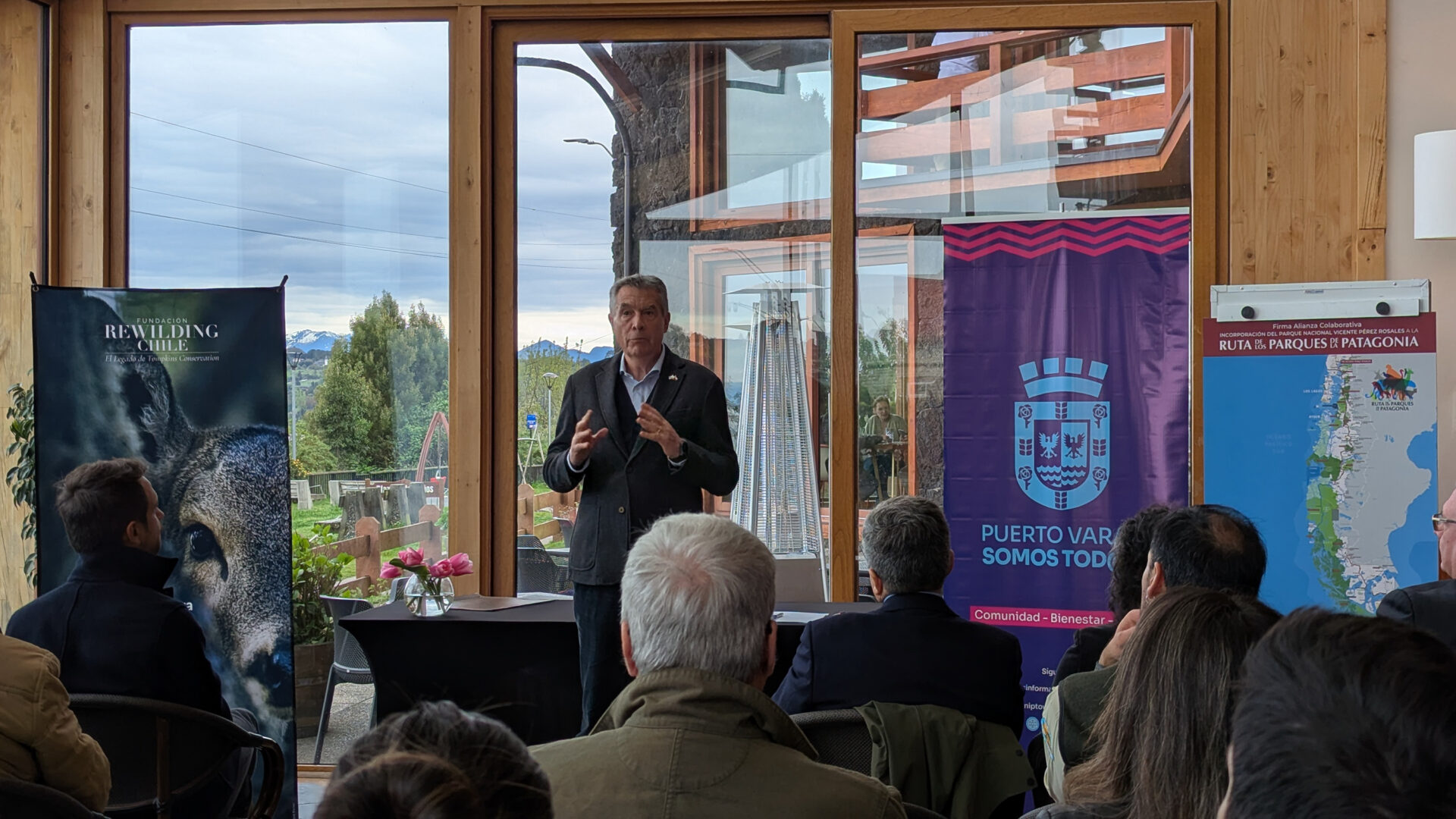
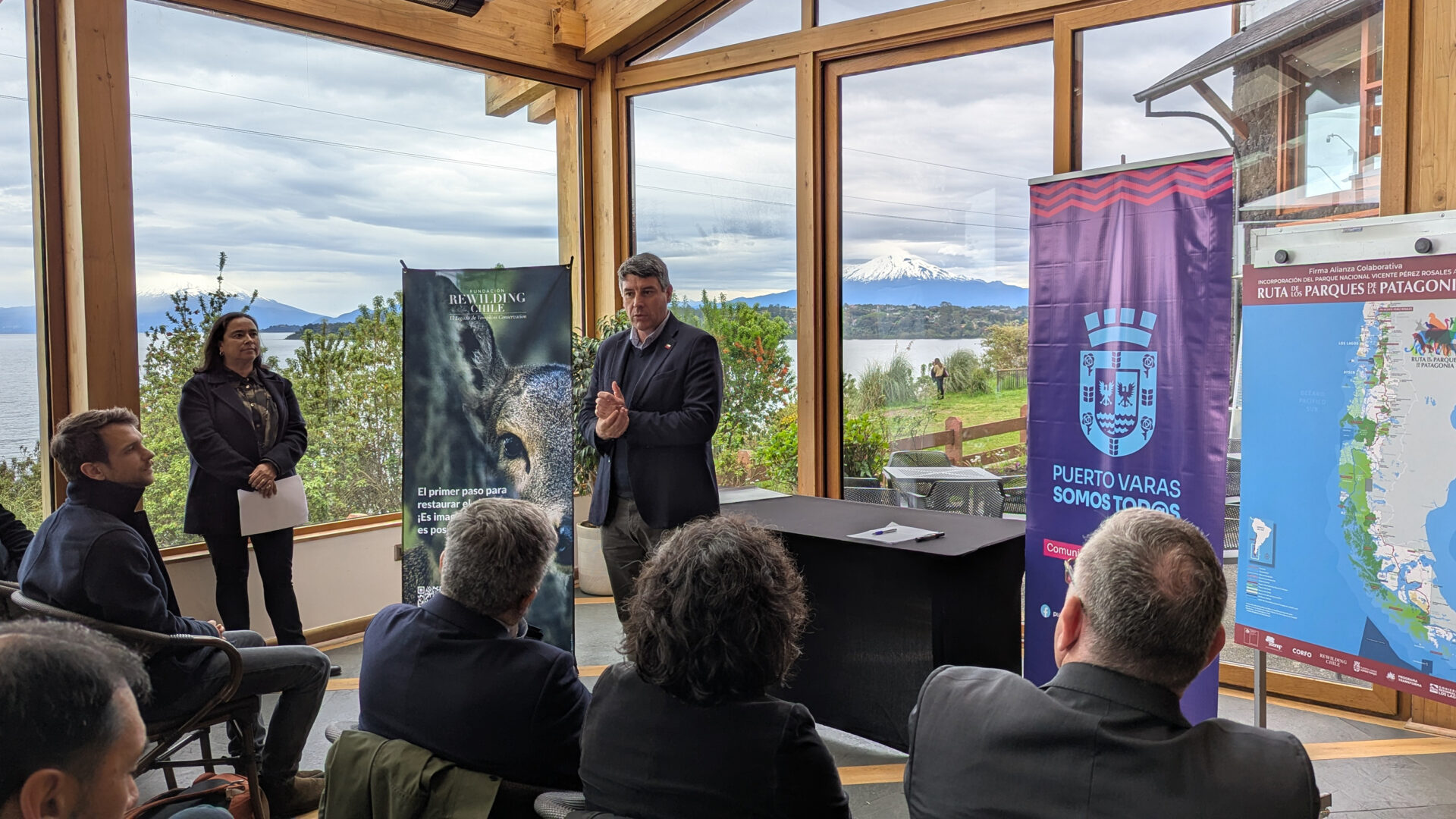
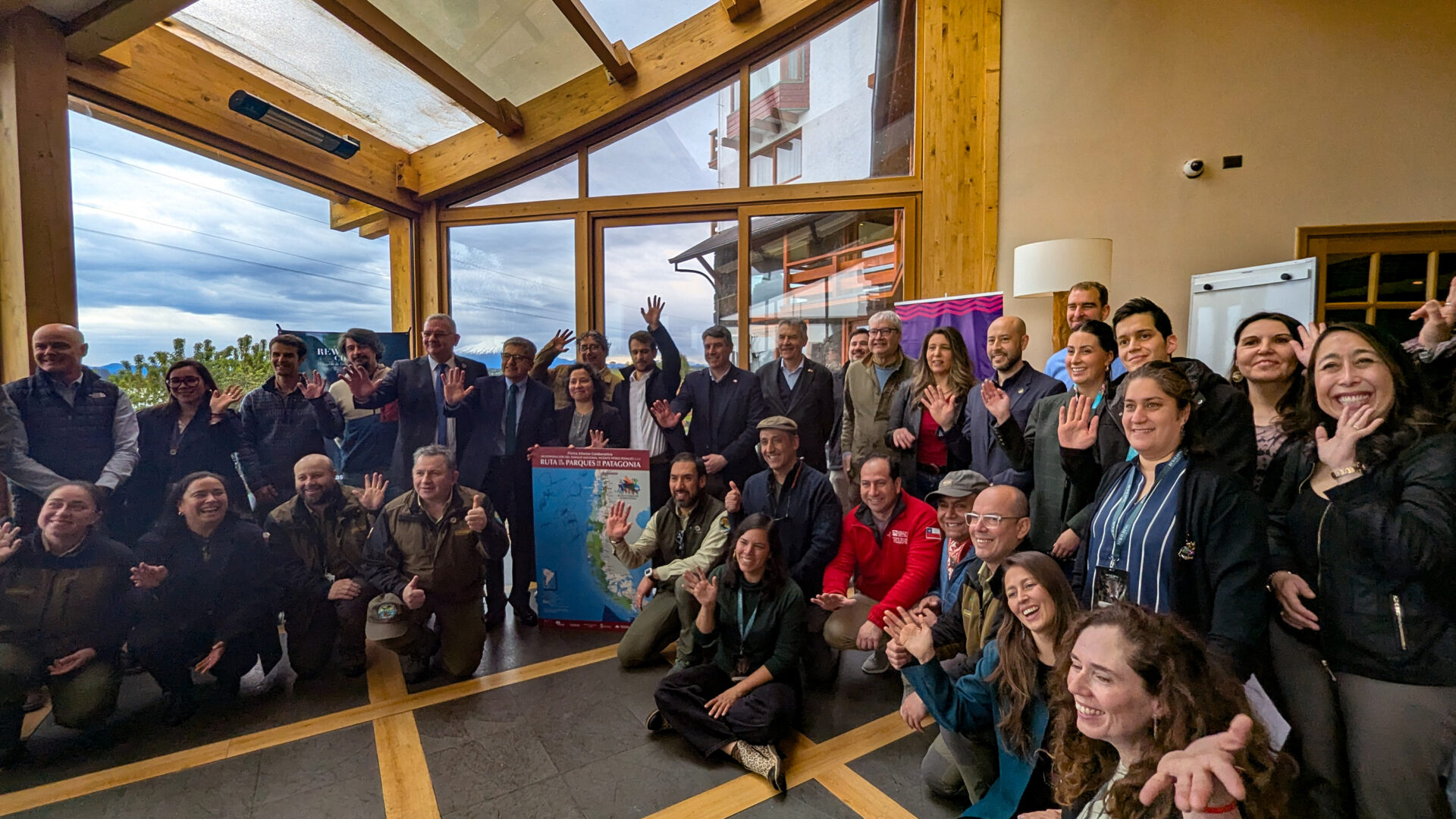
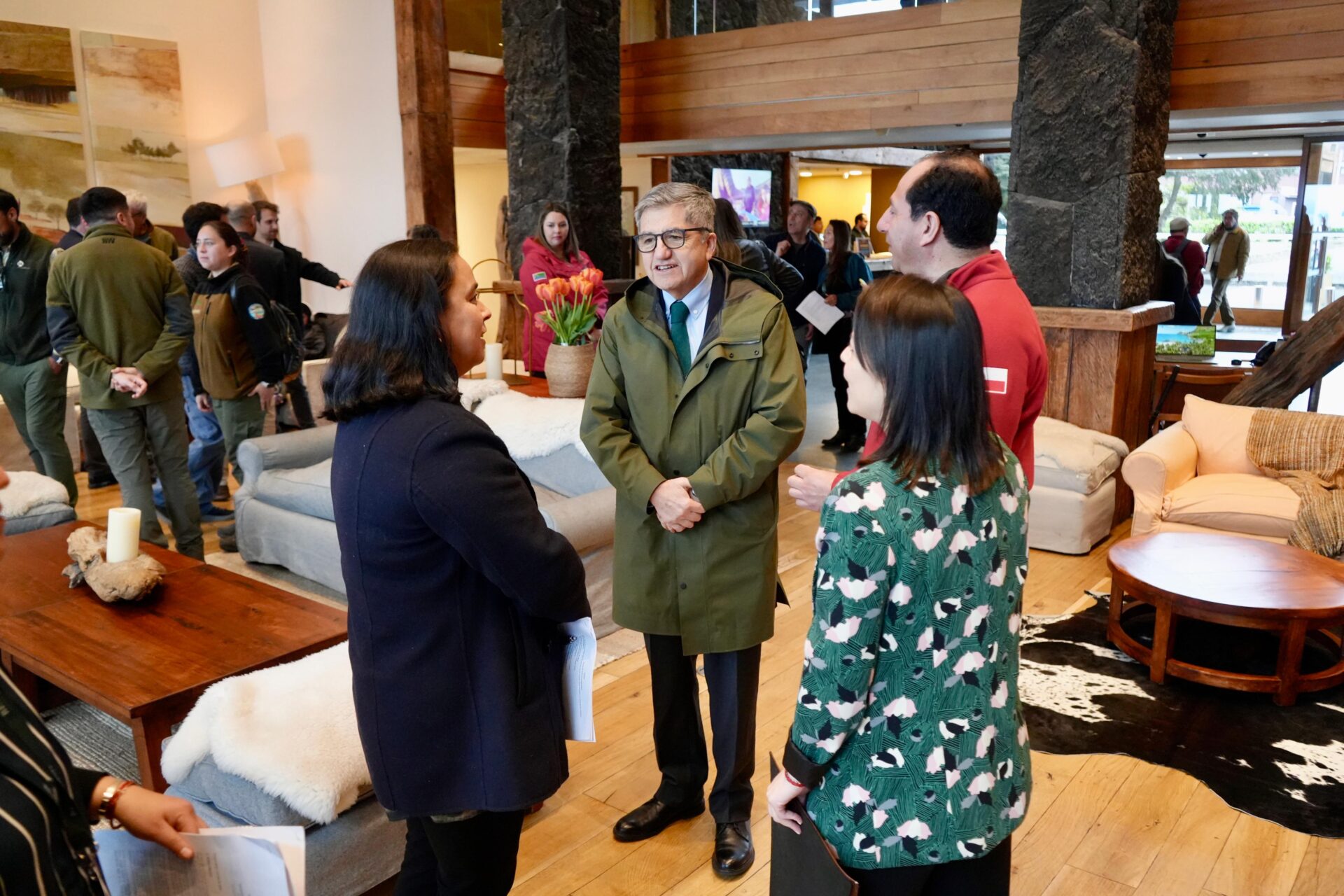
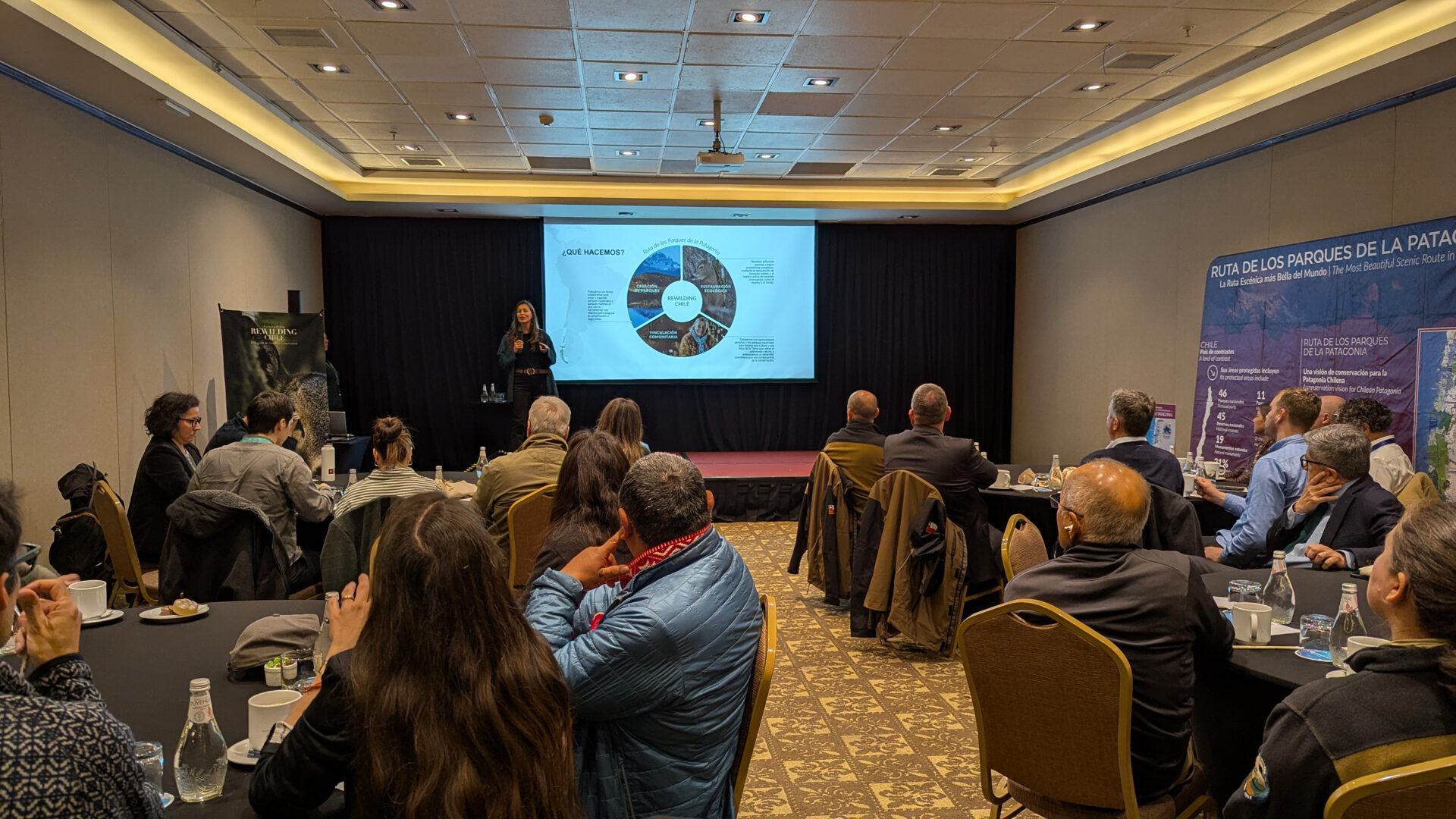
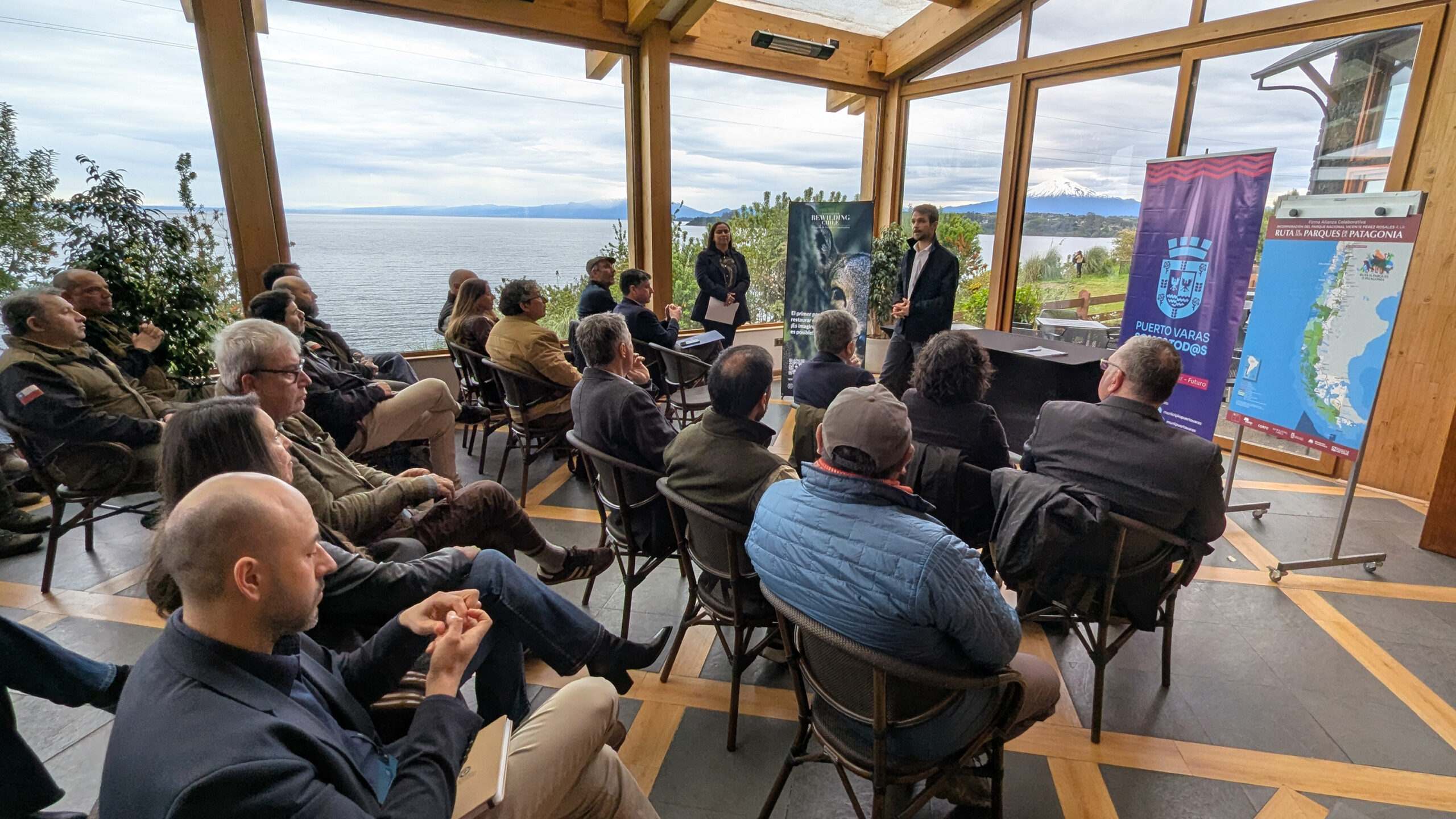
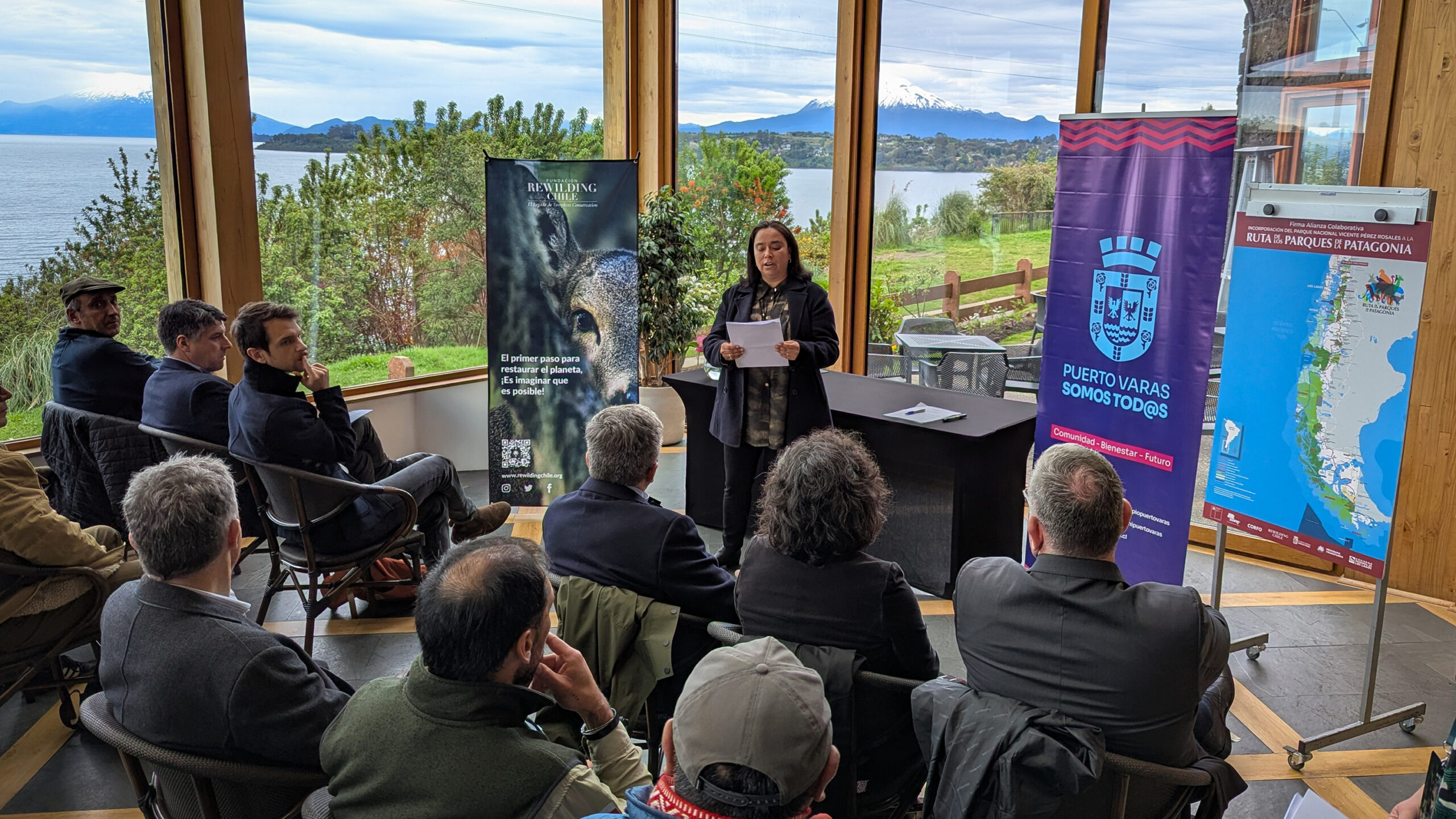
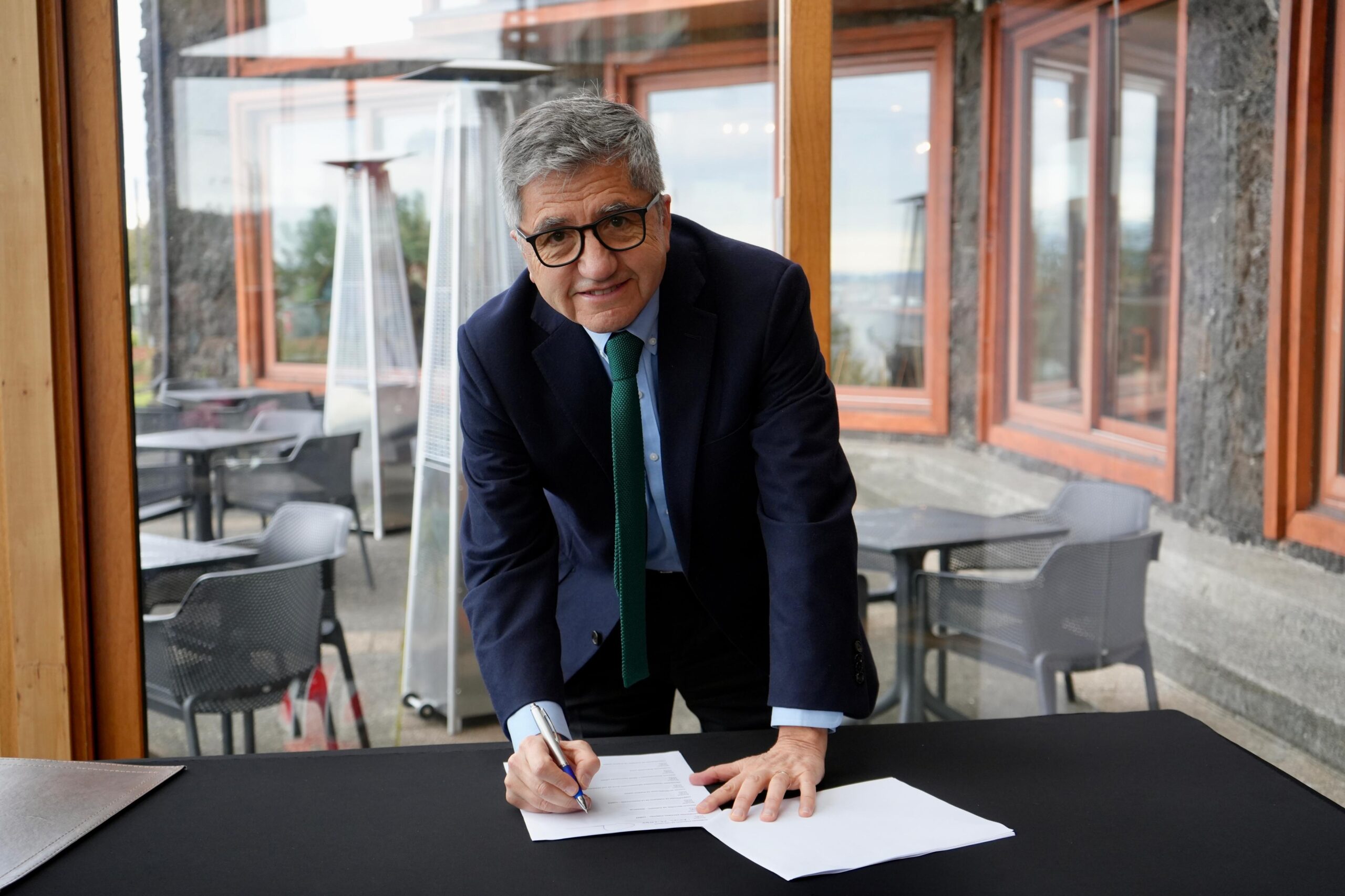
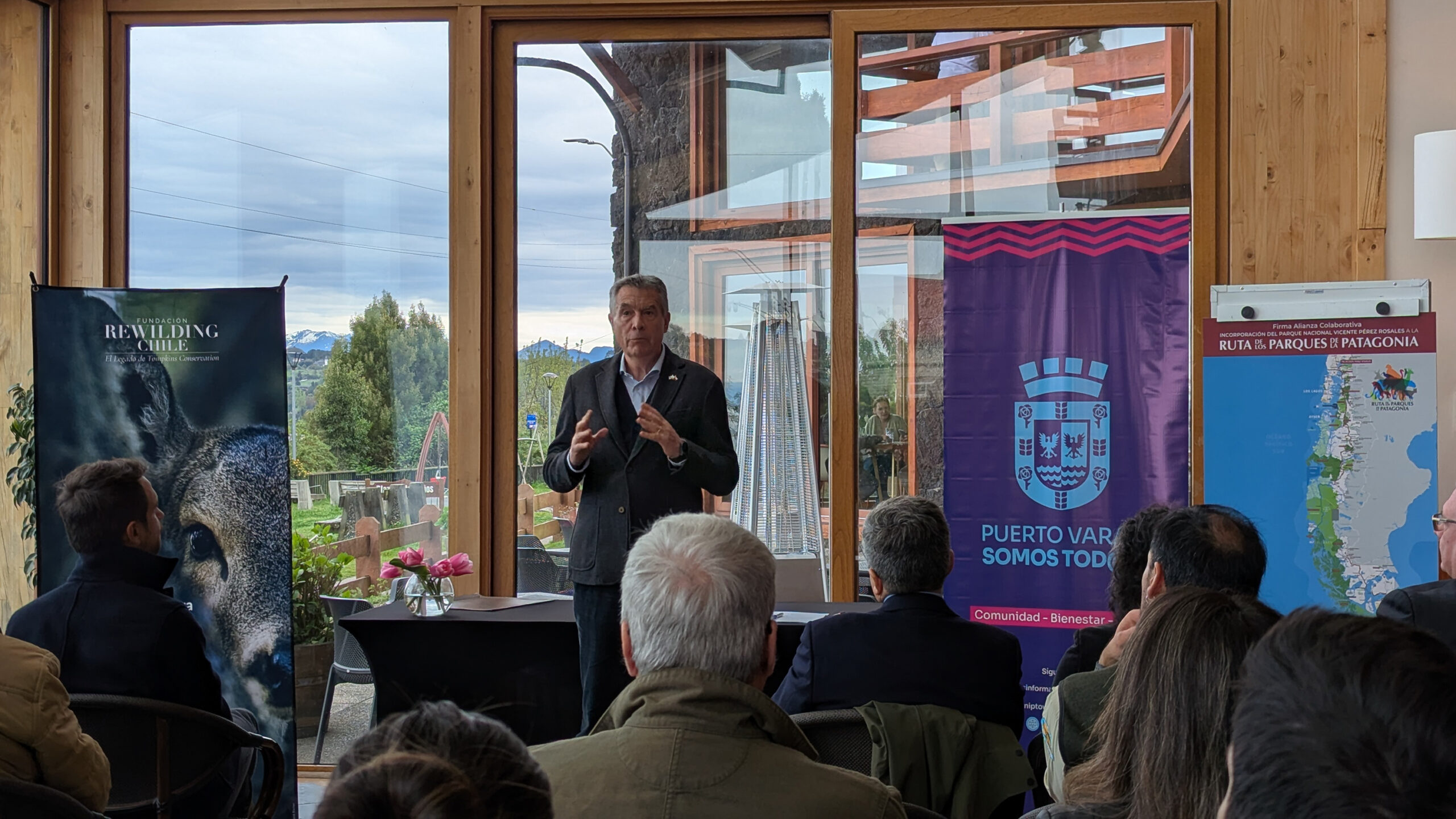
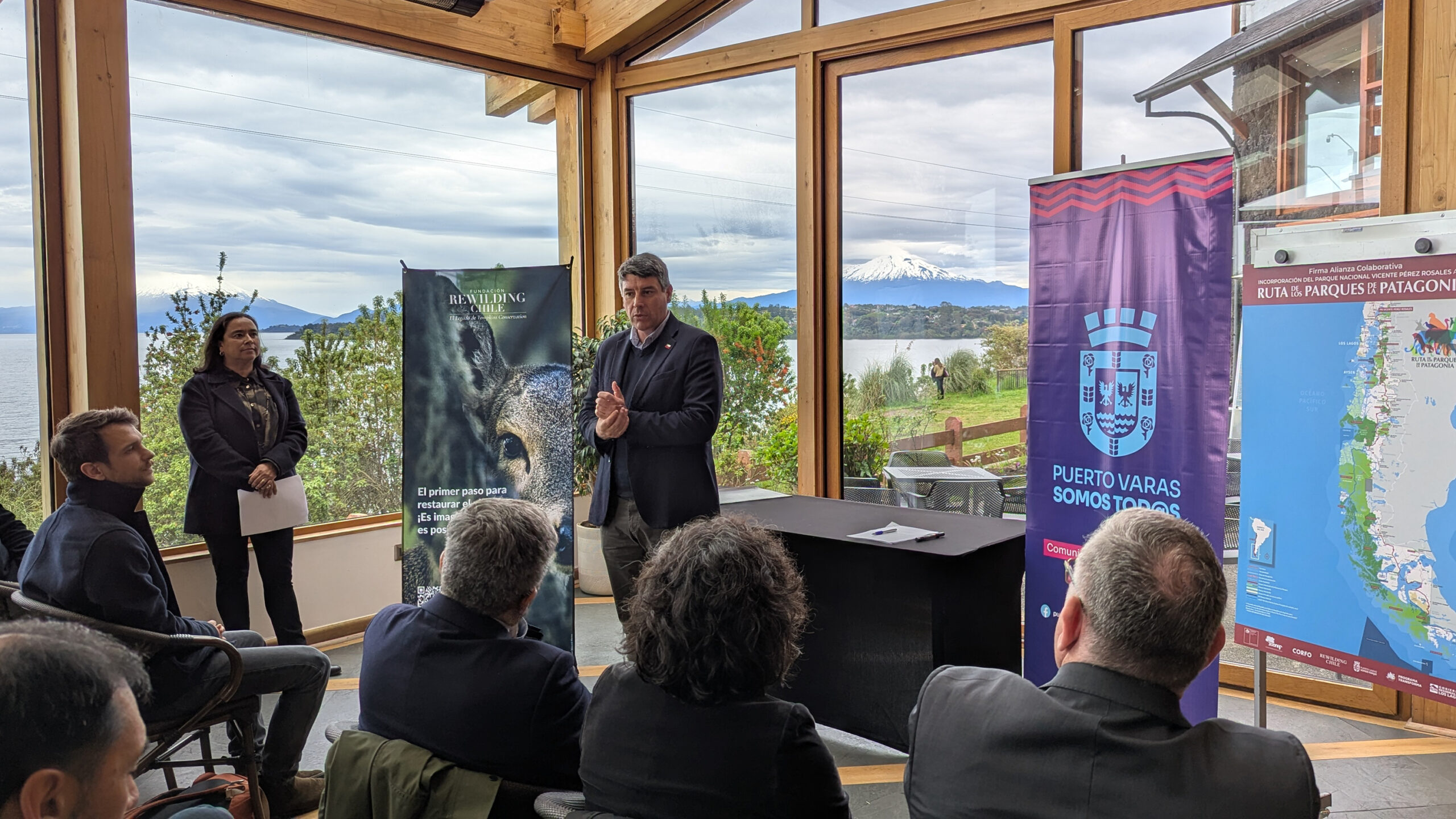
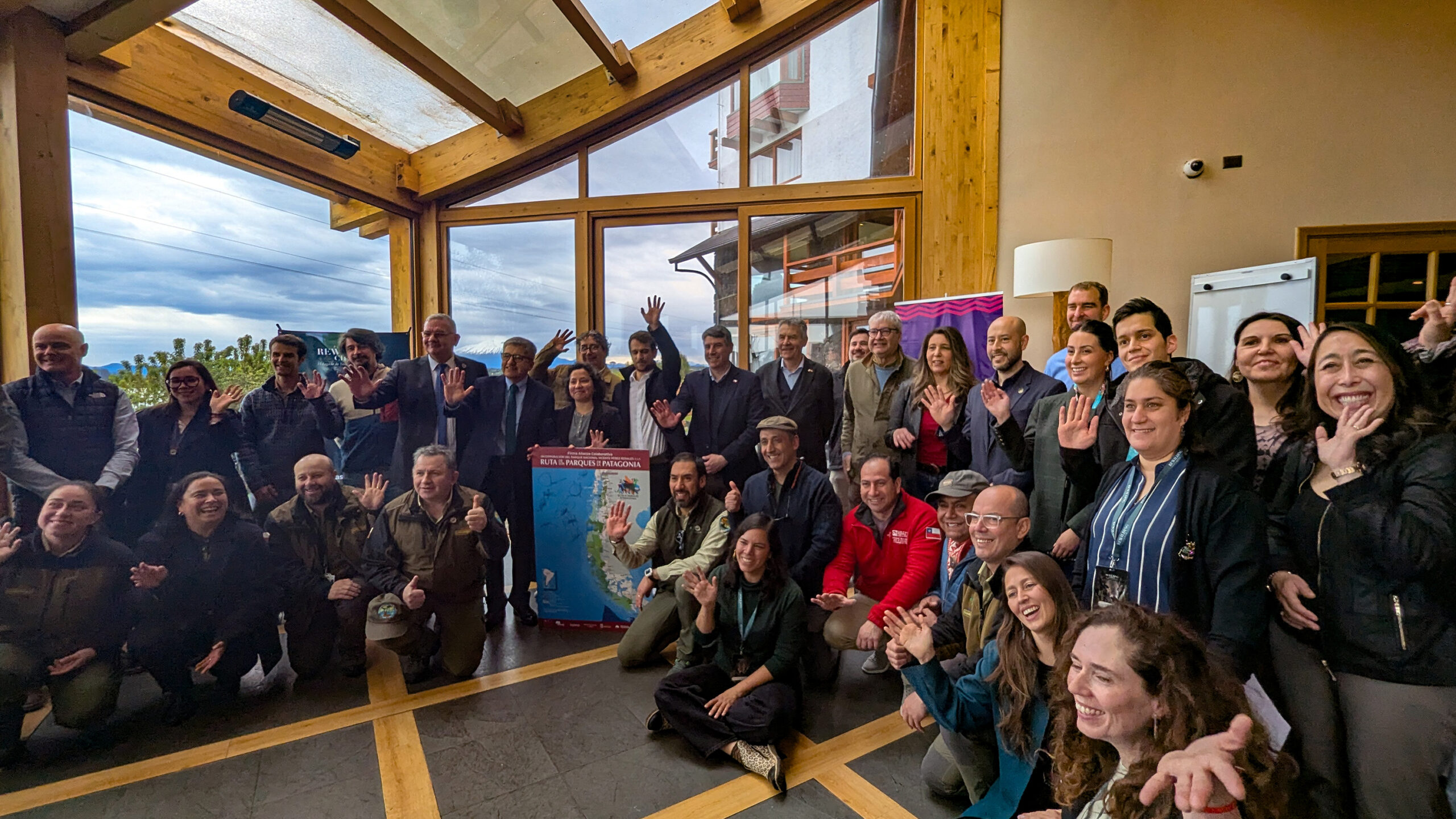
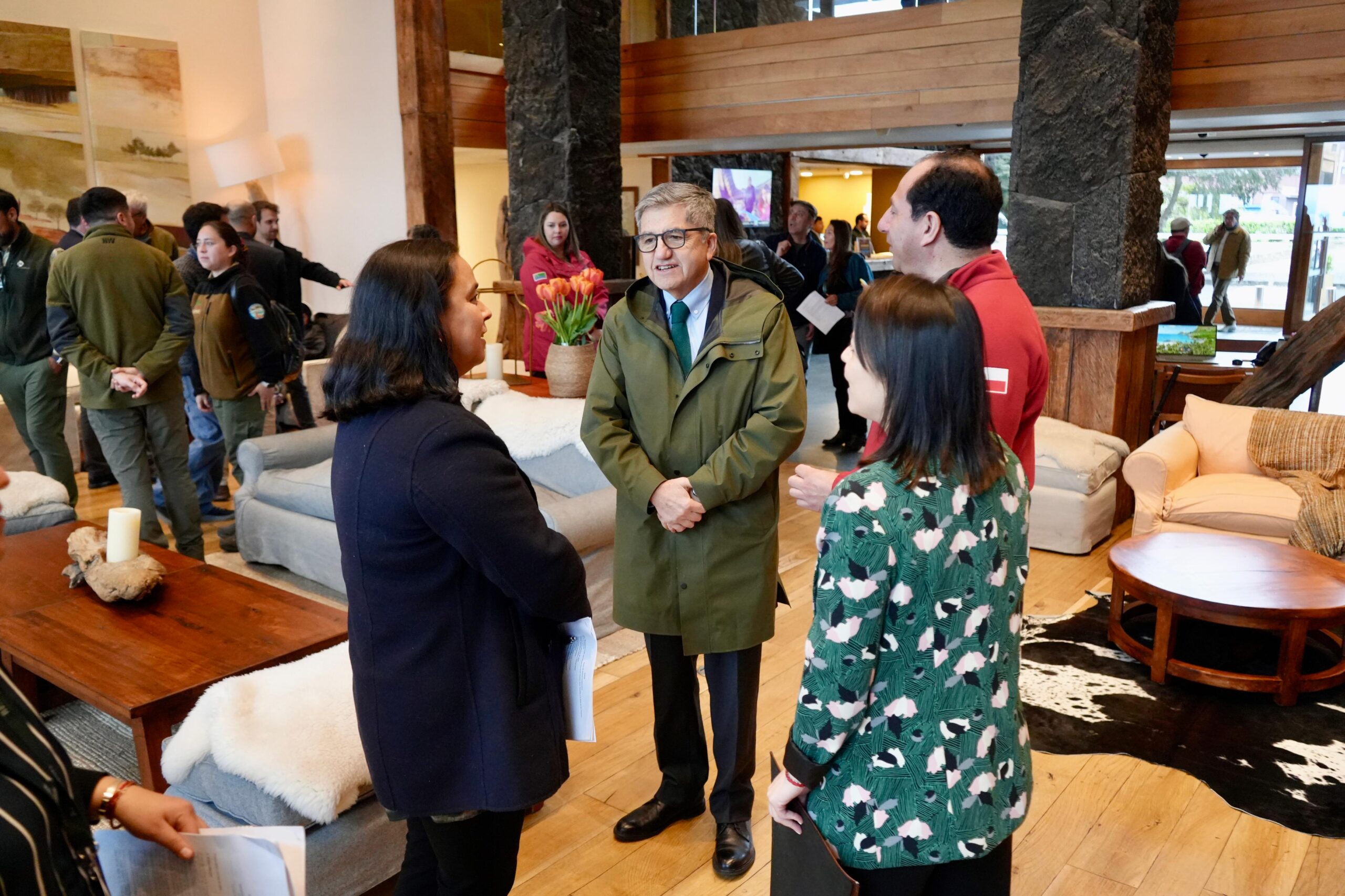
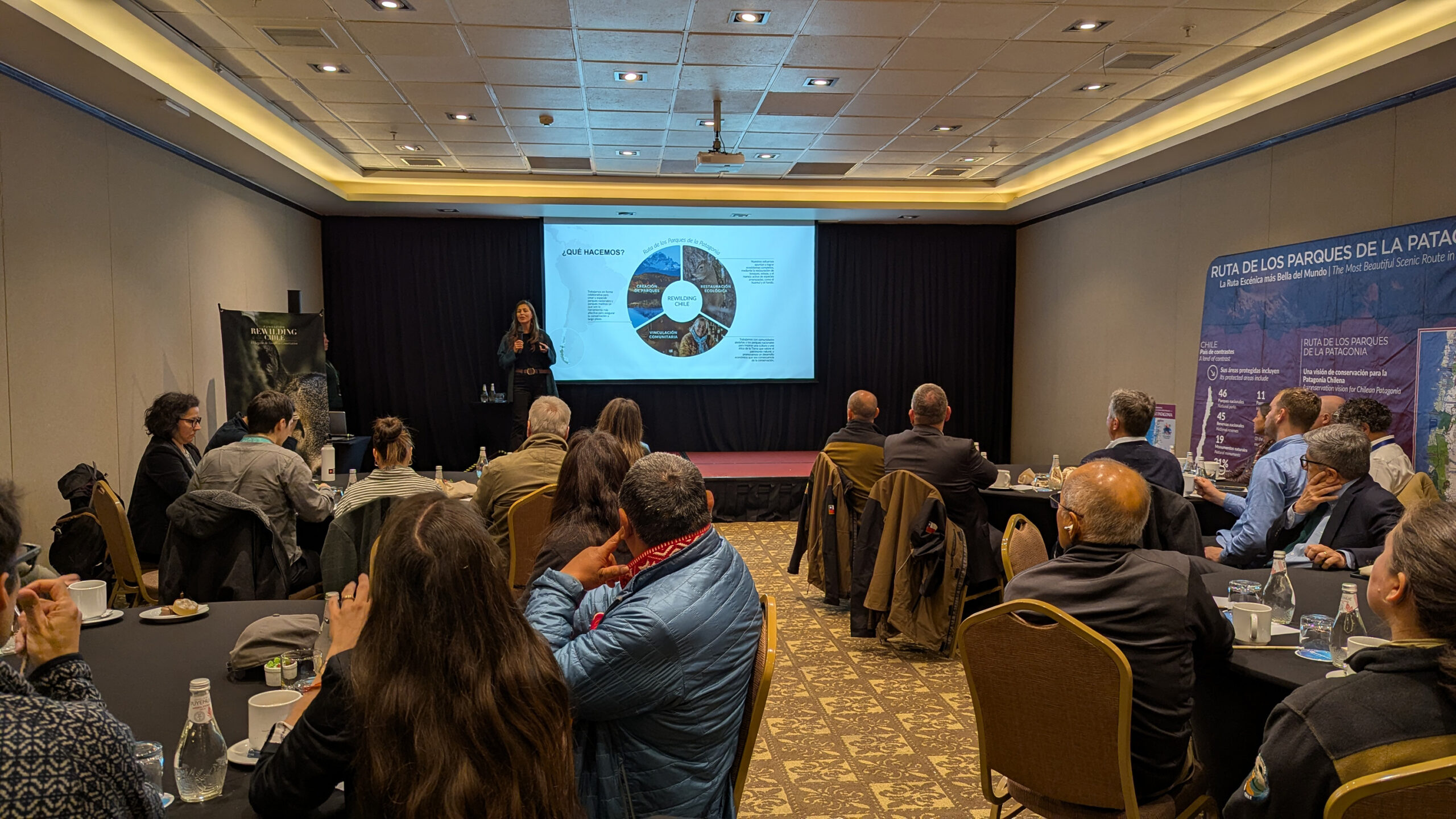
The collaboration agreement to join the Route of Parks was signed in Puerto Varas, which shares this protected area with Puerto Octay. The ceremony brought together a broad coalition of regional leaders, conservationists, and tourism officials, including representatives from the regional government, CONAF, SBAP, Corfo, Sernatur, Route of Parks Transform Mesorregional Program, and Fundación Rewilding Chile.
The Route of Parks of Patagonia is a territorial conservation vision for Chilean Patagonia that brings together nature protection and social well-being, promoting local economic development through conservation. Adding this national park will strengthen the Route through one of the country’s most iconic and most visited protected areas, helping boost its profile at home and abroad.
By signing this agreement, the participating organizations aim to build long-term collaboration around the Route of Parks of Patagonia. They will promote responsible tourism, protect and highlight its natural and cultural heritage, coordinate actions with local organizations and stakeholders, and strengthen the new link between Vicente Pérez Rosales National Park, the city of Puerto Varas and the Route of Parks.
Carlos Recondo, Interim Regional Governor of Los Lagos, said: “Vicente Pérez Rosales National Park has been very important, both for conserving biodiversity and as a tourist attraction for the region. Joining the Route of Parks of Patagonia adds even more value and complements this magnificent route, which has been developing for some time and is now a tourist destination. I believe the value of conservation, of protecting biodiversity and natural resources, also opens up a very important path for tourism and for the growth of an activity that matters a great deal to the development of the Los Lagos region.”
Tomás Gárate, Mayor of Puerto Varas, highlighted the significance of this milestone as an opportunity: “The fact that Vicente Pérez Rosales National Park is joining the Route of Parks of Patagonia just as it turns 100 is a recognition of its enormous natural value, and also a chance to project its conservation into the future. For Puerto Varas, it means connecting our territory even more closely to a route that links nature, tourism and local development, with the understanding that protecting our parks can also create opportunities for the communities and the people who live and work around them. This park is part of our identity, and we want it to remain so for generations to come.”
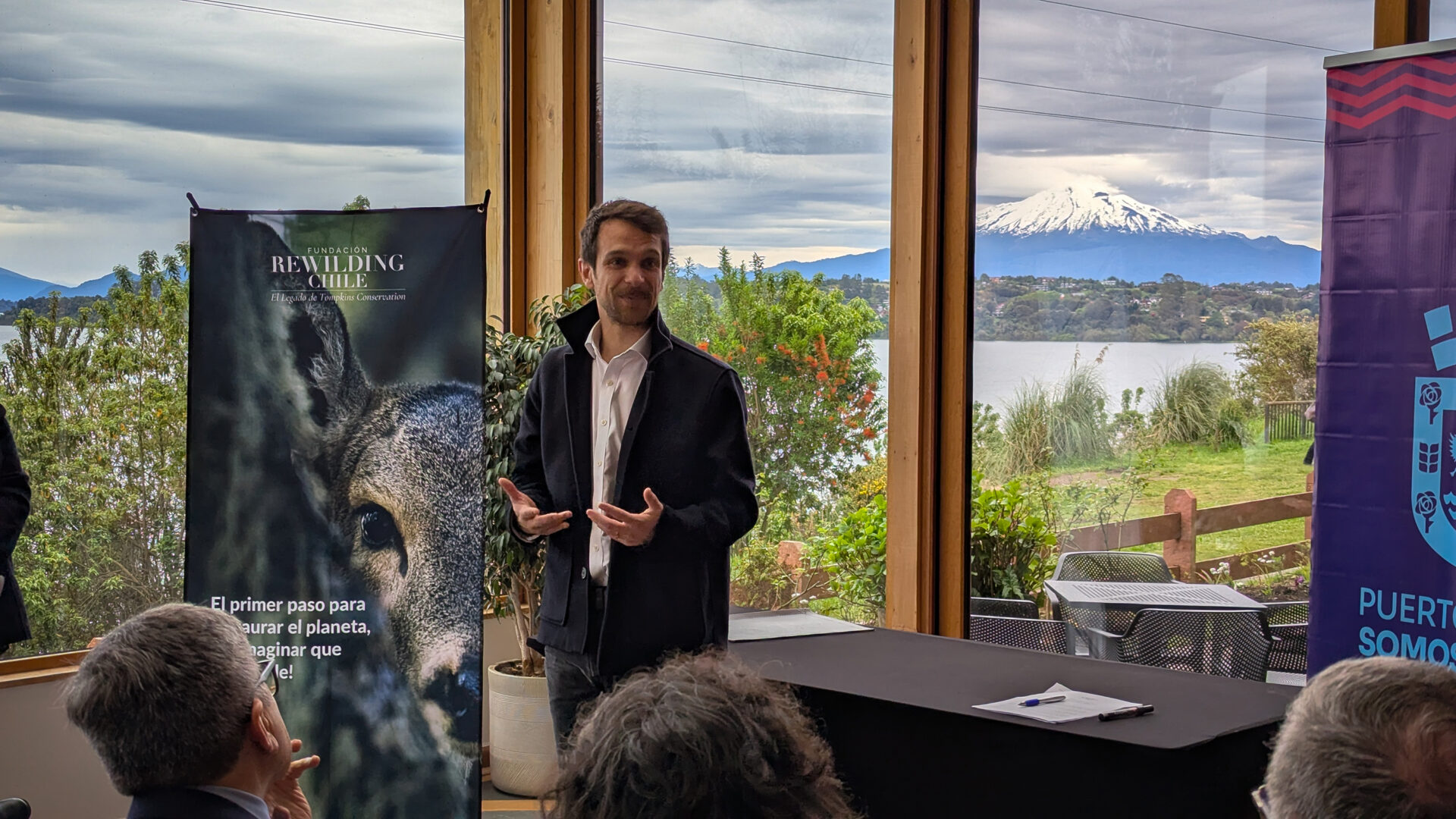
Ingrid Espinoza, Director of Conservation and Strategy at Fundación Rewilding Chile, said: “We are very happy to see the Route of Parks of Patagonia grow and establish itself as a world-class destination for nature and tourism. When Douglas Tompkins presented this vision, he did so with the conservation of Patagonia in mind, valuing its communities and all of its natural and cultural heritage. All Chileans have a very important role in maintaining that, which is why today we are signing this commitment to Chile.”
From Corfo Los Lagos, the Regional Director Víctor Sánchez emphasized the great opportunity this milestone represents for strengthening sustainable tourism and the region’s productive development: “Through the Transforma Mesorregional Program Route of Parks of Patagonia, we are fostering public-private collaboration, connecting communities, entrepreneurs and businesses with new development opportunities. Conserving our natural heritage can also be an engine for innovation, investment and economic diversification, creating value for local communities and positioning Los Lagos as a strategic gateway to Patagonia.”
Raffaele Di Biase, President of the Transforma Mesorregional Program Route of Parks of Patagonia, said the park “is now the gateway to the Route, within an already fairly mature ecosystem like Puerto Varas. That means new ideas will start coming in, and we will have a strong entrepreneurial network that will contribute to the program’s governance. Also, Puerto Varas is already established as a hub for distributing visitors along the Route. Anyone heading to Magallanes or Aysén always passes through this area, through Puerto Varas. So this is a hugely important milestone.”
“For us at Sernatur, the Route of Parks is very important, because about 60% of the international tourists who come to Chile are motivated by our natural attractions, and a significant share of them come to experience this route and the Carretera Austral. In addition, the Route is one of the best showcases for the kind of tourism we want to develop as a country. I’m talking about sustainable tourism that becomes a real tool for conservation,” said Luis Hurtado, Interim Regional Director of Sernatur Los Lagos.
Ítalo Rossi, Manager of Protected Wild Areas at the National Forest Corporation (CONAF), added: “This is a tremendous step from a tourism perspective, and it’s also good news considering that last August we celebrated 100 years of this protected area. On that occasion, we highlighted the State’s commitment to biodiversity conservation, which coincides with a historic change in the country’s environmental institutions: the transfer of protected area management from CONAF to the Biodiversity and Protected Areas Service (SBAP). This truly reflects the protection and conservation that the country dedicates to its natural resources and natural beauty. In this way, the park joins the Route of Parks of Patagonia Passport.”
“This milestone challenges us to think about how we strengthen the work that has been underway, how we improve our relationship with the community, with organizations and with the territory, how we connect them, and how we make this work happen as a network across all the units and protected areas of the Route of Parks of Patagonia,” said Carola Iturriaga, Regional Director of SBAP Los Lagos.
Stretching more than 2,800 kilometers from Puerto Varas to Cape Horn, the Route currently connects 18 national parks and more than 60 neighboring communities, bringing together the Carretera Austral, the Patagonian Channels and the Route of the End of the World. In this way, it advances a large-scale conservation vision that links national parks with their communities and creates new opportunities for local territories through the protection of their natural heritage.