Photo: Marcelo Mascareño for Rewilding Chile
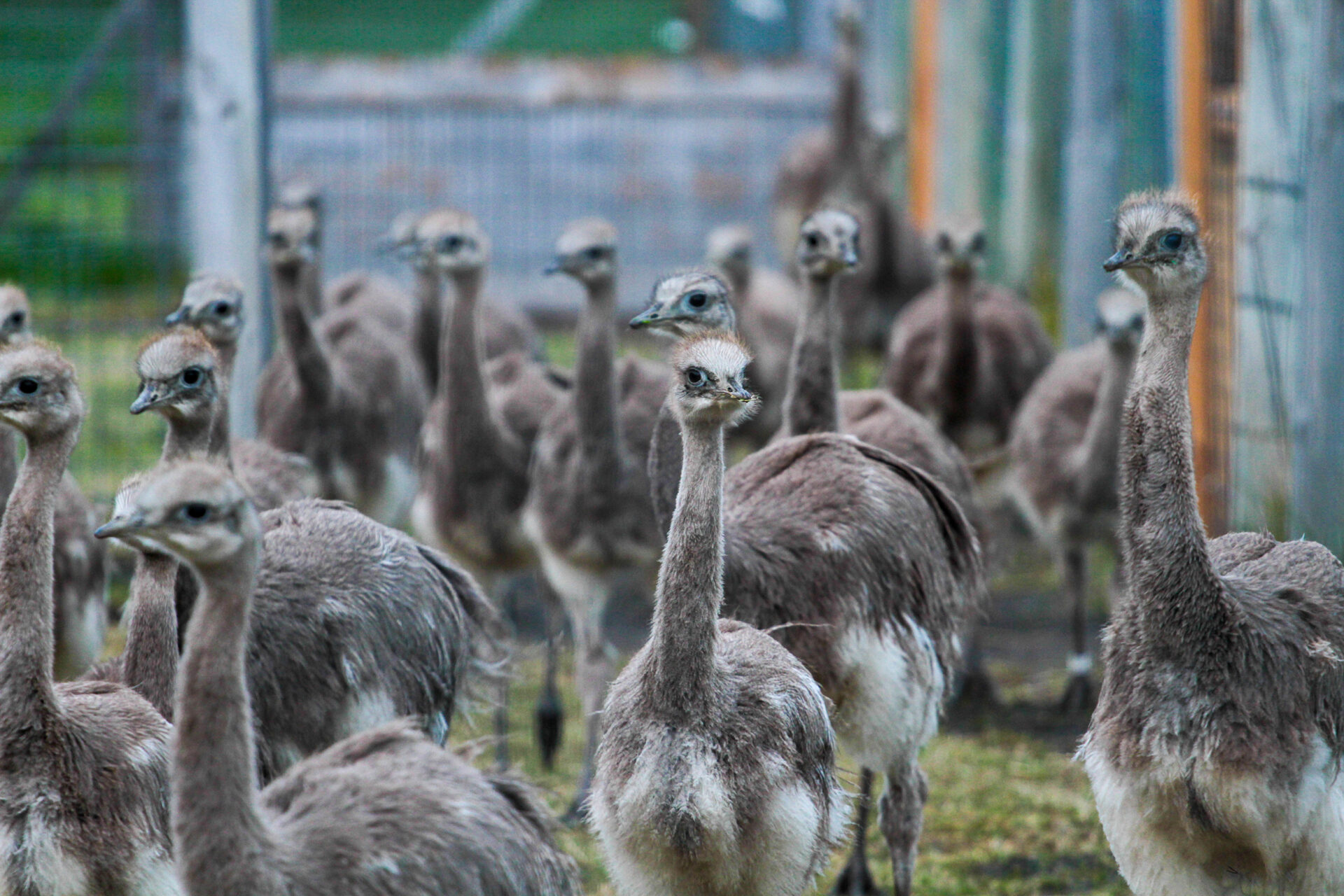
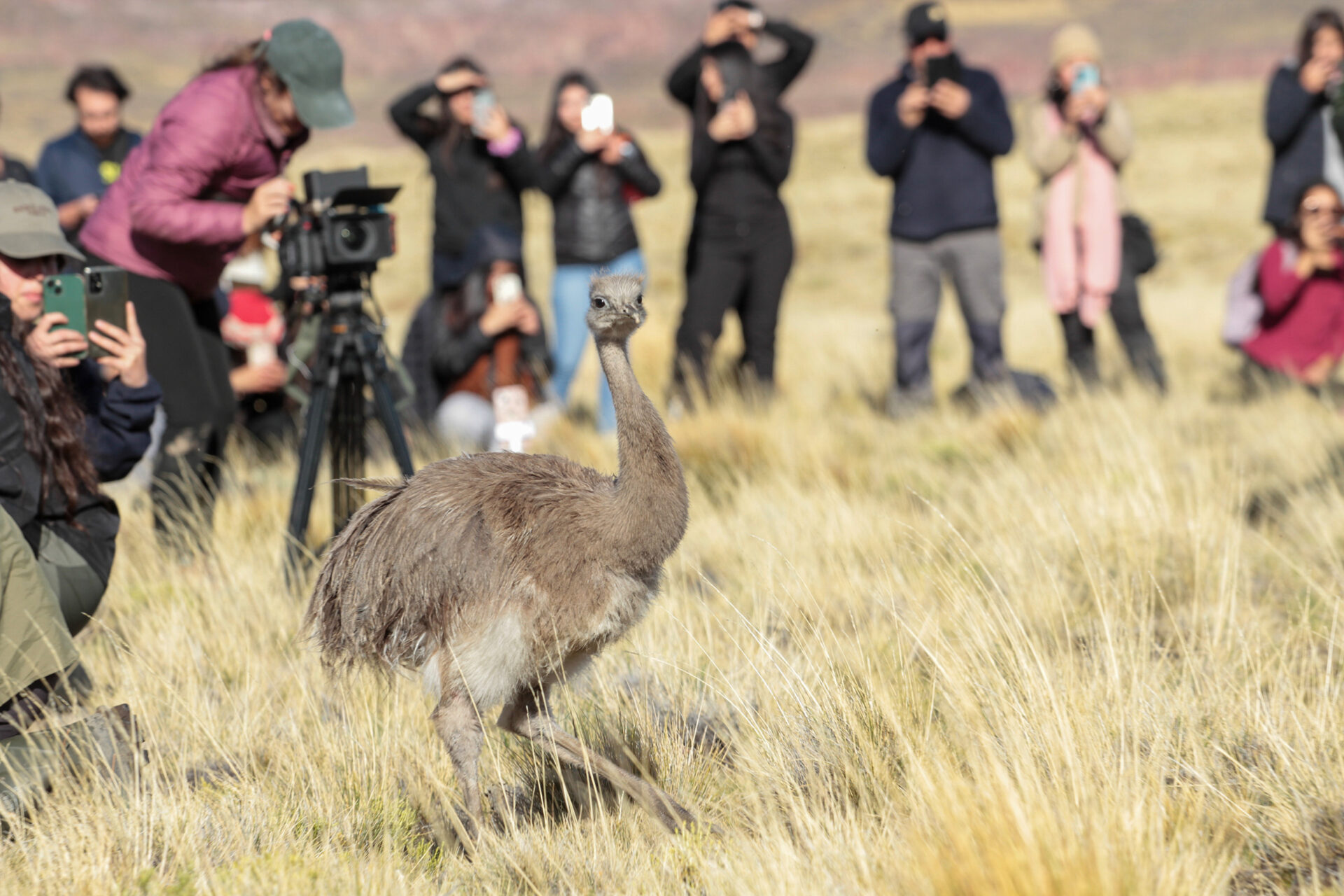
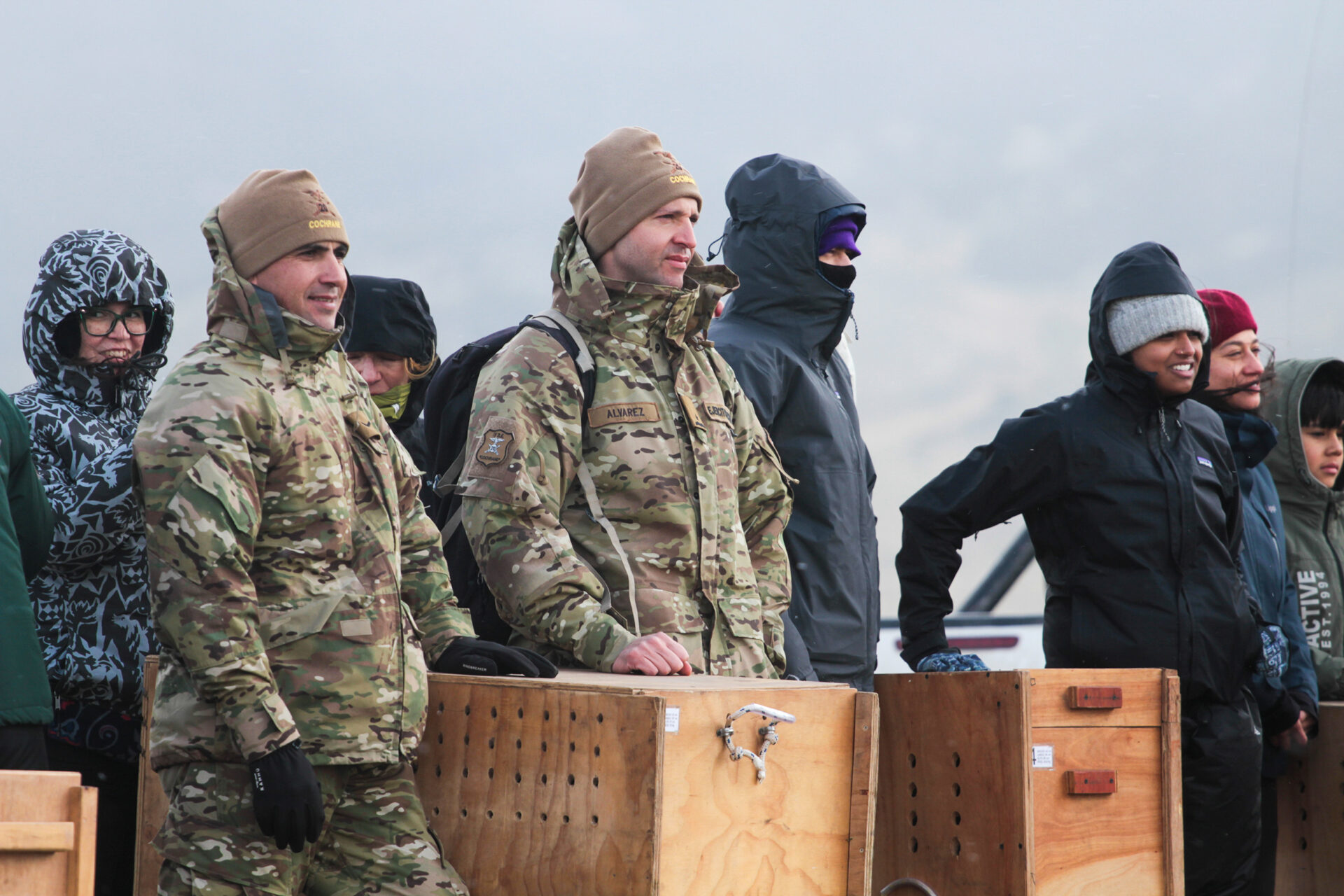
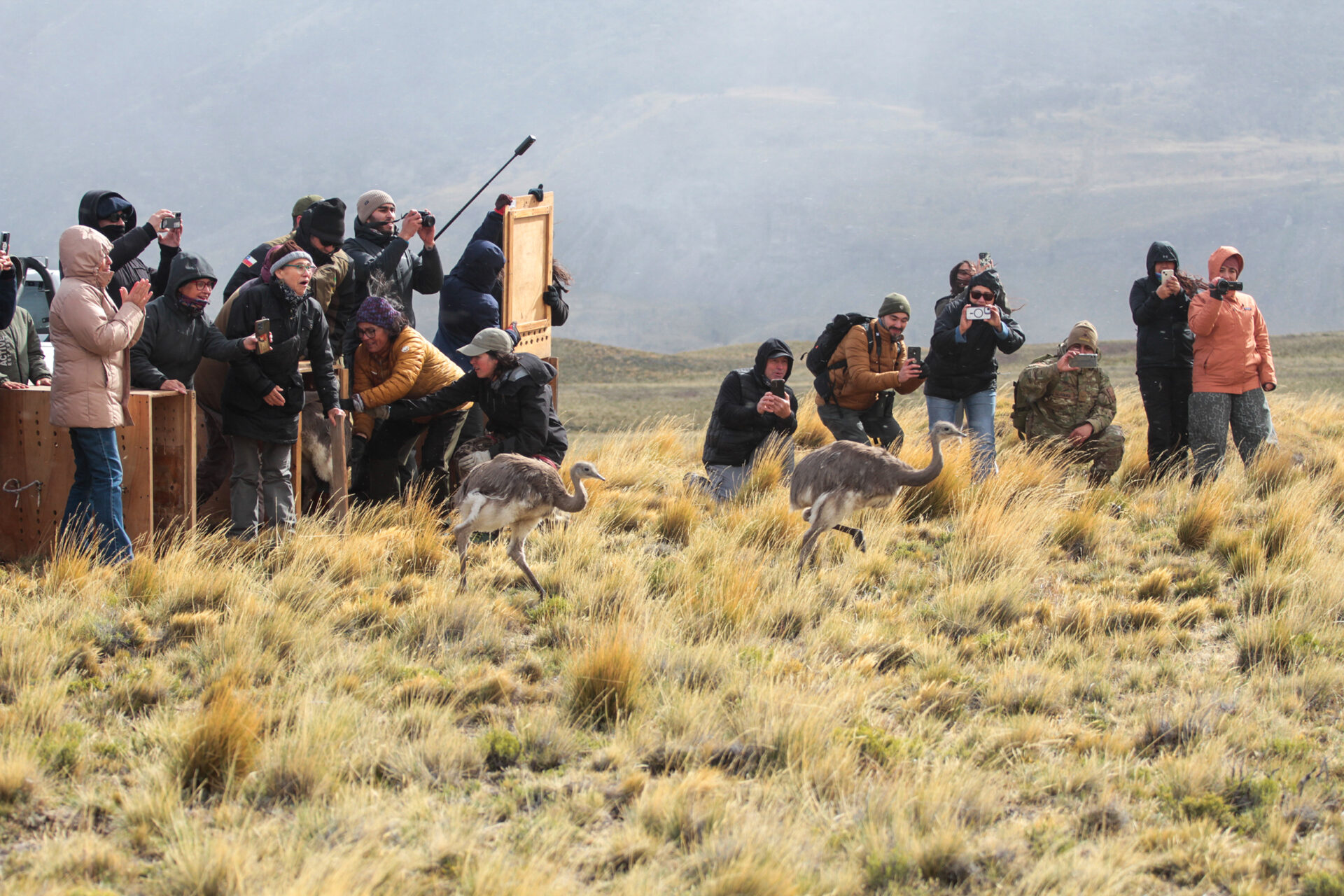
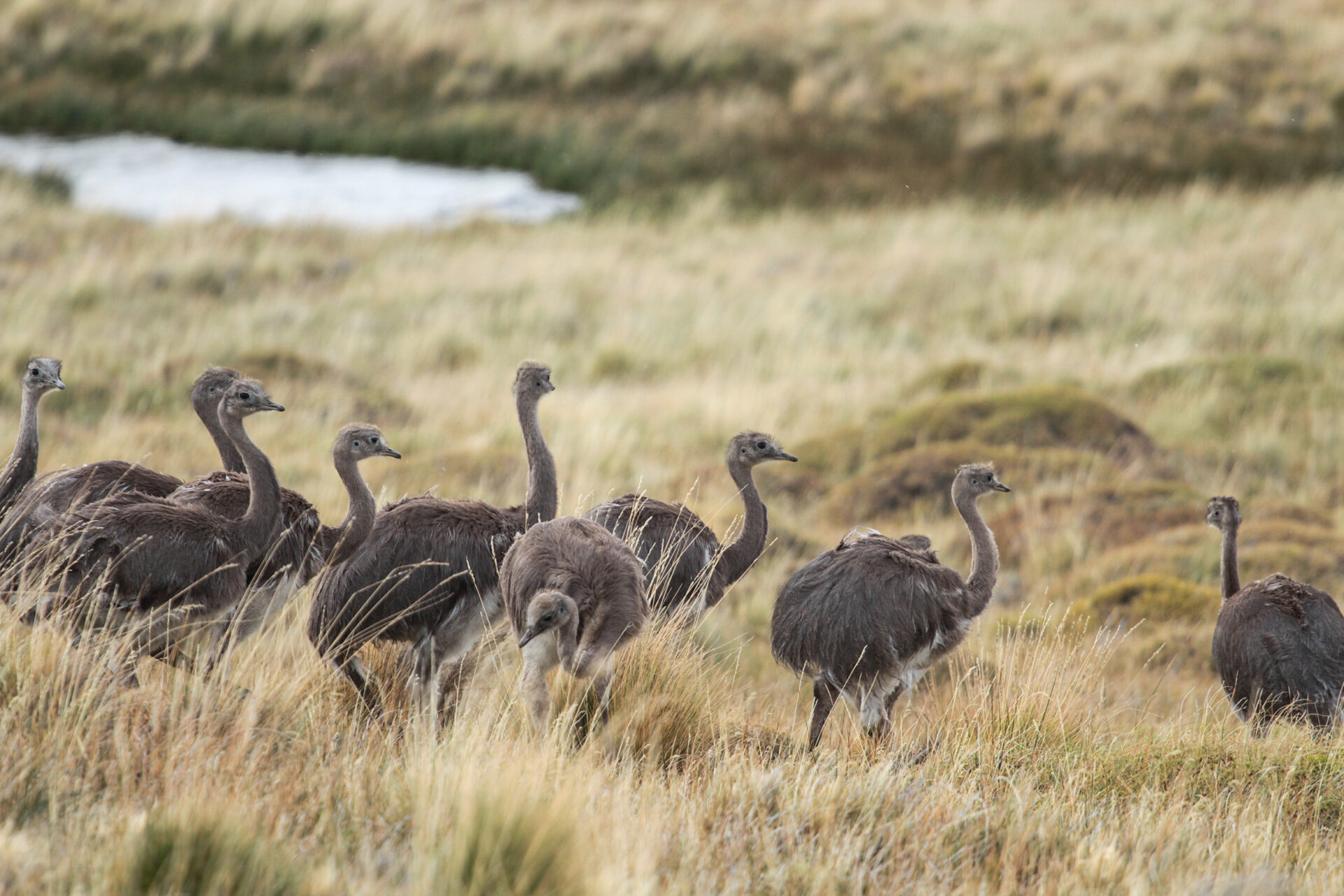
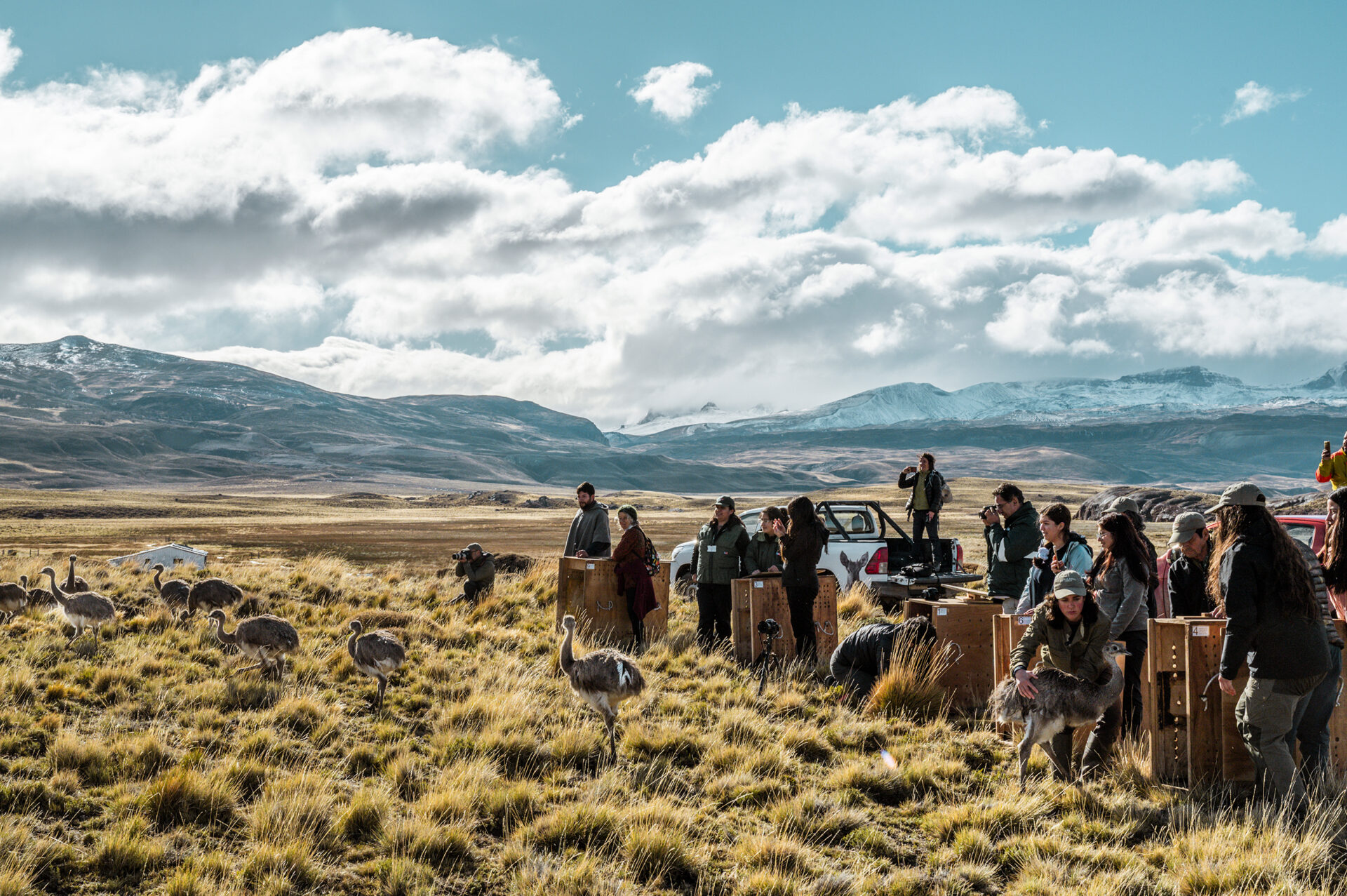
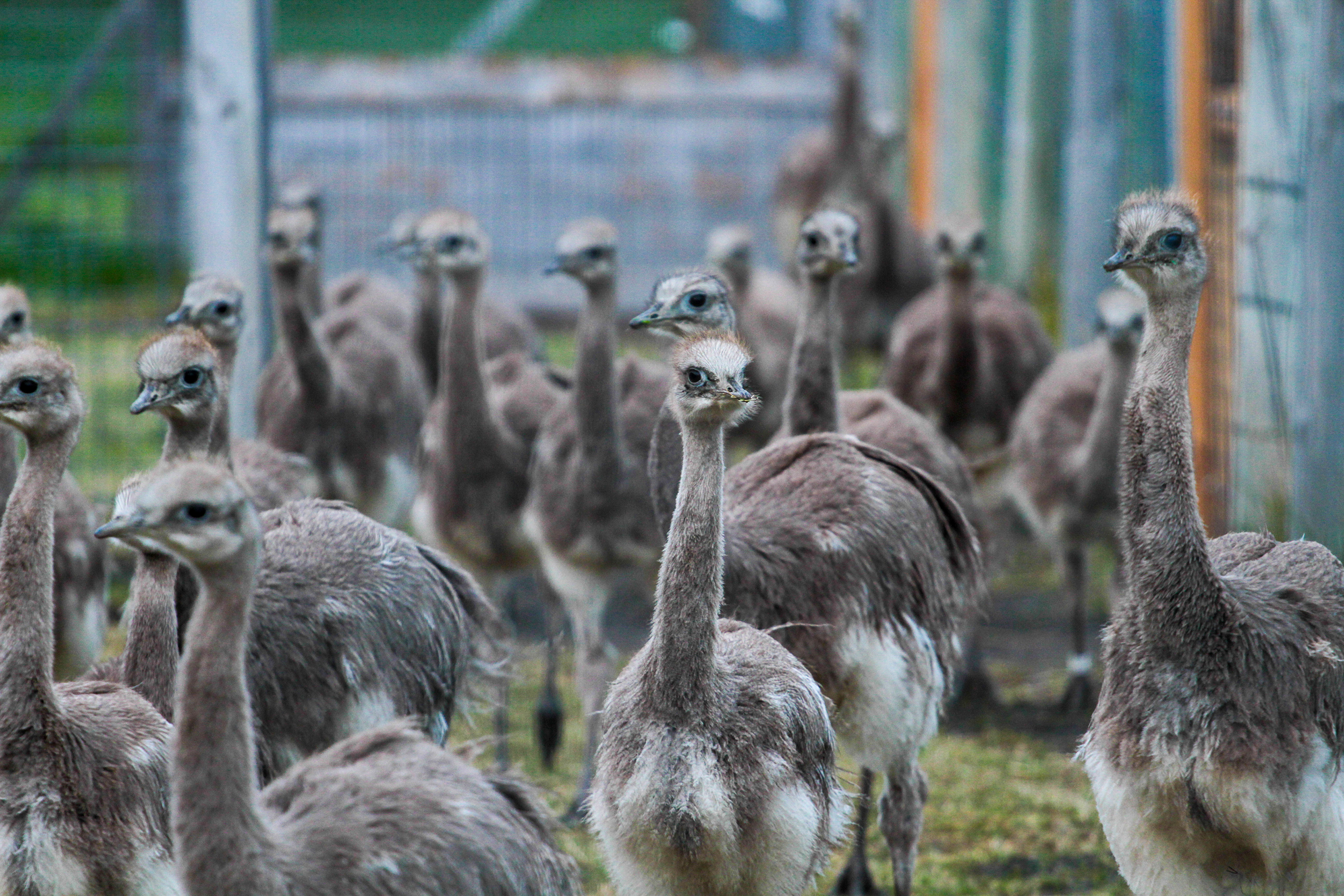
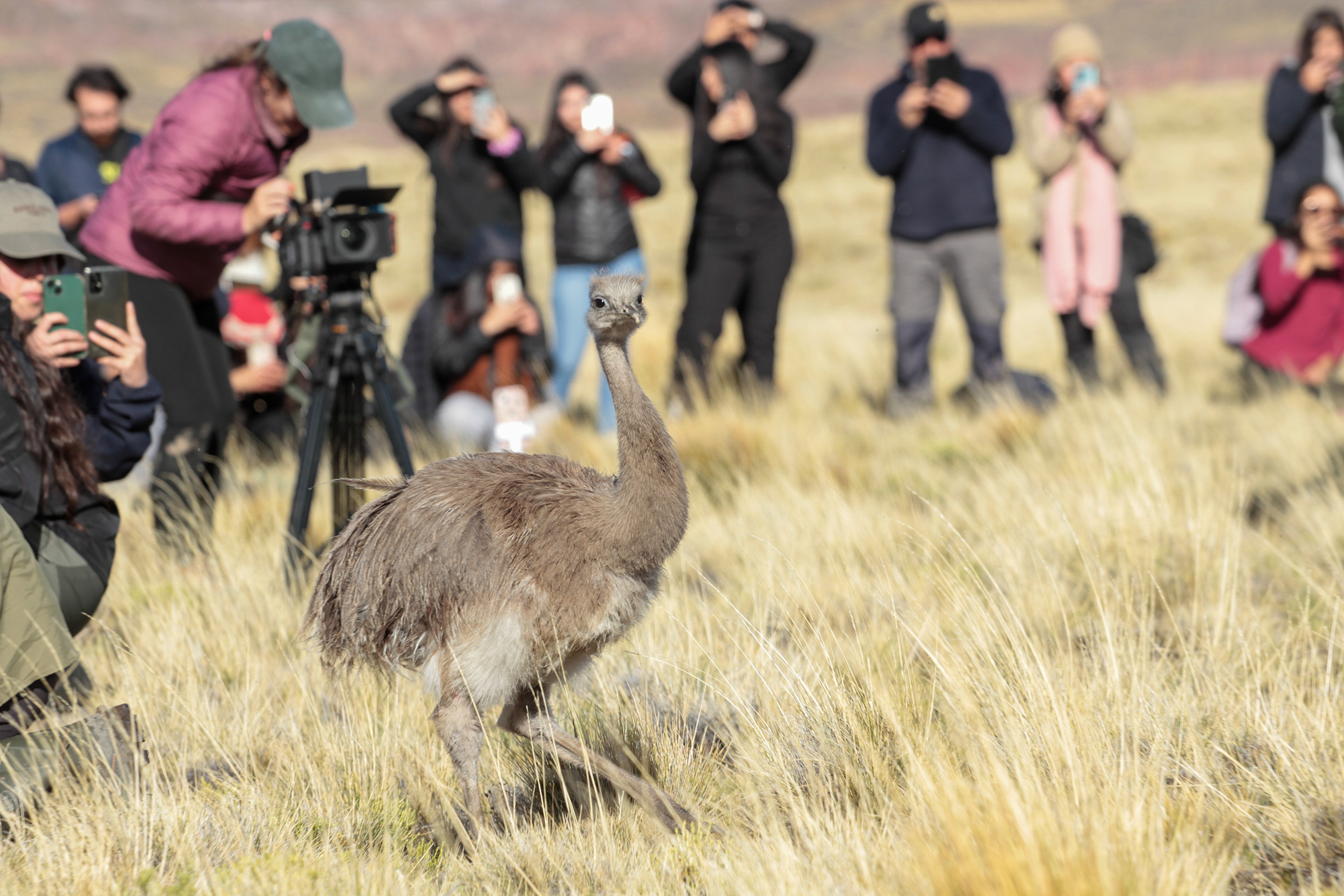
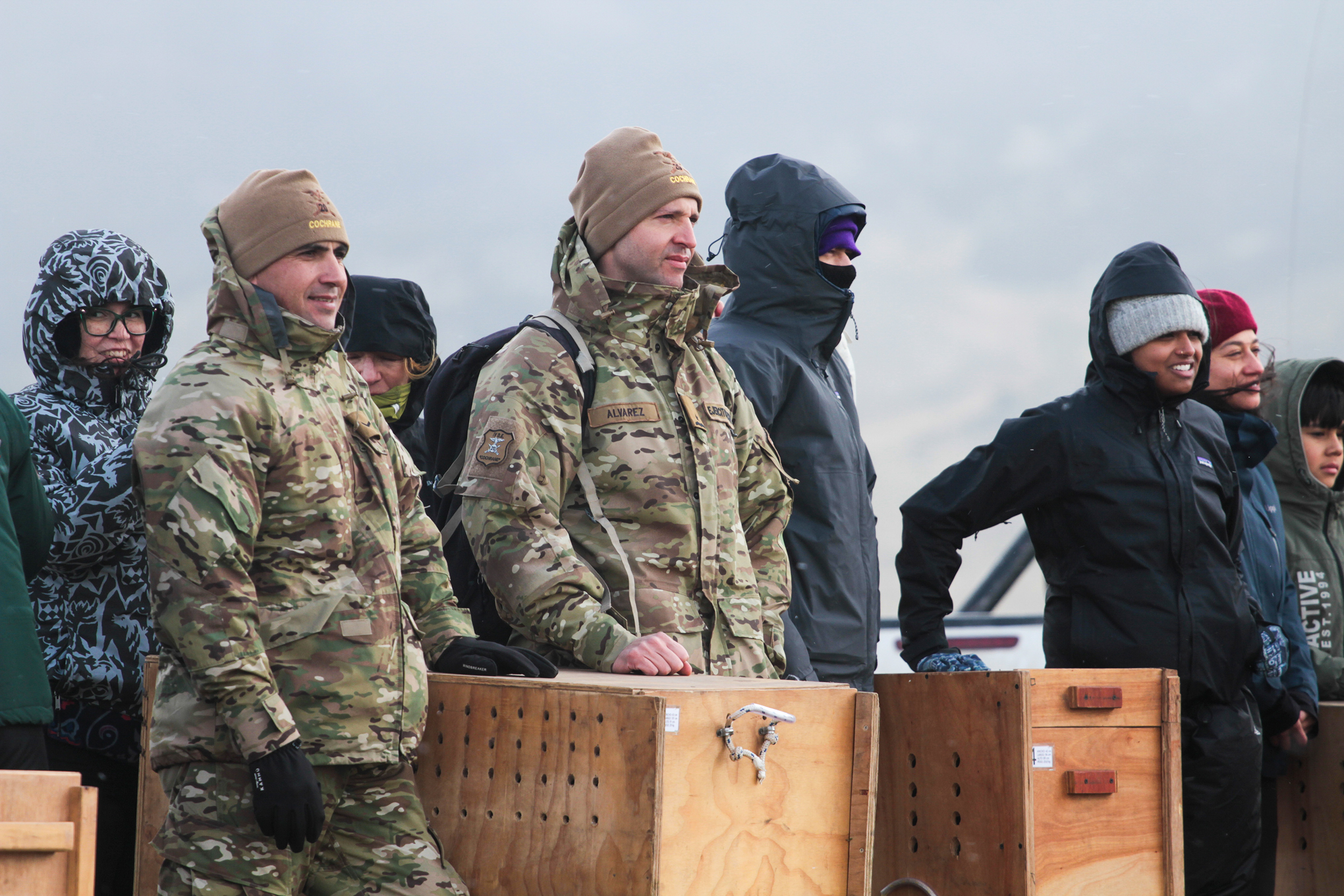
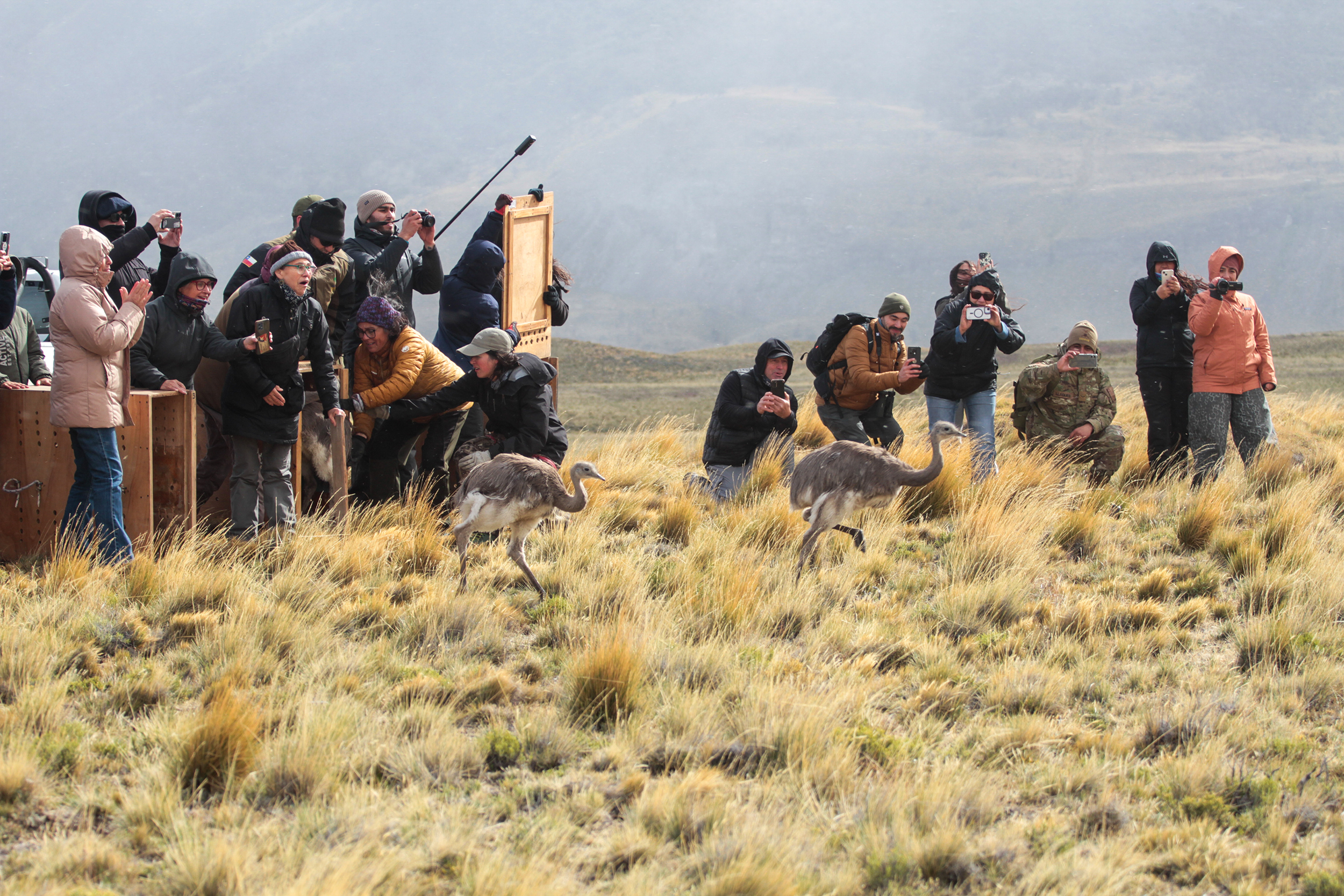
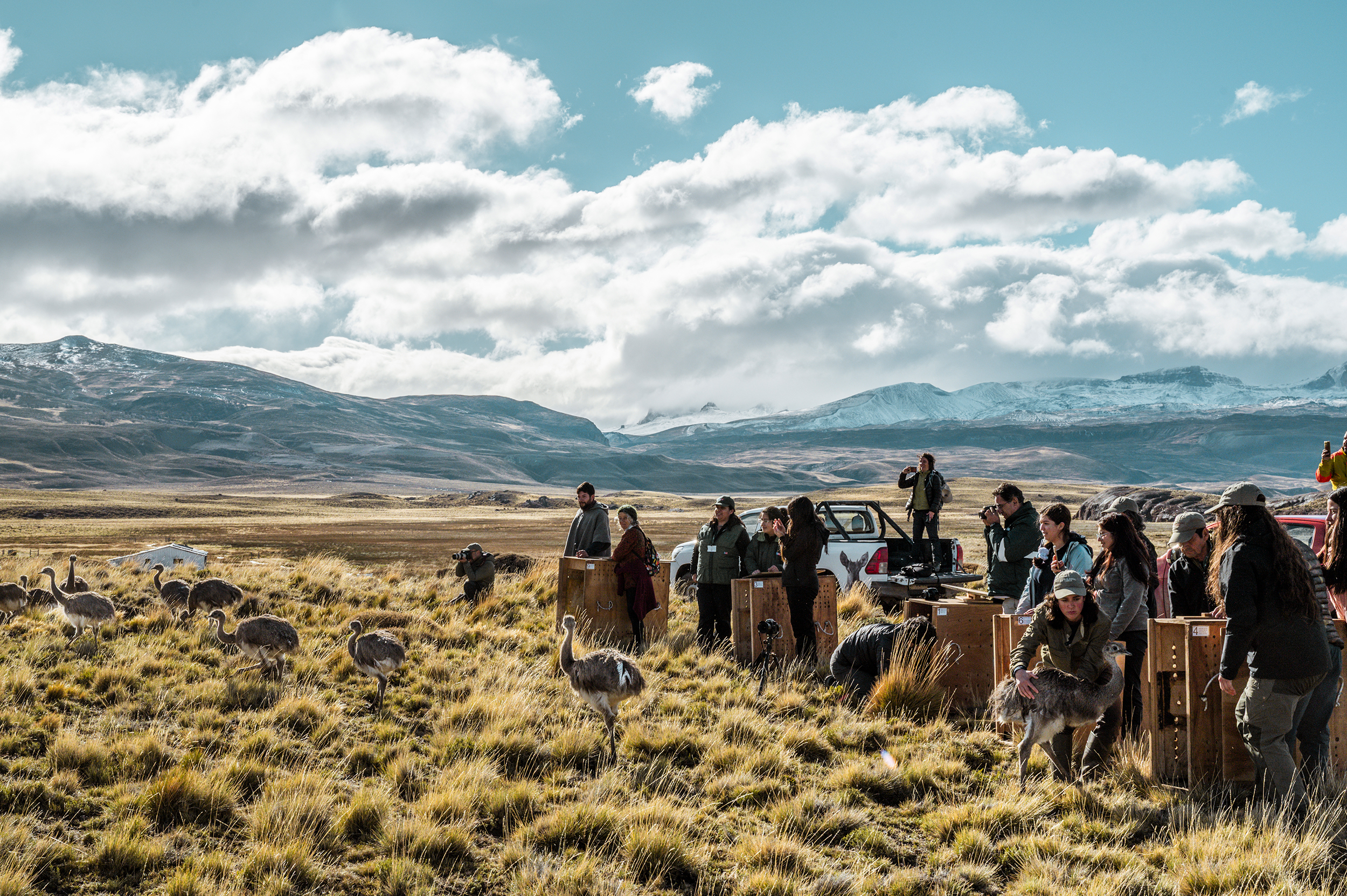
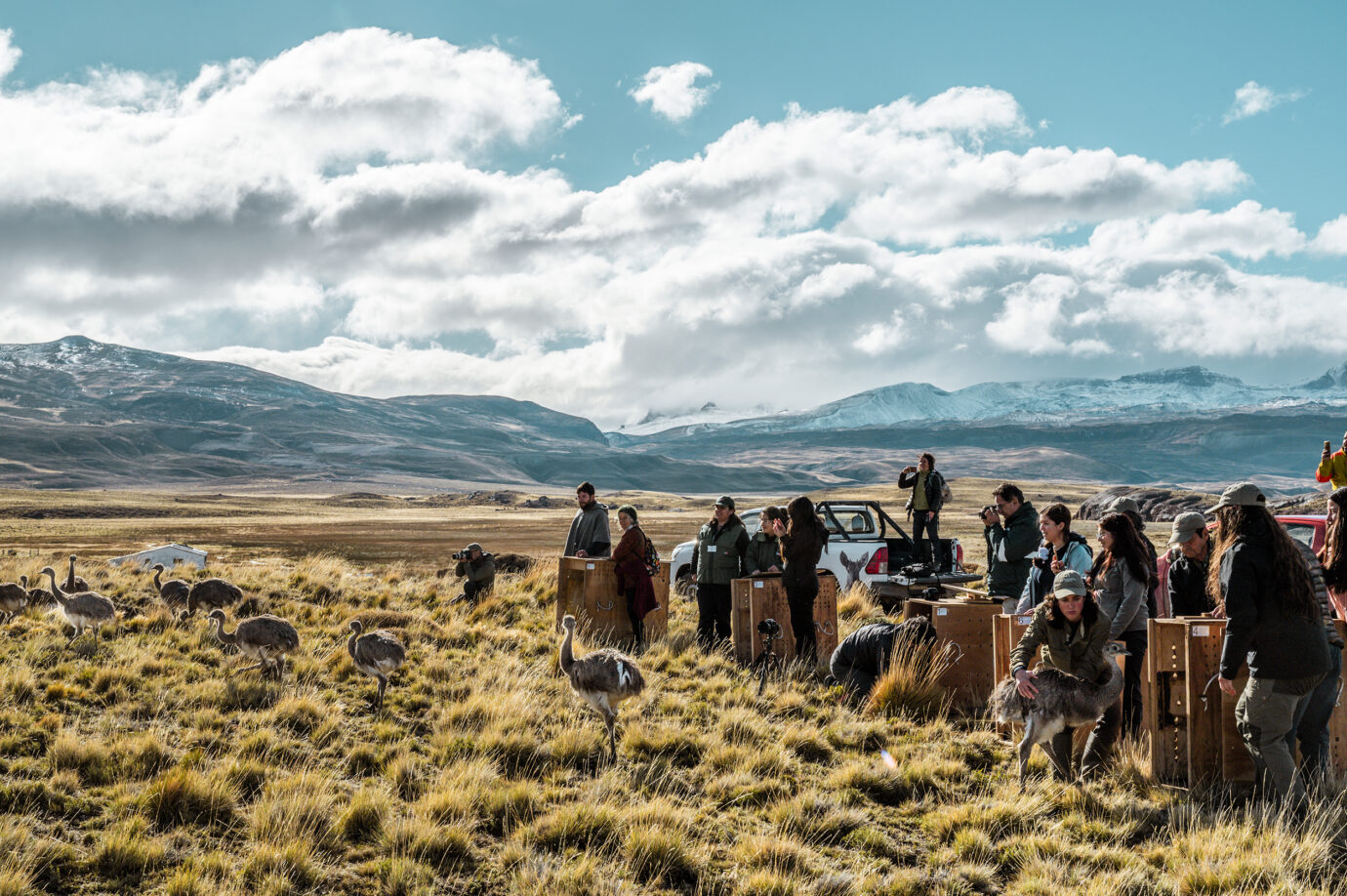
A total of 39 Darwin's rheas chicks were released during March and April, with participation from members of communities surrounding the national park, as well as representatives from Peru’s National Forest and Wildlife Service (Serfor), an agency working to strengthen the population of the subspecies known as the northern rhea.
Photo: Marcelo Mascareño for Rewilding Chile
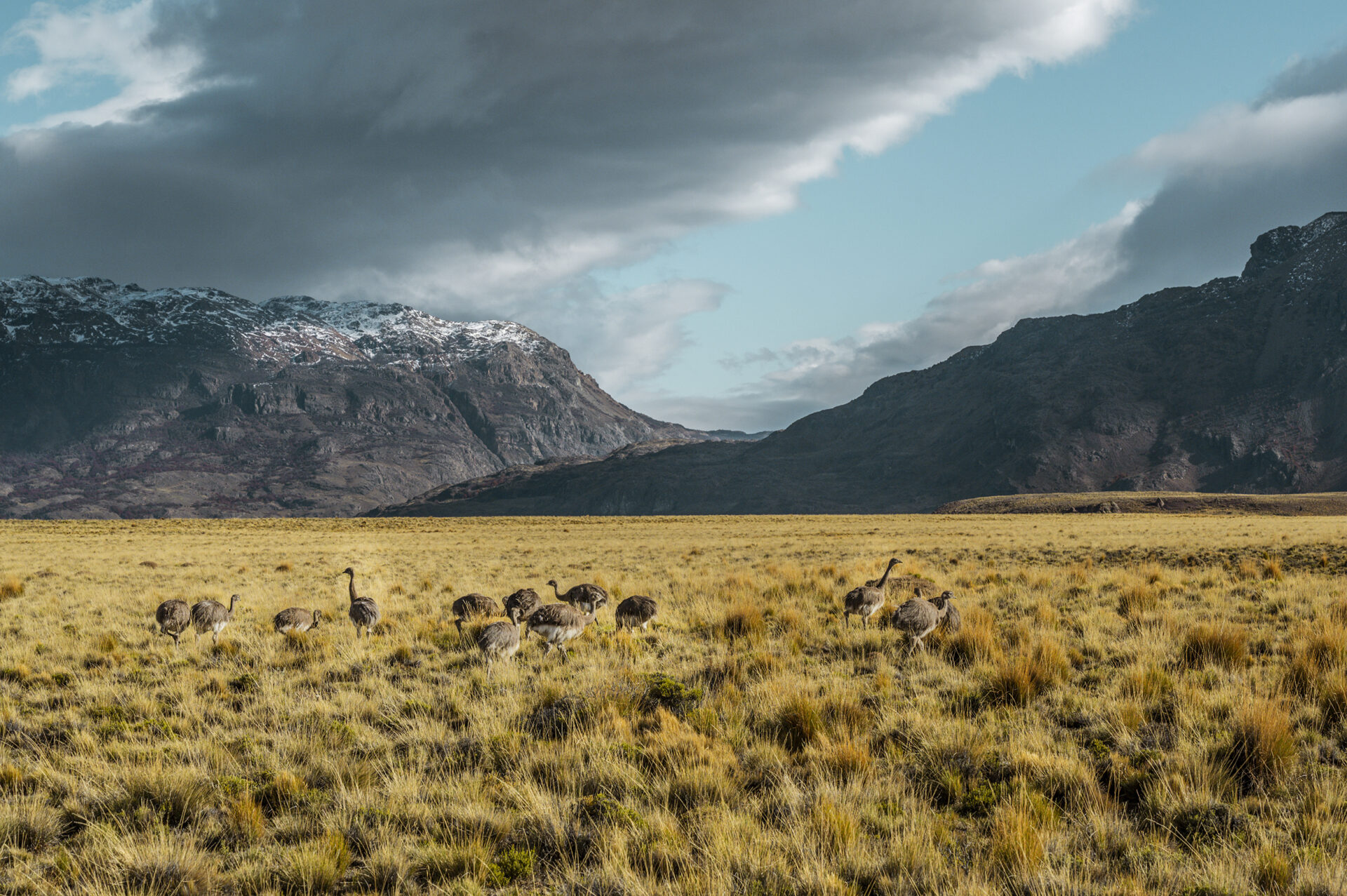
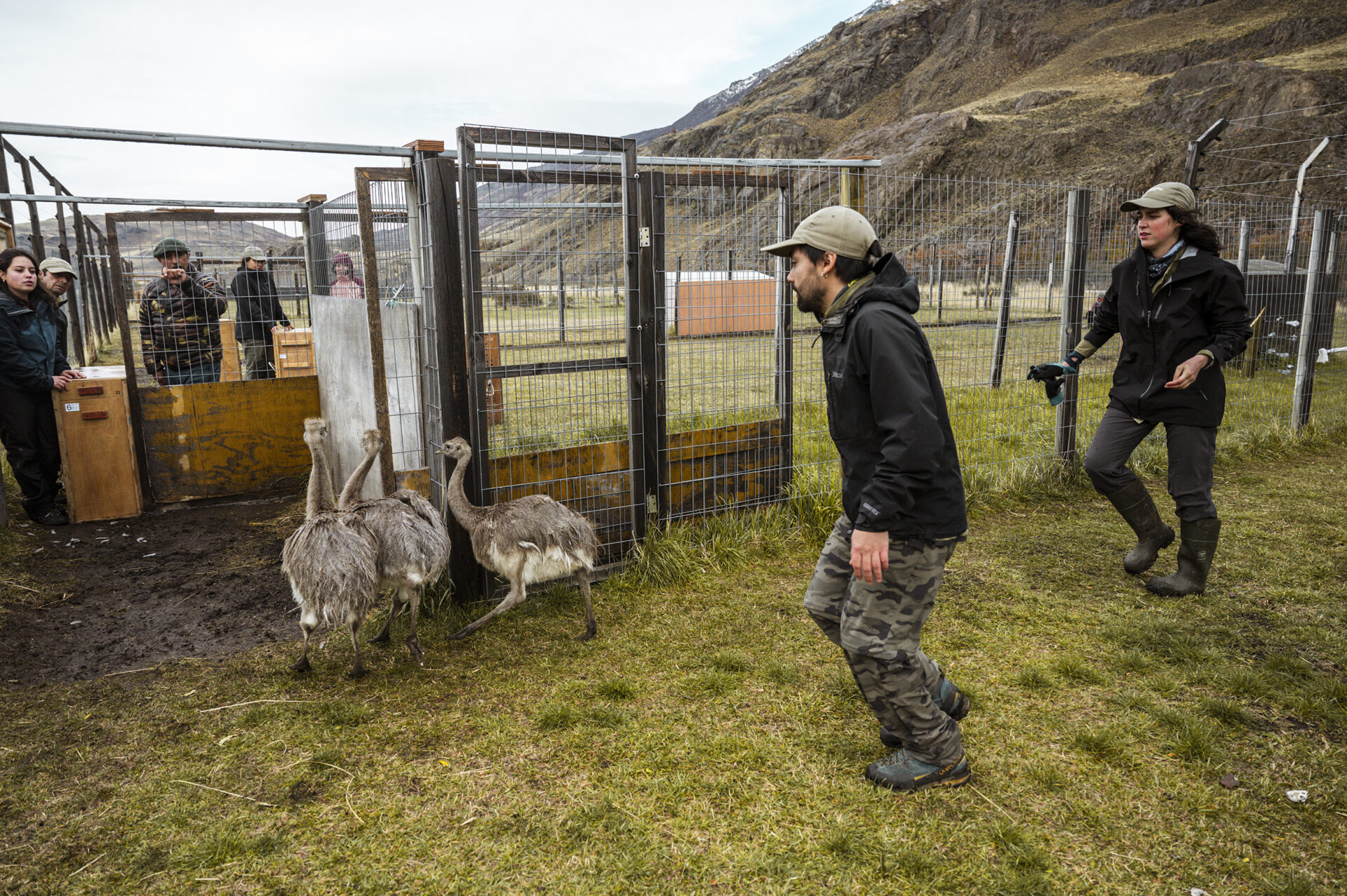
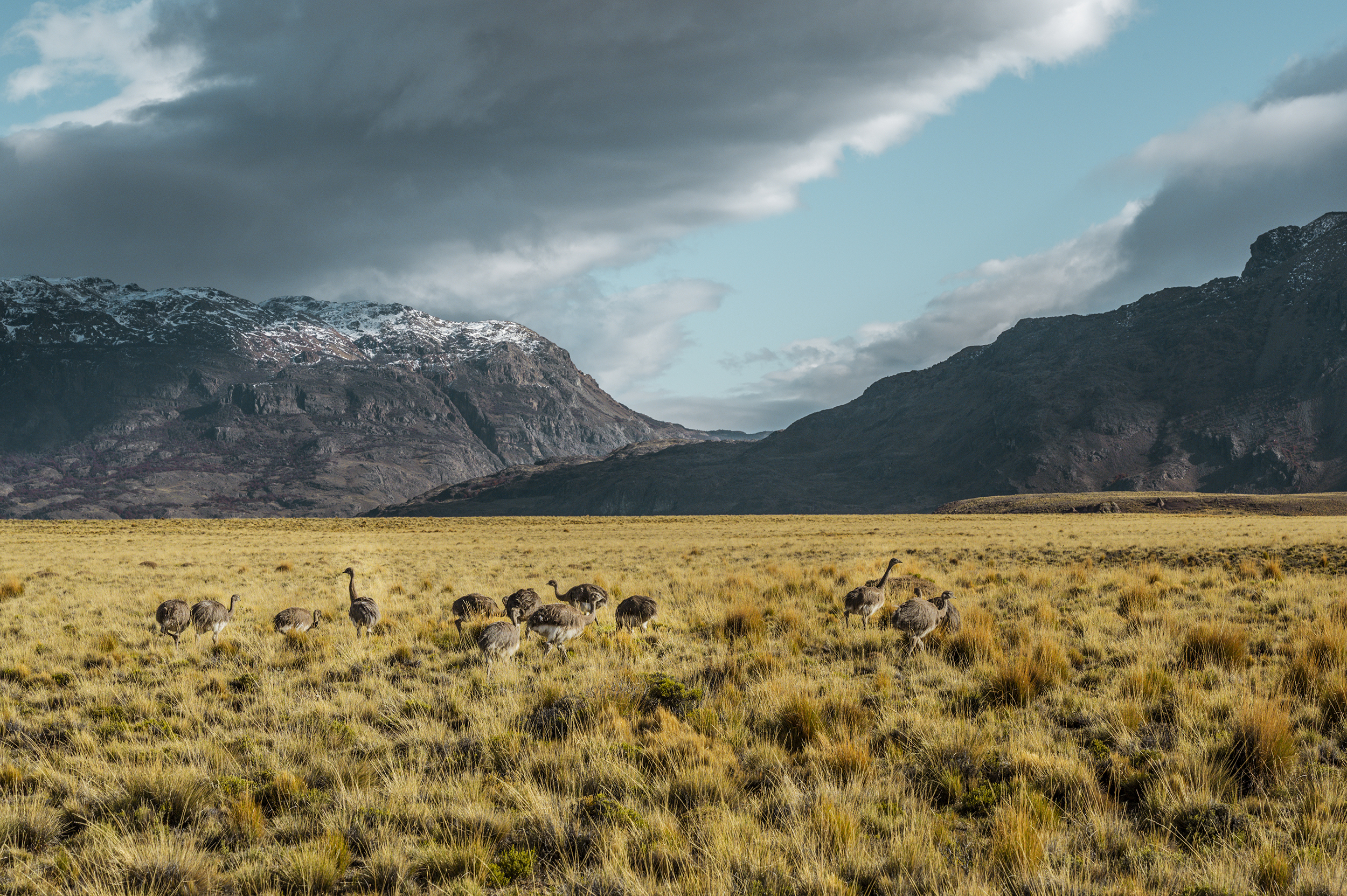
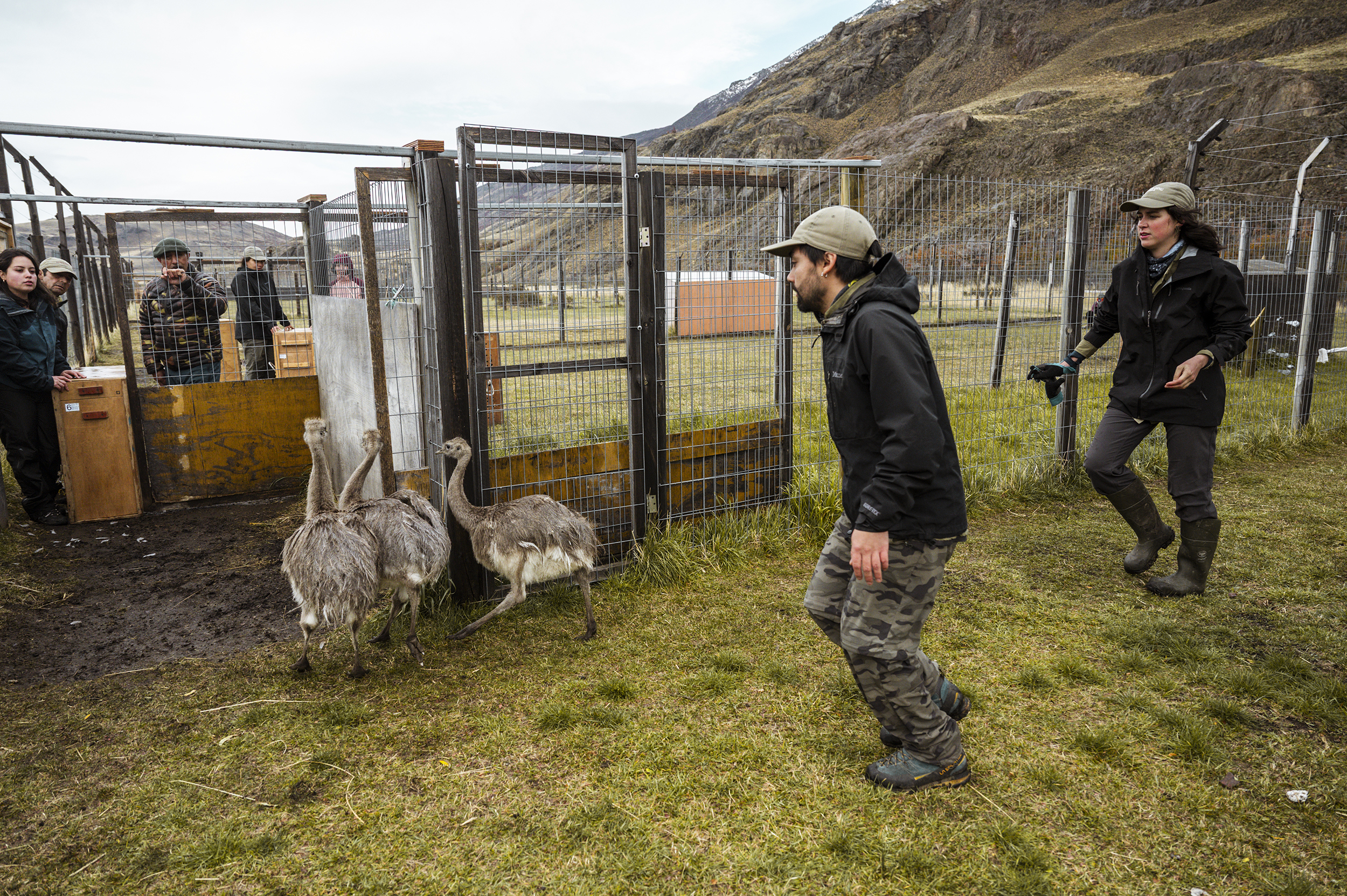
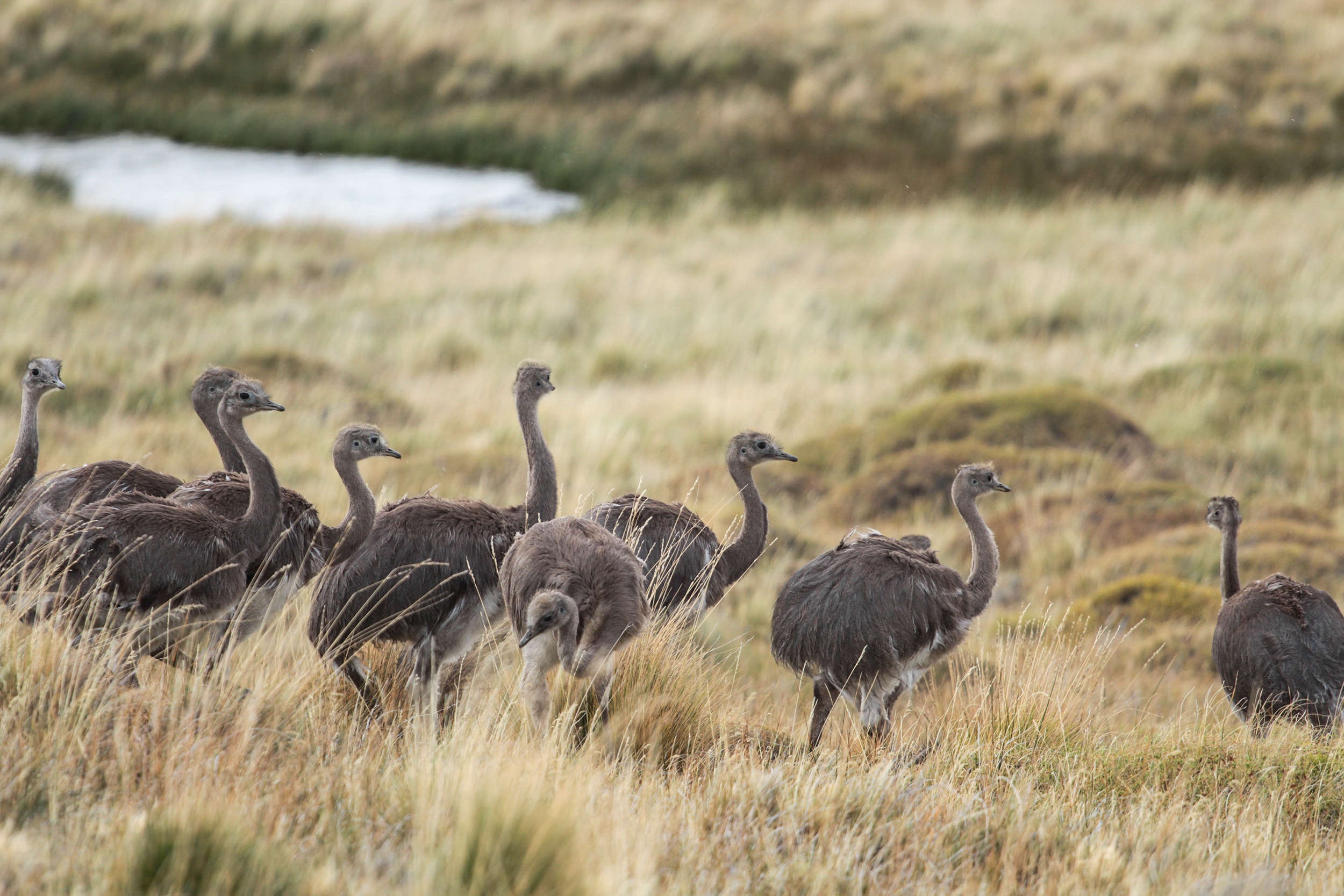
Public-private efforts to restore Patagonia’s wildlife continue to bear fruit: three new releases of Darwin’s rheas (Rhea pennata) were carried out in the steppes of Patagonia National Park in the Aysén Region.
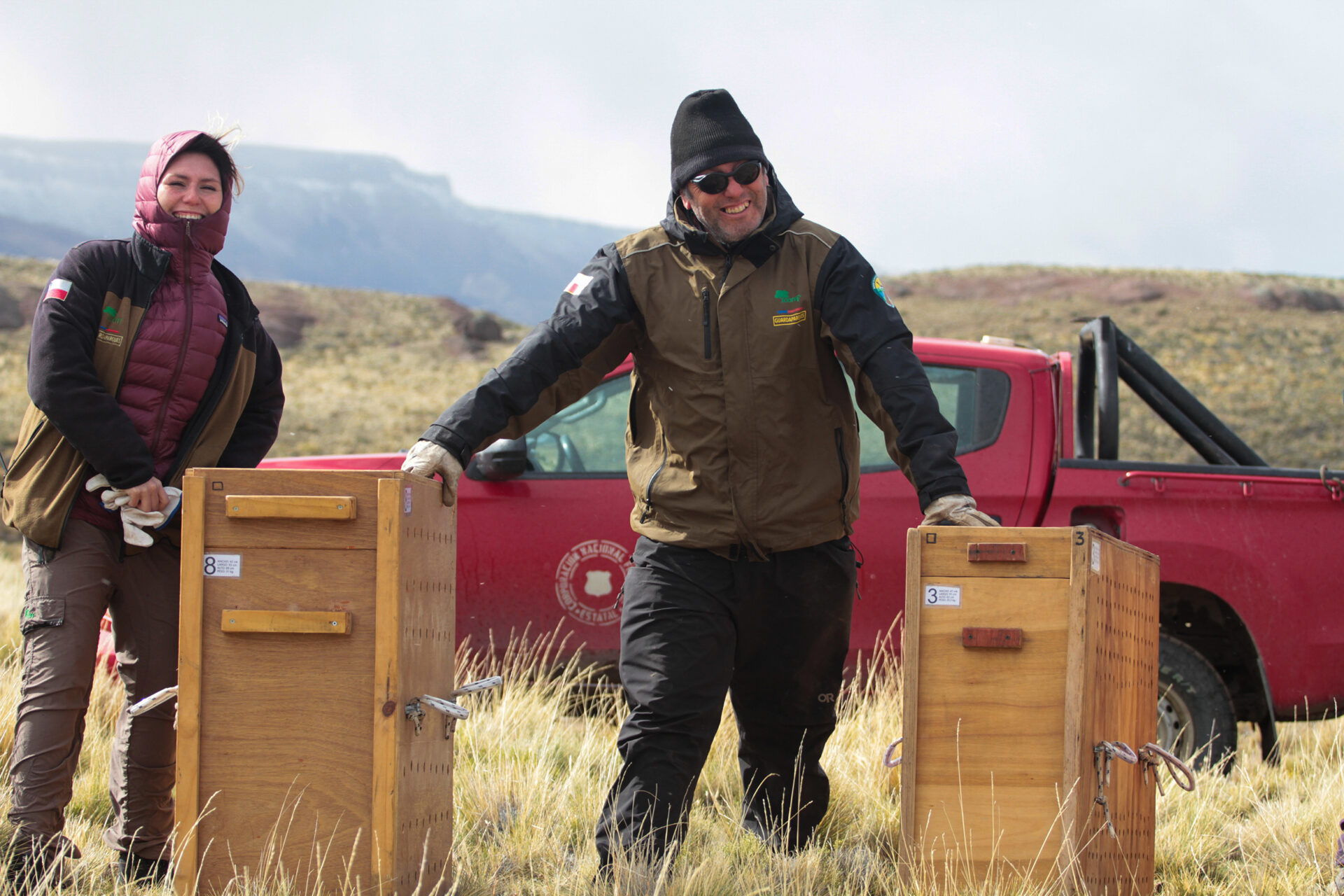
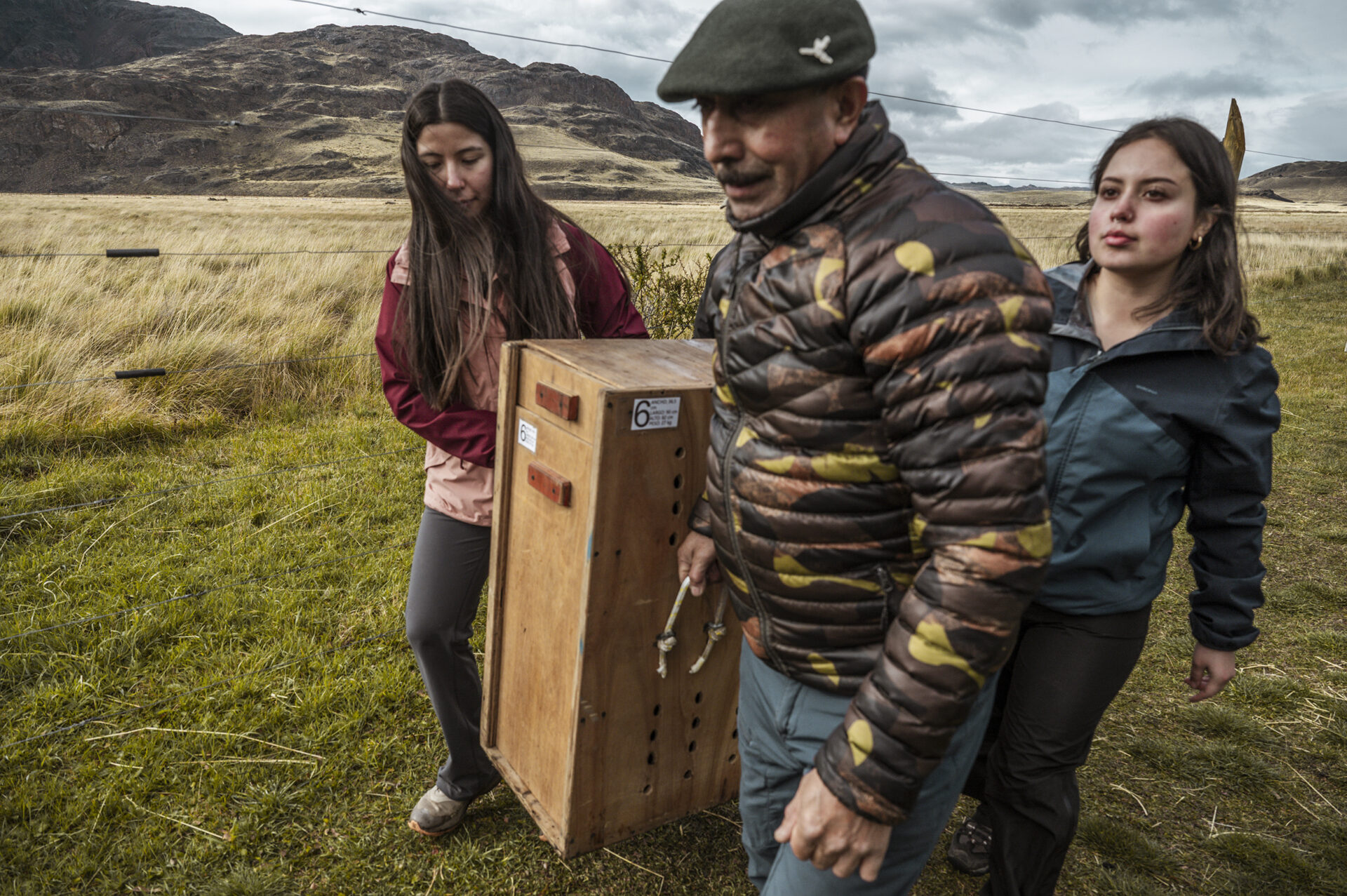
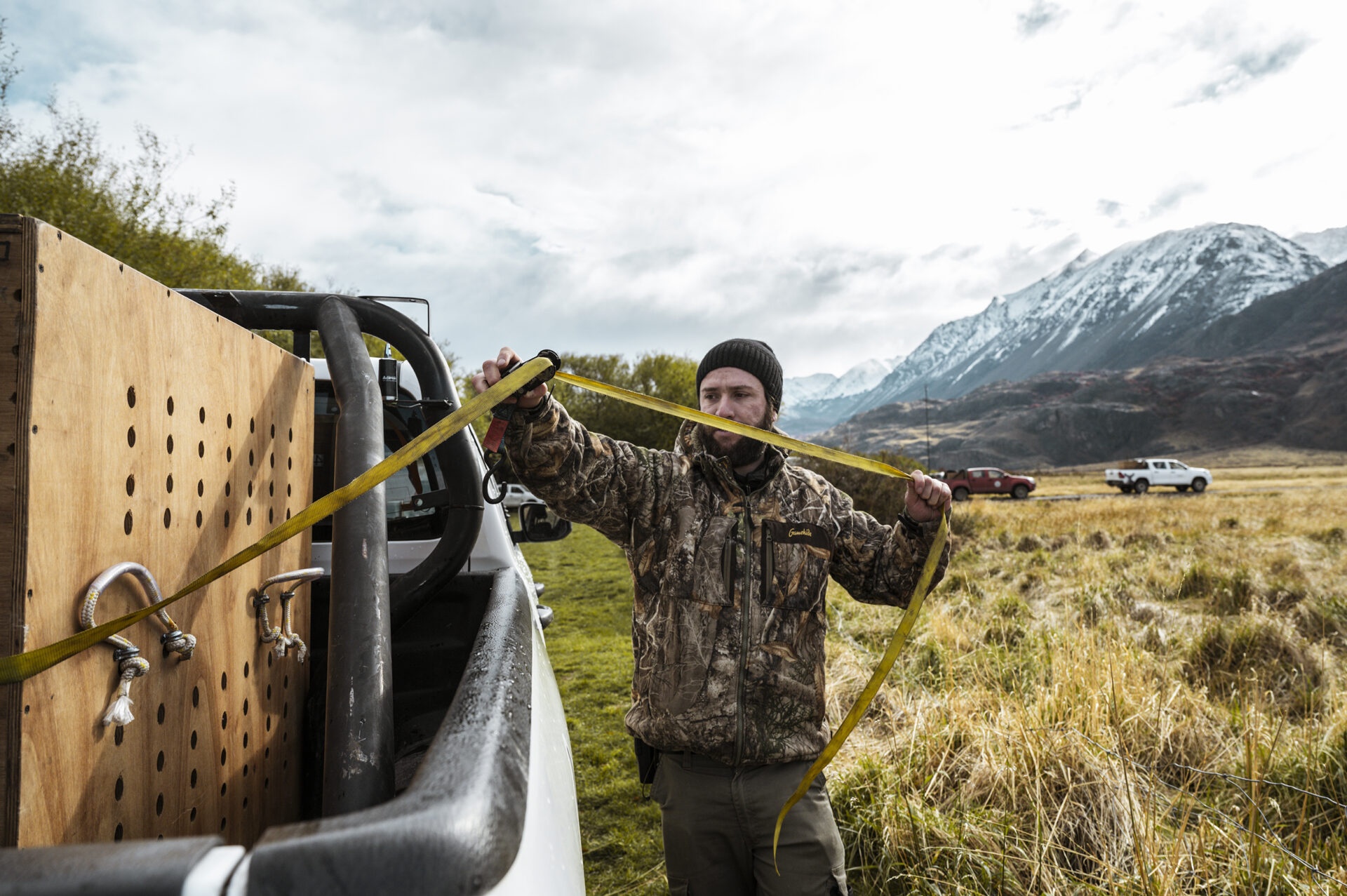
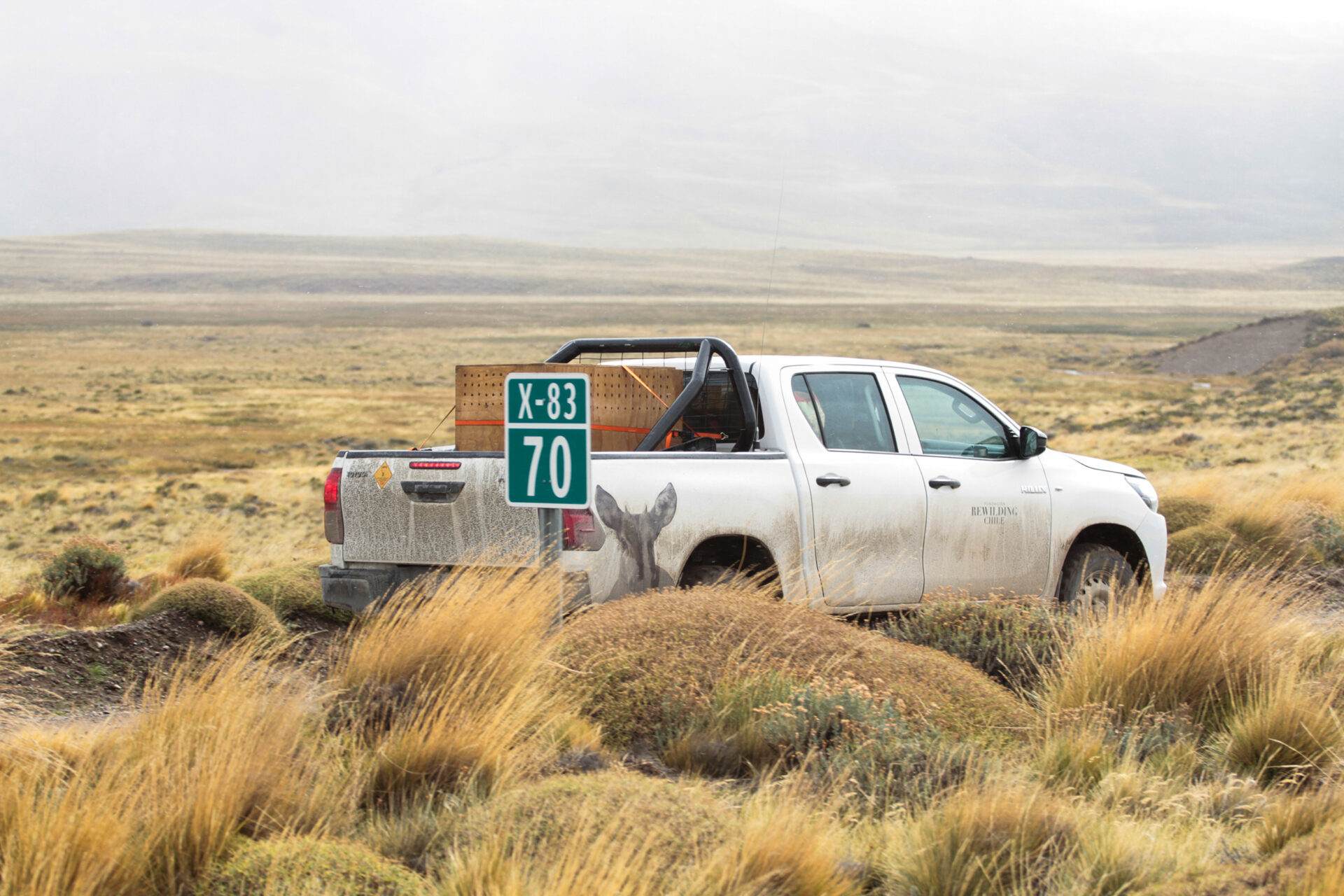
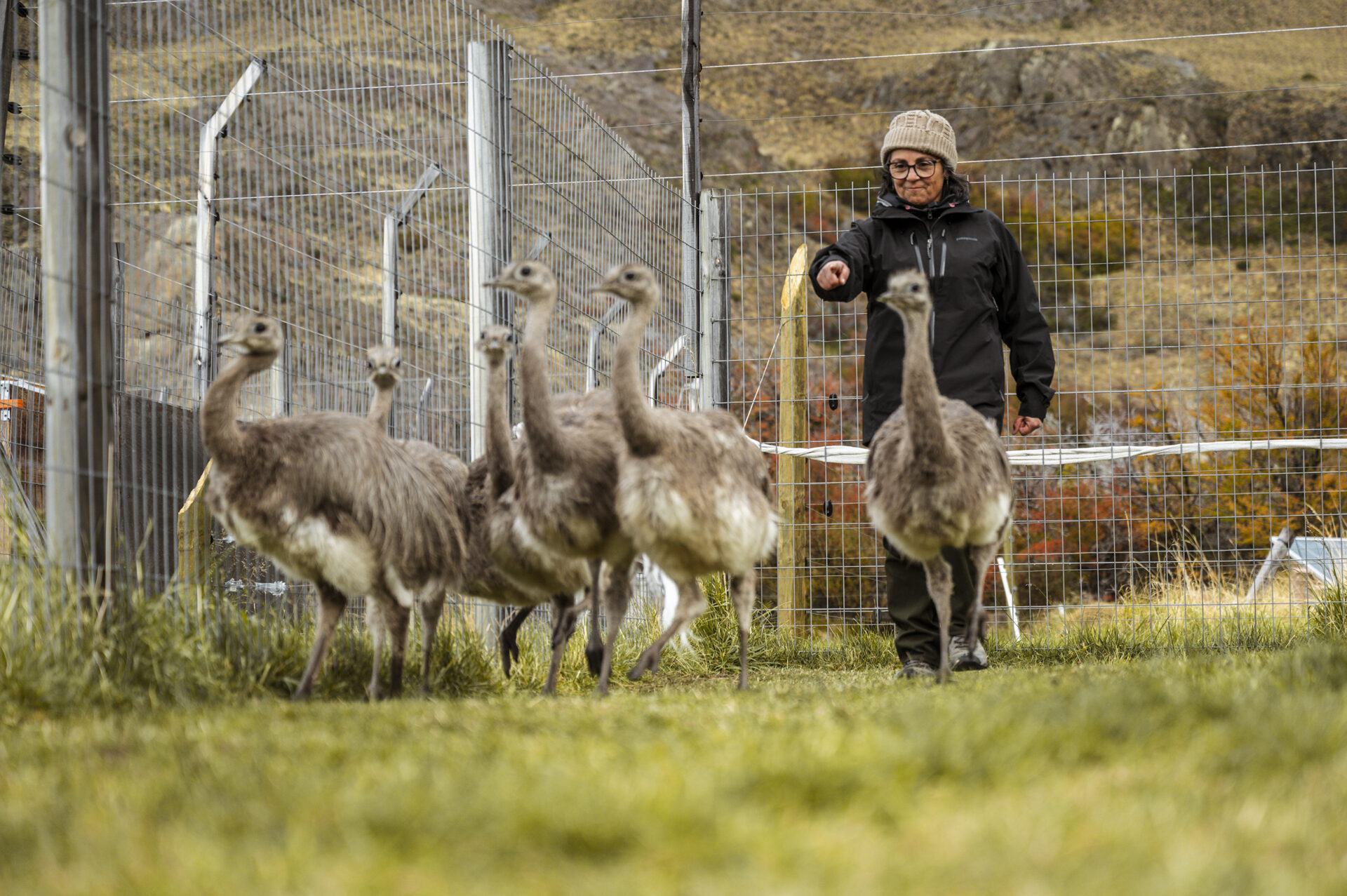
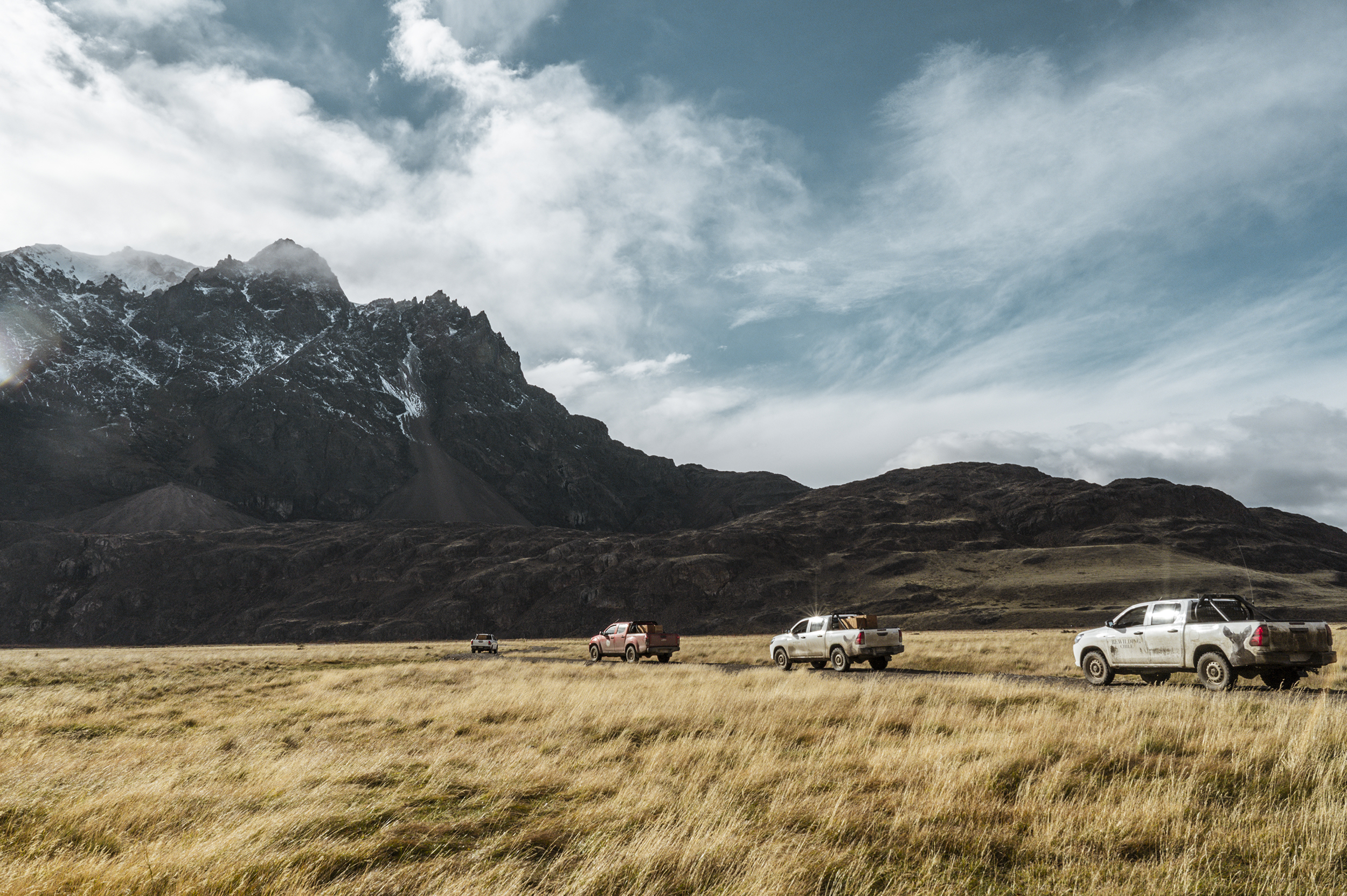
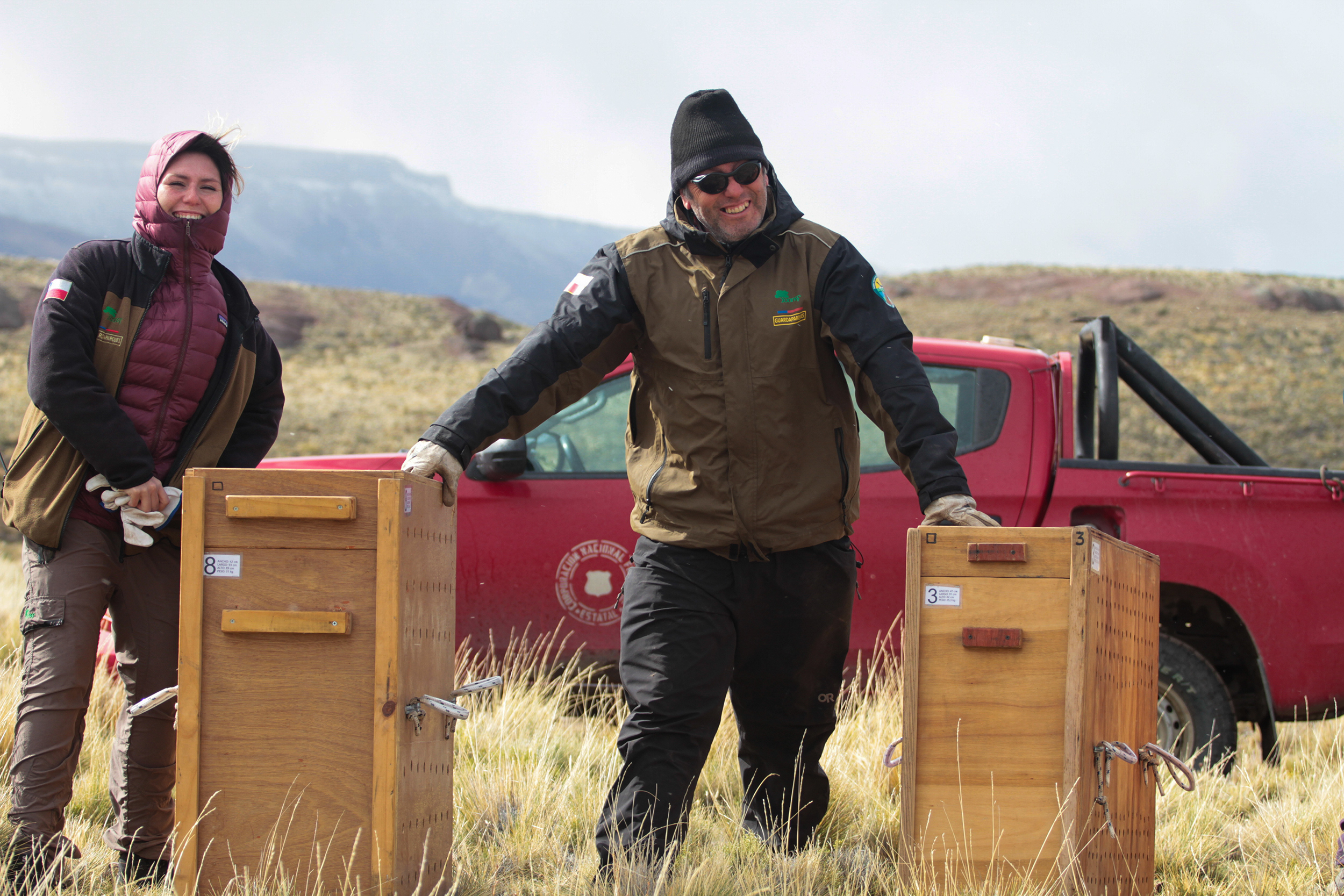
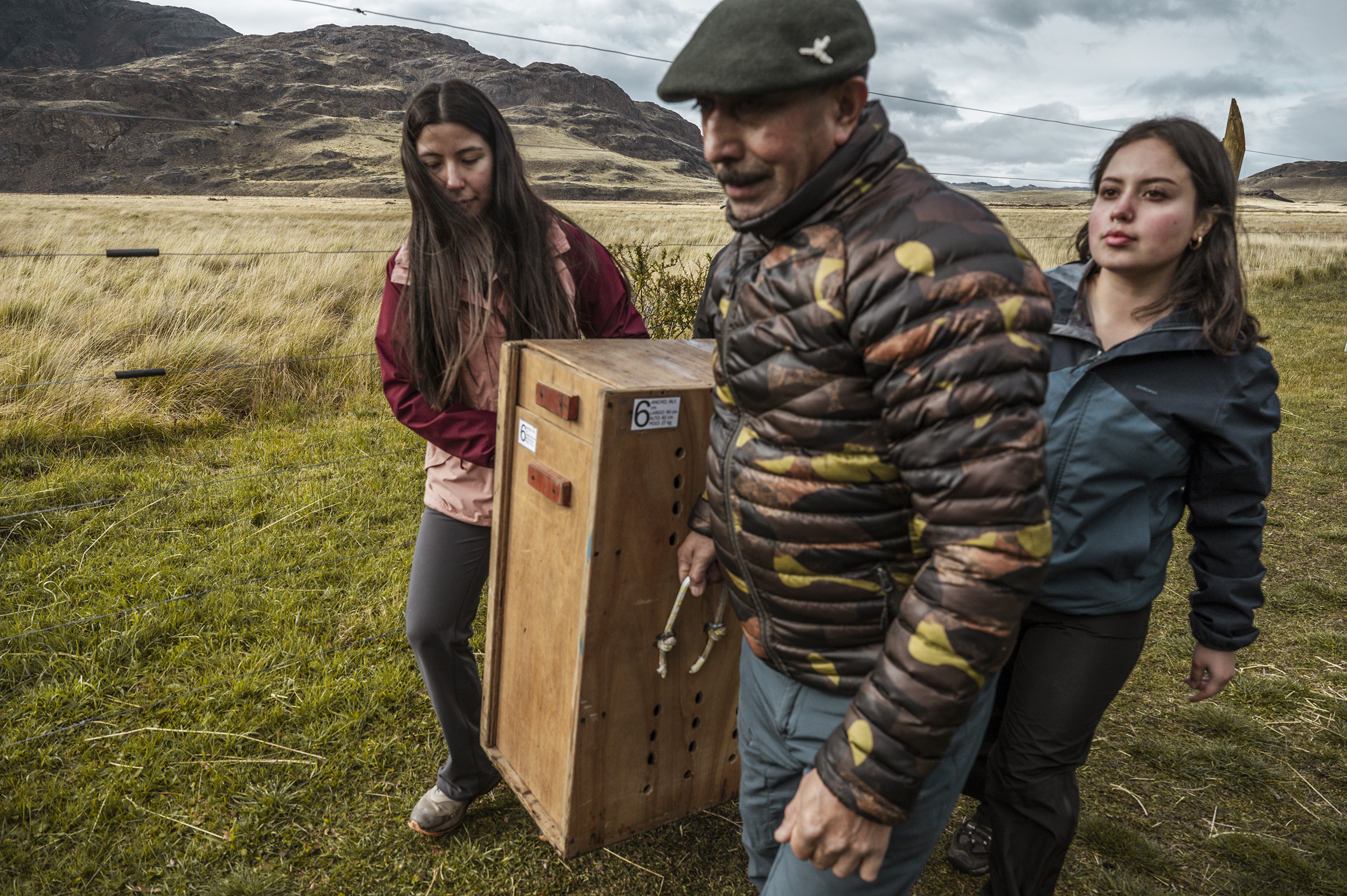
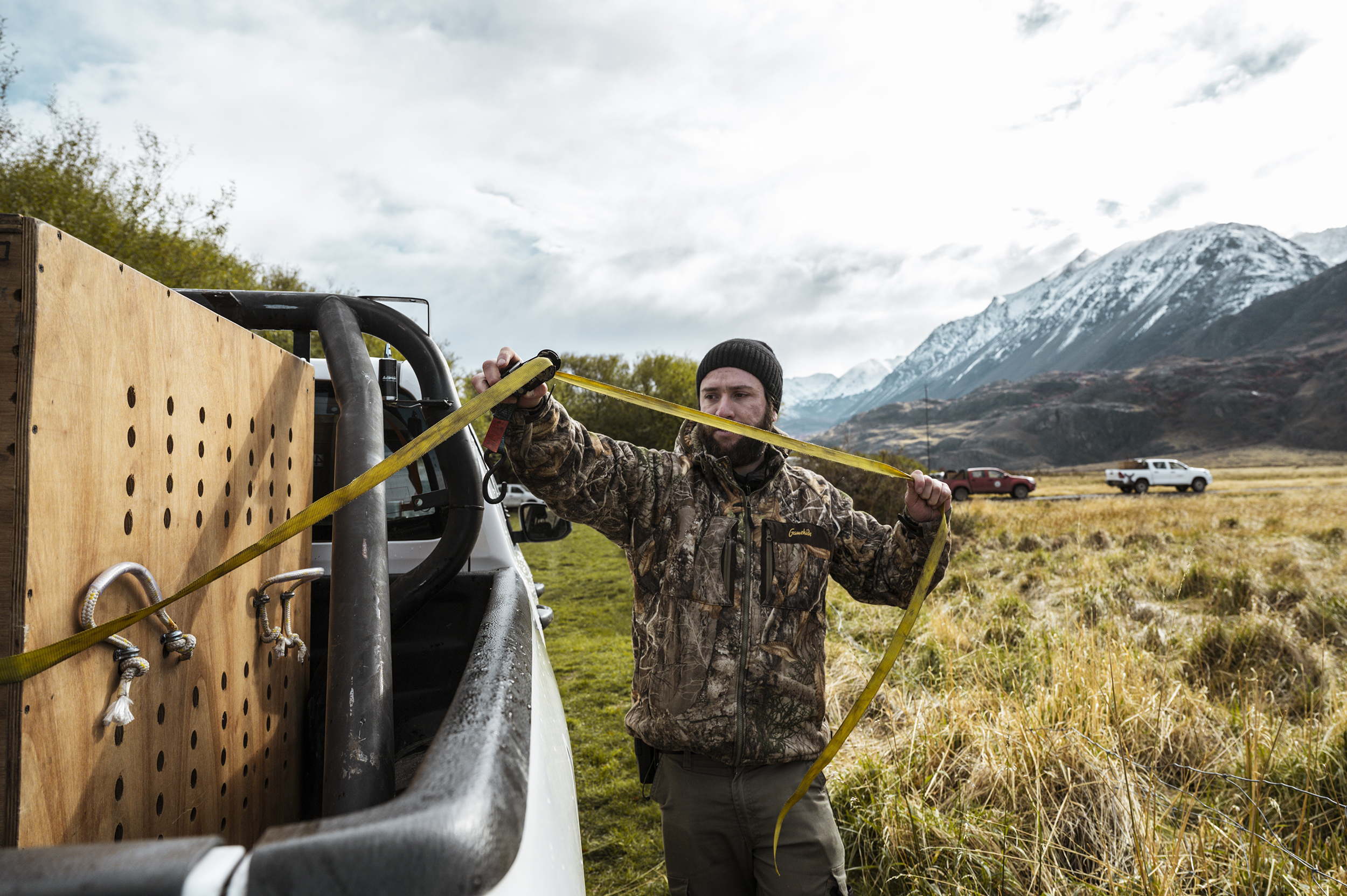
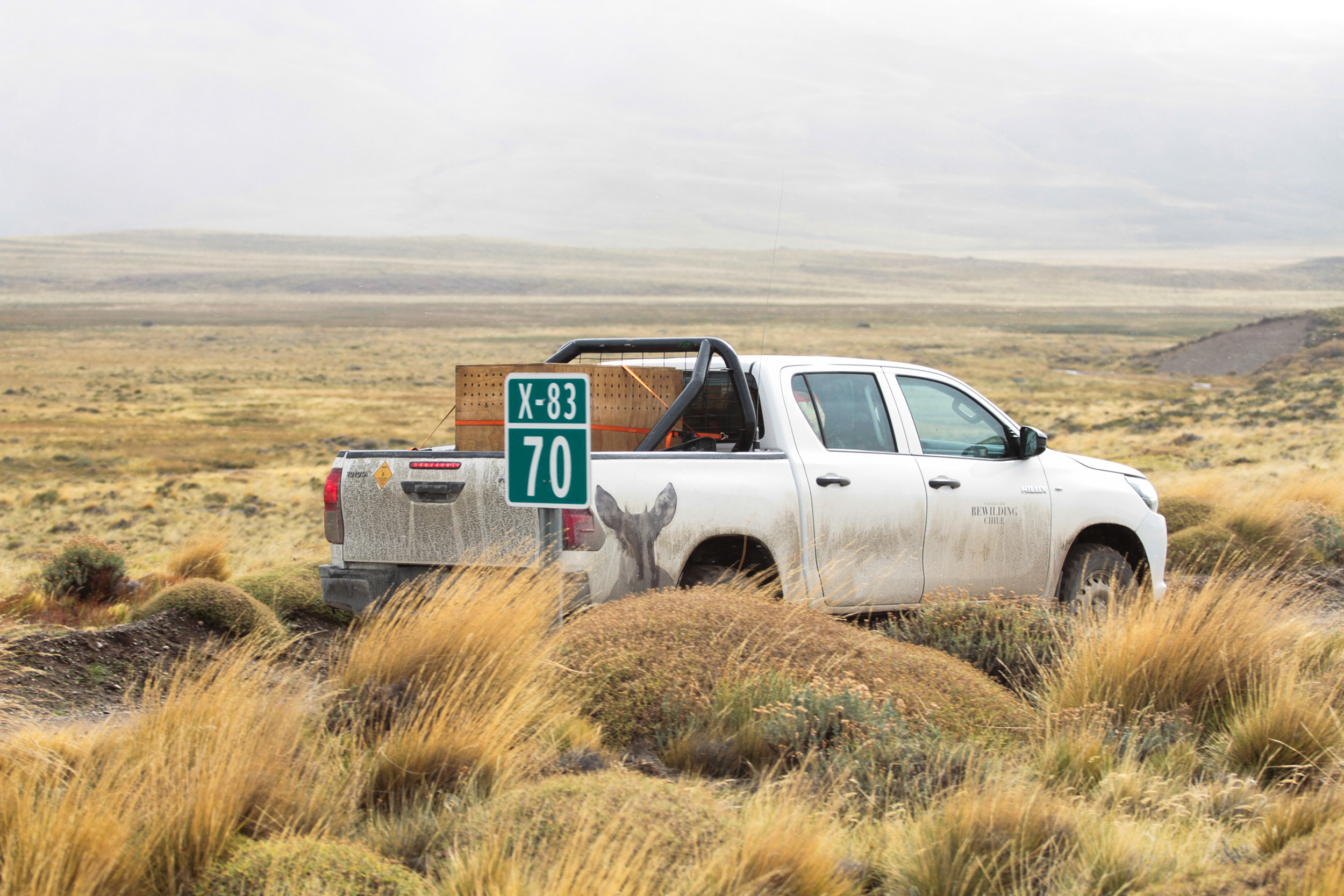
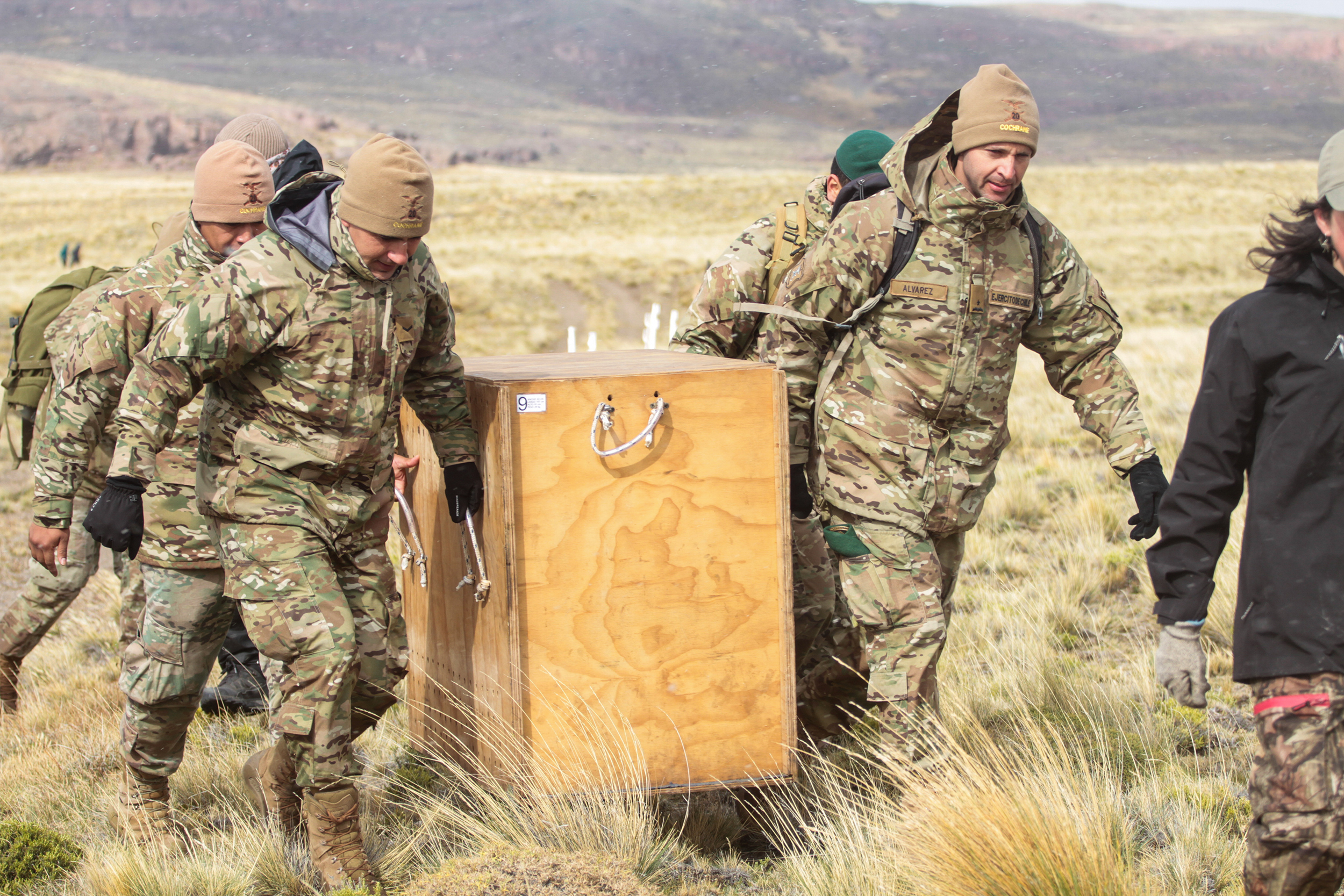
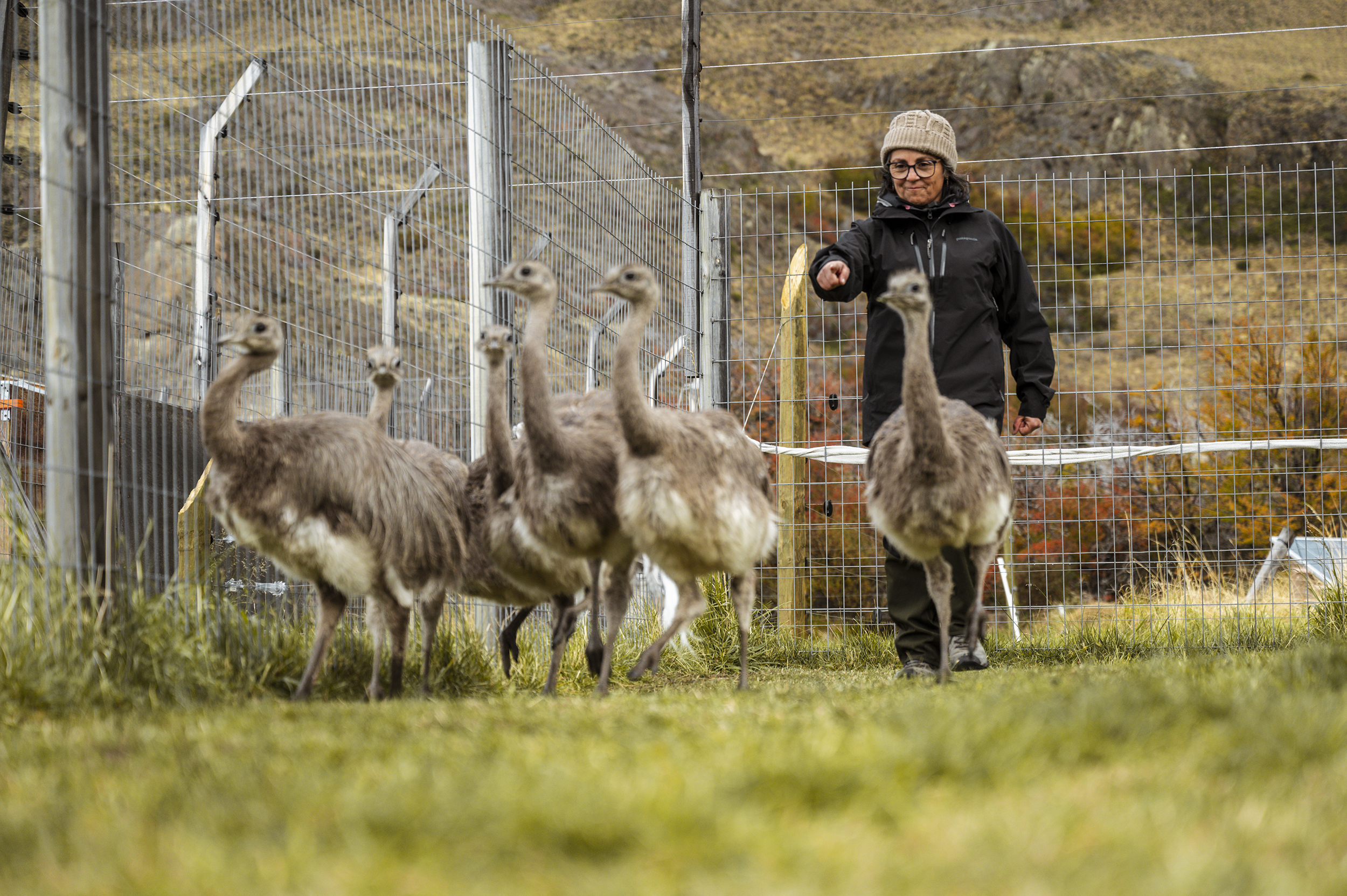
In total, 39 rheas chicks were released during March and April. The birds arrived by air last February from the breeding center at Quimán Reserve in Futrono, Los Ríos Region, to the Chacabuco Valley area of Patagonia National Park, where they remained in acclimatization pens before being released.
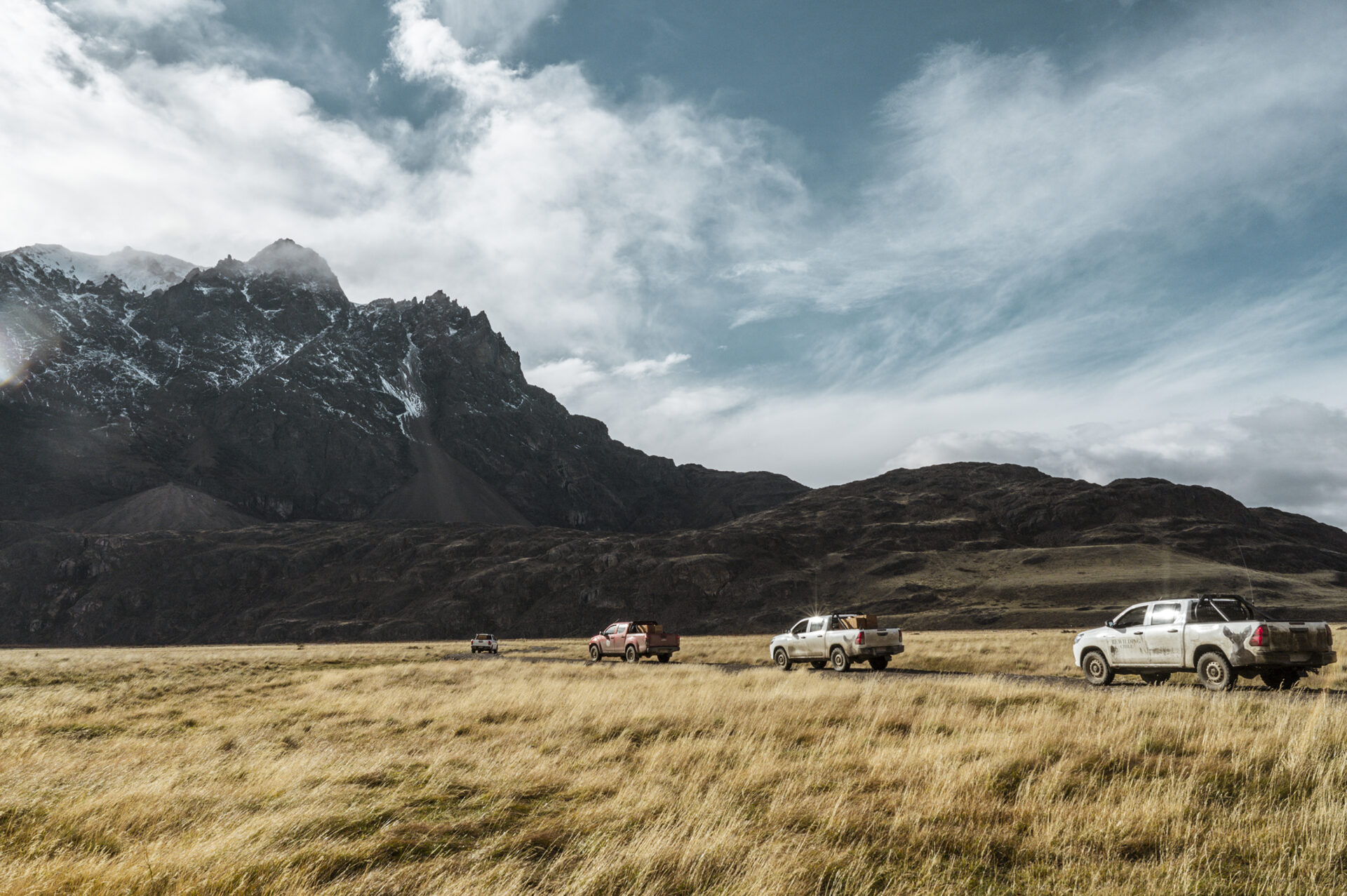
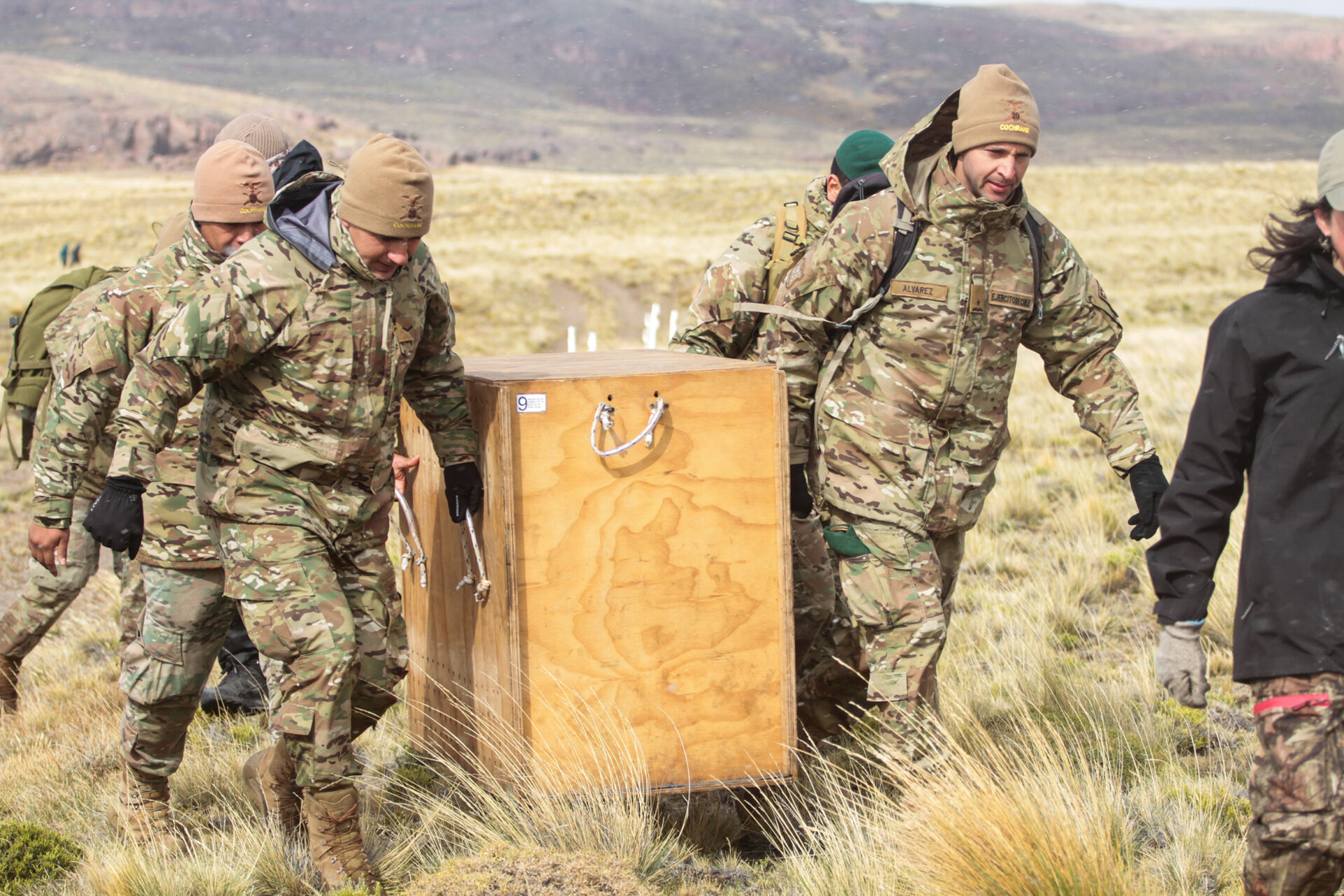
This initiative is part of Rewilding Chile’s Darwin’s Rhea Conservation and Recovery Program, developed in collaboration with CONAF, SAG, and Quimán Reserve, with support from the Chilean police force (Carabineros) and the Chilean Army.
For Cristián Saucedo, director of Rewilding Chile’s Wildlife Program, these annual releases demonstrate the strength of collective action:
“The rhea in this region is endangered, and as long as that remains the case, efforts to strengthen the species and increase its population will continue, along with ongoing actions to protect and monitor its habitat and control threats such as harassment and attacks by dogs. Everyone participating in this release understands that it represents an important stage in a year-round effort involving commitment, determination, and resources.”
Along the same lines, Camila Lynch, a CONAF park ranger at Patagonia National Park, highlighted that these releases “represent a significant milestone for the ecosystems of this territory, because conservation is not only a task but a shared responsibility, and we are grateful for the coordinated and sustained work of the different organizations involved.”
The Darwins Rhea Conservation and Recovery Program began in 2014, when Chacabuco Valley was transitioning from a livestock ranch into a national park. In just over a decade, what started as a local effort has evolved into a strong international collaboration network: in 2025, the first translocation of specimens from Argentina took place, and this year Peruvian experts participated in the releases for the first time to exchange experiences.
The representatives from Serfor — Peru’s National Forest and Wildlife Service — Martín Zambrano and Gabriel Bazán, are working in Peru to monitor and strengthen the population of the suri (Rhea pennata tarapacensis), a subspecies known as the northern rhea, which is critically endangered both in Peru and Chile.
“The suri is basically the choique’s close cousin, so we don’t want to reinvent the wheel. There is already highly advanced work here in release and breeding efforts, and we believe this is the ideal way to increase suri populations in southern Peru,” said Martín Zambrano, head of Serfor’s Mariscal Nieto office.
Residents from Chile Chico, Puerto Ingeniero Ibáñez, Villa Cerro Castillo, and Cochrane also actively participated in the release events. Vinskovita Jorquera, one of 15 residents from Chile Chico who traveled 211 miles to attend, described the experience emotionally:
“We left Chile Chico at 7 in the morning. It’s a five-hour trip to get there, and I had the incredible opportunity to be there at the exact moment, opening the transport crate together with another participant. It was a wonderful experience. Fortunately, it was drizzling, which helped hide the little tears rolling down my face.”
“The rhea in this region is endangered, and as long as that remains the case, efforts to strengthen the species and increase its population will continue, along with ongoing actions to protect and monitor its habitat and control threats such as harassment and attacks by dogs. Everyone participating in this release understands that it represents an important stage in a year-round effort involving commitment, determination, and resources.”
Monitoring and Satellite Tracking
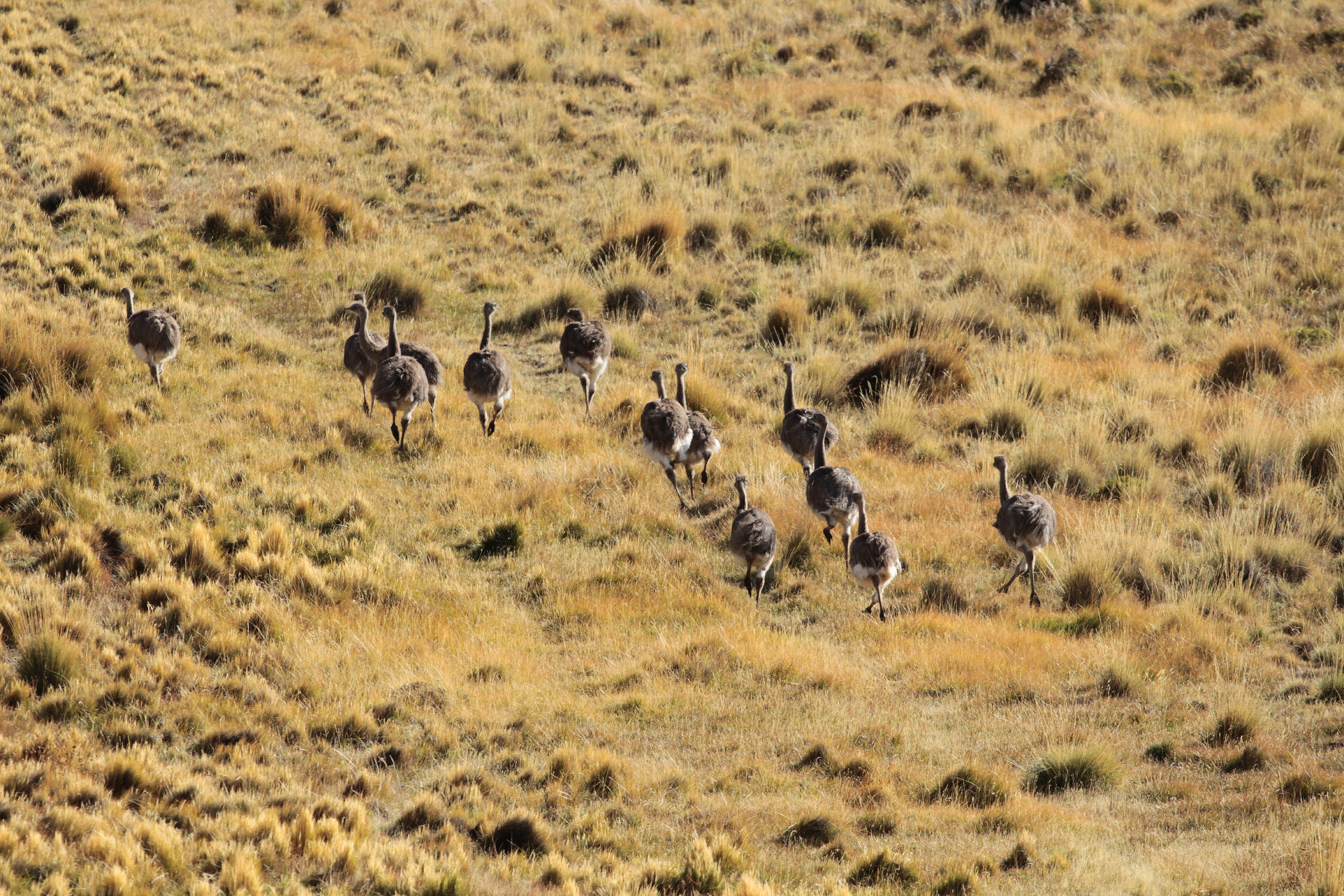
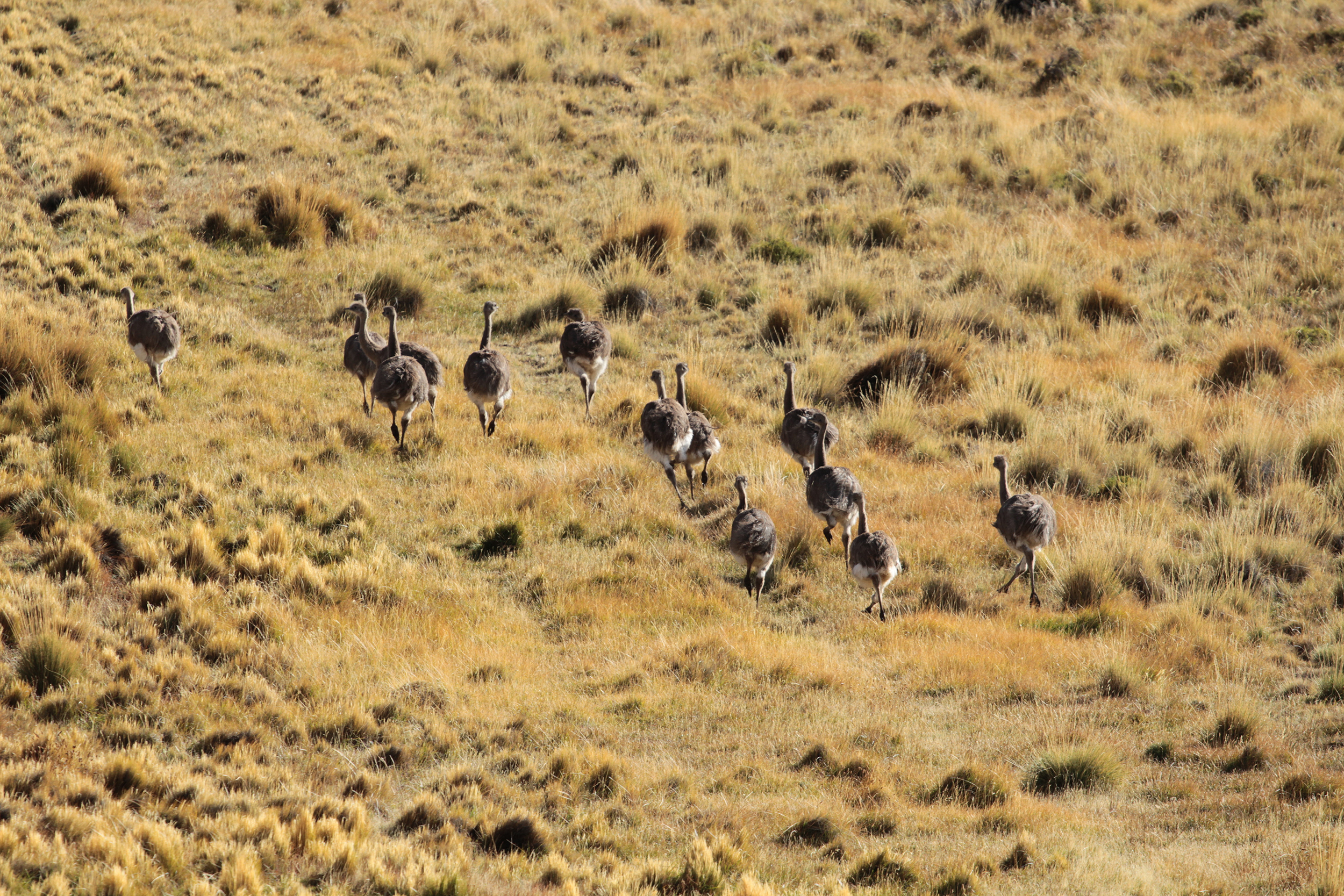
Following the releases, Rewilding Chile’s Wildlife team conducts field monitoring to document the behavior and integration of the released birds into the wild, as well as to track their movements. The rheas typically seek to join other groups of their species grazing in the Entrada Baker sector.
Additionally, one individual released last year has been monitored using a GPS collar. Nicknamed “The Argentine,” this female has traveled across more than 247105 acres, connecting Valle Chacabuco with Paso Zeballos in Argentina and the Jeinimeni sector, revealing an interesting and previously undocumented seasonal altitudinal movement that the program hopes to study further.
The Darwin’s rhea — the largest bird in Chile and a flightless species — plays a key ecological role in the recovery of Patagonian ecosystems. As it travels long distances searching for insects, leaves, and fruits, it disperses seeds through its droppings, contributing to the regeneration of steppe ecosystems.