New land donation of over 55,000 acres by Rewilding Chile to Advance the Creation of Cape Froward National Park
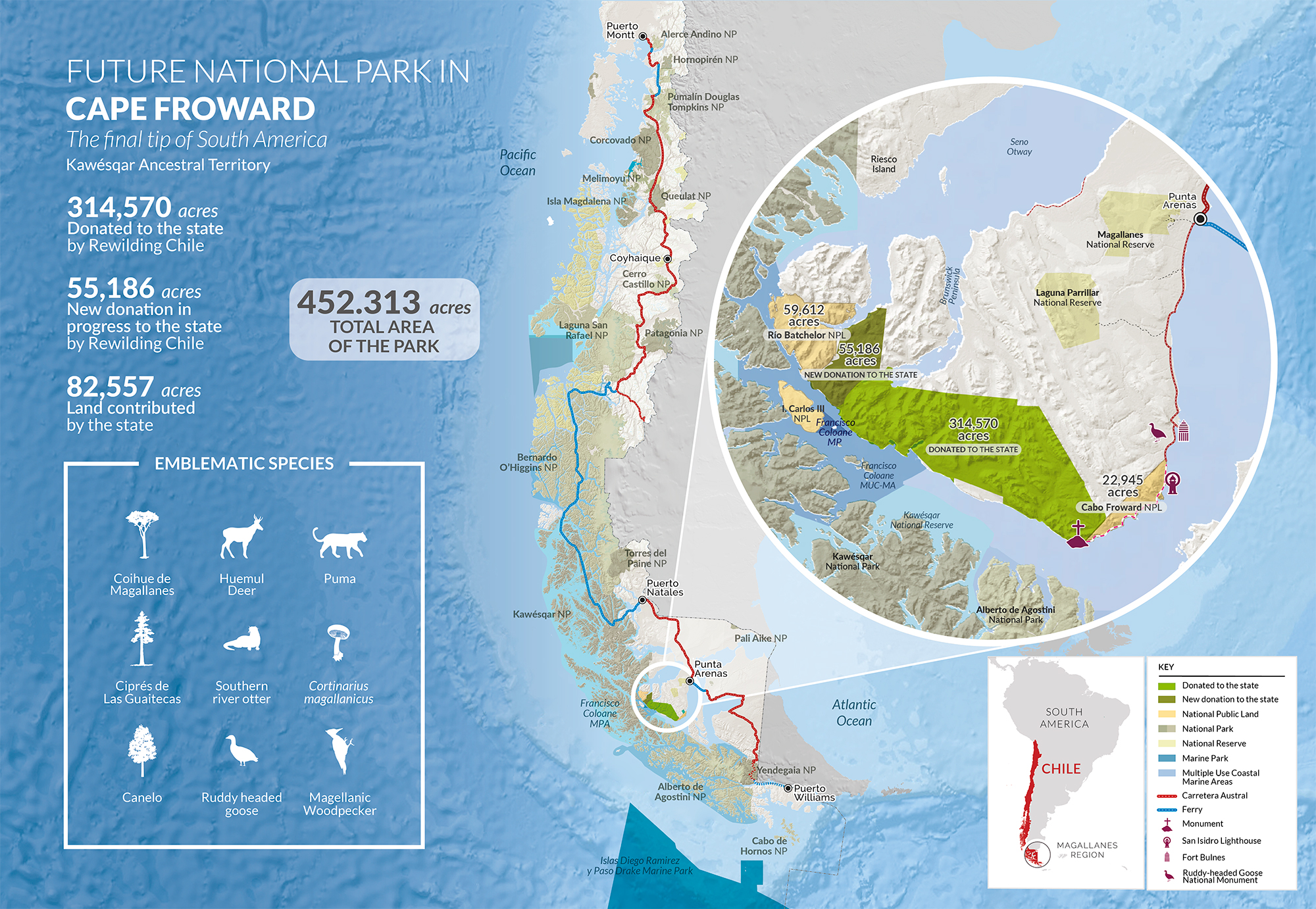
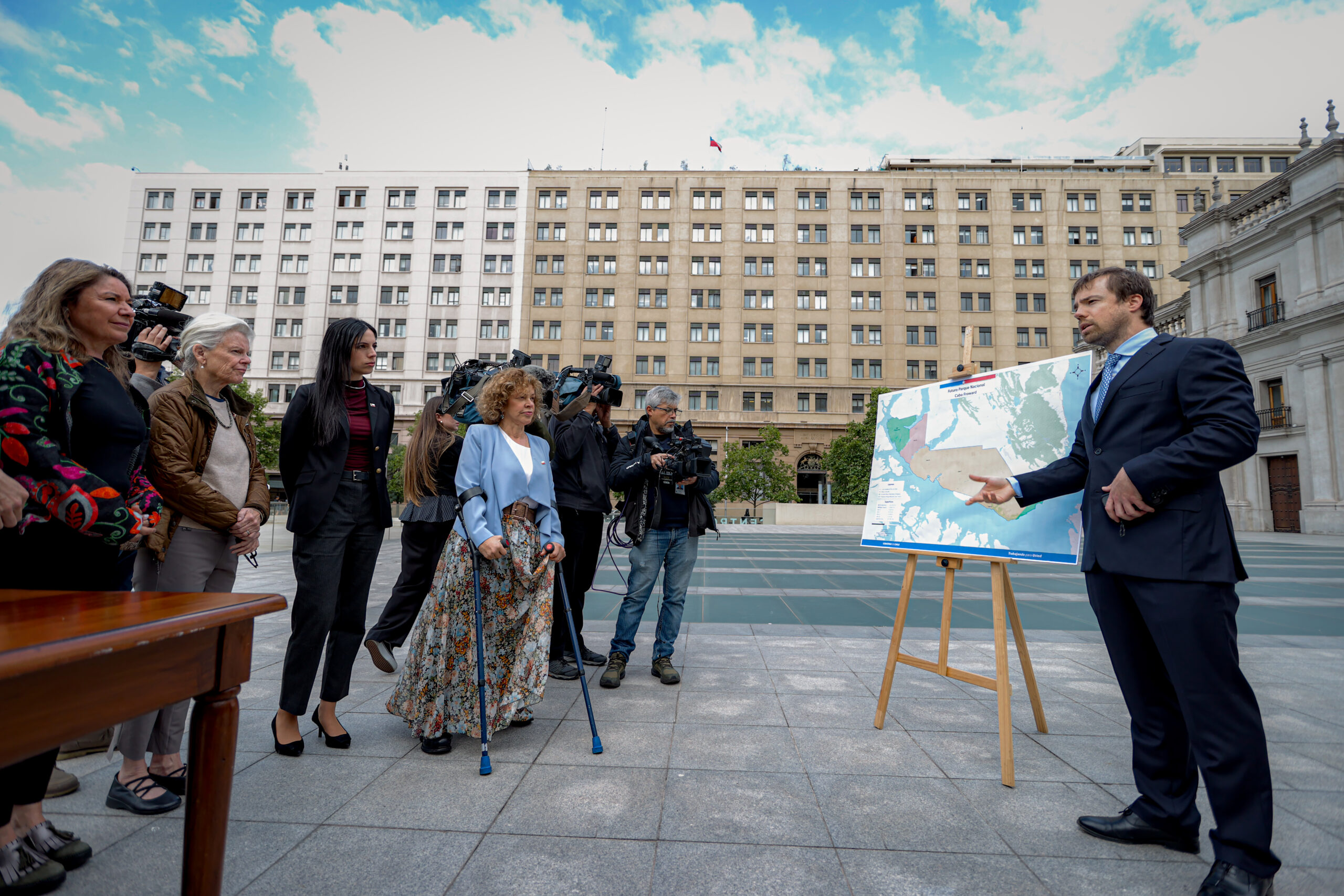
A new supplementary protocol was signed by the Ministry of National Assets, the Ministry of the Environment, the Biodiversity and Protected Areas Service (SBAP), and Rewilding Chile, to include a new land donation of 55,181 acres. With this addition, the future national park will encompass approximately 452,400 acres.
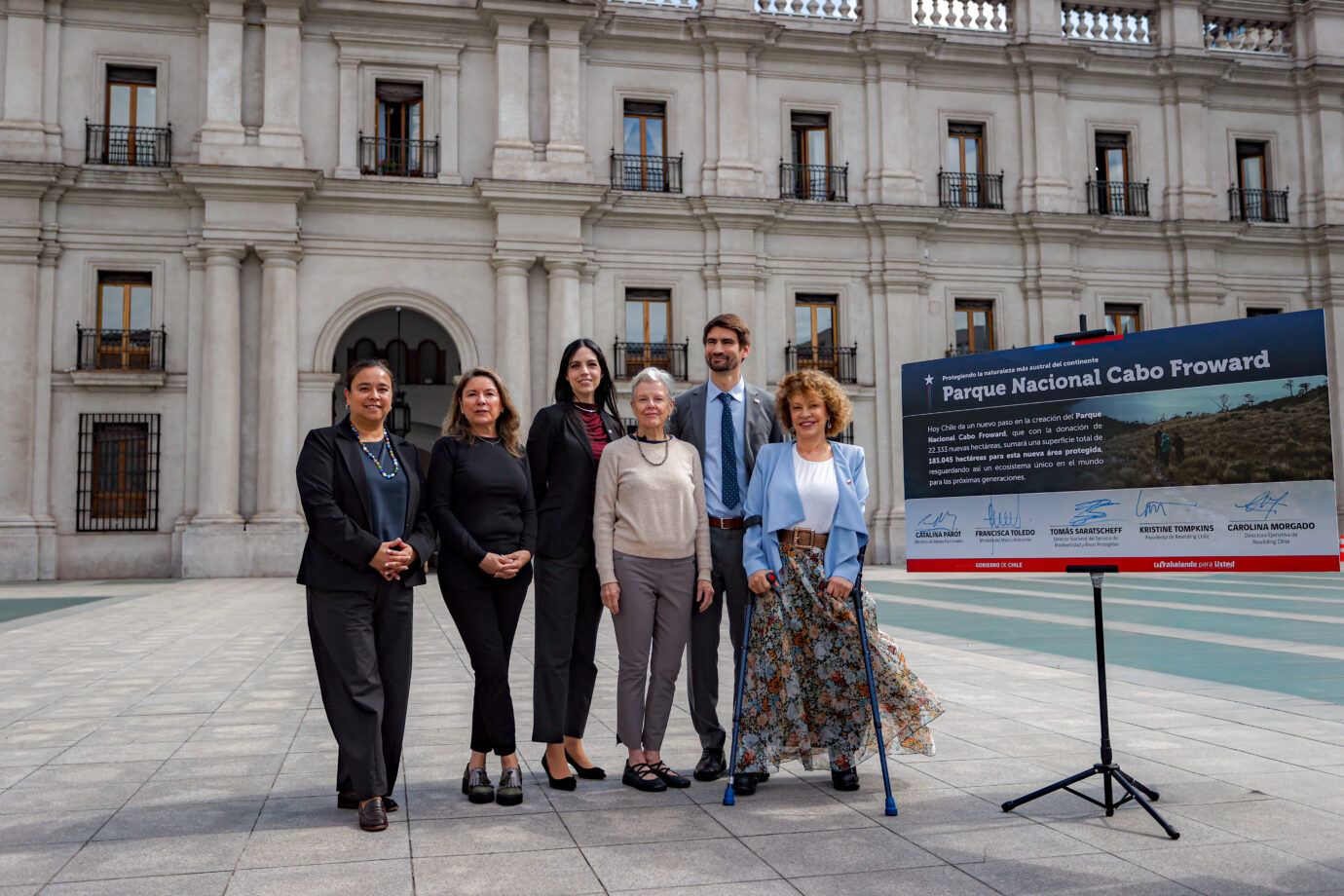
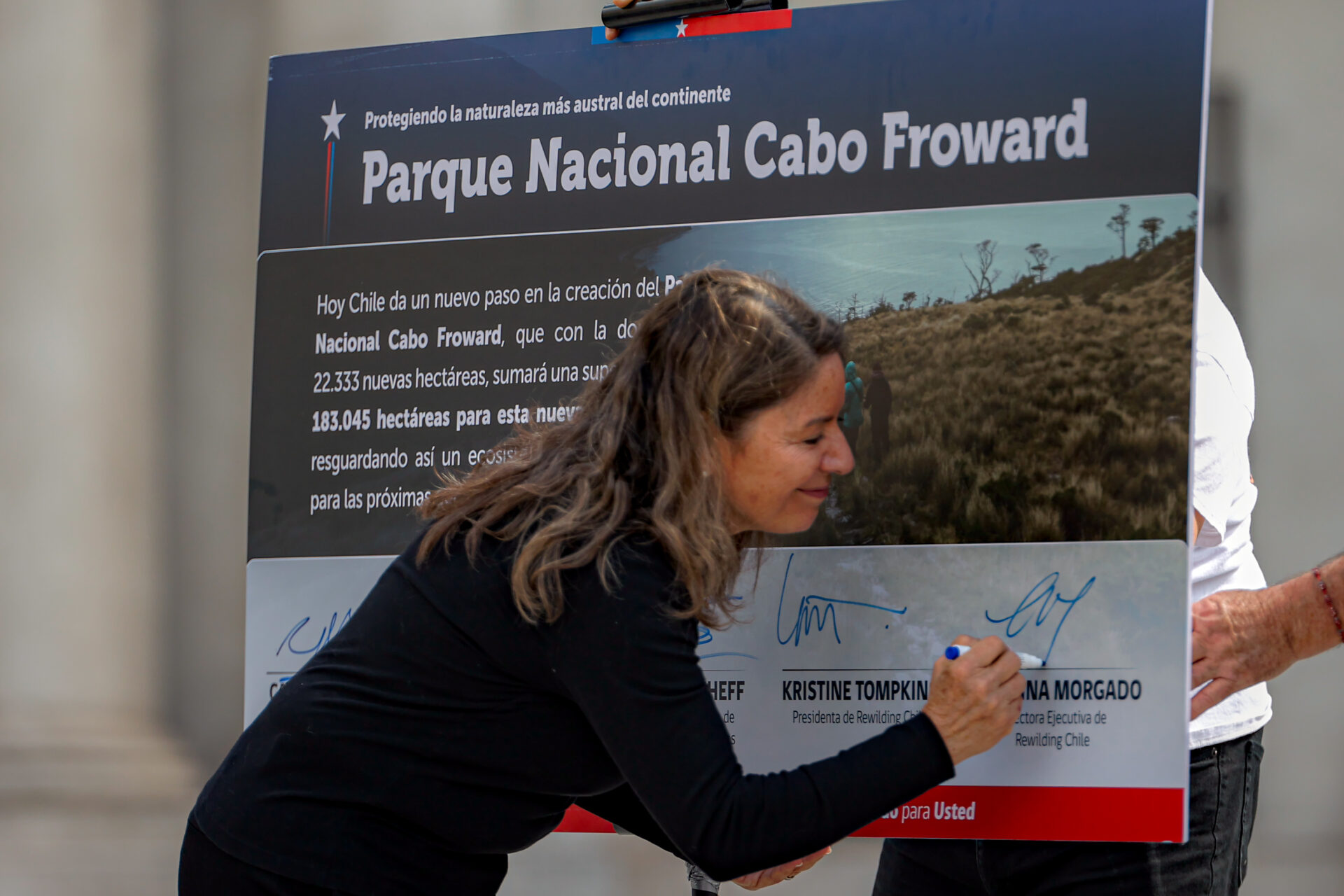
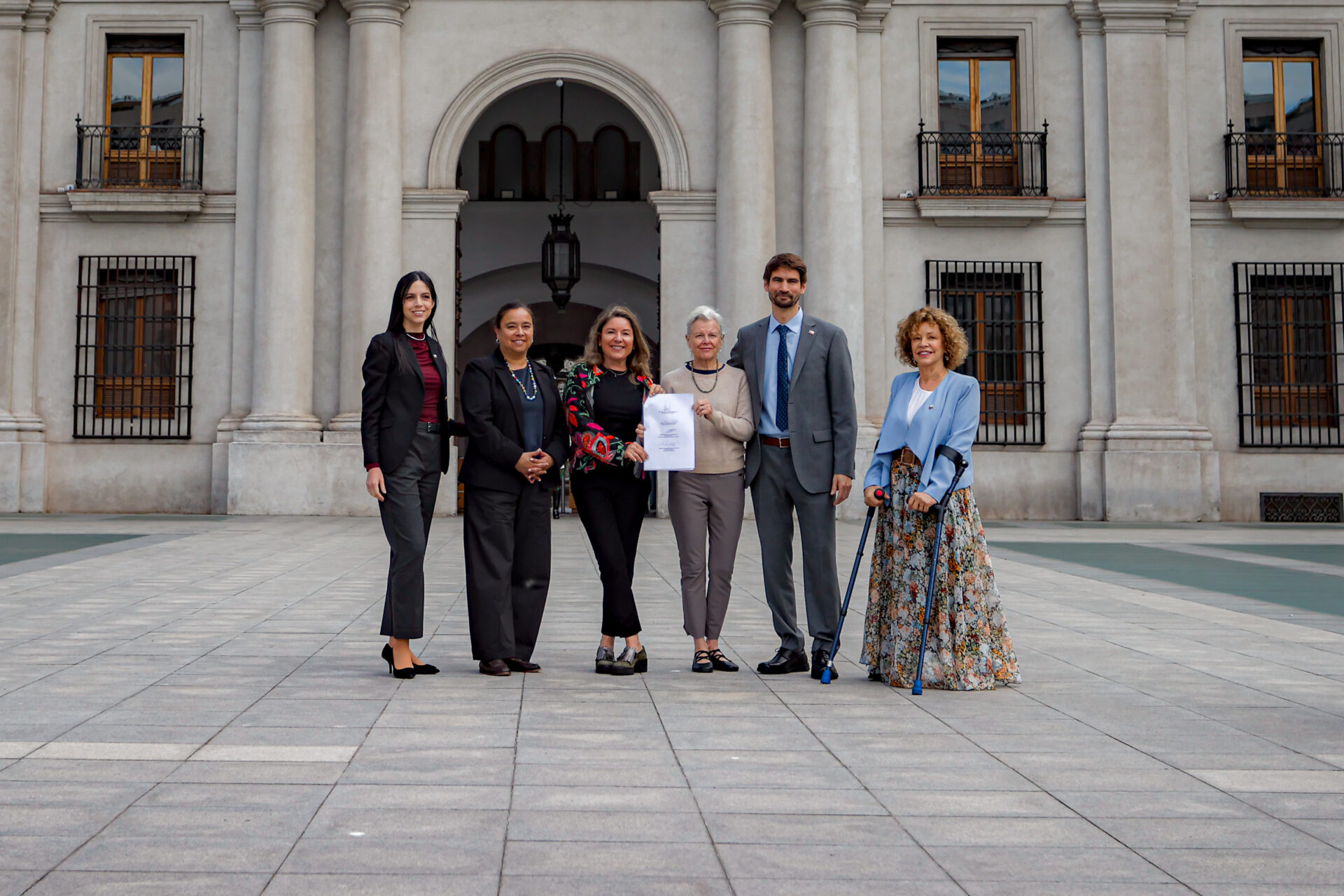
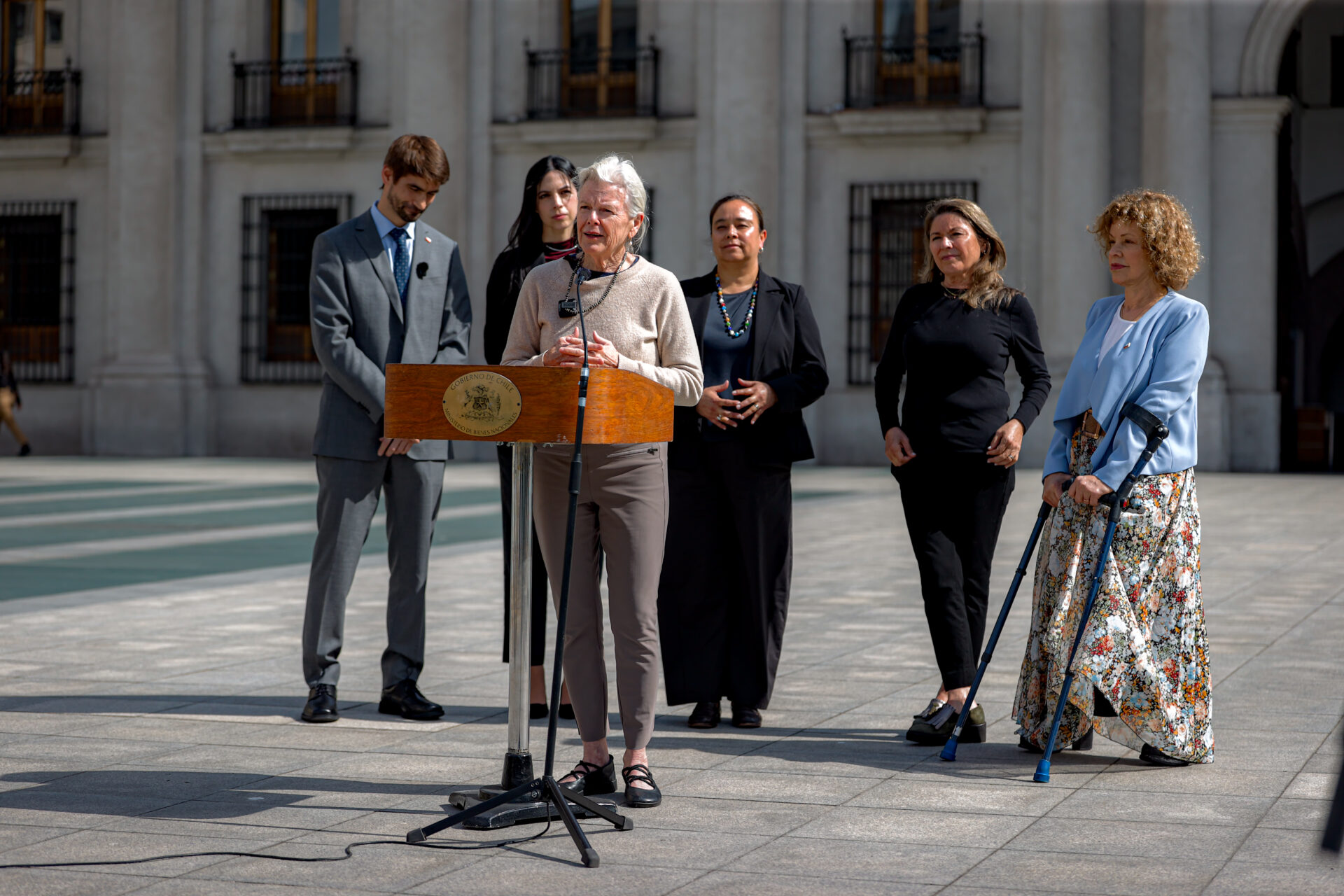
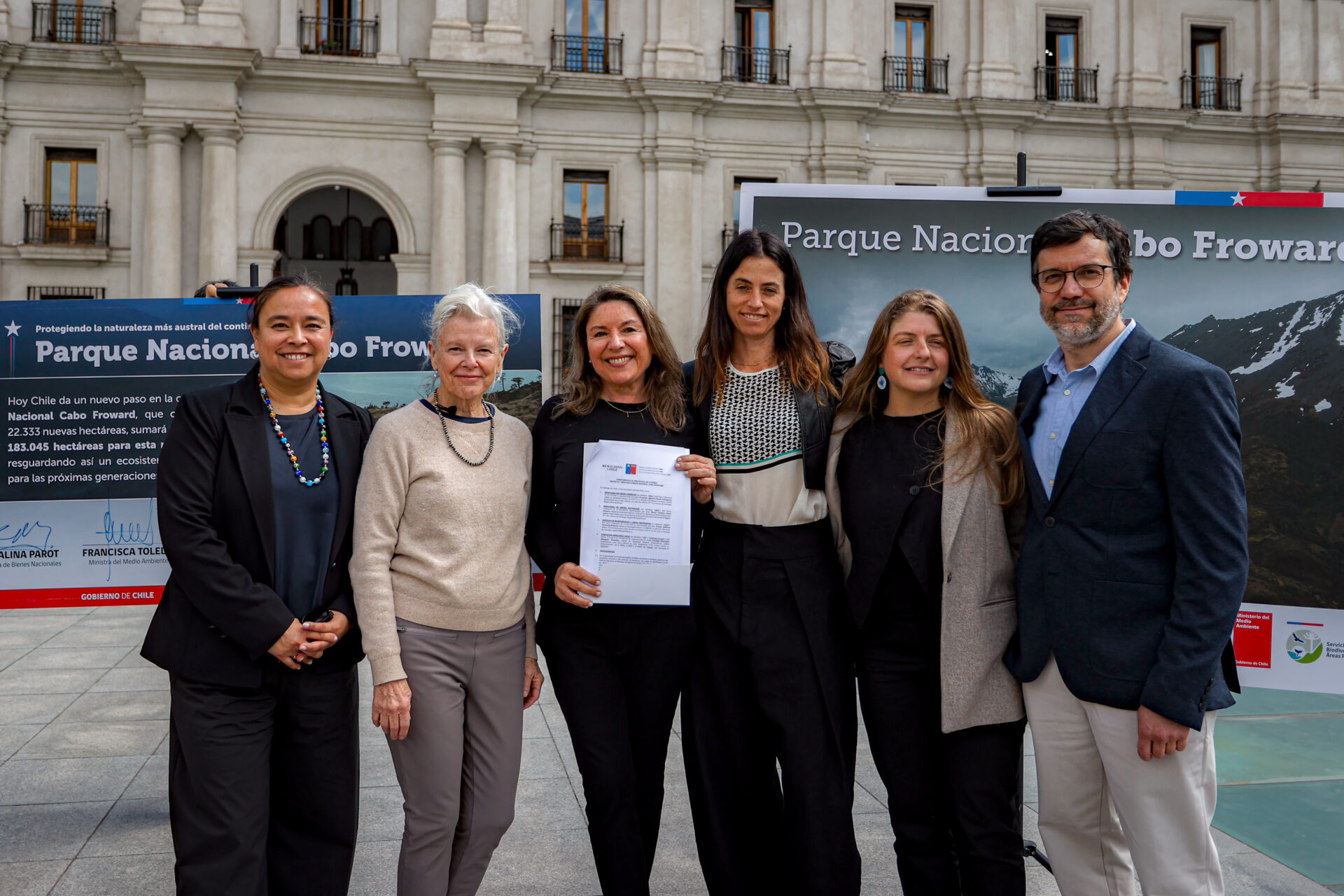
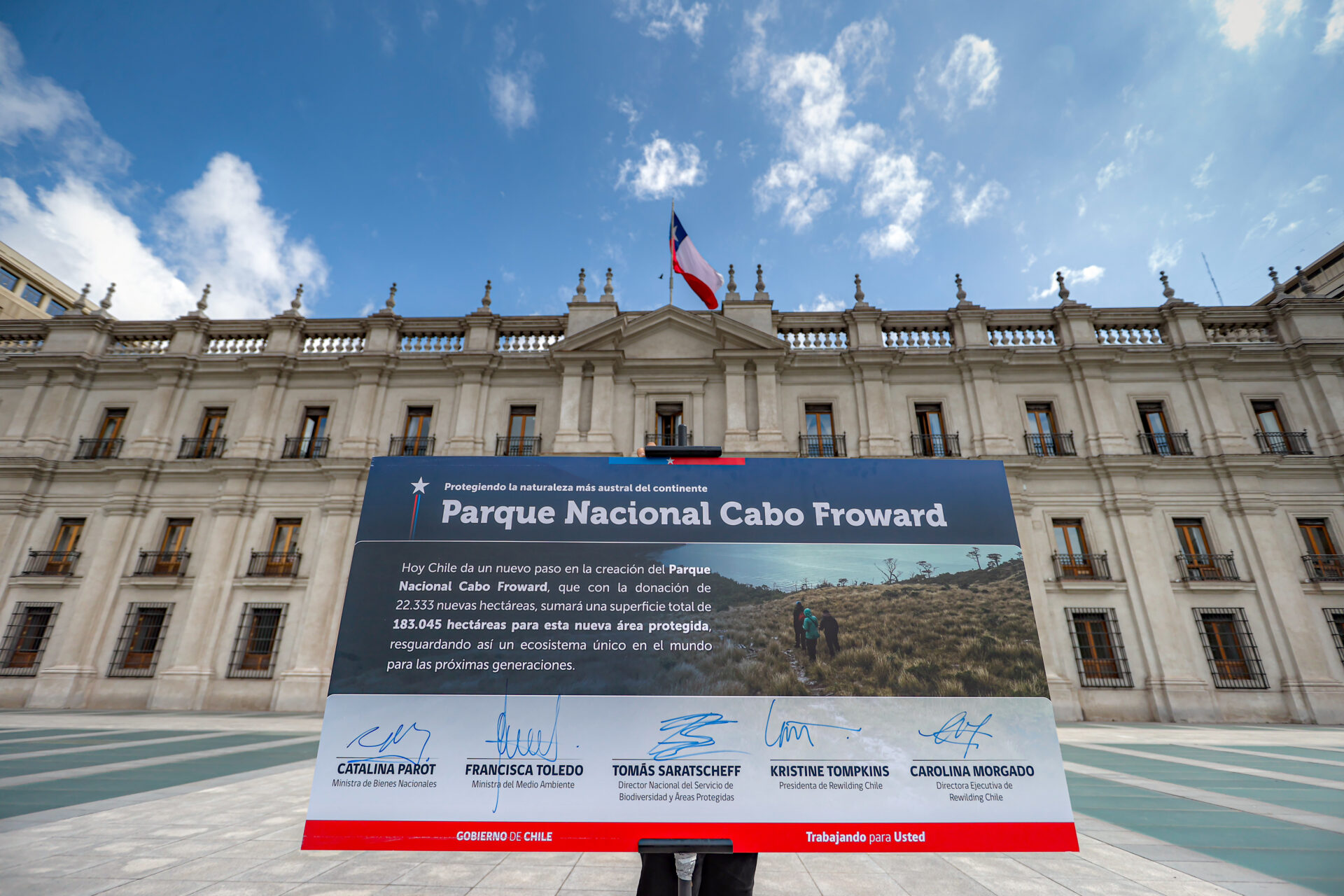
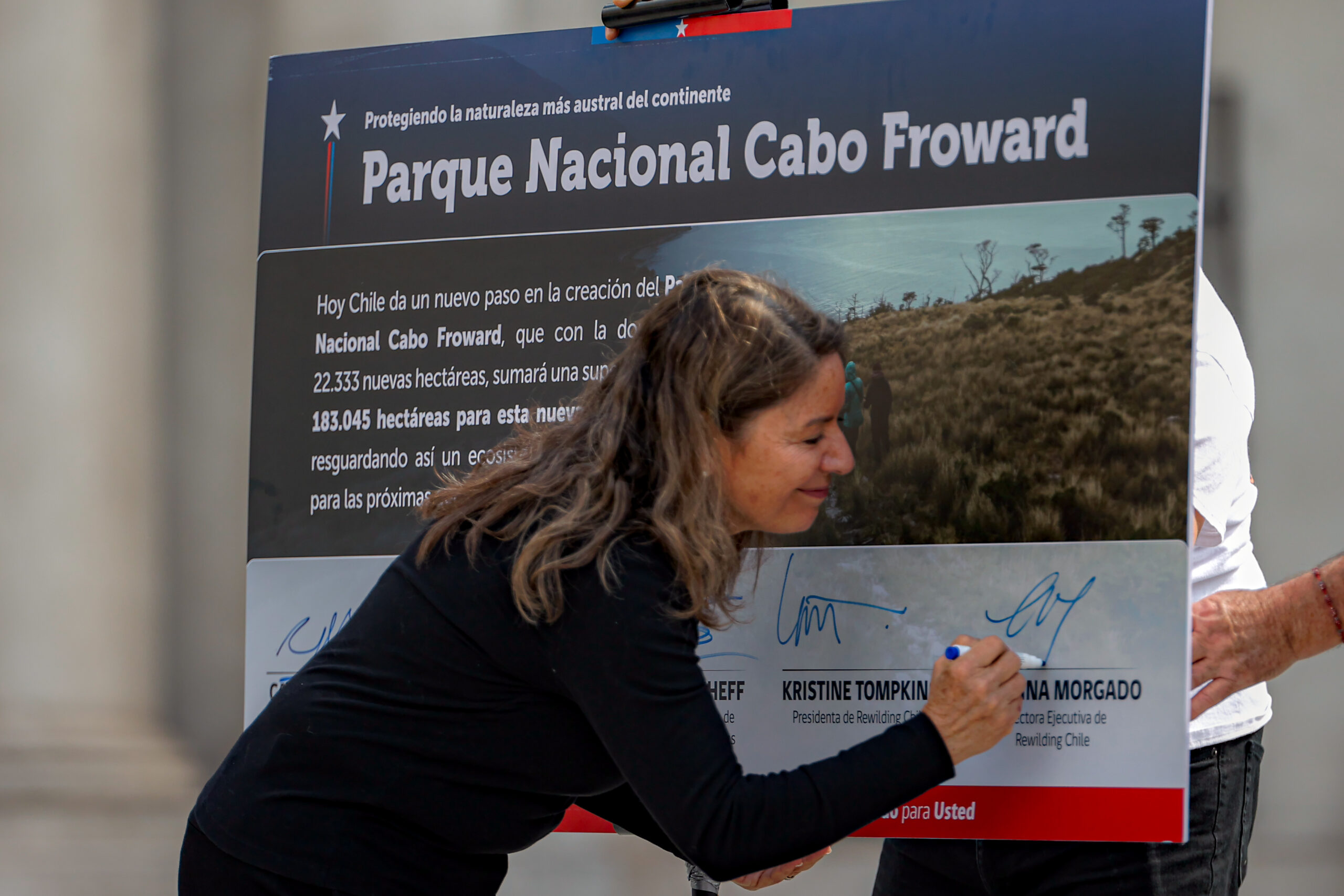
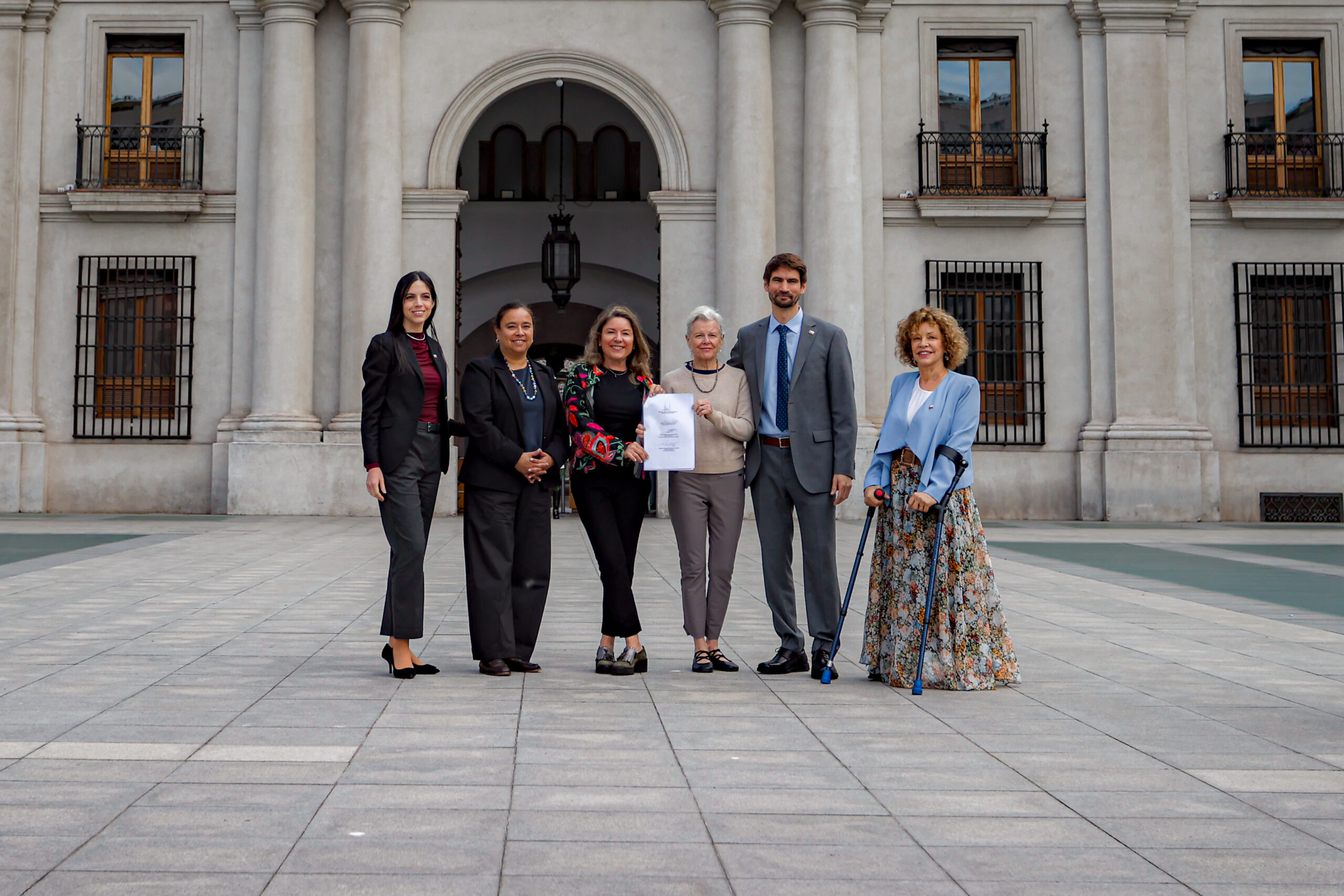
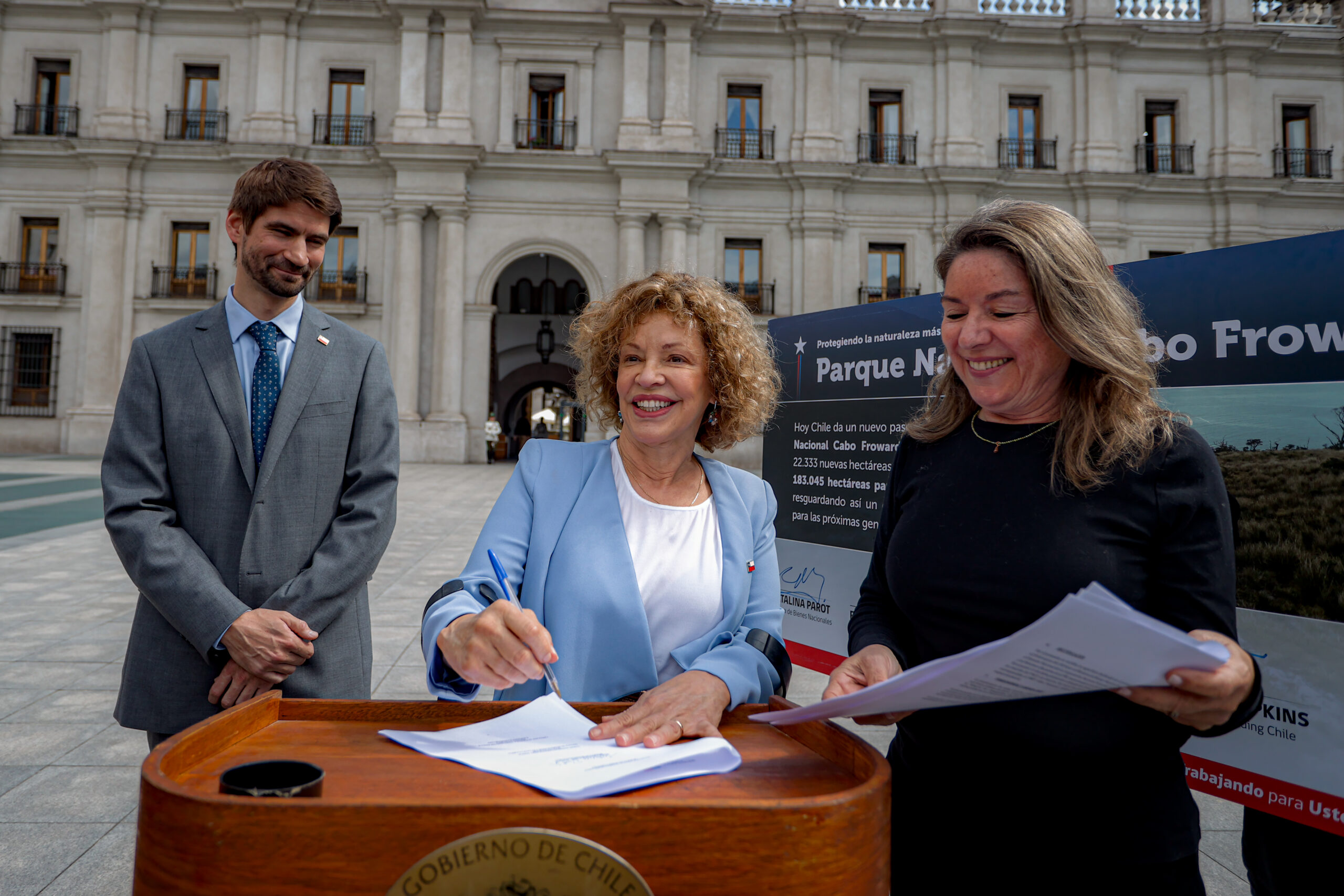
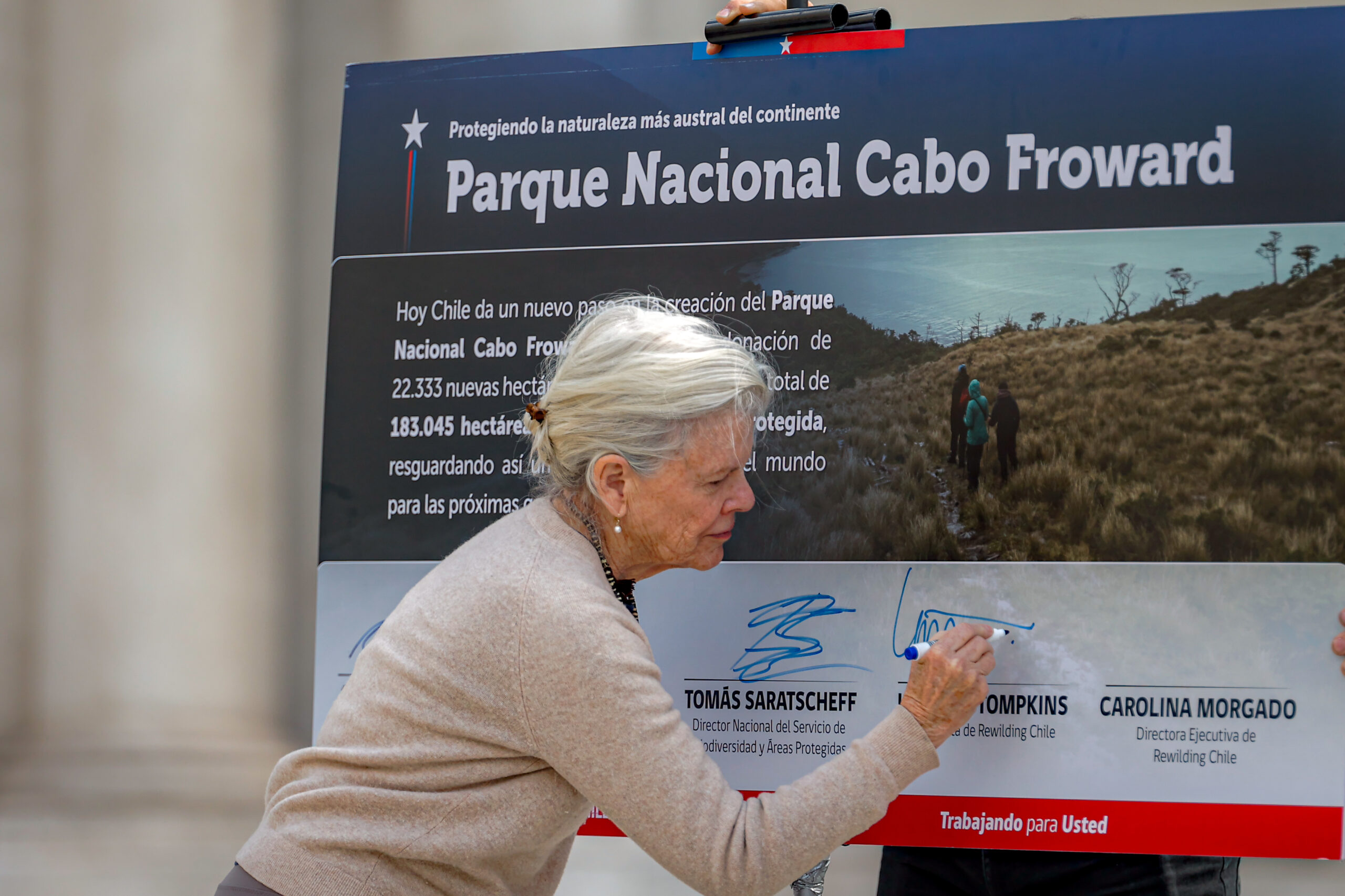
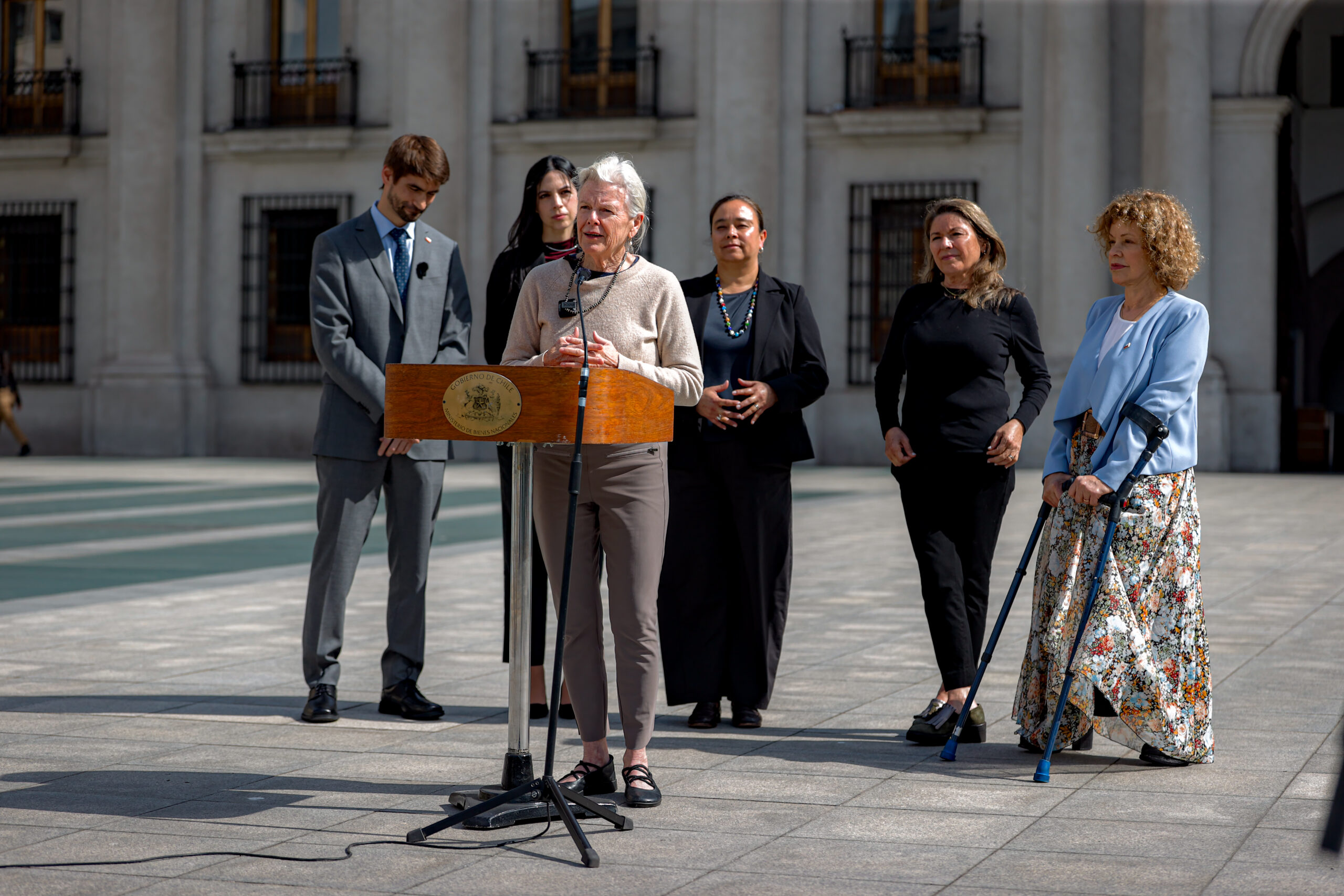
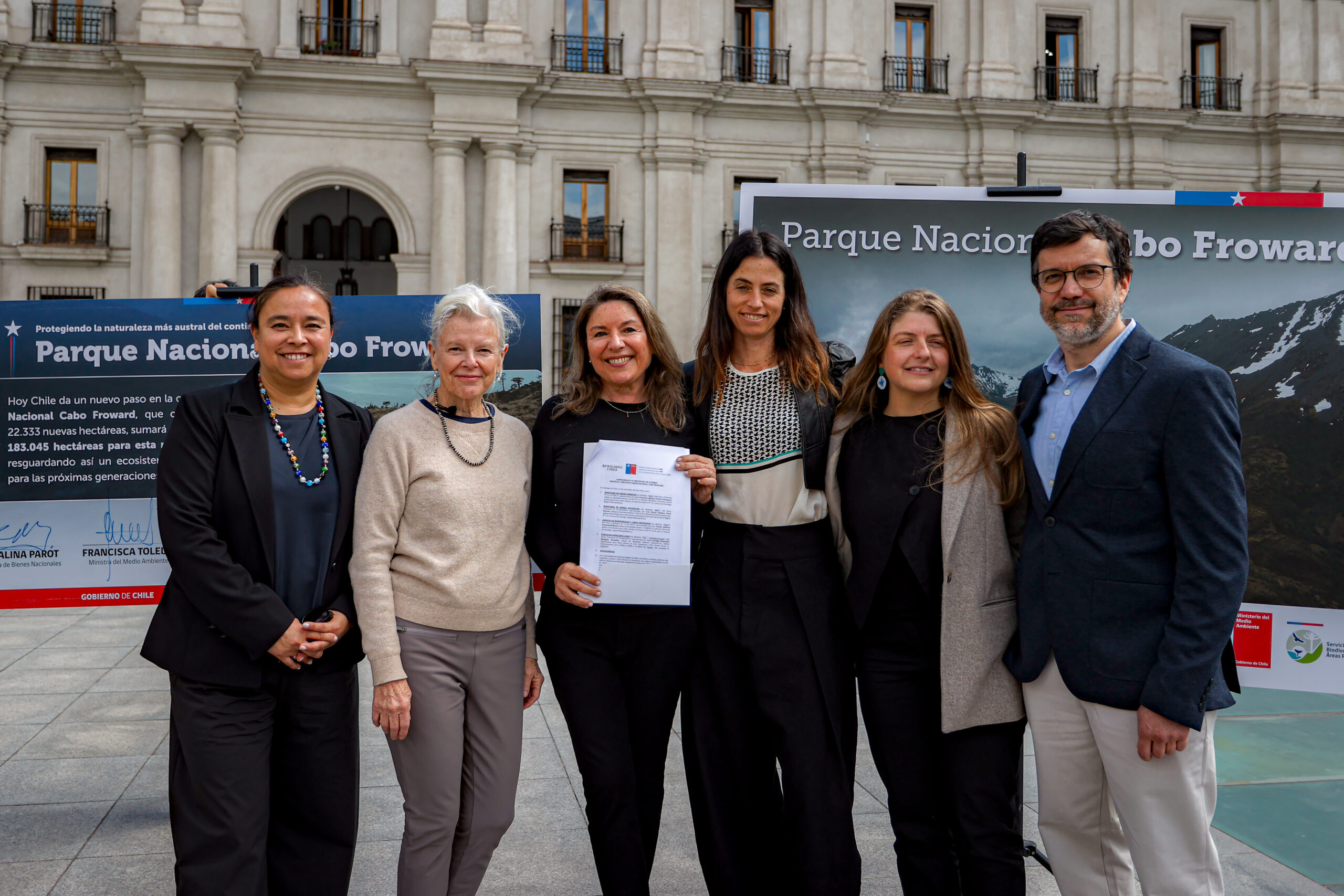
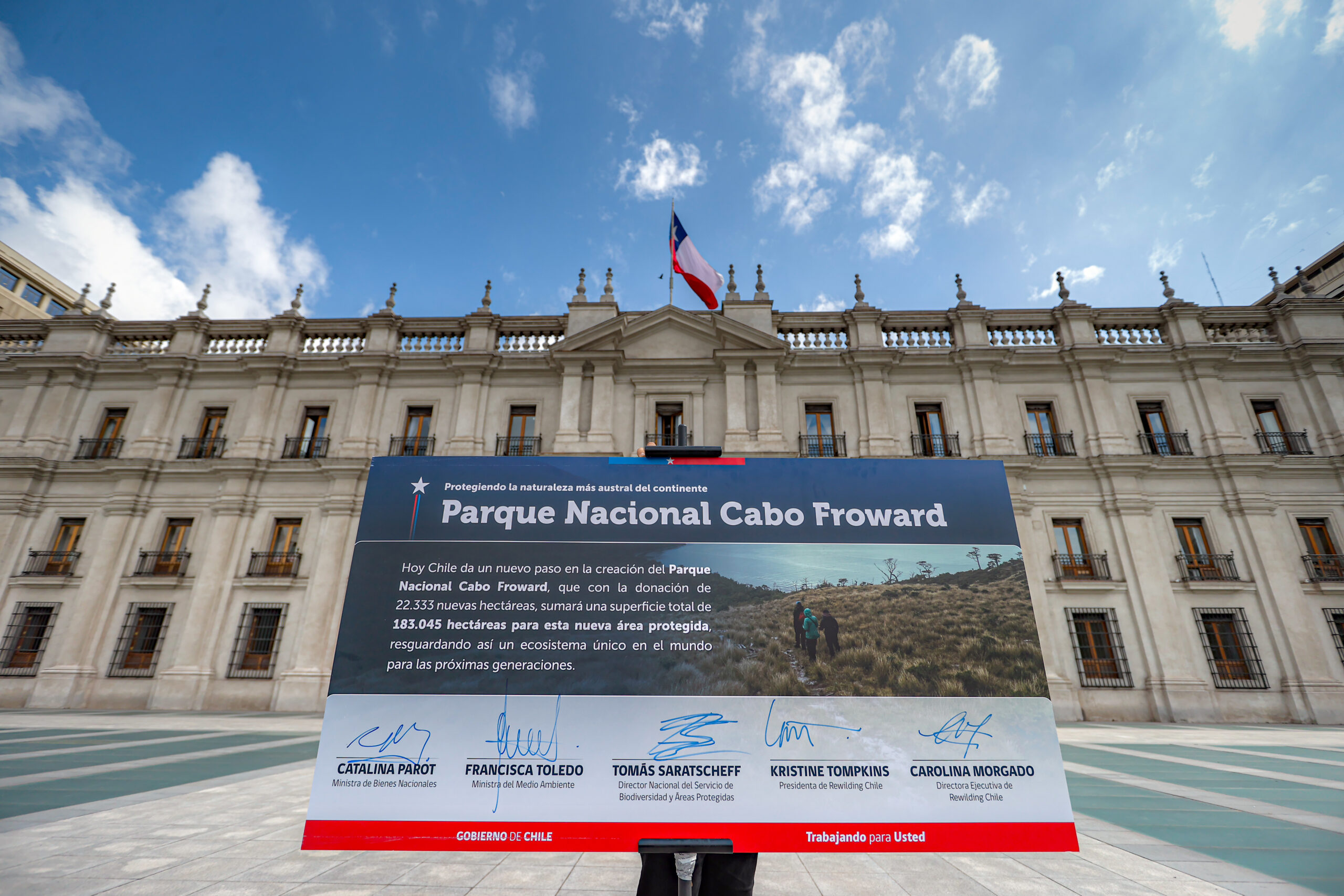
On Tuesday, Minister of National Assets Catalina Parot Donoso; Minister of the Environment Francisca Toledo Echegaray; National Director of the Biodiversity and Protected Areas Service (SBAP) Tomás Saratscheff Bosch; and Rewilding Chile President Kristine Tompkins, together with Executive Director Carolina Morgado, signed a Supplementary Agreement Protocol to advance the establishment of the future Cape Froward National Park, located in the municipality of Punta Arenas. This marks another major milestone in one of the most significant large scale conservation initiatives in the country.
The agreement will formalize the new donation of 55,181 acres. This land adds to the 314,534 acres already donated to the State by Rewilding Chile, which were officially registered under State ownership in November 2025, as well as public lands within the Río Batchelor and Cape Froward Protected Areas, established in 2006 for conservation purposes. Together, these lands will bring the project to approximately 452,400 acres under permanent state protection and management.
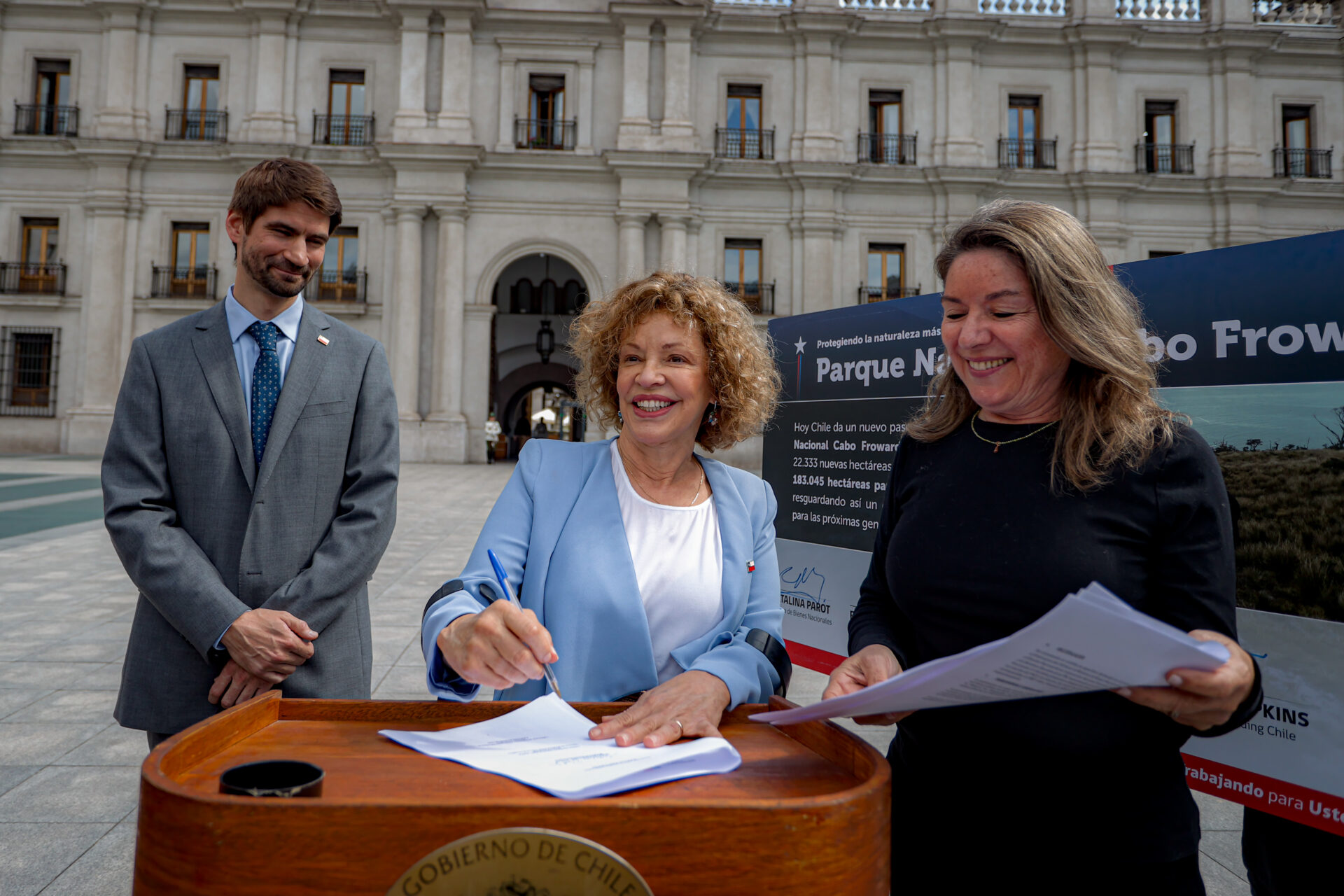
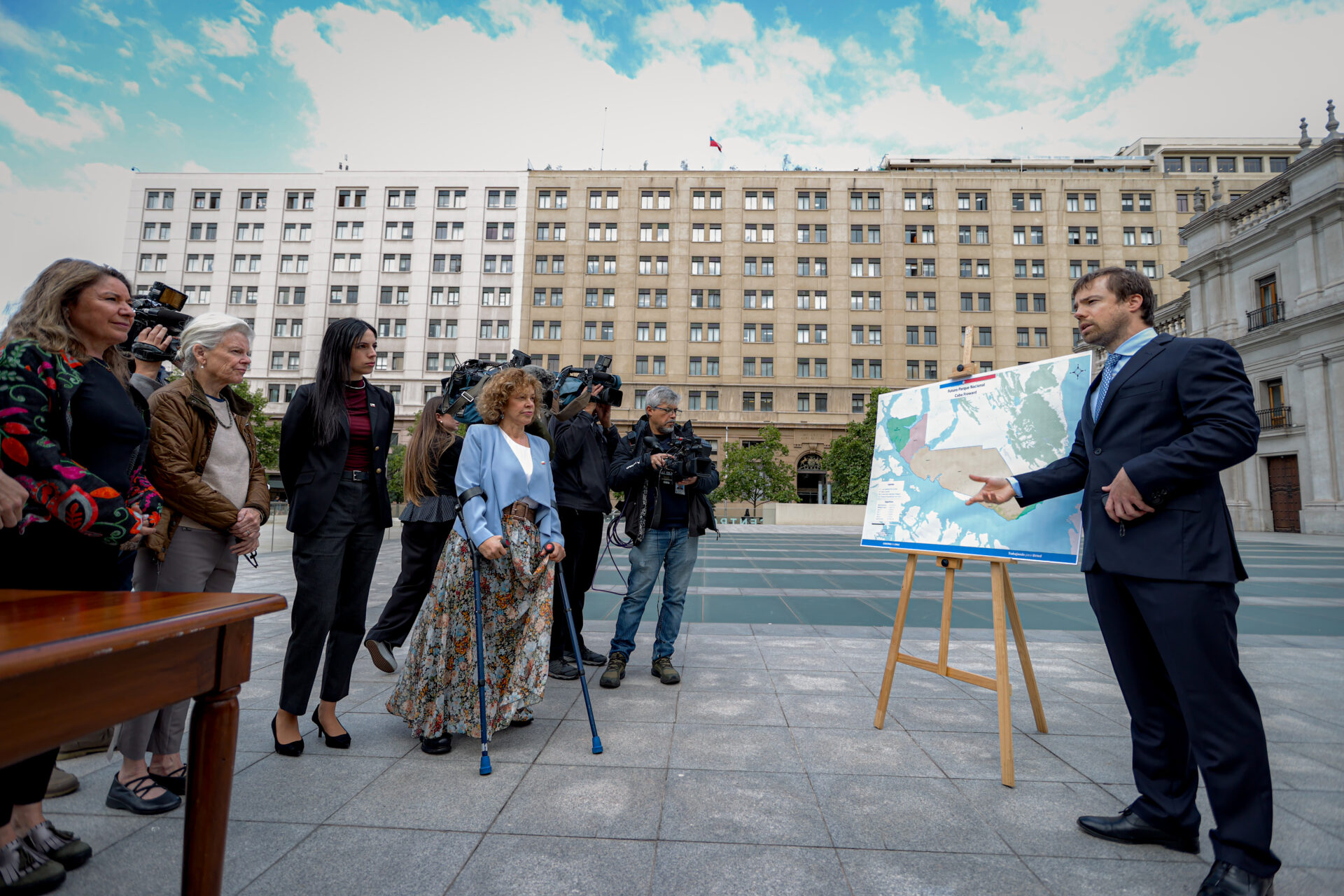
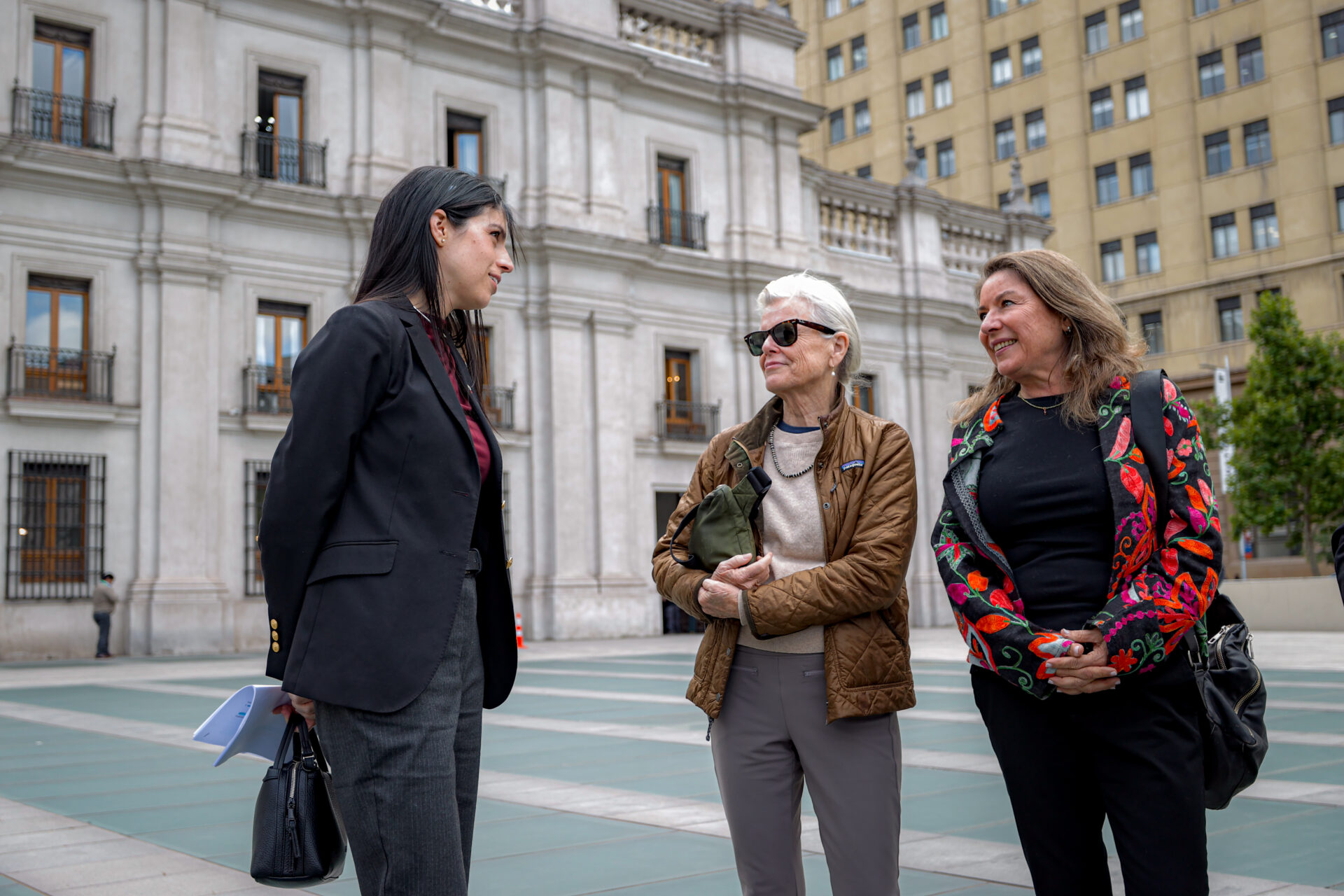
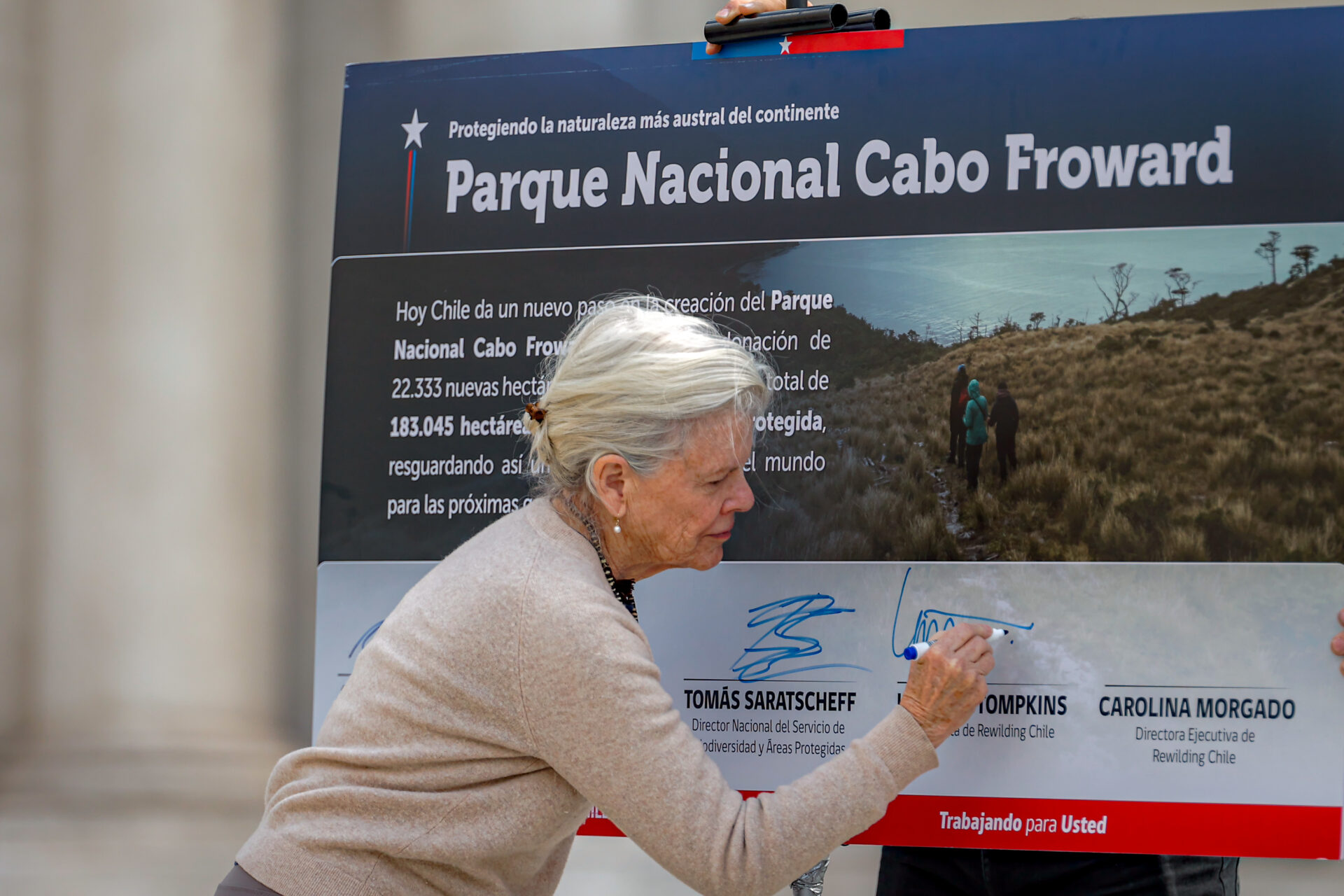
A Public-Private Commitment to Protect Cape Froward
“The creation of protected areas and the legal protection of our natural heritage are part of the history of the Ministry of National Assets. President Kast has urged us from the very first day of his administration to move decisively toward establishing Cape Froward National Park. With the signing of this protocol, we reaffirm the Government of Chile’s commitment to this important task: protecting our natural heritage and preserving it for future generations,” said Minister of National Assets Catalina Parot.
Minister of the Environment Francisca Toledo highlighted that “the creation of Cape Froward National Park is an opportunity to protect unique ecosystems in our country, such as subantarctic forests and peatlands, which hold enormous ecological value. With this new donation, we are one step closer to protecting approximately 452,400 acres of our natural heritage. The Ministry of the Environment has reactivated the process to establish this park, which is currently in the Indigenous consultation stage. We are committed to moving forward responsibly, respecting every step of the process and ensuring permanent protection for future generations.”
SBAP Director Tomás Saratscheff stated that “we deeply value the contribution the Tompkins family has made to conservation in our country over many decades. Their leadership in both the creation and management of national parks is internationally recognized, and we are fortunate to continue working alongside them. As established by our legal mandate, public-private partnerships are central to our work managing national parks. This project is an outstanding example of this kind of collaboration and a model for others looking to contribute to conservation efforts in Chile.”
Kristine Tompkins, President of Rewilding Chile, said: “The creation of this national park will be a contribution not only to Chile, but to the entire world. In these times of climate crisis and species extinction, we must act with greater urgency than ever to leave a healthy planet for future generations. With this milestone, Chile is moving in the right direction.”
Carolina Morgado, Executive Director of Rewilding Chile, added: “We are incredibly proud to continue advancing the creation of this national park, a conservation initiative supported by philanthropists from Chile and around the world. We are confident that, beyond protecting a territory of extraordinary biodiversity, this park represents a tremendous opportunity to foster regional economic development and highlight the value of Magallanes’ natural and cultural heritage, including its significance as the ancestral territory of the Kawésqar people and a place of deep historical and cultural significance to the region.”
“The creation of this national park will be a contribution not only to Chile, but to the entire world. In these times of climate crisis and species extinction, we must act with greater urgency than ever to leave a healthy planet for future generations. With this milestone, Chile is moving in the right direction.”
The Value of Cape Froward
The future park will protect a mosaic of ecosystems, including ancient subantarctic forests, home to the Guaitecas cypress, the southernmost conifer in the world, and vast peatlands, which play a crucial role in capturing and storing carbon.
Located at the southern tip of continental South America, Cape Froward is one of the last remaining continental habitats of the endangered huemul deer. It is also adjacent to the southernmost known breeding site of the endangered ruddy-headed goose. Both species are at risk of extinction.
The area is the ancestral territory of the Kawésqar people, who have navigated the Strait of Magellan for thousands of years. It is also a place of great historical and cultural significance, serving as a passage between the Atlantic and Pacific oceans.
The future park will create opportunities for nature-based tourism and local businesses, while opening up this emblematic territory at the southernmost end of the continent to visitors. A national park of this scale can drive investment in access infrastructure, tourism and local services, complementing the Cape Froward Heritage Route, which crosses the area.
This project is the result of collaborative work between the Ministry of National Assets, the Ministry of the Environment, SBAP, the Office of the President, and Rewilding Chile. It represents a public-private partnership model that makes strategic use of public lands. The park’s establishment process will include Indigenous consultation, in accordance with current regulations.