
After over 20 years dedicated to land conservation along Patagonia's Route of the Parks, we have expanded our focus to the ocean. We aim to establish new protected marine areas, highlighting the vital importance of preserving entire, interconnected ecosystems to ensure ecological continuity and a thriving future for our planet.
While Chile has made significant progress in creating marine protected areas, with 42% of its waters under some category of protection, less than 1% of the Patagonian coastal ecosystems (littorals, channels, fjords, and bays) along the Patagonia Park Route—from Puerto Montt to Cape Horn—are strictly safeguarded. Our Marine Program aims to increase this protection from 1% to 10%.
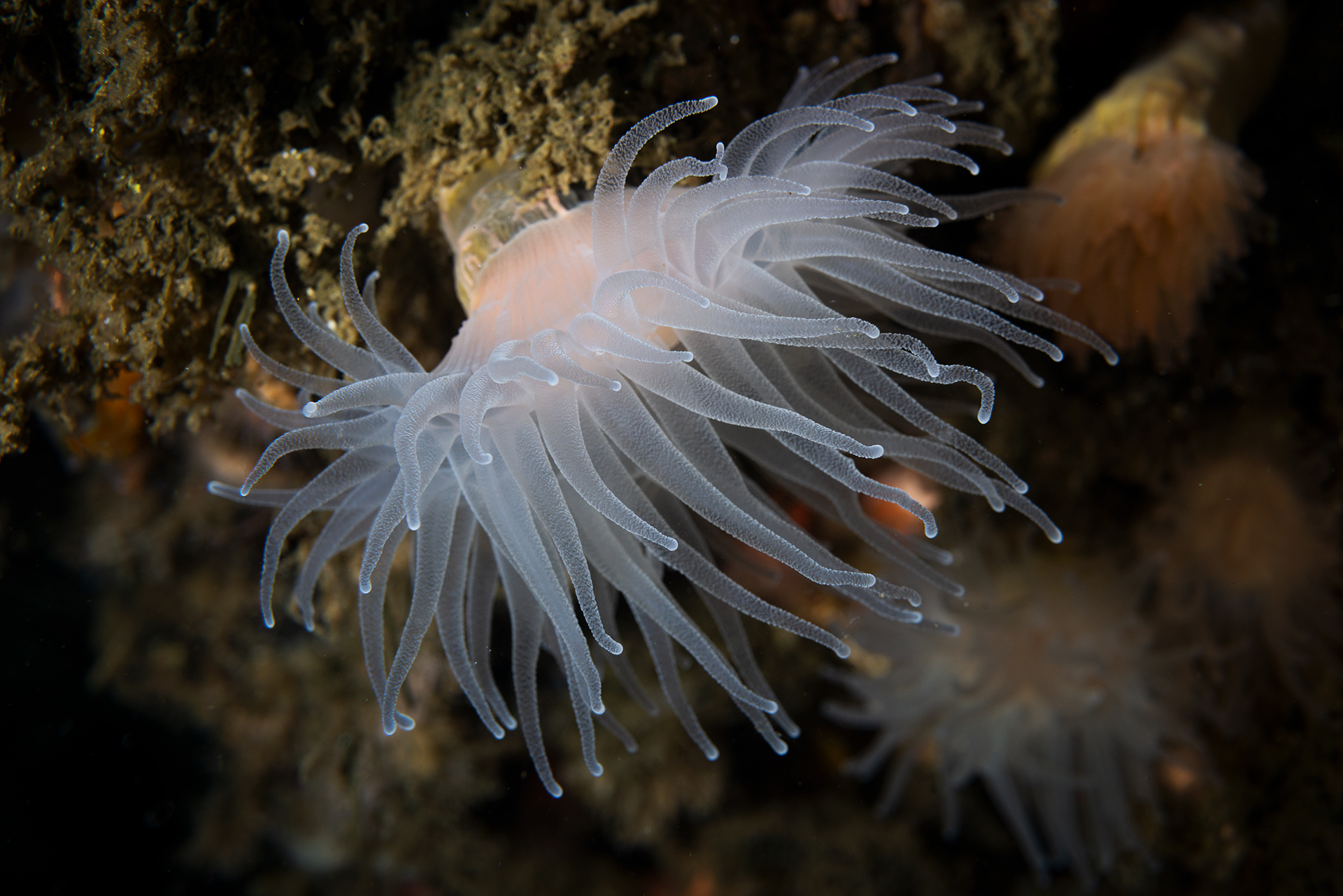
Chilean Patagonia boasts one of the largest fjord ecosystems globally, spanning approximately 52,000 miles (84,000 km) of coastline, more than twice the Earth’s circumference. This ecosystem stands out for its high biological productivity, attributed to nutrient-rich sediments from rivers and glacial meltwater, which provide habitat for numerous species. Among these are the endangered Sei whale (Balaenoptera borealis), benthic fauna like the red hydrocoral (Errina antarctica), an internationally recognized vulnerable species serving as an indicator of ecosystem health, and the icefish (Champsocephalus esox), endemic to southern Patagonia and facing a high risk of extinction.
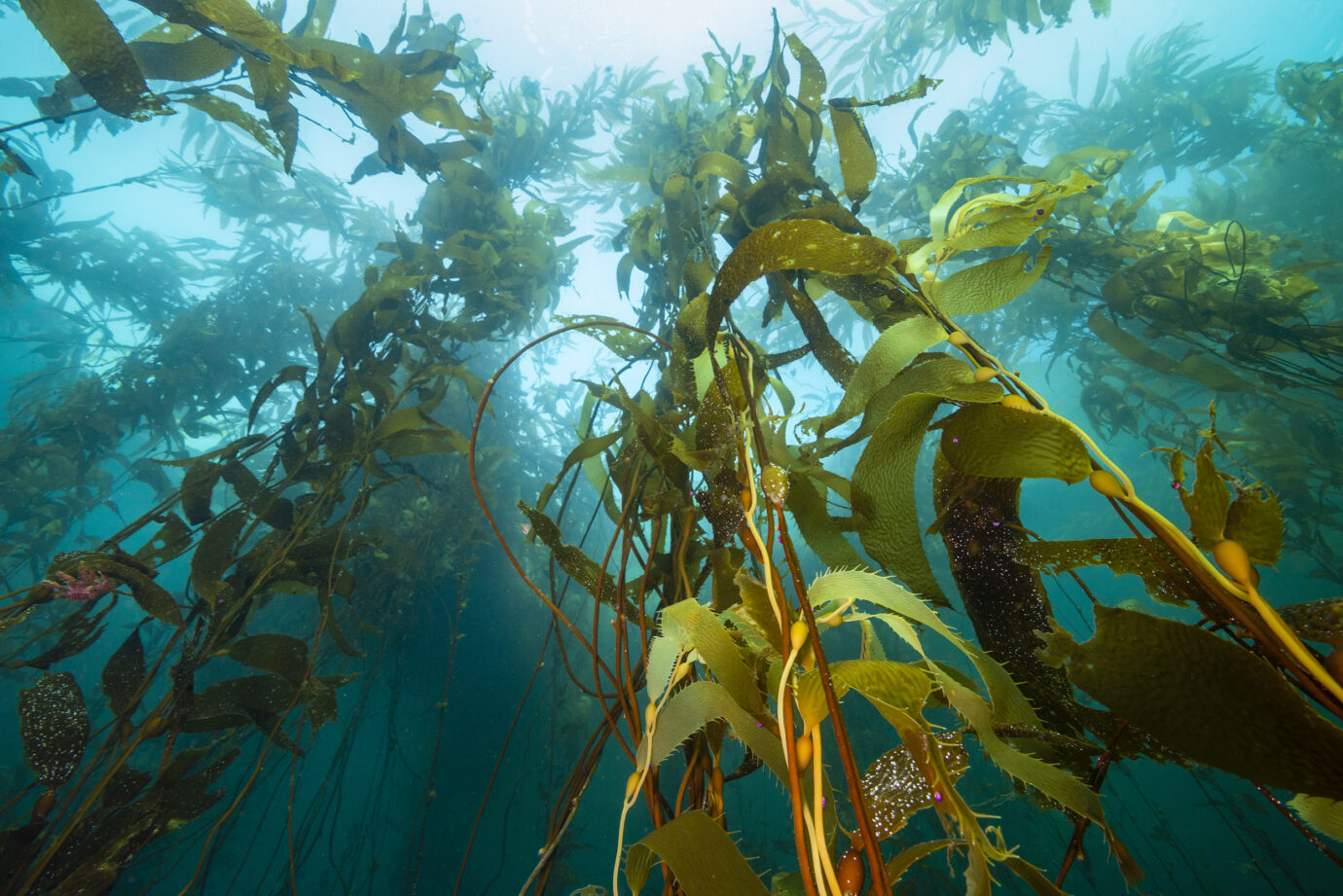
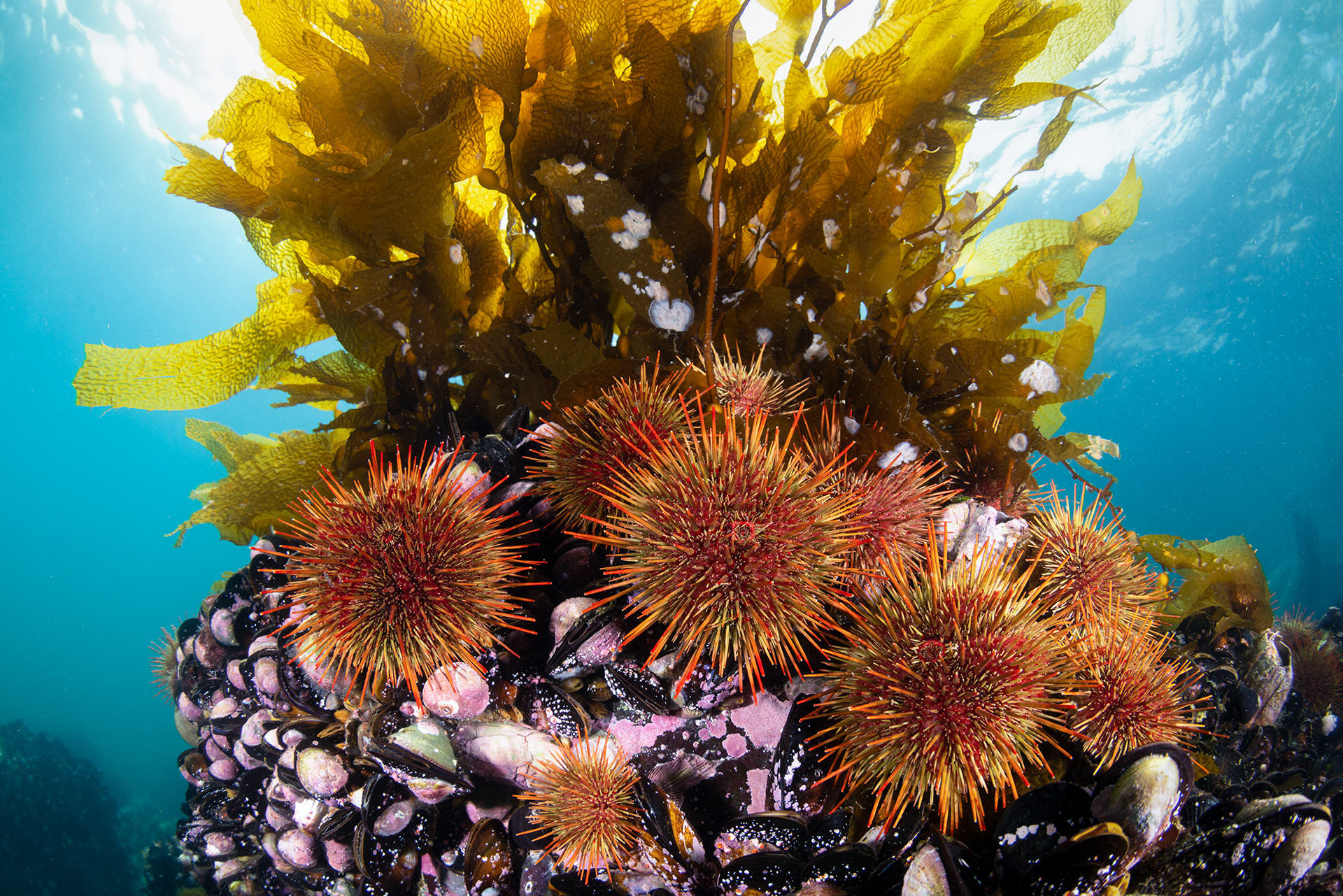
In these coastal marine landscapes of Chilean Patagonia, kelp forests (primarily Macrocystis pyrifera) play a prominent role. This algae is the largest marine plant on Earth, growing about 30 meters per year, forming one of the most diverse and productive habitats on the planet and playing a crucial role as a carbon sink. However, these forests face a significant threat related to their potential extraction for commercial purposes, as seen in northern Chile.
This rich ecological diversity and the challenges for the fjords conservation drive our Marine Program, which aims to protect the fragile environments of the Route of Parks to ensure the continuity of ecological processes, providing a healthy ocean with its complete ecosystems.
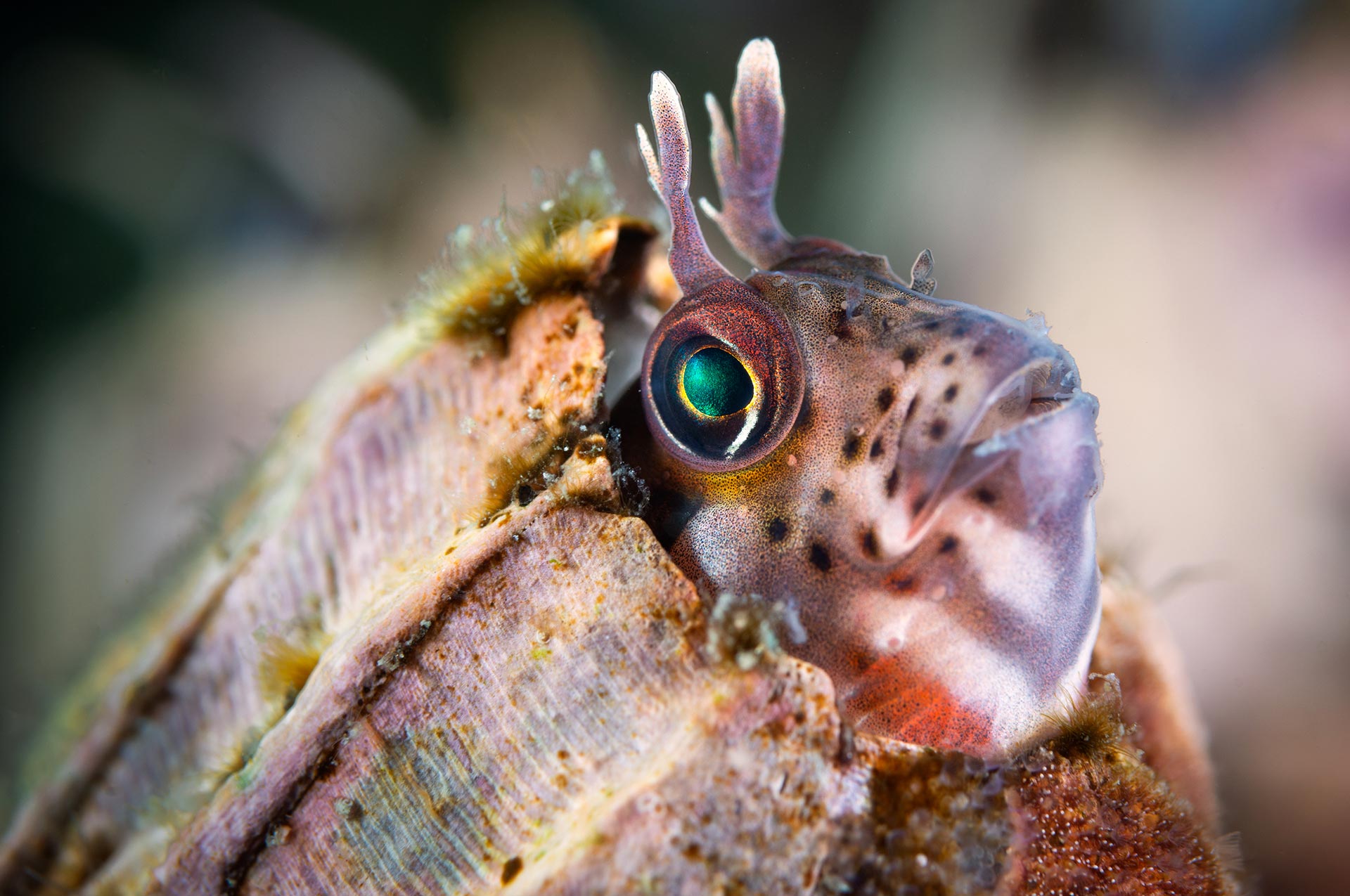
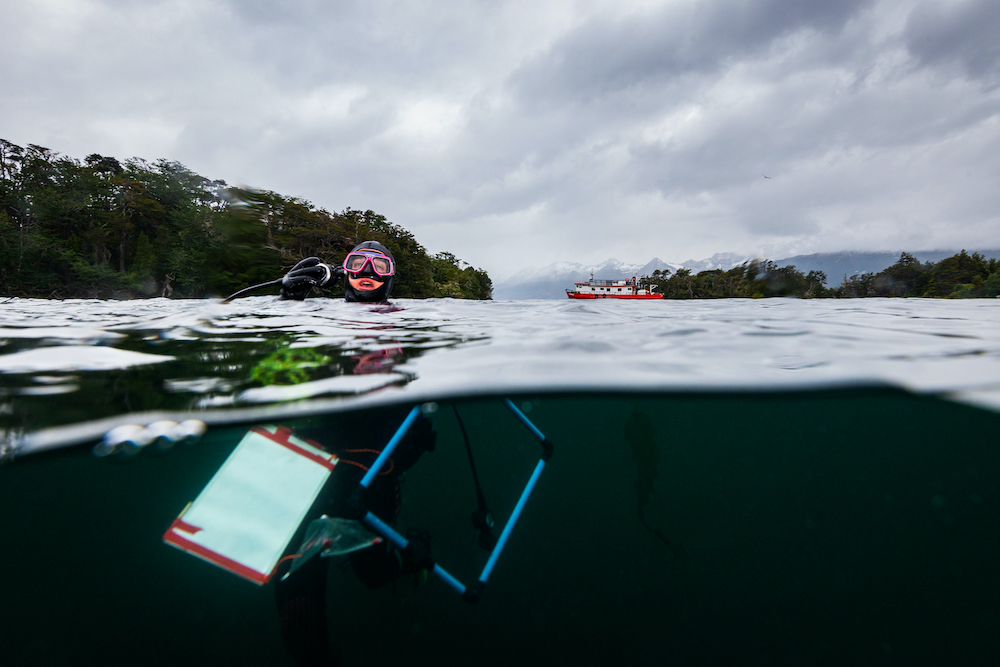
Thanks to the support of various organizations such as Blue Marine Foundation and Marisla, we have been able to carry out expeditions aimed at identifying and documenting biodiversity hotspots, the presence of benthic communities (species and habitats), and fish in the seafloor. These efforts help us expand our understanding of the structure of these communities and how they are influenced by environmental variables. Additionally, they allow us to map threats and monitor the environmental status of identified unique habitats. All of this enables us to build technical arguments justifying the creation of marine parks, thereby promoting marine conservation at the highest level of protection available in Chilean legislation.
Since 2021, we have conducted more than 15 expeditions in the regions of Los Lagos, Aysén, and Magallanes, utilizing cutting-edge technology that allows us to access remote and little-explored areas. Besides underwater drones (ROV, remotely operated vehicle) capable of descending over 200 meters, we have started using a Remote Underwater Video Camera with Bait (BRUV), a non-invasive underwater recording tool that has yielded important results. Furthermore, thanks to the “Diving-PAM,” we have been able to perform the first morphological and eco-physiological characterization of brown macroalgae forests, using pioneering technology in Chile that measures in situ the amount of carbon these underwater systems can capture. All this work has been made possible through collaborations with institutions such as Austral University of Chile, Universidad de Los Lagos, the Spanish Institute of Oceanography, and the University of Magallanes, among others.
We have also worked in public education to raise awareness about the richness of Patagonia’s seas and the urgency of protecting them. We promote collaboration with other civil society organizations to develop campaigns that help mitigate threats facing these ecosystems, such as salmon farming.
Getting closer to the beauty of the ocean, going beyond the darkness of the seafloor, and immersing ourselves in this world allows us to discover its rich ecosystem diversity, which we want to preserve for present and future generations.
¡Learn more about our marine programme through ESRI Storymaps!